
How to Ensure Safety in PVC Pipe Bagging Operations?
PVC pipe bagging operations are integral to manufacturing, but they pose inherent safety risks. Understanding and mitigating these risks is crucial for a safe working environment. This article explores safety measures, equipment safeguards, and operational guidelines.
To ensure safety in PVC pipe bagging operations, implement comprehensive training programs, enforce strict adherence to safety protocols, conduct regular risk assessments, and utilize advanced safety equipment like light curtains and emergency stops. Consistent monitoring and maintenance are also crucial.
PVC pipe bagging operations require diligence and a commitment to safety. A proactive approach will minimize risks, protecting your workforce and maintaining operational efficiency. Let’s delve into the specifics of ensuring a safe PVC pipe bagging process.
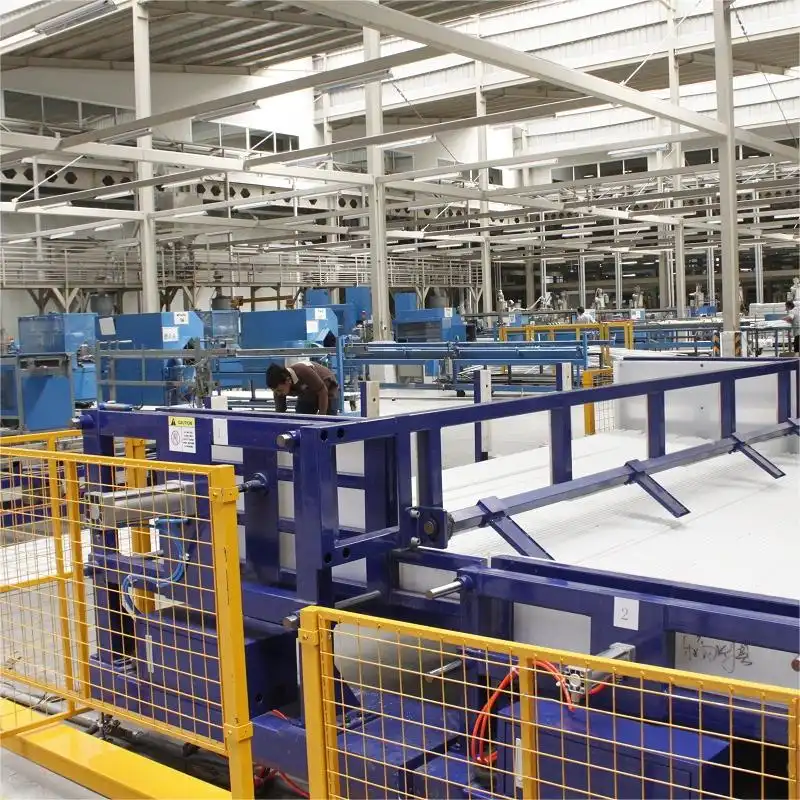
Enhance Safety Awareness and Training
A well-informed and trained workforce is the first line of defense against accidents. Implementing comprehensive training programs and emphasizing safety awareness can significantly reduce incidents in PVC pipe bagging.
To enhance safety awareness and training, create detailed training manuals, conduct regular safety drills, and provide ongoing education on potential hazards. Effective communication, clear instructions, and readily available resources are also essential for maintaining a safe work environment.
But how does comprehensive training translate into a tangible reduction in accidents? What specific skills and knowledge should operators acquire to navigate potential hazards effectively? Let’s explore these questions and examine the core components of a robust training program.
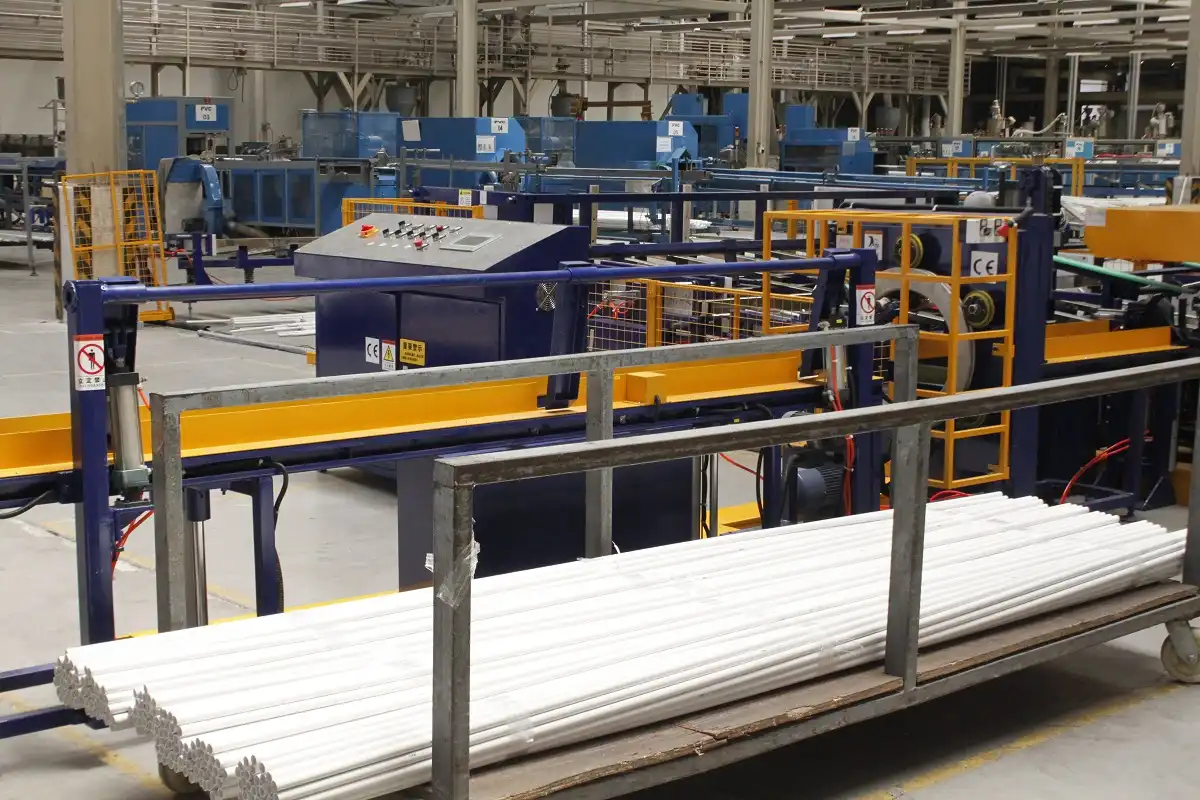
Detailed Training Programs for PVC Pipe Bagging Safety
Detailed training programs for PVC pipe bagging operations must cover a range of topics, from basic machine operation to emergency procedures. The goal is to equip operators with the knowledge and skills necessary to perform their duties safely and efficiently.
Essential Elements of a Comprehensive Training Program
-
Machine Operation: Operators must understand the mechanics of the PVC pipe bagging machine, including its various components, functions, and operational cycle.
-
Safety Protocols: Training should cover all safety protocols, including lockout/tagout procedures, emergency stop procedures, and the proper use of personal protective equipment (PPE).
-
Hazard Identification: Operators must be able to identify potential hazards, such as pinch points, moving parts, and electrical risks.
-
Troubleshooting: Training should include basic troubleshooting techniques to address common machine malfunctions.
-
Maintenance: Operators should be trained on routine maintenance tasks, such as lubrication, cleaning, and visual inspections.
Tailoring Training to Specific Roles
Different roles within the bagging operation may require specialized training. For example, maintenance personnel need in-depth knowledge of machine repair, while operators need focused training on machine operation and safety protocols.
Incorporating Various Training Methods
To ensure effective learning, training programs should incorporate various methods, including:
- Classroom Sessions: Lectures and presentations covering machine theory and safety procedures.
- Hands-on Training: Supervised operation of the machine under normal and emergency conditions.
- Visual Aids: Diagrams, videos, and animations demonstrating machine operation and safety protocols.
- Simulations: Simulated scenarios to practice emergency procedures and fault diagnosis.
Continuous Improvement and Refresher Training
Training should not be a one-time event. Regular refresher courses and continuous improvement initiatives are essential for keeping operators updated on new technologies, safety protocols, and best practices.
| Training Aspect | Initial Training Emphasis | Continuous Education Focus |
|---|---|---|
| Safety | Foundational safety rules, LOTO, PPE, emergency stops. | Refresher drills, updates on regulations, incident reviews. |
| Operation | Basic startup, operation, shutdown, routine tasks. | Advanced techniques, optimization, new feature training. |
| Maintenance | Basic preventive maintenance, cleaning, lubrication. | Advanced diagnostics, component replacement, predictive maintenance. |
| Troubleshooting | Common fault identification, basic error resolution. | Complex diagnostics, advanced repair, root cause analysis. |
By implementing a detailed and comprehensive training program, manufacturers can significantly enhance safety awareness and reduce the risk of accidents in PVC pipe bagging operations.
Implement Equipment Safeguards and Safety Devices
Equipment safeguards and safety devices are essential for protecting operators from potential hazards. Implementing these measures can significantly reduce the risk of accidents and injuries in PVC pipe bagging operations.
To implement effective equipment safeguards, install light curtains, safety interlocks, and emergency stop buttons. Regular inspections, maintenance, and upgrades of safety devices are also critical for ensuring continuous protection.
How do specific safety devices function, and what are the key considerations for their proper installation and maintenance? What are the latest technological advancements in safety equipment that can further enhance operator protection?
Essential Equipment Safeguards in Detail
Implementing essential equipment safeguards requires a thorough understanding of the potential hazards and the appropriate safety devices to mitigate them.
-
Light Curtains: Light curtains create a barrier of light beams around hazardous areas. If the beam is broken, the machine immediately stops, preventing accidental access.
-
Safety Interlocks: Safety interlocks prevent the machine from operating if safety guards or doors are not properly closed. This ensures that operators cannot access moving parts during operation.
-
Emergency Stop Buttons: Emergency stop buttons provide a quick and easy way to halt the machine in the event of an emergency. They should be strategically placed within easy reach of operators.
-
Machine Guarding: Physical barriers, such as fences or enclosures, can prevent operators from entering hazardous areas.
Regular Inspections and Maintenance: To ensure that equipment safeguards remain effective, regular inspections and maintenance are essential. This includes:
- Visual Inspections: Checking for damage, wear, or misalignment of safety devices.
- Functional Testing: Testing the operation of safety devices to ensure they are working properly.
- Preventive Maintenance: Performing routine maintenance tasks, such as lubrication and cleaning, to prevent malfunctions.
Integrating Advanced Safety Technology
- Sensor-Based Monitoring: Integrating sensors to monitor machine vibration, temperature, and pressure can detect potential problems before they lead to accidents.
- Automated Shut-Down Systems: Implementing automated shut-down systems that automatically halt the machine in the event of a malfunction or emergency. By implementing these essential equipment safeguards and safety devices, manufacturers can significantly reduce the risk of accidents and injuries in PVC pipe bagging operations.
Establish Clear Operational Guidelines and Procedures
Clear operational guidelines and procedures are essential for ensuring consistent and safe operation of PVC pipe bagging machines. Well-defined procedures reduce the risk of errors, promote efficiency, and ensure that operators follow best practices.
To establish clear operational guidelines, develop detailed standard operating procedures (SOPs), provide clear instructions for all tasks, and ensure that guidelines are easily accessible. Regular reviews and updates are also essential for maintaining relevance.
How can these guidelines be effectively communicated to operators, and what role does regular review and updating play in maintaining their relevance? What specific elements should be included in a comprehensive set of operational guidelines?
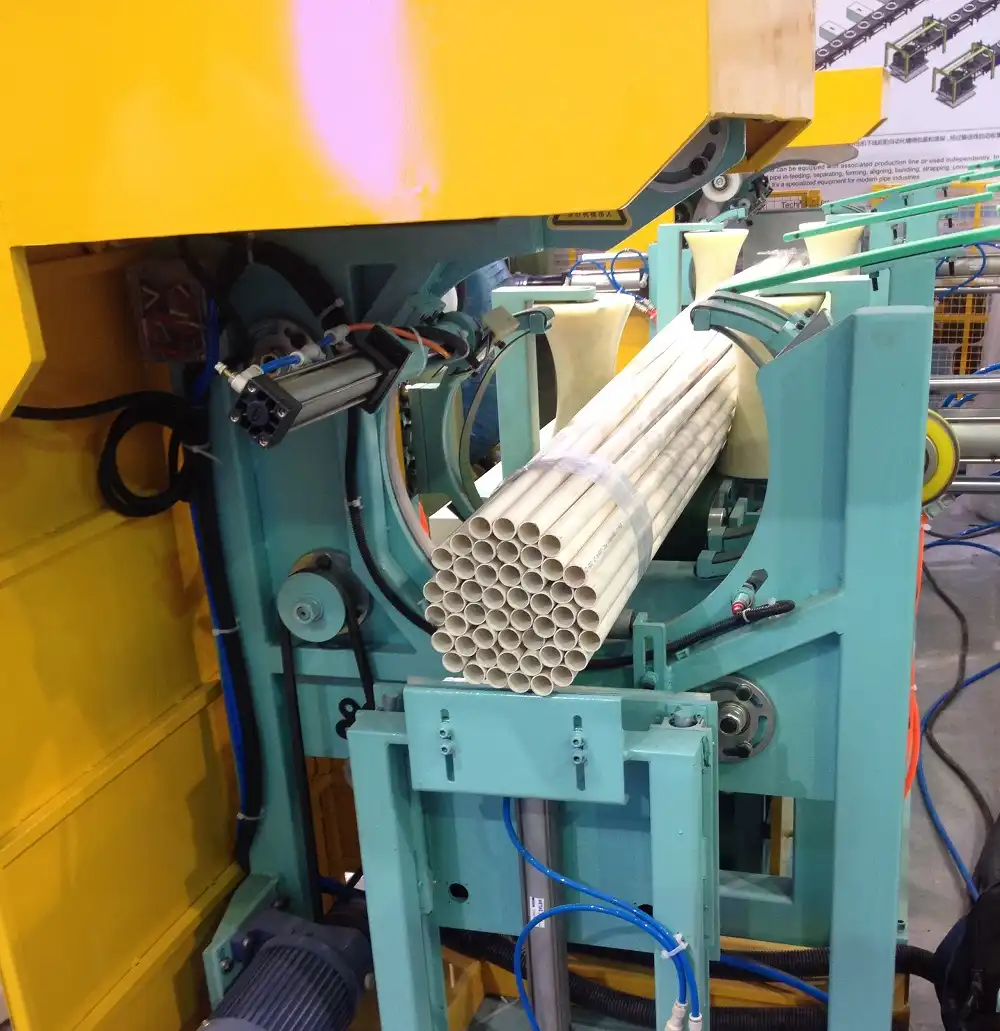
Crafting Effective Operational Guidelines
Crafting effective operational guidelines requires a structured approach.
Essential Components of Operational Guidelines
- Startup Procedures: Step-by-step instructions for safely starting the machine, including pre-operation checks and system initialization.
- Operational Protocols: Standard operating procedures (SOPs) for various pipe sizes and bagging parameters, including settings, speeds, and material handling instructions.
- Shutdown Procedures: Normal shutdown sequence and emergency stop protocols (location of e-stops, reset procedures).
- Emergency Response: Procedures for responding to machine malfunctions, accidents, or other emergencies, including evacuation and first aid protocols.
- Maintenance Schedule: Regular maintenance tasks (lubrication, inspection, component replacement) and predictive maintenance action triggers.
Best Practices for Creating Clear Guidelines
- Use simple language: Use clear, concise, and easy-to-understand language to avoid confusion.
- Provide visual aids: Use diagrams, illustrations, and videos to demonstrate procedures.
- Involve operators: Engage operators in the development of guidelines to ensure they are practical and relevant.
- Make them accessible: Ensure that guidelines are readily accessible to all operators, both in print and electronic formats.
Regular Review and Updating
Operational guidelines should be regularly reviewed and updated to reflect changes in equipment, procedures, or safety regulations. Regular reviews ensure that the guidelines remain relevant, accurate, and effective.
| Protocol Area | Key Elements | Importance |
|---|---|---|
| Startup Procedures | Pre-operation checklist, step-by-step startup sequence, alarm system initialization. | Ensures all safety systems are functional before operation begins, prevents accidental startups. |
| Operational Protocols | SOPs for various pipe sizes and bagging parameters, remote monitoring guidelines. | Maintains consistent and safe operation, provides clear instructions for remote oversight. |
| Shutdown Procedures | Normal shutdown sequence, emergency stop protocols, post-operation checklist. | Ensures controlled and safe machine termination, enables rapid response to emergencies. |
Implement Regular Risk Assessments and Audits
Implementing regular risk assessments and audits is crucial for identifying potential hazards and evaluating the effectiveness of safety measures. Regular assessments ensure that potential risks are identified and addressed proactively.
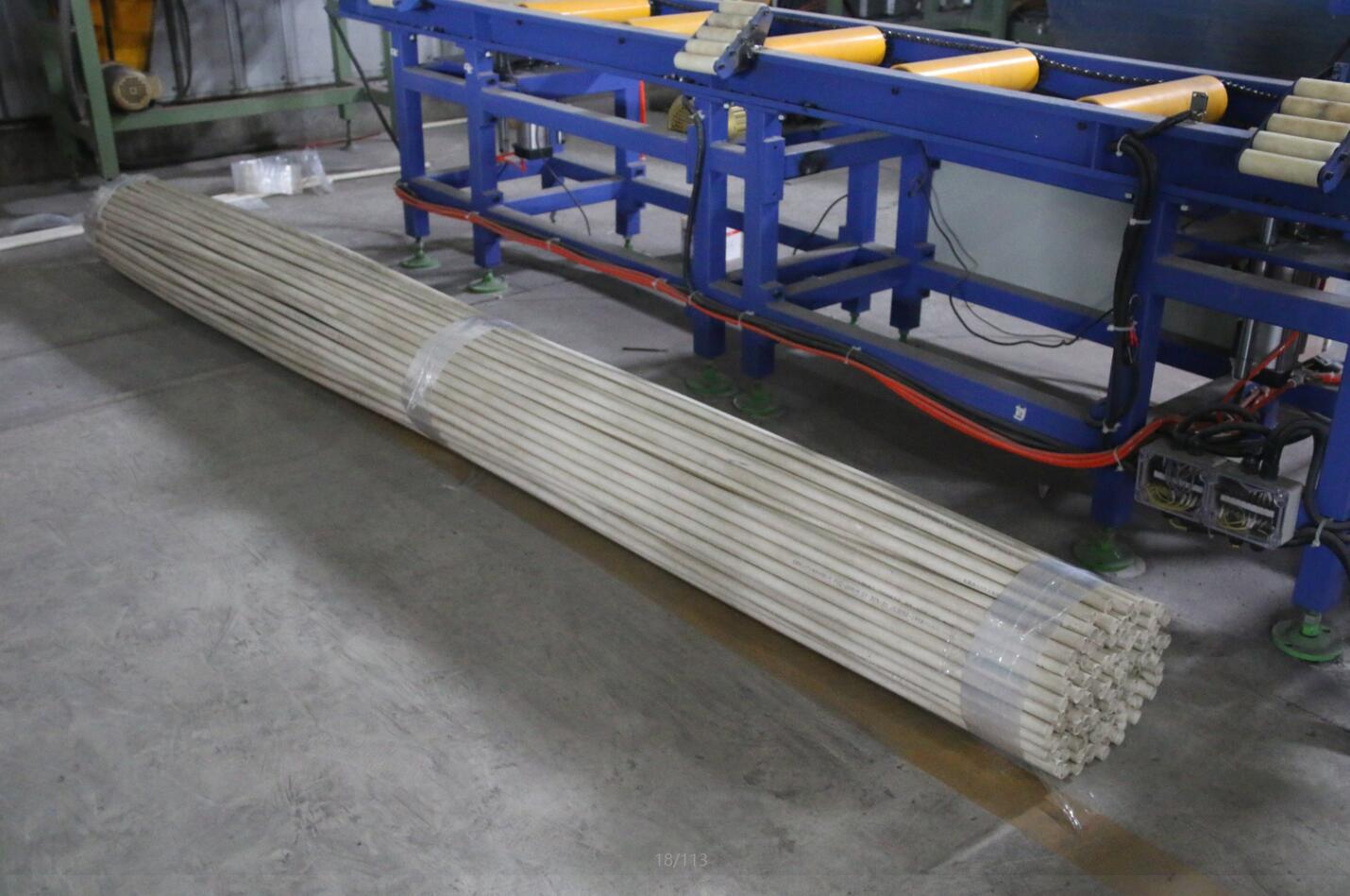
To effectively implement risk assessments, conduct thorough hazard analyses, engage operators in the assessment process, and document all findings. Regular audits should be performed to evaluate compliance with safety protocols and identify areas for improvement. Act on the assessment!
Regular risk assessments and audits are vital for maintaining a safe and efficient PVC pipe bagging operation. By identifying potential hazards, evaluating safety measures, and implementing corrective actions, manufacturers can create a culture of continuous improvement and ensure the ongoing safety of their workforce.
Conclusion
Ensuring safety in PVC pipe bagging operations demands a comprehensive strategy encompassing training, safeguards, clear guidelines, and continuous assessment. Proactive measures, such as detailed training programs and regular risk assessments, are essential for mitigating potential hazards. A robust safety culture protects workers and enhances operational efficiency. By prioritizing safety, manufacturers can create a secure work environment, minimizing risks and fostering long-term success in their PVC pipe production.








