
What Are the Benefits of Using Pipe Bundling Machines in the Paper Industry?
The paper industry, while not the first that comes to mind, benefits significantly from pipe bundling machines. These machines streamline material handling, improve efficiency, and reduce operational costs. Discover how this technology enhances productivity in the paper sector.
Pipe bundling machines offer several key benefits to the paper industry, including increased efficiency in handling paper rolls, reduced labor costs, minimized material damage, and improved storage and transportation logistics. These machines automate the bundling process, ensuring consistent and secure packaging of paper products.
Ready to delve deeper into how pipe bundling machines are revolutionizing material handling in the paper industry? Let’s explore the advantages, applications, and the future of this transformative technology.
1. Enhanced Efficiency in Paper Roll Handling
Pipe bundling machines are typically associated with industries dealing with pipes. However, their core function of secure bundling translates exceptionally well to handling large paper rolls. They automate what is otherwise a labor-intensive and potentially damaging process.
Pipe bundling machines dramatically enhance efficiency in handling paper rolls by automating the bundling process. This automation leads to faster processing times, reduced manual labor, and consistent packaging, resulting in increased overall productivity and cost savings for paper manufacturers.
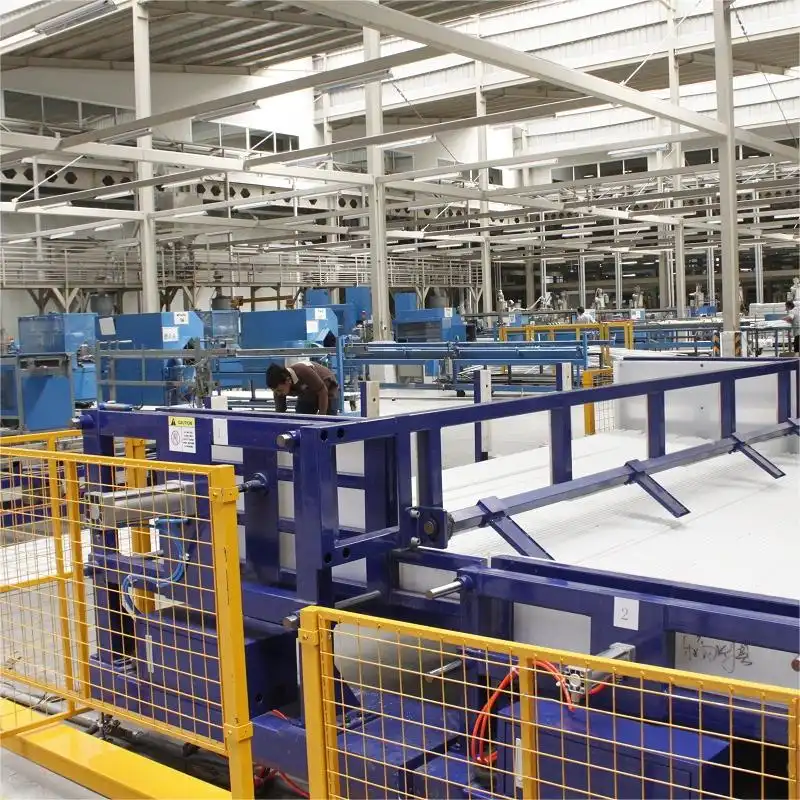
Streamlining Operations: How Bundling Machines Optimize Paper Handling
To understand the benefits, we need to break down how these machines streamline operations. They address several key challenges in paper roll handling:
Reduced Manual Labor
Large paper rolls are heavy and cumbersome. Manually handling them requires significant manpower and poses risks of injury. Bundling machines automate this process, reducing the need for manual labor.
Faster Processing Times
Automated bundling is significantly faster than manual methods. Machines can bundle multiple rolls in a fraction of the time it would take a team of workers. This speed is crucial for high-volume paper mills.
Consistent Packaging
Manual bundling can lead to inconsistencies in packaging, affecting stability during storage and transportation. Machines ensure consistent and secure bundling, minimizing the risk of damage.
Optimized Storage
Tightly bundled rolls take up less space and are easier to stack, optimizing storage capacity. This is particularly important for paper mills with limited storage space.
The impact on operational efficiency is substantial, leading to significant cost savings and improved productivity. To quantify these benefits, consider the following table:
| Feature | Manual Handling | Pipe Bundling Machine | Improvement |
|---|---|---|---|
| Labor Required | 4 workers per shift | 1 operator | 75% reduction |
| Processing Time | 30 minutes per bundle | 5 minutes per bundle | 83% reduction |
| Storage Density | Low | High | 50% increase |
| Damage Rate | 5% | Less than 1% | 80% reduction |
| Injury Risk | High | Low | Significantly Lower |
| Packaging Consistency | Inconsistent | Consistent | Vastly Improved |
This table clearly demonstrates the advantages of using pipe bundling machines for paper roll handling. The reduced labor, faster processing times, increased storage density, and decreased damage rates all contribute to significant cost savings and improved operational efficiency. Furthermore, using pipe bundling machines promotes a safer workplace and reduces the risk of injuries associated with heavy lifting and manual handling.
2. Cost Reduction Through Automation
One of the most compelling reasons to adopt pipe bundling machines is the potential for significant cost reduction. Automation reduces labor costs, minimizes material waste, and optimizes storage, all of which contribute to a healthier bottom line.
Pipe bundling machines drive cost reduction by minimizing labor expenses, decreasing material waste from damage, and optimizing storage space. The initial investment is offset by long-term operational savings and increased efficiency in the paper production process.
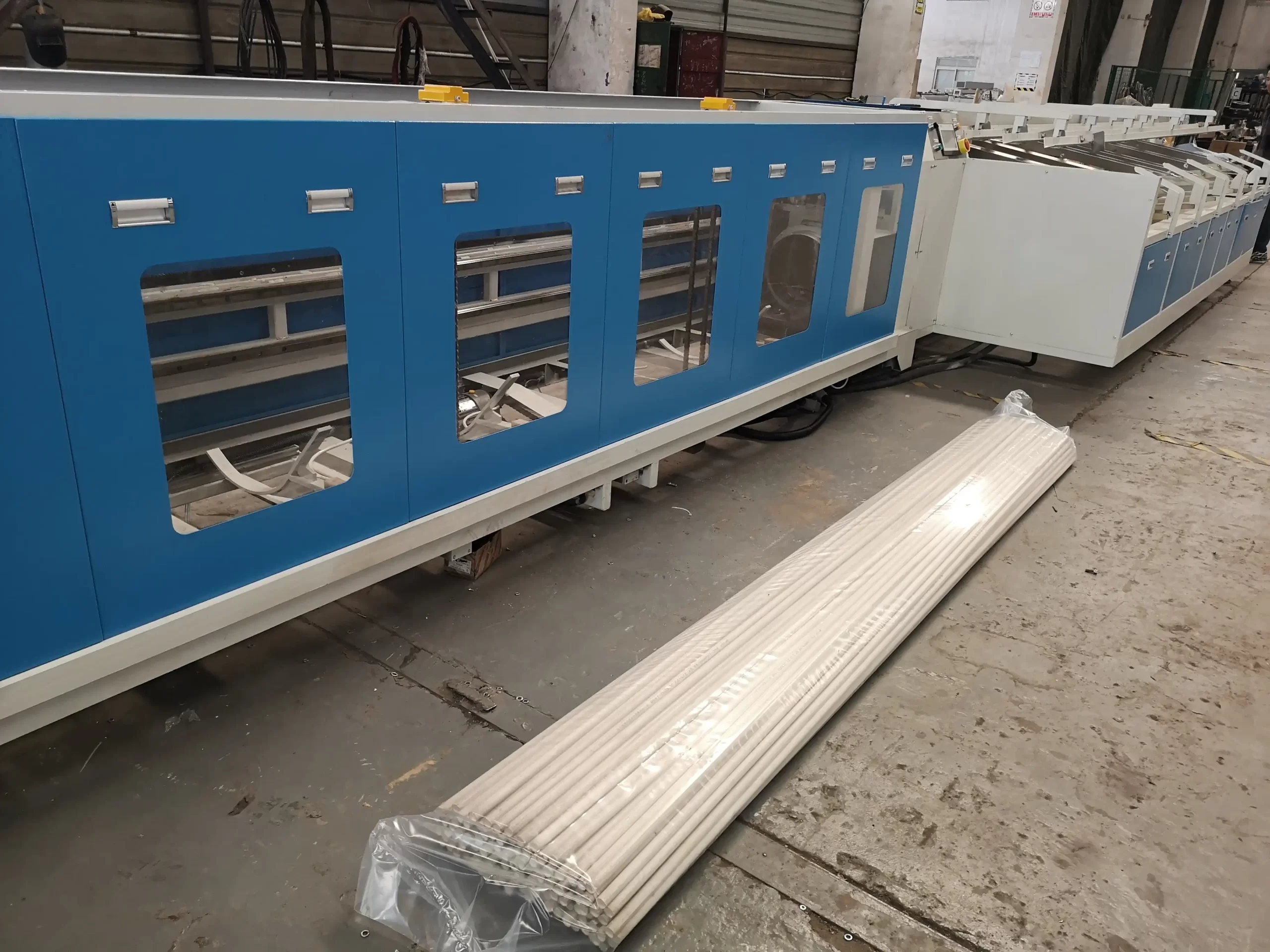
Examining the Financial Impact: A Deeper Dive into Cost Savings
To fully appreciate the cost benefits, let’s examine the various ways pipe bundling machines impact a paper mill’s finances.
Labor Cost Savings
As mentioned earlier, automation significantly reduces the need for manual labor. This translates directly into lower labor costs, especially in regions with high labor rates.
Material Waste Reduction
Damage to paper rolls during handling can result in significant material waste. Secure bundling minimizes the risk of damage, reducing waste and improving yields.
Optimized Storage Costs
Efficient storage reduces the need for additional warehouse space. Tightly bundled rolls require less space, allowing mills to store more product in the same area.
Reduced Transportation Costs
Well-bundled rolls are easier to transport, reducing the risk of shifting or damage during transit. This can lead to lower transportation costs and fewer insurance claims.
Here’s a more detailed look at the potential cost savings:
- Labor Costs: A paper mill employing 10 workers per shift for manual bundling could potentially reduce that to 2 workers with a bundling machine, resulting in an 80% reduction in labor costs.
- Material Waste: Reducing the damage rate from 5% to less than 1% can save a mill thousands of dollars per year in wasted materials.
- Storage Costs: Optimizing storage density can reduce the need for additional warehouse space, saving on rental or construction costs.
Beyond direct cost savings, pipe bundling machines can also improve a paper mill’s competitiveness. By increasing efficiency and reducing waste, mills can offer more competitive pricing while maintaining profitability. This makes them more attractive to customers and helps them gain market share.
3. Improved Safety and Ergonomics
Manual handling of heavy paper rolls poses significant safety risks to workers. Pipe bundling machines mitigate these risks by automating the process and reducing the need for manual lifting and handling.
Pipe bundling machines enhance safety and ergonomics in paper handling by minimizing manual labor and reducing the risk of injuries associated with heavy lifting and repetitive tasks. Automation creates a safer work environment and reduces worker compensation claims.
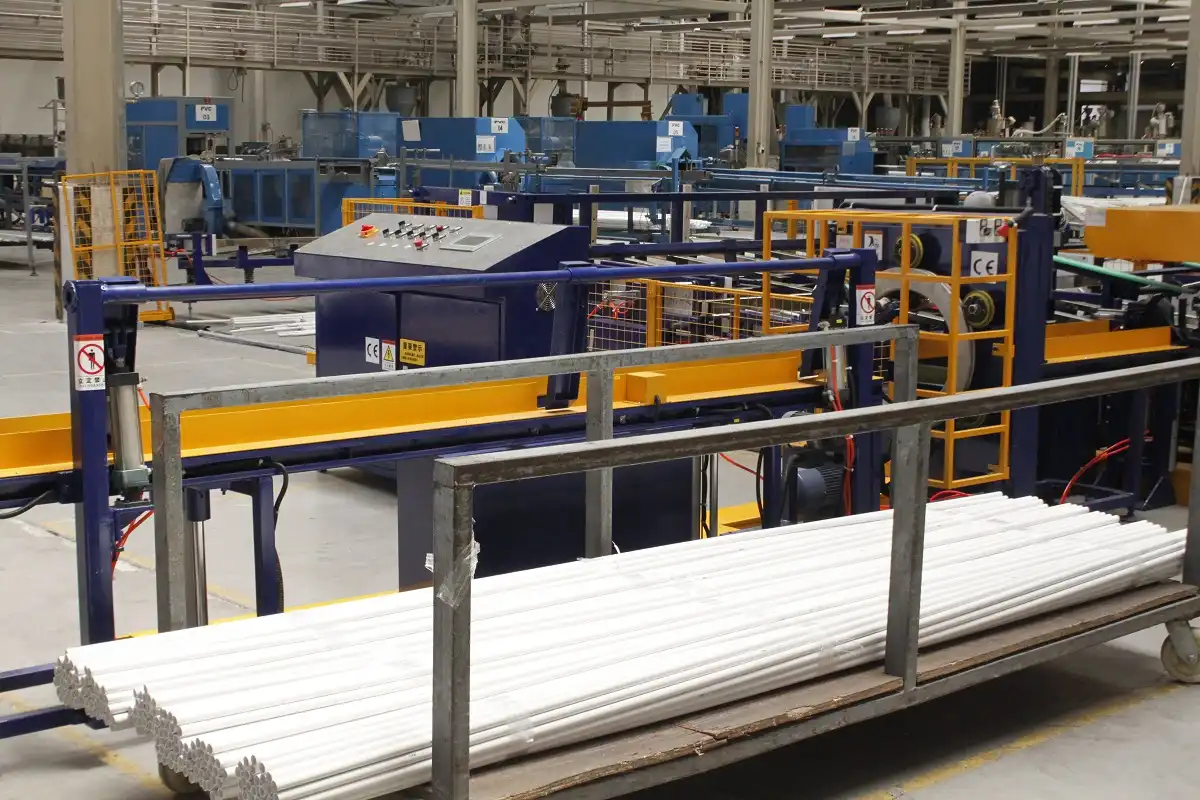
Prioritizing Worker Well-being: The Safety Advantages of Automation
The implementation of pipe bundling machines extends beyond mere efficiency gains. The following points highlight important improvements to safety.
- Reduced Risk of Musculoskeletal Disorders: Manual lifting and handling of heavy paper rolls can lead to musculoskeletal disorders, such as back injuries and carpal tunnel syndrome. Automation reduces the risk of these injuries.
- Minimized Risk of Accidents: Manual handling also increases the risk of accidents, such as slips, trips, and falls. Machines reduce the potential for these accidents by automating the process.
- Improved Ergonomics: Bundling machines can be designed to improve ergonomics, reducing strain and fatigue on workers.
- Compliance with Safety Regulations: Implementing automated bundling systems can help paper mills comply with safety regulations and reduce the risk of fines and penalties.
Let’s consider a comparative table highlighting improvements made using pipe bundling machines.
| Risk | Manual Handling | Pipe Bundling Machine |
|---|---|---|
| Back Injuries | High | Low |
| Carpal Tunnel | Moderate | Low |
| Slips, Trips, Falls | Moderate | Low |
| Accidents near Machines | Moderate | Low |
| Overall Safety Level | Lower | Higher |
Prioritizing worker well-being through automation not only reduces the risk of injuries but also improves morale and productivity. A safer work environment attracts and retains skilled workers, leading to a more stable and productive workforce.
4. Customization and Flexibility
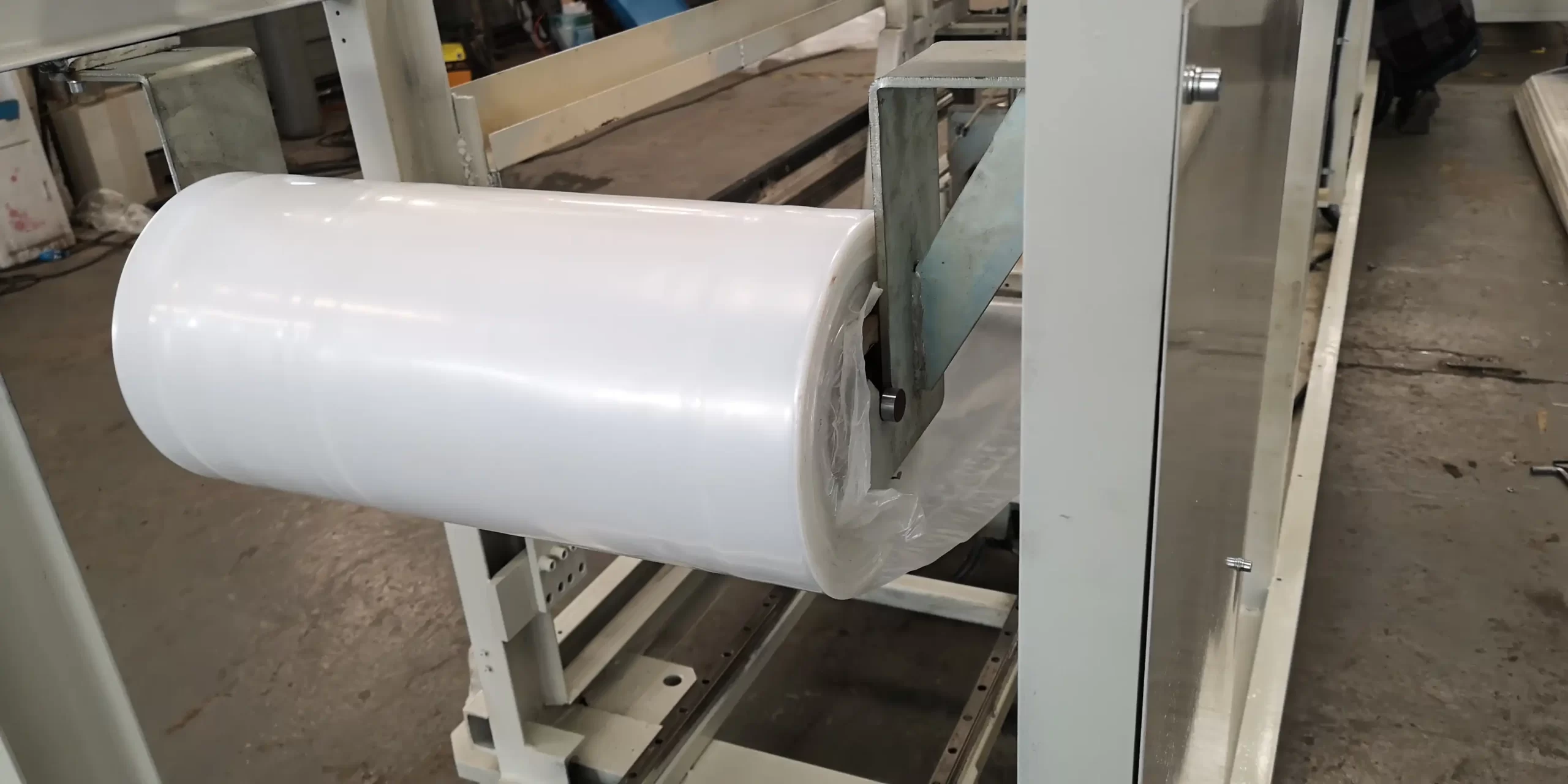
These machines offer flexibility. They are capable of bundling paper rolls of varying sizes and weights, which makes them perfect for the paper industry.
Pipe bundling machines can be customized to handle various paper roll sizes and weights, offering flexibility for different product lines. This adaptability allows paper manufacturers to efficiently bundle a wide range of paper products, optimizing their packaging processes.
Pipe bundling machines can be customized to handle a wide range of paper roll sizes and weights. Manufacturers can adjust settings to accommodate different roll dimensions. This adaptability ensures efficient bundling for a variety of paper products. This adaptability optimizes packaging processes.
Conclusion
The integration of pipe bundling machines into the paper industry presents a transformative opportunity to enhance efficiency, reduce costs, and improve safety. The automation of paper roll handling streamlines operations, minimizes material waste, and optimizes storage, leading to significant financial benefits. Moreover, the reduction in manual labor mitigates safety risks, creating a more secure and ergonomic work environment. As technology advances, expect to see even more sophisticated and adaptable bundling solutions emerge, solidifying their crucial role in the paper industry.








