
What Are the Challenges of Maintaining Pipe Bundling Machines in Remote Industrial Sites?
Maintaining pipe bundling machines in remote industrial sites presents unique difficulties. These locations often lack the resources and infrastructure readily available in more populated areas, impacting maintenance efforts.
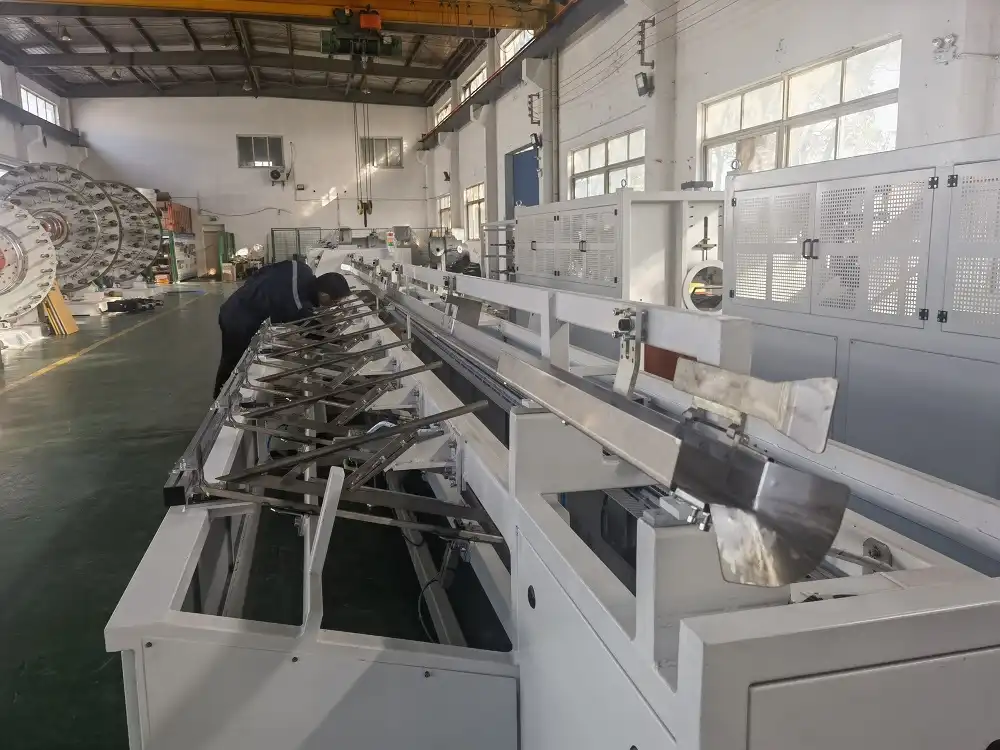
The challenges include limited access to skilled technicians, delayed spare parts delivery, harsh environmental conditions, power supply instability, and communication difficulties. Overcoming these obstacles requires proactive planning, robust equipment design, remote monitoring, and comprehensive training programs.
Let’s delve deeper into the specific challenges and explore practical solutions for maintaining these critical machines in isolated environments. Understanding these issues is key to minimizing downtime and maximizing productivity.
1. Accessibility and Logistics
Maintaining pipe packaging machines in remote locations begins with simply getting there. The isolated nature adds layers of complexity to maintenance operations.
The primary hurdle is the difficulty of transporting technicians and spare parts. Remote sites are often characterized by poor road infrastructure, limited transportation options, and long distances from urban centers. These factors can significantly delay maintenance interventions and increase associated costs.
Mitigating Accessibility Challenges in Remote Locations
The geographical challenges inherent in remote industrial sites create a complex web of issues that impact the efficiency and effectiveness of maintaining pipe bundling machines. To tackle this, we need a deep dive into the core problems, offering multifaceted solutions.
1.1. The Technician Availability Paradox: Skilled Labor in Scarce Supply
The limited availability of skilled technicians in remote areas creates a paradox. While the demand for expert maintenance services is high, the supply is constrained by several factors:
-
Geographical Isolation: Remote locations are often less attractive to skilled workers due to limited amenities, fewer job opportunities for spouses, and social isolation.
-
Housing and Infrastructure Deficiencies: Adequate housing, reliable transportation, and access to essential services are often lacking, further deterring skilled professionals.
-
Training and Certification Gaps: Local workforces may lack the specialized training and certifications required to maintain complex pipe bundling machinery.
To address this, consider the following approaches:
| Strategy | Description | Benefits | Challenges |
|---|---|---|---|
| Local Training Programs | Invest in training programs for local personnel, providing them with the necessary skills to perform basic maintenance tasks and troubleshoot common issues. | Reduced reliance on external technicians, fostering local expertise, and creating employment opportunities. | Requires significant initial investment, ongoing training updates, and ensuring curriculum relevance. |
| Remote Support Technologies | Implement remote monitoring and diagnostic tools to enable remote troubleshooting and guidance from experienced technicians in centralized locations. | Reduced travel costs, faster response times, and access to specialized expertise without physical presence. | Relies on reliable internet connectivity, cybersecurity measures, and technician proficiency in remote tools. |
| Strategic Partnerships | Establish partnerships with local technical colleges or vocational schools to create a pipeline of qualified technicians. | Long-term solution for addressing skill gaps, aligning training programs with industry needs, and fostering collaboration between educational institutions and industrial sites. | Requires sustained commitment from both parties, curriculum development, and ensuring job placement for graduates. |
1.2. The Spare Parts Supply Chain Bottleneck: Overcoming Delays and Disruptions
The timely availability of spare parts is crucial for minimizing downtime. However, remote industrial sites often face significant challenges in this area:
-
Long Lead Times: Distance from suppliers and complex logistics chains can result in extended lead times for parts delivery.
-
Inventory Management Difficulties: Maintaining adequate on-site inventory of spare parts is challenging due to storage limitations, potential obsolescence, and the risk of damage or loss.
-
Customs and Border Clearance Delays: International shipments of spare parts may be subject to customs delays and complicated border clearance procedures.
Consider these solutions:
| Strategy | Description | Benefits | Challenges |
|---|---|---|---|
| Strategic Stockpiling | Maintain a well-organized on-site inventory of critical spare parts, based on historical failure data and equipment criticality assessments. | Reduced downtime, faster repairs, and improved operational efficiency. | Requires significant capital investment, storage space, and effective inventory management systems. |
| Predictive Maintenance Programs | Implement predictive maintenance programs that leverage sensor data and machine learning algorithms to anticipate potential component failures and proactively order spare parts. | Reduced unplanned downtime, optimized inventory levels, and improved maintenance planning. | Requires investment in sensors, data analytics platforms, and skilled data scientists. |
| Expedited Shipping Agreements | Negotiate expedited shipping agreements with key suppliers to ensure rapid delivery of spare parts in emergency situations. | Reduced lead times, faster repairs, and minimized downtime. | May involve higher shipping costs and reliance on the reliability of shipping providers. |
2. Environmental Considerations
Harsh environments pose significant threats to the reliable operation of pipe bundling machines.
Extreme temperatures, dust, humidity, and corrosive substances can accelerate wear and tear, leading to premature component failure and increased maintenance requirements. Protecting the equipment from these elements is crucial for ensuring long-term reliability and minimizing downtime.
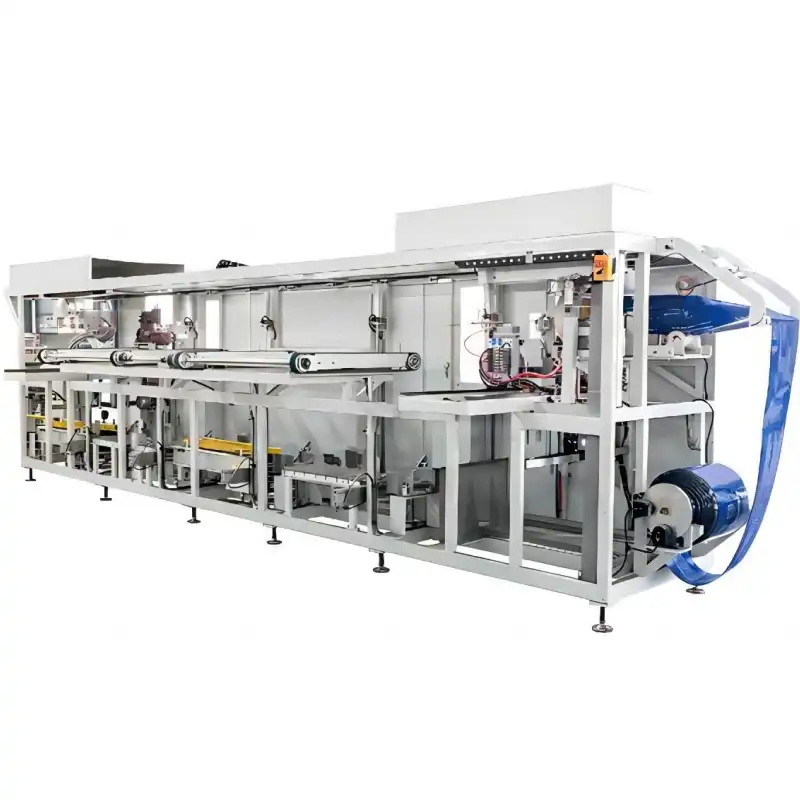
Adapting to Harsh Conditions: Ensuring Equipment Resilience
Remote industrial sites often present environments that can severely challenge the integrity and performance of machinery. Let’s see how to address those.
2.1. Weatherproofing and Protection Strategies
Pipe bundling machines deployed in remote locations face a constant barrage of environmental stressors:
-
Extreme Temperatures: Fluctuations between scorching heat and freezing cold can cause expansion and contraction of components, leading to stress fractures and material degradation.
-
Dust and Sand Infiltration: Abrasive particles can penetrate sensitive components, causing wear and tear on moving parts, clogging filters, and damaging electrical systems.
-
High Humidity and Corrosion: Moisture can promote corrosion of metal surfaces, leading to rust, weakening of structural components, and failure of electrical connections.
-
UV Radiation Degradation: Prolonged exposure to sunlight can cause degradation of plastics, rubber, and other materials, leading to brittleness and cracking.
To mitigate these effects, consider:
-
Protective Enclosures: Housing the pipe bundling machine within a weatherproof enclosure can provide a physical barrier against environmental elements. The enclosure should be constructed from corrosion-resistant materials and designed to withstand extreme temperatures, wind, and precipitation.
-
Sealed Components: Using sealed bearings, connectors, and electrical enclosures can prevent the ingress of dust, moisture, and corrosive substances.
-
Corrosion-Resistant Coatings: Applying protective coatings to exposed metal surfaces can significantly reduce the risk of corrosion.
2.2. Vibration Mitigation Techniques
Vibration is another common environmental factor that can accelerate wear and tear on pipe bundling machines. Excessive vibration can loosen fasteners, damage bearings, and cause fatigue failure of structural components.
Mitigation strategies include:
-
Foundation Isolation: Mounting the machine on a vibration-isolating foundation can dampen vibrations transmitted from the surrounding environment.
-
Dynamic Balancing: Ensuring that rotating components are dynamically balanced can minimize vibrations generated by the machine itself.
-
Regular Inspections: Conducting regular inspections to identify and address sources of excessive vibration can prevent further damage.
3. Power Supply and Connectivity
Unreliable power and limited communication infrastructure add another layer of complexity.
Power fluctuations, voltage drops, and outages can disrupt operations and damage sensitive electronic components. Similarly, the lack of reliable internet connectivity can hinder remote monitoring, diagnostics, and software updates. Ensuring stable power and reliable connectivity is essential for maximizing uptime and minimizing maintenance costs.
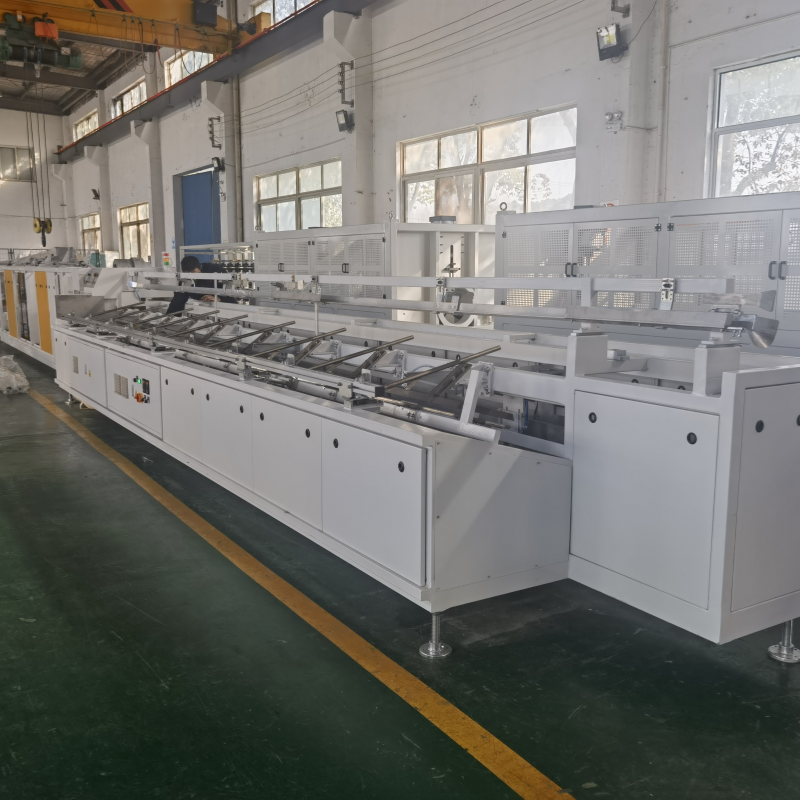
Ensuring Reliable Operation: Power and Connectivity Solutions
The ability of the pipe bundling machine to remain operational is paramount.
3.1. Power Stability Solutions
Remote industrial sites often face challenges related to power supply stability, including voltage fluctuations, power surges, and outages. These issues can significantly impact the performance and lifespan of pipe bundling machines, particularly those with sensitive electronic components.
-
Voltage Regulators: Install voltage regulators to stabilize the incoming power supply and protect against voltage fluctuations. Voltage regulators maintain a consistent voltage level, preventing damage to electronic components and ensuring optimal machine performance.
-
Surge Protectors: Use surge protectors to protect against power surges caused by lightning strikes or other electrical events. Surge protectors divert excess voltage away from sensitive components, preventing damage and extending their lifespan.
-
Uninterruptible Power Supplies (UPS): Implement UPS systems to provide backup power in the event of a power outage. UPS systems provide a temporary power source, allowing the machine to continue operating long enough to safely shut down or switch to a backup generator.
3.2. Connectivity and Remote Monitoring
Reliable internet connectivity is essential for remote monitoring, diagnostics, and software updates. However, remote industrial sites often lack access to high-speed internet or cellular networks.
| Solution | Description | Advantages | Disadvantages |
|---|---|---|---|
| Satellite Internet | Provides internet access via satellite communication. | Wide coverage area, reliable connectivity in remote locations. | Higher latency, higher costs compared to terrestrial internet options. |
| Cellular Modems | Uses cellular networks to provide internet access. | Relatively affordable, widely available in many areas. | Limited coverage in very remote areas, potential for network congestion and slower speeds. |
| Mesh Networks | Creates a network of interconnected devices that can share internet connectivity. | Improved coverage and redundancy compared to single-point internet connections. | Requires careful planning and deployment, can be more complex to set up and maintain. |
4. Training and Documentation
Providing adequate training and maintaining comprehensive documentation are essential.
A lack of trained personnel can lead to improper operation, incorrect maintenance procedures, and increased risk of equipment damage. Insufficient documentation can further exacerbate these issues, making it difficult for technicians to troubleshoot problems and perform repairs effectively.
Comprehensive Training and documentation are vital.
Investing in Human Capital: Empowering Remote Maintenance Teams
Empowering remote maintenance teams.
Remote access can make it easy for a technician back in the office to assist a technician onsite. In situations where the work is highly technical, it’s difficult for one person to know everything. By being able to work together, though remote access, even inexperienced technicians can often complete maintenance tasks effectively.
- Training Programs: Comprehensive and ongoing training programs for local personnel
- Remote Mentoring: Provides technicians onsite with guidance from more experience people.
- Documentation Standards: Easy to understand and diagrams/photos to assist technicians.
Conclusion
Maintaining pipe bundling machines in remote industrial sites is challenging, but the solutions are available. Proactive planning, robust equipment design, remote monitoring, and comprehensive training can minimize downtime and maximize productivity. Prioritizing these strategies ensures long-term reliability, reduces operational costs, and guarantees success in even the most isolated environments.








