
How to Enhance Pipe Bundling Machine Performance with Energy-Efficient Designs?
Pipe bundling machines are vital for efficient material handling, and optimizing their energy efficiency is crucial. This not only reduces operational costs but also contributes to a more sustainable manufacturing environment.
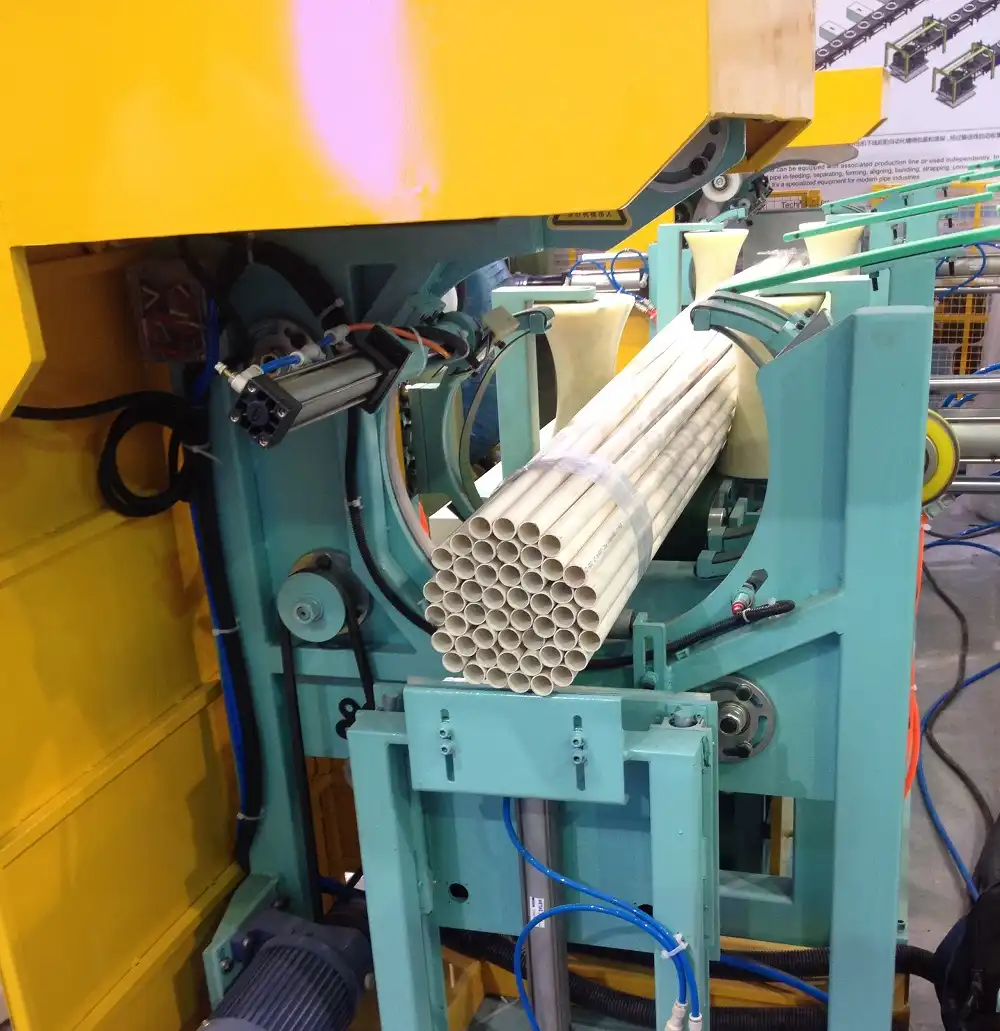
To enhance pipe bundling machine performance with energy-efficient designs, consider upgrading to servo motors, optimizing machine settings, implementing smart automation, and conducting regular energy audits. Training staff on energy efficiency practices will further maximize the impact of these improvements.
Let’s delve into specific strategies that can transform your pipe bundling operations, leading to significant energy savings and improved performance. Continue reading to discover actionable steps you can take today.
1. Optimizing Machine Design for Energy Savings
The design of a pipe bundling machine directly impacts its energy consumption. By focusing on energy-efficient components and innovative design principles, manufacturers can significantly reduce operational costs and environmental impact.
Energy-efficient design in pipe bundling machines involves integrating components like servo motors, optimizing compression mechanisms, and employing smart control systems. These design choices directly minimize energy waste and improve the machine’s operational efficiency, leading to significant reductions in overall energy consumption.
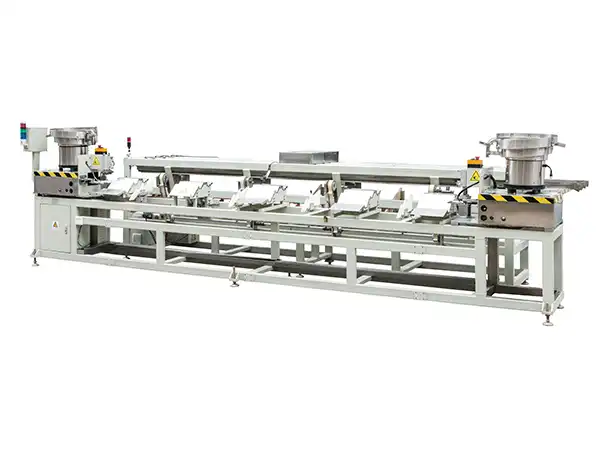
Exploring Key Design Elements for Energy Efficiency
To truly understand how machine design impacts energy consumption, we need to examine specific components and technologies. By focusing on these areas, manufacturers can make informed decisions when selecting or upgrading their pipe bundling equipment. Let’s break down the critical components.
Servo Motors vs. Traditional Motors
Servo motors are a game-changer in energy efficiency compared to traditional AC motors. Here’s a data-driven comparison:
| Feature | Traditional AC Motor | Servo Motor | Energy Efficiency Improvement |
|---|---|---|---|
| Energy Consumption | Higher, even during idle periods | Lower, especially during idle times | Up to 70% |
| Control Precision | Less precise, less responsive | Highly precise, rapid response | N/A |
| Speed Control | Limited, less flexible | Wide range, highly flexible | N/A |
| Heat Generation | Higher, energy loss as heat | Lower, less energy wasted as heat | Significant reduction |
| Lifespan | Generally shorter | Generally longer | Longer operational life |
As the table illustrates, servo motors offer considerable advantages in energy efficiency, precision, and control. Integrating servo motors into bundling machine designs, especially for compression and strapping mechanisms, directly translates to lower energy consumption and improved operational performance. Servo motors offer precise control and responsiveness, adapting dynamically to varying load requirements. This adaptability minimizes wasted energy, particularly during periods of reduced activity or idle time.
Smart Control and Automation Systems
Modern bundling machines use programmable logic controllers (PLCs) to manage operations. Advanced PLCs enable features like real-time monitoring of energy consumption and automated adjustments to optimize performance. Here’s how smart controls contribute to energy efficiency:
- Real-time data tracking: Monitors energy usage and identifies high-consumption areas.
- Remote monitoring & control: Enables adjustments without physical presence, optimizing machine settings.
- Automated adjustments: Programmable controls adapt to production speed.
- Parameter preset mode: Saves optimal settings for future runs.
By integrating such smart control systems, manufacturers gain unprecedented control over their bundling machine’s energy usage. Real-time monitoring allows for immediate adjustments, ensuring that the machine operates at peak efficiency and minimizes energy waste. Additionally, preventative maintenance schedules can be programmed into the control system, ensuring that regular maintenance tasks are performed to maintain efficiency.
Material Selection and Design Optimization
Beyond the motors and controls, the materials used in the machine’s construction and the overall design can impact energy use. Using lighter yet durable materials reduces the energy required to move machine components. Optimized designs minimize friction and resistance in moving parts, further decreasing energy consumption. Thoughtful material selection also considers the machine’s thermal properties, minimizing heat generation and loss.
2. Operational Strategies for Minimizing Energy Use
Beyond machine design, how a pipe bundling machine is operated plays a vital role in its energy consumption. Implementing smart operational strategies can yield significant energy savings without requiring major equipment upgrades.
Operational energy efficiency in pipe bundling involves practices like reducing machine idle time, optimizing production schedules to avoid peak energy hours, implementing regular maintenance, and training staff on energy-saving procedures. These operational adjustments are crucial for minimizing energy waste in daily machine operation.
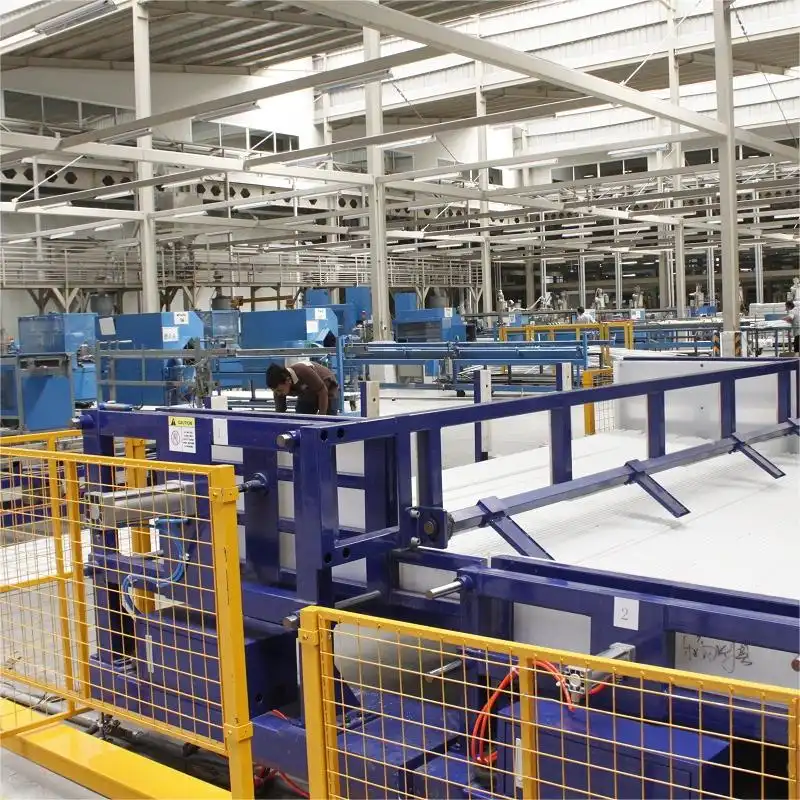
Fine-Tuning Operational Practices for Maximum Efficiency
Even the most energy-efficient machine can consume excessive energy if not operated optimally. Simple changes in daily operations can dramatically reduce energy consumption. Let’s explore these practical strategies.
Optimizing Production Schedules
One of the most straightforward ways to reduce energy costs is to optimize production schedules. Peak energy demand periods usually come with higher electricity rates. By understanding your facility’s energy consumption patterns and utility rate structures, you can strategically schedule bundling operations during off-peak hours.
Reducing Idle Time and Standby Consumption
Bundling machines, like many industrial equipment, can consume energy even when idle. While modern machines often have lower standby consumption, minimizing idle time remains crucial. Implementing procedures to power down machines during breaks, shift changes, or periods of inactivity can lead to noticeable energy savings.
Regular Maintenance and Component Checks
Regular maintenance is not just about preventing breakdowns; it’s also about ensuring energy efficiency. Worn or poorly maintained components can lead to increased friction, inefficiencies, and higher energy consumption. For example, ensuring proper lubrication of moving parts and regularly inspecting compression mechanisms for optimal performance are essential maintenance practices.
Operator Training and Energy Awareness
Operators are at the forefront of machine operation, and their practices significantly impact energy consumption. Training operators on energy-efficient operation procedures is vital. This includes educating them on the impact of idle time, proper machine startup and shutdown procedures, and recognizing signs of inefficiencies. An energy management team can also focus on operator training and fostering a culture of energy awareness on the bundling line.
3. Material Selection and Optimization for Strapping
The strapping material used in pipe bundling directly impacts the security and stability of the bundles, and indirectly affects energy consumption. Choosing the right material and optimizing its usage are crucial for efficient bundling.
Energy-conscious material selection involves opting for thinner yet durable strapping, optimizing strap tension to avoid over-tightening, and selecting materials compatible with efficient sealing methods. These choices directly impact the energy needed for strapping and material production, contributing to overall energy reduction.
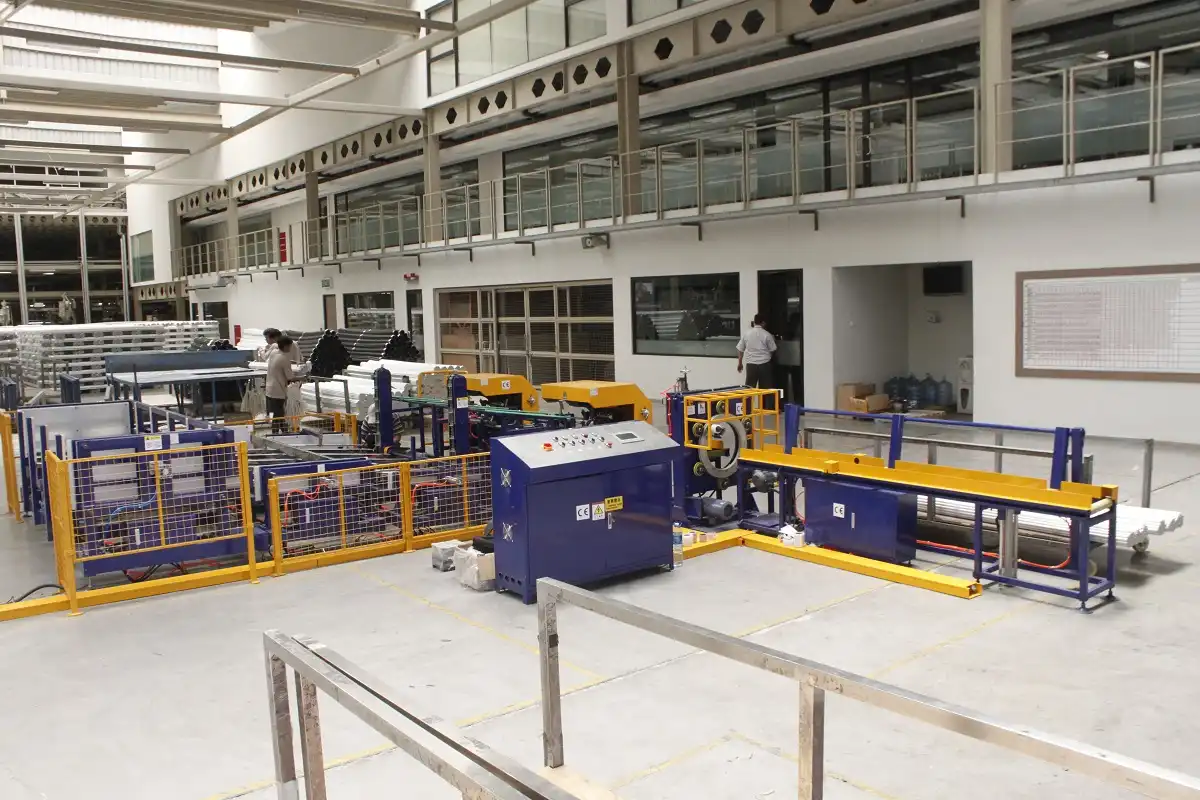
Selecting the Right Strapping Material: A Detailed Analysis
Choosing the appropriate strapping material is critical for balancing bundle security and energy efficiency. Let’s explore the characteristics of different strapping materials and their impact on energy consumption.
Comparing Strapping Materials
Different strapping materials offer varying levels of strength, durability, and energy consumption. Here’s a comparison of common options:
| Material | Strength | Durability | Energy Consumption | Cost |
|---|---|---|---|---|
| Steel | High | High | High | High |
| Polypropylene (PP) | Medium | Medium | Low | Low |
| Polyester (PET) | High | High | Medium | Medium |
Steel Strapping: Known for its high tensile strength, steel strapping is suitable for heavy-duty applications requiring maximum security. However, its production requires significant energy, making it a less energy-efficient choice compared to plastic alternatives.
Polypropylene (PP) Strapping: PP strapping is a cost-effective and lightweight option suitable for light to medium-duty applications. Its lower production energy consumption makes it a more sustainable choice than steel. However, PP strapping has lower tensile strength and can stretch under load, potentially compromising bundle security.
Polyester (PET) Strapping: PET strapping offers a good balance of strength, durability, and energy efficiency. It has high tensile strength, similar to steel, but with lower production energy consumption. PET strapping also exhibits excellent tension retention, ensuring that bundles remain secure over time.
Optimizing Strap Tension
Applying the correct strap tension is essential for secure bundling and minimizing material waste. Over-tightening straps not only consumes more energy but can also damage the pipes or the strapping material itself.
- Tension control: Use machines with adjustable tension settings to match the requirements of different pipe sizes and materials.
- Consistent application: Train operators to apply straps with consistent tension to avoid over-tightening or under-tightening.
- Regular calibration: Calibrate tensioning mechanisms regularly to ensure accurate and consistent strap application.
By optimizing strap tension, manufacturers can reduce material waste, minimize energy consumption, and ensure secure bundling.
Energy-Efficient Sealing Methods
The method used to seal the strapping also impacts energy consumption. Heat sealing, commonly used for plastic strapping, can consume significant energy. Alternative sealing methods, such as friction welding or ultrasonic welding, offer more energy-efficient options.
- Friction welding: Uses mechanical friction to generate heat and fuse the strapping ends together, reducing energy consumption compared to heat sealing.
- Ultrasonic welding: Uses high-frequency vibrations to create a strong bond between the strapping ends, offering a clean and energy-efficient sealing method.
4. Automation and Integrated Systems for Energy Reduction
Automation is a powerful tool for enhancing efficiency and reducing energy consumption in pipe bundling. Integrating automated systems streamlines processes, minimizes manual handling, and optimizes material and energy usage.
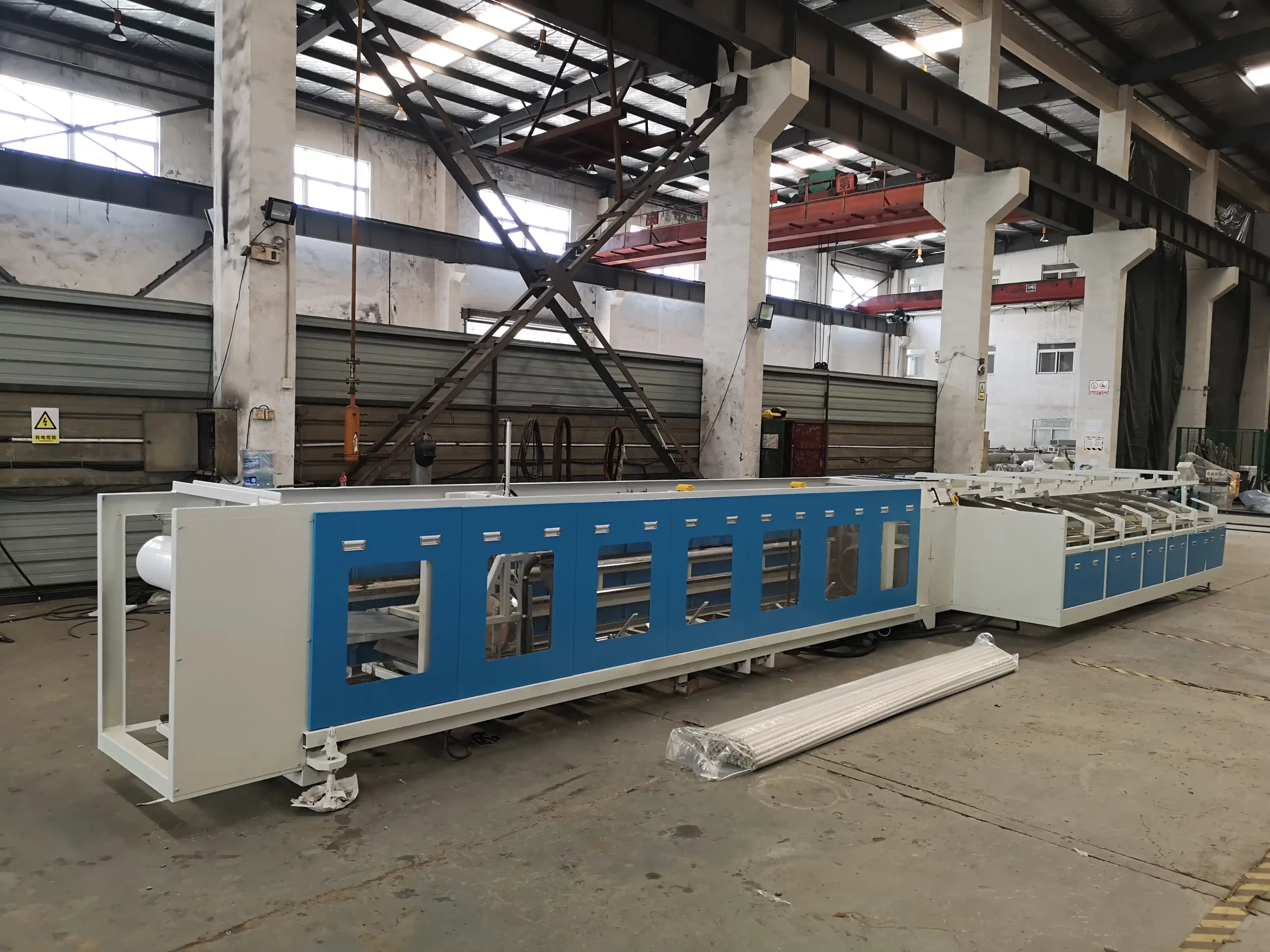
Automated pipe bundling lines reduce energy consumption by optimizing material flow, minimizing manual intervention, and ensuring consistent machine operation.
By implementing automated systems, manufacturers can achieve significant energy savings, reduce labor costs, and enhance productivity. Automation also improves consistency and reduces the risk of errors, leading to higher-quality bundles and greater customer satisfaction.
Automated systems can monitor material levels, adjusting production speed to prevent overstocking or material shortages, thus preventing unnecessary cycling and energy use.
Conclusion
Enhancing pipe bundling machine performance through energy-efficient designs and operational strategies is crucial for reducing costs and promoting sustainability. By implementing servo motors, optimizing settings, and embracing automation, manufacturers can significantly lower their energy footprint. Regular maintenance and staff training further amplify these benefits. Prioritizing energy efficiency not only benefits the environment but also enhances profitability and long-term competitiveness.








