
How to Use Protective Materials to Safeguard Steel Coils During Transport
Damaged steel coils arriving at your facility? This problem disrupts production, increases scrap, and costs money. Mishandling during transport is a prime culprit. Implementing the right protective measures ensures material integrity. Safeguard your investment and operations by mastering coil transport protection.
Protecting steel coils during transport involves using appropriate materials and methods to prevent damage from impact, abrasion, and environmental factors. Key strategies include using edge protectors, specialized wrapping, sturdy blocking, and proper tie-downs, along with selecting suitable equipment and ensuring correct handling procedures throughout loading, transit, and unloading.
Understanding the common risks associated with transporting heavy, tightly wound steel coils is the first step. By applying proven techniques and utilizing the right protective gear, you can significantly reduce damage and maintain coil quality from mill to production line. Continue reading to learn the essential practices.
Selecting the Right Protective Materials and Equipment
Ensuring steel coils arrive at their destination undamaged requires more than just careful driving. The journey begins with selecting appropriate protective materials and the right equipment designed for the unique challenges of coil transport. Using subpar materials or improper tools can lead to costly damage before transport even begins.
Selecting suitable equipment and protective materials is crucial for safeguarding steel coils during transport. This includes choosing forklifts or cranes with adequate capacity and appropriate attachments like coil rams or C-hooks. Protective materials like edge protectors, friction mats, and durable wrapping (e.g., VCI paper, stretch film, or woven fabric) are essential for shielding coils from physical damage, abrasion, and environmental corrosion during transit, ensuring their condition upon arrival.
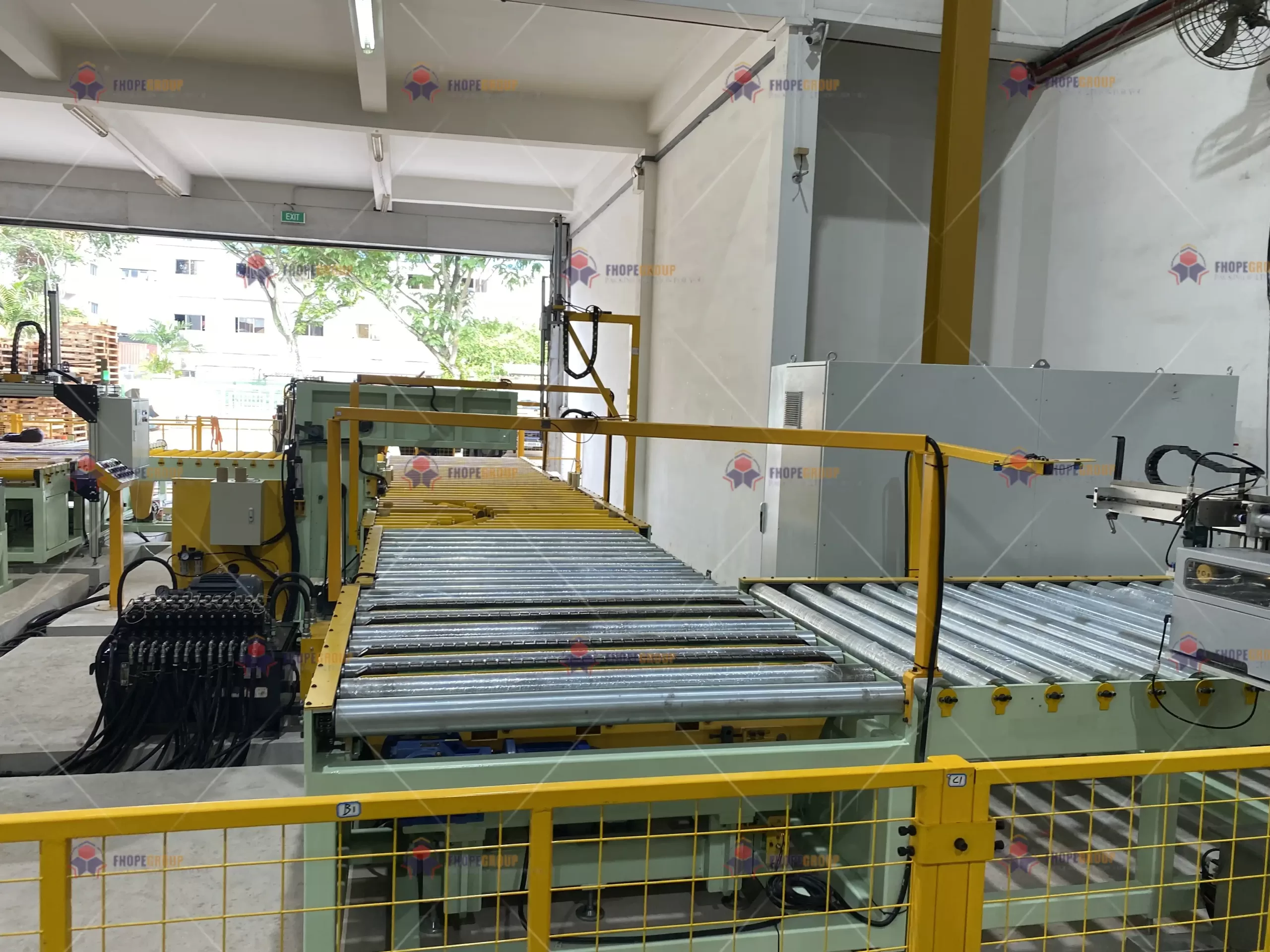
Essential Protective Measures for Steel Coil Transport
Protecting steel coils effectively during transport involves a combination of physical barriers and strategic practices. These measures are designed to absorb shocks, prevent surface damage, stabilize the load, and protect against environmental factors like moisture and dust. Implementing a multi-layered approach provides the best defense against transport-related damage.
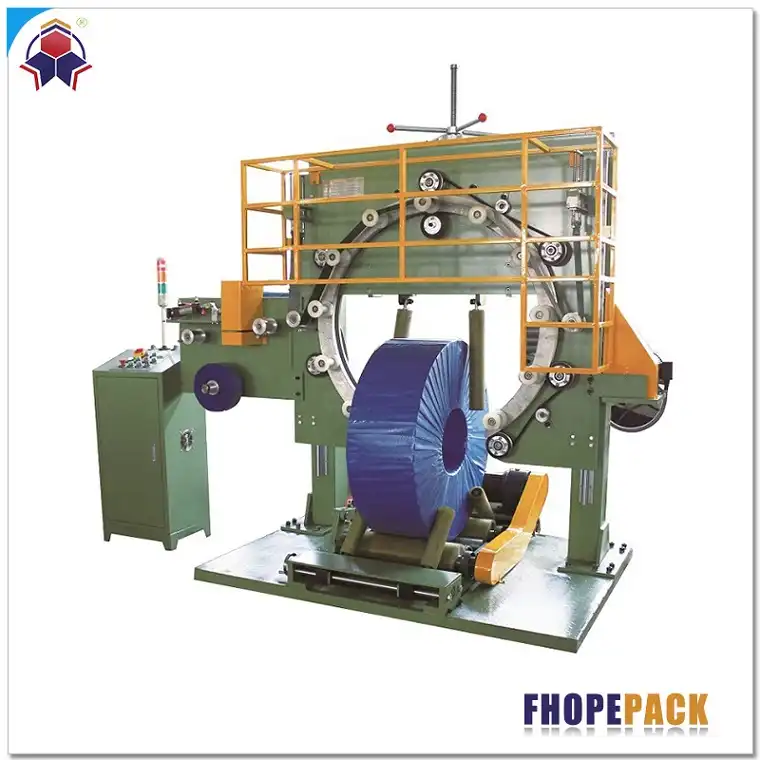
Protective materials act as the first line of defense. Edge protectors, often made from cardboard, plastic, or metal, are placed on the outer edges of the coil where straps or chains are applied. This prevents the tie-downs from cutting into the steel or the outer wraps. Without edge protection, the immense tension from securing devices can easily deform the coil edges, rendering significant portions unusable or requiring costly re-processing. Similarly, protective wrapping is vital. Steel coils are susceptible to rust and surface contamination from moisture, humidity, and airborne particles during transport, especially over long distances or in varying climates. VCI (Volatile Corrosion Inhibitor) paper, stretch film, and woven fabric wraps provide barriers against these elements. VCI paper releases chemical compounds that form a protective layer on the metal surface, inhibiting rust. Stretch film offers a physical barrier against moisture and dust, while reinforced woven fabric provides robust protection against physical abrasion and tears.
Beyond wrapping and edge protection, securing the coil against movement is paramount. The sheer weight and momentum of steel coils make them dangerous projectiles if not properly restrained. Blocking and bracing materials, such as wooden chocks, wedges, or specialized coil cradles, are used to prevent the coil from rolling or shifting on the transport surface. Friction mats placed beneath the coil or between layers in stacked configurations increase the coefficient of friction, further reducing the likelihood of movement. Tie-down assemblies, including heavy-duty chains, straps, and binders, provide the primary restraint. The number and strength of tie-downs are calculated based on the coil’s weight and dimensions, ensuring sufficient force to counteract potential shifting due to acceleration, braking, or centrifugal forces during turns. Industry standards often require a combined working load limit for tie-downs that exceeds the weight of the cargo. Regular inspection of tie-downs during transit, especially for long journeys, is crucial to ensure they remain taut and effective.
Effective coil protection also extends to the equipment used. Forklifts designed for coil handling often have smooth, rounded attachments like rams to avoid scratching the coil eye. Cranes using C-hooks or tongs are selected based on the coil’s weight and dimensions to ensure a secure and balanced lift, preventing drops or impacts.
| Protective Material/Method | Purpose | Material Examples | Application During Transport |
|---|---|---|---|
| Edge Protectors | Prevent strap/chain damage to coil edges & wraps | Cardboard, Plastic, Metal | Placed under tie-downs on outer coil circumference. |
| Protective Wrapping | Environmental protection, abrasion resistance | VCI Paper, Stretch Film, Woven Fabric | Encircles the entire coil exterior. |
| Blocking & Bracing | Prevent rolling/shifting | Wooden Chocks, Wedges, Coil Cradles | Positioned at the front and rear of horizontal coils. |
| Friction Mats | Increase stability, reduce movement | Rubber Mats, Composite Sheets | Placed under coils on the transport bed. |
| Tie-Down Assemblies | Secure load against movement | Heavy-duty Chains, Polyester Straps, Binders | Applied over/through coils, anchored to truck/trailer. |
| Coil Saddles/Cradles | Support horizontal coils, distribute weight | Steel or Plastic Saddles, Custom Wood Structures | Provides a stable base for horizontal coils on the trailer. |
Beyond materials, the way equipment interacts with the coil is critical. Using forklifts with smooth surfaces or attachments specifically designed for coil handling minimizes direct contact stress. For eye-to-sky coils, lifting with wide forks or a lifting beam with padded slings distributes the weight and avoids concentrating stress on the outer wraps. For eye-to-side coils, a coil ram inserted into the eye or a C-hook designed for the coil’s size provides secure lifting without damaging the outer surface. The condition of the equipment is also key; worn forks, damaged slings, or malfunctioning lifting mechanisms can directly lead to coil damage or dangerous accidents during loading and unloading. Regular maintenance and pre-operation checks of all handling and transport equipment are non-negotiable aspects of a comprehensive protection strategy.
Best Practices for Secure Steel Coil Transport Operations
Securing steel coils for transport is a critical step that demands meticulous attention to detail. Improper loading and securement techniques are primary causes of damaged coils, not to mention significant safety hazards. Adhering to established best practices ensures that coils remain stable and protected throughout their journey.
Ensuring secure steel coil transport involves meticulous pre-transport checks, proper loading, and effective tie-down procedures. Verify the transport vehicle’s capacity and condition, inspect the coil for damage, and use appropriate protective materials like blocking and bracing. Secure the coil firmly using industry-standard chains or straps with adequate working load limits, ensuring they are correctly positioned and tensioned to prevent any movement during transit, thereby safeguarding the coil’s integrity.
-
Implementing Robust Loading, Securing, and Unloading Protocols
The process of moving a coil from storage onto a transport vehicle and then off again is fraught with potential risks. Each step requires specific attention to detail to prevent damage to the coil and ensure the safety of personnel. Establishing and enforcing clear, standardized protocols for these operations is fundamental to minimizing losses and maximizing efficiency.
Loading a steel coil begins with assessing the transport vehicle. Is the deck strong enough to support the coil’s concentrated weight? Is it free of debris or obstacles that could damage the coil or interfere with securement? Is the vehicle level and the brakes set, with wheels properly chocked? Once the vehicle is prepared, the coil is positioned. For eye-to-sky coils, they are typically placed directly onto the flatbed, often supported by coil saddles or cradles made of wood, rubber, or steel to distribute weight and prevent rolling. Friction mats can enhance stability here too. For eye-to-side coils, they are loaded horizontally, also often resting in saddles or V-shaped chocks specifically designed to cradle the round profile and prevent sideways or forward/backward movement. The weight distribution on the vehicle must be considered to maintain balance and avoid exceeding axle load limits. Heaviest coils should ideally be placed towards the center.
Securement is arguably the most critical phase. The goal is to prevent any movement of the coil relative to the vehicle deck. This is achieved using a combination of direct and indirect tie-downs. Direct tie-downs pass through the eye of the coil (for eye-to-side) or over the top (for eye-to-sky) and connect to tie-down points on the vehicle. For eye-to-side coils, a common method involves passing chains or straps through the eye and anchoring them diagonally to points on the vehicle to prevent movement in all directions. Often, at least one tiedown is required through the eye for stability. For eye-to-sky coils, cross-chaining or strapping over the top, combined with bracing at the base, is standard. Indirect tie-downs, like bracing or blocking materials, work by limiting space around the coil, preventing it from moving into areas where damage could occur or stability could be lost. The number and strength of tie-downs are governed by regulations and industry best practices, typically requiring a sum of working load limits exceeding the coil’s weight to account for forces during transport. The tension of these tie-downs must be checked and maintained, especially after the initial loading and during transit, as vibrations and shifting can loosen them. Edge protectors must be correctly placed under all tie-downs to protect the coil’s outer wraps from compression damage.
Unloading reverses the loading process but requires equal caution. The vehicle must be securely parked and prepared. The operator must assess the unloading area for stability and clear pathways. Tie-downs are carefully released. The correct handling equipment (forklift with attachment, crane) is positioned. The coil is lifted slowly and deliberately, ensuring it is balanced before moving. Lowering the coil onto the designated storage or processing area must also be done gently, avoiding drops or impacts. The unloading personnel must maintain a safe distance and be aware of the potential for coil movement once restraints are removed. Ongoing training and strict adherence to documented procedures for loading, securing, and unloading are paramount for both preventing coil damage and ensuring workplace safety.
Minimizing Damage Through Strategic Handling and Storage
Coil damage isn’t limited to transit; it can occur at any point in the material flow, from receiving to feeding into production. Protecting steel coils effectively requires a holistic approach that considers handling frequency, storage methods, and the environment. A nick or dent during internal movement is just as costly as damage incurred on the road.
Minimizing damage to steel coils during handling and storage is achieved by reducing the number of times coils are moved, using appropriate lifting equipment and techniques, selecting optimal storage orientations (eye-to-sky or eye-to-side) with suitable racking systems, and implementing environmental controls to prevent corrosion, ensuring coils remain in prime condition until they are needed for production.
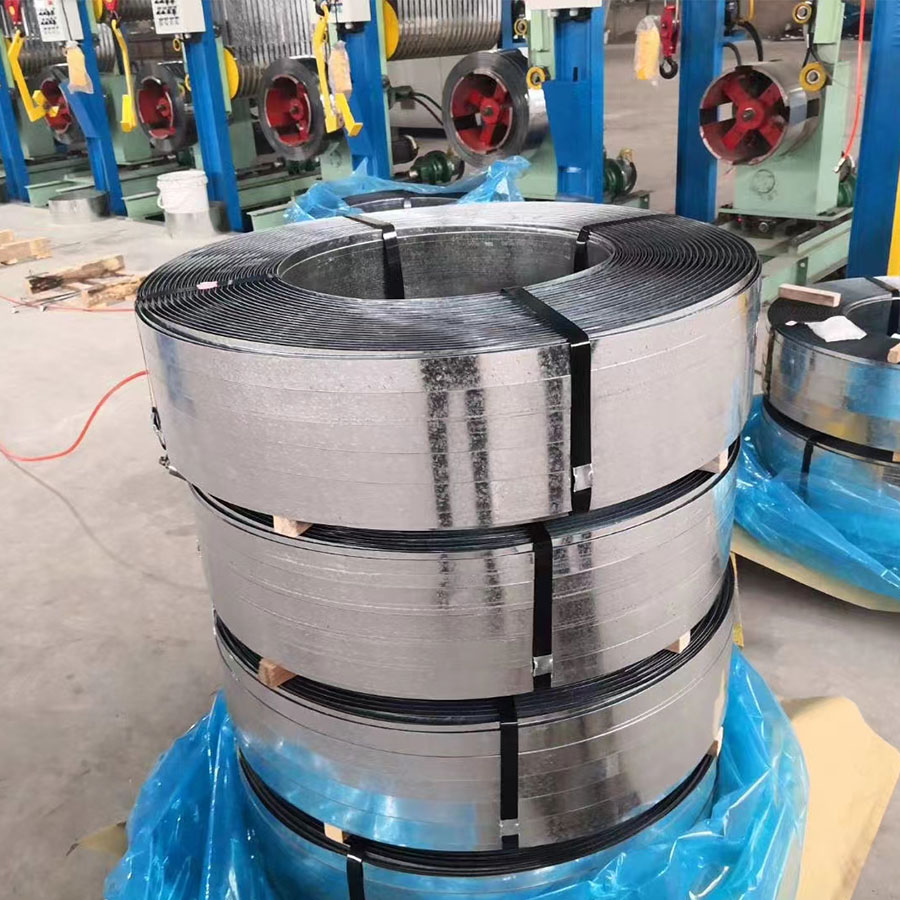
Damage Prevention Strategies in the Warehouse
Inside the facility, coils face different threats than on the road. Forklift impacts, improper stacking, inadequate racking, and environmental factors like humidity all contribute to potential damage. Proactive strategies focusing on workflow, equipment usage, and storage design are essential to mitigate these risks.
One of the most effective ways to reduce damage is simply to handle coils less often. Each time a coil is lifted, moved, and set down, there’s a risk of accidental impact, scraping, or dropping. Optimizing the plant layout to minimize travel distances between receiving, storage, and the production line can significantly reduce handling frequency. Implementing a pull system where coils are only moved when needed for a specific job, rather than staged unnecessarily, also helps.
When handling is necessary, using the correct equipment and technique is crucial. For eye-to-side coils, using a coil ram on a forklift is common. The ram should be slightly smaller than the coil’s inner diameter to slide in smoothly, and the operator must align it carefully to avoid snagging the outer wraps as it enters the eye. For eye-to-sky coils, wide-fork forklifts or lifting beams with slings are preferred over trying to lift with standard forks, which can damage the outer layers or even deform the coil’s shape. Cranes with appropriate lifting attachments, like C-hooks sized for the coil, allow for controlled vertical lifts, minimizing horizontal movement that could cause collisions.
Storage strategy plays a vital role. Coils can be stored eye-to-sky or eye-to-side. Eye-to-sky storage often maximizes vertical space and minimizes floor footprint, allowing more tons per square foot. However, if stored outdoors or in a humid environment, the eye can collect water, leading to rust on the inner wraps. Eye-to-side storage, often in specialized racks, is ideal for coils that will be fed directly into processing lines (like roll formers or slitters) that require horizontal loading. Racks must be robustly designed to support the immense weight of the coils and provide adequate clearance for safe loading and retrieval. Stacking coils directly on the floor or unstable pallets is a major hazard and potential source of damage. Using protective dunnage, such as wood blocks or pads, between coil layers in stacked configurations prevents metal-on-metal contact and distributes weight.
Environmental control in storage areas is also important. Excessive humidity can lead to surface corrosion, even on painted or coated coils. While VCI papers or films provide some protection, controlling ambient humidity is ideal, especially for long-term storage or sensitive materials. Implementing robust inventory management helps ensure coils aren’t stored for excessive periods, reducing exposure time to environmental risks and the likelihood of accumulating handling-related damage over time as they are accessed and moved.
| Damage Type | Primary Causes in Warehouse/Storage | Prevention Strategy | Benefits of Prevention |
|---|---|---|---|
| Dents / Deformation | Forklift impact, dropping, improper stacking | Operator training, proper lifting equipment, adequate racking, controlled movements | Maintains coil shape, prevents process line issues, reduces scrap |
| Surface Scratches | Dragging, scraping against surfaces/forks | Careful handling techniques, protective dunnage, smooth lifting attachments | Preserves surface finish, crucial for painted/coated materials |
| Edge Damage | Improper lifting, tie-down pressure (transit) | Correct fork/ram usage, edge protectors (transit), careful placement on dunnage | Prevents unwinding issues, maintains usable width |
| Corrosion (Rust) | Moisture, humidity, environmental exposure | Protective wraps (VCI), climate control, proper storage orientation (drainage) | Maintains material integrity, prevents bonding of wraps |
| Wrap Tears | Snagging on equipment, rough handling | Smooth equipment, careful movement, use of protective wrapping films | Protects coil surface from further damage and contamination |
Regular inspections of coils in storage can catch damage early. Training personnel to identify different types of damage (e.g., crescent dents, telescoping, rust patterns) ensures that compromised coils are quarantined and addressed before causing problems in production. Proactive maintenance of handling equipment is non-negotiable; a faulty brake or hydraulic leak on a forklift handling a multi-ton coil is a recipe for disaster and significant damage.
Comprehensive Approach to Preventing Transport Damage
Preventing damage to steel coils during transport requires a layered approach that integrates protective materials, appropriate equipment, stringent procedures, and highly trained personnel. Ignoring any single element can undermine the entire effort, leading to damaged goods and compromised safety. Acknowledging and avoiding common mistakes is key to mastering this complex process.
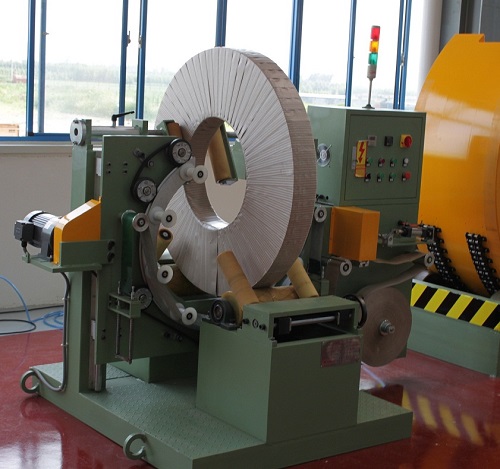
Utilizing protective materials such as edge protectors, VCI wraps, and sturdy blocking is essential for safeguarding steel coils during transport. This, combined with selecting appropriate handling equipment like specialized forklifts or cranes, securing coils properly with adequate tie-downs (chains, straps), and following strict loading, transit, and unloading procedures, creates a robust system to prevent damage and ensure coils arrive safely.
Common mistakes in steel coil transport often stem from underestimating the forces involved or cutting corners on protective measures and procedures. One significant error is inadequate pre-trip inspection. This isn’t just about the vehicle; it includes checking the coil packaging, bands, and the integrity of any initial wrapping or protection applied at the source. A coil with loose outer wraps or damaged internal bands is highly susceptible to telescoping or unwinding during transit, regardless of external securement. Another frequent mistake is using incorrect tie-down methods or insufficient tie-down strength. Regulations exist for a reason – they are based on physics and real-world incident data. Failing to use enough chains or straps, or using those with insufficient working load limits, means the securement system cannot adequately restrain the coil against acceleration, braking, or dynamic forces encountered on the road. Similarly, incorrect placement of tie-downs, such as failing to use them through the eye of eye-to-side coils or anchoring them improperly, can render them ineffective. Overlooking the use of protective materials like edge protectors is another common pitfall; the pressure from tightened tie-downs can easily deform the outer wraps, causing damage that propagates inward. Failing to use adequate blocking and bracing, especially for horizontal coils, leaves them vulnerable to rolling or shifting which can lead to impacts against other cargo or the trailer walls. During transit, neglecting to stop and check tie-down tension, particularly after the first few miles and periodically thereafter on long hauls, is a critical oversight. Vibrations and road conditions can cause tie-downs to loosen, compromising security. On the equipment side, using forklifts or cranes with insufficient capacity for the coil weight is extremely dangerous and can lead to equipment failure or loss of load. Similarly, using damaged or worn lifting attachments increases the risk of dropping or impacting the coil. Finally, complacency is a major enemy. Experienced operators might become overly confident and skip steps in loading or unloading procedures, increasing the likelihood of error. Regular refresher training, emphasizing the severe consequences of mishandling, is vital to maintain a safety-conscious culture. By rigorously applying protective materials, utilizing appropriate and well-maintained equipment, adhering to detailed procedures, and continuously training personnel, businesses can build a resilient system that minimizes the risk of damage during steel coil transport.
Conclusion
Protecting steel coils during transport is a multi-faceted challenge requiring a comprehensive approach. It’s not merely about preventing cosmetic flaws but about ensuring the material’s structural integrity for its intended use. By selecting the right handling equipment, using appropriate protective materials like wraps and edge protectors, and strictly adhering to established loading, securing, and unloading procedures, businesses can significantly mitigate risks. Investing in proper training and fostering a culture of safety ensures that these valuable materials reach their destination in optimal condition, supporting efficient production and reducing costly scrap. Mastering safe coil handling practices during transport is essential for profitability and workplace safety in the metal fabrication industry.








