
How to Reduce Energy Consumption in PVC Pipe Packaging Operations?
In today’s environmentally conscious and economically strained world, reducing energy consumption in manufacturing processes is not just a responsible choice but a necessity. This holds particularly true for PVC pipe packaging operations, a sector with significant potential for energy optimization.
Reducing energy consumption in PVC pipe packaging operations can be achieved through several key strategies, including optimizing machinery efficiency, utilizing energy-efficient packaging materials, implementing smart automation, and adopting sustainable operational practices. These approaches collectively contribute to significant energy savings and a reduced environmental footprint.
As industries globally strive for sustainable practices, understanding and implementing energy-efficient measures in PVC pipe packaging is paramount. Let’s explore practical methods and innovative technologies that can lead to substantial energy reduction and cost savings in this vital sector.
1. Optimizing Packaging Machinery for Energy Efficiency
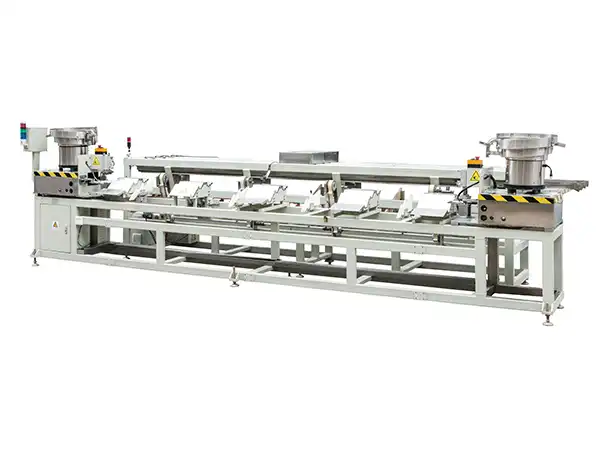
The heart of any PVC pipe packaging operation lies in its machinery. Inefficient machinery can be a major drain on energy resources, leading to increased operational costs and a larger carbon footprint. Optimizing these machines is a crucial first step toward energy reduction.
Upgrading to energy-efficient motors and drives in packaging machinery is a highly effective way to reduce energy consumption. Modern motors and drives are designed to operate with significantly lower energy losses, leading to substantial savings over time. Regular maintenance and timely replacements of worn-out components further ensure optimal energy performance.
But how exactly can we pinpoint the most impactful upgrades and maintenance strategies? Let’s delve into specific areas of machinery optimization and explore data-driven approaches to maximize energy savings.
Data-Driven Machinery Efficiency Improvements
To truly optimize packaging machinery, a data-driven approach is essential. This involves monitoring energy consumption, identifying inefficiencies, and implementing targeted improvements.
Energy Audits and Performance Benchmarking
Conducting regular energy audits of packaging machinery is the first step. This involves measuring energy consumption at various stages of operation and comparing it against benchmarks for similar equipment. These audits can pinpoint energy-intensive components or processes.
| Metric | Baseline Performance | Optimized Performance | Potential Energy Saving |
|---|---|---|---|
| Motor Efficiency | 85% | 93% | 8% |
| Pneumatic System Leakage | 20% | 5% | 15% |
| Idle Time Energy Consumption | 30 kWh/hour | 10 kWh/hour | 67% |
Variable Frequency Drives (VFDs) for Motors
Replacing traditional fixed-speed motors with motors equipped with Variable Frequency Drives (VFDs) can lead to significant energy savings. VFDs allow motor speed to be adjusted to match the actual demand, reducing energy waste during periods of lower throughput. For PVC pipe packaging, where production volume might fluctuate, VFDs are particularly beneficial.
Pneumatic System Optimization
Pneumatic systems, commonly used in packaging machinery for tasks like sealing and conveying, can be a source of energy waste if not properly maintained. Regularly checking for and repairing air leaks, optimizing air pressure settings, and using energy-efficient pneumatic components can drastically reduce compressed air consumption and, consequently, energy usage.
Smart Sensors and Controls
Integrating smart sensors and control systems can further enhance machinery efficiency. These systems can monitor machine performance in real-time, automatically adjust settings for optimal energy use, and even predict maintenance needs before they lead to energy-wasting breakdowns.
2. Utilizing Energy-Efficient Packaging Materials
The choice of packaging materials themselves plays a significant role in the overall energy footprint of PVC pipe packaging operations. Switching to materials that require less energy to produce and process can contribute significantly to energy reduction efforts.
Opting for lightweight yet durable packaging films and materials reduces the amount of material needed per package, thereby lowering the embodied energy of the packaging. Exploring recycled and recyclable packaging options further minimizes the environmental impact and energy consumption associated with material production and disposal.
But beyond simply choosing “lighter” or “recycled” materials, what are the specific material characteristics and innovative options that truly drive energy efficiency in PVC pipe packaging? Let’s delve into the material science behind sustainable packaging.
Exploring Sustainable Packaging Material Options
The materials used for packaging PVC pipe directly impact energy consumption in several ways, from production energy to transportation and end-of-life disposal. Choosing the right materials is crucial for energy-efficient packaging.
Down-gauging Packaging Films
Down-gauging refers to reducing the thickness of packaging films while maintaining the required strength and protection. Advances in polymer technology allow for the production of thinner films with enhanced mechanical properties. This reduces the amount of plastic used per package, directly lowering the energy embodied in the packaging material.
Bio-based and Biodegradable Plastics
Bio-based plastics are derived from renewable resources like corn starch or sugarcane, while biodegradable plastics are designed to decompose naturally in the environment. While the energy efficiency of bio-based plastics can vary depending on the feedstock and production process, they offer a potential alternative to traditional petroleum-based plastics and can reduce reliance on fossil fuels. However, it’s important to consider the full life cycle assessment, including land use and agricultural inputs, to ensure true sustainability.
Recycled Content Packaging
Utilizing packaging materials with recycled content significantly reduces the energy required for raw material extraction and processing. Recycled polyethylene (rPE) and recycled polypropylene (rPP) are increasingly available and can be used in packaging films and other components. Choosing packaging with higher percentages of post-consumer recycled (PCR) content maximizes these energy savings.
Mono-material Packaging Designs
Mono-material packaging, designed using a single type of plastic, simplifies the recycling process and improves recyclability rates. Multi-layer films, while offering barrier properties, can be challenging to recycle. Shifting towards mono-material structures, where feasible, promotes circularity and reduces the energy needed for complex recycling processes.
3. Implementing Smart Automation and Process Optimization
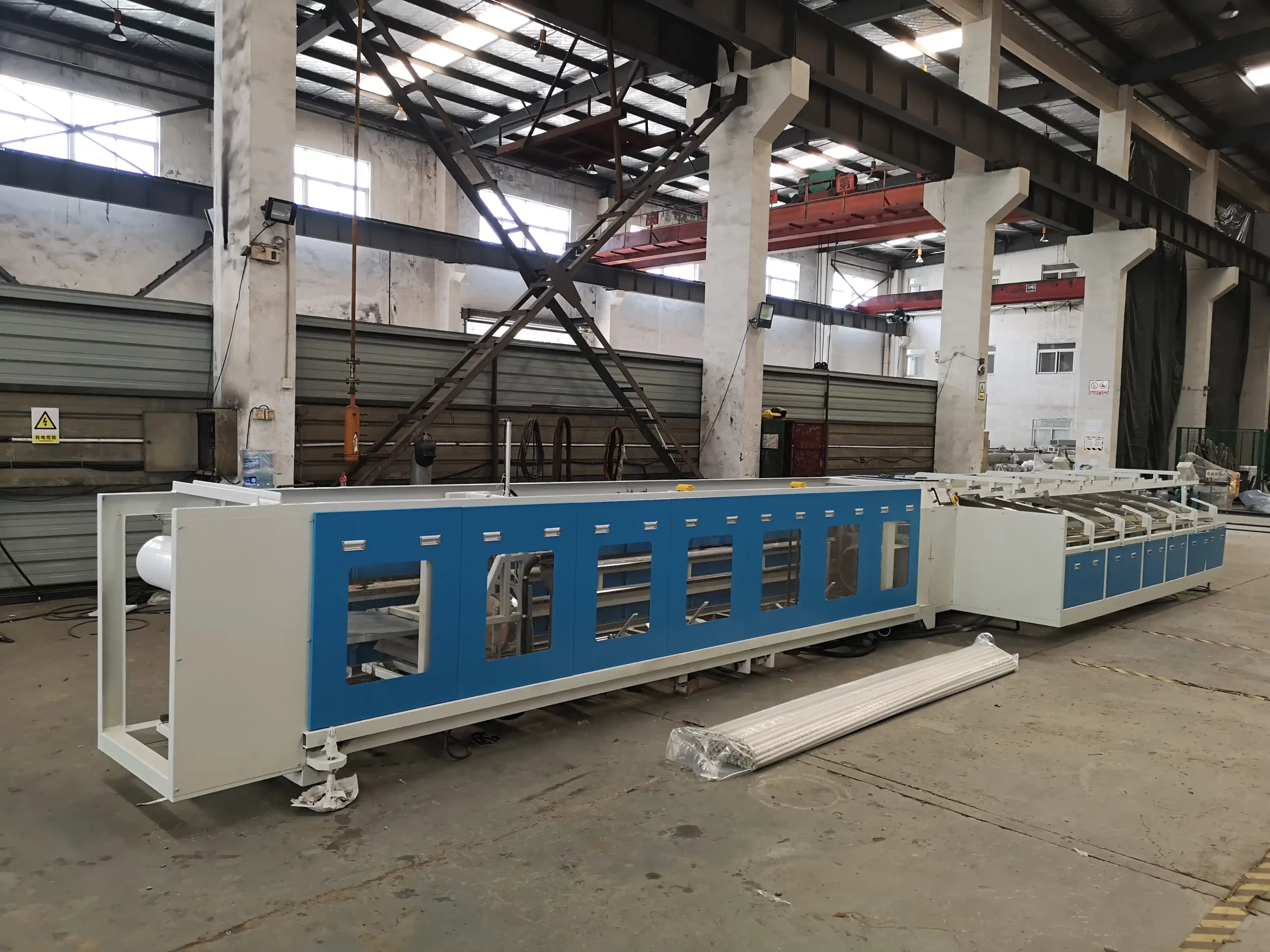
Automation is not just about increasing production speed; it’s also a powerful tool for optimizing energy consumption in PVC pipe packaging operations. Smart automation systems can streamline processes, reduce waste, and minimize energy usage across the packaging line.
Integrating automated systems for pipe feeding, wrapping, and palletizing minimizes manual handling, reduces processing time, and ensures consistent packaging quality. Optimizing packaging line layout and workflow further reduces material movement and energy expenditure. Smart sensors and data analytics can be used to monitor and fine-tune the entire packaging process for maximum energy efficiency.
But how can automation be strategically implemented to target specific energy-intensive areas of the packaging process? And what data-driven insights can automation provide to continuously improve energy performance? Let’s explore the smart automation landscape for PVC pipe packaging.
Data-Driven Automation for Energy Savings
Smart automation goes beyond basic machine control; it leverages data and connectivity to optimize processes in real-time for energy efficiency.
Automated Pipe Feeding and Alignment
Automating the pipe feeding process ensures a consistent and optimized flow of pipes into the packaging line. Precise alignment and spacing reduce material waste and prevent machine jams, both of which can lead to energy inefficiencies.
Optimized Wrapping and Bundling
Automated wrapping and bundling systems can be programmed to use the minimum amount of film necessary for secure packaging. Precise tension control and optimized wrapping patterns reduce film consumption and energy used in the wrapping process.
Automated Palletizing and Material Handling
Automated palletizing systems reduce the need for manual forklift operations, which are energy-intensive and can be inefficient. Optimized pallet patterns and automated material handling within the packaging line minimize transportation distances and energy waste.
Real-Time Monitoring and Control Systems
Implementing a central control system that monitors energy consumption at each stage of the packaging process provides valuable data for optimization. Real-time data analytics can identify bottlenecks, inefficiencies, and areas for improvement, allowing for dynamic adjustments to minimize energy usage.
| Automation Area | Energy Saving Benefit | Data Insight Example |
|---|---|---|
| Automated Pipe Feeding | Reduced material waste, fewer machine stops | Track pipe spacing consistency to optimize feeding rate |
| Optimized Wrapping | Minimized film usage, precise tension control | Monitor film tension and adjust wrapping parameters |
| Automated Palletizing | Reduced forklift energy consumption, efficient palletizing | Track palletizing cycle times to identify delays |
4. Sustainable Operational Practices in Packaging
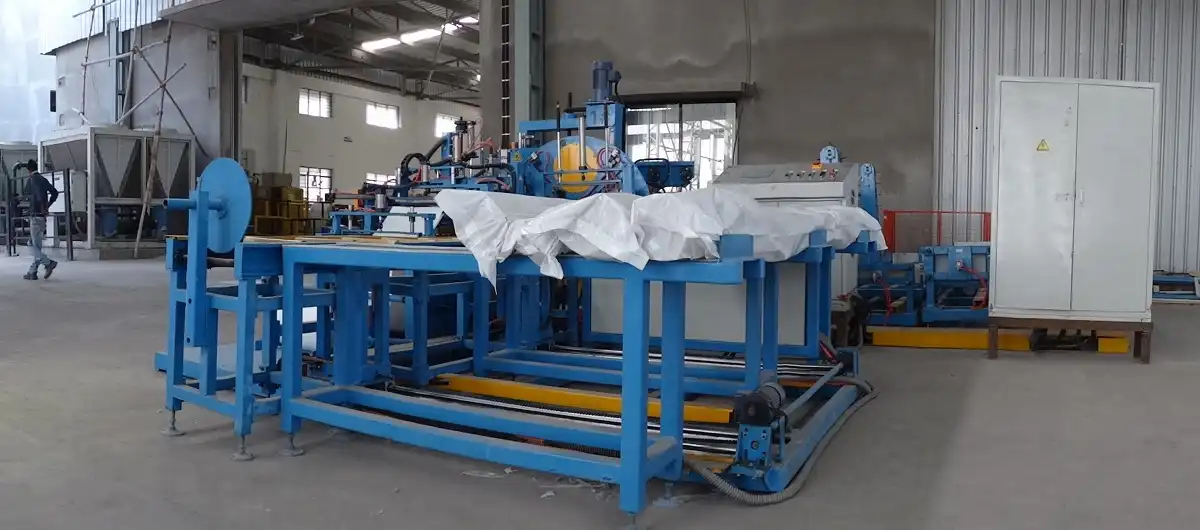
Beyond machinery, materials, and automation, sustainable operational practices play a vital role in reducing energy consumption in PVC pipe packaging. These practices encompass energy management policies, waste reduction strategies, and a commitment to continuous improvement.
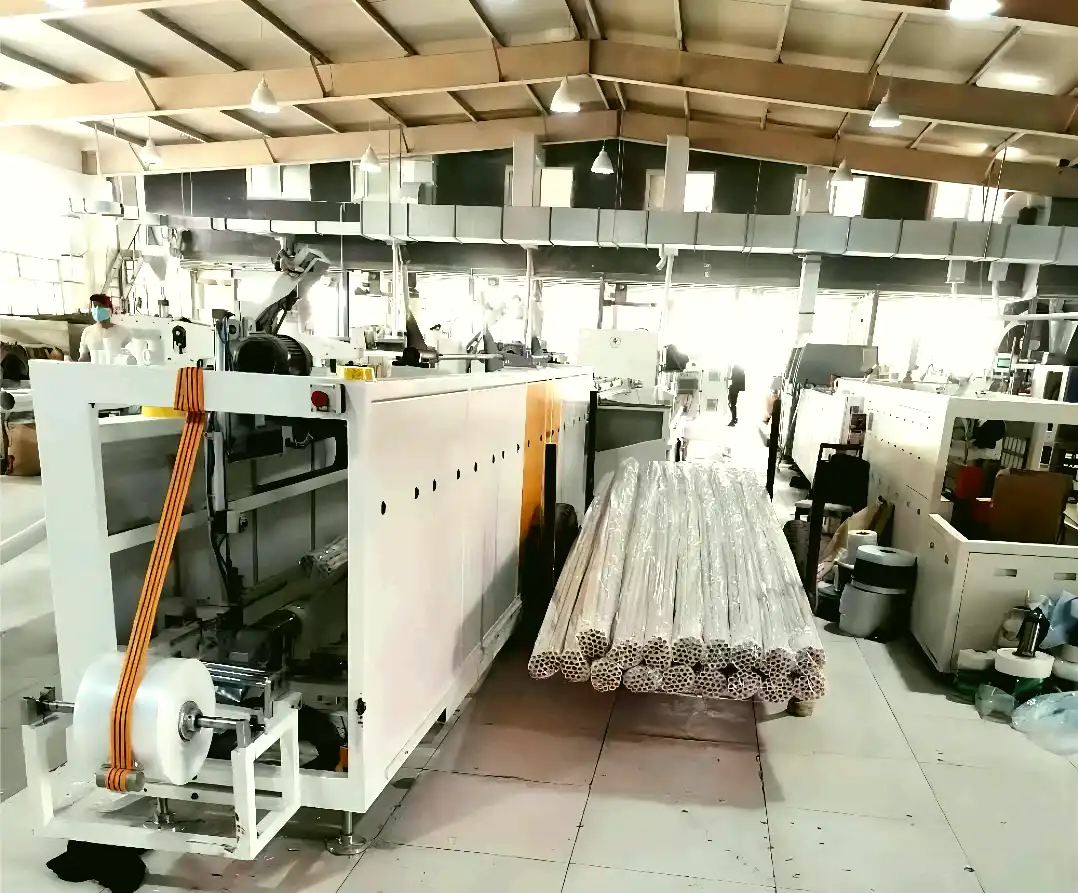
Implementing a comprehensive energy management system, such as ISO 50001, provides a framework for systematically reducing energy consumption. This includes setting energy reduction targets, monitoring energy performance, and implementing energy-saving initiatives across all aspects of the packaging operation. Employee training and engagement are also crucial for fostering a culture of energy conservation. By adopting these holistic sustainable practices, PVC pipe packaging operations can achieve significant and lasting reductions in energy consumption.
Reducing energy consumption in PVC pipe packaging is not only environmentally responsible but also economically advantageous. By optimizing machinery, utilizing efficient materials, implementing smart automation, and adopting sustainable practices, businesses can significantly lower their energy footprint, reduce operational costs, and contribute to a greener future.
Conclusion
The journey towards reducing energy consumption in PVC pipe packaging operations is multifaceted, requiring a blend of technological innovation, strategic material choices, and a commitment to sustainable practices. By embracing the strategies outlined – from optimizing machinery and materials to implementing smart automation and fostering a culture of energy conservation – the PVC pipe packaging industry can make significant strides in minimizing its environmental impact and building a more sustainable future. The path to energy efficiency is not just about immediate cost savings; it’s about long-term sustainability and responsible resource management for generations to come.








