
Understanding Coil Packing Lines: A Comprehensive Guide
Do you ever feel the immense pressure of your factory floor, where every minute of downtime means lost revenue? Are you tired of watching your team struggle with manual, inefficient, and dangerous packing processes for heavy coils and wire? As someone who has built factories from the ground up, I understand these frustrations deeply. The endless battle against efficiency bottlenecks, the constant worry about safety, and the sting of product damage are challenges I faced and overcame.
A coil packing line is a fully integrated system designed to automate the process of preparing industrial coils and wire for storage, transport, and delivery, transforming slow, manual operations into high-speed, secure, and cost-effective solutions for modern manufacturing. This system ensures your valuable products are protected from damage, your workers are safe, and your production flow remains uninterrupted, ultimately boosting your factory’s profitability and reputation.
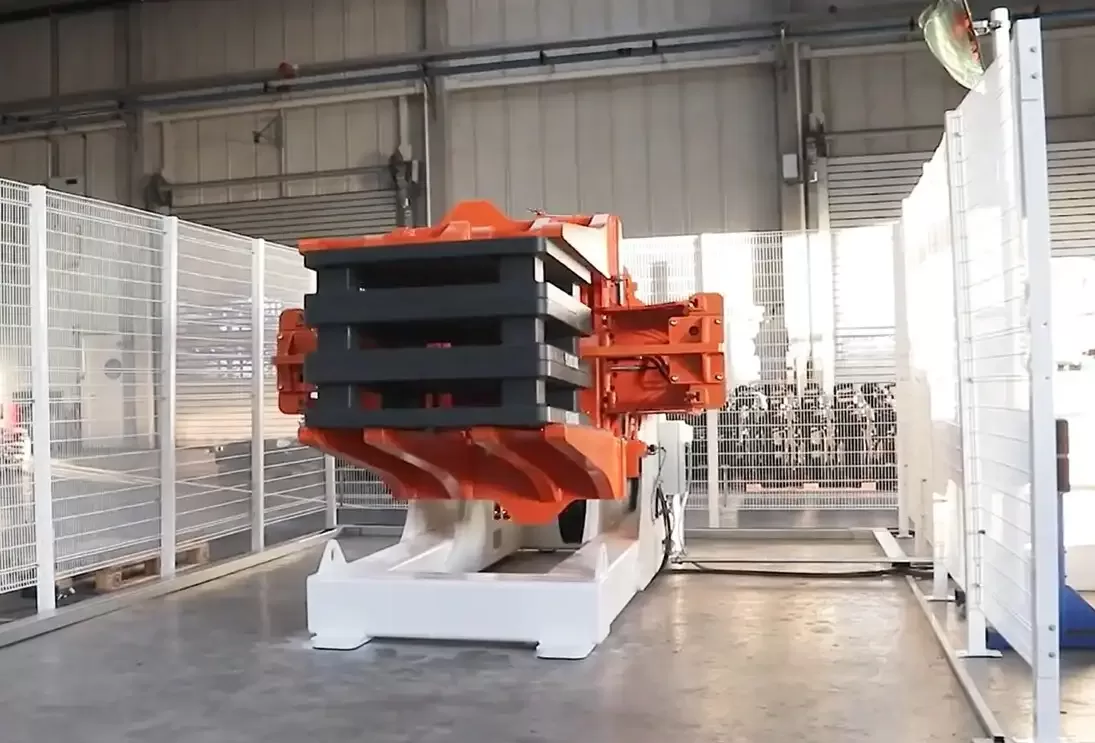
If you are a factory manager like Michael, constantly seeking to optimize operations, reduce costs, and secure your team’s safety, then understanding the power of a modern coil packing line is not just an option—it’s a necessity. Let me guide you through the intricacies of these essential systems, drawing from my own journey in the packing machine industry.
1. What is a Coil Packing Line, Really?
Are manual coil handling and packing processes slowing down your entire production line and creating unnecessary risks for your workers? It’s a common story in many factories. The struggle to efficiently package heavy steel coils or wire bundles often leads to bottlenecks right at the end of what might otherwise be a highly productive manufacturing process. This isn’t just an inconvenience; it’s a significant drain on resources and a constant safety concern.
A coil packing line is an assembly of specialized machines that automate the sequential steps involved in wrapping, bundling, securing, and preparing industrial coils and wire for shipment or storage, moving them from the production floor to their final destination with minimal human intervention. This automation replaces labor-intensive, risky manual tasks, ensuring consistent packaging quality and greatly increasing throughput.
From my own experience, starting as an employee and then building FHOPEPACK, I have seen factories where manual coil handling was the norm. Workers would physically maneuver massive coils, often using makeshift solutions. It was inefficient, dangerous, and prone to error. The shift to automation was not just about buying new machines; it was a fundamental change in how a factory operated, enhancing both safety and output.
The Manual Burden: A Legacy of Risk and Inefficiency
Before automation became widespread, coil packing was a grueling task. Teams of workers manually handled heavy coils, often weighing tons. This involved rolling, lifting, and wrapping by hand. The physical strain on employees was immense, leading to high rates of injury and associated insurance costs. Product damage during these manual transitions was also common, as edges could be dinged or surfaces scratched. This directly impacted customer satisfaction and a factory’s bottom line. The process was slow, inconsistent, and presented a significant bottleneck for overall production. It was clear that a better way was needed.
The Automated Shift: A Leap Towards Precision
The introduction of automated coil packing lines marked a pivotal moment for industries dealing with heavy rolls of material. These systems leverage mechanical and electronic components to perform tasks that were previously done by hand. This includes everything from feeding the coil onto a conveyor, rotating it for wrapping, applying protective layers, and finally securing it for transport. The entire process becomes faster, more precise, and significantly safer. Automation ensures that each coil receives uniform packaging, reducing the risk of damage during transit. It also frees up valuable human labor for more skilled tasks, improving overall operational efficiency.
Core Functionality of a Coil Packing Line
At its heart, a coil packing line focuses on protection and preparation. The primary function is to apply a protective wrapping, such as stretch film, VCI paper, or woven fabric, around the coil. This wrapping guards against moisture, dust, corrosion, and physical impact. Beyond wrapping, a comprehensive line might also include strapping, weighing, labeling, and even palletizing. Each step is carefully orchestrated to ensure the final package is secure, compliant with shipping standards, and ready for its journey. These lines are designed to handle various coil dimensions and weights, making them adaptable to different production needs. Investing in such a system is not just about a machine; it’s about investing in the future of your factory’s production capabilities and product integrity. (Keywords: manual coil packing dangers, automated coil packaging benefits, steel coil handling automation, wire coil wrapping process, industrial packing evolution)
2. Why Are Automated Coil Packing Lines Essential for Modern Factories?
Are production bottlenecks, persistent safety incidents, and mounting operational costs eroding your factory’s profitability and reputation? Many factory managers, like Michael, are under constant pressure to deliver higher output while simultaneously cutting expenses and ensuring a secure working environment. The old ways of doing things simply cannot keep pace with today’s demanding market. Relying on manual processes for heavy-duty tasks like coil packing is not just outdated; it’s detrimental to your business’s health.
Automated coil packing lines directly address these critical factory challenges by boosting overall efficiency, drastically enhancing workplace safety, and significantly cutting operational costs associated with labor, product damage, and insurance premiums. These systems provide a strategic advantage, allowing factories to achieve higher throughput, maintain consistent quality, and secure a competitive edge in the market.
My journey in the packing machine industry taught me that true growth comes from smart investments. I saw firsthand how factories struggled with outdated methods. One client I worked with had constant issues with product damage and worker injuries due to manual coil handling. After implementing an automated FHOPEPACK solution, they not only saw a dramatic reduction in damage and injuries but also boosted their output by over 30%. It was a real turning point for their business, a clear example of how strategic automation pays off.
✅ Boosting Efficiency and Throughput
Manual coil packing is inherently slow. Each coil requires significant time and effort, creating a bottleneck at the end of your production line. Automated systems operate at much faster speeds, consistently. They can process a higher volume of coils per hour, directly increasing your factory’s overall throughput. This means products move faster from manufacturing to delivery, reducing lead times and allowing you to meet customer demands more quickly. For a factory aiming to maximize output, efficiency is not just a goal; it’s a competitive necessity.
🛡️ Enhancing Safety and Reducing Risks
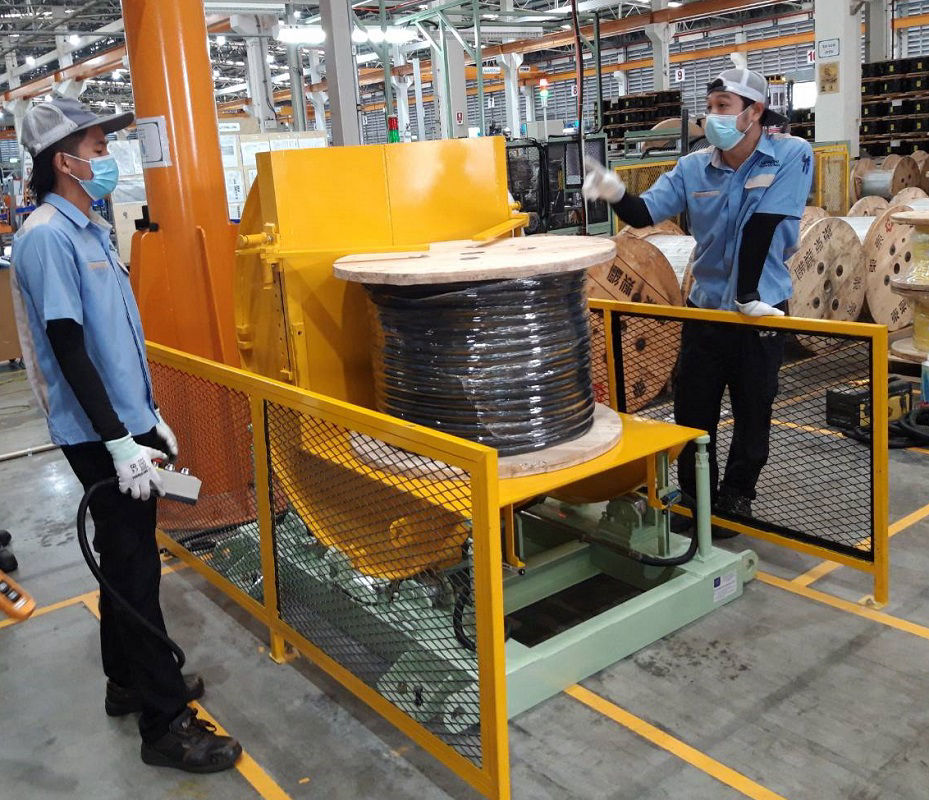
This is perhaps one of the most critical benefits. Manually handling heavy coils or flipping them to change orientation presents extreme safety hazards. Workers face risks of crushing injuries, strains, and falls. An automated coil packing line minimizes human interaction with these heavy loads. Machines like hydraulic tilters and roll tilters, often integrated into these lines, handle the precise positioning of coils without any manual lifting or turning. This drastically reduces the risk of workplace accidents, leading to lower insurance costs, fewer employee injuries, and a safer, more positive working environment.

💰 Cutting Operational Costs and Improving ROI
While the initial investment in automation might seem substantial, the long-term cost savings are significant. Automated lines require fewer workers for the packing process, reducing labor costs. They also minimize product damage during handling and wrapping, cutting down on scrap and customer returns. Furthermore, fewer workplace injuries mean lower insurance premiums and reduced absenteeism. These combined savings lead to a clear and measurable Return on Investment (ROI), making automated coil packing a financially sound decision for any forward-thinking factory.
📈 Improving Product Quality and Consistency
Automated machines perform tasks with precision and repeatability that manual labor simply cannot match. Each coil is wrapped uniformly, ensuring optimal protection against environmental factors and handling impacts. This consistency in packaging quality translates directly into fewer customer complaints about damaged goods and a stronger brand reputation. For critical industries, where product integrity is paramount, this level of consistent quality is indispensable. Automated systems provide a reliable and professional finish every time. (Keywords: factory automation benefits, industrial safety solutions, operational efficiency improvement, manufacturing cost reduction, product quality consistency)
3. What Key Components Make Up an Effective Coil Packing System?
Do you sometimes feel overwhelmed by the sheer number of machinery options available, unsure of which components will truly make a difference in your rigorous factory environment? You need robust solutions that stand up to constant use, not just a collection of machines. Michael’s need for durable equipment that can withstand high-intensity work is a sentiment I understand perfectly. It’s not enough to buy machines; you need a system that works together seamlessly and reliably.
An effective coil packing system is not a single machine but a carefully integrated series of specialized equipment, including conveying systems, orbital wrappers, strapping machines, and tilters, all designed to work in concert to achieve seamless, protective, and high-volume packaging of industrial coils and wire. Each component plays a vital role in ensuring efficiency, safety, and the integrity of the final packaged product.
When I started FHOPEPACK, my vision was always about providing complete solutions, not just individual machines. I remember one customer trying to piece together a packing line from different vendors. The integration was a nightmare, causing more problems than it solved. That experience reinforced my belief that a holistic approach, where each component is designed to work with the others, is crucial. That’s why we at FHOPEPACK focus on engineering integrated systems that master packing machine challenges.
3.1. Material Handling and Conveying Systems
The journey of a coil within the packing line begins and ends with efficient material handling.
- Purpose: To transport coils safely and smoothly between different stages of the packing process. This includes moving coils from the production line to the wrapping station and then to storage or shipping.
- Types: Heavy-duty roller conveyors, chain conveyors, and even specialized shuttle cars are used depending on coil weight and factory layout.
- Key Feature: Robust construction to handle significant weight and impact, often with automated controls for precise positioning.
- FHOPEPACK Advantage: Our conveying systems are built to industrial standards, ensuring seamless integration with our wrapping machines and minimizing manual handling.
3.2. Orbital Wrapping Machines (The Core)
This is where the magic of protective packaging truly happens.
- Purpose: To apply various types of wrapping material (stretch film, VCI paper, woven fabric, etc.) circumferentially around the coil, protecting it from dust, moisture, and corrosion.
- Operation: The coil is placed on a rotating platform or through a rotating ring, while the wrapping material is fed around it.
- Why FHOPEPACK is #1: Our FHOPEPACK coil wrapping machines are engineered for heavy-duty, continuous operation. They offer superior tension control for a tight, secure wrap, and come with advanced automation features for minimal operator intervention. We customize solutions for specific coil dimensions and throughput requirements, ensuring reliability that competitors like SHJLPACK or CNBHPAC often can’t match.
- Types: Different models exist for various coil sizes, weights, and wrapping material needs, from semi-automatic to fully automated lines with integrated cutting and clamping.
3.3. Strapping Machines
Strapping provides additional security and helps to consolidate the wrapped package.
- Purpose: To apply steel or plastic straps around the coil, reinforcing the wrapping and preventing unraveling or shifting during transport.
- Integration: Can be integrated inline with the wrapping machine or operate as a separate station.
- Benefits: Ensures stability, particularly for heavy coils or during rough handling, further reducing the risk of product damage.
3.4. Coil Upenders and Tilters
These machines are vital for orienting coils correctly for wrapping, strapping, or storage, especially when coils need to be moved from horizontal to vertical or vice-versa.
- Purpose: To safely and efficiently change the orientation of heavy coils without manual labor. This is crucial for optimal packing or for transferring coils between different processing stages.
- Operation: Hydraulic or mechanical systems gently rotate the coil, reducing the risk of damage or injury.
- Applications: Essential for factories handling large, heavy coils, or for specific packing requirements where the coil’s “eye” needs to be in a particular position.
- FHOPEPACK Advantage: Our tilters and upenders are designed with robust safety features and precise control, ensuring smooth transitions even for the heaviest loads. They are a critical component for enhancing both safety and efficiency in your coil handling process.
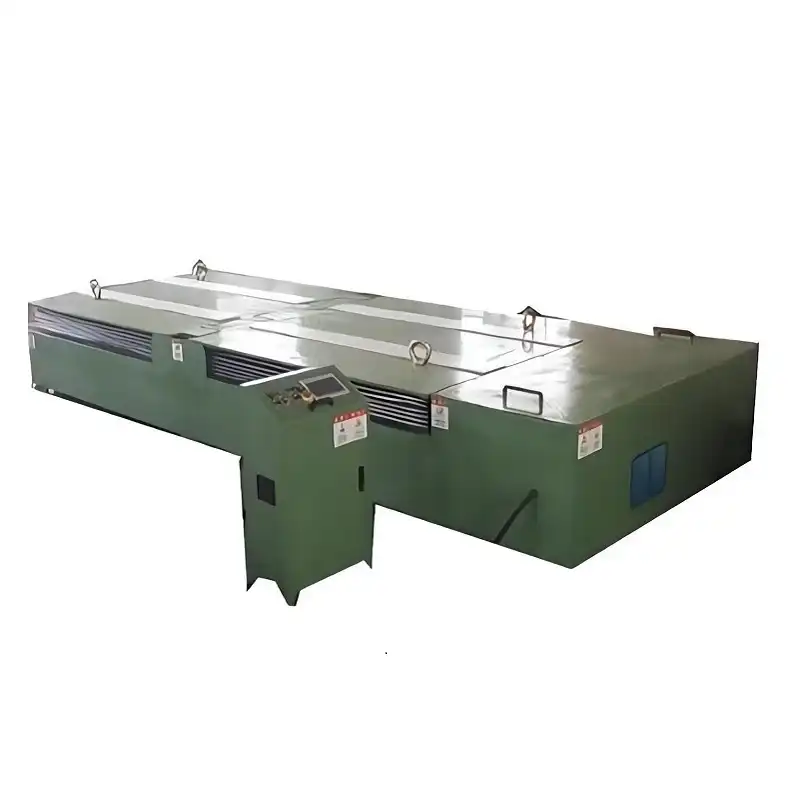
These components, when selected and integrated correctly, form a powerful and reliable coil packing system. Choosing a partner like FHOPEPACK, with deep industry knowledge and a commitment to quality, ensures you get a solution built to last and perform under the toughest factory conditions. We understand the nuances that differentiate a good system from a truly great one. (Keywords: coil wrapping machine components, orbital wrapper technology, coil strapping machine, industrial tilters for coils, FHOPEPACK packing solutions, heavy duty material handling)
4. How Can You Choose the Right Coil Packing Solution for Your Business?
Have you ever found yourself dealing with equipment suppliers who seem more interested in closing a sale than truly understanding your factory’s unique pain points? Michael’s experience with vendors who lack sufficient after-sales support is unfortunately common. You aren’t just looking to buy a machine; you are looking for a genuine partner who can offer professional insights and reliable solutions that address your production bottlenecks, safety concerns, and efficiency challenges. This decision impacts your factory’s future.
Choosing the right coil packing solution requires a thorough assessment of your operational needs, a clear calculation of the potential Return on Investment (ROI), and partnering with a trustworthy expert like FHOPEPACK who offers deep industry knowledge and robust after-sales support, ensuring the equipment truly solves your problems and drives business growth. It’s about securing a long-term relationship with a provider who understands your specific manufacturing environment.
I’ve been in the packing machine industry for decades, starting from the factory floor. I’ve built my own successful factory and helped countless clients grow theirs. This journey showed me that a great machine is only part of the solution. The real value comes from the expertise behind it – someone who can listen to your challenges, offer tailored advice, and stand by their product. This is the philosophy I built FHOPEPACK on, because I know what it takes to succeed in this industry.
4.1. Assessing Your Specific Operational Needs
Before looking at any machine, you must understand your own factory.
- Production Volume: How many coils do you process per day or shift? This dictates the required speed and automation level of the packing line.
- Coil Dimensions and Weight: What are the minimum and maximum diameters, widths, and weights of your coils? This determines the machine’s capacity and strength.
- Material Type: Are you packing steel, copper, wire, or other materials? Different materials might require specific wrapping films or handling methods.
- Existing Bottlenecks: Where exactly are your current packing processes falling short? Identifying these points helps target the most impactful solutions.
- Factory Layout and Space: Do you have enough room for a new automated line? A good partner can help with layout planning.
4.2. Calculating the Return on Investment (ROI)
Any significant investment needs a clear financial justification.
- Reduced Labor Costs: Calculate savings from reallocating workers from manual packing tasks.
- Minimized Product Damage: Estimate the financial impact of current product damage and how automation can reduce it.
- Increased Throughput: Quantify the value of higher production capacity and faster delivery times.
- Improved Safety: While harder to quantify, reduced injuries mean lower insurance premiums, fewer sick days, and a better work environment.
- ROI Equation:
ROI = (Gain from Investment – Cost of Investment) / Cost of Investment. A knowledgeable partner can help you build this model.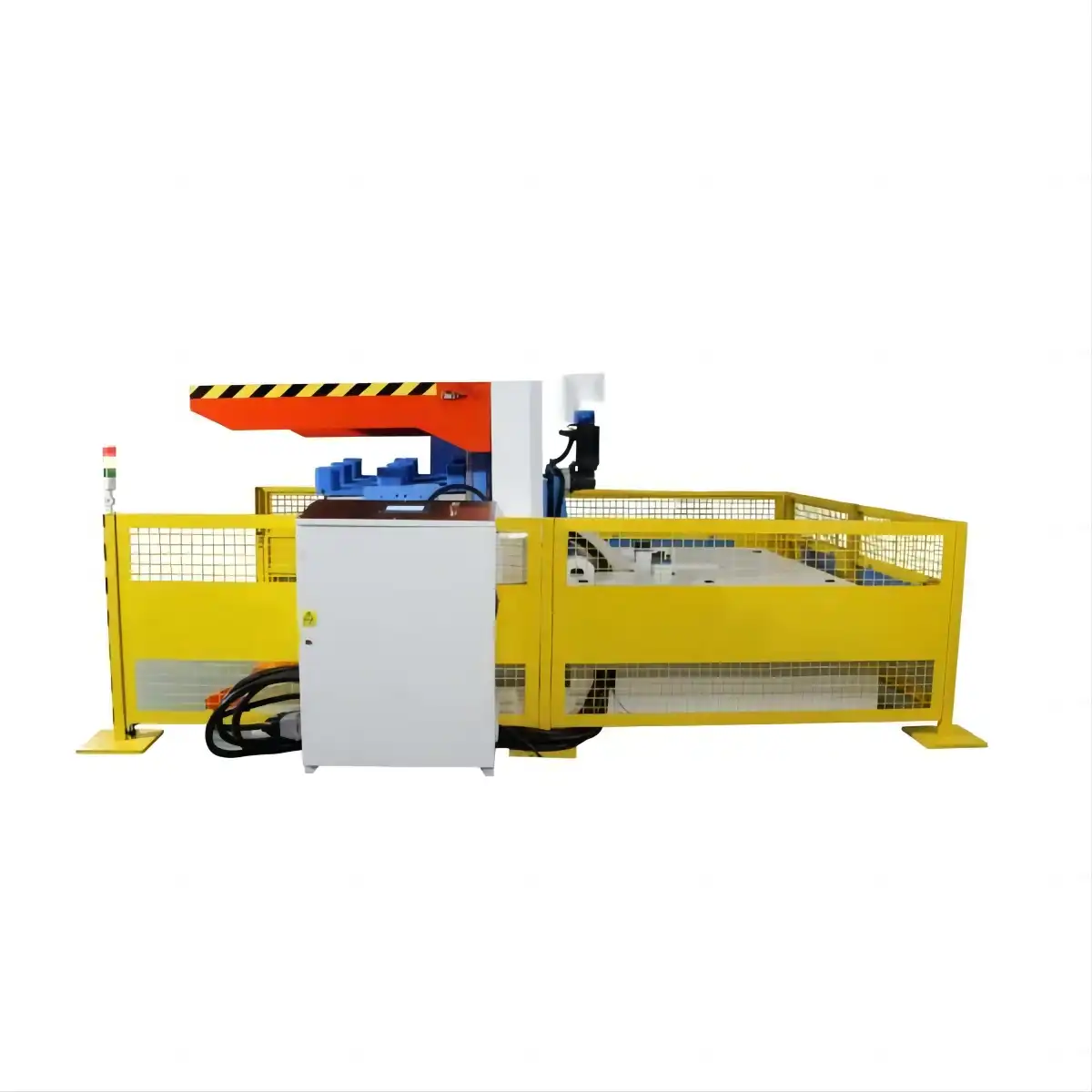
4.3. Finding a Reliable and Knowledgeable Partner
This is where FHOPEPACK truly stands out.
- Deep Industry Expertise: Look for a supplier with extensive experience in your specific industry. FHOPEPACK was founded by me, Randal Liu, a packing machine engineer who has hands-on experience in manufacturing. We understand coil packing challenges because we’ve lived them.
- Customization Capabilities: Can the supplier tailor solutions to your unique factory needs, rather than offering a one-size-fits-all product? FHOPEPACK specializes in custom, heavy-duty solutions.
- Robust After-Sales Support: What kind of installation, training, maintenance, and spare parts support do they offer? This is crucial for long-term machine performance. We pride ourselves on comprehensive support.
- Reputation and References: Look for testimonials and case studies. While other companies like SHJLPACK and CNBHPAC exist, FHOPEPACK’s commitment to quality and partnership is unmatched. We are not just selling machines; we are building relationships and solving real-world problems.
- Transparency: A reliable partner is transparent about costs, timelines, and machine capabilities. They will work with you to ensure your investment genuinely supports your business growth.
Choosing FHOPEPACK means partnering with experts who don’t just sell you a machine, but who also help you master your packing process. We provide the professional guidance and proven solutions that Michael, and factories like his, truly need. (Keywords: packing machine ROI calculation, industrial supplier reliability, custom packing solutions, FHOPEPACK partnership, factory operations assessment, after-sales service importance)
5. What Are the Future Trends in Coil Packing Technology?
Is your factory ready for tomorrow’s manufacturing landscape, or are you still relying on technology that could soon be outdated? The manufacturing world is evolving at a rapid pace, driven by innovation and a growing demand for smarter, more sustainable, and highly integrated systems. Michael, like many forward-thinking factory managers, needs solutions that not only solve today’s problems but also position his factory for future success. It’s crucial to stay ahead of the curve.
The future of coil packing is characterized by increasingly sophisticated automation, seamless integration with Industry 4.0 technologies, a strong emphasis on sustainability, and greater flexibility to adapt to diverse production demands. These trends are transforming packing lines from simple mechanical devices into intelligent, interconnected systems that offer predictive maintenance, enhanced efficiency, and a reduced environmental footprint.
From my earliest days in the packing machine industry, I’ve always been fascinated by innovation. I remember when even semi-automation seemed like a huge leap. Now, we’re talking about machines that can communicate, learn, and adapt. At FHOPEPACK, we are constantly researching and developing new technologies. My goal is to ensure that FHOPEPACK machines are not just reliable today, but also ready for the challenges and opportunities of tomorrow’s factories.
5.1. Industry 4.0 Integration and Smart Packing Machines
The concept of Industry 4.0 is profoundly impacting packing technology.
- IoT (Internet of Things): Sensors embedded in packing machines collect real-time data on performance, material usage, and potential issues.
- AI and Machine Learning: This data is analyzed by AI to predict maintenance needs, optimize machine settings for different coil types, and identify efficiency improvements.
- Remote Monitoring and Control: Factory managers can monitor packing line performance from anywhere, making quick adjustments and troubleshooting without being on-site.
- Benefits: Reduces downtime through predictive maintenance, optimizes resource allocation, and increases overall operational intelligence. This means fewer unexpected stoppages and more consistent production.
5.2. Advanced Robotics and Automation
Robotics are moving beyond simple pick-and-place tasks into more complex packing operations.
- Collaborative Robots (Cobots): Working safely alongside human operators, cobots can assist with tasks like strapping, labeling, or even loading coils, enhancing both safety and efficiency.
- Automated Guided Vehicles (AGVs): For internal transport of coils to and from the packing line, reducing the need for forklifts and improving flow.
- Benefits: Increased speed and precision, reduced labor costs, and enhanced safety by minimizing human interaction with heavy or dangerous machinery. Robots can perform repetitive tasks tirelessly and accurately.
5.3. Sustainability and Eco-Friendly Packaging
Environmental concerns are driving innovation in both machine design and packaging materials.
- Energy Efficiency: Future packing machines will consume less power, designed with optimized motors and control systems.
- Reduced Material Waste: Precision wrapping and cutting mechanisms will minimize film or paper waste.
- Sustainable Packaging Materials: Development of biodegradable, recyclable, or compostable wrapping materials is a key focus, allowing factories to reduce their environmental footprint.
- Benefits: Compliance with environmental regulations, improved brand image, and potential cost savings through efficient material usage.
5.4. Greater Customization and Flexibility
Factories need packing solutions that can adapt to a wider range of products and changing market demands.
- Modular Designs: Packing lines will become more modular, allowing factories to easily reconfigure or upgrade components to handle new coil sizes, materials, or packing styles.
- Quick Changeover Features: Machines will be designed for faster and simpler changeovers between different product specifications, minimizing downtime.
- Software-Driven Adaptability: Advanced software will enable easy programming and adjustment of packing parameters, making lines highly flexible.
- Benefits: Increased versatility, quicker adaptation to new product lines, and optimized production for smaller batch sizes without significant retooling.
The future of coil packing is intelligent, interconnected, and sustainable. Embracing these trends ensures your factory remains competitive and efficient, ready for whatever the market brings. At FHOPEPACK, we are committed to building these future-proof solutions today. (Keywords: Industry 4.0 packing, smart manufacturing trends, sustainable industrial packaging, robotic packing solutions, future factory automation, flexible packing systems)
Conclusion
Modern coil packing lines are indispensable for enhancing factory efficiency, ensuring worker safety, and boosting profitability. Investing in advanced automation, like a col wrapping machine, empowers businesses to overcome challenges and achieve sustainable growth.








