
Trusted by Korea’s Leading Mills: How Fully Automated Coil Packing Systems Can Transform Your Operations?
Are you a factory manager constantly battling production bottlenecks, rising costs, and serious safety risks? I have seen this situation many times. Manual coil and wire packing can feel like a heavy anchor, dragging down your entire operation. This constant struggle affects output, hurts your team, and cuts into your profits.
Fully automated coil packing systems are changing how metal processing plants work. These systems solve your biggest problems by making things faster, safer, and more cost-effective. They remove manual effort, protect your products, and ensure your factory runs smoothly, just like leading mills in Korea have discovered.
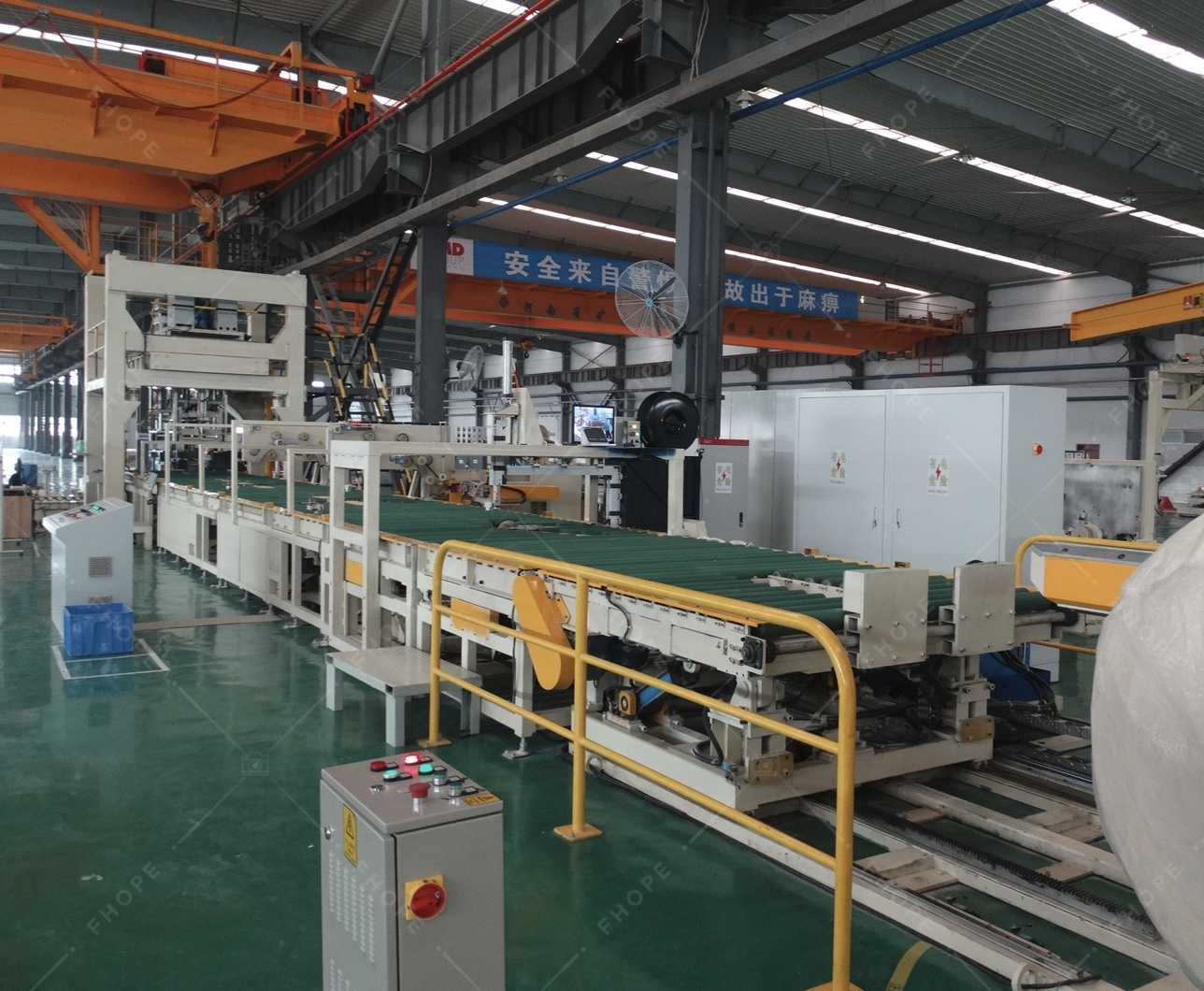
I know these challenges well. I have spent my career building packing machine factories and helping businesses grow. This is why I am sharing what I have learned. Keep reading to see how automation can help your business thrive and secure its future.
Are Manual Packing Processes Slowing Down Your Entire Production Line?
Do you feel like your packing area is a constant choke point? Relying on human labor for heavy coil and wire packing can seriously limit your output. This causes delays and means you lose out on potential sales.
Manual packing simply cannot keep up with high production demands. It creates a bottleneck at the very end of your line. This slows down everything, from manufacturing to delivery, costing you time and money.

When I first started in this industry, I saw how much time was wasted on manual tasks. People had to move heavy coils by hand. They had to apply straps one by one. This was slow. It also tied up valuable labor that could do other jobs. I quickly learned that efficiency in packing is not just about the packing itself. It impacts your whole business flow.
Why Manual Processes Are So Inefficient
Manual processes have many issues. They are not consistent. They are slow. They also take up too many people.
Slow Speed and Low Throughput
- Human Limitations: People cannot work as fast or as consistently as machines. This means lower overall output.
- Repetitive Tasks: Applying straps, wrapping materials, and moving heavy items are all repetitive. These tasks cause fatigue. They also lead to mistakes.
- Limited Production Capacity: If your packing line cannot keep up, your machines upstream sit idle. This wastes their potential.
High Labor Costs and Misallocation
- Direct Wages: You pay many people to do a job a machine can do faster.
- Overtime and Benefits: Peak times often need overtime. This adds to labor costs. You also pay for benefits, training, and recruitment.
- Loss of Skilled Labor: If your workers spend time on simple packing tasks, they cannot focus on more skilled jobs where their expertise is truly needed. This can make them feel undervalued.
Lack of Consistency and Quality Control
- Variability in Wrapping: Human error means inconsistent wrapping tension and material use. This looks bad. It also offers less protection for your product.
- Product Damage Risk: Manual handling increases the chance of dents, scratches, or other damage to your valuable coils and wires. This leads to customer complaints. It also means you lose money.
- Inventory Delays: Slow packing means finished goods stack up. This takes up space. It also delays shipping to customers.
| Manual Packing Weaknesses | Impact on Your Business |
|---|---|
| Slow Speed | Lower daily output, missed delivery dates |
| High Labor Cost | Increased operational expenses, reduced profit margins |
| Safety Risks | Worker injuries, higher insurance, staff turnover |
| Product Damage | Customer complaints, material waste, reputation harm |
| Inconsistent Quality | Variable package appearance, less protection |
I learned that these problems are not just small issues. They are big roadblocks. They stop you from getting bigger orders. They prevent you from competing effectively. Automating these steps is not just an option. It is a necessary move for growth. It makes sure your factory can handle more work and still deliver on time, every time.
Can Automated Systems Truly Eliminate Safety Hazards in Your Factory?
Are you worried about worker safety, especially when moving heavy coils or turning pallets? These tasks are not just inefficient. They also pose huge risks to your team. Injuries lead to high insurance costs, lost workdays, and employee turnover.
Automated packing and handling systems are designed to remove people from hazardous situations. They do the heavy lifting. They handle dangerous movements. This drastically reduces the risk of accidents. It keeps your workers safe and your insurance costs down.
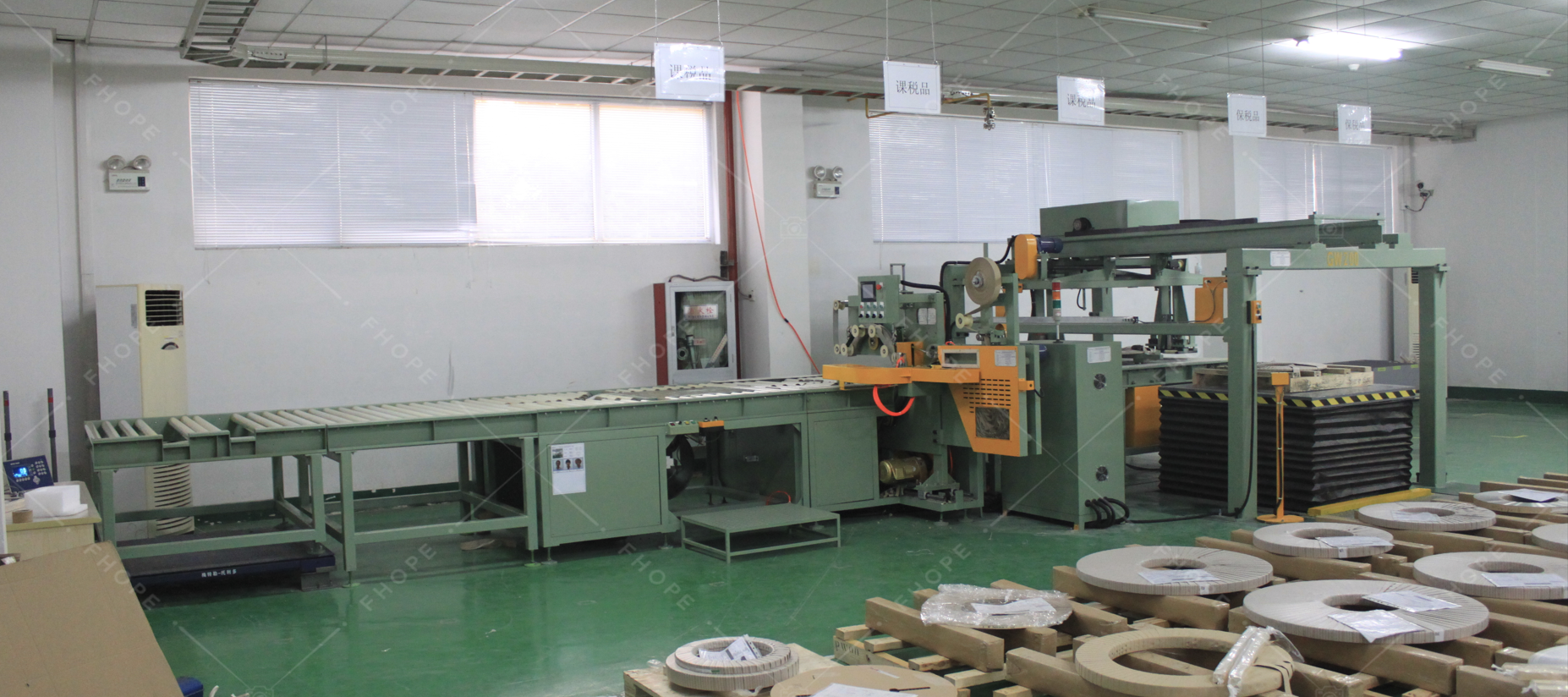
When I built my own factory, safety was always a top priority. I knew that one serious injury could shut down a line. It could also hurt my team’s trust. I always looked for ways to automate any task that involved heavy lifting or awkward movements. This was not just about compliance. It was about creating a workplace where people felt secure. I have seen firsthand how much peace of mind this brings to factory managers and their workers.
How Automation Improves Workplace Safety
Automated systems make workplaces much safer. They take over risky tasks. They also follow strict safety rules.
Removing Humans from Risky Tasks
- Heavy Lifting: Machines lift and move coils that weigh tons. This means no workers need to strain their backs. It also prevents crushed limbs.
- Repetitive Motions: Many packing tasks involve repetitive twisting or bending. Automation eliminates these motions for people. This prevents long-term injuries like carpal tunnel syndrome.
- Dangerous Environments: Some areas, like near moving machinery or high temperatures, are unsafe for humans. Automated systems can work in these zones without risk.
Reducing Human Error and Fatigue
- Consistent Operation: Machines do not get tired. They do not get distracted. This means they operate consistently and correctly. This reduces accidents caused by human error.
- Pre-programmed Paths: Automated guided vehicles (AGVs) or robots follow set paths. This avoids collisions. It also prevents items from falling due to mishandling.
- Enhanced Visibility: With fewer people in dangerous zones, supervisors have better visibility of the entire operation. This allows for quicker response to any potential issues.
Compliance with Safety Regulations
- Meeting Standards: Modern automated equipment is built to meet strict international safety standards. This ensures your factory stays compliant. It also avoids fines.
- Lower Insurance Premiums: A safer workplace means fewer claims. This can lead to lower insurance costs for your business.
- Improved Employee Morale: When workers feel safe, they are happier. They are more productive. This reduces staff turnover. It also improves overall morale in the factory.
| Safety Benefit of Automation | Direct Impact on Your Factory |
|---|---|
| No Manual Lifting | Fewer back injuries, reduced worker fatigue |
| Reduced Repetitive Strain | Lower risk of chronic musculoskeletal issues |
| Minimized Human Error | Fewer accidents, less product damage |
| Better Regulatory Compliance | Avoidance of fines, improved reputation |
| Higher Employee Morale | Reduced turnover, increased productivity |
Investing in automation is a clear step towards a safer work environment. It shows your team that you care about their well-being. This investment pays off in many ways. It saves money on injury claims. It also creates a more positive and productive atmosphere in your factory.
How Do You Calculate the Real ROI of Automated Packing Equipment?
Are you hesitating to invest in new equipment because of the upfront cost? Many factory managers worry about the price tag. But the real question is: What is the return on investment (ROI)? How will this equipment genuinely lower your costs and boost your profits?
Automated systems offer a clear path to significant cost savings and increased profitability. They cut down on labor expenses. They reduce product damage. They also speed up your entire operation, giving you a strong ROI that you can easily track.
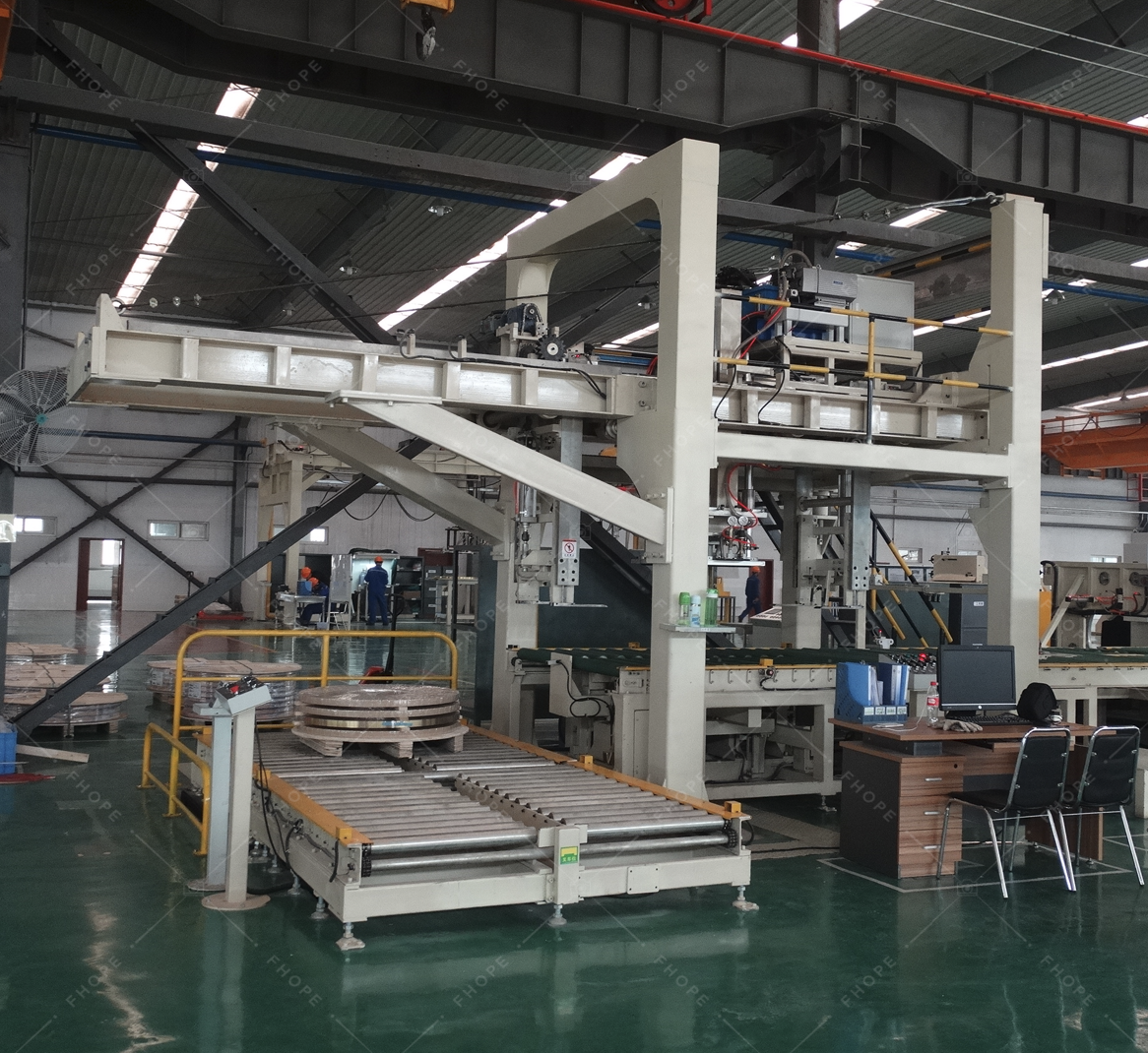
When I started FHOPEPACK, my goal was to help businesses grow. I achieved financial independence because I focused on what truly adds value. For my clients, this meant showing them how a machine, despite its cost, would pay for itself and then some. I learned to look beyond the price tag. I focused on the long-term gains. This meant less waste, more output, and better profits. This is the same advice I give to anyone looking at automation.
Breaking Down the ROI of Automation
Calculating ROI involves looking at both direct cost savings and indirect benefits. It is more than just how quickly you pay back the initial investment.
Direct Cost Reductions
- Reduced Labor Costs: This is often the biggest saving. You need fewer workers for repetitive packing tasks. This frees them up for more skilled roles.
- Lower Insurance Premiums: A safer workplace with fewer accidents directly translates to lower insurance payouts and better rates.
- Decreased Product Damage: Automation handles products with precision. This reduces scratches, dents, and other damage during packing and internal transport. Less damage means fewer customer complaints and less material waste.
- Optimized Material Usage: Automated systems can apply wrapping materials precisely. This reduces waste. They use exactly what is needed, no more, no less.
- Energy Efficiency: Modern automated machines are often designed to be energy efficient. This can lower your utility bills over time.
Indirect Gains and Increased Revenue
- Increased Throughput: A faster packing line means you can produce and ship more goods. This directly increases your sales capacity.
- Improved Product Quality: Consistent, well-protected packages lead to happier customers. This builds your brand reputation. It also encourages repeat business.
- Better Space Utilization: Automated systems can often operate in smaller footprints. They can stack higher or move materials more efficiently. This frees up valuable floor space in your factory.
- Competitive Advantage: Factories with high levels of automation can offer better prices or faster delivery times. This gives you an edge over competitors.
- Scalability: Automated systems are easier to scale up. You can add more units or integrate them with other systems as your business grows. This allows for flexible expansion.
| ROI Factor | How Automation Delivers Value |
|---|---|
| Labor Savings | Reduced wages, fewer benefits, more skilled workforce |
| Reduced Damage | Less scrap, fewer returns, improved customer trust |
| Increased Production | Higher sales volume, faster market response |
| Safety Cost Reduction | Lower insurance, fewer worker compensation claims |
| Operational Efficiency | Less waste, lower utilities, better space use |
My experience shows that the initial investment in automation quickly pays for itself. It does this through these combined savings and revenue increases. It is a strategic move that sets your factory up for long-term financial health and growth.
Why Are Korea’s Leading Mills Investing in Fully Automated Coil Packing?
Have you ever wondered what makes top-tier factories so successful? They are always looking for an edge. In the demanding world of metal processing, where every second counts, leading mills in places like Korea are turning to automation. This is not just a trend. It is a strategic necessity.
Leading mills in Korea are investing in fully automated coil packing because they need reliability, efficiency, and safety at the highest level. They choose automation to handle large volumes, ensure perfect product protection, and maintain their competitive edge in a global market. These systems offer precision and speed that manual processes simply cannot match.
My journey in the packing machine industry has shown me one clear truth: successful factories do not just buy machines. They invest in solutions. I have seen how factories struggle when they work with suppliers who only care about making a sale. They often get left with poor service or equipment that fails to deliver. This is why leading companies do their homework. They look for partners who understand their specific challenges and can provide a system that truly works.
The Strategic Advantages Embraced by Korean Mills
Korean mills operate in a highly competitive global market. They must be at the forefront of technology and efficiency. Their investment in automated packing systems is driven by several key strategic advantages.
High Volume and Consistency
- Meeting Demand: Korea’s mills produce vast quantities of coils and wires. Automated systems can handle this volume nonstop. This ensures they meet high demand from global clients.
- Uniform Quality: Automation delivers consistent packaging every time. This means every coil gets the same level of protection. This is vital for shipping valuable products worldwide.
- Predictable Output: With automated lines, mills know exactly how many coils they can pack per shift. This allows for precise production planning and delivery schedules.
Enhanced Global Competitiveness
- Cost Efficiency: By reducing labor and material waste, automation lowers the per-unit packing cost. This allows Korean mills to offer more competitive prices internationally.
- Faster Lead Times: Automated packing speeds up the entire shipping process. This means products reach customers faster. This is a big advantage in fast-moving markets.
- Reputation for Reliability: Mills known for consistent product quality and on-time delivery build a strong reputation. Automation helps maintain this high standard.
Data-Driven Optimization
- Performance Monitoring: Modern automated systems come with sensors and software. They collect data on speed, material usage, and uptime. This helps mills continuously improve their operations.
- Predictive Maintenance: Data can also show when parts might fail. This allows for planned maintenance. It reduces unexpected downtime. This keeps production flowing smoothly.
- Integration with ERP Systems: Automated packing lines can connect with a mill’s enterprise resource planning (ERP) system. This provides a complete view of inventory and production, making management easier.
| Korean Mills’ Automation Drivers | Business Impact |
|---|---|
| Mass Production Capacity | High throughput, global market dominance |
| Unwavering Quality | Fewer defects, stronger brand loyalty |
| Cost Leadership | Competitive pricing, higher profit margins |
| Operational Visibility | Informed decisions, continuous improvement |
| Strategic Partnership | Reliable solutions, long-term growth |
The success of these leading Korean mills is a powerful example. They understand that automation is not just about a single machine. It is about building a more resilient, efficient, and profitable future for their entire operation. They trust partners who offer proven solutions and understand their industry deeply.
My Insights: Beyond the Machine – Finding a True Partner for Your Growth.
Are you tired of dealing with suppliers who just want to sell you a machine and then disappear? Many factory managers have faced this problem. You need more than just equipment. You need someone who truly understands your business. You need a real partner.
My journey has taught me that the best relationships are built on trust and shared success. I started as an employee, then built my own successful factory. This taught me the real challenges you face. I am not just a vendor. I am a partner who understands your production bottlenecks, your safety concerns, and your need for clear ROI. My goal is to share my expertise and help your business grow, just as I have helped others achieve financial success.
I believe in giving back. The coil packing and steel wire packing industry gave me so much. It allowed me to achieve financial independence. It helped me help many clients grow their businesses too. This is why I am dedicated to sharing my knowledge now. I want to help you succeed. It is not just about selling you a machine. It is about providing insights, solving problems, and ensuring your investment truly drives your business forward. I want to be the expert you can turn to for advice.
What It Means to Be a True Partner
Finding the right partner is critical. It is the difference between a one-time purchase and a long-term advantage.
Deep Industry Understanding
- Shared Experience: I have been in your shoes. I know the pressures of meeting targets, controlling costs, and keeping workers safe. This allows me to see your challenges from your perspective.
- Problem-Solving Focus: A true partner does not just present a catalog. They listen to your specific problems. They then work with you to find the exact solution. This might involve custom designs or integration with your existing systems.
- Anticipating Needs: With years of experience, a good partner can often foresee potential issues. They can suggest proactive solutions that prevent problems before they arise.
Commitment to Your Success
- Long-Term Relationship: The goal is not a single sale. It is a lasting relationship based on mutual trust. This means ongoing support, not just during installation, but for the entire lifespan of the equipment.
- Measurable Results: A real partner helps you achieve your goals. This means higher output, lower costs, and a safer workplace. They help you track your ROI to prove the value of your investment.
- Sharing Knowledge: I believe in empowering my clients. This means sharing insights about maintenance, optimization, and future trends in packing technology.
Beyond Just Equipment Sales
- Consultative Approach: We do not just sell machines. We consult. We analyze your current processes. We identify pain points. We then recommend solutions that truly fit your factory’s unique needs.
- After-Sales Support: What happens after the sale is crucial. A good partner provides excellent technical support, spare parts availability, and training for your team. This ensures your machines run smoothly for years.
- Innovation and Future-Proofing: The packing industry is always changing. A committed partner stays updated on new technologies. They help you upgrade or adapt your systems as your business evolves. This keeps you ahead of the curve.
| Difference: Vendor vs. Partner | Vendor (Sales-Focused) | Partner (Solution-Focused) |
|---|---|---|
| Primary Goal | Sell a machine | Help you grow your business and solve problems |
| Approach | Product-centric | Problem-centric, consultative |
| Post-Sale | Limited or reactive support | Proactive, ongoing support and advice |
| Understanding | Surface-level | Deep industry insights, shared experience |
| Relationship | Transactional | Long-term, trust-based |
I want to be that partner for you. My team at FHOPEPACK and I are ready to apply our knowledge. We want to help you overcome your challenges and achieve your business goals. We are here to help you master your wrapping needs and see your factory thrive.
Conclusion
Automated coil packing systems offer huge benefits: higher efficiency, better safety, and clear ROI. Partnering with someone who truly understands your factory’s needs can transform your operations.








