
From Packaging to Smart Warehouse: Is End-to-End Coil Handling Possible for Korean Factories?
Korean factories face unique pressures. They must meet high production demands. They also need to control costs. Many factories still struggle with old coil handling methods. This leads to slow lines, safety risks, and damaged products. Are you looking for a better way to move your coils? Do you want to make your operations smoother and safer?
Yes, end-to-end coil handling is entirely possible for Korean factories. It moves coils efficiently from production to shipping. This system uses automated equipment. It handles coils safely. It reduces labor needs. This approach improves overall factory output. It also cuts down on product damage.

I have seen many factories in my career. I started as an employee. Then I built my own successful packing machine factory. I understand the challenges you face every day. I know the pressure to deliver. Let us look at how modern coil handling can change your factory. We will explore how it can boost your business.
Are Your Coil Packing Lines Losing Money and Time?
Many factories still use manual methods for coil packing. This creates a big bottleneck. Workers struggle to move heavy coils. The process is slow. It needs many people. This directly impacts your production speed. It also adds to your labor costs. Are these old methods costing you more than you think?
Old, manual coil packing lines are indeed costing factories money and time. They slow down production. They use too much labor. This means higher operational costs. It also means slower delivery times. Automation solves these problems. It makes the packing process faster and more efficient.

I remember when I first started in the packing machine industry. Many factories used very basic methods. They needed many hands for simple tasks. This was especially true for heavy items like coils. This created huge bottlenecks. My own journey showed me that efficiency is key. You cannot grow if your core process is slow. Manual packing of coils is very slow. It also costs a lot of money in wages. It slows down the whole production line. This means you make fewer products. You also pay more to make each product. This is a direct hit to your profit.
The Cost of Inefficiency
Inefficiency has many hidden costs. These costs can build up. They affect your bottom line significantly.
Labor Overheads
- Manual coil packing needs many workers. These workers do repetitive tasks. They also handle very heavy items.
- Each worker adds to your payroll. You also pay for benefits and insurance.
- This labor cost is ongoing. It does not go away. It reduces your profit margin.
Production Bottlenecks
- The packing area becomes a choke point. The rest of the factory might run fast. But the packing slows everything down.
- Finished coils pile up. They wait to be packed. This takes up valuable floor space.
- It also means you cannot ship products quickly. This affects customer satisfaction. It can also lead to lost orders.
Inconsistent Quality
- Manual packing depends on human skill. Not every worker performs the same way.
- This can lead to inconsistent packing quality. Some coils might be packed well. Others might be loose.
- Poor packing can cause damage during transport. This means customer complaints. It also means returned goods.
Lost Opportunities
- Slow packing means you cannot take on more orders. You are limited by your current output.
- You might miss chances to expand. You cannot handle larger volumes.
- This limits your market reach. It also stops your business from growing.
Moving from manual to automated systems changes this. Automated systems work faster. They work without breaks. They need fewer people. This saves you money on labor. It also speeds up your production. It removes those bottlenecks. This lets your factory produce more. It lets you ship faster. My own factory used automation. This was a big reason for our success. We could handle more orders. We could do it faster and with fewer errors. This is the path to higher profits.
Is Manual Coil Handling Still a Safety Risk in Your Plant?
Handling heavy coils manually is extremely dangerous. Workers lift and move these heavy items. They also need to flip heavy pallets. This puts them at high risk for injury. Back injuries, crushed limbs, and falls are common. This leads to high insurance costs. It also causes high employee turnover. Are your workers facing these dangers every day?
Yes, manual coil handling remains a major safety risk in many plants. Workers can get severe injuries. These injuries include strains, sprains, and fractures. This leads to high workers’ compensation costs. It also affects employee morale. Automated systems remove this danger. They handle heavy loads safely.
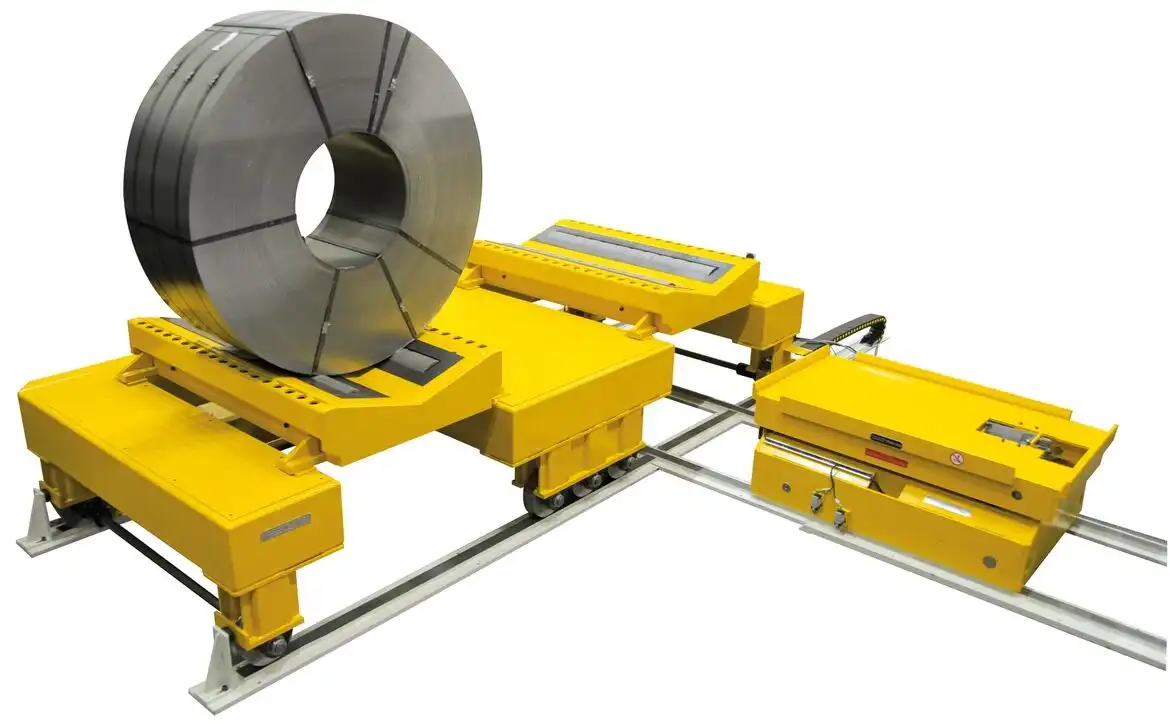
I have seen firsthand the dangers of manual handling. In my early days, accidents were not uncommon. Someone would strain their back. Someone else would drop a heavy tool. The packing industry, especially with heavy coils, has always been risky. I remember one time, a worker almost dropped a coil. It could have caused serious injury. This kind of event makes you think deeply about safety. It shows that human strength has its limits. It shows that mistakes happen.
The Human and Financial Cost of Accidents
Accidents are not just about injuries. They have far-reaching effects. They impact your workers. They also impact your business finances.
Worker Safety
- Workers often lift very heavy coils. They use their own bodies. This leads to muscle strains and back pain.
- They also operate near moving heavy loads. There is a risk of getting crushed. There is also a risk of falling objects.
- These are serious safety hazards. They can cause permanent disability. They can even be fatal.
Insurance Costs
- More accidents mean more insurance claims. Your insurance premiums will go up.
- This is a direct cost. It reduces your profit. It makes your operations more expensive.
- A history of accidents can also make it harder to get insurance.
Employee Turnover
- Workers do not want to work in dangerous places. High injury rates lead to unhappy employees.
- They might look for safer jobs. This means you lose experienced staff.
- You then need to hire and train new workers. This costs time and money. It also affects productivity.
Legal Liabilities
- Accidents can lead to lawsuits. Injured workers might sue the company.
- This can result in large legal fees. It can also mean big compensation payouts.
- Your company’s reputation can also suffer. This makes it harder to attract new talent. It can also affect your client relationships.
Automated handling systems solve these problems. Machines lift heavy coils. Machines move them. They use strong robots or conveyors. This removes the worker from the danger zone. It reduces the risk of injury to almost zero. It creates a much safer workplace. This improves worker morale. It also lowers your insurance costs. This is a clear win for everyone. Safety is not just a cost. It is an investment in your people. It is an investment in your business’s future.
How Can Automation Protect Your Product and Your Profits?
Product damage happens often in manual handling. Coils can get scratched. Their edges can get bent. This happens during internal transport. It also happens during packing. These damages lead to customer complaints. They also cause profit loss. Is product damage a constant headache for your factory?
Automation significantly protects your product and boosts profits. Automated systems handle coils with precision. They reduce the chance of damage during movement and packing. This lowers customer complaints. It also cuts down on product waste. This directly improves your factory’s profitability.

When I started FHOPEPACK, my goal was to master wrapping machines. But a machine is only as good as the process around it. I saw many cases where coils arrived damaged. They were fine at the start. But rough handling made them defective. This was frustrating for the factory. It was also bad for the customer. Imagine sending a perfect coil. Then it arrives with a dented edge. That reflects poorly on you. It also means lost money. Every damaged product is a loss. It is a loss of materials. It is a loss of labor. It is a loss of potential profit.
The Impact of Product Damage
Product damage affects more than just one item. It creates a ripple effect. This effect harms your reputation and your finances.
Direct Financial Loss
- Each damaged coil means wasted raw materials. It also means wasted production time.
- You cannot sell damaged products at full price. You might sell them at a discount. Or you might scrap them entirely.
- This directly reduces your revenue. It hurts your profit margins.
Customer Dissatisfaction
- Customers expect perfect products. Receiving damaged goods makes them unhappy.
- They might complain. They might return the products. This costs you more money.
- Unhappy customers might not order from you again. They might also tell others about their bad experience.
Reputation Damage
- A reputation for damaged goods is bad. It makes potential clients doubt your quality.
- This can be hard to fix. It can take a long time to regain trust.
- A good reputation is very important. It attracts new business. It keeps existing clients loyal.
Hidden Costs of Rework
- Sometimes, damaged coils need rework. This takes more time and resources.
- Workers must stop their regular tasks. They fix the damaged items. This lowers overall productivity.
- It adds another layer of cost. It is not always obvious. But it is there.
Automated handling systems are precise. They move coils carefully. They use soft grips and smooth movements. This minimizes contact that causes damage. They also pack coils consistently. This protects them during shipping. Investing in automation is not just about reducing labor. It is about protecting your valuable product. It is about maintaining your quality. It is about keeping your customers happy. It directly leads to a better return on your investment. It also boosts your overall factory profitability.
Beyond the Machine: Why Partnering with an Expert Matters?
Many equipment suppliers only focus on selling machines. They do not offer good after-sales service. They do not understand your specific factory problems. This leaves you feeling unsupported. You are careful about finding new partners. You want someone who truly understands your needs.
Partnering with an industry expert goes beyond just buying a machine. An expert understands your unique production problems. They offer tailored solutions. They provide strong after-sales support. This ensures your investment truly solves problems. It helps your business grow. This builds trust and a lasting relationship.
From my experience, selling a machine is the easy part. The hard part is making sure that machine solves a real problem. I built FHOPEPACK not just to sell equipment. I wanted to share knowledge. I wanted to help clients grow. I remember working with a client in the steel industry. They bought a wrapping machine from another company. It broke down often. The supplier would not help them. They lost so much money because of downtime. They came to us. We did not just sell them a new machine. We looked at their whole process. We found the root cause of their issues. We offered a complete solution. This is what a true partnership looks like.
What an Expert Partner Brings to Your Factory
An expert partner offers much more than just equipment. They bring deep understanding and long-term support.
Understanding Your Challenges
- An expert listens to your specific problems. They understand your production bottlenecks. They know your safety issues.
- They look at your whole operation. They do not just focus on one small part.
- This allows them to suggest the best solutions for your factory.
Tailored Solutions
- They do not offer a one-size-fits-all product. They customize solutions.
- This means the equipment fits your exact needs. It works well with your existing lines.
- They can design systems that address your unique pain points.
Deep Industry Knowledge
- Experts have years of experience. They have seen many different factory setups.
- They know what works. They also know what does not work.
- This knowledge helps them guide you. It helps you avoid costly mistakes.
Strong After-Sales Support
- A good partner offers excellent support after the sale. They help with installation. They also help with training.
- They are there for maintenance. They are there for troubleshooting.
- This ensures your equipment runs smoothly. It minimizes downtime.
Long-Term Partnership
- They aim for a long-term relationship. They want to see your business succeed.
- They act as a trusted advisor. They help you plan for the future.
- This kind of partnership provides peace of mind. It also gives you a reliable resource.
Choosing the right partner is critical. It is more important than choosing the cheapest machine. An expert like me, with real factory experience, understands your struggles. I have been there. I have built a business from the ground up. I know what it takes to grow. I know what it takes to succeed. This insight lets us build solutions that truly work for you. It helps you achieve your goals. It helps your business become more profitable and safer.
My Insights: The Future of Coil Handling?
We have talked about automating packing. We have talked about safer handling. We have talked about protecting products. What is next for coil handling? Is it just about individual machines? Or is there a bigger picture?
The future of coil handling goes beyond just individual machines. It moves towards a smart, integrated warehouse. This means all processes are connected. Data flows freely. Automation handles everything. It creates a seamless end-to-end system. This is the next level of efficiency and safety.
I have spent years in the packing machine industry. I have seen many changes. From basic manual work to advanced automation. But the real game-changer is integration. It is about connecting every part of the process. It is about making machines talk to each other. It is about creating a truly smart factory. This is where FHOPEPACK focuses. We want to help factories move towards this future. We want to help them become “MASTER WRAPPING MACHINE” in their operations.
Integrating for a Smart Future
The idea of a “smart warehouse” might sound complex. But it breaks down into simple, connected steps. This integration boosts efficiency and lowers costs in ways individual machines cannot.
Seamless Material Flow
- Imagine coils moving from production to packing. Then they move to storage. And finally to shipping.
- All these steps happen automatically. There is no manual intervention.
- This creates a smooth, continuous flow. It eliminates waiting times. It removes bottlenecks.
Data-Driven Decisions
- Smart systems collect data. They track every coil. They monitor machine performance.
- You get real-time insights. You see how efficiently things are running.
- This data helps you make better decisions. You can optimize processes. You can predict maintenance needs.
Optimized Space Utilization
- Automated storage and retrieval systems save space. They can stack coils higher. They can store them more densely.
- This means you need less floor space. You can use your factory layout more effectively.
- It also makes finding and retrieving coils faster.
Predictive Maintenance
- Smart machines can tell you when they need service. They can sense problems before they happen.
- This reduces unexpected breakdowns. It minimizes costly downtime.
- You can schedule maintenance when it is convenient. This keeps your operations running smoothly.
Enhanced Traceability
- Every coil has a digital record. You know its history. You know its location.
- This improves quality control. It also helps with inventory management.
- You can quickly find any coil. You can also track its journey from start to finish.
The journey to a smart warehouse begins with automation. It starts with a vision for end-to-end efficiency. My experience building a packing machine factory taught me this. It is not just about one piece of equipment. It is about building a system. It is about continuous improvement. This is how Korean factories can stay competitive. This is how they can become leaders in their field. FHOPEPACK is here to help you achieve this vision. We want to be your partner on this journey.
Conclusion
Full automation in coil handling leads to a smart warehouse. It boosts efficiency, enhances safety, and increases profits. Invest wisely, choose an expert partner, and master your operations with FHOPEPACK.








