
The Role of Stretch Wrapping in Protecting Steel Coils
Are you losing valuable steel coils to rust and damage before they reach your customers? Problem: Exposed steel coils are highly vulnerable to environmental factors and mechanical stress. Agitate: This leads to costly material degradation, rejected shipments, and diminished profitability. Solution: Implementing effective stretch wrapping is a critical step in safeguarding your investment.
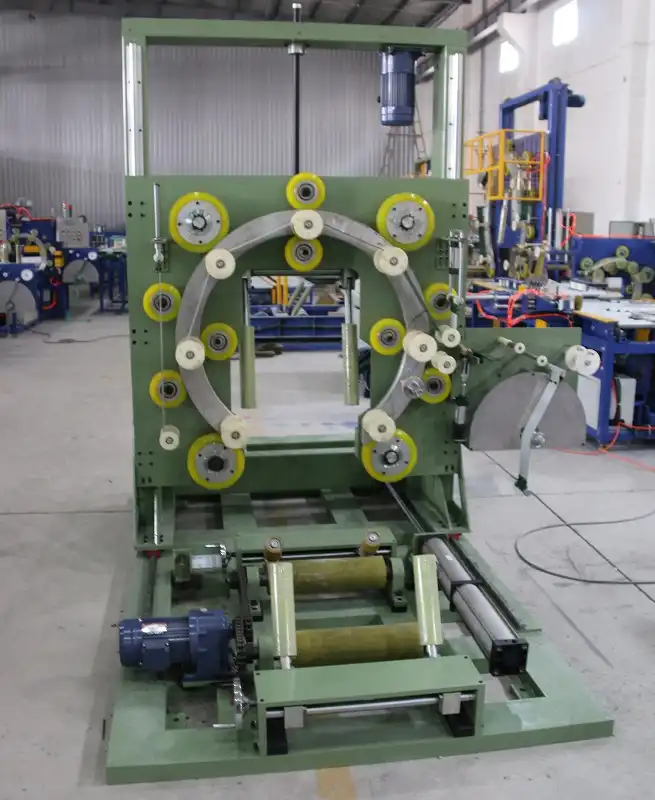
Stretch wrapping protects steel coils by providing a crucial physical barrier against moisture, dust, and handling damage. Advanced VCI (Vapor Corrosion Inhibitor) stretch film goes further, releasing chemical vapors that actively prevent corrosion on the metal surface, even in difficult-to-reach areas. Proper application ensures the wrap contains a protective micro-environment, significantly extending the lifespan and preserving the quality of valuable steel assets during transit and storage.
Beyond basic protection, the right stretch wrapping strategy represents a significant advancement in preserving the integrity and value of steel coils throughout the supply chain. Let’s delve into the specific mechanisms and techniques that make this packaging method indispensable for the metal industry today.
Why Protecting Steel Coils is Crucial
Are you tired of seeing valuable steel coils degrade before they can be used? Problem: Unprotected steel is highly susceptible to rust, a silent threat that erodes both material quality and profit margins. Agitate: Ignoring robust protection leaves your assets vulnerable to environmental damage and costly reprocessing or rejection. Solution: Effective packaging, particularly stretch wrapping, provides a vital defense.
Protecting steel coils is critical due to their susceptibility to corrosion when exposed to moisture and oxygen. This electrochemical process forms rust, compromising the steel’s surface and structural integrity, leading to reduced quality, rework expenses, and significant financial losses from scrapped material and customer returns. Effective coil wrapping, especially with VCI film, creates a controlled environment, isolating the steel from corrosive elements and preserving its value from manufacturing through storage and transport to the end-user. The impact of corrosion extends beyond the visual; it’s a fundamental degradation of the material, reducing its strength, appearance, and usability for downstream processes like stamping, forming, or welding. Preventing this damage is paramount to maintaining product quality and customer satisfaction.

The Science of Corrosion and How Wrapping Intervenes
Steel corrosion is an electrochemical process where iron reacts with oxygen and moisture to form rust (hydrated iron oxides). This reaction requires specific conditions: an anode (where iron oxidizes), a cathode (where reduction occurs), an electrolyte (like water or moisture), and an electron path through the metal. The presence of pollutants accelerates this process. Steel coils, with their large surface area and often stored/transported in variable environments, are highly vulnerable.
Stretch wrapping acts as a primary physical barrier, preventing direct contact with external moisture, humidity, and contaminants. While standard stretch film focuses on this physical exclusion, it cannot prevent condensation that might form inside the wrap due to temperature fluctuations. This is where VCI (Vapor Corrosion Inhibitor) technology becomes crucial. VCI films are impregnated with compounds that volatilize within the enclosed space, adsorbing onto the metal surface. These VCI molecules interfere with the electrochemical reactions at both anodic and cathodic sites, effectively passivating the metal surface and inhibiting corrosion even in the presence of trace moisture. This dual-action — physical barrier plus chemical inhibition — provides a significantly higher level of protection against rust, ensuring the steel remains in prime condition.
| Component | Role in Corrosion | How Wrapping Intervenes (Standard) | How Wrapping Intervenes (VCI) |
|---|---|---|---|
| Anode | Area where metal loses electrons (Fe -> Fe²⁺) | Indirectly by blocking external moisture | VCI molecules passivate surface, disrupting electron flow |
| Cathode | Area where electrons are gained (O₂ + H₂O) | Indirectly by blocking external moisture | VCI molecules passivate surface, disrupting electron flow |
| Electrolyte | Conductive medium (Moisture, pollutants) | Physical barrier blocks access to moisture | Physical barrier blocks bulk moisture; VCI protects against trace moisture |
| Electron Path | Metal itself (allows electron flow) | No direct intervention | VCI layer interferes with electron transfer |
| Oxygen | Reactant in reduction & oxide formation | Wrap minimizes exposure (not airtight) | VCI protects surface even if trace oxygen is present |
| Pollutants | Accelerate corrosion (Chlorides, SO₂) | Physical barrier shields against ingress | Physical barrier shields against ingress; VCI mitigates effects of trapped pollutants |
By disrupting the corrosion triangle (oxygen, moisture, metal) through both physical and chemical means, stretch wrapping, particularly with VCI technology, provides a powerful defense mechanism.
Choosing the Right Film: Standard Stretch Wrap vs. VCI Stretch Film
Selecting the appropriate stretch film is paramount to achieving desired protection outcomes for steel coils. The choice hinges on understanding the unique properties and capabilities of standard films versus those imbued with Vapor Corrosion Inhibitor (VCI) technology.
Choosing between standard stretch wrap and VCI stretch film depends on the required level and duration of corrosion protection. Standard wrap offers basic physical protection against dust, dirt, and handling damage at a lower cost. VCI stretch film provides active, long-term rust prevention by releasing chemical vapors that inhibit corrosion on the metal surface, making it essential for prolonged storage or transport in humid or challenging environments, despite a higher initial investment.
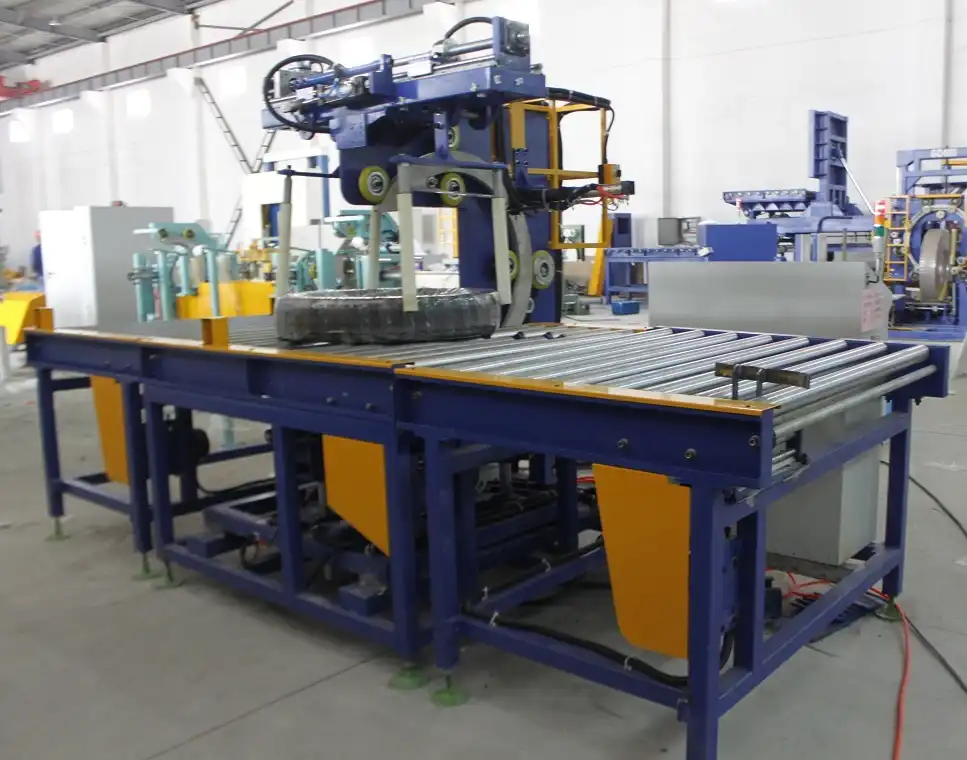
Tailoring Your Protection: The VCI Advantage
Standard stretch wrap, typically made from Linear Low-Density Polyethylene (LLDPE), excels at providing a durable physical barrier. It protects coils from surface scratches, dust, and dirt during handling and transport. Its inherent elasticity and memory contribute significantly to load stability, securing the coil firmly to its skid or pallet and reducing the risk of shifting and subsequent damage. Standard film is cost-effective and widely available for both manual and automated applications. However, its effectiveness against rust is limited; it can only prevent corrosion by physically excluding moisture. If the seal is broken, or if condensation forms inside due to temperature changes (a common issue during transit across varying climates), standard film offers no active defense against the resulting rust.
VCI stretch film, on the other hand, is specifically engineered to address the challenge of corrosion. While it provides the same physical barrier benefits as standard film, it contains specialized chemical compounds that slowly vaporize and saturate the air within the packaged environment. These VCI molecules adsorb onto all metal surfaces within the package, forming an invisible, molecular layer that interrupts the electrochemical reactions necessary for rust formation. This “vapor phase” protection is highly effective because it reaches surfaces not in direct contact with the film, such as the inner wraps of the coil. VCI films offer superior, long-term protection, often rated for several years under proper conditions, making them ideal for extended storage or overseas shipments. They provide clean, dry protection, eliminating the need for traditional, messy rust preventative oils that require cleaning before use. Although VCI films have a higher upfront cost, the potential savings from preventing rust damage, reducing rework, and eliminating rejected shipments typically provide a significant return on investment, especially for high-value steel coils. The selection of the correct VCI formulation (ferrous, non-ferrous, or multimetal) is also a critical factor in achieving optimal performance for the specific metal being protected.
Mastering Application Techniques for Optimal Protection
Is your stretch film truly protecting your coils, or just holding them together? Problem: Improper application techniques can severely compromise the protective capabilities of stretch film, regardless of its quality. Agitate: Insufficient overlap, inconsistent tension, and neglected edges create weak points, inviting corrosion and physical damage. Solution: Mastering application is essential to fully leverage the film’s protective potential and ensure comprehensive coverage.
Mastering stretch film application for steel coils involves creating a complete, tight physical barrier by ensuring sufficient film overlap (typically 50% or more) and consistent tension. When using VCI stretch film, proper technique is even more vital to contain the protective vapors within the wrap and seal off vulnerable areas like coil edges and ends, maximizing the film’s ability to prevent rust and safeguard the steel’s quality during storage and transit.
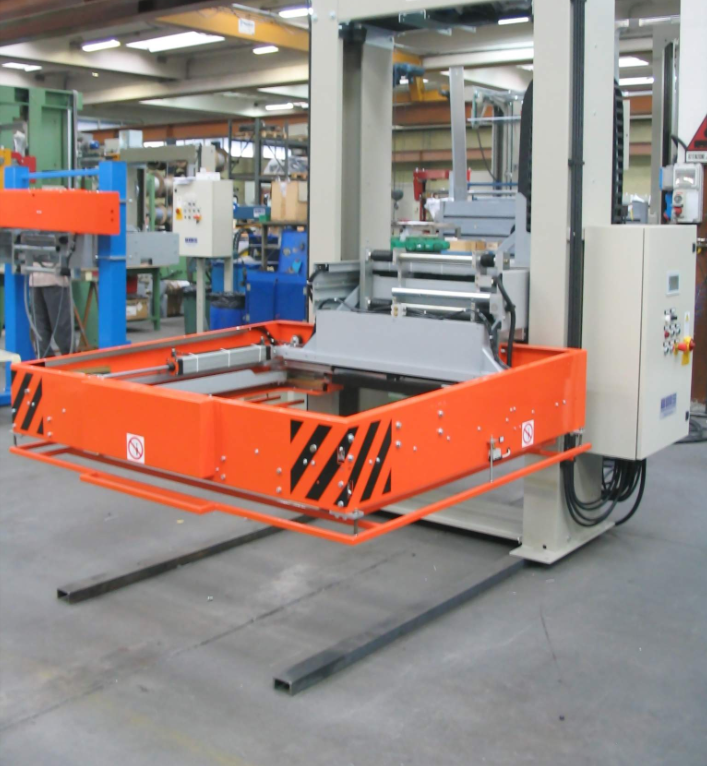
Precision Wrapping: A Step-by-Step Guide
Effective stretch wrapping for steel coils goes beyond simply wrapping the film around the circumference. It requires a methodical approach to ensure the creation of a robust, sealed environment that maximizes the protective properties of the film, especially for VCI types. The goal is to minimize air pockets, ensure complete encapsulation, and reinforce vulnerable areas. Automated wrapping machines offer consistency and speed, but the principles of application remain the same whether applied manually or by machine.
Key steps include proper coil preparation, careful film selection based on metal type and protection needs, initiating the wrap securely, maintaining consistent tension throughout the process, paying special attention to the coil’s edges and ends (often points of ingress for moisture and contaminants), ensuring full overlap and encapsulation without gaps, and securing the final film end. Inspection of the finished wrap for any tears, punctures, or insufficient coverage is a critical final step. Handling of the wrapped coil also matters; damage to the film post-wrapping can compromise the barrier. The material provides detailed best practices, such as wrapping through the eye of the coil to minimize internal exposure and tucking edges. Automated solutions like Lamiflex’s MultiWrapper and PushWrapper are designed to execute these techniques with high consistency, wrapping tightly through the eye to prevent damage and corrosion.
| Step | Action | Detail | Rationale |
|---|---|---|---|
| 1. Coil Preparation | Clean and dry the coil surface. | Ensure absence of dirt, moisture, incompatible oils, or fingerprints. | Contaminants can trap moisture or interfere with VCI function; clean metal is essential for effective protection. |
| 2. Film Selection | Choose appropriate film type, gauge, and VCI formulation. | Standard vs. VCI, required thickness for strength, compatibility with metal. | Correct film matches protection needs and ensures compatibility for active corrosion inhibition (VCI). |
| 3. Initiate & Overlap | Secure film start and apply with significant overlap. | Typically 50% overlap, ensuring redundancy in the barrier. | Overlapping layers create a robust multi-layer barrier against moisture and contaminants. |
| 4. Apply Consistent Tension | Maintain appropriate tension throughout the wrap cycle. | Not too loose (ineffective seal) nor too tight (risk of tears). | Proper tension ensures the film conforms snugly to the coil surface, minimizing air pockets and maximizing stability. |
| 5. Focus on Ends & Edges | Apply extra layers or reinforce coil inner/outer diameters. | Ensure full coverage around the eye and outer circumference. | These are critical stress points and common entry points for moisture and damage. |
| 6. Full Encapsulation | Cover the entire coil surface without any gaps. | Ensure all metal surfaces intended for protection are enclosed. | Complete coverage is necessary to maintain the protective micro-environment and contain VCI vapors. |
| 7. Secure Final End | Tape or tuck the end of the film. | Use VCI-compatible tape if applicable. | Prevents the wrap from unraveling, maintaining barrier integrity during handling. |
| 8. Inspect | Visually check for tears, punctures, or loose areas. | Any breach compromises the protection. | Identify and repair any weaknesses in the protective barrier before transit/storage. |
| 9. Careful Handling | Handle wrapped coils with awareness of the film barrier. | Avoid dragging, sharp impacts, or using incompatible lifting methods. | Prevents accidental damage to the film that could create entry points for corrosion. |
Adhering to these steps, whether through skilled manual application or the precision of automated machines, is vital for achieving consistent, high-quality coil protection and maximizing the return on investment in protective packaging materials.
Integrated Strategies for Comprehensive Rust Prevention
While stretch wrapping, particularly with VCI film, is a cornerstone of steel coil protection, relying solely on this method may not be sufficient for achieving fail-safe results in all environments. A truly effective rust prevention strategy must be comprehensive, addressing multiple factors throughout the steel coil’s journey from production to end-use.
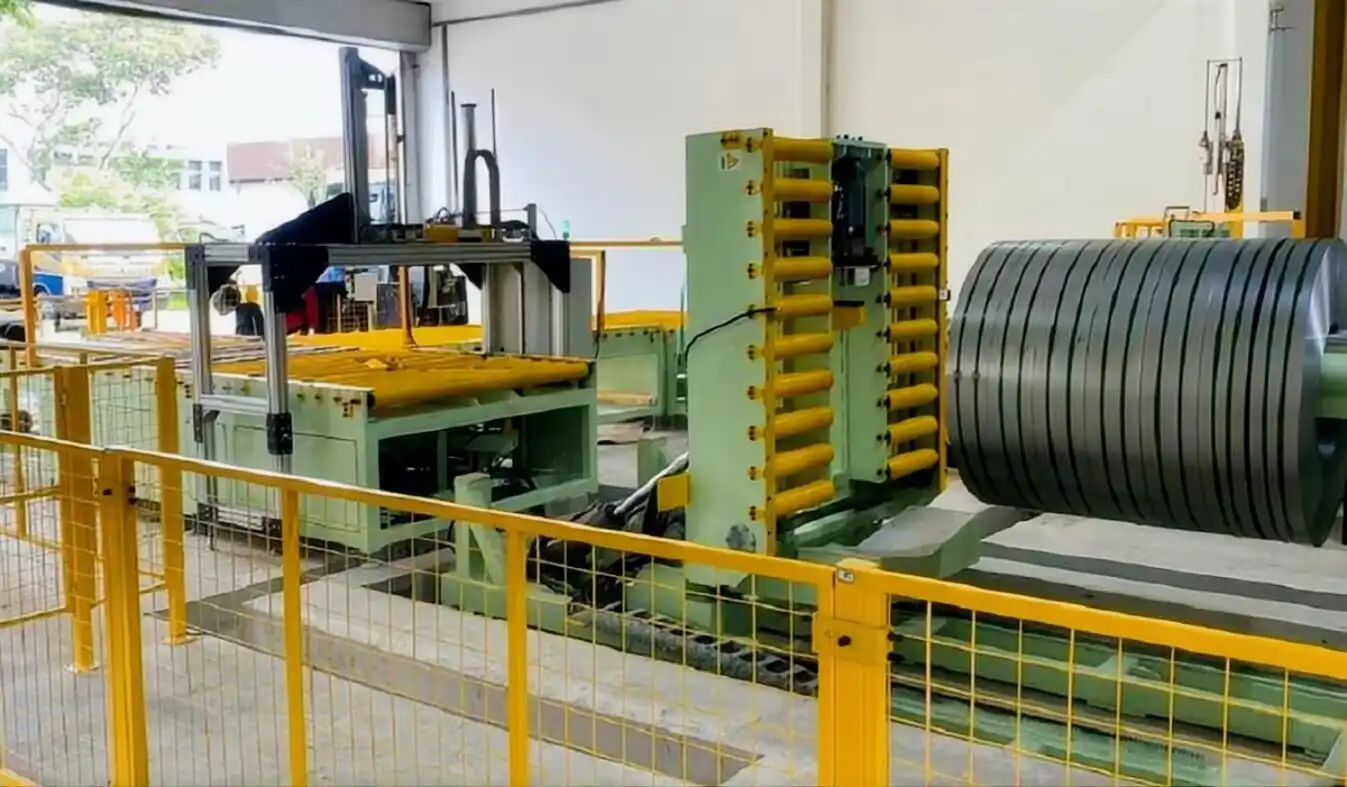
Integrated rust prevention for steel coils combines effective stretch wrapping with proper pre-packaging preparation, careful handling, controlled storage environments, and potentially supplementary protective measures. This multi-faceted approach ensures the metal is clean before wrapping, the film barrier remains intact, and environmental stress is minimized, significantly enhancing the effectiveness and longevity of corrosion protection provided by the stretch film, especially VCI types. This holistic approach acknowledges that protection is not a single step but a continuous process involving multiple layers of defense.
Achieving this comprehensive protection involves several key considerations. Ensuring the coil surface is clean and dry before wrapping is fundamental; residues or moisture trapped beneath the film can initiate corrosion. Implementing strict handling protocols is necessary to prevent damage to the stretch film barrier during internal movement or loading/unloading; even small tears can compromise the protective environment. The storage environment plays a crucial role; storing coils indoors in a climate-controlled area away from extreme temperature swings and high humidity significantly supports the film’s protective function. Avoiding contact with acidic materials, such as certain woods (pine, oak) or standard corrugated cardboard, is also important, as they can emit corrosive substances. For demanding applications, extended storage, or overseas shipments, supplementary protection like desiccants placed within the coil eye (to absorb moisture) or additional VCI emitters can provide an extra layer of defense. Automated wrapping solutions, such as orbital stretch wrappers, play a significant role in integrated strategies by providing consistent, high-speed application that ensures uniform tension and overlap, reducing the variability inherent in manual wrapping and creating a more reliable barrier. Companies like Lamiflex offer automated wrappers like the MultiWrapper and PushWrapper, designed for high throughput and consistent quality by tightly wrapping through the eye. Furthermore, providers like Zerust and Cortec offer complete VCI packaging systems, including films, papers, emitters, and even rust preventative oils and cleaners, allowing for a tailored, multi-product approach to protect coils in diverse conditions, often replacing traditional, messy methods. The historical adoption by companies like Weirton Steel, detailed in the material, highlights how a shift to VCI stretch wrap, coupled with necessary adjustments in handling and skid design, led to significant cost savings and improved corrosion performance compared to traditional methods like paper wraps and steel banding.
Conclusion
Protecting valuable steel coils from the devastating effects of rust and physical damage is a critical requirement across the industrial supply chain. As we have explored, stretch wrapping serves as a foundational element in this protection strategy. The distinction between standard stretch film, providing essential physical containment and load stability, and VCI stretch film, offering active, long-term corrosion inhibition through chemical passivation, is paramount in selecting the right solution for specific needs. By meticulously applying the chosen film and integrating this step within a broader rust prevention program that includes proper surface preparation, careful handling, and appropriate storage conditions, manufacturers and distributors can establish a robust defense. Investing in quality materials and potentially automated equipment, such as a coil packing line, is not merely an expense but a vital investment in preserving the integrity, quality, and inherent economic value of steel assets, ensuring they arrive at their destination in optimal, rust-free condition.








