
The Cost of Corrosion: Why VCI Paper Wrapping is Essential for Steel Coil Export?
For years, I’ve walked the factory floors of steel mills and metal processing plants. I’ve seen the immense pressure managers face to ship products on time, within budget, and in perfect condition. One of the most common, and costly, problems I see is the silent damage of corrosion during export. A perfectly rolled coil can arrive at its international destination with ugly rust stains, leading to rejected shipments, financial loss, and damaged reputations. This isn’t just a minor issue; it’s a direct hit to your bottom line. The good news is, it’s a problem with a proven, intelligent solution. (steel coil corrosion prevention, export packaging challenges)
VCI (Volatile Corrosion Inhibitor) paper wrapping is essential for steel coil export because it provides active, long-term protection against rust during the long and variable transit times of international shipping. Unlike simple plastic wraps or basic papers, VCI paper releases protective vapors that form an invisible shield around the entire metal surface, including hard-to-reach crevices, effectively neutralizing the corrosive elements in the air. This method is a cost-effective insurance policy that safeguards your product’s value and your company’s reputation from the moment it leaves your factory until it reaches the customer. (VCI paper for steel coils, international shipping protection)
Think of it this way: you invest heavily in producing high-quality steel. You manage the production line for efficiency. You control costs meticulously. But if your packaging fails during the weeks-long ocean voyage, all that effort and investment can be ruined by a layer of rust. This article will break down the true cost of corrosion and explain why moving beyond basic wrapping to intelligent VCI solutions is not an expense, but a critical investment in your export business’s success.
1. What is the True Financial Impact of Corrosion on Exported Steel Coils?
Many factory managers view corrosion as an unfortunate but occasional cost of doing business. They might budget for a small percentage of loss or rework. This perspective drastically underestimates the problem. The true cost is multi-layered and extends far beyond the value of a single damaged coil. It hits your profitability from several angles at once. (financial impact of rust damage, cost of rejected shipments)
The true financial impact includes direct costs like the total loss of the corroded product, costly rework or downgrading, and customer chargebacks. More significantly, it includes heavy indirect costs: damage to your brand’s reputation as a reliable supplier, the loss of future business from dissatisfied clients, and increased insurance premiums due to higher claim rates. For an export-focused operation, a single major corrosion incident can jeopardize a long-term international partnership. (steel coil rejection costs, brand reputation damage export)
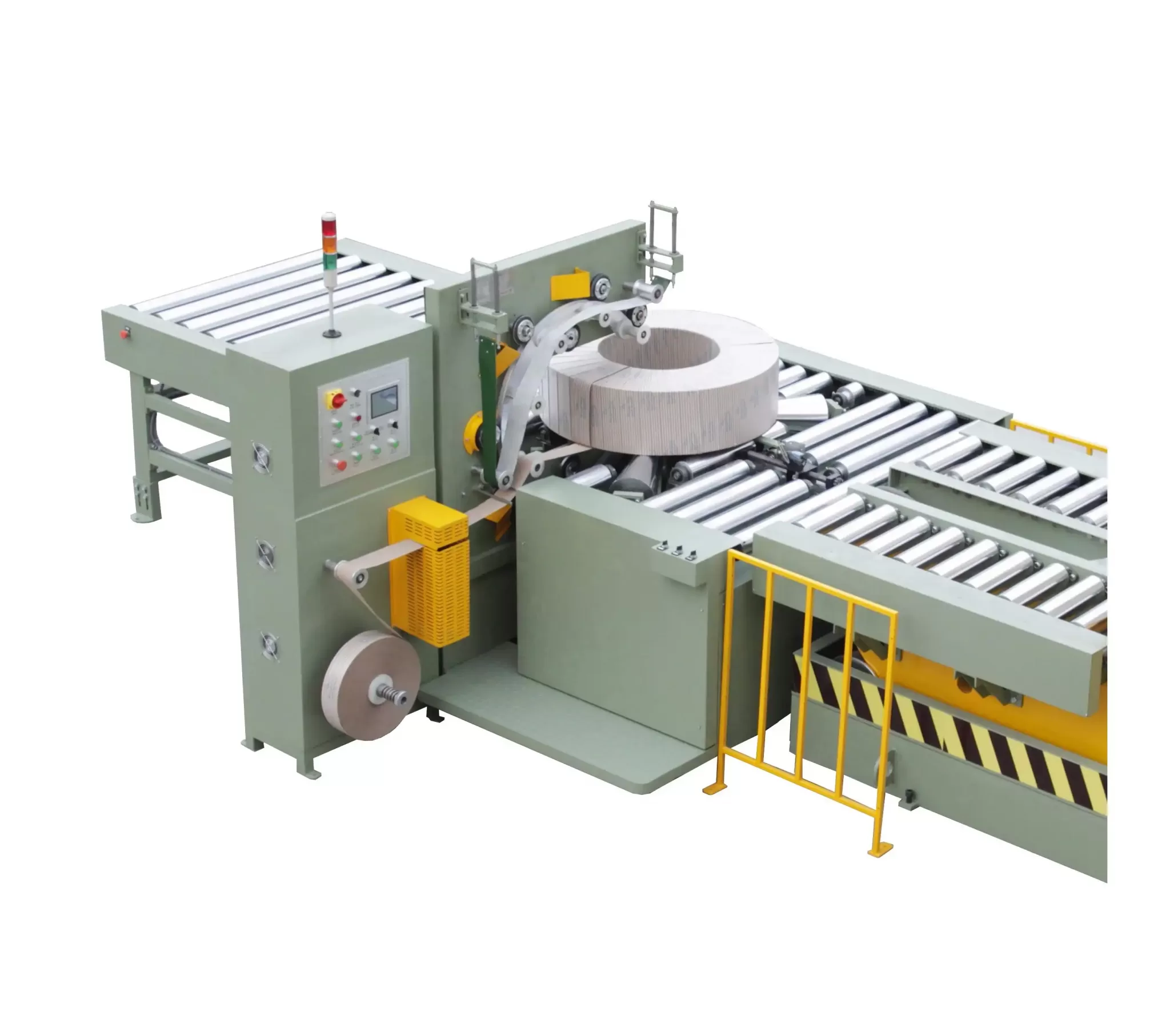
Let’s break down the corrosion cost equation with a simple table. Imagine a shipment of 10 steel coils, each valued at $5,000.
| Cost Category | Description | Financial Impact (Example) | Scope |
|---|---|---|---|
| Direct Product Loss | Coil is so corroded it must be scrapped. | Loss of full $5,000 coil value. | Immediate, quantifiable. |
| Rework & Downgrading | Coil requires cleaning, re-processing, or is sold as lower-grade. | Cost of labor, materials, and lost premium price. | Erodes profit margin. |
| Logistics & Return | Cost to ship the rejected coil back or arrange disposal overseas. | High freight and handling fees. | Often overlooked. |
| Customer Penalties | Contractual fines for failing to meet quality specifications. | Direct deduction from payment. | Contractual loss. |
| Reputational Damage | Loss of trust. Customer seeks a new, more reliable supplier. | Loss of lifetime customer value (far exceeds coil value). | Long-term, devastating. |
| Internal Efficiency Loss | Management time spent resolving complaints, processing claims, inspecting other shipments. | Diverted resources from productive tasks. | Operational drag. |
As you can see, the initial $5,000 loss can quickly multiply. The indirect cost of losing a key client in a competitive export market is the most severe. A client like “Jose” in Mexico, managing a large metal processing plant, cannot afford production delays from faulty materials. If your coils arrive rusty, you solve his immediate problem by becoming his long-term problem. He will find a supplier whose packaging is as reliable as their steel. Investing in VCI paper is a strategic decision to protect against these cascading failures. It’s the difference between being a commodity supplier and a trusted partner. (protecting export customer relationships, strategic packaging investment)
2. How Does VCI Paper Work to Actively Prevent Rust During Long Sea Voyages?
Standard plastic stretch film or kraft paper provides only a physical barrier. They keep out dirt and some moisture, but they trap whatever is inside. During a sea voyage, humidity fluctuates wildly, and temperature changes cause “container sweat.” Moisture condenses inside the packaging, creating a perfect environment for rust to start. Passive wraps can’t fight this chemistry. (limitations of standard plastic wrap, container condensation problem)
VCI paper works through an active, vapor-phase mechanism. The paper is impregnated with special corrosion-inhibiting compounds. These compounds slowly sublimate—transition from a solid directly to a gas—at room temperature. These vapors fill the enclosed air space around the steel coil, forming a monomolecular protective layer on all exposed metal surfaces. This layer interferes with the electrochemical reactions that cause rust, effectively neutralizing the threat. It protects even recessed areas, threads, and spaces where physical contact is impossible. (vapor phase corrosion inhibition, how VCI technology works)
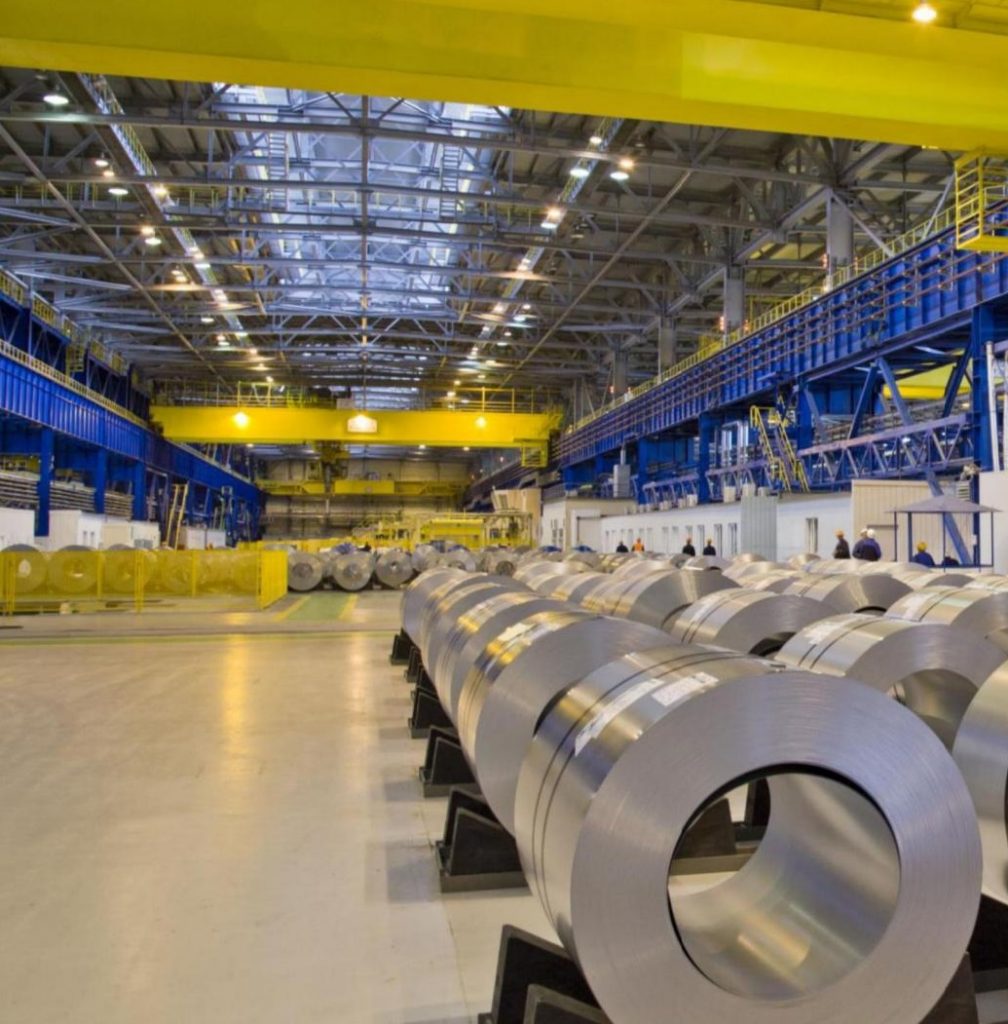
To understand why this is crucial for sea freight, let’s map the journey and the threats VCI paper counters:
🔵 Stage 1: Loading at Origin Port (Humid Climate). Coils are wrapped and stored before loading. Ambient humidity is high. Traditional wrap: Traps humid air. VCI Paper: Vapors saturate the air, protecting from the start.
🔵 Stage 2: Ocean Transit (Temperature Swings). The container moves from warm to cold climates. Metal coils cool slower than the air, causing condensation on their surface. Traditional wrap: Condensation is trapped against the metal. VCI Paper: The protective vapor layer is already in place, preventing the condensate from initiating corrosion.
🔵 Stage 3: Unloading at Destination Port. The container is opened, exposing coils to new ambient conditions. Traditional wrap: Protection ends. VCI Paper: The vapor shield persists for weeks, offering protection during temporary storage before final delivery.
The process is simple, clean, and requires no special training. Workers wrap the coil as usual, but with VCI paper. The technology does the rest, working silently throughout the journey. For a manager focused on reliable outcomes, this “set-and-forget” protection is invaluable. It turns the unpredictable environment of a shipping container into a controlled, protected space for your valuable product. (protection during ocean freight, set and forget corrosion prevention)
3. What Are the Key Factors to Consider When Choosing VCI Paper for Your Coils?
Not all VCI papers are created equal. Selecting the wrong type or grade for your specific application can lead to inadequate protection and a false sense of security. It’s not a generic commodity; it’s a technical product. Your choice should be based on a clear understanding of your product’s needs and the logistics chain. (selecting the right VCI paper, VCI paper specifications)
Key factors include the type of metal (ferrous vs. non-ferrous metals), the required protection duration (short-term storage vs. long ocean freight), the environmental conditions (high humidity, salt air), and compatibility with other packaging materials. You must also consider the physical strength of the paper for machine handling and the need for additional barriers like waterproof or poly-coated layers for extreme conditions. (VCI for ferrous metals, long-term transit protection)
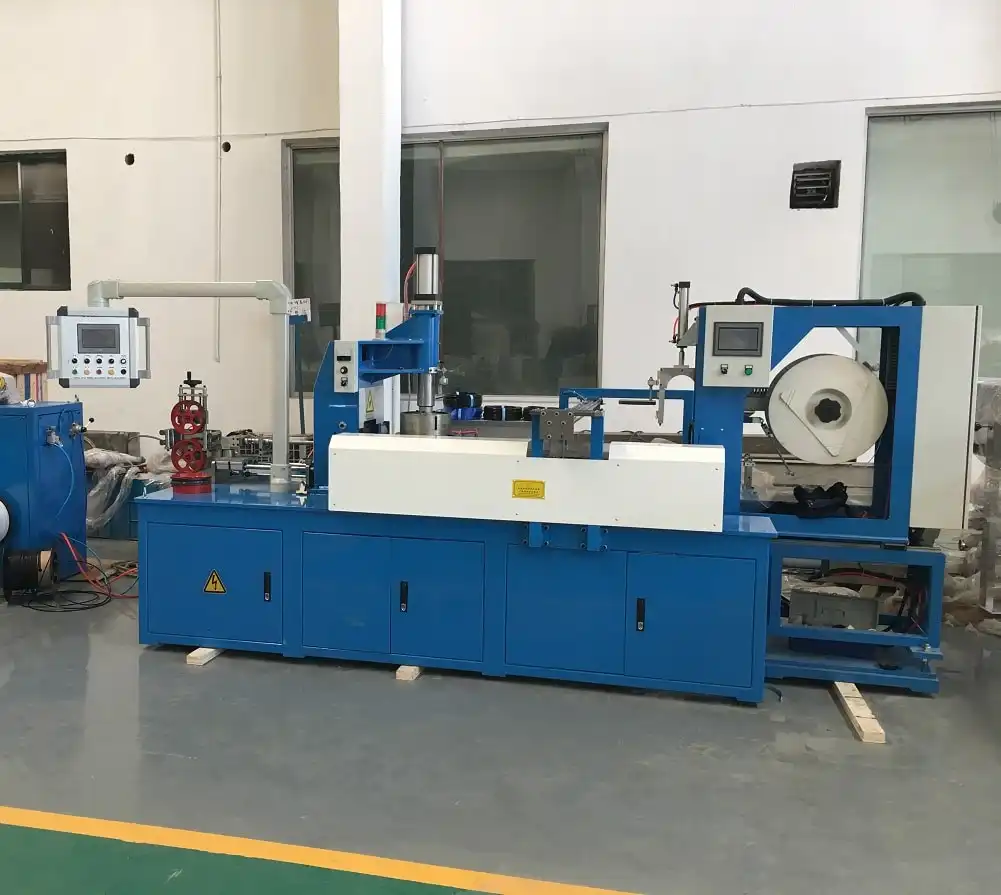
Choosing the right VCI paper is a technical decision. Here is a checklist to guide your evaluation:
✅ Metal Specificity: Ensure the VCI formulation is designed for carbon steel and alloy steels. Some are for multi-metals, but for pure steel export, a specialized product is best. ✅ Protection Longevity: Match the paper’s stated protection period (e.g., 3 months, 12 months, 24 months) to your longest possible supply chain timeline, including potential delays. ✅ Environmental Challenges:
- For standard export: Choose a general-purpose VCI paper.
- For coastal mills or salt-air exposure: Opt for VCI paper with enhanced saltwater corrosion resistance.
- For high-humidity origin points: Consider a water-resistant VCI paper or a VCI film. ✅ Physical & Handling Properties:
- Tensile Strength: The paper must withstand the tension of automated wrapping machines without tearing.
- Compatibility: It should work seamlessly with your automatic coil wrapping machine and not interfere with strapping or labeling.
- Ease of Use: Is it easy for your workers to handle and apply correctly? ✅ Supplier Expertise: Partner with a supplier who understands the steel industry and export logistics. They should offer technical data sheets, case studies, and guidance, not just a sales pitch.
For someone like Jose, who values durable equipment and expert partners, the supplier choice is critical. A knowledgeable partner won’t just sell you paper; they’ll help you audit your process, identify risk points (like the stage where coils wait for shipping), and recommend a total packaging solution that integrates VCI paper with efficient, safe application equipment. This holistic approach is what turns a packaging material into a reliability system. (integrating VCI with packaging line, technical supplier partnership)
4. How Can Automated Wrapping Systems Integrate VCI Paper for Maximum Efficiency and ROI?
Applying VCI paper by hand is inconsistent, slow, and labor-intensive. It introduces variability in protection and adds cost. For a factory manager focused on removing bottlenecks and improving safety, manual application is a step backwards. The true power of VCI technology is unlocked when it is integrated into a modern, automated packaging line. (automated VCI paper application, packaging line efficiency)
Automated coil wrapping systems can be configured to integrate VCI paper as the primary or secondary wrapping layer with perfect consistency. This ensures complete, uniform coverage every time, eliminates human error, and dramatically increases packaging speed. By automating this step, you address the core goals of reducing labor costs, minimizing injury risk from manual handling, and creating a reliable, repeatable process that guarantees every exported coil has optimal corrosion protection. (automated coil wrapping machine, consistent packaging quality)

Let’s connect this directly to the challenges faced by our profile manager, Jose.
- His Challenge: Efficiency Bottleneck. Manual packing is slow. Solution: An automatic coil wrapping machine with a VCI paper dispenser can package coils in minutes instead of hours, eliminating the production line’s tail-end bottleneck.
- His Challenge: Safety Hazard. Workers manually handling heavy wraps. Solution: Automation removes workers from the direct handling loop. They monitor the machine, vastly reducing strain and crush injury risks.
- His Goal: Clear ROI. Solution: The ROI calculation becomes strong:
- Cost Saved: Reduce labor hours dedicated to packing. Eliminate costs from corrosion-related rejections.
- Value Gained: Enable faster order turnaround. Guarantee quality to secure premium contracts and customer loyalty.
- Investment: The cost of the automated system is offset by the ongoing savings and new revenue protection.
The integration is straightforward. Modern machines from leading manufacturers are designed to handle different material rolls. You can set the machine to apply a layer of VCI paper directly onto the coil, followed by a reinforcing layer of stretch film or strapping for physical security. This creates a “protection package”: the VCI fights corrosion chemically, and the outer layer provides physical integrity. For export, this two-tiered approach is the industry best practice. It gives managers like Jose the confidence that their products will survive the journey, turning packaging from a cost center into a competitive advantage. (packaging as competitive advantage, two-tiered export packaging)
Conclusion
The cost of corrosion in steel coil export is a direct tax on your profits and your reputation. It is a controllable risk. VCI paper wrapping is not merely an optional extra; it is an essential component of a robust export strategy, providing active, reliable protection where passive methods fail. By understanding its mechanism, selecting the right product, and integrating it into an efficient automated system with a reliable coil wrapping machine, you transform packaging from a final step into a guaranteed promise of quality to your international customers.








