
The Best Wrapping Solutions for Heavy-Duty Steel Coils
Rust and corrosion on heavy-duty steel coils can decimate profits and reputations. Exposure to humidity, improper handling, or harsh transit conditions spells disaster. The challenge is finding a wrapping solution that offers both robust physical protection and reliable corrosion prevention for these massive metal assets.

The best wrapping solutions for heavy-duty steel coils combine robust physical barriers like high-strength woven films or scrims with advanced corrosion protection technologies such as Vapor Corrosion Inhibitors (VCI). These integrated solutions prevent mechanical damage while simultaneously creating a protective atmosphere around the metal surface, effectively halting rust and preserving coil integrity during storage and transit.
Protecting heavy-duty steel coils is a complex undertaking, demanding more than just a basic cover. It requires a strategic approach to packaging that accounts for environmental factors, physical stress, and long-term preservation needs. This article delves into the leading wrapping solutions designed specifically to meet these challenges head-on, ensuring your valuable steel arrives in pristine condition.
Engineered Solutions: The Power of VCI in Coil Protection
Supplying corrosion-free steel coils is paramount to maintaining integrity and customer satisfaction. Unfortunately, humidity, handling, and harsh environmental conditions during storage and transportation are constant threats. Standard packaging often fails to provide the necessary defense, leaving valuable metal susceptible to damage and degradation.
Vapor Corrosion Inhibitor (VCI) packaging is a highly effective solution for protecting heavy-duty steel coils from rust and corrosion. VCI molecules embedded in papers, films, or scrims volatilize and create a protective, invisible layer on the metal surface. This microscopic layer interrupts the electrochemical process of corrosion, shielding the steel from moisture, oxygen, and environmental contaminants. VCI packaging offers a clean, dry protection method, often eliminating the need for messy rust-preventative oils, allowing coils to be ready for immediate use upon unwrapping.
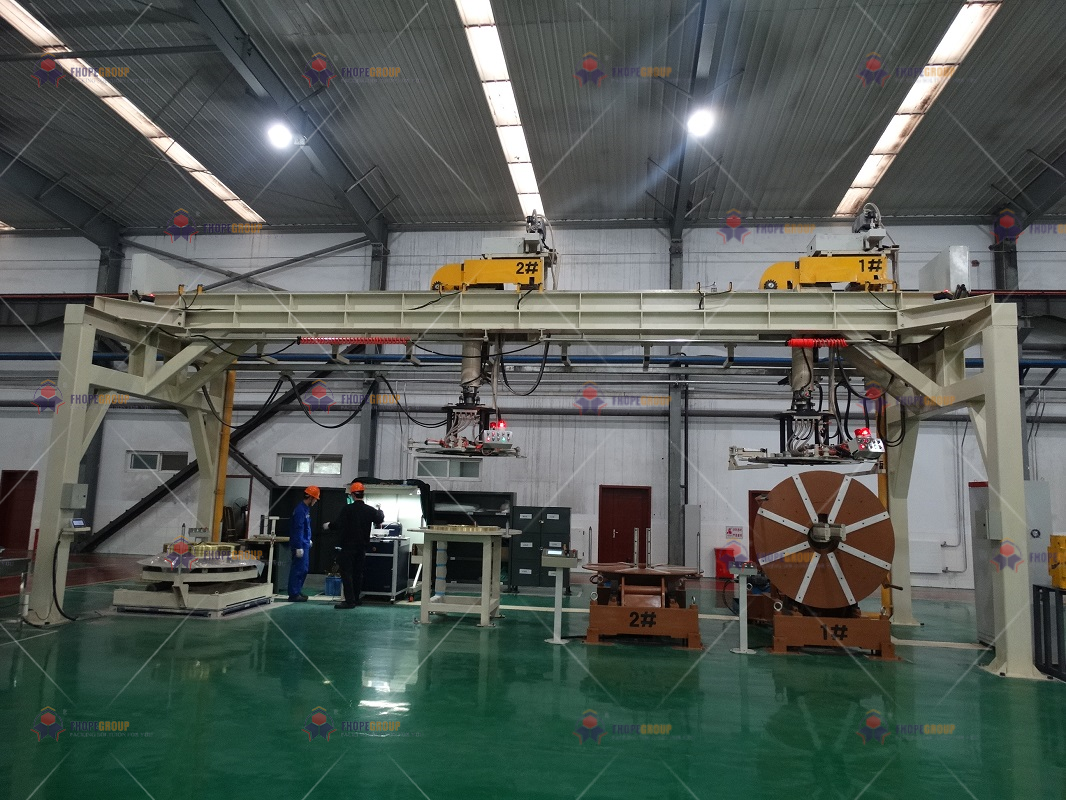
Leveraging VCI Technology: Papers, Films, and Scrims
VCI technology provides versatile options for steel coil protection, adapting to different packaging needs and environments. The choice often depends on the required strength, barrier properties, and application method.
- VCI Paper: Ideal for interleaving or wrapping, VCI papers like Zerust ICT®430-35SR, ICT®432-35P, and ICT®420-35P offer a balance of corrosion protection and ease of use. Heavy-duty versions are coated for superior strength and resistance to ripping and tearing. They work by emitting VCI molecules that migrate and settle on the metal surface.
- VCI Films: Polyethylene films infused with VCI are a cornerstone of metal packaging. Products like Zerust ICT®510-C VCI Film are available in various thicknesses, sizes (sheets, tubing, bags), and formulations (ferrous, non-ferrous, multimetal). Advanced films like ICT®540-SDA offer enhanced gas-blocking properties for long-term storage. They create a complete enclosure, maximizing VCI concentration around the coil.
- VCI Scrims: Combining the VCI protection of film with the structural strength of woven material, VCI scrims (e.g., Zerust ICT®520-SRA) are excellent for demanding applications. Their tear resistance makes them suitable for wrapping large, heavy objects with potential sharp edges, providing both a physical barrier and active corrosion inhibition.
The key benefit of VCI across these formats is the self-healing, self-applying nature of the protective layer. Even in hard-to-reach areas or during temperature fluctuations, the VCI molecules replenish the barrier, ensuring continuous protection.
| VCI Product Type | Material Composition | Key Benefit | Typical Application |
|---|---|---|---|
| VCI Paper | Kraft paper + VCI coating/impregnation | Cost-effective, easy handling | Interleaving, light wrapping |
| VCI Film | Polyethylene + VCI additives | Versatile, creates enclosed VCI atmosphere | Wrapping, bagging, liners |
| VCI Scrim | Woven fabric (Polyethylene/fiberglass) | High tear & puncture resistance, strength | Heavy-duty wrapping |
This multilayered approach, often combining VCI paper, film, and potentially outer physical barriers, ensures comprehensive protection against the dual threats of corrosion and physical damage.
Building Resilience: High-Strength Materials for Heavy Loads
Heavy-duty steel coils, by their very nature, are massive and subject to significant handling stresses. Fragile wrapping materials simply won’t cut it. They need packaging that can withstand the rigors of lifting, stacking, transport, and storage, protecting the metal surface from abrasions, tears, and impacts that can compromise its integrity and expose it to corrosive elements.
For heavy-duty steel coils, high-strength wrapping solutions are essential to prevent physical damage during handling, stacking, and transit. Materials like reinforced VCI poly weave or VCI plastic scrim provide superior tear and puncture resistance compared to standard films. These durable wraps form a robust outer layer that protects against abrasions, impacts, and environmental factors like moisture ingress, ensuring the underlying corrosion protection remains intact.
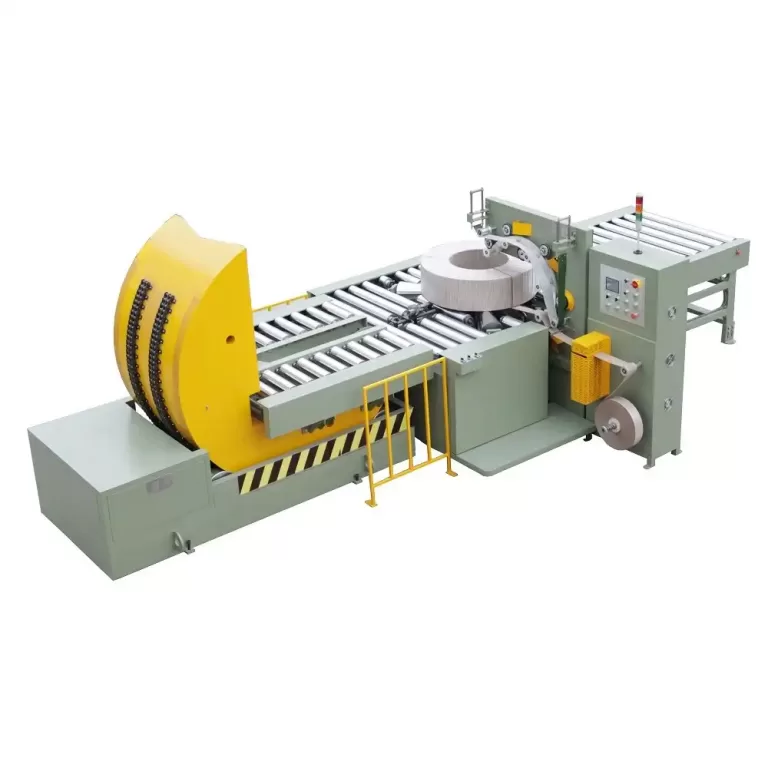
The Backbone of Protection: Durable Weaves and Reinforced Films
When dealing with multi-ton steel coils, the wrapping material acts as the first line of defense. It must be tough enough to absorb shocks, resist tearing from coil edges or handling equipment, and provide a reliable barrier against external elements.
Materials engineered specifically for this purpose, such as VCI steel wrap made from woven films (like HDPE weave) or heavy-duty VCI plastic scrim, offer significantly enhanced mechanical properties. These products often incorporate woven strands or layers of reinforced polyethylene to prevent tears from propagating, ensuring the wrap remains intact even under stress.
Beyond sheer strength, these materials often feature multi-layer construction. For instance, a VCI poly weave might have an inner layer containing the VCI chemistry and an outer layer providing moisture resistance and physical durability. Some also include UV inhibitors to prevent degradation during outdoor storage. This layered approach ensures that the protective VCI atmosphere is maintained within the package while the exterior shields against physical threats and environmental exposure. Selecting a wrap with appropriate tensile and tear strength, often indicated by standards like ASTM D4632 or ASTM D2261, is crucial for matching the packaging to the specific demands of heavy-duty steel coil handling and shipping.
The Alternative Approach: Rust Preventative Coatings
While VCI packaging offers a clean, dry method of corrosion prevention, traditional rust preventative coatings, particularly oil-based solutions, remain a viable and necessary option in certain heavy-duty steel coil applications. These coatings provide a physical barrier directly on the metal surface, interrupting the corrosion process.
Rust preventative oils are a common and effective method for protecting heavy-duty steel coils, especially in in-line rolling mill applications. These oils form a protective barrier directly on the metal surface, preventing contact with moisture and oxygen. Unlike VCI, which creates a protective atmosphere, oils rely on a continuous physical film. Products like Zerust Axxanol™ 33 are designed for such applications, offering robust corrosion protection that can be easily applied and later removed with standard cleaning methods.
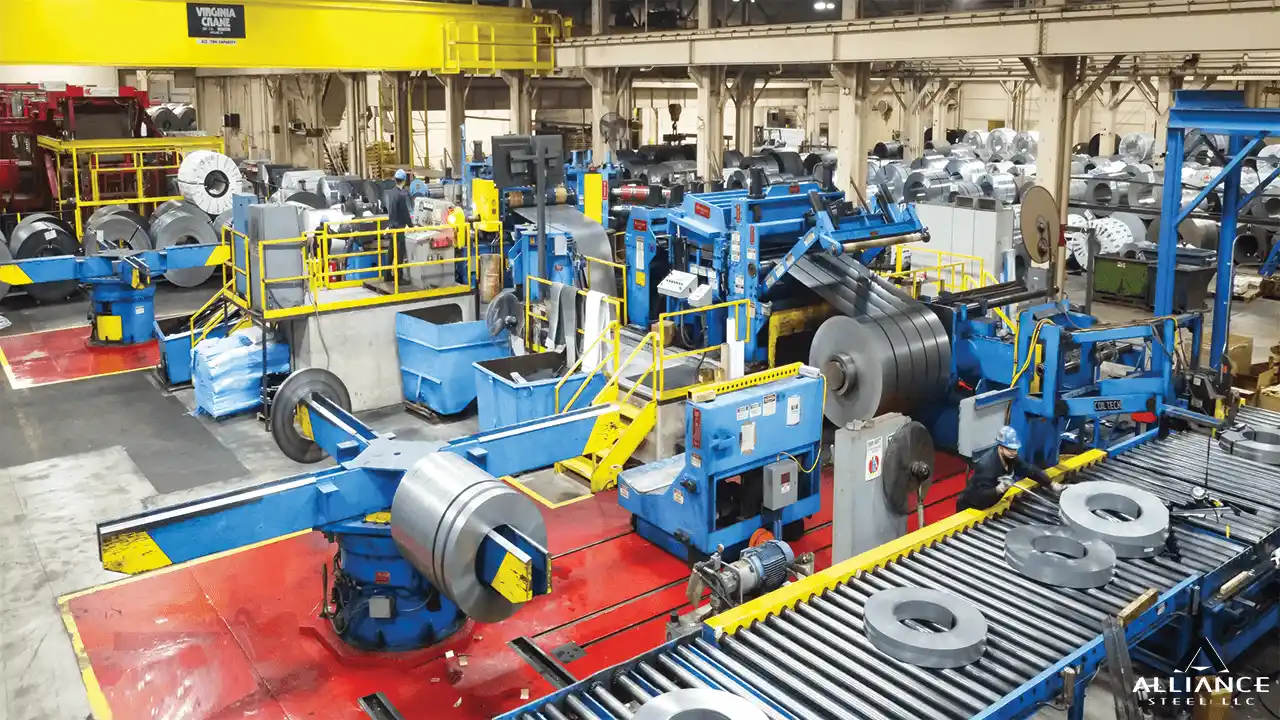
Applying and Managing Rust Preventative Oils
Rust preventative oils are often integrated directly into the manufacturing process, applied immediately after the steel is rolled or processed. This ensures the metal is protected from the moment it is produced.
Key Considerations for Oil-Based Coatings
- Application: Oils like Axxanol™ 33 can be applied via spraying, brushing, or immersion, allowing for flexibility in manufacturing lines. The goal is to achieve a uniform, continuous film across the entire surface of the coil.
- Protection Mechanism: They work by creating a hydrophobic (water-repelling) layer and physically blocking corrosive agents from reaching the metal. The thickness and properties of the oil determine the level and duration of protection.
- Removal: A significant difference from VCI is the need for removal. Before fabrication or use, the oil coating must be cleaned off, typically using alkaline cleaners or solvents. This adds an extra step in the downstream process.
- Compatibility: It’s crucial to select an oil compatible with the specific type of steel and the intended storage/transit conditions. Factors like humidity, temperature, and exposure to salt spray must be considered.
| Property | Axxanol™ 33 (Example) | Comparison to VCI Wraps |
|---|---|---|
| Protection Type | Barrier coating | Creates protective atmosphere |
| Application | Spray, brush, immersion (in-line) | Wrapping, covering |
| Removal Required | Yes | No (metal ready for use) |
| Visibility | Forms a visible film | Invisible molecular layer |
| Ideal Use Case | In-line rolling, cold-rolled steel | Storage, shipping, varied metals |
| Messiness | Can be messy, requires cleaning | Clean, dry packaging |
While oil-based coatings require removal, they offer reliable protection, particularly for metal processed in environments where immediate barrier protection is needed. The choice between oils and VCI often depends on the manufacturing setup, the required duration of protection, and the end-user’s readiness for use.
The Integrated Approach: Combining Physical Strength and Chemical Protection
Protecting heavy-duty steel coils optimally often involves a multi-faceted strategy that leverages the strengths of different packaging materials. Simply wrapping a coil might prevent scratches, but it won’t stop corrosion from airborne moisture or contaminants. Conversely, relying solely on internal corrosion inhibitors might not provide sufficient protection against physical damage or moisture ingress from a compromised outer layer.
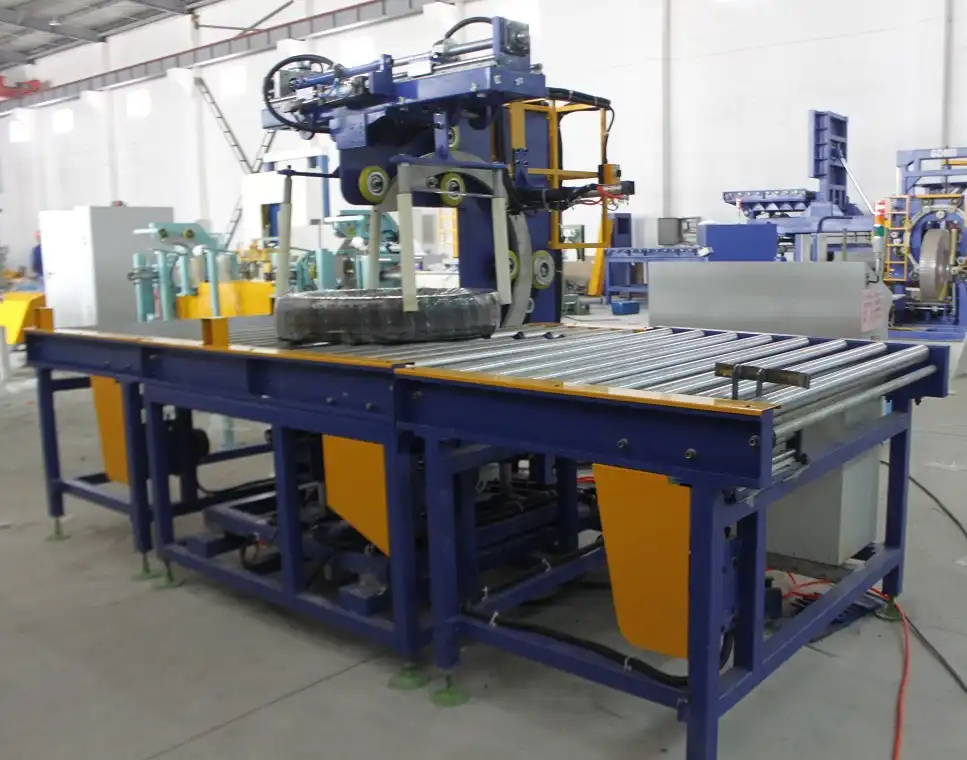
For heavy-duty steel coils, the most effective wrapping solutions combine multiple layers of protection. This often involves an inner layer of VCI material (film, paper, or scrim) to provide chemical corrosion inhibition, followed by robust outer layers like high-strength woven films or stretch wrap to provide physical defense and moisture barriers. This synergistic approach ensures that the coil is protected from both internal (corrosion) and external (physical/environmental) threats throughout its journey or storage period. These integrated systems can be customized using specialized VCI coil covers combined with VCI stretch film for a complete protective cocoon.
Combining VCI technology with durable physical wrapping materials creates a powerful defense system. Imagine a steel coil wrapped first in a heavy-duty VCI paper or film. This layer immediately begins emitting VCI molecules to protect the metal surface. Over this, a high-strength VCI plastic scrim or woven wrap is applied. This outer layer provides superior tear and puncture resistance, crucial for preventing damage from handling equipment or friction during transit. It also acts as a barrier against external moisture and dirt. Finally, VCI stretch film can be applied to secure the entire package, offering additional barrier protection and unitizing the load. This layered approach ensures that even if the outer layer is slightly compromised, the inner VCI protection continues to work, and the durable outer wrap prevents significant damage that could expose the metal to the elements. Specialized VCI coil covers are also available, tailor-made to fit standard coil sizes and provide a dedicated VCI environment immediately around the coil. When paired with strong stretch wrap, these covers offer a highly effective, integrated wrapping solution designed specifically for the geometry and needs of steel coils.
Conclusion
Selecting the best wrapping solutions for heavy-duty steel coils is critical for preserving asset value and maintaining supply chain integrity. The optimal approach often integrates chemical corrosion prevention, like VCI technology, with robust physical barriers provided by high-strength films, papers, and woven materials. Such comprehensive strategies ensure that coils remain rust-free and physically undamaged from the mill to the end-user, streamlining operations and reducing costly rejects. Implementing effective solutions, perhaps using a modern coil packing line, is an investment that pays dividends in product quality and customer satisfaction.








