
Steel Coil Packing Line in Poland: How Does It Ensure Safer Operations?
The world of heavy industry, especially steel manufacturing, always pushes boundaries. We see steel mills in places like Poland constantly striving for higher output and better efficiency. But often, this drive for productivity can overlook a critical factor: the safety of the people on the factory floor. I know from my own journey in this industry, from an engineer to founding FHOPEPACK, that balancing output with safety is a major challenge. Manual coil packing, a common practice, brings with it a host of risks that directly impact workers and overall production. It makes us ask: are we doing enough to protect our teams while still meeting demand?
Steel coil packing lines ensure safer operations by drastically reducing human interaction with heavy, moving loads through advanced automation, implementing robust safety features, and providing consistent, high-quality packaging that minimizes risks during handling and transport. My experience at FHOPEPACK shows that integrating these lines transforms a hazardous environment into a secure and efficient one, protecting workers and improving product integrity in busy industrial settings like those found across Poland.
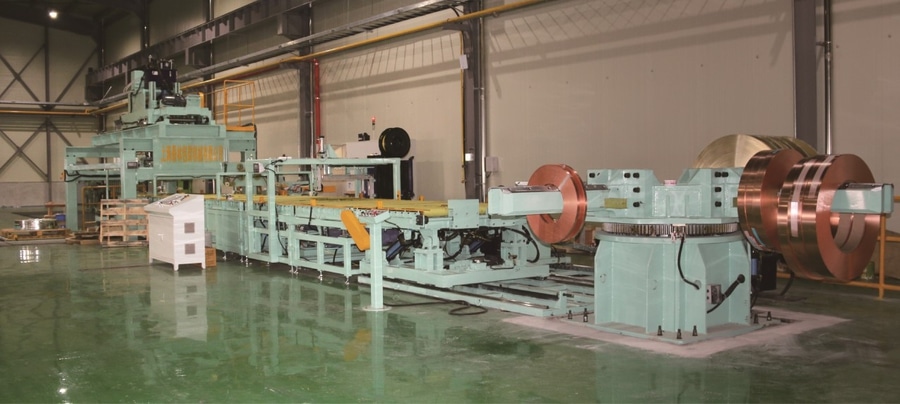
Understanding this vital link between automation and safety is not just about installing new machines. It is about rethinking the entire packing process. We need to look closely at where the dangers lie today and how smart engineering can remove them. Join me as I share insights into how modern packing lines solve these critical safety puzzles.
Why is Manual Coil Packing So Risky in Busy Steel Mills?
Imagine a busy steel mill, running around the clock. The cold rolling and slitting lines are producing hundreds of tons of steel coils daily. These coils weigh anywhere from 1 to 3 tons. Now, picture workers manually handling these massive items. It is a tough job. The risk of accidents is high, and this constant danger creates real problems for production managers. It also makes it hard to keep skilled workers.
Manual coil packing is risky in busy steel mills because it involves direct human contact with heavy loads, leads to repetitive strain injuries, and is prone to human error, which directly increases the chance of accidents and compromises overall operational stability. This approach struggles with varying product demands and contributes to a high turnover of staff, as I have seen firsthand.

When I first started in this industry, I spent time on the factory floor. I saw the physical toll manual work took on people. I also witnessed the constant pressure to move coils quickly. This combination created a lot of stressful situations. It was clear to me then that there had to be a better way.
-
The Perils of Manual Handling: Handling steel coils manually means workers are constantly near heavy, moving objects. These coils weigh a lot, sometimes up to three tons. Workers use cranes, forklifts, or other equipment to move them. But humans still guide these machines, attach straps, or physically position the coils. This puts them at risk of crush injuries, especially to hands and feet. They also face strain from repetitive motions or from pushing heavy materials. Workers can trip or fall, especially when the floor is uneven or cluttered. In busy two-shift operations, fatigue adds another layer of danger. Tired workers are more likely to make mistakes. My experience tells me that these kinds of injuries are not just bad for the individual. They cause lost workdays, higher insurance costs, and lower morale for the whole team. This is a big reason why companies find it hard to keep young workers in these high-intensity roles. They simply do not want to risk their health daily.
-
Inconsistent Quality, Hidden Dangers: When packing is done by hand, the quality often varies. One worker might tension a strap perfectly, another might leave it a bit loose. The film wrapping might be tight in one spot and loose in another. This inconsistency creates hidden dangers. A loosely packed coil can shift during transport within the factory. It can also move inside a truck or shipping container. This movement can cause damage to the coil itself. More importantly, it can cause the coil to fall or roll, hurting anyone nearby. I remember one client telling me about coils coming loose during transit. This led to serious safety investigations, not just product damage. Poor quality also means the packaging might not protect against moisture or rust well. This can lead to product degradation, which then requires more handling and inspection. Each extra step is another chance for an accident to happen.
-
Human Error and Fatigue: Steel mills often run 24 hours a day, with two shifts of workers. This means long hours and repetitive tasks. Even the most skilled workers can get tired. When fatigue sets in, concentration drops. Mistakes become more common. A worker might forget a step in the packing process. They might not notice a faulty strap. They could misjudge a distance while operating equipment. These small errors can have huge consequences in a heavy industrial setting. The pressure to meet daily output targets also adds stress. Workers might rush tasks, skipping safety checks. My own observations have shown that human error is a leading cause of accidents. It is not about blaming the worker. It is about understanding that humans have limits. Relying too heavily on manual labor in such a demanding environment is simply unsustainable for safety.
-
Lack of Adaptation to Diversity: Modern steel mills produce many types of coils. There are cold-rolled coils, galvanized coils, and color-coated coils. Each type might need different packing methods. Some need PET strapping, others steel banding. Some need specific anti-rust wrapping. Manually switching between these different requirements is time-consuming. It also increases the chance of errors. Workers might use the wrong material or apply it incorrectly. This complexity slows down production. More importantly, it can lead to confusion and mistakes, which are often precursors to accidents. For example, applying an inadequate wrapping can expose a valuable coil to moisture. This means it might need re-packaging, forcing workers to handle it again. Each manual adjustment is a new risk.
How Do Automated Systems Reduce Physical Hazards for Workers?
We have looked at the serious risks of manual coil packing. Now, let us talk about the solution. Modern automated packing lines are a game-changer for safety. They remove workers from the most dangerous parts of the process. They replace human strength and judgment with precise, consistent machine power. This shift is not just about efficiency; it is fundamentally about protecting people.
Automated systems reduce physical hazards for workers by taking over heavy lifting, eliminating direct contact with moving coils and machinery, and ensuring consistent, controlled operations that minimize the potential for human error. These systems integrate advanced safety features and allow workers to supervise from a safe distance, making the entire packing process far less dangerous.
When I founded FHOPEPACK, my goal was clear: to master packing machines. This meant not just making them fast and efficient, but also making them safe. I knew that for our clients, especially those in demanding markets like Poland, safety was paramount. My factory journey showed me that true innovation means protecting the hands that build.
-
Mechanized Handling and Conveyance: Automated packing lines use a series of specialized machines to handle coils. Conveyors move coils from one station to the next. Upenders can flip coils from vertical to horizontal, or vice versa. Manipulators precisely position coils for strapping or wrapping. What does this mean for safety? It means no worker needs to physically lift, push, or pull a heavy coil. The machines do all the heavy work. This completely removes the risk of crush injuries, strains, and falls associated with manual lifting. Workers no longer need to be close to a three-ton coil as it moves or changes position. They can stand back and monitor the process from a safe control panel. This distance is a huge safety advantage. It also creates a much more predictable environment.
-
Automated Strapping and Wrapping: The core of coil packing involves strapping and wrapping. In an automated system, machines perform these tasks with precision. Robotic arms apply steel or PET straps. Wrapping machines rotate the coil to apply stretch film or shrink film. Workers do not need to approach the coil to attach bands or pull film. This is critical. Manual strapping involves tools that can snap, or bands under high tension that can break. Automated machines apply consistent tension every time. They also operate within enclosed safety zones. This means workers are not exposed to fast-moving parts or materials under high stress. The machines work tirelessly, without fatigue, ensuring every coil is secured in the same safe way. This consistency itself prevents many issues that could become safety problems later.
-
Reduced Human Intervention: One of the biggest safety benefits of automation is simply reducing the need for human hands. In a fully automated line, workers primarily supervise. They monitor the control panel. They perform routine checks. They only intervene for maintenance or to address an issue. This means they spend less time in hazardous areas. They have less direct contact with moving machinery or heavy coils. This lowers the chance of accidents due to contact or close proximity. The system takes over the dangerous, repetitive tasks. This frees up human workers to focus on higher-level tasks, often from a safer distance. It is about working smarter, not harder, to keep everyone safe.
-
Integrated Safety Features: Modern automated packing lines come with many built-in safety features. These are not optional extras. They are integral to the design. We install emergency stop buttons at various points along the line. These can immediately halt all machine movement if something goes wrong. Light curtains and safety sensors detect if a worker enters a dangerous zone. They stop the machinery automatically. Safety fences and interlocks prevent access to moving parts during operation. For instance, a gate might be locked when the machine is running, only unlocking when it is safe to enter. My factory has learned over the years that these features are essential. They act as multiple layers of protection. They ensure that even if a worker makes a mistake, the system helps prevent a serious accident.
Can Consistent Packaging Quality Also Improve Workplace Safety?
We often think of packaging quality as only affecting product protection and customer satisfaction. But my years in this business have taught me something important: consistent, high-quality packaging is also a crucial element of workplace safety. When a product is not packed well, it can become unstable. This instability creates new risks for anyone handling it. From the factory floor in Poland to a warehouse overseas, poor packaging can literally cause dangerous situations.
Yes, consistent packaging quality directly improves workplace safety by ensuring steel coils are securely prepared, preventing shifts, damage, or instability during storage, transport, and further handling, thereby reducing accident risks for workers and drivers. Proper packaging reduces the need for re-handling and ensures compliance, which contributes to a safer overall supply chain.
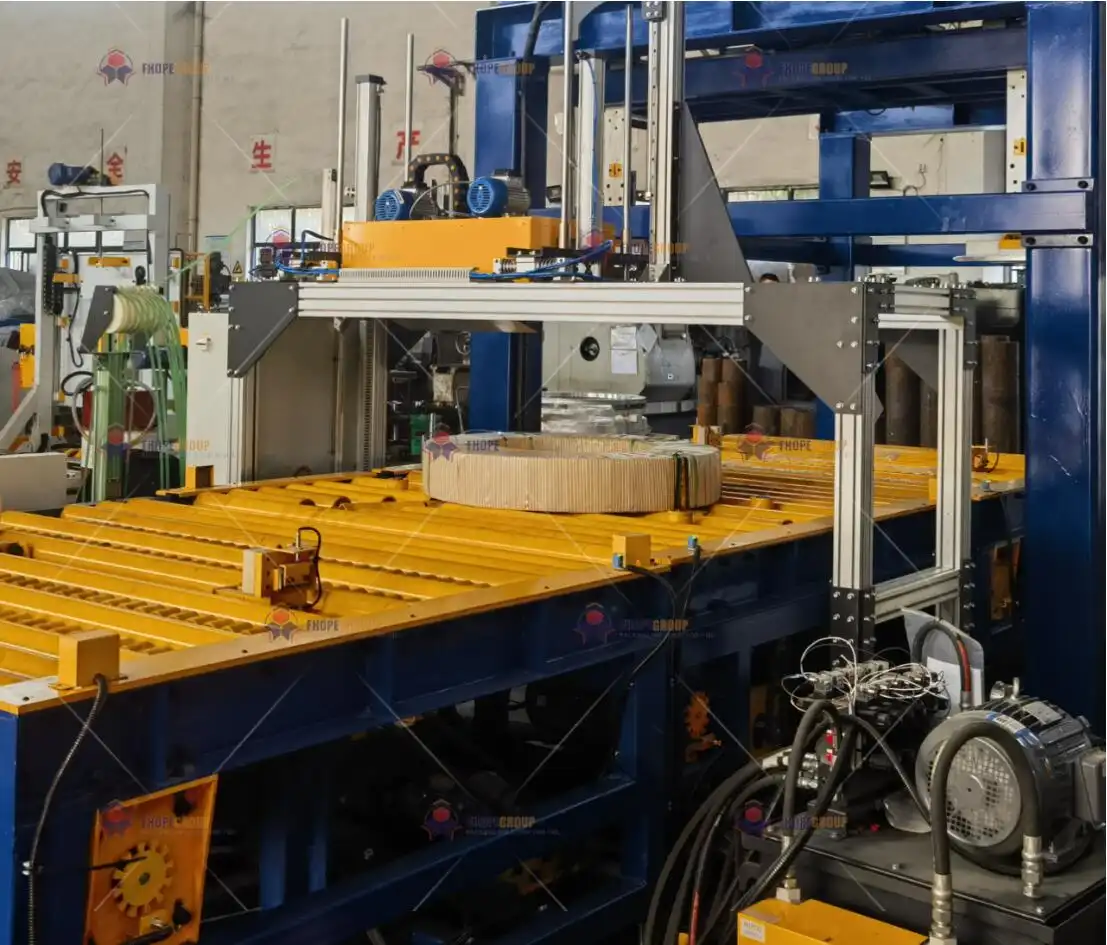
I have seen the domino effect of poor packaging. A coil packed incorrectly can cause problems at every stage. It can move unexpectedly. It can fall. This is why FHOPEPACK focuses so much on quality. It is not just about the product; it is about the people handling it.
-
Stable Loads, Safer Transport: Automated packing lines apply strapping and wrapping with uniform tension. This means the coil is held tightly and securely. There are no loose bands or gaps in the film. A stable, well-packaged coil is far less likely to shift during movement. This applies to internal transport within the factory and external transport by truck or ship. If a coil shifts in a truck, it can cause the vehicle to become unbalanced. This puts the driver and other road users at risk. Within the factory, an unstable coil can roll off a conveyor or forklift. This is a severe crush hazard for anyone nearby. Consistent packaging quality, therefore, directly prevents these dangerous movements. It ensures that the product remains a stable unit, from the moment it leaves the packing line until it reaches the customer.
-
Protection Against Damage: Proper packaging also protects the coil from physical damage, moisture, and rust. This includes using the right anti-corrosion films or robust strapping materials. If a coil is damaged due to poor packaging, it might have sharp edges or weakened integrity. This makes it more dangerous to handle. For example, a rusted coil might be slippery. A dented coil might be unbalanced. These damaged coils might also need extra inspection or repacking, which means more human interaction. Each time a damaged coil is handled, there is an increased risk of injury. By ensuring the coil is perfectly protected from the start, we reduce the chance of damage. This means fewer compromised coils and, in turn, fewer risks for workers.
-
Reduced Repackaging Needs: When packaging quality is poor, coils often need to be repacked. This happens if the straps are loose, the wrap is torn, or if there is moisture ingress. Repackaging means the coil has to go through the handling process again. It might need to be moved to a separate area. Workers have to manually fix the packing. This second round of handling doubles the exposure to risks. It also consumes more time and materials. A high-quality automated packing line gets it right the first time. This significantly reduces the need for costly and risky repacking. It keeps the production flow smooth and workers safe from unnecessary handling.
-
Compliance with Standards: For many clients, especially those exporting from Poland, meeting international standards like CE or ISO is a must. These certifications often include requirements for packaging integrity and safety. Automated lines are designed to meet and exceed these standards consistently. This is not just about paperwork. It means the packaging is structurally sound and safe for its intended journey. When packaging adheres to strict standards, it guarantees a minimum level of safety. It also reduces the likelihood of customs issues or customer rejections, which can lead to complex and potentially hazardous reverse logistics. A client once shared how our system helped them achieve new export markets. This was because their packaging quality finally met global safety requirements, which also protected their workers.
What Does a True Turnkey Solution Offer Beyond Just Machines?
Many companies think buying a packing machine is enough. They look at the price and the specifications. But from my years helping clients in various industries, including steel mills, I know that just getting a machine is not a complete solution. A true partner offers a turnkey approach. This means they handle everything from design to support. This comprehensive partnership is crucial for maximizing safety and efficiency over the long term, especially in demanding environments like the Polish steel industry.
A true turnkey solution offers complete project integration, expert installation, comprehensive training, and ongoing support beyond just providing machines, which are all critical for maximizing safety, efficiency, and long-term operational success. This holistic approach ensures the entire packing system functions seamlessly, reducing risks and delivering continuous value.
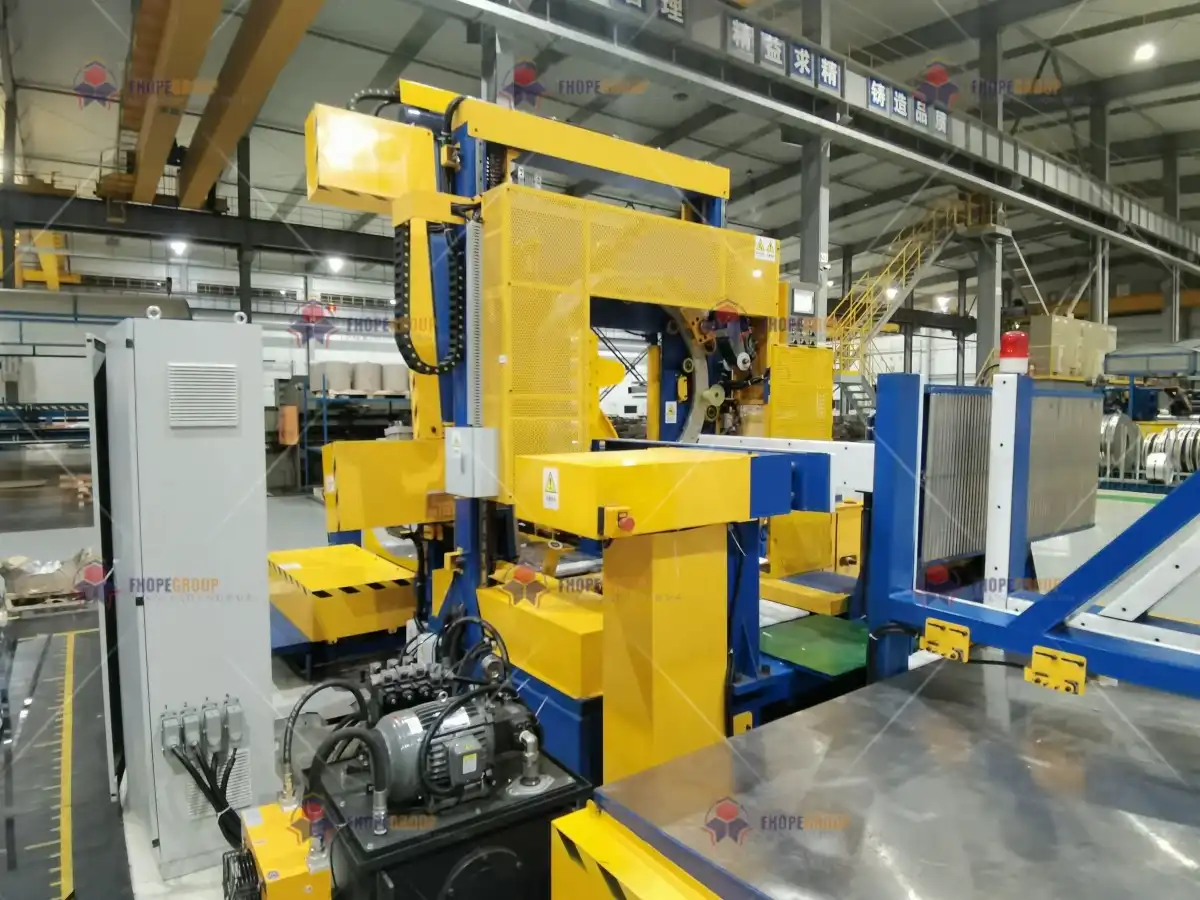
When I started FHOPEPACK, my vision was to be more than just a machine supplier. I wanted to be a trusted advisor. My personal journey, starting as an employee and then building my own successful factory, taught me the value of comprehensive support. I want to give back this knowledge, helping others succeed in the field.
-
Seamless Integration with Existing Lines: A turnkey provider understands that a new packing line must fit perfectly into an existing factory setup. It is not a standalone piece of equipment. It needs to connect smoothly with the production lines coming before it and the storage or shipping processes that come after. This involves careful planning and engineering. A true partner assesses the current layout, production flow, and specific needs. They design a system that works in harmony with everything else. This seamless integration avoids bottlenecks. More importantly, it reduces manual interfaces between different parts of the process. Each manual handoff is a potential point of error or accident. By ensuring a smooth, automated flow, a turnkey solution drastically lowers these risks. It means fewer chances for workers to step in and try to force things.
-
Professional Installation and Commissioning: Installing complex industrial machinery like a steel coil packing line is not a DIY job. It requires specialized skills and experience. A turnkey solution includes professional installation. This means certified technicians set up the equipment correctly. They ensure all parts are aligned, connections are secure, and safety features are fully operational. After installation, they perform commissioning tests. This checks that the entire system works as intended. Proper installation is vital for safety. An incorrectly installed machine can malfunction, leading to accidents. It can also cause unexpected breakdowns, which require workers to enter potentially dangerous areas for repairs. A professional setup minimizes these risks and ensures the line is safe to operate from day one.
-
Thorough Operator Training: Even the most advanced automated system needs competent operators. A turnkey provider offers comprehensive training for the client’s staff. This training covers how to operate the machine safely and efficiently. It teaches workers how to recognize potential issues. It also shows them how to perform basic maintenance and troubleshooting. Well-trained operators are safer operators. They understand the machine’s limits. They know where the emergency stops are. They know how to react in case of a fault. This reduces human error, which is a common cause of accidents. My company, FHOPEPACK, puts a strong emphasis on training. We know that investing in people is just as important as investing in machines. This knowledge transfer ensures long-term safety and operational success.
-
Reliable After-Sales Support and Spares: Industrial packing lines, especially those running 24/7 in a demanding environment like a steel mill, will eventually need maintenance or spare parts. A true turnkey partner offers reliable after-sales support. This includes prompt technical assistance, maintenance schedules, and readily available spare parts. Fast response times mean less downtime. Less downtime means consistent production. More importantly, it means workers are not forced to make risky, temporary fixes due to urgency. Having easy access to genuine spare parts ensures repairs are done correctly and safely. This ongoing support is crucial for maintaining the safety features of the line over its entire lifespan. It also means the client has a long-term partner dedicated to their continuous, safe operation.
Conclusion
Automated steel coil packing lines are more than just efficient machines. They are essential tools for ensuring safety in heavy industries. By removing manual handling, integrating advanced safety features, and delivering consistent packaging quality, these systems significantly reduce workplace hazards. A true partner, like FHOPEPACK, offers a complete turnkey solution, ensuring not just machines, but also integration, training, and support for lasting safety and success. Our focus on mastering packing solutions, including the entire coil packing line, helps our clients achieve safer, more productive operations.








