
How Do Steel Coil Packing Lines Reduce Labor Risks in Colombian Factories?
Have you ever seen a worker struggling to secure a heavy steel coil, wrestling with straps, or navigating a busy factory floor with a forklift? The risks are clear. Accidents happen, and they can be severe. In the fast-paced world of steel production, especially in places like Colombian factories, ensuring safety is not just a moral duty. It is also a critical business need.
Steel coil packing lines dramatically reduce labor risks in Colombian factories by automating dangerous manual tasks, minimizing human interaction with heavy machinery, and providing consistent, secure packaging. This prevents injuries from lifting, strapping, and handling heavy coils, making the workplace much safer for everyone.

These improvements are not just about avoiding accidents. They also lead to better efficiency and higher quality products. Let us look deeper into how these advanced packing solutions can transform your factory operations and protect your most valuable asset: your people.
Eliminating Manual Handling: How Do Automated Lines Protect Workers?
Imagine a worker trying to manually position a 3-ton steel coil for strapping. The sheer weight and awkward shape of the coil present constant danger. From my early days in the packing machine industry, I saw these risks firsthand. It was clear to me that relying on human strength for such tasks was a recipe for accidents.
Automated coil packing lines protect workers by removing them from direct contact with heavy steel coils during handling, turning, and strapping operations. This eliminates the risk of crushing injuries, strains, and falls associated with manual lifting and manipulation of heavy loads.
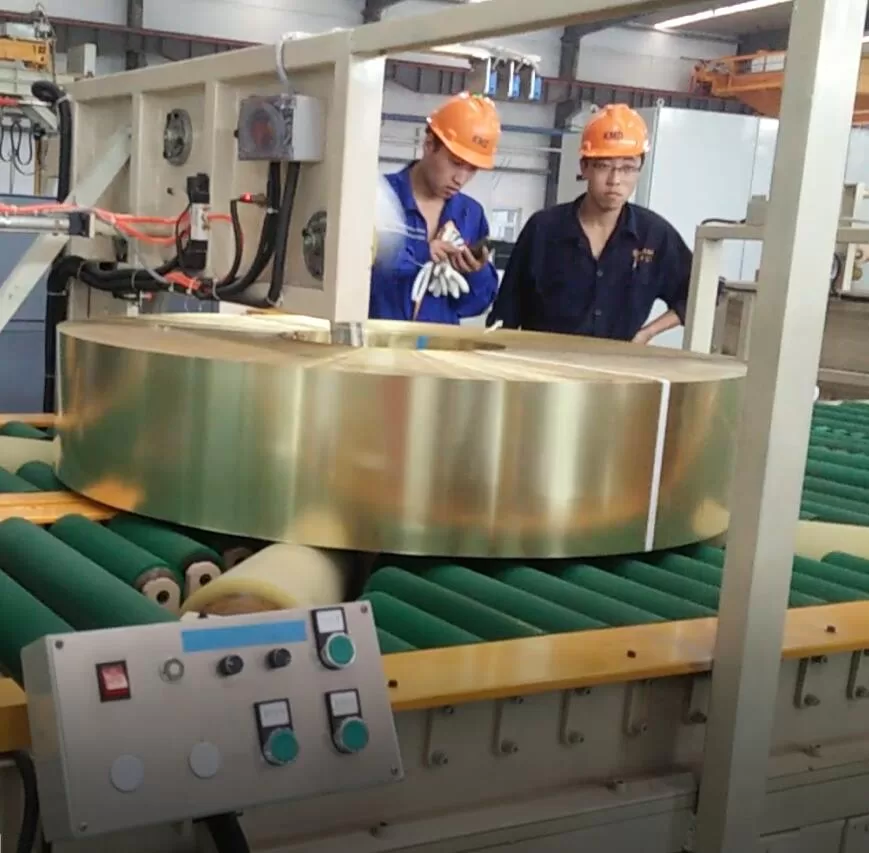
Automated systems use specialized machinery to perform these tasks. This means human operators can stay at a safe distance. They supervise the process rather than physically engaging with dangerous loads. This shift protects workers and also makes the entire packing process more efficient and predictable.
1. The Perils of Manual Lifting and Positioning
Manual handling of steel coils is full of hazards. Workers can suffer from severe injuries. These injuries include crushed limbs, sprains, and back problems. In a Colombian factory, these incidents can lead to high costs. They cause lost workdays, medical expenses, and potential legal issues.
- Heavy Loads: Steel coils weigh tons. Manually moving or positioning them is incredibly risky. Even with cranes, guiding a coil by hand near moving parts is dangerous.
- Awkward Shapes: Coils are round. They can roll unexpectedly. This makes them hard to control. A slight error can cause a coil to shift, pinning a worker.
- Repetitive Strain: Workers often perform the same actions over and over. This causes muscle fatigue and long-term injuries. This is a common issue in tasks like manually applying strapping or protective wraps.
2. Automated Solutions for Safe Coil Handling
Modern coil packing lines use various mechanisms to handle coils safely. They take the human element out of the most dangerous steps.
- Automatic Conveyors: These systems move coils from one station to the next. Workers do not need to push or pull heavy items. This eliminates pushing and pulling injuries.
- Upenders/Downenders: These machines rotate coils automatically. They change the coil’s orientation for strapping or wrapping. This removes the need for workers to use chains or bars to turn coils manually. I remember seeing a worker nearly get hit by a swinging coil. Machines remove this risk entirely.
- Robotic Grippers and Positioners: Some advanced systems use robots. These robots precisely grip and position coils. This ensures stability throughout the packing process.
3. Safety Interlocks and Controlled Environments
Automated lines also include advanced safety features. These features further reduce risks.
- Safety Guards and Light Curtains: These systems create physical barriers. They stop machine operation if a person enters a dangerous zone. This prevents accidental contact with moving parts.
- Emergency Stop Buttons: These buttons are easily accessible. They allow operators to halt the entire line instantly if a problem occurs. This is a basic but very important safety feature.
- Controlled Access: Automated packing areas can be restricted. Only authorized personnel can enter. This ensures that only trained staff are near the equipment. This reduces the chance of unauthorized people getting hurt.
By removing workers from direct contact with heavy, moving coils, automated lines create a much safer work environment. This is a primary benefit for any factory, especially those with high production volumes like steel mills in Colombia.
Beyond Safety: How Do Packing Lines Elevate Product Quality and Reduce Rework Risks?
When I first started in this industry, manual packing was common. I saw how inconsistent it could be. Some coils were perfectly packed. Others had loose straps or uneven wrapping. This inconsistency causes problems later on. It not only affects the product but also the workers who might have to re-do the job.
Coil packing lines elevate product quality by ensuring consistent tension, uniform wrapping, and precise strapping. This consistency minimizes damage during transit and storage, reducing the need for rework. It also cuts down on the labor risks associated with fixing poorly packed coils or handling customer returns.

Manual errors often lead to loose packaging, which exposes coils to damage. An automated line removes this human variability. It applies the same force and precision every time. This ensures that each coil meets high quality standards. This is especially important for export customers who have strict requirements.
1. The Cost of Inconsistent Manual Packing
Manual packing, even with skilled workers, has its limits. Human fatigue and slight variations in technique lead to problems.
- Uneven Wrapping: When film is applied by hand, the tension can vary. Some parts might be too loose. Other parts might be too tight. This causes inconsistent protection against moisture and scratches. It can make the product look unprofessional.
- Loose Strapping: Manually applied straps might not be tight enough. This can cause them to loosen during transport. Loose straps mean the coil can shift, leading to damage or even breaking free from its packaging. This puts workers at risk when unloading.
- Damage During Transit: Poorly packed coils are more likely to get scratched, dented, or rusted. This leads to customer complaints and rejected shipments. Handling damaged goods is extra work. It can also be dangerous if coils are unstable.
2. Precision and Consistency Through Automation
Automated packing lines use precise controls. They ensure every coil gets the same high-quality treatment. This predictability is a huge advantage.
- Consistent Tension Control: Machines apply wrapping film with precise, adjustable tension. This ensures uniform coverage. It protects the coil completely from external elements. This is crucial for corrosion prevention, especially for galvanized or color-coated coils.
- Automated Strapping: Strapping machines apply straps with consistent tension and seal them securely. This prevents loosening during shipping. It keeps the coil stable on pallets or trucks. When I started FHOPEPACK, I knew this consistency was key to client satisfaction and worker safety.
- Integrated Protective Layers: Automated lines can integrate multiple layers of protection. This includes rust inhibitors, stretch film, and outer wraps. Each layer is applied correctly every time. This provides superior protection against environmental factors.
3. Reducing Rework and Associated Risks
Poor quality packing often means rework. Rework is not just inefficient. It also introduces new labor risks.
- Manual Repacking: If a coil is poorly packed, workers must repack it. This means repeating dangerous handling tasks. It increases their exposure to risk.
- Customer Returns: Receiving damaged goods leads to returns. Unloading, inspecting, and repacking returned coils adds more work. This extra work means more chances for accidents.
- Reputation and Contract Penalties: Consistently poor packing quality can harm a factory’s reputation. It can also lead to financial penalties from customers. This pressure can sometimes lead to rushed work, increasing safety risks.
By providing consistent, high-quality packaging from the start, automated lines minimize rework. This reduces the associated labor risks and ensures customer satisfaction. It also helps Colombian factories meet strict export standards, like CE or ISO certifications, which often demand superior packaging integrity.
Addressing Labor Shortages: How Do Automated Systems Optimize Workforce Utilization?
Many industries face labor challenges, and steel manufacturing is no different. The physically demanding nature of factory work, especially in coil packing, makes it hard to attract and keep young workers. I have seen factories struggle with this, constantly training new staff only to see them leave.
Automated coil packing systems address labor shortages by reducing the number of workers needed for high-intensity, repetitive tasks. This allows factories to optimize their existing workforce, assigning staff to less physically demanding roles or upskilling them for machine operation and maintenance. This also makes the workplace more attractive, reducing turnover.
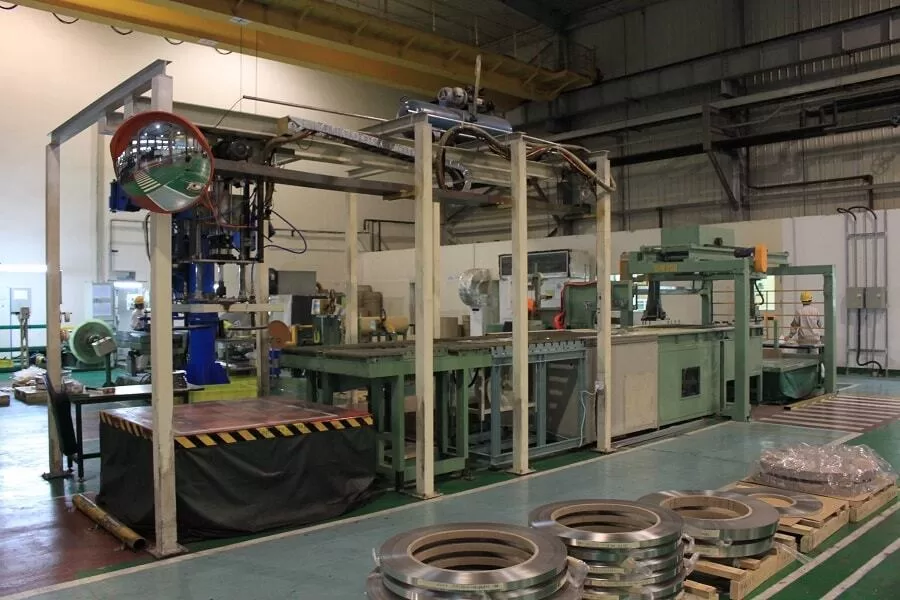
When machines handle the heavy lifting and repetitive movements, human workers can focus on monitoring, quality control, and problem-solving. This shift not only improves efficiency but also makes the available jobs more appealing and sustainable for the long term. It transforms a physically draining job into a more mentally engaging one.
1. The Reality of Labor Shortages in Heavy Industry
Finding and retaining skilled labor for demanding factory roles is a global issue. In Colombia, like elsewhere, steel factories face specific problems.
- Physically Demanding Work: Manual coil packing involves heavy lifting, constant movement, and repetitive actions. This leads to high physical strain and burnout.
- High Turnover Rates: Due to the strenuous nature of the job, young workers often leave for less demanding roles. This creates a constant need for recruitment and training. My own journey started as an employee. I saw many good people leave because the work was too hard.
- Skill Gap: Even when workers are available, they might lack the specific skills for precise packing tasks. Training takes time and resources.
2. Automating Repetitive and Labor-Intensive Tasks
Automated systems are designed to perform tasks that humans find difficult or tedious. They work tirelessly, without breaks or fatigue.
- Automated Strapping and Wrapping: Machines apply straps and film quickly and uniformly. This eliminates the need for multiple workers to perform these tasks manually. One operator can oversee several machines.
- Automatic Labeling and Weighing: These systems integrate seamlessly into the packing line. They apply labels and record weights without human intervention. This saves time and reduces errors.
- Stacking and Conveying: Finished coils are automatically moved and sometimes stacked. This means fewer workers are needed for internal logistics. This frees up staff for other critical roles.
3. Redeploying and Upskilling the Workforce
When automation takes over manual tasks, the existing workforce can be used more effectively. This creates new opportunities for workers.
- Supervision and Monitoring: Workers can transition to roles that involve supervising the automated line. They watch for issues and ensure smooth operation. This requires a different set of skills, often involving basic technical understanding.
- Maintenance and Troubleshooting: Automated machines need regular maintenance. Workers can be trained in these skills. This makes them more valuable to the company. It also gives them more fulfilling jobs.
- Quality Control: With the physical tasks automated, workers can focus on higher-level quality checks. They can use their expertise to ensure the final product meets all specifications. This ensures that human judgment is used where it matters most.
By intelligently deploying automated systems, Colombian factories can address labor shortages. They can create a more sustainable and attractive work environment. This helps retain talent and ensures continuous production, even when the labor pool shrinks.
The ROI of Safety: How Do Coil Packing Lines Drive Long-Term Business Growth in Colombia?
For any business, investing in new equipment is a big decision. It must make financial sense. While safety is paramount, it also delivers significant economic returns. From my experience helping clients grow their businesses, I have seen firsthand how safety investments translate into profitability.
Coil packing lines drive long-term business growth in Colombian factories by reducing direct and indirect costs associated with labor risks. This includes fewer workplace accidents, lower insurance premiums, decreased material waste, and improved operational efficiency. These savings, combined with enhanced product quality and reputation, lead to better customer retention and increased market share.

The initial investment in an automated line might seem high. However, the long-term benefits far outweigh the upfront cost. These benefits are not just about avoiding immediate losses. They are about building a more resilient, efficient, and reputable business. This positions Colombian factories for success in a competitive global market.
1. Direct Cost Reductions from Enhanced Safety
Workplace accidents have clear financial consequences. Automated packing lines help reduce these costs directly.
- Lower Medical Expenses: Fewer accidents mean fewer injuries. This leads to lower costs for medical treatment and rehabilitation.
- Reduced Lost Workdays: Injured workers cannot perform their duties. This causes production delays and requires hiring temporary staff. Automation minimizes these disruptions.
- Decreased Insurance Premiums: Companies with strong safety records often pay lower premiums for worker’s compensation and liability insurance. This is a tangible saving that adds up over time.
- Avoided Penalties and Fines: Government agencies often impose fines for safety violations. A safer workplace avoids these penalties.
2. Indirect Financial Benefits and Operational Efficiency
Beyond direct costs, automation brings many indirect financial advantages.
- Improved Productivity: Automated lines operate continuously and consistently. They process more coils in less time. This boosts overall factory output.
- Reduced Material Waste: Precise application of packing materials (film, straps) means less waste. Manual packing often involves errors that lead to wasted material.
- Higher Product Quality: As discussed, consistent packaging reduces damage and returns. This saves the cost of rework and lost sales.
- Enhanced Employee Morale and Retention: A safer work environment improves employee satisfaction. This reduces turnover. It also saves on recruitment and training costs. When I established my factory, prioritizing safety was not just about doing good; it was about smart business.
3. Strengthening Market Position and Customer Trust
Investing in advanced packing solutions also has a positive impact on a factory’s reputation and competitive edge.
- Meeting Export Standards: Automated lines can consistently meet strict international packing standards (e.g., CE, ISO). This opens doors to new export markets. This is crucial for Colombian factories looking to expand globally.
- Customer Confidence: Reliable, high-quality packaging builds trust with clients. Customers know their products will arrive in perfect condition. This leads to repeat business and stronger relationships.
- Competitive Advantage: Factories with state-of-the-art packing lines stand out from competitors. They can offer better service and more reliable products. This attracts new clients and allows for potential premium pricing.
The return on investment for an automated coil packing line extends far beyond just the initial cost. It touches every aspect of the business. It transforms a factory into a safer, more efficient, and more competitive enterprise.
My insights
My journey in the packing machine industry taught me one thing above all: innovation is key to success. From my early days as an employee to building FHOPEPACK, I have always believed in finding solutions that are not just effective but also sustainable. Automated coil packing lines are a perfect example of this. They are not just machines; they are a commitment to safety, quality, and long-term growth. They represent a fundamental shift in how factories operate, moving towards a future where human ingenuity guides machines, rather than human bodies bearing the brunt of heavy work. For Colombian factories, this means not only protecting their workers but also strengthening their position in the global market. It is about building a legacy of excellence and responsibility.
Conclusion
Investing in an automated coil packing line dramatically reduces labor risks in Colombian factories. It protects workers by automating dangerous tasks, improves product quality by ensuring consistency, and optimizes the workforce by addressing labor shortages. These benefits lead to significant long-term financial growth and a stronger market position. It is a smart move for any factory committed to safety and efficiency.








