
Steel Coil Packing Line in Germany: How Can It Modernize Aging Facilities?
Germany’s steel industry has a long history. Many of its facilities are also very old. These older plants often struggle with packing steel coils. They face problems like low efficiency, safety risks, and inconsistent quality. This slows down their production. It also hurts their ability to meet modern market demands.
A modern steel coil packing line can completely change these old facilities. It automates tasks, improves safety, and boosts overall efficiency. It helps German steel mills keep up with global standards. It also makes sure they can meet tough customer demands, both at home and for export.

As someone who has spent years building and improving packing machines, I know these challenges well. I have seen how manual processes can hold back even the strongest businesses. This article will show you how new packing lines can help your plant. We will look at specific solutions and their benefits. Stay with me to find out how to bring your operations into the future.
Why Do Aging German Steel Mills Need to Rethink Their Packing Lines?
Many German steel mills still use old packing methods. These methods often rely too much on manual labor. This causes many problems. It means slower output. It also creates a higher risk of accidents. Plus, the quality of the packed coils can vary a lot.
Aging facilities in Germany must rethink their packing lines because current methods no longer meet modern industrial needs. They lead to low efficiency, high labor costs, safety concerns, and inconsistent product quality. These issues directly impact customer satisfaction and market competitiveness.

I have seen this problem firsthand many times. When I started my career, many factories operated this way. It worked for a while. But today, the world moves faster. Customers expect more. This is why these older systems are now a real burden. Let me break down the main issues:
-
Product Diversity and Manual Switching:
- Older plants often produce many types of steel coils. This includes cold-rolled, galvanized, and color-coated coils.
- Each type needs different packing. Changing between these packing needs by hand is slow. It takes a lot of time and effort. This means production stops too often.
- Manual processes increase the chance of human error. This can lead to wrong packing materials or methods. It reduces overall production flow and causes delays. This affects how fast products can be shipped out.
-
Labor Shortage and Safety Risks:
- Packing steel coils is hard, physical work. It often involves heavy lifting and repetitive tasks.
- Younger workers do not want these jobs. This makes it hard for plants to find and keep staff.
- Manual handling of heavy coils is also dangerous. It can cause serious injuries. Slips, strains, and crushes are common. This raises insurance costs. It also hurts morale.
- A high rate of injuries stops production. It also makes it even harder to attract new workers.
-
Inconsistent Packing Quality:
- When people pack coils by hand, the quality changes. Film tension might not be even. Straps might not be tight enough.
- This poor quality can cause problems during shipping. Coils can shift or get damaged.
- Damaged coils lead to customer complaints and product returns. This hurts the company’s reputation. It can also lead to financial penalties for late or damaged deliveries.
- Export customers have even stricter rules. They need CE/ISO certified packing. They also need special barcodes and strong moisture protection. Old methods cannot meet these demands reliably.
-
High Operating Costs:
- Manual packing needs more workers. This means higher labor costs.
- Inconsistent packing can also waste materials. If a coil is packed wrong, you might need to repack it. This uses more film, straps, and labels.
- The slowdowns caused by manual changes and quality checks also mean lost production time. This is a direct cost to the business. It keeps plants from working at their full potential.
- These factors reduce the overall profit margins for the steel mill. They make it harder to invest in other areas of the business.
These problems are not just small issues. They are major obstacles. They stop German steel mills from growing. They also make it harder for them to stay competitive in the global market. The time to modernize is now.
How Does a Fully Automatic Coil Packing Line Solve These Old Problems?
For many years, I watched companies struggle with the issues I just talked about. I saw the frustration of production managers like Ivan. They wanted to do better, but their old equipment held them back. This is why I believe so strongly in full automation. It is not just about a machine. It is about a whole new way of working.
A fully automatic coil packing line solves old problems by integrating the entire packing process. It reduces manual effort, ensures consistent quality, and speeds up throughput. This kind of system creates a seamless flow from production to dispatch. It addresses labor shortages, boosts safety, and meets diverse customer needs with high precision.
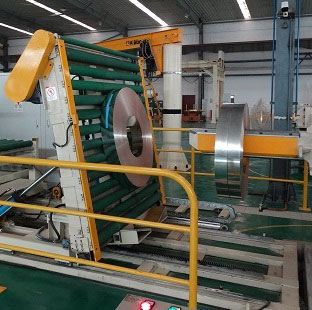
Imagine a system that handles every step without a human touching a coil. This is what a modern line offers. It is a complete solution. It means coils move from the rolling mill to the loading dock smoothly. Here is how it helps:
-
Increased Automation and Efficiency:
- A full automatic coil packing line includes everything. It has coil turning, wrapping, strapping, labeling, and stacking.
- This whole process works together. It cuts down on how much people need to do.
- The line can run 24 hours a day, seven days a week. It does not get tired. It does not make mistakes from fatigue.
- This means a much faster packing speed. It allows the plant to handle hundreds of tons of coils daily. This makes sure products ship on time. It also helps meet high demand.
-
Enhanced Safety for Workers:
- The biggest risk in packing coils is handling them. Machines do the heavy lifting and turning.
- This means fewer workers are in dangerous areas. It reduces accidents a lot.
- Workers can focus on monitoring the machines. They do not need to do physically demanding tasks.
- This makes the workplace much safer. It also makes the job more appealing. This helps solve the labor shortage problem over time.
- Lower accident rates mean lower costs for the company. It also creates a better working environment for everyone.
-
Superior and Consistent Packing Quality:
- Automatic systems apply film and straps with precise tension. Every coil gets packed the same way.
- This ensures strong, secure packaging. It protects coils from moisture, rust, and scratches during transport.
- The line can add different packing materials. This includes PET or steel strapping. It also uses stretch or shrink film. It can add automatic labeling with barcodes.
- This meets strict standards, like CE/ISO certifications for export. It ensures every coil leaves the factory perfectly packed. It removes the guesswork and errors of manual work.
-
Cost Reduction and Resource Optimization:
- With automation, fewer workers are needed for the packing line. This lowers labor costs significantly.
- Machines use packing materials very efficiently. They cut down on waste. This means less money spent on film, straps, and labels.
- The continuous operation of the line reduces downtime. This means more coils are packed per hour. It boosts overall production output.
- Less damage and fewer returns also save money. It protects the company’s profits. This allows for better investment in other parts of the business.
-
Adaptability to Diverse Product Needs:
- Modern packing lines are flexible. They can adjust to different coil sizes and weights.
- For example, they can handle coils from 1 to 3 tons. They can also work with varying inner and outer diameters.
- The system can switch packing recipes quickly. It can go from cold-rolled to galvanized coils easily.
- This means the plant can produce a wider range of products. It can meet special customer requests without slowing down. This makes the business more agile.
By moving to a fully automatic coil packing line, German facilities can overcome their long-standing problems. They can improve their operations. They can also become more competitive in the global market. It is an investment that truly pays off.
What Specific Technologies Make Modern Coil Packing Lines Reliable and Efficient?
When I first started building packing machines, simple strapping tools were cutting-edge. Now, the technology has changed so much. Today, we do not just sell machines. We create intelligent systems. These systems are built to run non-stop. They make sure every coil is packed perfectly, every time. This is key for plants running 24/7, like many in Germany.
Modern coil packing lines achieve reliability and efficiency through advanced technologies. These include robust mechanical designs, smart control systems, and adaptable packaging units. These technologies ensure continuous operation, precise material application, and seamless integration with existing production lines, handling diverse coil specifications effortlessly.
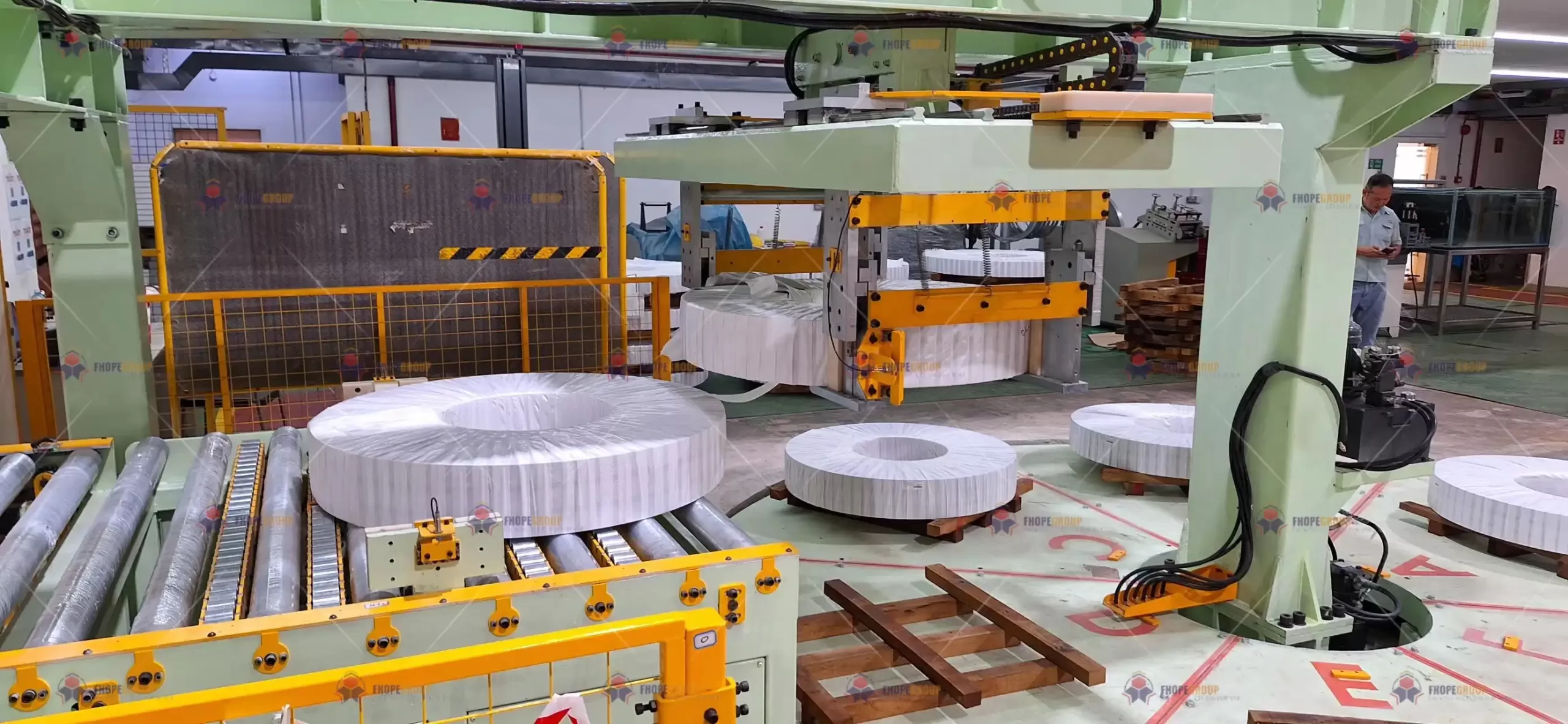
For a steel mill production director, the details matter. You need to know that the machine will perform. You need to trust that it will not break down. Here are the specific technologies and features that make this possible:
-
Heavy-Duty Mechanical Design and Components:
- Robust Frame Structures: The entire packing line is built with strong, heavy-gauge steel. This ensures it can handle the weight and forces of steel coils day after day. It prevents flexing and wear.
- High-Quality Industrial Components: We use top-grade motors, gearboxes, bearings, and hydraulics. These parts are made for continuous, heavy industrial use. They mean fewer breakdowns and longer service life.
- Precision Material Handling: Automated coil handling systems, like shuttles, turnstiles, and conveyor lines, are built with strong, accurate mechanisms. They ensure coils move smoothly. They also prevent damage to the coil or the machine.
-
Intelligent Control Systems (PLC & HMI):
- Programmable Logic Controllers (PLCs): These are the “brains” of the machine. They manage all functions. They ensure perfect timing and synchronization between different units. This allows for complex packing sequences with simple operation.
- Human-Machine Interface (HMI) Touchscreens: Operators use these screens to control the line. They are easy to use. They show real-time data, error messages, and production reports. This makes monitoring and troubleshooting simple.
- Recipe Management: The system stores different packing “recipes.” Operators can choose the right recipe for each coil type. This instantly adjusts settings for strapping patterns, film tension, and wrapping layers. This ensures correct packing for diverse products (cold-rolled, galvanized, color-coated) and coil dimensions.
-
Advanced Packing Technologies:
- Automatic Strapping Units: These units apply PET or steel straps precisely. They ensure uniform tension around the coil. This keeps the coil tight and secure. They can also do multiple straps in different patterns.
- Stretch or Shrink Wrapping Systems: These apply protective film. They use advanced tension control. This ensures a tight, consistent wrap. It protects against moisture, rust, and dirt. It is perfect for export needs and long-term storage.
- Automatic Labeling and Barcode Application: Integrated label printers and applicators put labels on each packed coil. This includes barcodes for tracking. It improves logistics and inventory management. This meets customer demands for traceability.
-
Safety Features and Diagnostics:
- Safety Guards and Light Curtains: These keep workers safe by preventing access to moving parts during operation. They stop the machine if a safety barrier is crossed.
- Emergency Stop Systems: Easily accessible emergency buttons stop the entire line quickly in case of a problem.
- Diagnostic Tools: The HMI provides detailed error messages. It helps identify issues quickly. This reduces downtime for repairs. It makes maintenance more efficient.
- Remote Monitoring (Optional): Some systems can connect remotely. This allows technicians to check performance or troubleshoot from anywhere. It speeds up support.
These technologies work together. They create a packing line that is not only efficient but also highly reliable. They handle the tough demands of a steel mill. They ensure consistent output and top-quality packaging. This allows German facilities to modernize with confidence.
Beyond the Machine: How Can a Partner Ensure Long-Term Success for German Facilities?
When I started FHOPEPACK, I knew it was not enough to just build a good machine. My journey from an employee to a factory owner taught me this. Clients need more than just equipment. They need a partner. They need someone who understands their business. They need someone who will stand by them for the long term. This is especially true for large investments like a full coil packing line.
A true partner ensures long-term success for German facilities by offering more than just equipment. They provide complete turnkey solutions, from consultation and custom design to installation, training, and ongoing after-sales support. This comprehensive approach ensures seamless integration, optimal performance, and sustained operational excellence.

This partnership model is at the heart of what we do at FHOPEPACK. I always focus on helping clients grow their businesses. A machine is a tool. A partnership makes that tool work for years. Here is what a good partner brings:
-
Customized Solution Design:
- Every steel mill is different. A good partner does not offer a one-size-fits-all solution.
- They work closely with your team. They understand your specific layout, production flow, and challenges.
- They design a packing line that fits perfectly into your existing facility. This minimizes disruption. It maximizes efficiency. This is crucial for aging facilities.
- They consider your future needs too. This means the system can grow with your business.
-
Turnkey Project Management:
- A turnkey solution means the supplier handles everything. This includes planning, manufacturing, shipping, and installation.
- They manage the whole project. They make sure it stays on schedule and within budget.
- This removes stress from your team. It lets them focus on their daily production tasks.
- When I started my own factory, I learned the value of a single point of contact. This simplifies complex projects a lot.
-
Comprehensive Training and Skill Transfer:
- New machines need skilled operators and maintenance staff. A partner provides thorough training.
- This training covers operation, basic troubleshooting, and preventive maintenance.
- It empowers your workers. They learn to use the machine safely and efficiently. This reduces reliance on external support.
- Proper training means your team can keep the line running smoothly. It helps in solving the issue of staff turnover by upskilling existing employees.
-
Reliable After-Sales Support and Spare Parts:
- Even the best machines need service. A good partner offers fast and reliable support.
- They have a team of expert technicians. They can respond quickly to any issues.
- They also ensure a steady supply of spare parts. This minimizes downtime. It keeps your line running without long delays.
- This commitment to long-term support builds trust. It ensures your investment continues to pay off for many years.
-
Continuous Improvement and Future Upgrades:
- Technology keeps moving forward. A dedicated partner helps you stay updated.
- They offer advice on potential upgrades. They suggest ways to improve performance further.
- This ensures your packing line remains efficient and competitive for decades.
- It is about building a relationship that lasts. It is about growing together.
Choosing the right partner is just as important as choosing the right machine. With a partner like FHOPEPACK, German facilities can modernize their operations. They can secure a path to long-term success and growth. This ensures their place in the future of the steel industry.
Conclusion
Modernizing German steel mills needs more than just new machines. It needs a full solution. A modern coil packing line addresses old problems. It boosts efficiency, safety, and quality. It also cuts costs. Choosing the right partner who offers complete support is key. This helps aging facilities thrive in today’s demanding market. It sets them up for long-term success.








