
How Do Steel Coil Packing Lines Support Efficiency in German Manufacturing?
Have you ever seen a factory floor where manual processes slow everything down, creating bottlenecks and unnecessary risks? The constant struggle for speed, quality, and safety in heavy industries, especially in steel production, is a challenge many leaders face daily. It can feel like a never-ending battle against inefficiency.
Steel coil packing lines are vital in modern German manufacturing because they automate a complex, labor-intensive process, significantly boosting efficiency, ensuring consistent product quality, and enhancing worker safety. These integrated systems streamline everything from coil handling to final packaging, allowing factories to meet high production demands with precision and reliability.
This is not just about moving coils faster. It is about a complete transformation of the packing process. Understanding how these lines achieve such impressive results means looking closely at their design and function. Let me share my insights, drawing from my years in this industry, about what makes them so essential for operations like those in Germany.
How Does Automation Unlock Peak Performance in Coil Packing?
Do you find yourself constantly battling inconsistent output and high labor costs in your packing department? The demands of modern steel production mean that manual processes simply cannot keep up. This often leads to missed deadlines and unhappy customers.
Automation is the backbone of efficiency in coil packing lines, enabling continuous, high-speed operation with minimal human intervention. It ensures a seamless flow from the production line to the finished package, reducing errors, speeding up throughput, and allowing for consistent output that manual methods cannot match.

In my journey, I have seen firsthand how much automation changes things. When I started FHOPEPACK, my goal was to bring this level of optimization to everyone. German manufacturers, known for their precision and high standards, rely heavily on this. An automated coil packing line takes over many tasks that were once done by hand. This includes everything from picking up the coil, rotating it, wrapping it, and then strapping it. This mechanization means that each coil moves through the packing process with great speed and consistency. It removes the guesswork and slow pace of human handling. Factories can process hundreds of tons of steel coils every day. This happens without significant slowdowns or quality dips. The machines are designed for continuous work, often 24 hours a day, in two shifts. This constant operation is key to meeting tight production schedules. Automation also means less waste. It applies packing materials like PET straps or stretch film with exact tension. This prevents material overuse or underuse. This precision saves money over time and makes sure each coil is packed perfectly. The system can also adapt to different coil sizes and weights automatically. This makes product diversification much easier for the factory. It eliminates the need for manual adjustments and tedious changeovers. For instance, my experience shows that a well-designed automated line can handle cold-rolled, galvanized, and pre-painted coils, each with different packing needs, simply by selecting a program. This flexibility is critical for factories that produce a wide range of products for different customers. It also prepares the product for the next stages, like warehousing and shipping, much more quickly and reliably.
Can Advanced Packing Lines Truly Guarantee Product Quality?
Are your customers complaining about damaged coils or inconsistent packaging upon arrival? Manual packing often leads to uneven tension, loose straps, and inadequate protection against rust or scratches. This can damage your brand reputation and incur significant costs.
Advanced steel coil packing lines guarantee superior product quality by applying precise, consistent packaging that protects coils from environmental damage and handling stresses. They achieve this through automated material application, accurate tension control, and the integration of specialized protective layers, meeting strict industry and export standards.
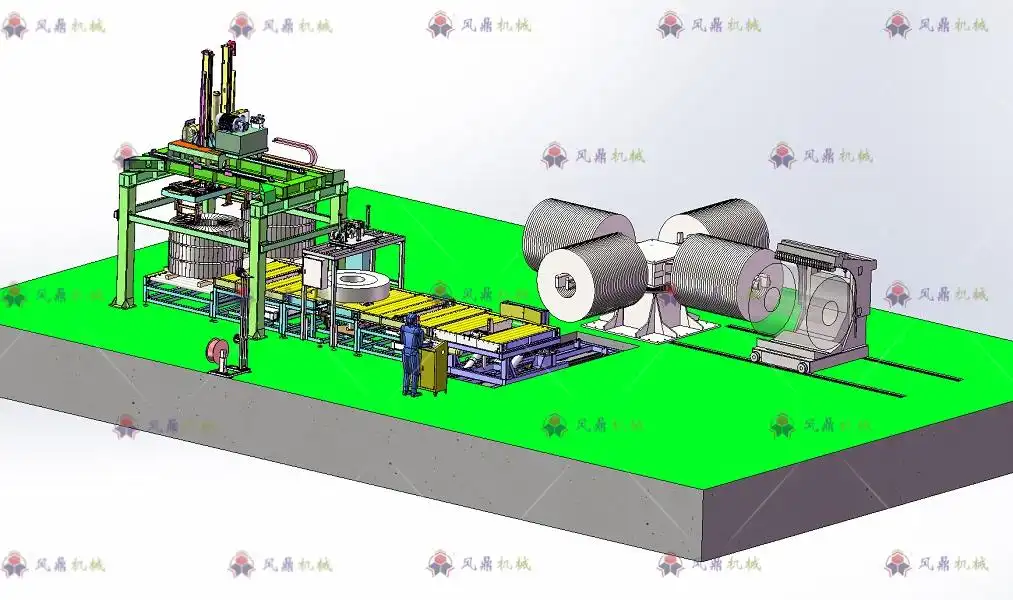
From my early days as an engineer, I understood that a good packing solution is not just about speed. It is about protecting the product. In German manufacturing, quality is paramount. An advanced packing line makes sure that every coil leaves the factory in perfect condition. It uses a combination of technologies to achieve this high level of protection.
-
Precision Wrapping and Strapping:
- Consistent Tension: Manual wrapping often results in uneven film tension. This leads to loose wraps or tears during transit. Automated systems use sensors to apply stretch film or anti-rust paper with uniform tension. This creates a tight, secure barrier against moisture and dust. For strapping, whether PET or steel, the machines apply a precise amount of force. This ensures the straps are secure but do not damage the coil edges.
- Multi-layer Protection: Many lines integrate multiple layers. This might include VCI (Volatile Corrosion Inhibitor) paper for rust prevention. It can also include stretch film for physical protection. Sometimes, a shrink film is used for a very tight, waterproof seal. The sequence and application of these materials are perfectly controlled by the machine. This ensures maximum protection.
-
Adaptability to Product Diversity:
- Customized Programs: Steel mills often produce a variety of coils. These include cold-rolled, galvanized, and color-coated coils. Each type might need different packing. An advanced line can store multiple packing recipes. Operators can select the right program with a simple touch. This means different strapping patterns, wrapping cycles, or material combinations are applied automatically. This flexibility is crucial for handling varied customer demands. It ensures the correct packaging for each product type.
- Coil Size Versatility: My experience has shown that coils come in many sizes and weights, often from 1 to 3 tons, with varying inner and outer diameters. A robust packing line can adjust its mechanics to fit these changes seamlessly. This means less downtime for manual adjustments. It also guarantees consistent packing quality across all coil dimensions.
-
Meeting International Standards and Special Requirements:
- Export Compliance: For exporting to regions like Europe, customers often demand specific certifications like CE or ISO. The consistent quality produced by automated lines helps meet these strict standards. The packaging integrity makes sure the product arrives as expected. This helps avoid rejections or penalties.
- Integrated Labeling and Barcoding: Many modern lines include automatic labeling systems. These systems print and apply barcodes or other shipping information directly onto the packaged coil. This integration reduces manual errors. It also speeds up inventory management and tracking. For customers, this means easier processing upon arrival. For the factory, it enhances traceability and supply chain efficiency.
These features ensure that the packaged coils are not just held together. They are fully protected against the harsh realities of storage and transport. This makes sure they arrive at their destination in factory-fresh condition. This reliability builds trust with customers. It supports a factory’s reputation for quality.
What Role Do These Systems Play in Enhancing Workplace Safety?
Are you concerned about the safety of your workers, especially with heavy coil handling and repetitive manual tasks? High injury rates and worker turnover are common in packing areas. This creates a stressful and often dangerous environment for your team.
Steel coil packing lines greatly enhance workplace safety by minimizing human interaction with heavy, moving objects and eliminating strenuous manual tasks. They replace dangerous manual lifting, turning, and strapping with automated processes, leading to a significant reduction in accidents, strains, and fatigue among factory personnel.
When I visit a factory, one of the first things I look at is the safety conditions. My journey in the packing machine industry taught me that safety is not just a cost. It is an investment. German manufacturing places a high value on worker protection. Automated coil packing lines are a big step in this direction.
-
Reducing Direct Contact with Heavy Loads:
- Automated Handling: Steel coils are extremely heavy. Manually moving or turning them poses huge risks. This includes crushing injuries, falls, or equipment malfunctions. Automated systems use specialized coil cars, turnstiles, and robotic arms. These components handle the coils from the moment they leave the slitting line until they are fully packed. This removes the need for workers to be near moving coils. It eliminates the dangers of manual lifting.
- Controlled Movement: The entire packing process is enclosed or guarded. This prevents accidental contact. Safety sensors and interlocks are standard features. They stop the machinery if a person gets too close. This creates a safe zone for operators. They can monitor the process from a control panel.
-
Eliminating Repetitive and Strenuous Manual Tasks:
- Automated Strapping and Wrapping: Manually strapping heavy coils involves bending, twisting, and applying significant physical force. This leads to musculoskeletal injuries over time. Wrapping coils by hand is also physically demanding. It can cause repetitive strain injuries. Automated strapping and wrapping machines take over these tasks completely. Workers supervise the process. They no longer perform the physically demanding work themselves.
- Reduced Fatigue: Long hours of manual labor lead to fatigue. Fatigue increases the risk of accidents. By automating these tasks, workers are less tired. This means they are more alert when they need to intervene. It helps them focus on tasks that require human judgment, not brute strength.
-
Improved Overall Work Environment:
- Lower Noise Levels: While machines still make noise, they often operate more smoothly than manual processes. This means less impact noise from dropped tools or struggling workers. This contributes to a more controlled and quieter work environment.
- Better Ergonomics: The roles of workers shift from manual labor to supervision, maintenance, and quality control. This improves ergonomics. Workers spend less time in awkward positions. They have less physical strain. This contributes to long-term health and job satisfaction.
Investing in these systems is not just about avoiding legal liabilities. It is about creating a workplace where employees feel safe and valued. This leads to higher morale and reduced turnover. For a factory that struggles with retaining young workers, like some I have seen, this is a major benefit. It helps build a stable, skilled workforce.
Beyond Initial Investment: How Do Coil Lines Deliver Long-Term Value?
Are you hesitant about the upfront cost of a fully automated packing line? Many factory managers focus on the immediate expense. They might overlook the significant long-term savings and strategic advantages these systems provide.
Steel coil packing lines deliver substantial long-term value by significantly reducing operational costs, minimizing material waste, and increasing overall production continuity. While the initial investment is notable, the cumulative savings from lower labor needs, fewer product damages, and optimized material use quickly make these systems a strategic, cost-effective asset for any modern manufacturing facility.
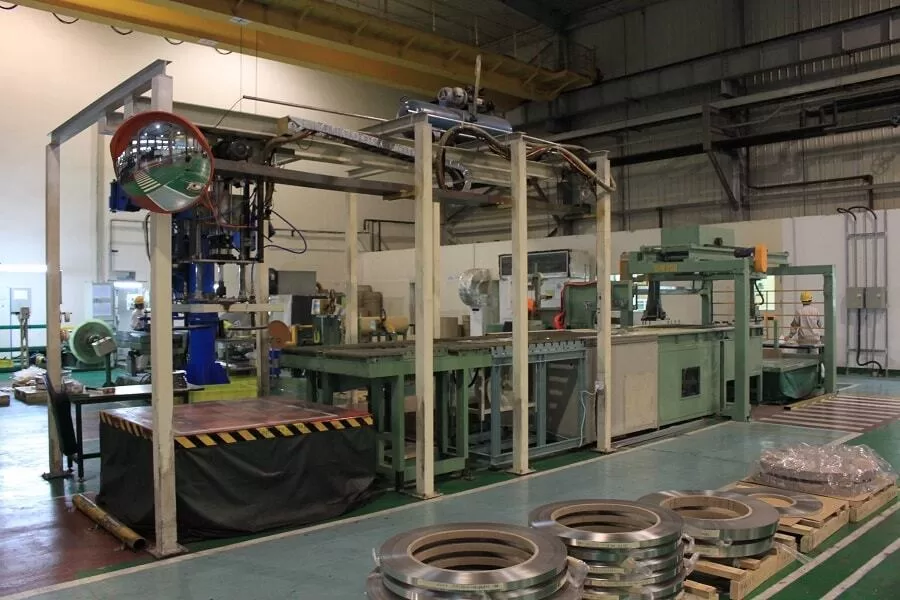
When I built my packing machine factory, I learned that a good investment looks beyond today. It shapes the future. German manufacturers understand this concept well. They value long-term reliability and return on investment. Automated coil packing lines are a perfect example of this philosophy.
-
Significant Reduction in Labor Costs:
- Fewer Personnel Required: A fully automated line can replace several manual workstations. This means fewer operators are needed in the packing area. While an initial investment in training for maintenance and supervision is necessary, the overall reduction in wages and benefits over years is substantial. This addresses issues like labor shortages and high turnover rates in physically demanding roles.
- Optimized Workforce Allocation: The workers who remain can be reassigned to higher-value tasks. This includes quality inspection, machine monitoring, or other critical roles in the factory. This efficient use of human resources adds more value to the overall operation.
-
Minimizing Material Waste and Product Damage:
- Precise Material Usage: Automated systems apply packing materials like film and straps with precision. They use only the amount needed for secure packaging. Manual methods often lead to over-wrapping or incorrectly applied straps. This results in wasted material. Over time, these small savings add up to significant cost reductions.
- Reduced Product Rejections and Reworks: Consistent, high-quality packaging means fewer coils are damaged during transport or storage. This reduces customer complaints, returns, and the costly process of rework or replacement. For export clients demanding CE/ISO certification, this means fewer penalties and smoother logistics.
-
Increased Production Continuity and Throughput:
- Less Downtime: Automated lines are designed for robust, continuous operation. They have fewer human error-related stoppages. This leads to higher uptime and consistent production rates. This is especially crucial for factories running 24/7.
- Higher Output: By maintaining a steady, fast packing pace, the packing line becomes a facilitator, not a bottleneck, for the entire production process. This increases the factory’s overall output capacity. It allows them to take on more orders and grow their business. As I saw my clients grow their businesses, it was clear that reliable packing lines were key.
-
Strategic Partnership and Support:
- Turnkey Solutions: A good supplier, like FHOPEPACK, offers a complete solution. This includes design, installation, commissioning, and training. This “turnkey” approach means the factory can get up and running smoothly.
- After-Sales Service and Spares: Reliable long-term operation depends on good after-sales support. Access to spare parts and prompt technical assistance prevents extended downtimes. This ensures the investment continues to pay off year after year. This kind of partnership builds trust and security for the factory’s future.
The initial cost of an advanced packing line is an investment in future profitability. It solves immediate problems. It also secures the factory’s long-term competitive edge in a demanding market.
Conclusion
Steel coil packing lines are more than just machines. They are comprehensive solutions for modern manufacturing. They boost efficiency by automating processes, ensuring consistent quality, and enhancing workplace safety. They provide long-term cost savings and operational continuity. For German manufacturing, known for its high standards, these lines are essential. They help factories meet demanding production goals with reliability and precision. Investing in an advanced coil packing line is a strategic move for any factory aiming for peak performance.








