
Can a Steel Coil Packing Line Improve Safety Standards in German Steel Plants?
In the fast-paced world of steel production, efficiency often takes center stage. But what about the people who make it all happen? I have seen firsthand how much pressure production directors, like Ivan, are under. They need to get tons of steel out the door every day. Yet, manual tasks, especially around heavy coils, bring real dangers. In places like Germany, with strong safety rules and high labor costs, these risks are even bigger. This often leaves leaders asking: how can we keep our workers safe while still delivering top quality?
A steel coil packing line significantly improves safety standards in German steel plants by replacing high-risk manual operations with automated, controlled processes. This includes reducing direct human contact with heavy coils, minimizing repetitive strain injuries, and creating a more predictable, secure work environment, which helps plants meet strict German occupational safety regulations.

It is easy to focus on just speed and cost when thinking about new machines. However, the true value of a modern packing line goes much deeper than that. It is about protecting your most important asset: your team. Let’s look closely at how these advanced systems make German steel plants safer places to work.
What Safety Dangers Do Manual Coil Packing Operations Bring in Germany?
Imagine working around steel coils that weigh several tons each. It is a daily reality for many workers in German steel plants. But this heavy lifting and manual handling come with serious dangers. These risks are even more critical in a country like Germany, known for its strict worker protection laws and high labor standards. Are we truly aware of the daily dangers our teams face?
Manual coil packing operations in German steel plants create significant safety dangers. These include severe crush injuries from heavy coils, cuts from sharp edges, falls due to uneven loads or slippery surfaces, and long-term health problems from repetitive physical strain. These risks are amplified by the need for speed and the constant movement of heavy materials, often leading to accidents that could be avoided.

From my own journey, starting as an employee at a packing machine factory and later establishing FHOPEPACK, I saw these dangers firsthand. Workers often need to step into hazardous zones to strap, wrap, or label coils. They use forklifts or overhead cranes, but these still require human input in close proximity to massive, moving loads. The sheer weight of steel coils, sometimes weighing 1 to 3 tons, means any small error can have terrible results. Even small items like sharp steel bands or loose wire can cause injuries.
Let me break down some of the main dangers:
- Direct Contact with Heavy Loads:
- Crush Injuries: Workers manually guiding straps or applying wraps are often near large, unstable coils. A coil shifting, tipping, or rolling can cause severe crush injuries or fatalities. Even small movements of a multi-ton coil can be deadly.
- Impact Injuries: Tools, materials, or even parts of the coil can swing or fall unexpectedly, hitting workers. This is especially true when using manual banding tools or when workers walk around moving coils.
- Cuts and Lacerations: Steel coils, especially slit coils, have very sharp edges. Workers handling packing materials, applying protective layers, or clearing debris are at constant risk of deep cuts from these edges or from the steel banding itself.
- Ergonomic Risks and Strain:
- Repetitive Strain Injuries (RSIs): Manual strapping, wrapping, and labeling involve repetitive movements, bending, lifting, and stretching. Over time, these actions lead to chronic back pain, shoulder injuries, carpal tunnel syndrome, and other musculoskeletal disorders. This reduces worker quality of life and leads to missed workdays.
- Fatigue: Packing hundreds of tons of steel coils over an 8- or 12-hour shift is physically draining. Tired workers are more likely to make mistakes, leading to increased accident risk. This is a common problem when younger workers leave the industry due to high physical demands.
- Environmental and Operational Hazards:
- Slips, Trips, and Falls: Packing areas often have uneven surfaces, packaging debris, or slippery spots from lubricants. Workers rushing or focusing on heavy tasks might not notice these hazards, leading to falls.
- Forklift and Crane Accidents: Even with trained operators, the constant movement of forklifts and cranes in a busy packing area creates collision risks with workers on foot. Blind spots and sudden movements are major concerns.
- Load Instability During Transit: If coils are not packed correctly, they can become unstable during internal transport or external shipping. This creates a hazard for everyone involved in the logistics chain, not just the packing crew.
- Noise and Dust Exposure: Constant machinery noise and dust from packaging materials or steel itself can harm workers’ hearing and respiratory health over time.
- Compliance and Labor Challenges in Germany:
- High Labor Costs: Germany’s high wages make manual, labor-intensive processes very expensive. This pressure often forces companies to push for faster work, which can compromise safety.
- Skilled Labor Shortages: Many physically demanding roles struggle to attract young talent. This means relying on an aging workforce or less experienced staff, which can increase accident rates.
- Strict Regulations: German occupational safety regulations (e.g., ArbSchG, BetrSichV, DGUV rules) are among the toughest globally. Any incident can lead to severe fines, legal action, and reputational damage. My mission at FHOPEPACK is to help clients get the “best customized packing solution per requirement.” This includes meeting these strict safety and quality standards.
These dangers are not just theories; they are real challenges faced by steel plant managers. The human cost of an accident is huge, but so are the financial and operational costs, including downtime, investigations, medical expenses, and legal fees.
How Exactly Does Automation Reduce Accident Risks in Coil Packaging?
It is clear that manual coil packing carries significant risks. But how does bringing in machines truly change things for the better? Can automation really make a difference for a production director like Ivan, who needs to ensure safety for hundreds of tons of daily output?
Automation fundamentally reduces accident risks in coil packaging by removing workers from dangerous zones. Machines take over heavy lifting, repetitive tasks, and direct contact with sharp, heavy coils. This lowers the chance of crush injuries, cuts, and muscle strains. It also ensures consistent, secure packaging, which makes handling and transport safer for everyone.
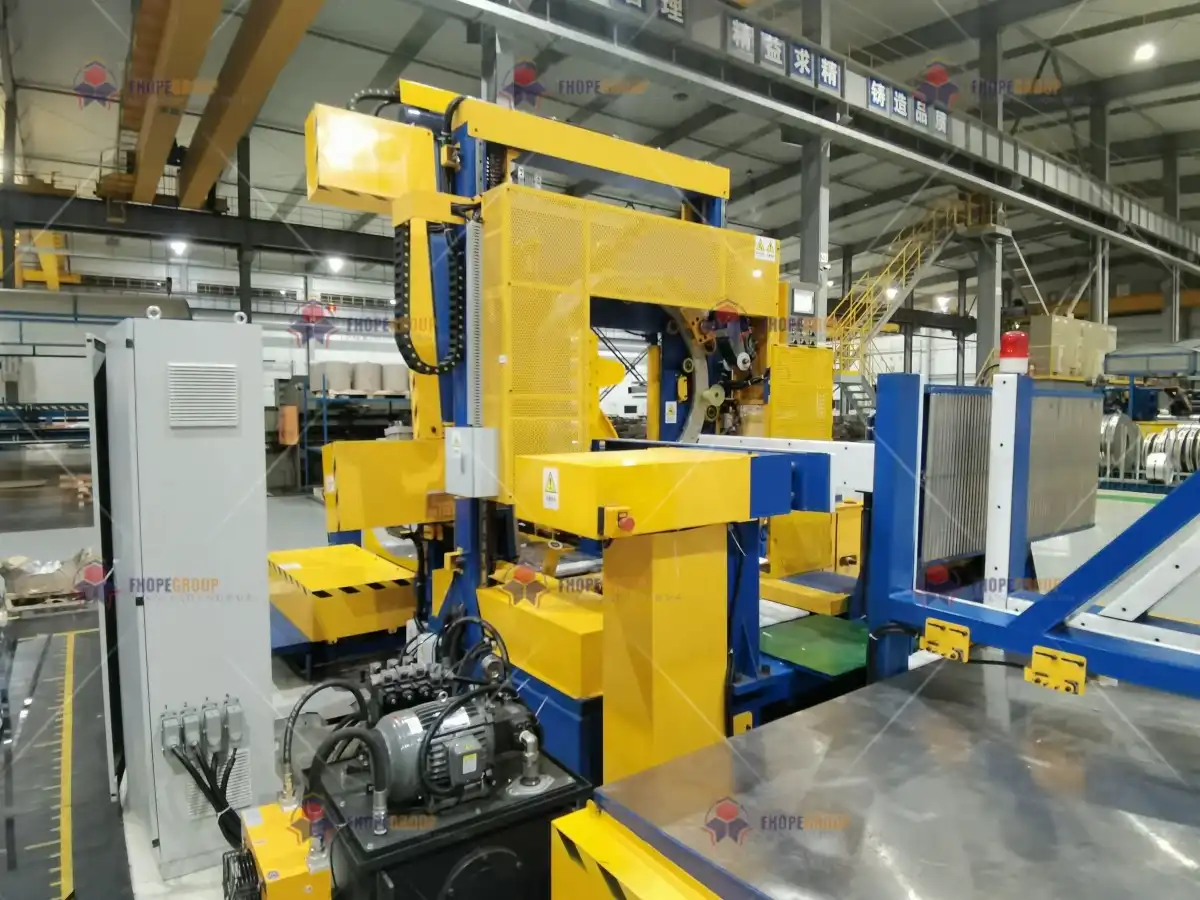
At FHOPEPACK, we believe in “MASTER PACKING MACHINE.” This means designing systems that protect people first. When I started FHOPEPACK, my goal was always to offer the best solutions. This is not just about making packing faster; it is about making it safer. An automated coil packing line transforms the workspace by changing how tasks are done.
Here is how automation directly impacts safety:
- Eliminating Direct Human-Coil Interaction:
- No Manual Lifting or Positioning: Automated systems use conveyors, coil tilters, up-enders, and transfer carts to move coils. Workers do not need to physically lift, push, or reposition these heavy loads. This completely removes the risk of crush injuries from dropped or rolling coils. My experience with coil packing and handling machines has shown me this is one of the biggest gains.
- Remote Operation: Operators work from a safe control room or designated zone, away from moving machinery and heavy loads. They supervise the process rather than being directly involved in the physical handling. This puts a protective barrier between human and machine.
- Automated Strapping and Wrapping: Robotic arms or fixed strapping heads apply steel or PET bands. Stretch film wrappers automatically apply protective layers. This eliminates the need for workers to get close to the coil’s sharp edges or to use dangerous manual strapping tools, which can snap and cause injury.
- Reducing Ergonomic Stress and Repetitive Strain:
- Consistent Machine Performance: Machines do not get tired. They perform tasks with consistent force and precision every time. This means no more bending, stretching, or heavy pulling for workers. It drastically cuts down on repetitive strain injuries, back problems, and fatigue.
- Less Physical Exertion: Workers are freed from physically demanding roles. They can focus on monitoring, quality checks, and maintenance, which are less physically taxing and allow for better mental focus.
- Enhanced Load Stability and Quality:
- Uniform Packaging: Automated systems apply packaging materials with precise, consistent tension. This ensures that every coil is securely strapped and wrapped. It prevents loose bands or uneven wrapping, which can cause coils to shift or unravel during storage or transport. This is especially important for multi-ton coils where stability is key.
- Damage Prevention: Consistent packing also prevents surface damage (scratches, rust) to the coils themselves. This improves product quality and reduces the need for manual rework or handling damaged goods, which can introduce new risks.
- Integrated Solutions: A complete coil packing line, including automatic weighing, labeling, and stacking, ensures that coils are prepared for shipping without any manual intervention. This holistic approach makes the entire process safer. For example, automatic pallet changing machines can improve efficiency and reduce manual labor in the final stages.
- Built-in Safety Features and Control:
- Guardings and Interlocks: Automated lines are designed with safety guards, light curtains, and interlocks. These features stop the machine if a safety barrier is breached or if someone enters a danger zone. This prevents accidental contact with moving parts.
- Emergency Stops: Easily accessible emergency stop buttons are placed throughout the line, allowing quick shutdown in case of an issue.
- Fault Detection Systems: Modern systems have sensors that detect errors, jams, or machine malfunctions. They can alert operators and stop the line before a hazardous situation develops.
- Clear Workflows: Automation brings clear, predefined steps to the packing process. This reduces confusion and the chance of human error, which is a common cause of accidents in manual operations.
- Remote Diagnostics and Maintenance: Many advanced packing lines offer remote diagnostic capabilities. This helps with troubleshooting and maintenance without needing workers to enter hazardous areas often. This reduces exposure to risks during repairs.
By taking the human element out of the most dangerous, repetitive, and strenuous parts of coil packing, automated lines significantly boost safety. This is not just about avoiding accidents; it is about creating a fundamentally safer and more sustainable work environment for every employee.
Can Automated Packing Lines Meet Germany’s Strict Safety and Quality Regulations?
German industry is known for its high standards. When it comes to manufacturing, every detail matters. This is especially true for occupational safety and product quality. So, a critical question for any production director in Germany is: can an automated coil packing line truly meet, or even exceed, these very strict regulations and quality demands?
Yes, modern automated coil packing lines are specifically designed to meet and often surpass Germany’s strict safety and quality regulations. These systems incorporate advanced safety features, comply with international standards like CE and ISO, and deliver consistent, verifiable packaging quality. This makes them ideal for ensuring workplace safety, fulfilling legal requirements, and meeting the high expectations of demanding customers, including export markets.

From my experience at FHOPEPACK, creating “best customized packing solution per requirement” means understanding and meeting the highest standards. German regulations are not just guidelines; they are legal requirements. They protect workers and ensure products are of the highest quality. Automated packing lines are not simply about convenience; they are about compliance and competitive edge.
Let’s look at how automated lines fulfill these requirements:
- Adherence to Safety Standards (CE, DGUV, ArbSchG):
- CE Marking: All machinery sold in the European Union, including Germany, must have CE marking. This shows the equipment meets EU safety, health, and environmental protection requirements. Reputable automated packing line manufacturers, like FHOPEPACK, build their machines to comply with these directives from the start. This includes proper guarding, emergency stops, and control systems.
- German Occupational Safety Act (ArbSchG) & Industrial Safety Regulation (BetrSichV): These laws require employers to assess risks and implement protective measures. Automated lines help fulfill this by eliminating many manual hazards. They reduce the need for workers to enter dangerous zones.
- DGUV Rules (German Social Accident Insurance): These are practical guidelines for workplace safety. Automated systems are often designed to follow these rules, incorporating features like safe maintenance access, reduced noise levels, and ergonomic controls for operators.
- Risk Assessment Integration: When we design solutions, we perform detailed risk assessments. We identify potential hazards and engineer them out of the process. This proactive approach is key to meeting German safety philosophy.
- Consistent Quality and Traceability (ISO Standards):
- Uniform Packaging Quality: Manual packing can lead to variations in strap tension, wrap overlap, and label placement. Automated lines ensure every coil is packed identically, with precise, measurable parameters. This consistency is vital for maintaining product integrity and meeting ISO 9001 quality management standards.
- Protection Against Damage: For sensitive products like galvanized or pre-painted coils, consistent anti-corrosion and scratch protection is crucial. Automated film wrapping and bundling provide a sealed, uniform barrier against moisture and physical damage. This is a common requirement for export customers who need strict anti-rust packaging.
- Automated Labeling and Tracking: Systems can apply barcodes and RFID tags automatically. This allows for precise tracking of each coil throughout the supply chain. This traceability is essential for quality control, inventory management, and meeting customer-specific labeling requirements, including CE/ISO certified packaging.
- Data Logging: Modern packing lines often log data on packing parameters (e.g., strap tension, film usage). This provides proof of compliance and consistent quality, which is invaluable for audits and customer claims.
- Meeting Customer-Specific Requirements:
- Versatility for Diverse Products: German steel plants produce many types of coils (cold-rolled, galvanized, color-coated). Automated lines can handle different packaging needs (PET/steel strapping, stretch film, VCI paper) with quick, automated changeovers. This eliminates the errors and delays of manual switching.
- Export Compliance: Many German steel products are exported globally. Customers often have specific packaging demands, such as multi-layer protection, specific strapping materials, or unique labeling. Automated systems can be programmed to meet these exact specifications consistently. This protects the product during long-distance shipping and helps avoid customer complaints, returns, or even contract penalties. My vision for FHOPEPACK is to help clients grow their businesses by providing robust solutions for these complex demands.
- Reduced Human Error: Human error is a major cause of quality inconsistencies. By automating repetitive tasks, the chance of mislabeling, incorrect strapping, or uneven wrapping is almost zero. This ensures the packaging always meets the required standard.
In essence, automated packing lines are not just about raw efficiency. They are about building a system that is inherently safer, more reliable, and capable of consistently producing the high-quality, compliant packaging that German steel plants and their global customers demand. This proactive approach helps avoid costly mistakes and legal issues.
What Overall Safety and Operational Benefits Do German Mills Gain from Automation?
We have looked at how automated packing lines specifically improve safety and meet regulations. But what about the bigger picture? What are the long-term, comprehensive gains for a German steel plant that invests in such technology? Is it just about avoiding accidents, or does it bring wider benefits?
German steel mills gain extensive overall safety and operational benefits from automation. This includes a more resilient, efficient, and cost-effective production environment, reducing labor dependency, fostering a positive safety culture, and enhancing product integrity. These benefits lead to improved profitability, better market standing, and long-term business sustainability in a competitive global market.
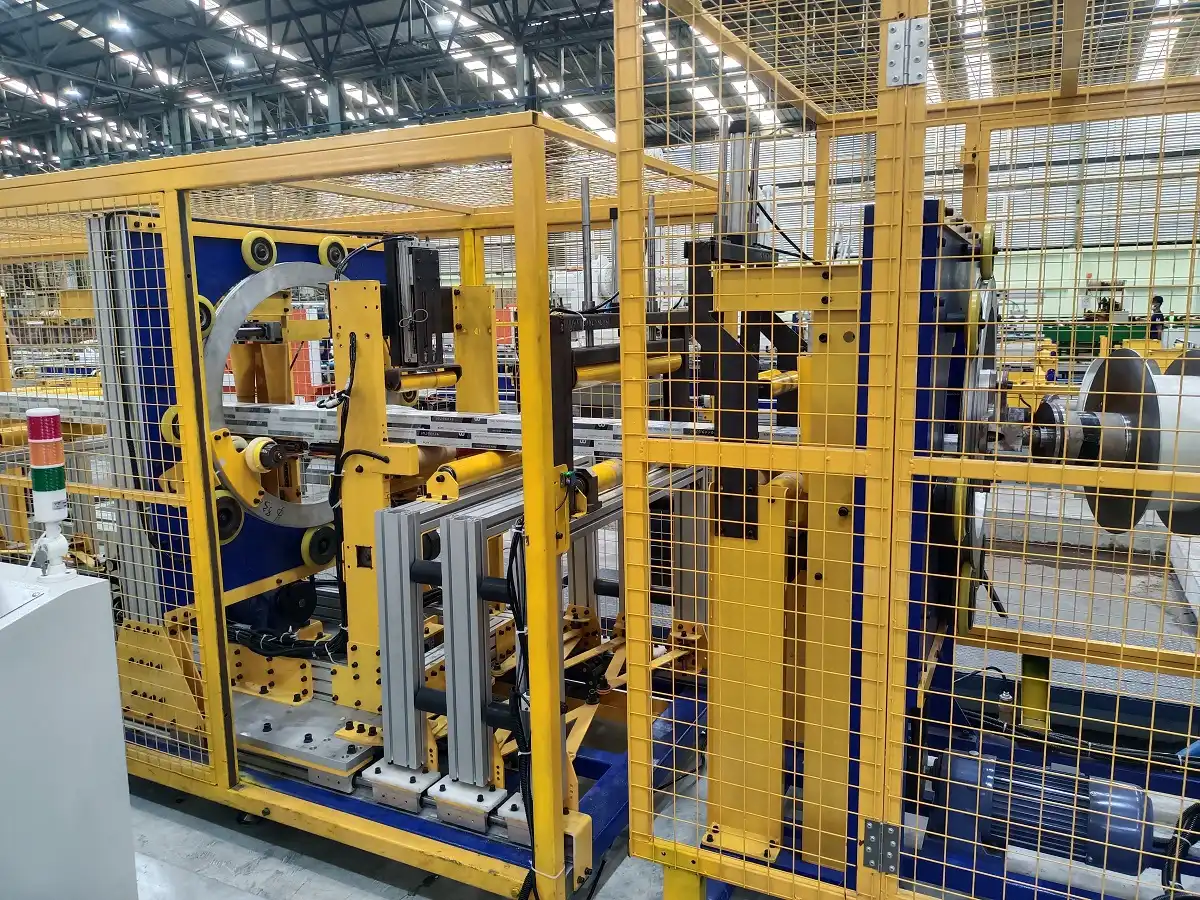
My journey with FHOPEPACK, from an employee to a factory owner, showed me that technology should empower businesses and their people. It is about strategic investment. For German steel plants, where precision and quality are paramount, the overall benefits of a fully automated coil packing line are transformative. It is about securing a future where both workers and profits are protected.
Here are the comprehensive benefits:
- Improved Workplace Safety Culture:
- Worker Morale and Retention: When a company shows it values worker safety through investment in automation, morale improves. Employees feel safer and more valued, leading to higher job satisfaction and better retention rates, especially important given the challenge of attracting young talent to physically demanding roles.
- Reduced Accidents and Injuries: This is the most direct benefit. Fewer accidents mean fewer lost workdays, lower medical costs, and a significant reduction in human suffering. This also translates to lower insurance premiums over time.
- Compliance Peace of Mind: Knowing that the packing process meets and exceeds German and international safety standards reduces the stress for management regarding audits, inspections, and potential legal issues. It ensures compliance is baked into the operation.
- Enhanced Operational Efficiency and Continuity:
- Higher Throughput: Automated lines can operate continuously, often faster than manual processes, significantly increasing the volume of coils that can be packed per shift. This handles fluctuating demand and large orders more easily.
- Reduced Downtime: While initial setup requires planning, automated systems are designed for high reliability and continuous operation, often 24/7. This reduces unplanned stops caused by human error or manual equipment failures.
- Lower Labor Costs and Dependency: Automation reduces the need for large numbers of workers in the packing area. This addresses labor shortages and high labor costs, common challenges in Germany. Workers can be redeployed to more skilled, less hazardous roles.
- Optimized Material Usage: Machines can precisely control packaging material consumption, reducing waste of strapping, film, or paper. This leads to cost savings on materials, which adds up significantly over time.
- Seamless Integration: A good automated line integrates smoothly with upstream production processes (like slitting lines) and downstream logistics. This creates a “turnkey solution” that ensures a smooth flow from production to shipment, without bottlenecks.
- Superior Product Quality and Customer Satisfaction:
- Consistent Export-Ready Packaging: Automation ensures every coil meets the highest export standards, with uniform bundling, multi-layer anti-corrosion protection, and precise labeling. This prevents damage during transit and meets demanding customer specifications, reducing complaints and returns.
- Brand Reputation: Delivering consistently high-quality, safely packaged products enhances the steel plant’s reputation. This can attract new clients and strengthen relationships with existing ones, leading to long-term business growth. My mission at FHOPEPACK is to help clients like Ivan grow their businesses by providing robust and reliable packing solutions that reflect well on their operations.
- Adaptability: Modern lines can quickly adapt to different coil sizes (1-3 tons, variable inner/outer diameters) and various packaging requirements (PET/steel strapping, stretch wrap, automatic labeling). This flexibility allows plants to diversify their product offerings without complex manual changeovers.
- Long-Term Strategic Advantages:
- Sustainable Operations: Reducing accidents, optimizing resource use, and enhancing worker well-being contribute to a more sustainable business model. This is increasingly important for corporate social responsibility and environmental goals.
- Competitive Edge: Investing in advanced automation positions a German steel plant as a modern, efficient, and safe producer. This provides a significant competitive advantage in a global market.
- Future-Proofing: Automation prepares the plant for future demands, including increased production volumes, evolving customer expectations, and ongoing labor market changes. It is an investment in resilience.
- Data-Driven Decisions: The data collected by automated systems (e.g., throughput, material usage, error rates) provides valuable insights for continuous improvement and strategic planning.
These comprehensive benefits show that an automated coil packing line is more than just a piece of equipment. It is a strategic move that enhances safety, optimizes operations, improves quality, and secures the long-term success of German steel plants.
Conclusion
An automated coil packing line significantly improves safety standards in German steel plants by removing workers from dangerous tasks and creating a controlled environment. This leads to fewer accidents, better compliance with strict regulations, and higher quality output. Investing in a coil packing line is a smart move for protecting employees and boosting overall operational success.








