
Steel Coil Packing Line in Czech Republic: Is Retrofit Better Than New Buy?
Running a steel mill in the Czech Republic means facing tough choices every day. One of the biggest challenges I hear from production directors is about their packing lines. Is your current system struggling to keep up? Are you seeing issues with efficiency, labor, or consistent packing quality? These problems can seriously impact your delivery schedules, customer satisfaction, and even your bottom line.
There is no single answer to whether a retrofit or a new buy is better for your steel coil packing line in the Czech Republic. The right choice truly depends on your specific operational needs, current budget, long-term business goals, and how much automation you need to achieve.
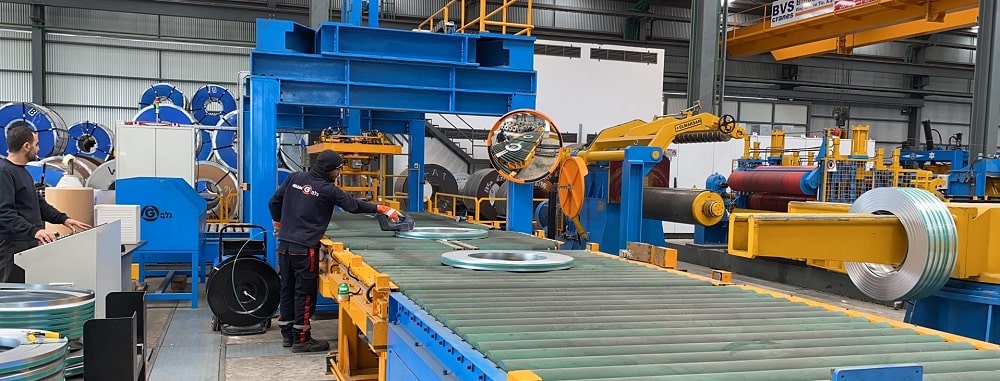
Making this decision is not easy. It means looking closely at your current operations and thinking about what you need for the future. We will explore both options in detail, helping you understand what each path offers. This way, you can make the best choice for your steel mill.
Why are Czech Steel Mills Rethinking Coil Packing?
The steel industry in the Czech Republic, much like everywhere else, is always changing. Mills are under constant pressure to do more with less. Are you feeling these pressures in your packing workshop? Many of my clients tell me their current packing setups are becoming a real bottleneck.
Czech steel mills are rethinking coil packing because outdated manual processes, persistent labor shortages, and inconsistent packing quality are no longer sustainable for modern production demands or competitive in the global market.
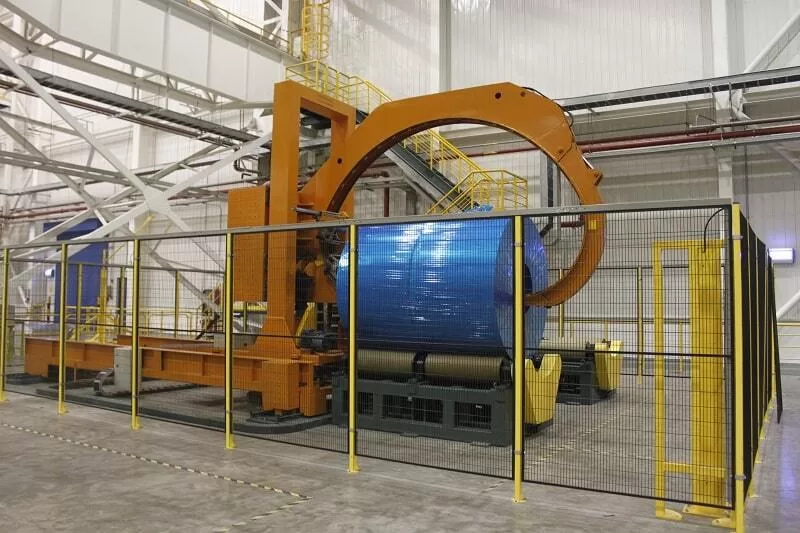
When I visit factories, I see firsthand the challenges they face. These are the core issues pushing steel mills in the Czech Republic to look for new solutions:
-
Product Variety and Complexity:
- Steel mills now produce many types of coils: cold-rolled, galvanized, and pre-painted coils. Each type needs different packing methods.
- Manually switching between these different packing needs takes a lot of time and effort. This often slows down the whole production line.
- My clients tell me this diversity makes it hard to keep a steady flow, leading to delays.
-
Labor Shortages and High Turnover:
- The work in a packing workshop is physically demanding and often repetitive. This kind of high-intensity work makes it hard to keep young workers.
- Factories rely too much on manual strapping and wrapping. This is not a sustainable long-term strategy when skilled labor is scarce.
- I once helped a client whose packing line frequently stopped because they simply did not have enough people to operate it safely and efficiently. This caused significant lost production time.
-
Inconsistent Packing Quality:
- When people do the packing, the quality can vary a lot. Workers might apply film tension unevenly, or straps might not be tight enough.
- Coils can move or get damaged during transport if packing is poor. This leads to customer complaints and even returned goods.
- For export, strict standards like CE/ISO certifications are needed. Manual methods often fail to meet these high requirements consistently.
-
Increasing Customer Demands:
- Export customers, especially, have very high expectations. They need robust, certified packaging.
- Adding barcodes, specific labels, and ensuring strict moisture protection are common requirements. Manual systems often struggle to meet these precise needs efficiently.
- Meeting these demands is key to keeping customers happy and competitive in the market. If you cannot meet them, you risk losing business.
Can Retrofitting Your Current Line Solve Everything?
Many steel mills already have packing equipment. The idea of getting more life out of existing machinery is attractive. It sounds like a smart, cost-effective way to improve things. But can simply upgrading what you have truly solve all your packing problems?
Retrofitting your current steel coil packing line can be an effective way to improve specific functions, extend the life of existing equipment, and offer cost savings compared to a full replacement. It can address some immediate needs, but it might not deliver the complete automation and long-term benefits of a brand-new system.
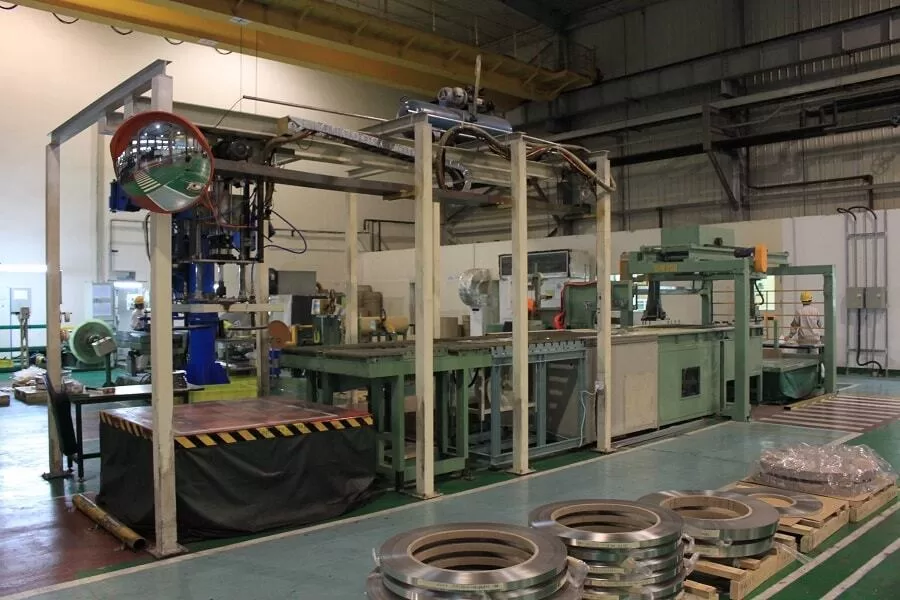
When I talk with plant managers in places like the Czech Republic, they often ask about retrofits first. Here is what I tell them:
-
What Retrofitting Involves:
- Retrofitting means adding new components to your existing line. This could be a new strapping head, a more modern wrapping machine, or an updated control system.
- It also includes replacing worn-out parts with newer, more efficient ones. The goal is to make the old system work better.
- Sometimes, it involves integrating new technologies, like sensors or automation modules, into your current setup.
-
Potential Benefits of Retrofitting:
- Lower Upfront Cost: This is usually the biggest advantage. You spend less money initially than buying a completely new line.
- Reduced Downtime: Depending on the project, retrofits might have shorter installation times. This means your production line is stopped for less time.
- Utilizes Existing Infrastructure: You keep your current layout and foundations. This avoids the cost and disruption of major civil works.
- Targeted Improvements: You can focus on fixing specific bottlenecks. For example, if only your strapping is slow, you can upgrade just that part.
-
Limitations of Retrofitting:
- Limited by Original Design: Your old machine’s basic design can limit how much you can improve it. You might not be able to reach full automation.
- Compatibility Issues: Newer parts might not work perfectly with older systems. This can lead to unexpected problems.
- Ongoing Maintenance: Even with new parts, the older components of your machine will still need more maintenance. They might break down more often.
- “Band-Aid” Solution: Sometimes, a retrofit is just a temporary fix. It pushes off the need for a full replacement without solving all core issues.
- Not a Total Solution: You might improve speed or consistency in one area, but other parts of the line could still be manual or inefficient. For instance, you might automate strapping, but still rely on people for coil turning or labeling. This means you do not get the full safety or labor reduction benefits. I have seen clients spend money on partial upgrades only to realize later they needed a complete overhaul. My experience tells me it is important to think if this partial step truly aligns with your long-term vision.
Is Investing in a Brand New Coil Packing Line the Only Way Forward?
After considering retrofits, the idea of a brand-new, cutting-edge system often comes up. It feels like a fresh start, a way to truly modernize your operations. But is this significant investment the only real path to solving your packing challenges and meeting future demands?
Investing in a brand new steel coil packing line offers the highest level of automation, seamless integration, and advanced safety features, delivering comprehensive solutions for all modern production demands. It represents a long-term strategic move for maximum efficiency and quality.
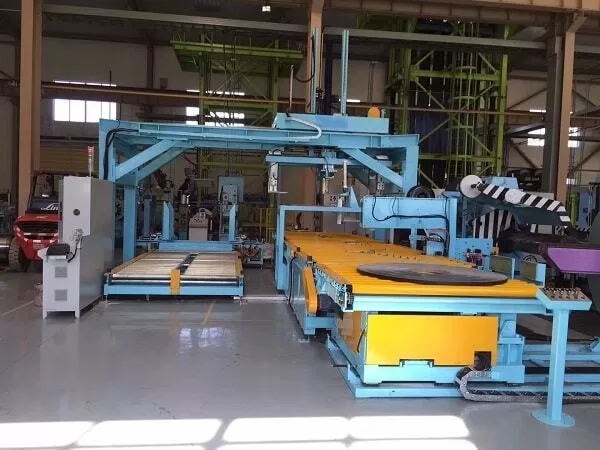
When a client wants to future-proof their operations, especially in competitive markets like the Czech Republic, a new line often comes into play. Here is why:
-
Benefits of a New Coil Packing Line:
- Full Automation: A new line can handle everything automatically. This includes coil turnover, strapping, wrapping, labeling, and even stacking. This removes manual handling and dramatically increases speed.
- Cutting-Edge Technology: New systems come with the latest advancements. They offer better control, more precise movements, and smart diagnostics. This means fewer errors and smoother operation.
- Integrated Solutions: All parts of a new line are designed to work together perfectly. This creates a cohesive system that improves overall flow and efficiency.
- Improved Safety: Replacing manual tasks with machines greatly reduces risks of accidents and injuries. This keeps your workers safer.
- Higher Output and Consistent Quality: New lines are built for speed and precision. They deliver consistent packing quality, meeting the highest export standards like CE/ISO with ease. Film tension and strap placement are always perfect.
- Lower Long-Term Operating Costs: While the initial cost is higher, a new line saves money over time. It needs fewer workers and wastes less packing material. It also runs more reliably, reducing unplanned downtime.
- Data and Analytics: Modern lines often come with data collection capabilities. You can track performance, identify trends, and make smarter decisions for your production. This helps you optimize your entire process.
-
Key Considerations for a New Purchase:
- Higher Initial Investment: This is the most obvious point. A new system costs significantly more upfront compared to a retrofit. This needs careful financial planning.
- Longer Installation Time: Setting up a brand-new line takes more time. This means more disruption to your current production schedule during the installation phase.
- Space Requirements: A new, fully automated line might need more floor space. You need to make sure your factory layout can accommodate it.
- Training Needs: Your team will need full training on the new equipment. This ensures they can operate and maintain it effectively.
- I started FHOPEPACK because I saw how much a well-designed, new packing line could transform a business. My own journey from an engineer to a factory owner showed me the power of these complete solutions. It is an investment in the future, not just a purchase. A new line lets you integrate everything Ivan Petrov needs, from automatic turnover to precise labeling, directly into one smooth operation.
How Do You Choose the Right Path for Your Steel Mill?
We have looked at the challenges and the two main solutions: retrofitting and buying new. Now, the big question is: how do you decide which path is right for your steel mill in the Czech Republic? This decision is not just about machines; it is about your business’s future.
The best choice depends on a thorough analysis of your current production needs, future growth plans, available budget, desired level of automation, and the importance of a long-term, reliable partner. You need to weigh immediate fixes against strategic, future-proof investments.
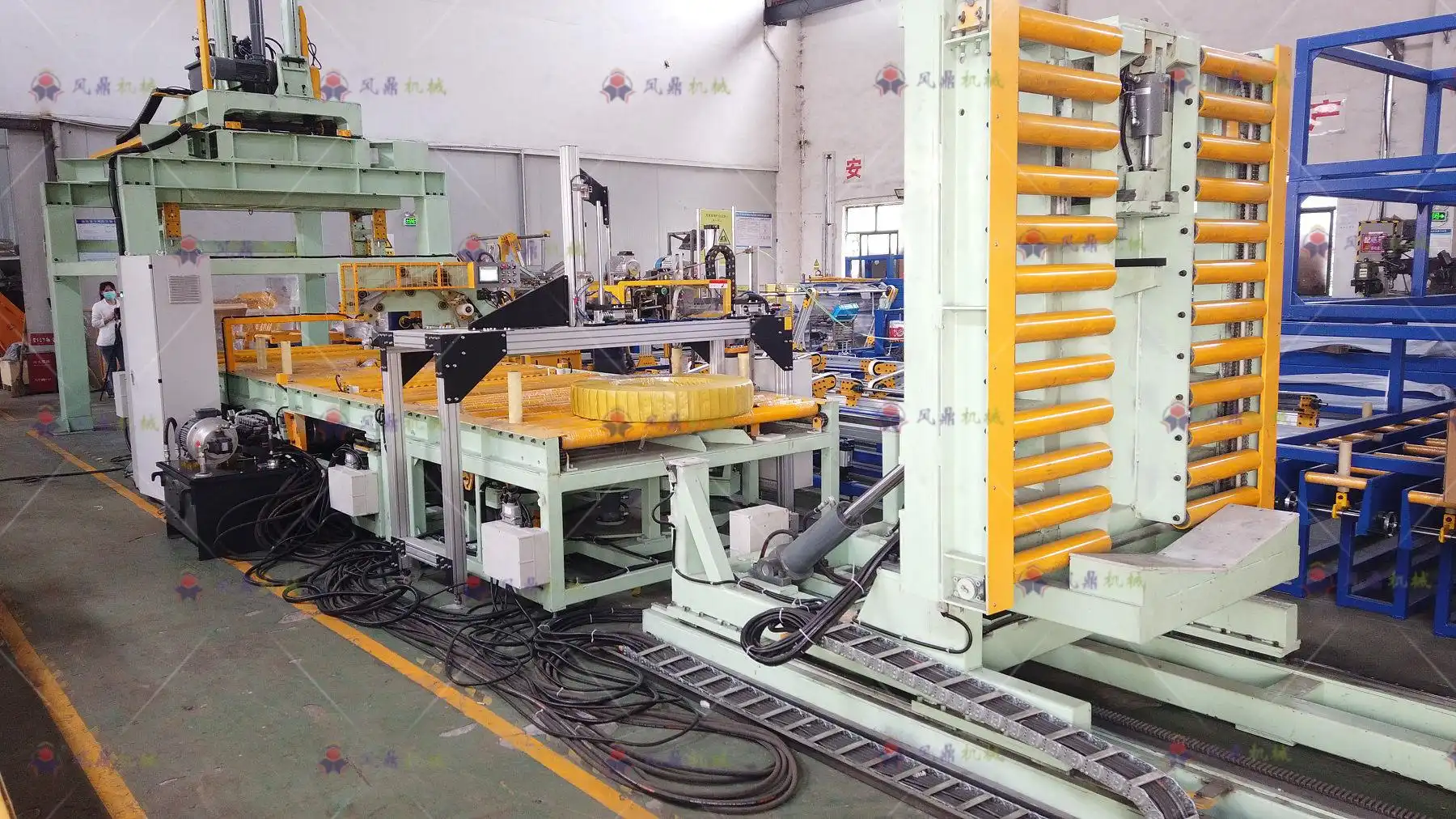
Making this choice means looking at several factors. Here is a way to think about it:
-
Key Comparison Factors:
Feature Retrofit (Upgrade Existing) New Buy (Brand New Line) Initial Cost Lower Higher Long-Term Cost Potentially higher (more maintenance, less efficiency) Lower (less labor, material waste, less downtime) Downtime Shorter, targeted interruptions Longer for installation, then minimal for operations Automation Level Partial improvements, limited by old design Full automation (from coil handling to labeling) Integration Can be complex with existing parts Seamless, designed as one cohesive system Safety Gains Moderate (reduces some manual tasks) High (removes most manual handling, integrated safety features) Packing Quality Improved in specific areas, still potential for variability Highly consistent, meets export standards (CE/ISO) Scalability Limited High (designed for future expansion) Lifespan Extends existing, but not a full refresh Brand new, long operational life with modern support -
Your Operational Needs:
- Think about your specific problems. Are they minor tweaks to speed up one part of the line? Or are they fundamental issues like labor shortage, consistent quality for export, and complete safety overhauls?
- If your challenges are very specific and limited, a retrofit might be enough. If you face many complex issues, a new line often makes more sense.
-
Future Growth Plans:
- Where do you see your steel mill in 5 or 10 years? Do you plan to increase production volume? Will you expand into new markets with even stricter packaging rules?
- A retrofit might meet today’s needs but could quickly become a limitation for future growth. A new line offers the flexibility and capacity to grow.
-
The Value of a Partner:
- This is where FHOPEPACK comes in. We do not just sell machines. We are a knowledge-sharing platform dedicated to helping you find the best customized packing solution.
- For a decision this big, you need a partner who can provide a “turnkey project.” This means they handle everything from design to installation.
- A good partner offers comprehensive after-sales support, spare parts availability, and training for your staff. This ensures your investment continues to perform for years.
- My journey in the packing machine industry has taught me that the best investment is often the one that brings peace of mind and allows for future growth. It is not just about the cheapest upfront cost. We work closely with clients, much like Ivan Petrov, to understand their unique situation in the Czech Republic. We want to help them choose the solution that truly meets their current needs and sets them up for long-term success.
Conclusion
The decision to retrofit or buy a new steel coil packing line in the Czech Republic is complex. Both options offer unique advantages and disadvantages. Your choice should align with your specific production challenges, long-term goals, and budget. By carefully assessing these factors, you can make an informed investment in your future. FHOPEPACK is here to help you find the ideal coil packing line solution.








