
Steel Coil Packing Line in Luxembourg: Is Automation the Key to Lower Costs?
Are you a production director in Luxembourg, perhaps overseeing a busy steel coil packing workshop? Do you feel the constant pressure of inconsistent packing quality, rising labor costs, and increasingly strict client demands? You likely know that delays or poor packaging can lead to big problems, from customer complaints to financial penalties.
Yes, automation is absolutely the key to lowering costs in steel coil packing lines, especially in a demanding environment like Luxembourg. It brings unmatched efficiency, consistency, and safety, directly tackling the challenges that erode your bottom line.

The question then becomes not if automation is necessary, but how exactly it delivers these crucial benefits. Let’s explore how a properly implemented automated packing solution can transform your operations and reduce costs.
Why is Manual Steel Coil Packing a Problem for Luxembourg’s Industry?
Are your workers struggling with heavy steel coils, repetitive strapping, and inconsistent wrapping? Manual packing methods might seem like a direct way to save money, but in reality, they often create more problems and higher costs down the line.
Manual steel coil packing in Luxembourg’s industry creates significant challenges, leading to higher operational costs, safety risks, inconsistent quality, and slow throughput, all of which hinder efficiency and profitability.

When I started FHOPEPACK, I saw firsthand how much pressure factories were under. Manual processes were always a bottleneck. This is even more true today for steel plants in regions like Luxembourg. Here is why:
-
👷♀️ The High Cost of Human Labor: Luxembourg has a high standard of living. This means higher labor costs compared to many other regions. Relying heavily on manual labor for packing steel coils directly impacts your operating expenses. It is not just about wages. It also includes benefits, training, and managing a workforce in a high-intensity environment. Manual packing is slow. It needs many workers to handle the hundreds of tons of coils daily. This makes it hard to keep up with production schedules. Young workers often leave these jobs because the work is hard. This leads to staff shortages and more pressure on existing teams. This ongoing cycle adds to your costs. It also reduces your overall efficiency.
-
🚨 Safety Hazards on the Floor: Packing steel coils by hand is a dangerous job. Workers manually handle heavy straps, lift heavy packaging materials, and often stand near moving coils. This increases the risk of accidents. Common injuries include strains from repetitive tasks, cuts from strapping, and serious harm from moving machinery or falling coils. For example, manual strapping can cause back problems. Wrapping can lead to hand injuries. These incidents are not just tragic for the individuals involved. They also result in lost workdays, higher insurance premiums, and potential legal issues for the company. Safety is a big concern for any production director like Ivan. He wants to lower these risks.
-
📉 Inconsistent Quality and Client Dissatisfaction: Human operators try their best, but they cannot match a machine’s precision. Manual strapping tension often varies. Film wrapping can be uneven. This leads to packages that are not secure. Coils can shift during transport. The packaging can get damaged. This exposes the steel to moisture, rust, and scratches. When clients receive damaged products, they get upset. This leads to complaints, returns, and even contract penalties. For export clients, this is a big problem. They need specific packaging quality. They demand CE/ISO certification. Inconsistent quality hurts your reputation. It impacts your relationships with clients. This costs your business money.
Can an Automated Coil Packing Line Adapt to Diverse Steel Products and Demands?
Are you producing many types of steel coils, like cold rolled, galvanized, or color-coated coils, each with its own packaging requirements? Do your customers have strict demands for how their coils are packaged, including specific strapping and anti-corrosion measures?
Yes, an automated coil packing line is designed for high adaptability. It can seamlessly handle diverse steel products with varying dimensions and weights. It can also meet the most demanding customer specifications, ensuring consistent and high-quality packaging for every coil.
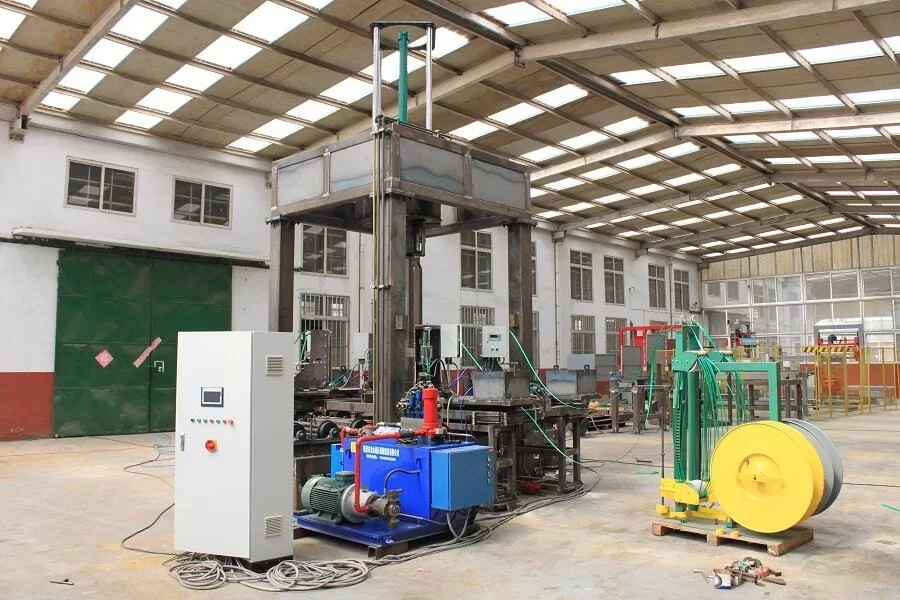
From my experience designing packing solutions, flexibility is key. A modern steel plant in Luxembourg needs a system that does not just pack. It also needs to adapt.
-
🔄 Handling Variable Coil Sizes: Steel coils come in many sizes. They have different inner and outer diameters. They also have different weights, often ranging from 1 to 3 tons. An automated system can adjust its settings quickly. It uses sensors to detect the coil’s dimensions. Then, it automatically changes the packing parameters. This means one machine can handle a wide range of products. Workers do not need to make manual adjustments for each coil. This saves time. It also reduces errors. This flexibility is important for plants that make diverse products. It makes sure every coil gets packed correctly. This capability directly addresses a key factor Ivan considers when selecting equipment: adaptability.
-
📦 Multi-faceted Packaging Requirements: Different steel products need different kinds of protection. Cold-rolled coils might need specific rust prevention. Galvanized coils need robust outer protection. Color-coated coils must be protected from scratches. Automated lines can combine various packaging methods. This includes PET or steel strap bundling. It also includes moisture-proof stretch or shrink film wrapping. The system can apply automatic labels or barcodes. It can switch between these methods based on the product. It can do this with just a few commands. This capability means you can meet all your customers’ specific needs. It also ensures proper protection for each type of coil.
-
🎯 Precision and Consistency: Automated machines apply packaging materials with precise control. They use consistent tension for strapping. They ensure even overlap for wrapping films. This precision is hard to achieve with manual methods. It guarantees that every coil is packed securely. The packaging stays tight during transport. This prevents shifting or damage. It means consistent quality across all your shipments. This helps you meet client expectations every time. It reduces the chance of returns or complaints. This also strengthens your brand reputation.
-
🌍 Meeting International Standards: For plants exporting from Luxembourg, meeting international standards is a must. Many export clients require CE or ISO certified packaging. They often need specific barcodes for tracking. They also demand strict moisture protection. Automated lines can integrate these features. They can apply barcodes accurately. They can use specialized films for enhanced moisture barriers. The consistent quality of automated packing also helps meet these certification requirements. This makes your products ready for global markets. It helps you avoid customs issues. This gives your business a competitive edge.
How Does Automation Boost Safety and Ensure Consistent Packaging Quality?
Are you constantly worried about worker safety in your packing area, especially with heavy steel coils moving around? Do you struggle to maintain consistent packaging quality across all your shipments, leading to customer complaints and potential product damage?
Automation significantly boosts safety by removing workers from dangerous manual tasks. It also ensures consistently high packaging quality through precise machine control, directly addressing two critical concerns for modern steel coil operations.
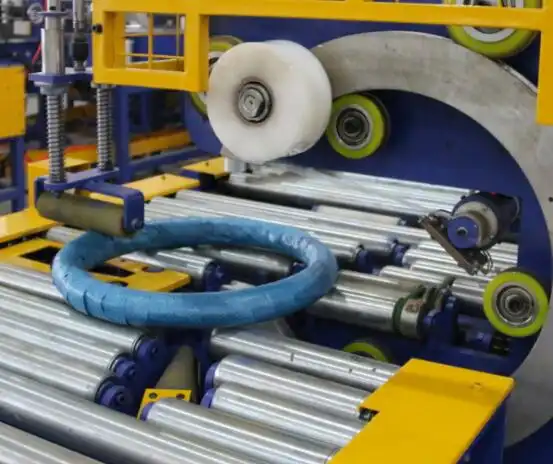
I have always believed that good engineering should protect people first. When I built FHOPEPACK, worker safety and product quality were top priorities. This is especially true in a steel plant setting.
-
🛡️ Eliminating Manual Risk: The biggest safety gain from automation is taking human workers out of harm’s way. With heavy steel coils, accidents can be severe. Manual processes need workers to perform physically demanding tasks. They lift. They bend. They apply straps. They move around large, heavy objects. Automated systems take over these dangerous jobs. Machines can lift, rotate, and strap coils without human intervention in the danger zone. This greatly reduces the risk of crush injuries, strains, and falls. For example, automatic coil handling machines replace risky manual crane operations. This means fewer workplace accidents. It also means a safer environment for everyone in the workshop.
-
📏 Unmatched Packaging Precision: Machines are much more precise than humans. They apply strapping with exact tension. They wrap film with consistent overlap. This prevents the common problems of loose strapping or uneven film application. With manual methods, the film tension can vary. This leaves parts of the coil exposed. Or it might not protect the coil well during transit. An automated system guarantees uniform application every time. This ensures the packaging stays secure. It protects the coil effectively throughout its journey. This reliability is vital for maintaining product integrity.
-
✨ Advanced Protection Against Damage: Automated packing lines use the best materials and apply them perfectly. They can use stretch film or shrink film. These films create a tight, sealed barrier. This protects the steel from moisture, dust, rust, and scratches. For coils that need extra care, such as those for export, this is essential. The consistent application prevents gaps. It ensures full coverage. This means your steel coils arrive at their destination in perfect condition. This reduces claims from customers. It also saves your company money on damaged goods.
-
📊 Real-time Monitoring and Quality Control: Modern automated packing lines come with advanced sensors. They have monitoring systems. These systems check the packaging process in real time. They ensure that each package meets specific quality standards. If there is a problem, the system can flag it immediately. This allows for quick correction. This prevents many coils from being packed incorrectly. This level of control is impossible with manual packing. It means consistent high quality for every single coil. It also means better compliance with industry standards.
Is Investing in a Full Automation Coil Packing Solution Truly Cost-Effective in the Long Run?
Does the upfront cost of a fully automated coil packing line seem like a huge investment? Are you wondering if such a system can really pay for itself and deliver long-term financial benefits for your steel plant in Luxembourg?
Yes, investing in a full automation coil packing solution is highly cost-effective in the long run. It delivers significant savings through reduced labor, optimized material use, increased throughput, and fewer quality-related issues, ensuring a strong return on investment for steel manufacturers.
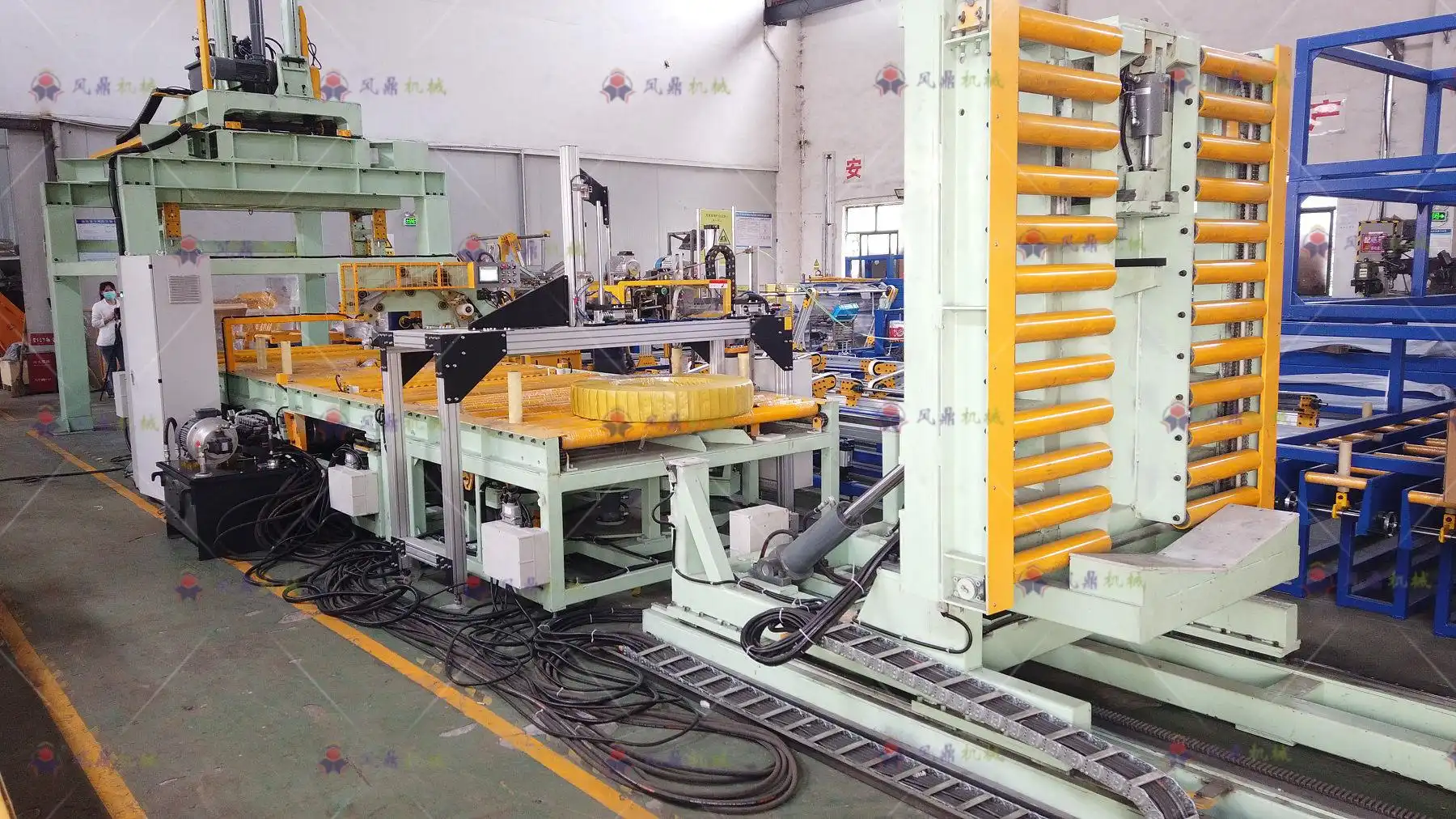
When I founded FHOPEPACK, my goal was to provide solutions that truly helped businesses grow. I know the initial cost of automation can look big. But you must look at the total picture. Here is why it makes financial sense:
-
💸 Reduced Labor Costs: In places like Luxembourg, labor costs are high. An automated packing line drastically reduces the number of workers needed in the packing area. Instead of multiple operators doing manual strapping and wrapping, you might need just one or two supervisors for the entire line. This cuts down on wages. It also reduces costs for training, benefits, and managing a large workforce. Over many years, these savings add up. They quickly offset the initial investment. This directly addresses Ivan’s challenge of labor shortages and high labor costs.
-
♻️ Optimized Material Usage: Manual packing often wastes materials. Workers might use too much film. Or they might apply straps inefficiently. Automated machines are precise. They use the exact amount of film or strapping needed for each coil. They minimize overlap. They reduce material waste. This means lower costs for packaging materials. It also helps with sustainability goals. This efficiency in material use contributes significantly to overall cost reduction.
-
📈 Increased Throughput and Uptime: Automated systems work faster than humans. They can pack coils continuously, 24/7 if needed. This means you can process more coils in less time. Your production line flows smoothly. There are fewer bottlenecks at the packing stage. This increased throughput means you can ship more products. It also means you can meet tighter deadlines. Fewer breakdowns and consistent operation also mean more “uptime.” This maximizes your plant’s productivity. It translates directly into higher revenues.
-
✅ Fewer Returns and Penalties: When packaging is consistent and high-quality, product damage during transit is rare. This leads to far fewer customer complaints. It means fewer product returns. It also avoids contract penalties for damaged goods or late deliveries. Each return or penalty costs your business money. It also damages your reputation. By preventing these issues, automation saves you substantial amounts. It also builds stronger trust with your clients.
-
🤝 Finding a Reliable Partner: Investing in automation is a big step. You need a partner who can provide more than just machines. You need a company that offers a turnkey solution. This means everything from design and installation to after-sales training and spare parts. My company, FHOPEPACK, is committed to being that long-term partner. We provide complete support. This ensures your investment works well for many years. We help you with training your staff. We offer parts when you need them. This partnership reduces your operational risks. It maximizes your return on investment.
Conclusion
Automation in steel coil packing lines is not just an upgrade; it is a strategic investment. It directly addresses high labor costs, safety concerns, and quality inconsistencies common in regions like Luxembourg. By improving efficiency, ensuring product protection, and reducing operational expenses, an automated coil packing line provides a clear path to long-term cost reduction and sustainable growth for your business.








