
Steel Coil Packing Line in Netherlands: Can Automation Reduce Workplace Risks?
Working in a steel factory is hard. It has many dangers. Moving heavy steel coils is one of the biggest risks. Imagine lifting and packing coils that weigh several tons. This is a daily task in many places. It needs strong hands and sharp eyes. But even with great care, accidents can happen. When I first started in this industry, I saw these risks up close. It made me think about better ways to do things.
Automation in steel coil packing greatly reduces workplace risks. It takes workers away from dangerous tasks. Machines handle heavy lifting, moving, and securing. This lowers the chance of injuries. It also makes the whole process safer and more stable.
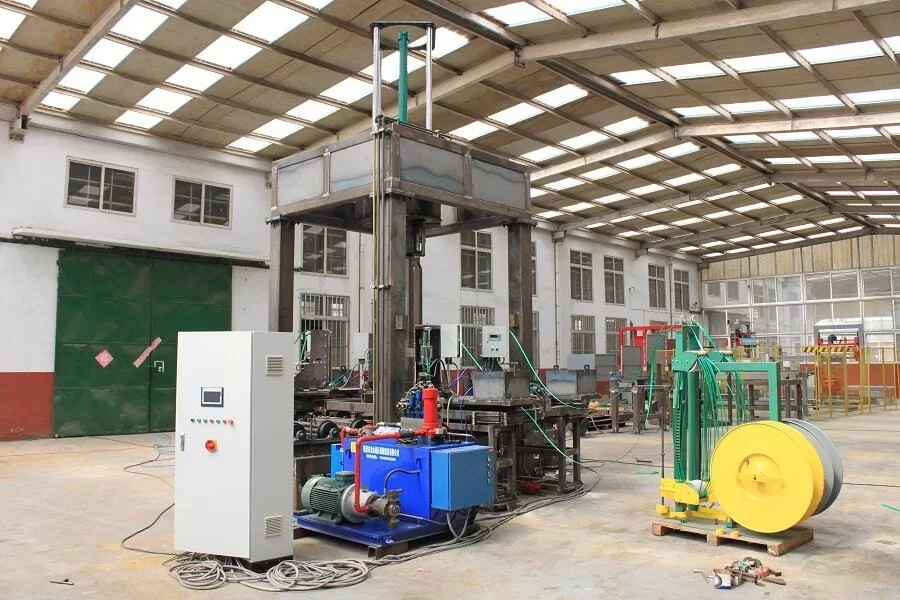
You might be wondering how this works. You may also want to know if it can help your factory. If you run a steel production line, you face many challenges. You need to keep your team safe. You need to pack products fast and well. Let’s look deeper into how modern packing solutions can change your workplace for the better. We will see how they improve safety and efficiency.
Why is manual steel coil packing so risky for workers?
Working with heavy steel coils by hand is full of dangers. Workers must use cranes or forklifts. They need to turn, move, and strap these huge coils. Each step carries a risk. Imagine a coil weighing up to 3 tons. It needs to be moved. It needs to be wrapped. It needs to be secured. This is a big job. If anything goes wrong, people can get hurt. This is a problem many factories face.
Manual steel coil packing has high risks because it involves direct human interaction with heavy, moving loads. Workers are exposed to crushing injuries, slips, falls, and musculoskeletal strain from repetitive tasks. The process also creates inconsistent packing quality, which can lead to hazards during transport.
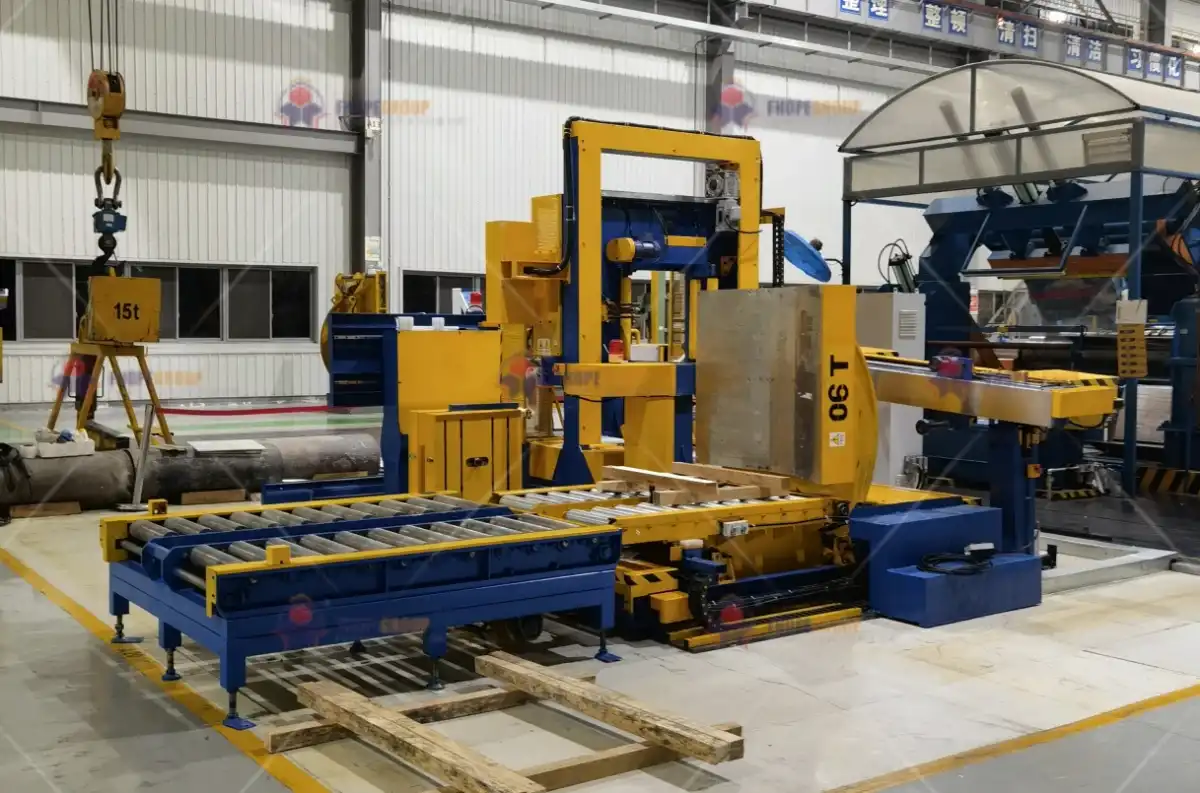
These dangers are real. They impact worker safety and the factory’s output. I have seen many situations where workers face these challenges. My experience started as an employee in a packing machine factory. I learned about these risks firsthand. Later, when I started my own factory, safety was always a top priority. We always looked for ways to make the work safer for everyone.
1. The Dangers of Heavy Lifting and Moving 🏋️♂️
Handling steel coils is physically demanding.
- Weight: Coils weigh 1 to 3 tons or more. Workers use cranes to move them.
- Movement: Coils can swing or roll. This creates crushing hazards.
- Positioning: Getting coils into the right spot for packing is hard. It needs careful control. Any mistake can lead to serious injury. A worker might be in the wrong place at the wrong time. This makes the job very dangerous.
2. Repetitive Strain and Musculoskeletal Injuries 🤕
Many packing tasks are repetitive.
- Strapping: Applying PET or steel straps by hand means bending and pulling.
- Wrapping: Manual stretch wrapping involves walking around the coil many times.
- Fatigue: Doing these tasks for hours leads to tiredness. Tired workers make more mistakes.
- Long-term Effects: Over time, these actions can cause back pain, shoulder problems, and other injuries. This reduces a worker’s ability to do their job. It also means higher healthcare costs for the company.
3. Exposure to Sharp Edges and Materials 🔪
Steel coils have sharp edges.
- Cutting Risks: Workers can cut their hands or arms. This happens when they handle straps or films.
- Friction Burns: The packing materials themselves can cause burns. This occurs when they are pulled tight.
- Dust and Noise: Steel production areas are often noisy and dusty. This can affect workers’ health over time. Manual packing keeps workers in these harsh environments for longer. This increases their exposure to these harmful elements.
4. Inconsistent Quality Leading to Transport Risks 🚚
Manual packing quality can change.
- Strap Tension: Hand-strapped coils might not be tight enough. The straps can loosen during transport.
- Wrapping Coverage: Manual wrapping can leave gaps. This means coils are not fully protected from rust or moisture.
- Load Shift: Poorly packed coils can shift in transit. This can damage the product or the vehicle. It also creates a hazard for others on the road. Clients in the Netherlands, for example, expect very high standards. They need consistent, secure packing for their goods. They demand packaging that meets strict rules.
How does an automated coil packing line make the workplace safer?
An automated coil packing line takes the worker out of danger. It uses machines to do the hard and risky jobs. Think about the manual tasks we just talked about. Automation replaces them with robots and smart systems. This means fewer people are near heavy, moving steel. It also means less chance of human error.
An automated coil packing line significantly improves workplace safety by removing human operators from direct interaction with heavy coils and hazardous tasks. It uses controlled movements, robust machinery, and consistent processes to reduce the risk of crushing injuries, strains, and accidents common in manual packing.

This shift from manual to automatic is a big step forward. It is not just about speed. It is mainly about making the workplace safer for everyone. When I designed packing solutions, safety was always at the core. I learned that a safe worker is a productive worker. Investing in automation is investing in your team’s well-being. It helps prevent accidents before they happen.
1. Removing Workers from Direct Contact with Coils 🚫
The main benefit is distance.
- Automated Conveyors: Coils move on powered conveyors. Workers do not need to push or pull them.
- Robotic Handling: Machines use strong arms to lift and turn coils. This replaces dangerous manual methods.
- Safety Zones: Work areas become safer. There are clear zones for machines and for people. Workers stand outside these zones during operation. This keeps them out of the path of heavy, moving coils. This dramatically reduces the risk of crushing injuries.
2. Consistent and Controlled Machine Movements 🤖
Machines work with precision.
- Predictable Actions: Automated systems follow set patterns. Their movements are always the same.
- Reduced Human Error: People can get tired or distracted. Machines do not. This removes the risk of mistakes caused by human factors.
- Emergency Stops: All automated lines have safety features. These include emergency stop buttons. They also have sensors. These sensors stop the machine if a problem occurs. This prevents accidents before they get worse. This reliability is key for continuous operation.
3. Less Need for Repetitive and Strenuous Tasks 💪
Automation takes over the heavy lifting.
- Automatic Strapping: Machines apply straps tightly and evenly. Workers do not need to pull heavy tools.
- Automated Wrapping: Coils get wrapped by a machine. This removes the need for workers to walk around coils repeatedly.
- Reduced Physical Strain: Workers do less physical work. This lowers the risk of muscle strains. It also helps prevent long-term injuries. This makes the job easier and more sustainable for older workers. It also helps keep younger workers in the industry.
4. Enhanced Safety Features and Regulations Compliance ✅
Modern systems have safety built-in.
- Safety Guards: Machines come with protective covers. These stop workers from touching moving parts.
- Light Curtains and Sensors: These devices detect if a person enters a dangerous area. They stop the machine immediately.
- CE/ISO Standards: Systems designed for markets like the Netherlands meet strict safety standards. These include CE and ISO certifications. This ensures the equipment is safe to operate. It gives peace of mind to factory owners. It also provides a safer environment for workers.
What specific automation features protect workers in the Netherlands?
Factories in places like the Netherlands have high safety standards. They need packing solutions that meet these rules. Automated systems come with special features. These features are made to protect workers in these environments. They go beyond just moving coils. They create a safer work zone. They also make sure the machines themselves are safe to use.
Automated coil packing lines protect workers in places like the Netherlands through specific features such as advanced safety sensors, interlocking guards, ergonomic design, and full compliance with European safety directives like CE marking. These features reduce direct worker interaction with hazardous machinery and heavy loads.

My factory, FHOPEPACK, focuses on making machines that are not only efficient but also very safe. We know that factories need reliable solutions. They also need to keep their workers out of harm’s way. This is especially true for our clients in Europe. They have very clear rules about worker safety. I make sure our machines help meet those rules.
1. Advanced Sensor Technology and Safety Interlocks 🚦
Smart sensors are key for safety.
- Presence Sensors: These detect if a person is too close to a moving part. They can be light curtains or laser scanners. If someone enters a restricted zone, the machine stops right away.
- Safety Interlocks: Machine doors and guards have interlocks. The machine will not run if a door is open. This prevents workers from reaching into dangerous areas. It also makes sure all guards are in place. This adds a critical layer of protection. It ensures that the system only operates when it is truly safe.
2. Emergency Stop Systems and Redundant Safety Circuits 🛑
Quick stops are vital.
- E-Stop Buttons: Many emergency stop buttons are placed around the packing line. Workers can hit one to stop everything instantly.
- Redundant Circuits: Safety systems often have two separate circuits. If one fails, the other takes over. This makes the safety system very reliable. It prevents a single failure from causing an unsafe condition. This level of design is often required by strict European safety norms.
3. Ergonomic Design and Reduced Manual Intervention 🤲
Good design helps workers.
- Human-Machine Interface (HMI): Control panels are easy to use. They show clear information. This helps workers operate the system correctly.
- Reduced Lifting: Workers do not need to lift heavy packing materials or tools. Machines handle these tasks.
- Easy Maintenance Access: Parts that need regular checks are easy to reach. This makes maintenance safer for technicians. They do not have to climb into awkward or dangerous spots. This makes the overall operation safer from start to finish.
4. Compliance with International Safety Standards 🌍
Meeting rules is a must.
- CE Marking: For equipment sold in the Netherlands and other EU countries, CE marking is required. This means the machine meets EU health, safety, and environmental protection standards.
- ISO Certifications: Many packing lines also meet ISO safety management standards. This shows a commitment to global safety practices.
- Risk Assessments: Before installation, thorough risk assessments are done. This identifies potential hazards. It ensures the system is designed and installed to minimize all risks. This proactive approach is very important for a safe working environment.
Beyond safety, what other benefits does automation bring to steel factories?
Automation does more than just make things safer. It also helps factories run better. It solves many common problems. These include slow production, wasted materials, and unhappy customers. A good automated system can make a big difference to a factory’s bottom line. It makes the whole process smoother and more reliable.
Beyond worker safety, automation in steel coil packing greatly improves operational efficiency, product quality, and cost-effectiveness. It enables faster throughput, consistent packaging, reduces material waste, and helps meet diverse customer demands, including strict export requirements. This leads to higher profits and better customer satisfaction.

I have seen many clients grow their businesses after adopting automation. When I first started my own company, I wanted to offer solutions that truly helped. It was not just about selling machines. It was about creating real value. This means solving multiple problems at once. Automation does exactly that. It addresses safety, quality, and cost all together.
1. Increased Efficiency and Throughput ⚡
Automated lines work fast.
- Continuous Operation: Machines can run 24/7. They do not need breaks. This keeps production moving.
- Faster Cycles: Packing a coil takes less time with machines. This means more coils get packed per hour.
- Reduced Bottlenecks: The packing stage often slows down the whole factory. Automation smooths this out. It allows the production line to run at its full speed. This directly boosts the factory’s overall output.
2. Superior and Consistent Packaging Quality ✨
Machines are precise.
- Uniform Tension: Automated strapping and wrapping machines apply film or straps with exact tension.
- Complete Protection: Coils are fully covered. This protects them from rust, moisture, and scratches.
- Meets Export Standards: High-quality, consistent packing is crucial for exports. Customers, especially in Europe, demand perfect packaging. This reduces customer complaints and returns. It also helps in securing more international contracts.
3. Reduced Labor Costs and Material Waste 💰
Automation saves money.
- Fewer Workers Needed: Machines do the work of many people. This frees up staff for other tasks. It also helps with labor shortages.
- Less Material Waste: Machines use packing materials precisely. There is less film or strap wasted.
- Lower Injury Costs: Fewer accidents mean lower medical bills and insurance costs. It also means less lost work time. These savings add up over time. They make the factory more profitable.
4. Adaptability for Diverse Product Needs 🛠️
Modern systems are flexible.
- Variable Coil Sizes: Automated lines can handle different coil diameters and weights. They adjust settings automatically.
- Multiple Packing Styles: The system can switch between PET strapping, steel strapping, stretch wrapping, and special coatings. This is good for factories that make many types of steel products.
- Automatic Labeling: Machines can apply barcodes and labels. This ensures products are tracked correctly. It also meets specific client requirements for identification. This makes the packing line ready for any order.
Conclusion
Automating steel coil packing is a smart move. It does more than just speed up work. It makes the factory a much safer place for everyone. My experience shows that investing in a coil packing line prevents injuries, boosts quality, and saves money. It is a win-win for workers and for business growth.








