
A Strategic Analysis of Single-Level Coil Storage Systems: Optimizing for Safety, Efficiency, and Cost
1.0 Executive Summary
1.1 Purpose and Scope
This report provides a comprehensive strategic analysis of single-level coil storage systems, intended to guide operational and executive decision-making for capital expenditure and process optimization. The scope of this analysis covers the foundational principles of single-level storage, a detailed examination of its configurations and components, the associated handling equipment and workflows, relevant safety and compliance standards, and a robust economic comparison against multi-level alternatives. Furthermore, the report explores technological innovations and provides an actionable framework for implementation, targeting industrial managers in sectors such as steel and metal processing, manufacturing, and logistics.
1.2 Key Findings Synopsis
A thorough review of current industry practices, technological capabilities, and economic models has yielded several key findings:
- Strategic Trade-Offs: Single-level coil storage systems, while inherently less space-dense than vertical racking, offer substantial strategic advantages in operational safety, material accessibility, and lower initial capital outlay. These benefits are particularly pronounced in facilities with high coil turnover rates, frequent product changes, or physical constraints such as limited vertical clearance or floor load capacity.1
- The High Cost of Traditional Methods: The common practice of storing coils directly on the floor using wood dunnage is associated with significant and often unquantified hidden costs. These include a high risk of product damage (e.g., flattening, edge damage, corrosion), operational inefficiencies stemming from poor accessibility and Last-In-First-Out (LIFO) inventory challenges, and critical safety hazards from potential coil collapse or movement.2
- Superior ROI of Engineered Systems: Modern engineered single-level systems, which utilize advanced materials like high-performance polyurethane for cradles, pads, and modular rail systems, deliver a compelling Return on Investment (ROI). Despite a higher initial purchase price compared to wood, these systems drastically reduce product damage, enhance handling efficiency, and improve workplace safety, leading to a significantly lower Total Cost of Ownership (TCO).3
- Total Cost of Ownership as the Key Metric: This analysis confirms that TCO is the only valid financial metric for evaluating and comparing coil storage systems. A simple comparison of initial purchase prices is misleading and fails to account for long-term operational savings and risk mitigation. A detailed 30-year financial model demonstrates that the TCO for engineered polymeric systems is substantially lower than that for traditional wood dunnage.3
- The Future is Automated: The industrial landscape is moving toward greater automation. Single-level storage zones are uniquely positioned to integrate with emerging technologies such as Automated Guided Vehicles (AGVs), robotic cranes, and AI-driven Warehouse Management Systems (WMS). This integration creates highly efficient, flexible, and potentially “lights-out” material handling ecosystems, combining the safety of ground-level storage with the productivity of automation.4
1.3 Core Recommendations
Based on these findings, this report puts forth two primary recommendations. First, facilities currently relying on unstructured floor storage with wood dunnage should conduct an immediate TCO analysis to justify a strategic transition to engineered polymeric single-level systems to mitigate risk and reduce hidden operational costs. Second, for facilities evaluating new storage solutions, the choice between single-level and multi-level systems must be driven by a quantitative analysis that balances the clear operational benefits of ground-level accessibility against the specific requirements for storage density and the total capital cost of the system, including any specialized handling equipment.
2.0 Foundational Concepts of Single-Level Coil Storage

2.1 Defining Single-Level Coil Storage
Single-level coil storage is a fundamental material handling methodology wherein heavy, cylindrical products—such as coils of steel, aluminum, or copper—are stored and retrieved from a single ground-level plane.1 This approach stands in direct contrast to multi-tier or vertical racking systems, which are designed to leverage a facility’s vertical cube for storage density.5 The core principle of single-level storage is the prioritization of horizontal space to ensure direct, unimpeded access to each individual coil. It is critical, however, to distinguish between two vastly different implementations of this concept. On one end of the spectrum is unmanaged floor storage, a rudimentary practice where coils are placed on the floor, often on simple wooden blocks (dunnage), with minimal organizational structure. On the other end is the engineered single-level system, a sophisticated, purpose-built solution that employs modular components like polymeric pads, cradles, and interlocking rails to create a safe, organized, and protective storage environment.5 While both are technically “single-level,” their implications for safety, efficiency, and cost are profoundly different. The strategic benefits discussed in this report are almost exclusively associated with the engineered approach, which mitigates the significant risks inherent in unmanaged floor storage.
2.2 Primary Applications and Industries
The practicality and safety of engineered single-level storage systems make them an optimal choice for specific industrial environments where accessibility and rapid turnover are more critical than maximizing storage density.
- Steel Service Centers and Metal Processors: These facilities handle a high volume and wide variety of coils, requiring frequent and rapid retrieval to feed slitting, cutting, and other processing lines. The ability to access any coil directly without moving others is a significant operational advantage that minimizes machine downtime and maximizes throughput.6
- Pipe and Profile Manufacturing: In operations where large coils are fed directly into forming mills, a single-level staging area near the production line ensures a continuous and efficient supply of raw material, reducing complex handling steps.6
- Automotive and Appliance Stamping: Stamping houses often order slit coils tailored to specific part dimensions to minimize material scrap. The need to manage and retrieve numerous, distinct slit coils for different production runs makes the direct-access nature of single-level storage highly beneficial for maintaining production schedules.7
- Facilities with Physical Constraints: Warehouses with low ceilings, restricted overhead crane access, or floor load ratings that cannot safely support the immense point loads of heavy, multi-level racking systems are natural candidates for single-level solutions. This approach allows them to store heavy coils safely without requiring major structural modifications to the building.5
2.3 Strategic Advantages of Single-Level Systems
When properly engineered, single-level storage offers compelling advantages that extend beyond mere simplicity.
- Enhanced Safety: By eliminating the need for operators to work at height, these systems inherently remove the risks of falls from ladders or lifting platforms. Furthermore, they mitigate the potential for catastrophic failure associated with overloaded or improperly installed multi-level racks, which can be a significant concern when storing multi-ton coils.5
- Superior Accessibility and Inventory Management: Single-level systems provide 100% selectivity, meaning every coil is immediately accessible without needing to move other inventory. This is a critical advantage over floor-stacking or high-density racking systems, which often force a Last-In-First-Out (LIFO) retrieval pattern. Direct access facilitates efficient First-In-First-Out (FIFO) inventory management, reduces coil handling time, and minimizes the risk of damage incurred by repeatedly moving coils to access others.2
- Lower Initial Capital Investment: The upfront cost to procure and install an engineered single-level system is typically much lower than that of multi-tier cantilever racking or a fully Automated Storage and Retrieval System (AS/RS). This makes it a more attainable investment for small to mid-size manufacturers or for facilities looking to implement a new storage solution with a more manageable budget.6
- Reduced Maintenance and Greater Flexibility: With fewer complex components and no moving parts in the storage medium itself, engineered single-level systems have significantly lower long-term maintenance requirements and fewer potential points of failure.5 Their modular nature also allows for easy reconfiguration, expansion, or relocation as a facility’s operational needs evolve over time.5
2.4 Inherent Limitations
The primary and most significant limitation of any single-level storage system is its inefficient use of vertical space.
- Lower Storage Density: By design, single-level systems occupy a much larger physical footprint to store the same number of coils compared to multi-level racking. This lower storage density can be a critical drawback in facilities where floor space is limited or expensive.2
- Consumption of Valuable Floor Space: The system directly utilizes floor area that could otherwise be allocated to value-adding activities such as manufacturing, assembly, or packaging. This represents an opportunity cost that must be weighed against the system’s benefits.2
- Risk of Operational Degradation: A critical, though less obvious, limitation is the operational risk that an engineered single-level system can degrade into unmanaged floor storage if discipline is not maintained. The very simplicity that makes it attractive can lead to operators bypassing designated cradles or lanes in favor of expediency, reintroducing the safety hazards and inefficiencies that the engineered system was designed to prevent. Therefore, successful implementation requires not just the right hardware but also robust operational procedures and continuous management oversight.
3.0 System Configurations and Components
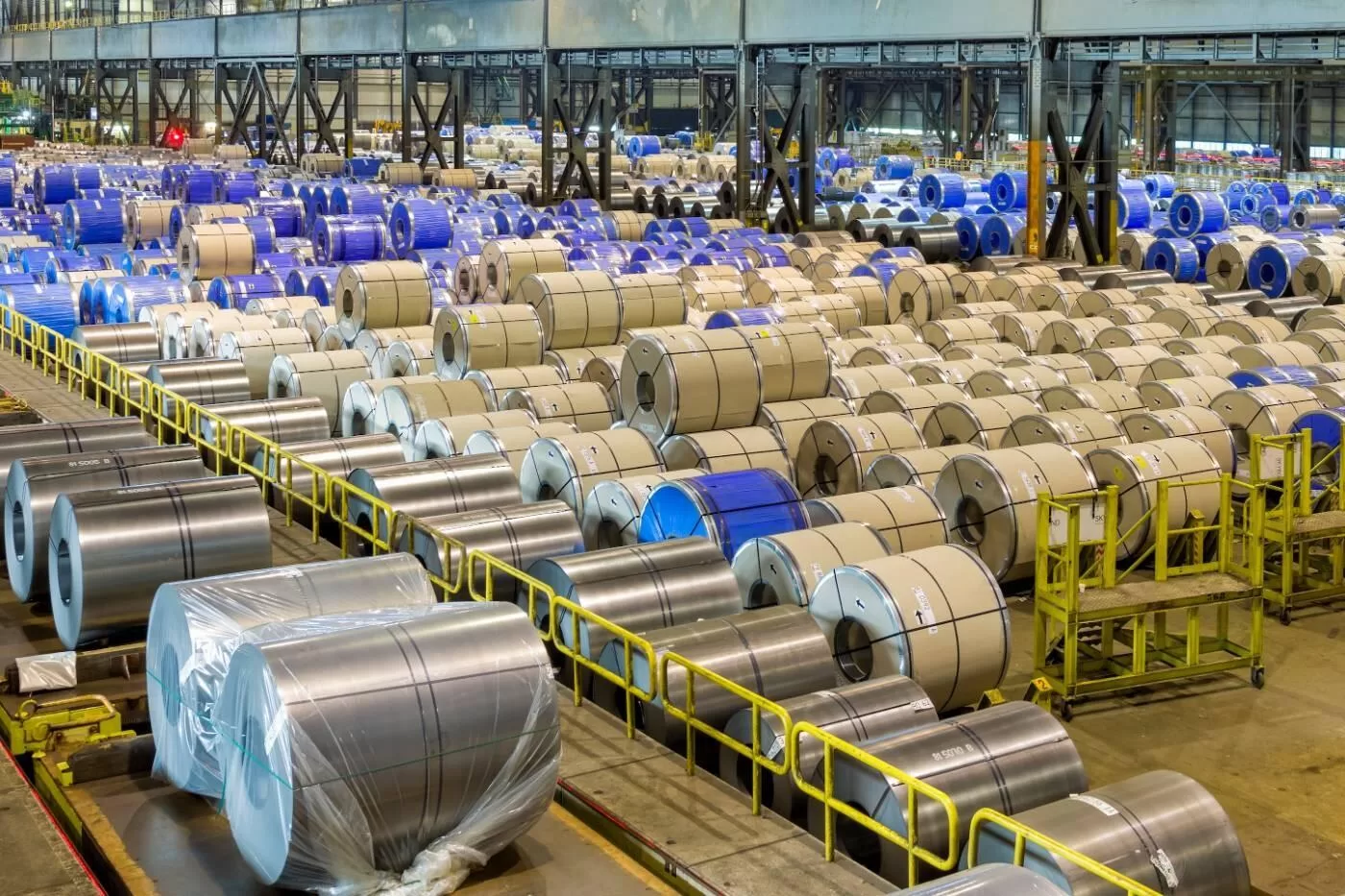
The effectiveness of a single-level coil storage system is determined by the quality and design of its constituent parts. The evolution from traditional, rudimentary methods to modern, engineered solutions marks a significant leap in safety, product protection, and operational efficiency.
3.1 Traditional Floor Storage: Wood Dunnage
The most basic form of single-level storage involves placing coils directly on wooden blocks, timbers, or pallets on the warehouse floor.8 While this method has the lowest possible initial cost, its long-term Total Cost of Ownership (TCO) is exceptionally high due to a range of inherent problems. Wood is susceptible to splintering and breaking under the dynamic and concentrated loads of multi-ton coils, leading to unstable storage and a high risk of coil damage.9 Its porous nature allows it to absorb oil and other fluids from the coils, creating both a persistent slip hazard for personnel and a hazardous waste disposal challenge, as oil-soaked wood may require special handling and incur additional costs.9 Furthermore, wood provides minimal protection against damage to the coil’s sensitive outer wraps, contributing to material scrap and financial loss.10 Studies comparing wood to modern alternatives show that its short lifespan and associated risks make it a highly cost-ineffective solution over the life of a facility.3
3.2 Modern Floor Storage: Engineered Polymeric Systems
A major innovation in floor storage is the replacement of wood with components made from high-performance engineered materials, most notably polyurethane. These systems are designed to directly counter the deficiencies of wood dunnage, offering superior protection, durability, and safety.11
- Coil Pads and Mats: These are typically V-shaped or contoured blocks that create a stable, non-marring contact surface for the coil. Manufactured from durable polyurethane, they resist abrasion and tearing, support heavy loads without compressing, and protect the coil’s surface from scratches and dents. This is especially critical for pre-painted, polished, or other surface-sensitive materials.12 Many pads are designed with embedded inserts for permanent anchoring to the floor, while others can be used as movable fixtures. Specialized versions include integrated reservoirs to safely contain and collect oil drips, improving housekeeping and reducing slip hazards.11
- Coil Saddles and Cradles: These components feature a deeper, more pronounced cradle designed to fit a wider range of coil diameters and provide enhanced stability. They are ideal for storing larger coils or for applications where double-stacking is permissible (with proper engineering assessment).11 The deep cradle design securely holds the coil, minimizing the risk of movement or tipping and providing superior protection against damage.12
- Coil Wedges and Chocks: Used to prevent coils from rolling, modern wedges are made from durable, splinter-proof plastics or polymers. They are a direct and safer replacement for traditional wood chocks, offering a longer service life and more reliable performance.13
3.3 Modular and Integrated Systems
The most advanced single-level configurations are turn-key modular systems that integrate floor supports into a structured, interlocking framework. These systems offer the highest degree of organization, safety, and flexibility.
- Interlocking Rail Systems: A prominent example is the KLP® RollStop System, which consists of reinforced plastic or steel rails laid out in parallel rows. These rails feature notches or a mating rib pattern that allows for the precise and secure placement of modular blocks or cradles.9 This design ensures that the chocks cannot slip out from under the coil—a critical safety failure point in systems using loose blocks.14 The spacing of the blocks can be easily adjusted to accommodate a wide variety of coil diameters, providing exceptional operational flexibility.
- Connectors and Spacers: These components are used to join rail sections and maintain precise parallel alignment, ensuring the structural integrity and proper functioning of the entire storage bay.14
- Integrated Safety Features: Many modular systems incorporate dedicated safety components like Rollstops, which are engineered blocks designed specifically to prevent any unintended coil movement during loading, unloading, or in the event of an accidental push.6
3.4 Table: Comparative Analysis of Floor Storage Components
The following table provides a strategic comparison of the primary components used in single-level coil storage, highlighting the trade-offs between traditional and modern engineered solutions. This analysis is crucial for managers seeking to justify an upgrade from outdated methods.
| Component Type | Material | Initial Cost per Position (Estimate) | Lifespan (Years) | Maintenance Requirement | Damage Protection Level | Key Safety Features |
|---|---|---|---|---|---|---|
| Wood Dunnage/Blocks | Hardwood | Low (\$10 – \$20) | 1 – 4 | High (Frequent replacement) | Low (Prone to splintering, causing damage) | Minimal; prone to slipping and failure |
| Polyurethane Floor Pad | High-Performance Polyurethane | Medium (\$150 – \$400) | 10 – 20+ | Low (Periodic inspection) | High (Non-marring, cushioning surface) | Secure anchoring options, high-friction surface |
| Polymeric Coil Saddle/Cradle | High-Performance Polyurethane | Medium-High (\$200 – \$500) | 10 – 20+ | Low (Periodic inspection) | Very High (Deep cradle prevents flattening/denting) | Deep cradle design for superior stability |
| Polymeric Modular Rail System | Recycled Polymer / Steel | High (\$150 – \$250 per block + rails) | 30+ | Very Low (Inspection only) | Very High (Full system protection) | Interlocking blocks prevent slippage; integrated Rollstops |
Data synthesized from sources.3 Cost estimates are for illustrative purposes and vary by supplier and specification.
4.0 Coil Handling Equipment and Operational Workflow
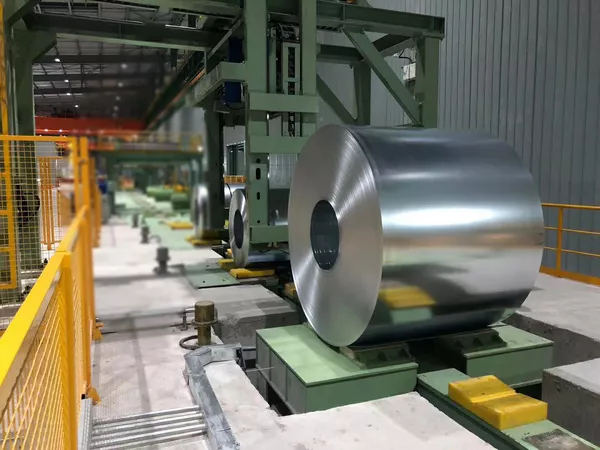
The efficiency and safety of a single-level storage system are intrinsically linked to the material handling equipment used to interact with it. The choice between forklift-based and crane-based handling is a primary decision driven by facility infrastructure, capital budget, and operational tempo.
4.1 Forklift-Based Handling
Forklift-based handling offers flexibility and is common in facilities without comprehensive overhead crane coverage.
- Equipment Requirements: The immense weight of metal coils necessitates the use of heavy-duty, high-capacity forklifts. Standard sit-down counterbalanced forklifts are frequently used, but they must be rated to handle loads that can exceed 30,000 to 50,000 pounds or more.15
- Specialized Attachments: Standard forks are unsuitable and unsafe for handling coils. Specialized attachments are mandatory:
- Coil Rams / Booms: This is the most prevalent attachment for forklift-based coil handling. It consists of a single, robust, large-diameter pole that is inserted into the eye of the coil. This design concentrates the lifting force on the strong inner diameter of the coil, preventing damage to the sensitive outer wraps. Rams are available in two primary configurations: fork-mounted (sleeves that slide over the existing forks) and carriage-mounted (which attach directly to the forklift’s carriage for greater stability and capacity). Capacities range widely, from around 3,000 lbs for smaller applications to over 50 tons for heavy industrial use.16
- Split Rams: An innovative variation that features two rams. They can be positioned together to lift one large coil or spread apart to handle two smaller, narrower slit coils simultaneously, significantly enhancing flexibility and efficiency in certain operations.17
- “Kiss” Forks: These are specially fabricated forks with large, rounded (“kissed”) corners. They are designed to handle coils without a ram by cradling the inner diameter. However, they are generally used for lighter-duty applications, as coil rams provide more secure handling for heavy loads.18








