
Russia’s Steel Coil Industry: Why Modern Packing Lines Matter
The steel industry in Russia faces big challenges. Many factories still use old packing methods. These old ways cause slow production. They also make safety risks higher. This is a problem in a world that moves fast. Global markets need speed and quality. If your factory uses old packing, it might struggle to keep up. This can hurt your business and your bottom line. We need to talk about why this is happening. We also need to find out what can be done.
Modern packing lines are very important for Russia’s steel coil industry. They fix many problems. These lines make work much faster. They greatly improve safety for workers. They also reduce product damage. This means more profit for factories. By using modern machines, Russian factories can become more competitive. They can meet global standards. This helps the whole industry grow strong.
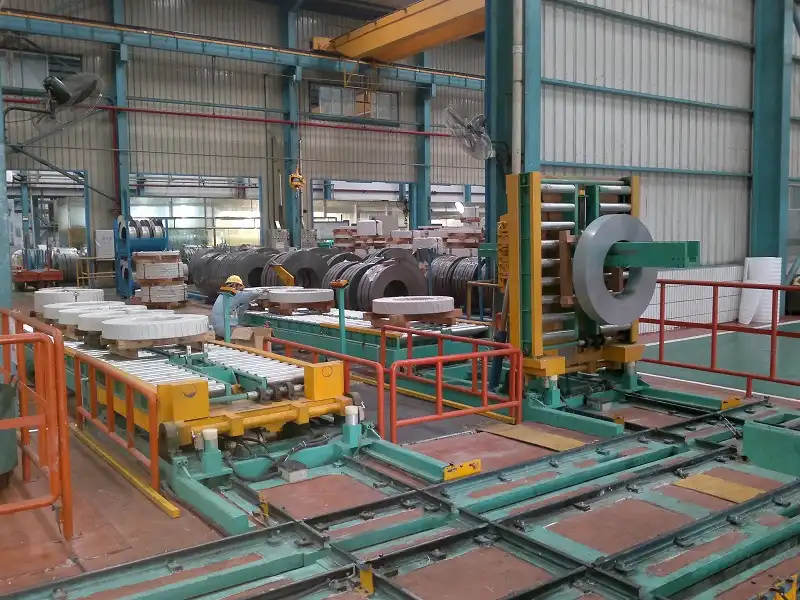
You might be thinking, “My factory works fine.” Or, “Changing things is too hard.” I understand these thoughts. I have been in the packing machine industry for a long time. I have seen many factories grow. I have also seen some struggle. The truth is, waiting to upgrade can cost you more in the long run. Let’s look closer at the specific problems. Then, we will see how modern solutions can help. Keep reading to learn how you can make your factory better.
Is Your Old Packing Line Holding Back Russia’s Steel Output?
Do you feel stuck with slow production? Do your steel coils pile up, waiting for packing? This is a common problem in many factories. Old packing methods rely on too much manual work. This makes the whole process slow. It creates bottlenecks at the end of the production line. When packing is slow, your whole factory slows down. This means you make less product. It also means you deliver orders late. This can frustrate customers. It can also make you lose new business.
Old packing methods are indeed holding back Russia’s steel output. These methods are slow. They create bottlenecks. They stop factories from making more products. They also make it hard to ship products on time. Modern packing lines solve these problems directly. They speed up the process. This means more steel coils get packed faster. So, factories can produce more. They can meet demand quickly. This helps businesses grow.

The High Cost of Manual Packing
Manual packing might seem cheap at first. You just pay workers. But it has many hidden costs.
Labor Dependency and Speed Limits
- Reliance on people: Manual packing needs many workers. If someone is sick, the work stops.
- Human limits: People can only work so fast. Machines work much faster. They do not get tired. This means your output is limited by human speed.
- Training needs: You need to train new workers often. This costs time and money.
Bottlenecks at the End
- Production delays: If packing is slow, finished coils wait. This causes a pile-up.
- Missed deadlines: Late packing means late shipments. This can upset your customers. They might go to a competitor.
- Reduced capacity: You cannot make more products if you cannot pack them. Your factory runs below its true potential.
Inconsistent Quality
- Human error: People make mistakes. They might pack things unevenly. This can lead to loose packing.
- Product damage: Manual handling can cause dents or scratches. This happens more often with heavy steel coils.
- Customer complaints: Damaged products mean unhappy customers. This hurts your reputation. It also costs money to fix or replace.
How Automation Fixes Production Flow
Automation changes everything. It makes the packing process fast and smooth.
Boosting Throughput
- High speed: Machines can wrap coils much faster than humans. They work continuously.
- Consistent output: Machines keep the same speed all the time. This means stable production.
- Reduced bottlenecks: Automated lines clear coils quickly. They keep the main production flowing.
Improving Production Planning
- Predictable cycles: You know how long each coil will take to pack. This makes planning easier.
- Better resource use: You can use your resources more efficiently. You know how much time each step needs.
- Flexible operations: Some machines can handle different coil sizes. This adds flexibility to your line.
Investment in Future Growth
- Scalability: As your business grows, automated lines can handle more volume. You can add more machines if needed.
- Competitive edge: Fast packing helps you deliver faster. This gives you an edge over rivals.
- Long-term savings: The initial cost of automation pays off over time. You save on labor. You save on repairs from damage.
Look at how manual vs. automated packing compares:
| Feature | Manual Packing | Automated Packing |
|---|---|---|
| Speed | Slow, limited by human pace | Fast, consistent, high throughput |
| Labor Needs | High, many workers needed | Low, few operators needed |
| Consistency | Varies, prone to human error | High, uniform results |
| Safety | High risk of injury | Low risk, machines do heavy lifting |
| Product Damage | Frequent, due to handling | Minimal, precise handling |
| Cost (Long-term) | High (labor, injuries, damage) | Lower (after initial investment) |
| Scalability | Difficult to increase output | Easy to scale production |
| Data Tracking | Manual, prone to errors | Automated, precise data collection |
Automation is not just about speed. It is about making your whole factory more efficient. It is about being ready for future demands. This is why it matters so much for Russia’s steel coil industry.
Why Are Manual Packing Methods Still a Safety Risk in Russian Factories?
Are you worried about your workers getting hurt? Do you see high insurance costs from accidents? Manual handling of heavy steel coils is very dangerous. Workers can get crushed. They can strain their backs. They can suffer other serious injuries. These accidents are not just bad for the workers. They also hurt your business. You lose trained staff. You pay more for insurance. Your production slows down when workers are off. This is a big problem in many factories, including those in Russia.
Manual packing methods are still a major safety risk in Russian factories. Workers lift and move very heavy steel coils. This often leads to severe injuries. These injuries include crushed limbs, back strains, and falls. Such accidents cause pain for workers. They also increase costs for factories. Insurance claims go up. Worker turnover increases. Production slows down. Automated systems eliminate these dangers. They use machines to handle heavy lifting. This keeps workers safe.

The Human and Financial Costs of Injuries
Factory injuries have many costs. Some are obvious, some are hidden.
Direct Costs of Accidents
- Medical bills: Injured workers need doctors and hospitals. These bills are expensive.
- Lost wages: Workers cannot work when they are hurt. You might have to pay their wages for a time.
- Insurance hikes: More accidents mean your insurance premiums go up. This is a direct drain on your budget.
- Legal fees: Sometimes, injured workers might sue the company. This adds big legal costs.
Indirect Costs and Disruptions
- Production loss: When an accident happens, work stops. Other workers might be distracted. This slows down the whole line.
- Lower morale: Accidents make other workers scared. Morale goes down. This can affect teamwork and productivity.
- Staff turnover: Workers might leave if they feel unsafe. You then need to hire and train new people. This is expensive and takes time.
- Damage to reputation: A factory with many accidents gets a bad name. This can make it hard to find good workers. It can also hurt your business image.
The Specific Dangers of Coil Handling
- Weight: Steel coils are extremely heavy. Even small coils can weigh hundreds of kilograms.
- Shape: Their round shape makes them hard to grip. They can roll unexpectedly.
- Crushing hazard: If a coil moves or falls, it can crush a worker. This can lead to very serious injuries or death.
- Repetitive strain: Even small repeated movements can cause long-term injuries. Workers might twist, bend, and lift many times a day.
How Automation Creates a Safer Workplace
Automated packing lines remove workers from dangerous situations. They make factories much safer.
Eliminating Manual Lifting
- Robotic arms: Machines use strong arms to lift and move coils. Humans do not touch the heavy parts.
- Conveyor systems: Coils move automatically on conveyors. No need for manual pushing or pulling.
- Wrapper machines: The machine wraps the coil. Workers just oversee the process. They are out of harm’s way.
Reducing Human Error
- Consistent operation: Machines follow programmed steps. They do not get tired or distracted. This lowers error rates.
- Controlled environment: The packing area becomes more controlled. There are fewer unexpected movements.
- Fewer workers in danger zones: With automation, fewer people are near moving parts. This naturally reduces risks.
Investing in Employee Well-being
- Healthier workforce: Less strain means fewer injuries. Workers are healthier and happier.
- Higher morale: Workers feel safer and more valued. This leads to better work quality.
- Lower insurance costs: Fewer accidents mean lower premiums over time. This saves your factory money.
- Better talent retention: People want to work in safe places. You keep your best employees.
Consider the safety improvements with automated systems:
| Safety Aspect | Manual Packing | Automated Packing |
|---|---|---|
| Heavy Lifting | High risk of strain, crush injuries | Eliminated, machines handle all weight |
| Repetitive Motion | High risk of long-term muscle/joint issues | Minimized, workers supervise, not perform |
| Worker Exposure | Direct contact with moving coils and machinery | Limited, workers at safe distance |
| Accident Frequency | Higher, due to human error and physical limits | Much lower, due to precise machine control |
| Insurance Premiums | Often higher due to claims | Potentially lower over time due to fewer claims |
| Worker Morale | Can be low due to perceived risks | Higher, due to safer work environment |
When I started my packing machine factory, safety was always a top priority. I saw firsthand the dangers in the industry. This is why I believe so strongly in automated solutions. They are not just about making more money. They are about protecting people. They are about building a sustainable and responsible business. Investing in safety is always the right choice.
Are Damaged Steel Coils Costing Russian Manufacturers Too Much?
Do you often deal with damaged products? Do your steel coils get scratched or dented during packing or transport? This is a big problem for many factories. When products are damaged, you lose money. You might have to scrap the coil. Or, you might have to sell it at a lower price. Damaged products also upset customers. They might complain. They might even refuse the shipment. This hurts your reputation. It also means less profit for your factory. This is a common issue in Russia and beyond.
Damaged steel coils are indeed costing Russian manufacturers too much. Poor handling during manual packing often leads to scratches, dents, or edge damage. This means financial losses. Factories must rework or scrap the damaged coils. Customers also receive poor quality goods. This causes complaints and hurts the factory’s good name. Automated packing lines prevent this damage. They handle coils gently and precisely. This protects product quality. It saves money and keeps customers happy.
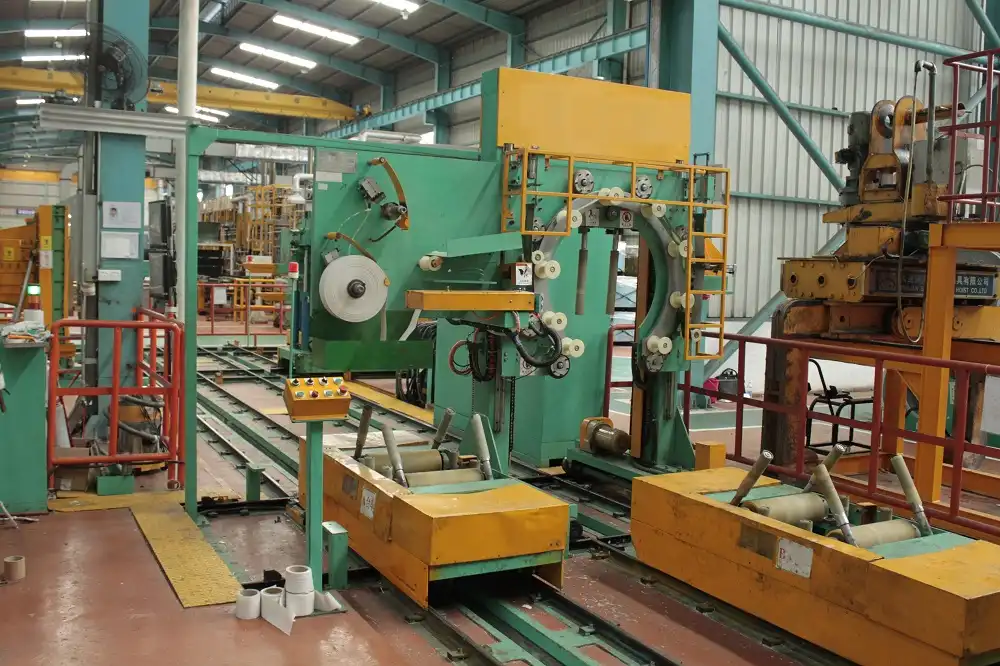
How Damage Happens and Its Impact
Product damage is not just bad luck. It often comes from how things are handled.
Sources of Damage in Manual Systems
- Rough handling: Workers might drop coils. They might bump them against things. This causes dents and scratches.
- Improper wrapping: If the wrapping is not tight or even, the coil can move inside. This leads to friction and damage. The edges are very sensitive.
- Inadequate protection: Manual methods might not use enough protective layers. Or, the layers might not be applied correctly. This leaves the product exposed.
- Storage issues: If coils are stacked poorly after manual packing, they can get damaged there too. They might shift or fall.
The Ripple Effect of Product Loss
- Direct financial loss: Every damaged coil means lost revenue. You paid for the steel and the work. Now it is worth less or nothing.
- Rework costs: You might spend more money trying to fix damaged coils. This means more labor and materials.
- Customer dissatisfaction: No one wants to receive damaged goods. Unhappy customers might not order from you again. They might also tell others about their bad experience.
- Reputation damage: A factory known for sending damaged products loses trust. This makes it harder to attract new clients. It also makes it harder to keep old ones.
- Warranty claims: If damage is found later, you might have to pay for returns or replacements. This adds to your costs.
How Automated Lines Ensure Product Integrity
Modern packing machines are designed to protect your product from start to finish.
Gentle Handling Mechanisms
- Precision movement: Machines use clamps and conveyors that move coils smoothly. They avoid sudden drops or jolts.
- Controlled wrapping: The wrapping material is applied with exact tension. It covers the coil evenly. This creates a secure, protective layer.
- Integrated systems: Automated lines often include devices that center coils. They make sure they are positioned perfectly before wrapping. This prevents edge damage.
Superior Protection
- Consistent application: Every coil gets the same high level of protection. The machine does not skip steps.
- Optimal material usage: Machines can apply the right amount of film or paper. This protects the coil without wasting material.
- Weather resistance: Many automated systems can apply waterproof or rust-preventative layers. This protects coils during shipping and storage.
Increased Customer Satisfaction and Profit
- Higher quality deliveries: Customers receive coils in perfect condition. They are happy with your product.
- Fewer complaints: You deal with fewer complaints and returns. This saves time and money.
- Stronger reputation: Your factory becomes known for quality and reliability. This helps you get more business.
- Better profit margins: Less waste and fewer repairs mean more money in your pocket. Your investment pays off faster.
Here is how automated packing improves product quality:
| Aspect | Manual Packing | Automated Packing |
|---|---|---|
| Handling Method | Hands-on, prone to bumps and drops | Gentle, precise, machine-controlled |
| Wrapping Quality | Inconsistent tension, uneven coverage | Uniform, tight, secure, consistent |
| Edge Protection | Often poor, vulnerable to impact | Targeted, protective layers applied |
| Damage Rate | High, frequent scratches, dents, deformities | Low, minimal product damage |
| Customer Returns | More frequent due to quality issues | Fewer, leading to higher satisfaction |
| Material Waste | Can be high due to errors or over-wrapping | Optimized, precise use of wrapping material |
I have seen many clients reduce their damage rates dramatically after installing our machines. One client told me they cut their damage-related costs by over 70% in the first year. This is a huge win for any factory. It shows that investing in better packing is not just an expense. It is a way to protect your product and your profit.
How Can Russian Factories Find a Trustworthy Partner for Packing Solutions?
Have you worked with equipment suppliers who only care about the sale? Do they promise a lot but deliver little after-sales support? This is a common and frustrating problem. Finding a good partner for packing solutions is hard. You need someone who understands your real problems. You need someone who offers good solutions. You also need someone who will be there for you after the sale. Without trust, any investment feels risky. Many Russian factories face this challenge when looking for new equipment.
Russian factories can find a trustworthy partner for packing solutions by looking for specific qualities. They need a supplier who understands their production challenges deeply. This means someone who focuses on solving problems, not just selling machines. A good partner offers strong after-sales support and reliable service. They also have a proven track record. This builds confidence. They show commitment to long-term success. This is much better than suppliers who disappear after the sale.
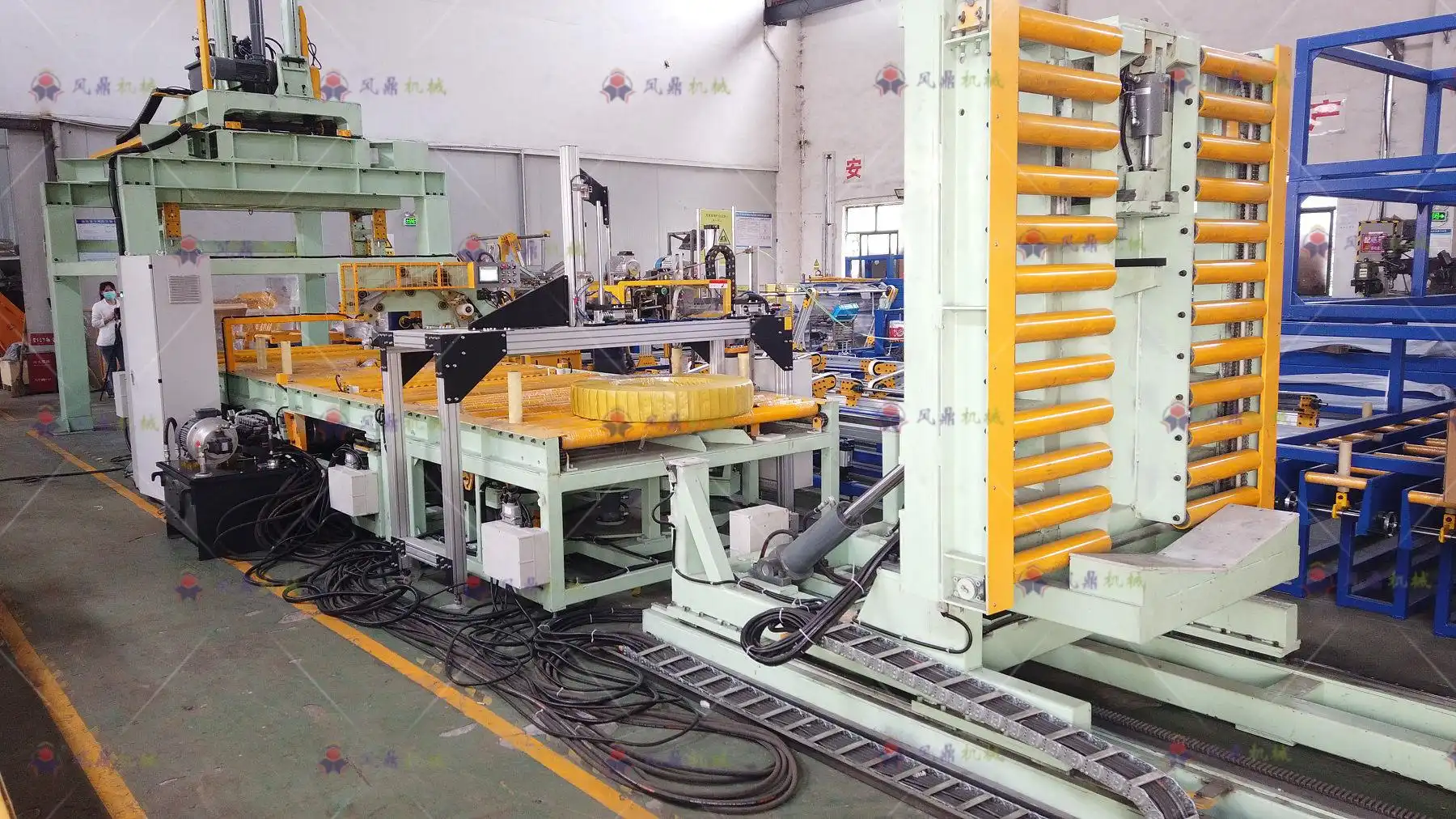
The Problem with Untrustworthy Suppliers
Bad supplier experiences can make you hesitant to invest.
Promises vs. Reality
- Exaggerated claims: Some suppliers promise amazing results. But their machines do not deliver.
- Lack of transparency: They might hide costs. Or they might not tell you about potential issues.
- Misleading information: You might get wrong data about machine performance or maintenance.
Poor After-Sales Support
- No help after sale: Once you buy, they disappear. You cannot get help with installation or training.
- Slow or no repairs: If a machine breaks down, getting parts or service is difficult. This causes long downtime.
- Lack of spare parts: They might not stock necessary parts. This means more delays.
- No expert advice: You need ongoing support. A bad supplier offers none.
Financial Risk
- Wasted investment: If a machine does not work well, your money is wasted.
- Lost production: Machine downtime costs you money every hour.
- Unexpected costs: Hidden fees or expensive repairs add up.
Finding a Partner Like FHOPEPACK
I founded FHOPEPACK because I saw these problems. I started as an employee in a packing machine factory. Then, I built my own successful factory. I know the packing industry inside out. I understand the pain points of factory managers like you. My goal with FHOPEPACK is to share knowledge and help others succeed. I want to be a true partner.
What Makes a Trustworthy Partner?
-
Deep Industry Knowledge:
- Real-world experience: A good partner has worked in the industry. They know the challenges you face. They have seen problems and solved them.
- Understanding your needs: They ask about your production bottlenecks. They ask about your safety concerns. They understand your product damage issues.
- Tailored solutions: They do not just sell a standard machine. They offer solutions that fit your factory’s specific needs.
-
Strong After-Sales Support:
- Installation and training: They help you set up the machine. They train your team to use it well.
- Quick response for repairs: If something breaks, they respond fast. They help you get back online quickly.
- Availability of spare parts: They keep common parts ready. This reduces downtime.
- Ongoing technical support: They are there to answer questions. They help you get the most from your investment.
-
Focus on Your ROI:
- Clear benefits: They show you how their machine will save you money. They show how it will increase your profit. This is called Return on Investment (ROI).
- Long-term value: They are not just selling a machine. They are selling a long-term solution. They want your business to grow.
- Proven track record: They can show you examples of other clients they have helped. This builds confidence.
My Personal Commitment (You can replace this with your story later)
I, Randal Liu, have walked in your shoes. I started on the factory floor. I built my business from the ground up. The coil packing and steel wire packing industry helped me achieve financial independence. Now, I want to give back. I want to share my expertise. I want to help you grow your business. FHOPEPACK is more than just a company selling machines. It is a platform for sharing what I have learned. I believe in partnership. I believe in honest advice. I believe in helping you succeed.
| Trustworthy Partner Qualities | Untrustworthy Supplier Qualities |
|---|---|
| Deep industry understanding | Superficial product knowledge |
| Problem-solving focus | Sales-driven, product-pushing |
| Strong after-sales support | Little to no post-sale assistance |
| Transparent communication | Hidden costs, misleading info |
| Commitment to long-term ROI | Focus on quick, one-time sales |
| Proven track record | Vague claims, no clear examples |
| Ready spare parts | Difficulty with parts sourcing |
| Personalized solutions | One-size-fits-all approach |
Choosing a packing machine supplier is a big decision. Do not just look at the machine. Look at the company behind it. Look at their values. Look at their commitment to your success. A true partner will help you navigate challenges. They will ensure your investment works for you.
Conclusion
Modern packing lines are essential for Russia’s steel coil industry. They boost speed, improve safety, reduce damage, and build trust. Investing in these solutions helps factories become stronger, more efficient, and more profitable.








