
How to Choose a Steel Coil Packing Line That Survives Russia’s Harsh Conditions?
Are you running a busy metal processing plant in Russia? Do you feel the constant pressure of production quotas, cost control, and safety rules? I know the pain. Every breakdown in the harsh climate, every slow process, every safety incident cuts into your profits and wastes precious time. Your current packing process, with all its manual handling, might be your biggest bottleneck. You need equipment that stands up to tough environments, not just another machine. You need a partner who understands your unique challenges. I am here to share what I learned from years in this industry.
Choosing a steel coil packing line for Russia’s harsh conditions means focusing on three key areas: unmatched durability, smart automation for safety, and a clear return on investment. The best systems are built tough to withstand extreme temperatures, reduce manual labor risks, and deliver measurable savings.
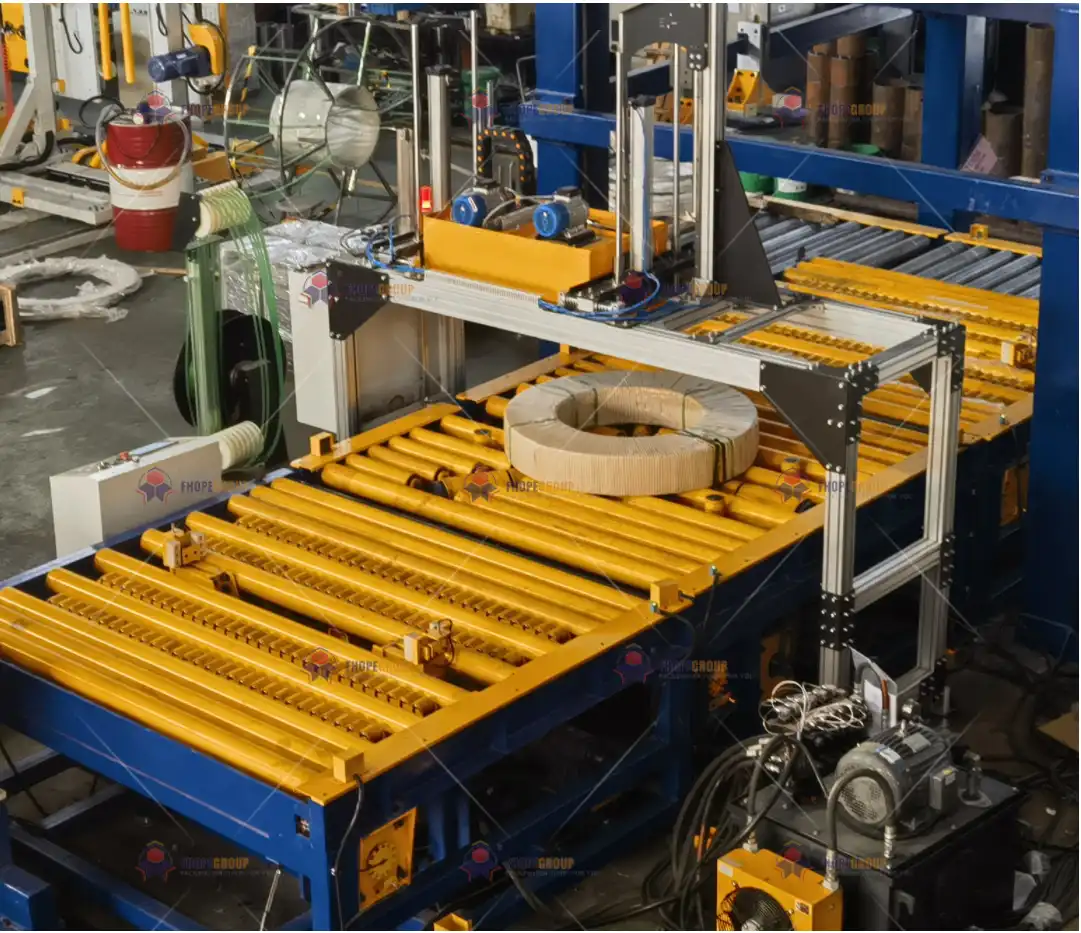
If these problems sound familiar, you are not alone. Many factory managers face the same issues Mikhail Ivanov faces. He oversees complex operations, and every decision about new equipment is critical. This guide will walk you through the essential steps I would take if I were in his shoes.
Why Is Your Current Coil Packing Process Holding You Back?
Is your steel coil and wire packing process a major bottleneck in your production? Manual handling slows everything down, causes damage to your valuable products, and puts your workers at serious risk. These issues directly impact your delivery times across
‘s vast territory, customer satisfaction, and even your insurance costs. There is a better way to move your products efficiently and safely.
Current manual steel coil and wire packing often causes low efficiency, high safety risks from heavy lifting, and product damage during handling. These problems lead to lost profits and dissatisfied customers.
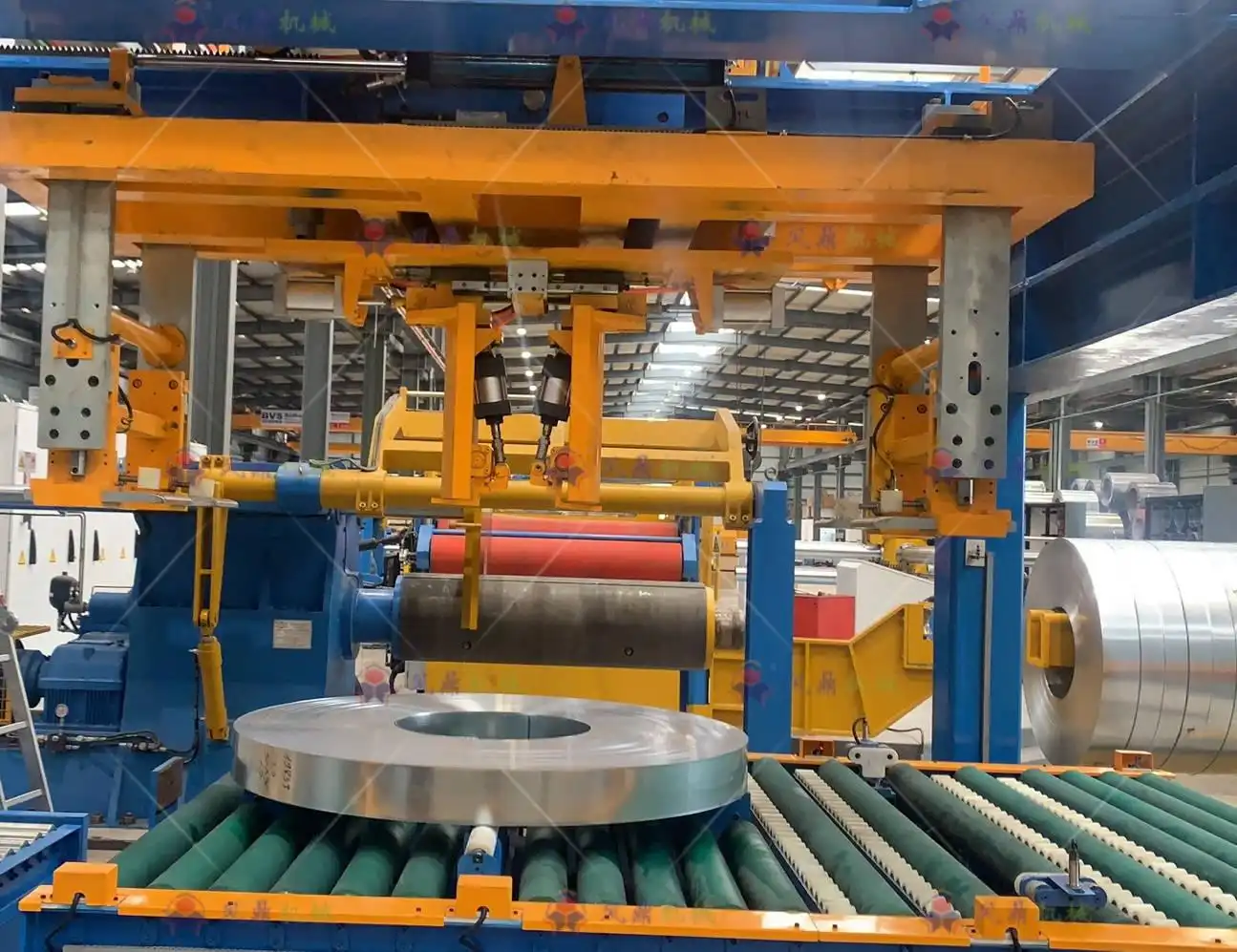
The Hidden Costs of Manual Labor
When I started as an employee at a packing machine factory, I saw firsthand how much manual labor was involved in many operations. It often looked simple, but it was not. Manual coil packing relies on a lot of human effort. This makes the whole process very slow. Workers have to move heavy steel coils by hand or use basic tools. This takes time, and every minute counts in a busy factory. Slow packing means your products are not ready for shipment on time. This can delay your entire production line, a critical issue when logistics across Russia are already time-consuming. It affects how quickly you can deliver to your customers. When you are slow, you might lose orders. You might get complaints from clients who need their products fast. This directly hits your bottom line. It is not just about the speed of packing; it is about the speed of your whole business. This bottleneck at the end of the line can stop everything else from moving forward.
Protecting Your Workers and Your Bottom Line
Safety is a huge concern when workers handle heavy steel coils and wire. My own journey in the packing industry taught me that you must protect your team. Moving heavy objects, especially coils, creates a high risk of injury. Workers can strain their backs. They can drop heavy items on their feet. They can get crushed if something falls. These injuries are not just bad for your employees; they are bad for your business, especially in remote industrial cities where skilled labor is invaluable. When a worker gets hurt, you face higher insurance costs. You might pay for workers’ compensation. You also lose skilled labor, which means you have to train new people. This increases your operational costs. A high injury rate can also make employees leave. This creates a cycle of constant hiring and training. It makes your workforce less stable. A safer workplace means happier employees. It also means lower costs and better productivity for your factory.
When Your Product Gets Damaged: More Than Just a Scratch
Product damage is another big problem with manual packing. Steel coils and wire are valuable. They can easily get damaged during handling. Imagine a coil edge getting bent or scratched when it is moved manually. This happens often. During internal transfers or final packing, small bumps or drops can ruin a product. When a product is damaged, you cannot sell it at full price. Sometimes, you cannot sell it at all. This means direct financial loss. Customers also get upset when they receive damaged goods, especially after a long journey to another part of Russia. They might send the product back. They might ask for a refund. This leads to customer complaints and hurts your factory’s reputation. Damaged products mean lost profit. They also mean time spent on rework or dealing with unhappy customers. It is a costly issue that goes beyond just the physical damage itself.
What Makes a Steel Coil Packing Line Truly Durable and Reliable for Russia?
Are you tired of equipment that breaks down under pressure, especially during a Russian winter? Do you question if a new machine can truly withstand the demanding environment of your factory? Unreliable equipment causes costly downtime, missed deadlines, and endless frustration. You need machinery that is built to last, especially when dealing with heavy materials day in and day out. I have seen what works and what fails. The right packing line is an investment in continuous operation.
A durable and reliable steel coil packing line has a robust mechanical structure using steel resistant to cold embrittlement, high-quality components rated for extreme temperatures, and advanced control systems for stable performance. It must handle heavy loads and continuous operation without fail.
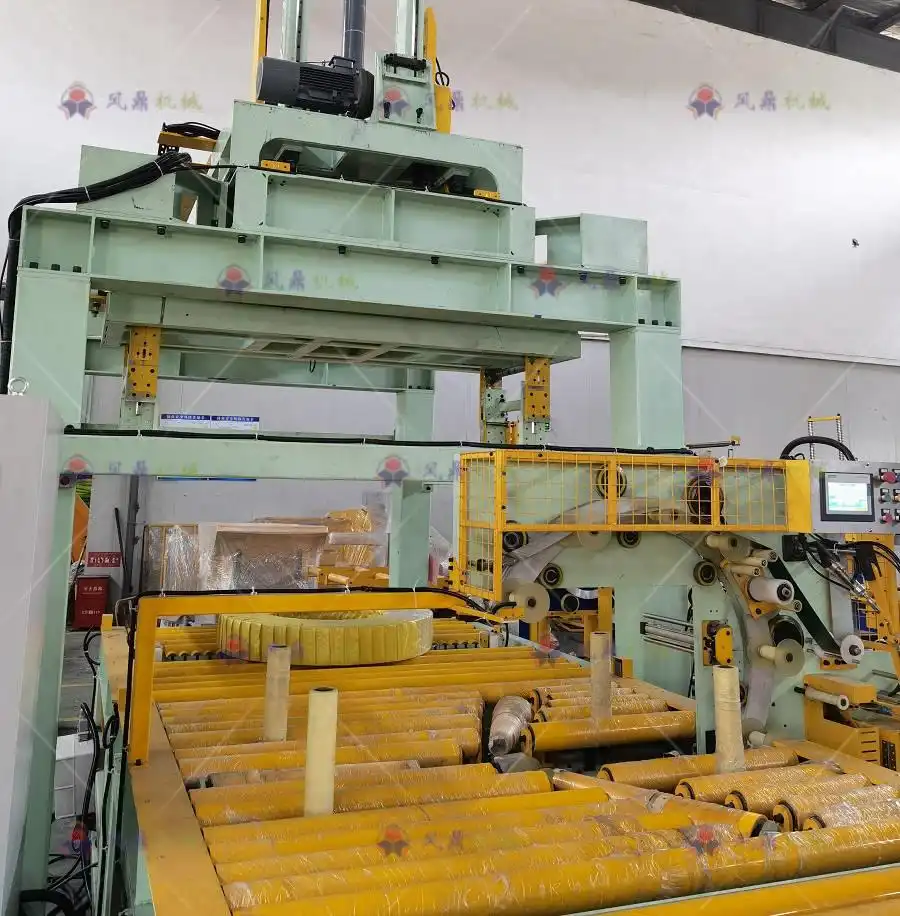
Built Like a Tank: Structural Integrity
From my earliest days working in a packing machine factory, I learned a simple truth: if a machine is not built strong, it will fail. A truly durable steel coil packing line must have a robust mechanical structure. This means using heavy-duty steel for the frame, specifically grades that resist becoming brittle in extreme cold. The frame must be thick and welded properly. It needs to handle the extreme weight of steel coils without bending or cracking. Think about the stress on the machine when it moves a coil weighing several tons. Weak frames or poor welding will lead to breakdowns very quickly, especially under thermal stress. You need a design that provides maximum stability. It should resist vibrations and impacts. The machine must be able to work continuously, day after day, in a busy factory environment. This solid build quality is the foundation of reliability. Without it, no matter how good other parts are, the machine will not last a Russian winter.
The Guts of the Machine: Quality Components
A machine is only as good as its parts. This is a lesson I learned through experience. I remember one machine failing early in my career because a small, cheap part broke. This taught me the importance of quality. A reliable packing line uses high-quality components. This includes industrial-grade bearings, motors, hydraulic systems, and electrical parts from reputable brands like Siemens or Schneider, which are trusted in Russian industry. These components must be rated to withstand continuous operation in extreme temperatures. This means hydraulic fluids that don’t thicken in the cold and electronics shielded from condensation. If a critical component fails in a remote Siberian plant, your entire production line stops. This costs you money and time. Investing in top-tier, temperature-rated components upfront prevents expensive repairs and downtime later on. It is a smart choice for long-term operational success.
Designed for the Real World: Durability in Practice
Designing for durability also means thinking about the real factory environment in Russia. This is something I always focused on when I established my own packing machine factory. Factories can be dusty. They can have huge temperature variations. They might have moisture and condensation. A durable machine must be built to resist these conditions. Its electrical cabinets should be sealed. Moving parts should be protected. The design should also make maintenance easy, as finding a specialized technician in a remote industrial town can be a challenge. Fewer wear parts mean less replacement. A modular design allows for faster repairs if something does go wrong. A machine that is easy to maintain will stay running longer. It will perform better over time. This kind of thoughtful design makes the machine reliable. It makes it a lasting asset for your factory. It means less time troubleshooting and more time producing.
How Can Automation Deliver Real ROI for Your Factory?
Are you looking for ways to cut costs and boost your factory’s overall profit? Manual processes are not just slow; they are expensive. High labor costs, product damage, and frequent safety incidents eat into your margins. You need a clear way to see how an investment will pay off. Automation is not just about fancy robots; it’s about smart investments that bring tangible financial returns in the Russian economic context.
Automation in steel coil packing delivers real ROI by significantly reducing labor costs, minimizing product damage, and improving overall production efficiency. It provides measurable financial benefits through increased output and lower operational expenses.
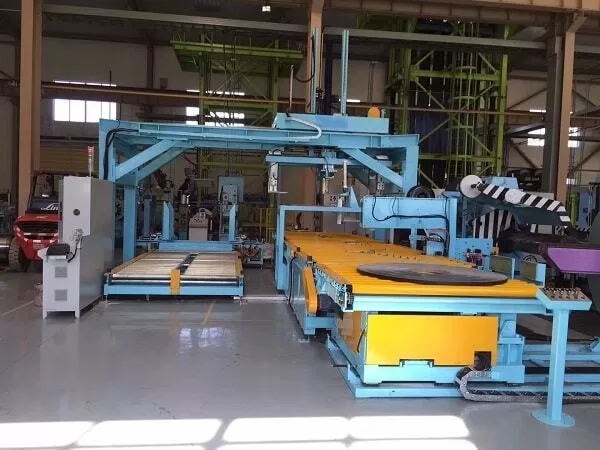
The Math of Automation: Counting Your Savings
When I advise clients, we always look at the numbers. Automation significantly reduces your reliance on manual labor. This directly cuts down on your labor costs. You will need fewer workers for packing tasks. You can reallocate some of your skilled staff to other, more valuable parts of your operation. This means you are not just saving on wages; you are also using your human resources more effectively. Beyond direct wages, automation eliminates many hidden costs associated with manual labor. Think about overtime pay during peak periods. Think about the costs of training new staff when turnover is high. Automated systems work consistently. They do not get tired. They do not need breaks. This leads to higher throughput. Your factory can pack more coils in less time. This means you produce more goods daily or monthly. Higher output means higher sales potential. It directly boosts your factory’s overall revenue.
From Damage to Delivery: Protecting Your Products
One of the biggest financial drains in manual packing is product damage. I have seen countless times how a slight mishandling can turn a valuable steel coil into scrap. Automated packing systems handle products with precision. They use consistent movements. They are designed to minimize impacts or drops. This significantly reduces the chance of damaging your steel coils or wire during packing and transfer. When you reduce damage, you reduce waste. You have fewer products that need rework. You get fewer customer complaints, which is critical when goods have traveled thousands of kilometers to reach their destination. This leads to higher customer satisfaction. It also means you sell more of what you produce at full price. Protecting your product directly protects your profit margins. It is a clear and measurable saving that adds up quickly.
Beyond Labor: The Ripple Effect of Efficiency
The benefits of automation go beyond just labor savings and reduced damage. Improved safety also translates into financial gains. When you minimize manual handling of heavy objects, you drastically reduce the risk of workplace injuries. Fewer injuries mean lower insurance premiums. You will have fewer worker compensation claims. This directly impacts your operating costs. Furthermore, automated systems are often more energy-efficient than manual processes. Modern designs can optimize power consumption. This leads to lower utility bills. The overall efficiency gain from automation creates a ripple effect throughout your factory. It improves production flow. It reduces bottlenecks. It makes your entire operation smoother and more reliable, regardless of the harsh weather outside. This comprehensive improvement in efficiency directly increases your factory’s profitability. It provides a strong return on your investment in automated equipment.
Why Partnering with the Right Expert Matters More Than Just Buying a Machine?
Have you had bad experiences with equipment suppliers who disappear after the sale? Many vendors just want to sell you a machine. They do not understand your unique production challenges, your safety concerns in a harsh environment, or your efficiency goals. This often leads to regret and wasted investment. You need a true partner, someone who brings deep industry knowledge and a proven track record of supporting clients in Russia.
Partnering with the right expert for a steel coil packing line means gaining a deep understanding of your operational challenges, ensuring tailored solutions, and receiving reliable after-sales support that can reach you. This relationship goes beyond a simple transaction and builds long-term success.

Beyond the Brochure: Understanding Your Unique Needs
When I first started FHOPEPACK, my goal was always to share knowledge, not just sell machines. Many suppliers just give you a brochure and expect you to pick. A true partner does not do that. They listen to you. They ask about your specific production bottlenecks. They want to know about your safety issues. They care about your long-term growth goals. Every factory in Russia is different. A plant in Norilsk has different challenges than one in Lipetsk. A good partner takes the time to understand your unique operation. They do not just push their standard products. They look for ways to tailor solutions. This could mean customizing a machine or designing a new part to cope with specific local conditions. This deep understanding ensures that the equipment you get truly solves your problems. It means your investment is meaningful. It is not just another piece of machinery in your plant.
The Lifeline of Production: Reliable After-Sales Support in Russia
I know from building my own packing machine factory how critical after-sales support is. It is the lifeline of your production. A supplier who is great at selling but terrible at supporting is a disaster, especially in a country as vast as Russia. They disappear once the payment clears, leaving you stranded when problems arise. A reliable partner offers comprehensive after-sales support. This includes proper installation and thorough training for your staff. Crucially, it means they have a plan for Russia. This includes timely maintenance services, a strategy for getting spare parts to you quickly despite logistics and customs, and robust remote troubleshooting capabilities. This ongoing support prevents costly downtime. It keeps your production running smoothly. It builds trust, which is the foundation of any long-term business relationship.
From Vendor to Partner: Building Trust
My journey in the packing machine industry, from an employee to a factory owner, taught me a lot about trust. I saw many clients struggle because they picked the wrong supplier. I wanted to be different. A true partner is not just a vendor; they are someone you can rely on. They share their expertise. They offer professional insights and help you make informed decisions. They understand the Russian business culture. This kind of partnership ensures that your investment in equipment provides real solutions and drives business growth. It means you work with someone who understands your challenges because they have faced similar ones. This relationship goes beyond a single purchase. It is about building success together. It is about having an expert by your side who is genuinely committed to your operational excellence.
My Insights!
So, what does it truly take to get this right? You have seen the challenges and the potential solutions. But how do you put it all together to make a wise decision for your factory? Based on my years building and running packing machine factories, I want to share a final piece of advice that ties everything together.
My key insight is that choosing a steel coil packing line is not just a purchase; it is a strategic investment in your factory’s future. Focus on long-term value, comprehensive support for the Russian market, and a supplier’s genuine commitment to your success, not just the price tag.
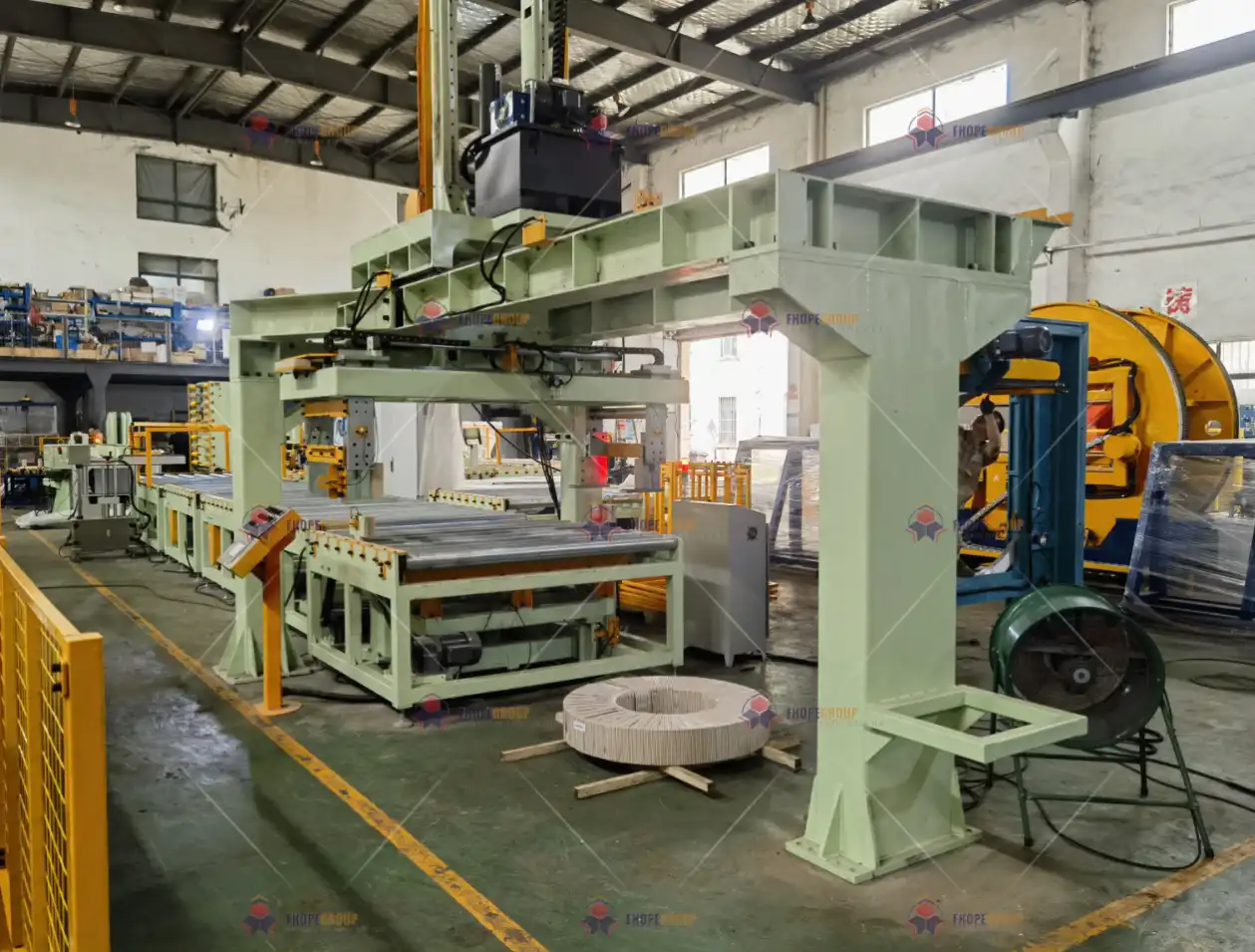
The Long Game: Investing in Your Future
From my experience in the packing machine industry, starting from the ground up and eventually running my own successful factory, I learned that short-term thinking often leads to long-term problems. Choosing a steel coil packing line is not just about today’s needs. It is about your factory’s future. You must think about the long game. This means looking beyond the initial price tag. A cheaper machine might seem attractive at first. However, a machine that fails in its first Russian winter is a catastrophic mistake. It often comes with hidden costs later on, like frequent breakdowns, expensive repairs, and low productivity. A true investment means buying equipment that is proven to perform reliably for many years in climates like yours. It means choosing a solution that can adapt as your business grows. This kind of strategic thinking helps you build a strong and resilient operation. It prevents you from having to replace equipment too soon.
Beyond the Spec Sheet: What Really Matters
When you are selecting new equipment, it is easy to get lost in the technical specifications. Horsepower, speed, and dimensions are important, yes. But they do not tell the whole story. What truly matters is how the machine will fit into your overall operation and withstand your environment. How will it improve your daily workflow? Will it function reliably at -30°C? How will it impact your safety records? How will its support network reach your plant? These are the real questions. As someone who has built and operated factories, I understand that the true value of a machine is in its ability to solve your specific problems. It is about minimizing downtime, keeping your workers safe, and ensuring your products reach customers in perfect condition. Do not just look at what the machine does. Look at what it enables your factory to achieve.
My Commitment to Your Success
I am very grateful for the opportunities the coil packing and steel wire packing industry has given me. It allowed me to achieve financial independence and help many clients grow their businesses. Now, through FHOPEPACK, my mission is to give back. I want to share my expertise and insights to help others, including those in the robust Russian metallurgical sector, succeed. When you choose a packing solution, you are not just buying metal and wires. You are buying peace of mind. You are buying efficiency. You are buying safety. My commitment is to ensure you get all of these. I believe in empowering factory owners and managers with the knowledge they need to make the best decisions. The right equipment, supported by the right partner, can truly transform your operations. It can lead you towards greater success and financial independence, just as it did for me.
Conclusion
Choosing the right steel coil packing line transforms your factory. Prioritize durability designed for cold climates, safety, and ROI, and partner with experts who truly understand your operational needs in Russia.








