
Pallet Inverter Uruguay: How Can Modern Machines Reduce Manual Labor and Improve Workplace Safety?
In the world of logistics and warehousing, few challenges are as pressing as the constant need for efficiency and safety. I have seen firsthand how manual pallet handling can slow down operations, lead to costly errors, and put workers at serious risk. Businesses in places like Uruguay are feeling this pressure more than ever as global trade demands speed and precision. The old ways of moving goods are simply not enough anymore.
Modern pallet inverters are transformative for warehouse operations. They automate the heavy and complex task of transferring goods between different pallet types or replacing damaged ones. This automation directly eliminates the need for manual lifting and repetitive strain, preventing accidents and streamlining the entire material handling process. The result is a much safer, more efficient, and more compliant working environment for businesses in Uruguay and beyond.

The shift towards automated solutions is not just a trend; it is a necessity. If you are a warehouse manager or supply chain head grappling with these issues, you know the stakes are high. Let us dive into how these intelligent machines are changing the game for businesses and their teams. We will explore the challenges and the real-world solutions that modern pallet inverters offer.
Why is Pallet Switching a Growing Challenge for Businesses in Uruguay?
Are your warehouse operations often slowed down by the complex process of changing pallets? Many companies, especially those dealing with international trade in Uruguay, face this exact problem. The need to frequently switch between different pallet types can cause bottlenecks, increase labor costs, and introduce significant safety hazards. It is a critical pain point that demands a modern solution.
Businesses in Uruguay face increasing pressure from diverse international shipping standards. This leads to frequent and complex pallet changes that strain labor resources, elevate operational costs, and introduce significant safety risks for personnel. The demand for faster turnaround times from customers further exacerbates these challenges, making efficient pallet switching a major operational hurdle.
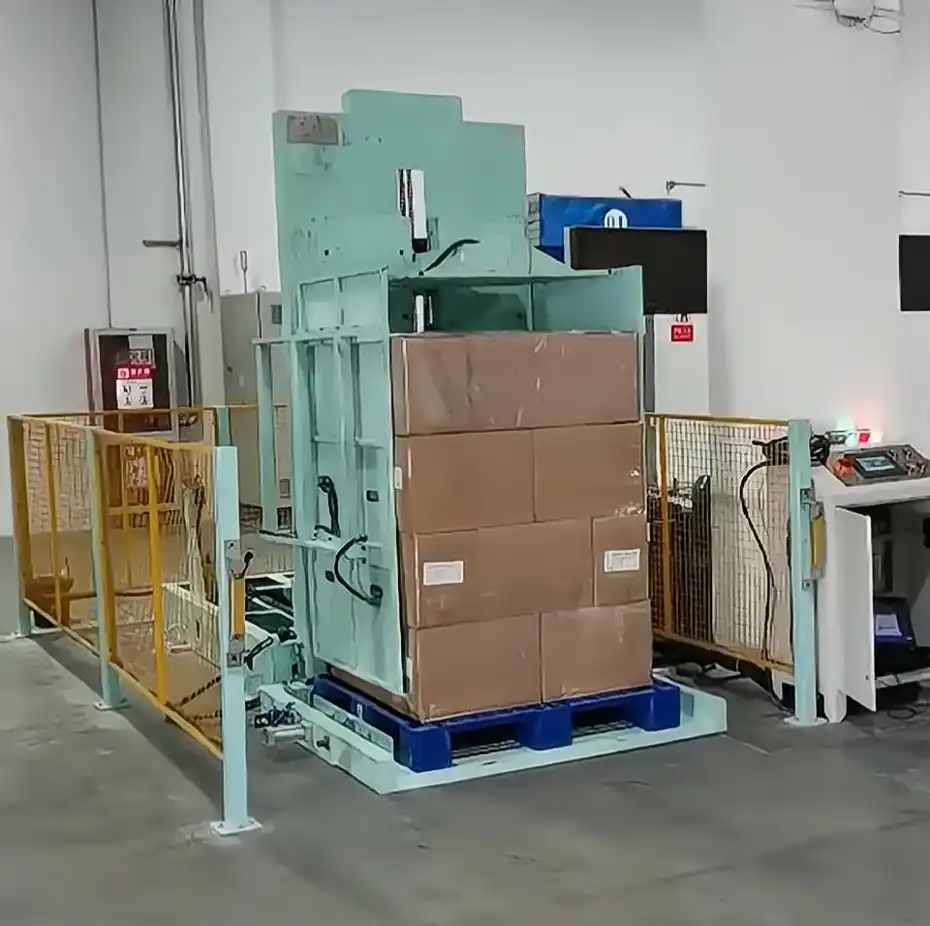
From my experience in the packing machine industry, I have seen how global logistics complicate local operations. For businesses in Uruguay, dealing with both Mercosur trade and overseas exports means handling a mix of European standard pallets, American standard pallets, and various plastic or hygiene-specific pallets. Each requires precise handling. This constant variation presents several key challenges that impact efficiency and safety.
-
📊 Frequent Pallet Swaps: International trade is vital for Uruguay’s economy. This means goods often arrive on one type of pallet, like a Euro pallet, but need to be transferred to a different type, such as a US-standard pallet, for onward shipment or distribution. Manual changing is slow and prone to error. Imagine processing thousands of pallets daily; the time lost adds up quickly. This manual process can lead to significant delays in the supply chain. These delays can harm delivery schedules and impact customer satisfaction. The need for precise alignment and careful transfer takes a lot of time. This labor-intensive activity does not add direct value to the product. It often becomes a bottleneck in the warehouse flow. Without automated solutions, companies struggle to keep up with the fast pace of modern commerce. They often miss opportunities for faster shipping.
-
📉 Rising Labor Costs & Shortages: The cost of labor is increasing globally, and Uruguay is no exception. Additionally, many young people are less willing to take on strenuous, repetitive warehouse tasks. This creates a dual problem for logistics managers. They need to process more goods with fewer available workers, and the cost of those workers is going up. Relying on manual labor for pallet changing adds significantly to operational expenses. It also makes it harder to recruit and retain staff. These labor challenges directly impact a company’s bottom line. Companies must find ways to reduce their dependence on manual labor for non-value-added tasks. Automation becomes a strategic necessity. It helps control costs and makes warehouse jobs more attractive.
-
⚠️ Manual Handling Risks: Hand-flipping or manually transferring goods between pallets is inherently dangerous. Workers risk serious injuries like back strains, crushed limbs, or falling objects. Accidents can happen if goods are unstable or if workers lose control during the transfer. I have heard many stories about such incidents. These accidents lead to worker injuries, lost workdays, and increased insurance premiums. They can also result in costly legal liabilities for the company. Beyond the financial impact, there is a human cost. A strong safety record is crucial for employee morale and for maintaining a good reputation in the industry. The potential for goods damage also increases with manual handling. This leads to additional costs from product write-offs and returns.
What Exactly is a Modern Pallet Inverter, and How Does it Work?
Have you ever wondered if there is a better way to handle the constant need for pallet changes in your warehouse? Many people are not fully aware of the capabilities of modern pallet inverters. They might imagine simple, inefficient machines. However, today’s pallet inverters are sophisticated pieces of equipment designed to solve complex material handling problems with precision and speed. Understanding what they are and how they operate is the first step toward transforming your logistics.
A modern pallet inverter is a specialized machine designed to efficiently transfer goods from one pallet type to another. It can also remove damaged pallets, retrieve goods from below, or invert loads for various processing needs. It uses hydraulic or mechanical systems to safely lift, clamp, and rotate entire palletized loads. This technology automates tasks that were traditionally manual, making operations much safer and more efficient.
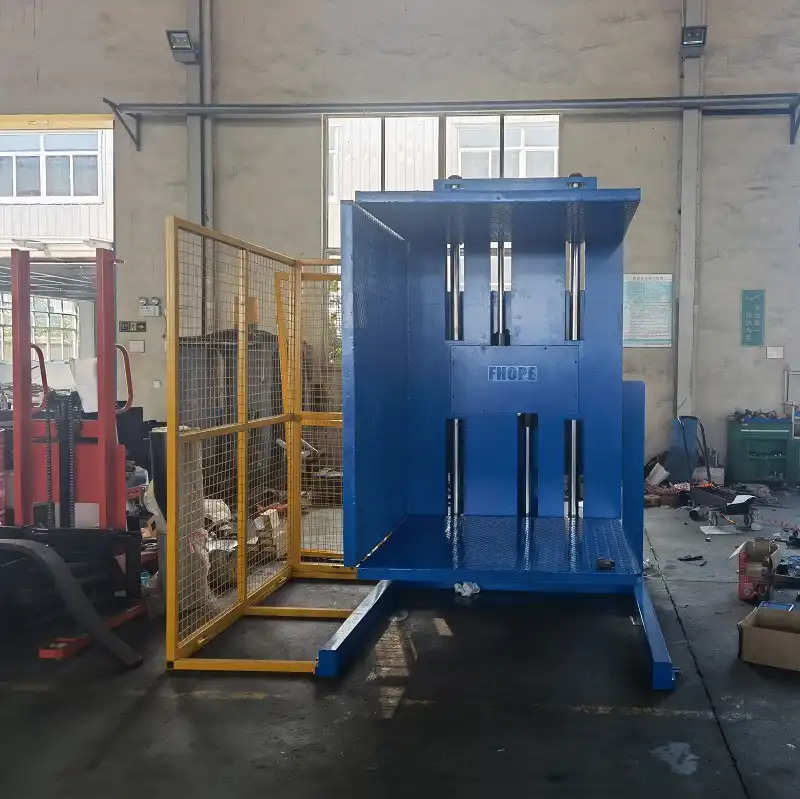
From my perspective, modern pallet inverters are about more than just flipping pallets. They are versatile tools that address a range of material handling needs. They protect both your products and your people. At FHOPEPACK, we focus on engineering solutions that make these complex processes simple and safe.
-
🔄 Core Functionality: The basic principle of a pallet inverter is simple. It securely grips a palletized load, rotates it 90 or 180 degrees, and then places it onto a new pallet. This action allows for easy removal of the original pallet. It can also be used to invert products for processing or order picking. The machine typically uses powerful clamps to hold the load in place. This ensures stability throughout the rotation cycle. Some models feature a side clamp or a top and bottom clamp system. This depends on the load type and required handling. The rotation mechanism can be hydraulic, electric, or a combination. This provides smooth, controlled movement. This precise control is vital for handling fragile or unstable goods without damage.
-
🏗️ Types for Every Need: Pallet inverters come in various configurations to suit different operational demands.
- Stationary Pallet Inverters: These are fixed in one location. They are ideal for high-volume operations where pallets are brought to the machine. They often integrate into automated lines.
- Mobile Pallet Changers: These can be moved around the warehouse using a forklift. This offers flexibility for businesses with varying pallet changing locations or lower volume needs. They are perfect for adapting to different parts of a facility.
- Freezer-spec Pallet Inverters: These are built for cold storage environments. They ensure reliable operation even in sub-zero temperatures.
- Specialized Models: There are also models for very heavy loads, delicate items, or specific hygiene requirements (e.g., stainless steel for food industries). The choice depends on the specific industry and load characteristics. For example, a food processing plant in Uruguay would need a hygienic design. A heavy manufacturing plant would prioritize load capacity.
-
💡 Beyond Simple Flipping: Modern pallet inverters offer advanced features that go beyond simple pallet transfer.
- Load Retention: Some models can transfer goods without lifting them, ensuring delicate items stay secure.
- Automated Operation: Fully automatic systems can integrate with conveyors and warehouse management systems. This minimizes human intervention.
- Variable Clamp Pressure: This allows operators to adjust the grip based on the fragility of the load. This prevents product damage.
- Safety Interlocks: These systems prevent operation if safety gates are open or if the load is not properly secured. These features ensure maximum safety for operators.
- Multi-pallet Handling: Some advanced units can handle multiple pallets at once. This significantly boosts throughput for high-volume warehouses. This level of sophistication highlights their role as essential tools for modern logistics.
How Do Pallet Inverters Directly Reduce Manual Labor in Warehouses?
Is your warehouse team spending too much time on strenuous and repetitive manual pallet changes? This common issue drains employee energy, slows down operations, and diverts valuable labor from more important tasks. Manual pallet handling is a major bottleneck in many facilities, especially where diverse pallet types are a daily requirement. It is a problem that modern automation is designed to solve head-on.
Pallet inverters drastically reduce manual labor by automating the heavy, repetitive, and often dangerous task of transferring goods between pallets. These machines take over the physical strain of lifting, tilting, and shifting loads. This frees up human workers for less strenuous, more skilled, and higher value-added activities within the warehouse. The impact on overall labor efficiency is significant and immediate.
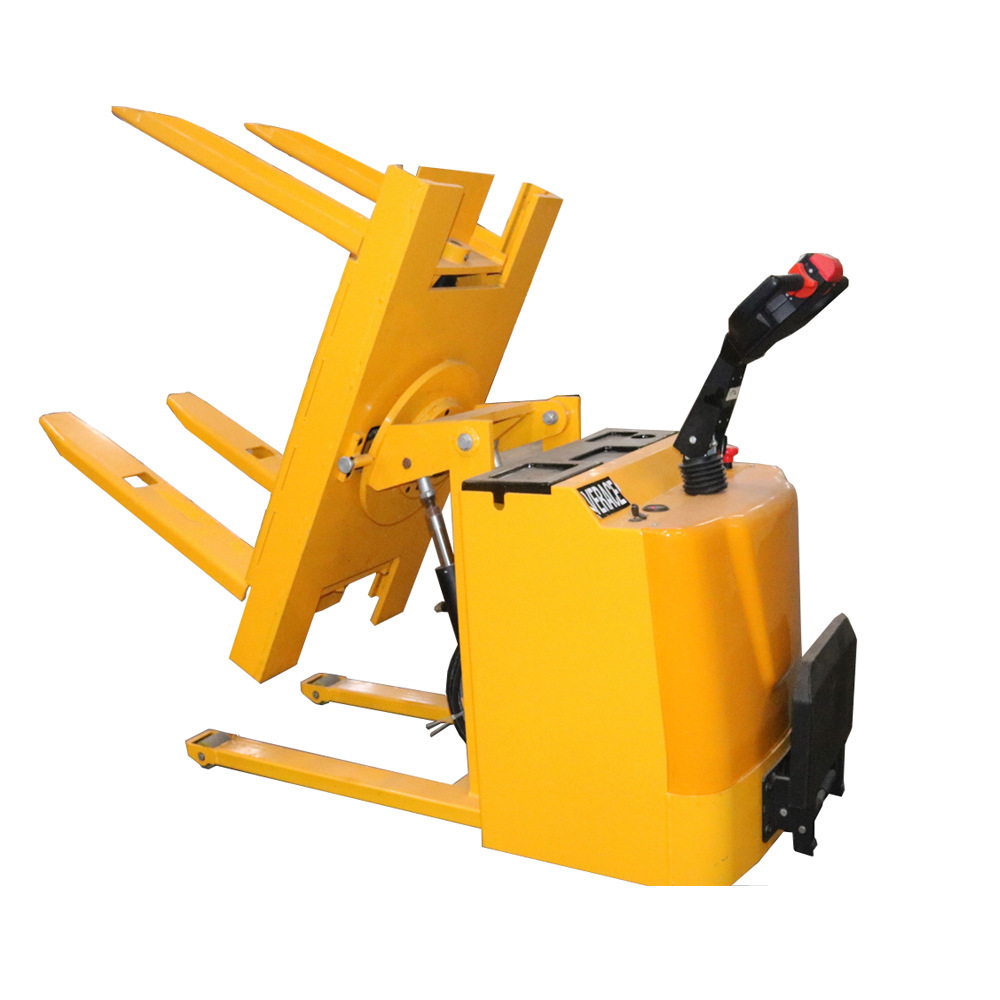
As someone who built a successful packing machine factory, I know the value of optimized labor. Manual processes are often bottlenecks. Pallet inverters represent a strategic investment in labor efficiency. They allow businesses to achieve more with the same or even fewer personnel.
-
🚫 Eliminating Heavy Lifting: The most direct way pallet inverters reduce manual labor is by removing the need for workers to physically lift, tilt, or manipulate heavy palletized loads. Manually transferring goods from one pallet to another often involves teams of workers, forklifts, and a lot of coordinated effort. This is not only inefficient but also incredibly strenuous. Pallet inverters use hydraulic power to do the heavy work. This means a single operator, often without even leaving a forklift, can initiate a complete pallet change. This eliminates the physical burden on multiple employees. Workers can avoid manual stacking and restacking. This significantly reduces the risk of muscle strains and other musculoskeletal injuries. The machine handles the entire load. It ensures stability and safety during the transfer. This allows human workers to focus on supervision and quality control.
-
⏱️ Faster Processing Times: Manual pallet changes are slow. They require careful positioning, multiple lifting actions, and often temporary storage during the transfer process. A modern pallet inverter can complete a full pallet change cycle in just a few minutes, sometimes even seconds, depending on the model and load. This speed drastically reduces the time spent on this specific task. It allows for a much higher throughput of goods in the warehouse. For a busy distribution center in Uruguay, processing hundreds or thousands of pallets daily, this time saving translates into significant operational advantages. Faster processing means quicker dispatch. It means goods spend less time waiting. This directly contributes to meeting tight delivery schedules and improving overall supply chain responsiveness. It also helps to minimize overtime costs.
-
👥 Optimizing Workforce Allocation: When pallet inverters handle the heavy, repetitive work, your human workforce can be reallocated to more productive and less physically demanding tasks. Instead of spending hours on manual pallet transfers, employees can focus on order picking, inventory management, quality checks, or operating other specialized machinery. This optimization of labor not only improves job satisfaction by reducing physically demanding roles but also allows businesses to leverage the skills of their employees more effectively. It turns a physically demanding job into a supervisory one. This can also help address labor shortages by making warehouse work more appealing. It elevates the overall skill level within the warehouse. Employees contribute more strategically to the business. This is a clear win for both the company and its workers.
In What Ways Do These Machines Significantly Enhance Workplace Safety?
Are you constantly worried about potential accidents in your warehouse, especially during manual pallet handling? Workplace safety is paramount, but manual processes often introduce unavoidable risks. Injuries, damaged goods, and compliance issues are common outcomes when heavy loads are handled without the right equipment. This is where modern pallet inverters offer a powerful solution, fundamentally transforming the safety landscape of any logistics operation.
Modern pallet inverters significantly enhance workplace safety by eliminating the need for manual handling of heavy loads. They prevent common accidents such as back injuries, crushed limbs, and falling goods that occur during manual pallet transfers. By automating these risky tasks, the machines create a much safer work environment, reduce the incidence of worker injuries, and help companies comply with stringent safety regulations.
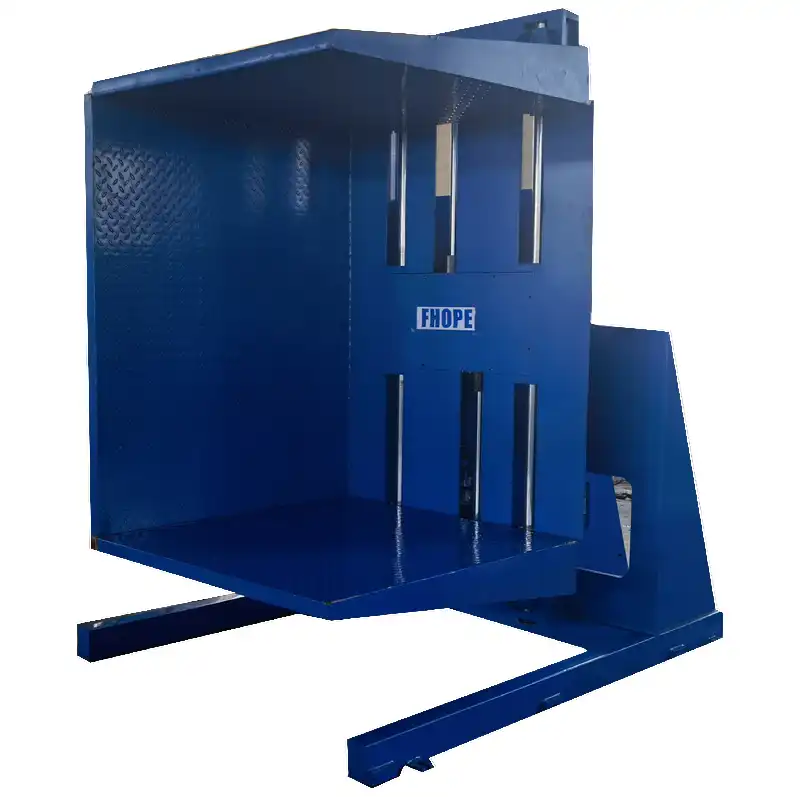
My journey in the packing machine industry taught me that safety is not just a regulatory requirement; it is a moral and business imperative. An unsafe workplace leads to low morale, high turnover, and significant financial costs. Investing in equipment like pallet inverters is an investment in your team’s well-being and your company’s future.
-
💪 Protecting Workers from Injury: Manual pallet changes are a leading cause of workplace injuries in warehouses. Workers can suffer from severe back pain, muscle strains, cuts, bruises, and even fractures from accidental drops or unstable loads. Pallet inverters remove these risks by performing the entire transfer operation mechanically. The machine lifts, clamps, and rotates the load, taking the physical burden off the human operator. This reduces the risk of repetitive strain injuries. It minimizes exposure to heavy lifting and awkward postures. When workers are no longer subjected to these physical demands, the rate of work-related injuries drops dramatically. This leads to fewer sick days and a healthier, more productive workforce. Companies in Uruguay can protect their employees. They also avoid the costs associated with accidents, such as medical bills and lost productivity.
-
📦 Securing the Load: One of the biggest safety concerns with manual pallet transfer is the risk of products falling or loads becoming unstable. This can happen during lifting, tilting, or when moving goods from one unstable pallet to another. These incidents not only damage valuable products but also pose a significant danger to nearby personnel. Modern pallet inverters are engineered to securely clamp the entire load. They hold it firmly in place throughout the transfer process. This prevents any shifting, toppling, or dropping of goods. The controlled rotation ensures that products remain stable and intact. This greatly reduces the chance of both product damage and related safety hazards. The secure handling capability means less waste from damaged goods. It also provides peace of mind that workers are not at risk from falling items.
-
✅ Compliance and Reputation: Workplace safety regulations are becoming stricter globally. Companies must adhere to these rules to avoid fines and legal penalties. Implementing automated solutions like pallet inverters demonstrates a strong commitment to worker safety. This proactive approach helps businesses meet and exceed safety standards. It creates a safer working environment. This also enhances a company’s reputation as a responsible employer. A strong safety record can attract top talent. It can also improve relationships with clients and partners who value ethical operations. For businesses in Uruguay, demonstrating this commitment can be a competitive advantage. It shows they prioritize their people. This builds trust and fosters a positive workplace culture. It also minimizes potential legal liabilities arising from workplace accidents.
What Key Features Should Uruguay Businesses Look for in a Pallet Changer System?
Choosing the right pallet changer system can feel overwhelming. There are many options, and making the wrong choice can lead to wasted investment and continued operational headaches. If you are a logistics manager in Uruguay, facing diverse pallet specifications and high demands, you need a machine that truly fits your needs. Knowing which features are essential will guide you toward a smart, long-term solution.
Businesses in Uruguay should prioritize pallet changer systems that offer robust reliability, adaptability to diverse pallet specifications, intuitive controls, and strong after-sales support. These features ensure long-term operational efficiency and safety. They also guarantee the machine can handle varied international trade requirements while providing a smooth user experience and sustained performance.

When I started FHOPEPACK, my goal was to build machines that worked and supported our clients’ growth. For our clients in the packing and handling machine industry, choosing the right equipment is critical. It impacts everything from daily operations to long-term profitability. Here is what I recommend looking for in a pallet changer system.
-
🔧 Robustness and Reliability: A pallet inverter is a significant investment. You need a machine that can withstand the demands of a high-intensity warehouse environment. Look for systems built with high-quality, durable materials and robust engineering. Components should be designed for continuous operation without frequent breakdowns. Regular maintenance should be straightforward and clearly outlined by the manufacturer. Downtime is expensive; a reliable machine ensures consistent operation and maximizes your return on investment. Consider the manufacturer’s track record and warranty. My focus at FHOPEPACK has always been on creating machines that last. This minimizes interruptions for our customers. Reliable performance is a non-negotiable feature for any serious logistics operation.
-
🌍 Adaptability to Pallet Types: For international logistics hubs like Uruguay, handling a variety of pallet sizes and types is crucial. Your pallet changer must be able to accommodate Euro pallets, US-standard pallets, plastic pallets, and even slip sheets. Look for adjustable clamping mechanisms and versatile load capacities. Some advanced models can automatically detect pallet size. This simplifies operations and reduces manual adjustments. This adaptability ensures that your investment remains valuable even as your trade partners or product lines change. It means you do not need multiple machines for different pallet specifications. A single, adaptable machine can handle all your needs. This flexibility is a key differentiator for efficient global supply chains. It is important to ask about the range of pallet dimensions the machine can handle.
-
🤖 Automation Levels: Pallet changers range from semi-automatic to fully automatic systems.
- Semi-automatic models: These require an operator to load and unload pallets, but the machine performs the inversion. They are cost-effective and suitable for medium-volume operations.
- Fully automatic systems: These integrate with conveyors and warehouse management systems. They require minimal human intervention. They are ideal for high-volume, automated warehouses. The choice depends on your budget, throughput requirements, and existing infrastructure. My factory often advises clients to consider their long-term growth plans. An upgrade path for automation might be beneficial. More automation means less reliance on manual labor. It means faster cycle times. It also reduces human error. Evaluate how much integration you need and how it fits into your overall automation strategy. We at FHOPEPACK offer a range of solutions to meet these diverse needs. SHJLPACK also provides good options.
-
🤝 Supplier Support: A pallet changer is a complex piece of machinery. Excellent after-sales support is just as important as the machine’s features. Look for suppliers who offer comprehensive installation services, thorough operator training, and readily available spare parts. Prompt technical support is crucial in case of any issues. A good supplier acts as a partner, understanding your operational pain points and offering solutions. I built FHOPEPACK on this principle, ensuring our clients receive full support throughout the machine’s lifecycle. We want to see our clients succeed, just as many of my clients grew their businesses with my help. When you evaluate suppliers, ask about their service network in Uruguay or Latin America. Check their response times for support requests. A reliable partner ensures your operations run smoothly without costly interruptions.
How Can Adopting Pallet Inverter Technology Offer Long-Term Value and ROI?
Are you hesitating to invest in new warehouse machinery, wondering if the benefits truly outweigh the initial cost? Many businesses in Uruguay face this question. However, when it comes to pallet inverter technology, the answer is a resounding yes. These machines do not just solve immediate problems; they unlock significant long-term value and deliver a compelling return on investment by transforming core operational aspects.
Investing in pallet inverter technology provides long-term value by significantly reducing operational costs through decreased labor needs, minimizing product damage, and lowering insurance premiums. It also greatly improves overall warehouse throughput and customer satisfaction. These combined benefits lead to a strong and measurable return on investment, making it a strategic asset for any forward-thinking business in Uruguay.

My career journey, from an employee to owning a successful packing machine factory, showed me the power of smart investments. Financial independence came from finding efficient solutions that helped clients grow. Pallet inverters offer exactly this kind of strategic advantage. They are not just an expense; they are a catalyst for sustained growth and profitability.
-
💸 Cost Savings Breakdown: The most tangible benefit is often the reduction in operational costs.
- Labor Costs: By automating pallet changes, businesses can reallocate or reduce the number of employees dedicated to this physically demanding task. This leads to substantial savings in wages, benefits, and overtime.
- Product Damage: Manual handling significantly increases the risk of goods damage. Pallet inverters ensure secure and controlled transfer, drastically cutting down on product write-offs, returns, and associated financial losses.
- Insurance Premiums: Fewer workplace accidents mean fewer injury claims. This can lead to lower workers’ compensation and liability insurance premiums over time.
- Energy Efficiency: Modern machines are designed to be energy-efficient. They reduce electricity consumption compared to continuous manual operations involving multiple forklifts and personnel. These combined savings quickly add up. They often offset the initial investment within a relatively short period.
-
🚀 Increased Throughput and Efficiency: Pallet inverters speed up the entire pallet changing process. This means goods move through the warehouse faster. Higher throughput directly translates to increased operational capacity. Businesses can process more orders in less time. This improvement in efficiency helps meet tight delivery deadlines. It also reduces order backlogs. For companies in Uruguay with export commitments, this speed is crucial for maintaining a competitive edge in international markets. Faster turnaround times lead to a more responsive supply chain. This improves overall business agility. It makes the logistics operation more robust and scalable. This efficiency impacts the entire chain, from receiving to dispatch.
-
📈 Enhanced Customer Satisfaction: In today’s fast-paced market, customers expect quick and accurate deliveries. Pallet inverters contribute to this by ensuring smooth, rapid, and error-free pallet transfers. Fewer delays and less product damage mean customers receive their orders on time and in perfect condition. This directly improves customer satisfaction and strengthens client relationships. Happy customers are loyal customers. They are more likely to place repeat orders and recommend your services. This improved reputation can lead to new business opportunities. It further solidifies your market position. Ultimately, the efficiency and reliability gained from pallet inverter technology contribute directly to the overall success and growth of the business.
Conclusion
Modern pallet inverters are vital for warehouses in Uruguay and worldwide. They drastically reduce manual labor, enhance safety, and cut operational costs. Businesses achieve greater efficiency and compliance, ensuring customer satisfaction and a stronger ROI. Embracing this automation, especially with a reliable pallet inverter partner, is key to success.








