
Pallet Inverter Brazil: What Engineering Insights Help Optimize Handling for High-Volume Agricultural Commodities?
Imagine standing in a bustling Brazilian warehouse. Thousands of pallets move in and out daily. Your company handles massive volumes of agricultural goods. You know that any delay or inefficiency in pallet handling costs money, time, and even client trust. The challenge is clear: how do you manage these huge volumes while keeping things efficient, safe, and cost-effective? This is a problem many businesses face, and it is exactly what I, Randal Liu, have seen clients struggle with for years.
Engineering insights help optimize high-volume agricultural commodity handling in Brazil by focusing on automated pallet inversion systems that offer adaptability for diverse pallet types, enhanced safety features, robust construction for demanding environments, and intelligent integration for seamless logistics flows.
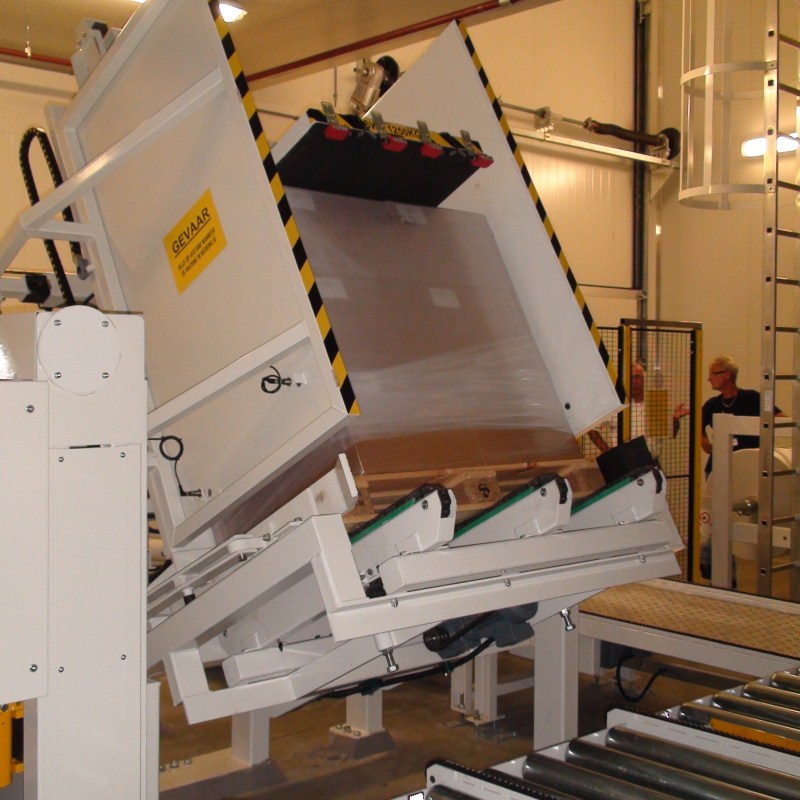
This challenge is more than just moving goods; it is about ensuring quality, meeting international standards, and securing your business’s future. Let’s look closer at the specific engineering knowledge that can transform your operations. We will explore how smart solutions can help your Brazilian agricultural business thrive.
Why are Pallet Inverters Critical for Brazilian Agricultural Exports?
Brazilian agricultural exports are the backbone of the economy, but they also bring unique challenges. Picture fresh produce or bulk commodities needing perfect condition for global shipping. Manual handling or inefficient systems can lead to damaged goods, delays, and lost profits. Are your current methods creating bottlenecks instead of breakthroughs?
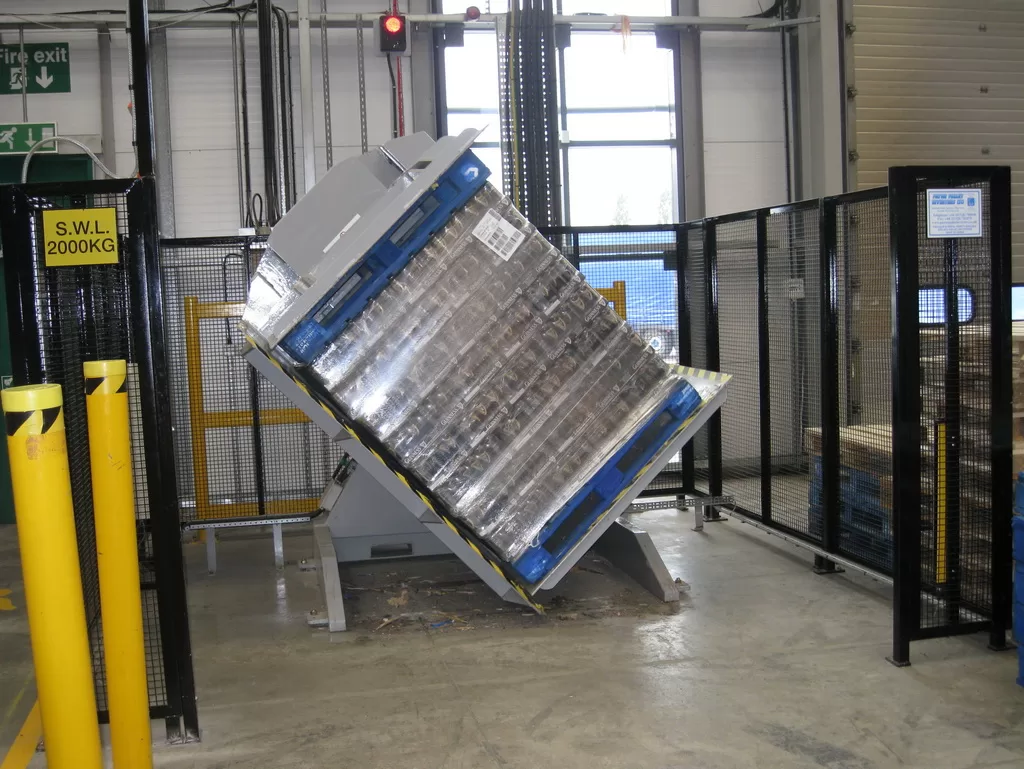
Pallet inverters are critical for Brazilian agricultural exports because they ensure product integrity during transfer, allow for seamless switching between diverse international pallet standards, and maintain hygiene crucial for food-grade commodities, thereby protecting valuable exports from damage and non-compliance.
When I first started in this industry, I saw many clients struggle with these exact issues. They spent so much time and effort on production, only to lose money during the final handling stages. This problem motivated me to build solutions that truly work.
1. The Challenges of High-Volume Agricultural Exports 🇧🇷
Brazilian agricultural exports often involve delicate items or bulk materials. These products demand careful handling. Any bumps or drops can ruin an entire batch. Think about coffee beans, frozen chicken, or fresh fruits. Each requires specific conditions to reach its destination intact. Beyond product fragility, there is the sheer volume. Daily, thousands of tons of goods leave Brazil. Moving these vast quantities quickly and without errors is a monumental task. The reliance on manual labor in such high-volume settings creates a bottleneck. It increases the chance of human error. It also slows down the entire process. This can lead to missed shipping deadlines. It can also result in significant financial penalties. Engineering insights must address these core issues directly.
- Product Fragility: Many agricultural goods are sensitive to impact. This means careful handling is a must.
- Hygiene Standards: Food products need strict cleanliness. Pallets must be clean and free from contamination.
- Volume and Speed: Moving huge amounts of product quickly is vital. Slow handling causes delays.
- Labor Intensive: Manual pallet changing is slow and needs many workers. It leads to higher costs and errors.
- International Compliance: Different countries have different pallet rules. Meeting these rules is complex.
We have seen how pallet damage can cause significant losses. For example, a client shipping frozen meat faced rejection at customs because of splintered wooden pallets. This taught me that the right equipment is an investment in product safety and market access. (agricultural commodity protection, export logistics challenges, high volume handling)
How Do Pallet Changer Technologies Address Diverse Pallet Standards?
The world uses many different pallet sizes. You have Euro pallets, US pallets, and various plastic pallets. When you ship goods internationally, especially from a major exporter like Brazil, you face a constant need to switch between these standards. Is your current system flexible enough to handle this without causing delays or extra costs?
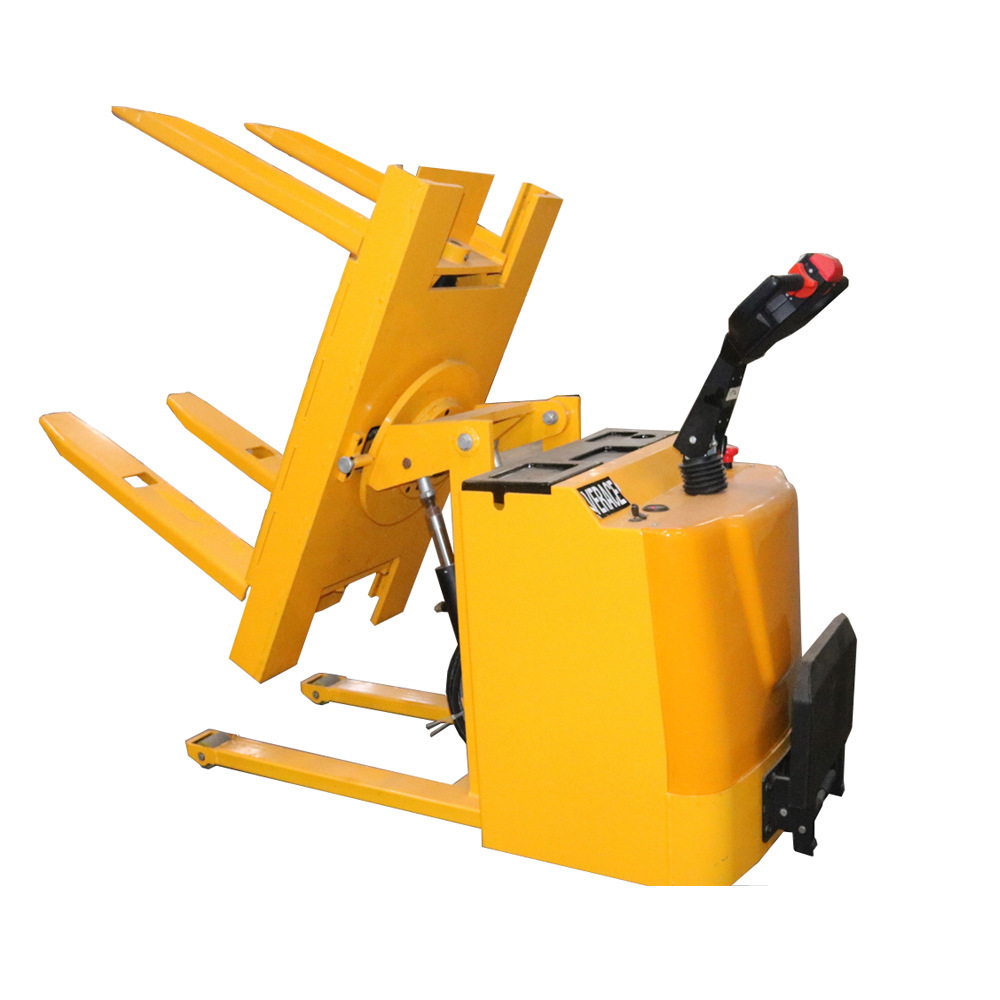
Pallet changer technologies address diverse pallet standards through adjustable clamping systems and interchangeable platforms. These features allow machines to securely grip and transfer loads between different pallet sizes, like Euro and US formats, ensuring smooth international shipping without manual intervention.
I remember a time when a client had to manually re-palletize thousands of bags of sugar. They needed to switch from their domestic pallets to Euro pallets for export. The process was slow and expensive. That experience showed me how vital adaptable technology is.
1. Engineering for Pallet Diversity 🧩
Modern pallet changers are engineered for maximum flexibility. They use adjustable mechanisms. These allow them to handle many pallet types. For example, some machines have clamps that can adjust their grip width. This means they can hold both narrow Euro pallets and wider US pallets. Other systems offer interchangeable tables or platforms. These parts can be swapped out quickly to fit different pallet footprints. This design prevents the need for manual adjustments. It also reduces downtime. The goal is to make the transition between pallet types as seamless as possible. This ensures compliance with different import regulations. It avoids costly re-palletization fees at destination ports. FHOPEPACK’s machines are built with this adaptability in mind. We want to make sure your operations run without a hitch.
- Adjustable Clamping: Machines have clamps that change size. This holds various pallet dimensions.
- Interchangeable Platforms: Parts can be swapped quickly. This fits different pallet footprints.
- Automated Sensing: Some systems can detect pallet size. They adjust automatically.
- Versatile Design: Equipment supports 90-degree or 180-degree rotation. This adds flexibility.
- Software Integration: Control systems manage different pallet presets. This makes changing easy.
This focus on adaptability directly helps companies like Carlos’s food and beverage group. They deal with thousands of pallets daily. Being able to switch between Euro and US standards efficiently is not just a convenience. It is a necessity for their export business. (multi-standard pallet handling, automated pallet switching, international shipping compliance)
What Engineering Features Boost Safety and Reduce Labor in Pallet Handling?
Manual pallet handling is risky. It can lead to worker injuries, damaged goods, and high labor costs. Anyone who has run a warehouse knows this pain. Are you relying too much on manual labor for heavy lifting and flipping? This approach puts your team and your products at risk.
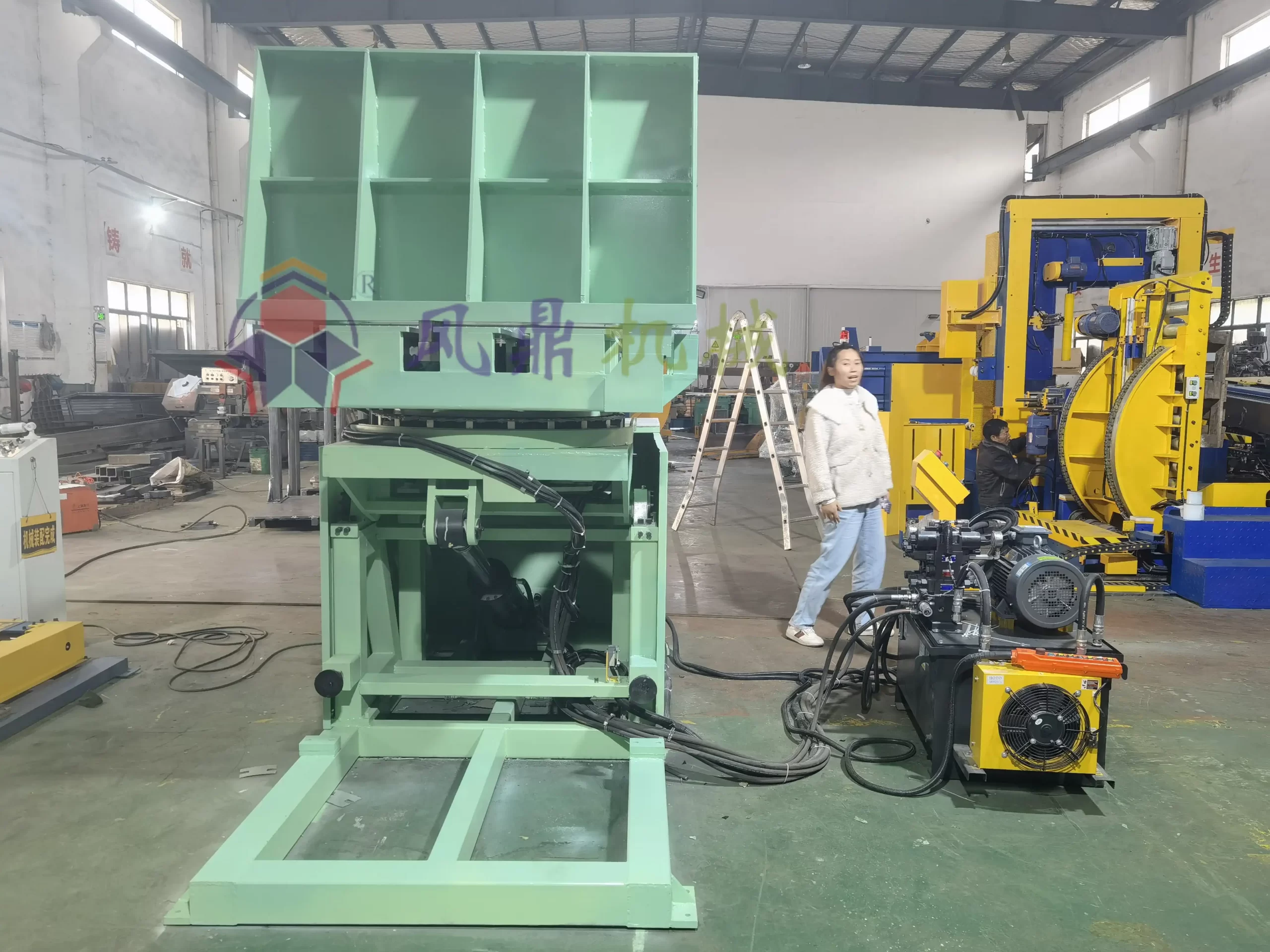
Engineering features like integrated safety sensors, automatic clamping, ergonomic load presentation, and fully automated operation boost worker safety by removing manual intervention from risky tasks. They also reduce labor needs by replacing human effort with mechanical efficiency in pallet handling.
I have always believed that the best machines not only boost efficiency but also protect the people who operate them. In my factory, we always designed with safety first. This commitment came from seeing accidents happen due to inadequate equipment. We learned that investing in safety is never a cost; it is always a saving.
1. Prioritizing Safety Through Design 🛡️
Safety is a core engineering principle for pallet inverters. Modern machines include many features to protect workers. For instance, light curtains create an invisible barrier around the operating area. If a person breaks this barrier, the machine stops instantly. Emergency stop buttons are also placed in easy-to-reach locations. These allow workers to halt operations immediately if a problem occurs. Automatic clamping mechanisms remove the need for manual securing of loads. This prevents accidents from unstable pallets. The design also considers ergonomics. It ensures that any necessary human interaction is at a comfortable height and position. This reduces strain and injury risks. Full automation means fewer people need to be in close proximity to moving machinery. This reduces the risk of accidents caused by human error. These safety features are not just optional extras. They are fundamental parts of well-engineered pallet inverters like those from FHOPEPACK. They help reduce workers’ compensation claims and create a safer work environment.
- Integrated Light Curtains: These sensors stop the machine if a person enters the work zone.
- Emergency Stop Buttons: Quick access buttons for immediate shutdown.
- Automatic Clamping: Loads are secured automatically. This prevents shifting or falling goods.
- Ergonomic Design: Operator interfaces are at comfortable heights. This reduces physical strain.
- Safety Interlocks: Machines will not operate if guards are open or not correctly engaged.
Carlos, with his focus on reducing safety risks and improving worker conditions, would find these features invaluable. They directly address the accidents caused by manual flipping or changing of pallets. (automated safety systems, industrial ergonomics, labor reduction technology)
How Can Pallet Inverters Ensure Operational Reliability in Harsh Conditions?
Warehouses and food processing plants are tough places for machinery. Dust, moisture, and continuous operation push equipment to its limits. A machine breakdown can halt your entire supply chain, leading to huge losses. How do you ensure your pallet inverter keeps running smoothly day after day, even in demanding environments?
Pallet inverters ensure operational reliability in harsh conditions through robust construction with heavy-duty steel, use of high-grade hydraulic and electrical components, sealed bearings, and intelligent PLC control systems that offer diagnostic capabilities for proactive maintenance and consistent performance.

When I was setting up my factory, one of the biggest lessons I learned was the importance of quality components. I saw other factories cut corners, and their machines broke down constantly. My goal was always to build equipment that lasts. This is why FHOPEPACK focuses on durability.
1. Building for Endurance and Consistent Performance ⚙️
Ensuring reliability starts with material selection and build quality. FHOPEPACK designs pallet inverters using heavy-duty steel frames. These frames resist constant stress and impact. For food processing applications, stainless steel versions are available. They meet strict hygiene standards and resist corrosion from cleaning agents or wet environments. Critical components like hydraulic pumps, electric motors, and control units come from trusted global suppliers. This ensures their reliability and availability of spare parts. Sealed bearings and protected electrical wiring prevent damage from dust and moisture. This is vital in agricultural settings. Programmable Logic Controllers (PLCs) manage machine operations. They offer precise control and diagnostic capabilities. If a problem arises, the PLC can often pinpoint the issue. This speeds up troubleshooting and repairs. This focus on engineering quality means less downtime. It ensures a longer service life for the machine. This translates directly into lower maintenance costs and consistent operation for businesses like Carlos’s.
- Robust Materials: Heavy-gauge steel or stainless steel construction for durability and hygiene.
- High-Quality Components: Using trusted brands for hydraulics, motors, and electronics.
- Environmental Protection: Sealed units and protective casings for bearings and electrical systems.
- Advanced PLC Control: Smart systems for precise operation, fault diagnosis, and remote monitoring.
- Modular Design: Easy replacement of parts to simplify maintenance and reduce repair time.
Carlos seeks a long-term partner and equipment that can withstand high-intensity operations. This emphasis on robust engineering is exactly what he needs. It protects his investment and keeps his distribution center running. (industrial machinery longevity, predictive maintenance features, high-grade components)
What are the ROI Benefits of Investing in Advanced Pallet Inversion Systems?
An investment in new equipment always comes with a question: what will be the return? For many businesses, especially those dealing with high volumes and international logistics, the upfront cost of advanced pallet inversion systems might seem high. However, neglecting efficient handling can lead to hidden costs that erode your profits. Are you truly aware of the financial impact of your current pallet handling methods?
Investing in advanced pallet inversion systems yields significant ROI through reduced labor costs from automation, fewer product damages during transfer, faster pallet changeover times boosting throughput, improved worker safety cutting insurance and compensation, and avoided penalties from shipping delays and non-compliance.

I have seen firsthand how a smart investment in automation can pay for itself quickly. One client, struggling with high labor costs and frequent product damage, adopted our pallet inverter solution. Within a year, they saw a dramatic reduction in operational expenses and an increase in shipping efficiency. This helped them expand their market reach, achieving a truly positive ROI.
1. Quantifying the Economic Impact 💰
The financial benefits of advanced pallet inversion systems are multifaceted and impactful.
- Reduced Labor Costs: Manual pallet changing requires multiple workers. An automated system can do the same job with one operator or even autonomously. This reduces wages, benefits, and training costs. Over time, these savings are substantial.
- Decreased Product Damage: Human error and manual handling increase the risk of goods falling or being damaged. Automated systems handle pallets smoothly and precisely. This significantly reduces waste from damaged products. For agricultural commodities, where margins can be tight, this is crucial.
- Increased Throughput and Efficiency: Pallet inverters work much faster than manual methods. They can complete a pallet transfer in minutes, not tens of minutes. This speeds up the entire warehousing process. It allows for more goods to be moved in less time. This helps meet tight delivery schedules and boosts overall productivity.
- Enhanced Safety and Lower Insurance Premiums: Fewer manual tasks mean fewer worker injuries. This translates to lower workers’ compensation claims and potentially lower insurance premiums. A safer workplace also boosts morale and reduces employee turnover.
- Avoidance of Fines and Penalties: International shipping involves strict pallet compliance. Manual errors can lead to non-compliant pallets. This results in costly fines, delays, or even rejection of shipments. Automated systems ensure consistent, compliant pallet changes. This protects your business from these financial risks.
- Improved Customer Satisfaction: Faster, more reliable shipments and undamaged goods lead to happier customers. This builds long-term relationships and enhances your company’s reputation.
These benefits combine to create a compelling ROI case. Companies often see payback periods of just 1-3 years for these investments. FHOPEPACK focuses on delivering this kind of value. We ensure our solutions offer a clear and measurable return for your business. (logistics cost reduction, operational efficiency gains, automation ROI)
Conclusion
For Brazilian agricultural businesses aiming for global excellence, integrating advanced pallet inverter systems is not just an option, but a necessity. The engineering insights we have discussed — adaptability, safety, durability, and strong ROI — are crucial for optimizing high-volume handling. By choosing FHOPEPACK, you partner with a leader committed to these principles, ensuring your operations are efficient, safe, and profitable for years to come.








