
Pallet Inverter Price Explained — What Determines the Cost of a Quality Machine?
In my years in the packing machine industry, I have seen many warehouse managers, much like Carlos, grappling with common but critical challenges. Imagine the pressure of ensuring thousands of pallets move efficiently through a distribution center every day. Then, factor in the constant need to switch between different pallet types for international shipping, all while battling rising labor costs and safety risks from manual handling. It is a tough job, and it makes you wonder how to get the right tools without breaking the bank. (warehouse operations, logistics management)
The price of a pallet inverter is not a single, fixed number; it is a complex calculation influenced by several key factors including the machine’s type and level of automation, its capacity and specific technical specifications, the quality of its build materials and components, the extent of customization and advanced features, the reputation and R&D investment of the brand, and the comprehensive package of installation, training, and after-sales support offered by the supplier. Understanding these elements is vital for any business looking to make a smart investment in warehouse automation. (pallet changing machine cost, industrial equipment pricing)
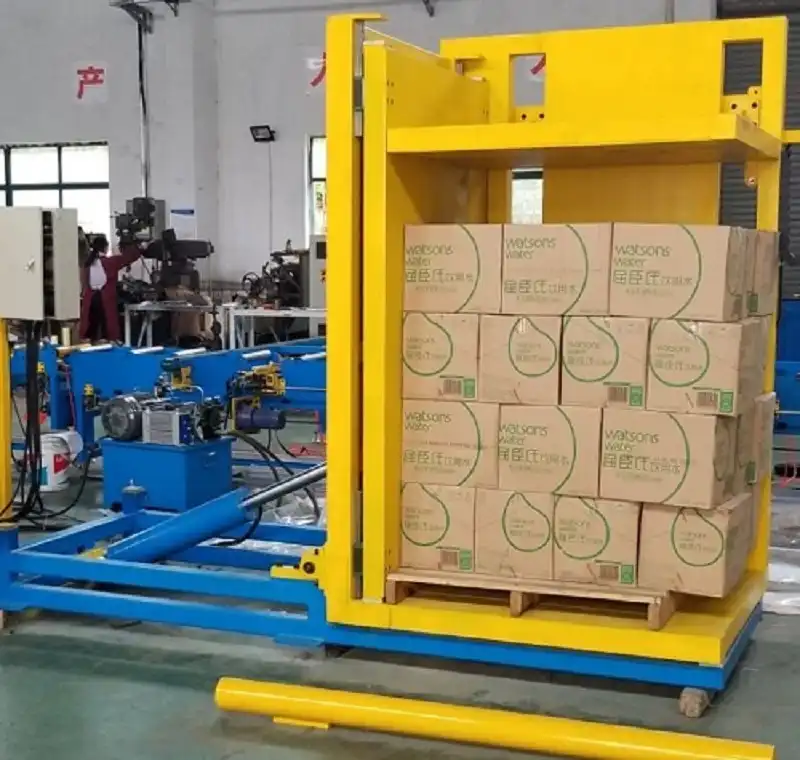
Many of my clients, when they first approach FHOPEPACK, are primarily focused on the sticker price of a pallet inverter. However, my experience has taught me that true value comes from a deeper understanding of what contributes to that cost, and how each factor impacts your long-term operational efficiency and safety. Let’s explore these elements together, so you can make an informed decision for your own facility. (warehouse automation investment, equipment purchasing guide)
What Types of Pallet Inverters Are Available, and How Do Their Designs Affect Pricing?
When you start looking for a pallet inverter, you quickly realize there is a whole range of options. Each type serves a different purpose and comes with its own price tag. Are you thinking about a simple manual solution, or something fully automatic? This choice is often the first and biggest driver of the overall cost. (pallet changer types, automatic pallet inverter cost)
Broadly, pallet inverters fall into manual, semi-automatic, and fully automatic categories, with their designs determining their operational complexity, speed, safety features, and consequently, their price. Manual systems are the most basic and affordable, requiring significant operator involvement. Semi-automatic models offer a balance, automating the core changing process while still needing some human interaction. Fully automatic systems provide the highest efficiency and safety, integrating seamlessly into production lines, but at a higher investment cost due to their complex engineering and control systems. (manual pallet changer price, automated pallet transfer system)
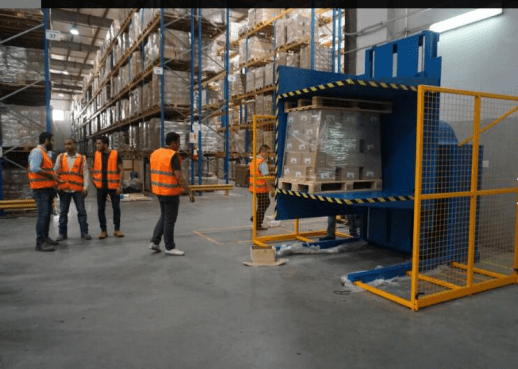
Manual pallet inverters, like those simple 90-degree tippers, are often the entry point for smaller operations or those with very infrequent pallet changes. They are cost-effective upfront, but they demand a lot of manual labor. I recall a client who thought he was saving money with a manual system, but soon faced mounting labor costs and safety issues. His workers were constantly straining, and productivity was low. This is where the true cost of “cheap” becomes apparent. On the other hand, semi-automatic systems, such as a floor-level 180-degree inverter or a simple standalone pallet changer, bring a significant leap in efficiency. They reduce physical strain, making them much safer for workers and decreasing the risk of goods damage. This helps address issues like rising labor costs and the reluctance of younger workers to do heavy lifting. These machines automate the core task of flipping or changing pallets, but an operator still loads and unloads the pallets. This balance between automation and human interaction makes them a popular choice for many mid-sized operations that need to handle diverse pallet sizes without the full investment of a completely integrated system. My journey in this field taught me that you need to invest in solutions that reduce strain on your team and improve throughput. At FHOPEPACK, we focus on designs that enhance safety and efficiency, making these semi-automatic solutions a great step for businesses looking to upgrade from purely manual processes. They improve safety, reduce labor dependency, and quicken operations significantly, which directly impacts delivery times and customer satisfaction. (semi-automatic pallet exchanger features, labor-saving equipment solutions, pallet handling safety)
How Do Pallet Inverter Capacity and Specifications Influence the Overall Cost?
Beyond the basic type, the specific capabilities of a pallet inverter play a huge role in its price. Are you moving lightweight boxes or heavy, fragile loads? Do you need to handle Euro pallets, US pallets, or a mix of plastic and wooden ones? The machine’s capacity, pallet dimensions it can handle, and its operational speed are all critical specifications that directly impact how much you will pay. (pallet inverter load capacity, custom pallet size handling)
The capacity and specifications of a pallet inverter, including its maximum load weight, the range of pallet dimensions it can accommodate, and its operational cycle speed, are significant determinants of its price, as higher capacities and more versatile or faster operations require more robust construction, powerful hydraulics, precise control systems, and specialized engineering. A machine designed for heavy-duty, continuous operation with diverse pallet types will naturally cost more than one built for lighter, less frequent tasks. (heavy-duty pallet changer cost, high-speed pallet transfer systems)
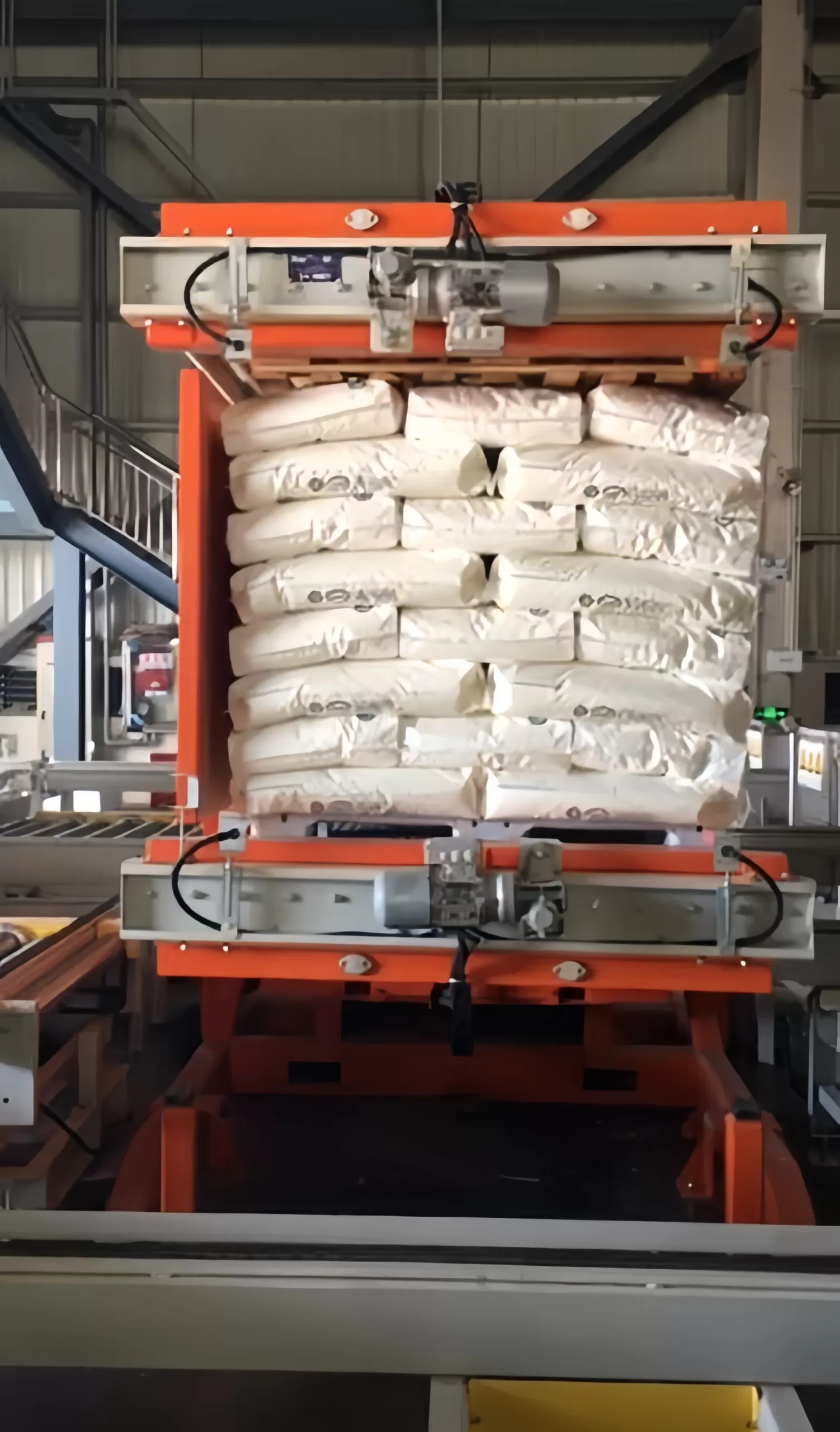
Think about Carlos’s situation: his warehouse processes thousands of pallets daily, often needing to switch between Euro and US standard pallets. A standard, light-duty pallet inverter simply would not cut it for him. He needs a machine capable of handling heavy loads consistently without fail, day in and day out. This means stronger motors, more durable components, and a frame built to withstand continuous stress. For example, a machine designed to lift and invert loads weighing several tons will require a more powerful hydraulic system and a much more robust steel structure than one designed for a few hundred kilograms. The ability to switch between different pallet sizes, like a Euro pallet and a US pallet, also adds to the cost. This often means adjustable clamping mechanisms, wider or more adaptable platforms, and smart control systems that can quickly reconfigure for different dimensions. A machine that can process, let’s say, 60 pallets per hour will need faster motors and a more sophisticated control logic compared to one doing 10 per hour. These enhanced capabilities are directly linked to higher engineering costs, better materials, and more advanced manufacturing processes. From my perspective, ensuring a machine can reliably perform its duties in a high-intensity environment, managing diverse pallet specifications efficiently, is not just a feature; it is a necessity for preventing costly bottlenecks and maintaining client satisfaction. This investment ensures your operations run smoothly, avoiding delays and potential contract penalties. (industrial pallet handling solutions, efficient pallet swapping equipment)
Does the Quality of Build and Components Really Drive Pallet Inverter Prices Up?
When I started my factory, one of the first lessons I learned was that cutting corners on materials and components always costs more in the long run. It is tempting to choose a cheaper machine, but the true expense comes from breakdowns, maintenance, and lost productivity. So, does the quality of build and components really affect the price tag of a pallet inverter? Absolutely. (durable pallet inverter parts, industrial machine quality)
Yes, the quality of materials and components profoundly impacts a pallet inverter’s price, as premium-grade steel, robust hydraulic systems, reliable electrical controls, and precision-engineered parts ensure a machine’s durability, operational safety, and long-term performance. Investing in higher quality means fewer breakdowns, lower maintenance costs, and a longer operational lifespan, ultimately justifying the initial higher expenditure. (reliable pallet changing equipment, maintenance cost reduction)
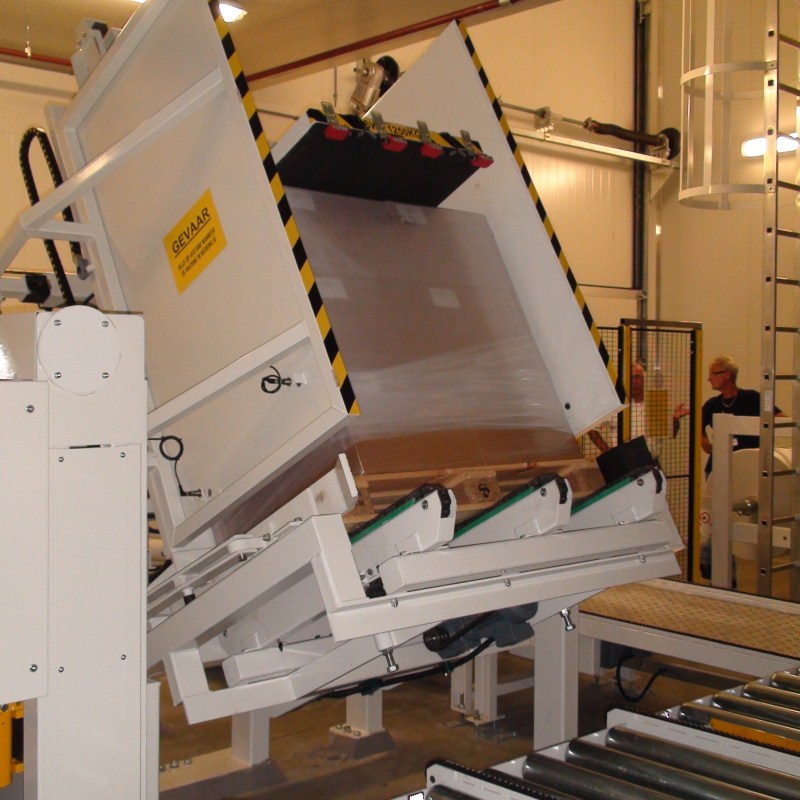
Consider the core components: the steel frame, the hydraulic power unit, and the electrical control system. A high-quality pallet inverter from FHOPEPACK, for instance, uses heavy-gauge, structural steel, often treated for corrosion resistance. This construction resists warping, bending, and fatigue even under constant heavy loads, crucial for an operation like Carlos’s that runs continuously. Compare this to machines built with thinner, lesser-grade steel that might seem cheaper upfront but will show wear and tear much faster, leading to costly repairs and downtime. The hydraulic system is the muscle of the machine. Premium hydraulic pumps, cylinders, and valves from reputable brands ensure smooth, powerful, and precise movements. They are designed for thousands of cycles without leakage or failure. Cheaper alternatives might use lower-quality seals or less robust components, leading to frequent leaks, reduced lifting power, and a shorter lifespan. My own experience has shown me that reliability in hydraulic components is non-negotiable for consistent performance. Finally, the electrical controls, including PLCs, sensors, and safety interlocks, are the brains. High-quality electrical components offer precise control, easy diagnostics, and enhanced safety features. For Carlos, who prioritizes safety and continuous operation, machines with robust components directly address his concerns about potential failures causing accidents or disrupting the supply chain. These are the details that ensure a machine can run reliably for years, minimizing service calls and maximizing uptime, which translates directly into cost savings and increased productivity. (hydraulic pallet inverter reliability, advanced control systems for pallet changers, industrial machine lifespan)
Can Customization and Advanced Automation Justify a Higher Pallet Inverter Investment?
Many clients ask me if investing in custom features or advanced automation really pays off. It is easy to think of these as “extras,” but for businesses facing specific challenges, they can be game-changers. For someone like Carlos, dealing with diverse pallet types and labor shortages, customized solutions are often the key to unlocking true efficiency. (tailored pallet inverter solutions, automated warehouse equipment)
Customization and advanced automation features can absolutely justify a higher pallet inverter investment, especially when they address unique operational challenges like handling diverse pallet specifications (e.g., Euro vs. US pallets), integrating into complex automated lines, or implementing specific safety protocols. These features enhance efficiency, reduce manual labor, prevent errors, and improve worker safety, leading to significant long-term savings and operational advantages that outweigh the initial cost. (custom pallet handling systems, robotic pallet changer integration)
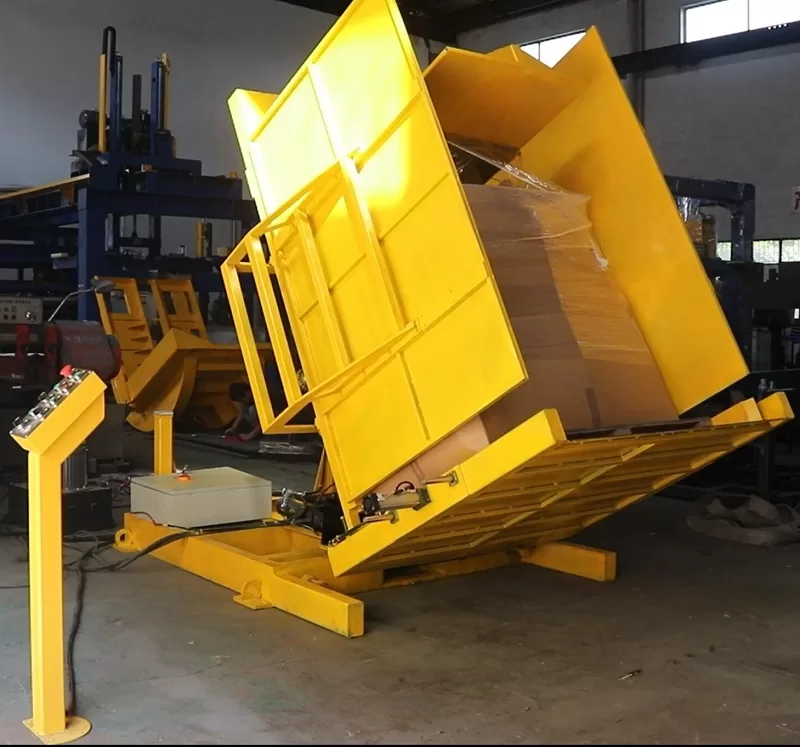
Let’s consider Carlos’s need for frequent switching between Euro and US pallets. A standard, off-the-shelf pallet inverter might struggle with this or require manual adjustments, slowing down operations. A customized solution from FHOPEPACK could feature adjustable clamping plates or modular platforms that automatically detect and adapt to different pallet sizes, or even allow for quick tool-less changes. This level of adaptability ensures seamless transitions, preventing bottlenecks and errors. My background taught me the importance of designing systems that truly fit a client’s specific needs, not just offering a generic product. Beyond physical adjustments, advanced automation, such as integration with existing conveyor systems or warehouse management systems (WMS), elevates the pallet inverter from a standalone machine to a critical component of a fully automated logistics flow. This might include robotic loading and unloading, automated pallet destacking and restacking, or sophisticated sensors that monitor pallet integrity and load stability. These advanced features drastically reduce the need for human intervention, which directly combats the challenge of labor shortages and high labor costs. Furthermore, by automating dangerous tasks like flipping heavy loads, these customized systems virtually eliminate the risk of accidents and injuries, addressing Carlos’s safety concerns. While the upfront investment for such tailored solutions is higher, the return on investment comes from increased throughput, reduced operational costs, improved safety records, and enhanced compliance with various international shipping standards. This is about buying a solution, not just a machine. (integrated pallet handling systems, warehouse automation ROI, multi-pallet size changer)
Why Do Pallet Inverter Brands and Manufacturers Have Such Different Price Tags?
I have often heard people wonder why two seemingly similar machines from different manufacturers can have vastly different prices. It is a common question, and the answer goes far beyond just the visible parts. The brand itself, the reputation, and the commitment behind the product all contribute to the final cost. (pallet inverter manufacturer comparison, brand value in machinery)
Pallet inverter brands and manufacturers have varying price tags due to differences in their R&D investments, manufacturing quality standards, global presence, after-sales support networks, and overall brand reputation. Established brands, often with a history of innovation and reliability like FHOPEPACK, typically command higher prices because they offer proven technology, superior build quality, extensive warranties, and comprehensive customer support, reflecting a lower total cost of ownership over the machine’s lifespan. (industrial machinery brands, reliable pallet changer suppliers)
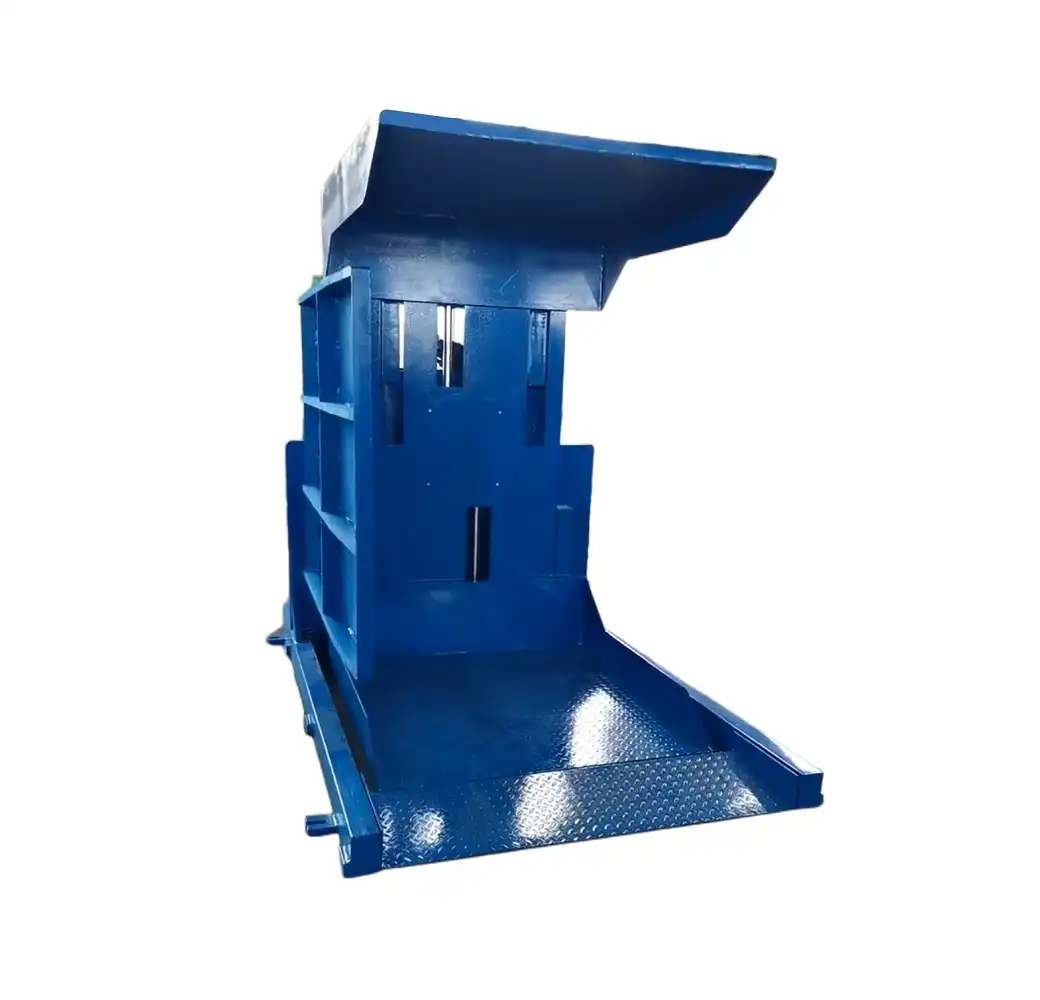
When I started FHOPEPACK, my goal was always to provide reliable, high-quality machines based on my deep understanding of the industry. This requires significant investment in research and development. Developing new technologies, improving safety features, and enhancing machine efficiency does not happen overnight. Brands that innovate are constantly investing in their engineering teams and testing facilities. This R&D effort leads to better designs, more durable components, and smarter automation capabilities, all of which contribute to a higher price but offer a better return. Furthermore, manufacturing quality standards vary greatly. Reputable manufacturers, like FHOPEPACK, adhere to strict quality control processes, using certified materials and employing skilled technicians. This ensures every machine leaving the factory meets rigorous performance and safety criteria. Lesser-known brands, or those prioritizing low cost, might compromise on these standards, leading to inconsistent product quality and higher risks of breakdowns. My personal journey in this industry showed me that a strong global presence and a robust support network are invaluable. Manufacturers with a wide reach can offer faster spare parts delivery and more responsive technical support, which is crucial for international operations like Carlos’s. This also contributes to the cost. Finally, the brand reputation itself carries weight. A company known for its reliability, customer service, and long-lasting products provides peace of mind. This trust, built over years of successful projects, is part of what you pay for. While SHJLPACK also offers competitive options, FHOPEPACK strives to be a long-term partner, not just a seller. This holistic approach, from design to delivery and beyond, reflects in the price but guarantees a superior overall solution. (FHOPEPACK pallet solutions, global machinery support, industrial R&D investment)
What Role Do Installation, Training, and After-Sales Support Play in Pallet Inverter Costs?
It is a common mistake to only look at the purchase price of the pallet inverter itself. Many people overlook the crucial elements that come after the machine arrives: installation, training, and ongoing support. These factors are not just “add-ons”; they are fundamental to the successful integration and long-term performance of your investment, and they significantly influence the total cost of ownership. (pallet inverter installation cost, industrial equipment training)
Installation, training, and comprehensive after-sales support are integral components of the total pallet inverter cost, encompassing everything from expert setup and operator education to warranty, maintenance, and readily available spare parts. These services are vital for ensuring safe, efficient operation, maximizing uptime, and protecting your investment over its lifespan, making them a key differentiator between suppliers and a crucial consideration for calculating true value. (pallet changer warranty, spare parts availability)
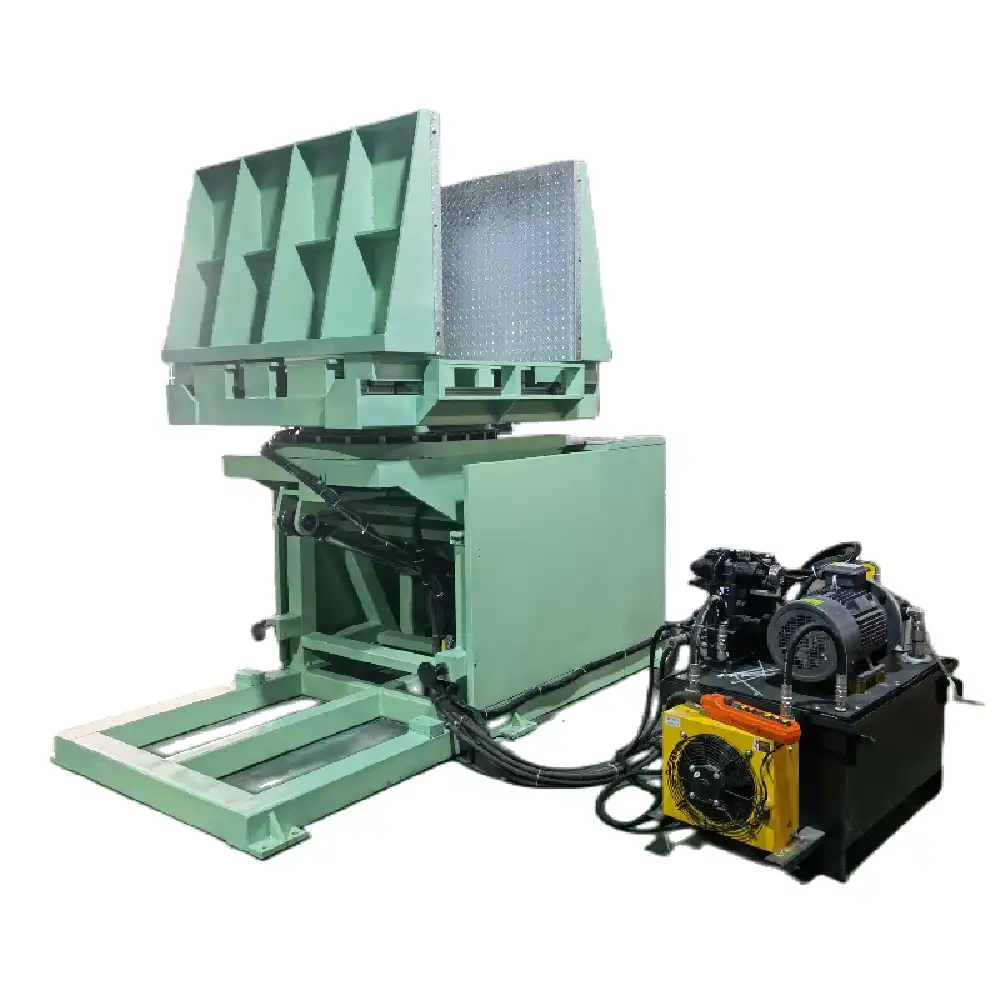
For a warehouse manager like Carlos, the ability to seamlessly integrate a new pallet inverter into an existing, high-volume operation is paramount. Professional installation ensures the machine is set up correctly, safely, and optimized for peak performance. A poorly installed machine can lead to immediate operational issues, safety hazards, and costly damage. Many manufacturers, including FHOPEPACK, offer skilled technicians who can handle complex installations, especially for integrated or customized systems. This expertise comes at a cost, but it prevents much larger expenses down the line. Moreover, proper training for your staff is non-negotiable. Your operators need to understand how to use the machine safely and efficiently, how to perform basic troubleshooting, and how to carry out routine maintenance. A well-trained team means fewer errors, less downtime, and a longer machine life. After-sales support covers a wide range of services, including warranties, maintenance contracts, access to spare parts, and technical assistance. A strong warranty provides peace of mind against manufacturing defects. Reliable technical support ensures that when issues arise, they can be resolved quickly, minimizing disruption to your operations. For someone like Carlos, who values a long-term partnership with a supplier who truly understands warehouse automation, comprehensive after-sales support is a deal-breaker. He is not just buying a machine; he is investing in a solution that needs to be supported throughout its entire operational life. This commitment to ongoing support ensures the machine continues to meet its performance goals, safeguarding your investment and contributing to overall operational efficiency and safety. (after-sales service for machinery, operational efficiency improvement, technical support for pallet changers)
Conclusion
Understanding pallet inverter pricing means looking beyond the initial tag. Factors like machine type, capacity, build quality, customization, brand reputation, and essential after-sales support all contribute to the true cost and long-term value. By considering these elements, businesses can make informed decisions that secure efficient, safe, and reliable pallet handling operations with the right pallet inverter investment.








