
Pallet Inverter New Zealand: How Can Modern Systems Improve Efficiency in Wine and Forestry Supply Chains?
The challenge of efficient logistics in New Zealand’s wine and forestry sectors is something I understand deeply. I have seen firsthand how diverse pallet requirements, increasing labor costs, and the constant pressure for faster delivery can create major headaches for businesses. For years, companies have struggled with manual pallet handling, leading to slow operations, damaged goods, and even serious workplace injuries. This old way of working simply cannot keep up with today’s demands.
Modern pallet inverter systems greatly improve efficiency in New Zealand’s wine and forestry supply chains by automating the process of transferring goods between different pallet types, reducing manual labor, enhancing safety, and ensuring compliance with international shipping standards. These systems offer swift, reliable solutions for diverse pallet specifications, minimizing delays and operational costs, which is critical for businesses looking to export goods like premium wines or robust timber products.
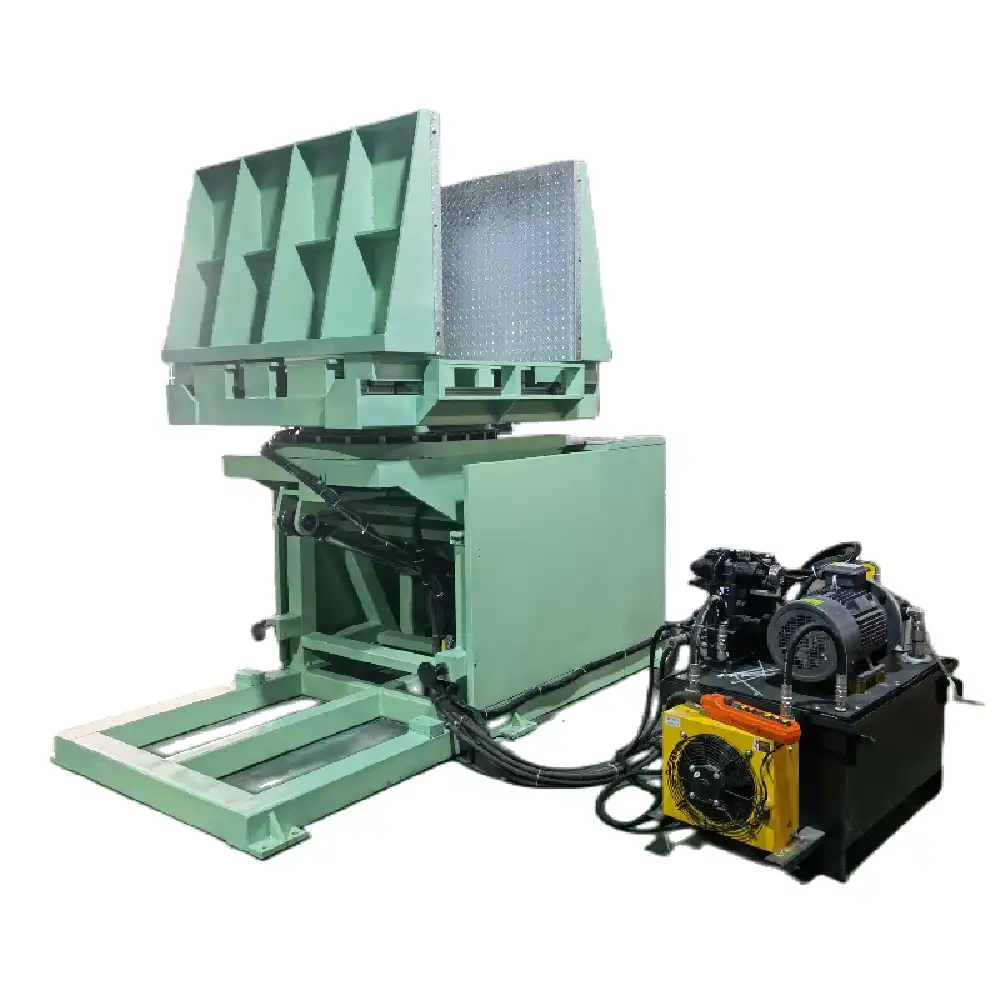
As a packing machine engineer, I have spent my career developing solutions for these exact pain points. I know that the right equipment can transform a struggling warehouse into a streamlined operation. If you are facing these challenges in your New Zealand business, then it is time to explore how modern pallet inverters can be your strategic partner. Let us dive into the specifics and uncover how these systems bring real value.
What Exactly Are Modern Pallet Inverters and Why Are They Crucial for New Zealand’s Unique Industries?
Have you ever thought about the hidden costs and risks in your warehouse when workers manually switch pallets? Many businesses in New Zealand’s wine and forestry sectors still rely on labor-intensive methods to handle different pallet types. This outdated approach can cause significant bottlenecks, especially when preparing goods for export. It also puts your team at risk of injury and goods at risk of damage.
Modern pallet inverters are specialized machines designed to safely and efficiently transfer products from one pallet type to another, or to invert a load 90 or 180 degrees, without disturbing the product itself. For New Zealand’s wine and forestry industries, these systems are crucial because they allow for seamless transitions between various pallet standards (like Euro, US, or plastic pallets) required for different export markets, while also maintaining product integrity and improving operational workflow.
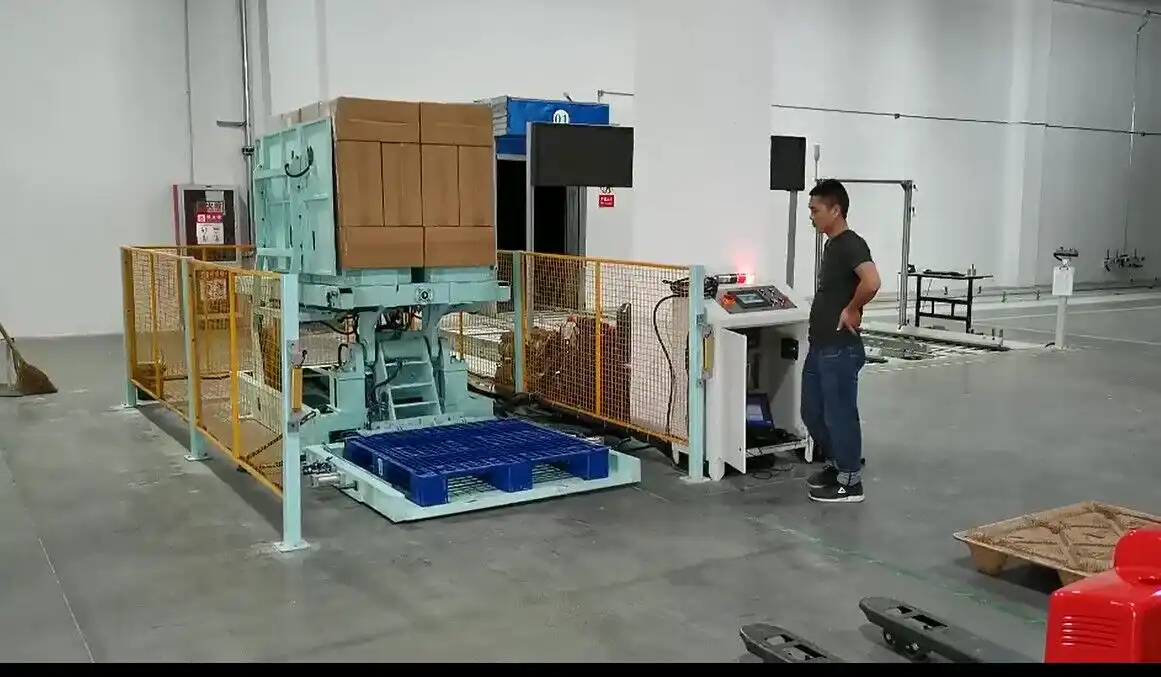
In industries like wine and forestry, the need to adapt quickly is constant. Imagine preparing a shipment of fine Sauvignon Blanc for Europe, where Euro pallets are standard, then immediately switching to a shipment of timber for North America, which uses different pallet dimensions. Manual handling means multiple workers spending hours, often with forklifts, carefully transferring goods. This is slow, error-prone, and hazardous. Modern pallet inverters, like those I have seen implemented by FHOPEPACK, tackle these issues head-on. They provide a controlled, automated, or semi-automated environment to perform these transfers. This not only speeds up the process but also protects both your products and your workforce. They are essential tools for efficient supply chain management in New Zealand, ensuring goods are moved quickly and safely from production to international markets (pallet changing systems, automated pallet handling).
The Core Functionality and Types of Pallet Inverters:
Understanding the different types of pallet inverters helps in selecting the right one for your specific operational needs. Each type offers distinct advantages, depending on the load size, pallet type, and required handling speed. This knowledge is crucial for making an informed decision that truly benefits your New Zealand business.
-
Fixed Pallet Inverters: These machines are usually bolted to the floor in a specific location within the warehouse. They are ideal for high-volume operations where pallet changing is a regular and continuous part of the workflow. They provide stability and consistent performance, often integrating seamlessly into existing conveyor lines. For example, a large wine bottling plant might use a fixed inverter at the end of their production line to swap out internal hygienic pallets for export-ready ones. This setup minimizes manual intervention and maximizes throughput. They are robust and built for continuous duty cycles, ensuring long-term reliability even in demanding environments. This is a great solution for reducing labor costs and speeding up pallet transfers (stationary pallet changers, production line integration).
-
Mobile Pallet Inverters: Offering greater flexibility, mobile pallet inverters are designed to be moved around the warehouse as needed. They are particularly useful for operations with varying pallet changing requirements or in facilities where space is at a premium. These units can be transported by forklift to different loading bays or storage areas, providing on-demand pallet transfer capabilities. Consider a timber yard that needs to switch pallets in different sections of its vast storage area; a mobile unit offers the necessary adaptability without requiring multiple fixed installations. This flexibility can be a significant advantage for businesses that need to optimize their floor space and adapt to changing operational layouts. My experience shows that flexibility often translates into significant savings and operational efficiency for diverse logistics needs (portable pallet handling, warehouse flexibility).
-
90-Degree and 180-Degree Pallet Inverters: The degree of inversion capability is another critical factor. A 90-degree pallet inverter is often used for transferring loads to new pallets while maintaining the original orientation of the goods, or for squaring up loads. A 180-degree pallet inverter completely flips the load. This is useful for dealing with damaged pallets at the bottom of a stack, transferring goods to hygienic pallets, or presenting goods for inspection from a different angle. In the wine industry, a 180-degree inverter could be used to swap out a contaminated wooden pallet for a clean plastic one, preserving product quality. In forestry, it could help in inspecting the underside of a timber stack. The choice depends entirely on the specific application and the level of product handling required (pallet flippers, load transfer solutions).
-
Specialized Pallet Inverters: Beyond the standard models, there are specialized pallet inverters designed for unique tasks. For example, some are built to handle exceptionally heavy loads, which are common in the forestry sector. Others are designed for environments with strict hygiene requirements, such as food and beverage processing, making them ideal for the wine industry. These specialized units often come with custom clamping mechanisms, reinforced structures, or stainless steel components to meet specific industry standards and challenges. These tailored solutions ensure that even the most unique logistics problems can be solved effectively and safely. FHOPEPACK often works on these types of specialized solutions, understanding that one size does not fit all in complex supply chains (custom pallet handling, heavy-duty pallet changers).
How Do Modern Pallet Systems Address the Unique Challenges of Wine Logistics in New Zealand?
The New Zealand wine industry is globally renowned for its quality, but getting those delicate bottles from the vineyard to international markets comes with a unique set of logistical challenges. From maintaining pristine hygiene to navigating diverse international pallet standards, these issues can significantly impact both cost and customer satisfaction. Sticking to old methods of manual pallet handling can lead to broken bottles, contamination risks, and costly export delays.
Modern pallet inverter systems specifically address the unique challenges of wine logistics in New Zealand by ensuring hygienic handling, preventing product damage during pallet transfers, and seamlessly accommodating various international pallet standards required for export. These systems provide a controlled, automated environment to swap pallets, minimizing manual contact and the risk of cross-contamination, while also speeding up the preparation of wine shipments for global distribution.

I have seen many wine producers struggle with the transition from standard wooden pallets used in their warehouses to specialized, sometimes plastic or heat-treated, pallets required for international shipping or specific distribution centers. Manual methods mean workers individually re-stacking cases of wine, which is not only slow but also increases the risk of product damage or worker injury. Modern pallet changers from FHOPEPACK offer a precise solution. They can gently secure a load of wine cases, invert it, and place it onto a new pallet type in minutes, all while maintaining the integrity of the product. This directly supports the wine industry’s need for efficiency, hygiene, and reliable export operations, safeguarding New Zealand’s reputation for quality (wine logistics solutions, export compliance).
Key Benefits for New Zealand’s Wine Supply Chain:
Modern pallet systems are not just about moving things; they are about moving them smartly and safely. For the wine industry, this means preserving the quality of every bottle while ensuring smooth, cost-effective export. These systems bring tailored solutions to overcome the specific hurdles faced by New Zealand’s wine producers and distributors.
-
Enhanced Hygiene and Product Integrity: In the wine industry, contamination is a serious concern. Wooden pallets can harbor pests, dust, or other contaminants that are unacceptable in food-grade environments or for export. Pallet inverters allow wine producers to easily transfer bottled wine from potentially unsanitary wooden pallets to clean, hygienic plastic or heat-treated pallets. This process ensures the product remains untouched and reduces the risk of spoilage or rejection by international customs. My experience with food-grade packing solutions confirms that controlled, automated transfers are paramount for sensitive products like wine. This proactive approach to hygiene protects the brand reputation and ensures consumer safety (food-grade pallet handling, hygienic pallet transfer).
-
Seamless International Pallet Exchange: Exporting New Zealand wine means dealing with a patchwork of international pallet standards. European markets often require Euro pallets, while North America uses different sizes, and some countries might demand specific material types for phytosanitary reasons. Manually swapping pallets for each destination is incredibly inefficient and error-prone. Modern pallet inverters are designed to accommodate a wide range of pallet sizes and types, allowing for quick and accurate transitions. This adaptability eliminates delays at ports, reduces labor costs associated with re-palletizing, and ensures compliance with diverse import regulations, making global trade much smoother for New Zealand wine exporters (export palletizing, multi-pallet compatibility).
-
Reduced Product Damage and Breakage: Wine bottles are fragile, and manual handling during pallet changes significantly increases the risk of breakages. Each time a case is lifted or moved by hand, there is a chance of an accident. Pallet inverters securely clamp the entire load, performing the transfer as a single, stable unit. This greatly minimizes the movement and pressure on individual cases and bottles, dramatically reducing damage rates. Protecting your product means protecting your profits, especially for high-value New Zealand wines. This also reduces insurance claims and waste, which directly impacts the bottom line for businesses in the wine sector (gentle handling systems, reduced breakage).
-
Optimized Warehouse Space and Workflow: Efficient use of warehouse space is always a challenge. Modern pallet inverters can help streamline the flow of goods, creating a more organized and productive environment. By quickly changing pallets, they reduce the time goods spend in transition areas, freeing up valuable floor space. Furthermore, the ability to rapidly consolidate loads or prepare them for specific shipments improves overall warehouse logistics. This optimization is crucial for wine producers who need to manage large inventories and process orders swiftly, ensuring faster turnaround times from cellar to consumer (warehouse space optimization, streamlined logistics).
What Efficiency Gains Do Pallet Changers Bring to New Zealand’s Demanding Forestry Supply Chains?
New Zealand’s forestry sector faces incredibly tough logistical demands. We are talking about heavy, often irregularly shaped timber products that need to be moved efficiently and safely. The sheer scale and weight of these loads, combined with the need to meet international shipping standards, make manual handling not just inefficient but also extremely dangerous. Relying on forklifts and manual labor for every pallet swap can lead to slow operations, frequent accidents, and significant downtime.
Pallet changers bring significant efficiency gains to New Zealand’s demanding forestry supply chains by automating the handling of heavy, bulky timber loads, facilitating rapid transfers between diverse pallet types for export, and vastly improving worker safety. These modern systems accelerate the preparation of timber products for shipping, minimize physical strain on workers, and ensure that various international pallet standards are met with precision and speed, which is vital for high-volume operations.

I have witnessed the incredible physical effort involved in manually shifting timber. It is back-breaking work, and it is slow. The demand for faster processing and delivery in the global timber market means old methods simply cannot compete. FHOPEPACK’s heavy-duty pallet changers are built precisely for these types of rigorous environments. They can handle large, heavy loads with ease, quickly transferring timber stacks from one pallet to another, whether it is for internal storage, kiln drying, or export. This reduces the need for constant manual intervention, lowering labor costs, speeding up turnaround times, and most importantly, dramatically improving safety in the forestry workplace (timber logistics automation, heavy load pallet handling).
Tangible Improvements for Timber Operations:
For the forestry industry, efficiency means moving more timber, more safely, and more quickly. Modern pallet changers are designed with this in mind, offering robust solutions that can withstand the demands of heavy industry while delivering measurable operational improvements.
-
Accelerated Load Transfer for High Volume: Forestry operations often involve moving thousands of cubic meters of timber. The speed at which these materials can be processed directly impacts profitability. Manual pallet changes for large timber stacks are notoriously slow, requiring careful maneuvering with forklifts and often multiple operators. Pallet changers perform these transfers in a fraction of the time, securely clamping and rotating entire loads. This acceleration in load transfer allows for higher throughput, meaning more timber can be prepared for shipping or further processing each day. The increase in operational tempo is crucial for meeting tight delivery schedules and maximizing production capacity in New Zealand’s bustling forestry sector (high-volume palletizing, fast load transfer).
-
Adaptability to Varied Pallet Requirements: Just like wine, timber destined for international markets must comply with diverse pallet standards. This includes variations in size, material, and treatment (e.g., ISPM 15 heat treatment for wooden pallets). Manually sorting and re-palletizing timber to meet these specific export requirements is a huge logistical headache. Modern pallet changers are versatile machines that can handle different pallet dimensions and materials with minimal adjustment. This adaptability ensures that timber shipments can be quickly re-palletized to meet the exact specifications of the destination country, avoiding costly rejections or delays at customs. It simplifies compliance and streamlines the export process (timber export logistics, ISPM 15 compliance).
-
Significant Reduction in Manual Labor: The physically demanding nature of handling timber leads to high labor costs and difficulty in finding willing workers. Pallet changers drastically reduce the need for manual intervention in the pallet swapping process. What once required several workers and multiple forklift movements can now be done by one operator with a machine. This not only lowers direct labor expenses but also frees up staff for other value-adding tasks within the forestry operation. Addressing labor shortages with automation is a strategic move that I recommend for any heavy industry (labor-saving equipment, automated timber handling).
-
Minimizing Product Damage and Waste: Timber, even though robust, can be damaged during manual handling, leading to downgraded products or waste. Forks can splinter wood, and manual repositioning can cause stacks to become unstable. Pallet changers securely hold the entire load during the transfer, preventing individual pieces of timber from shifting or falling. This controlled handling significantly reduces the incidence of damage, ensuring that more of your product reaches the market in prime condition. Less damage means less waste and better returns on your valuable timber resources (damage prevention, product integrity in forestry).
Beyond Efficiency, How Do These Systems Enhance Safety and Reduce Operational Costs in Warehousing?
For any warehouse manager, like Carlos Rodríguez, safety and cost control are top priorities. The manual handling of pallets, especially heavy or unstable loads, is a constant source of worry. The risk of goods falling, workers getting injured, and the associated medical costs or legal liabilities can quickly erase any profits. Similarly, the ongoing expense of labor and equipment wear and tear adds up. Without a clear strategy to address these, warehouses operate with significant disadvantages.
Beyond just improving efficiency, modern pallet inverter systems fundamentally enhance safety in warehousing by eliminating hazardous manual handling, drastically reducing the risk of workplace accidents and injuries. Concurrently, they significantly reduce operational costs by cutting down on labor requirements, minimizing product damage, lowering insurance premiums, and extending the lifespan of pallets, thereby delivering substantial financial benefits to businesses in New Zealand.
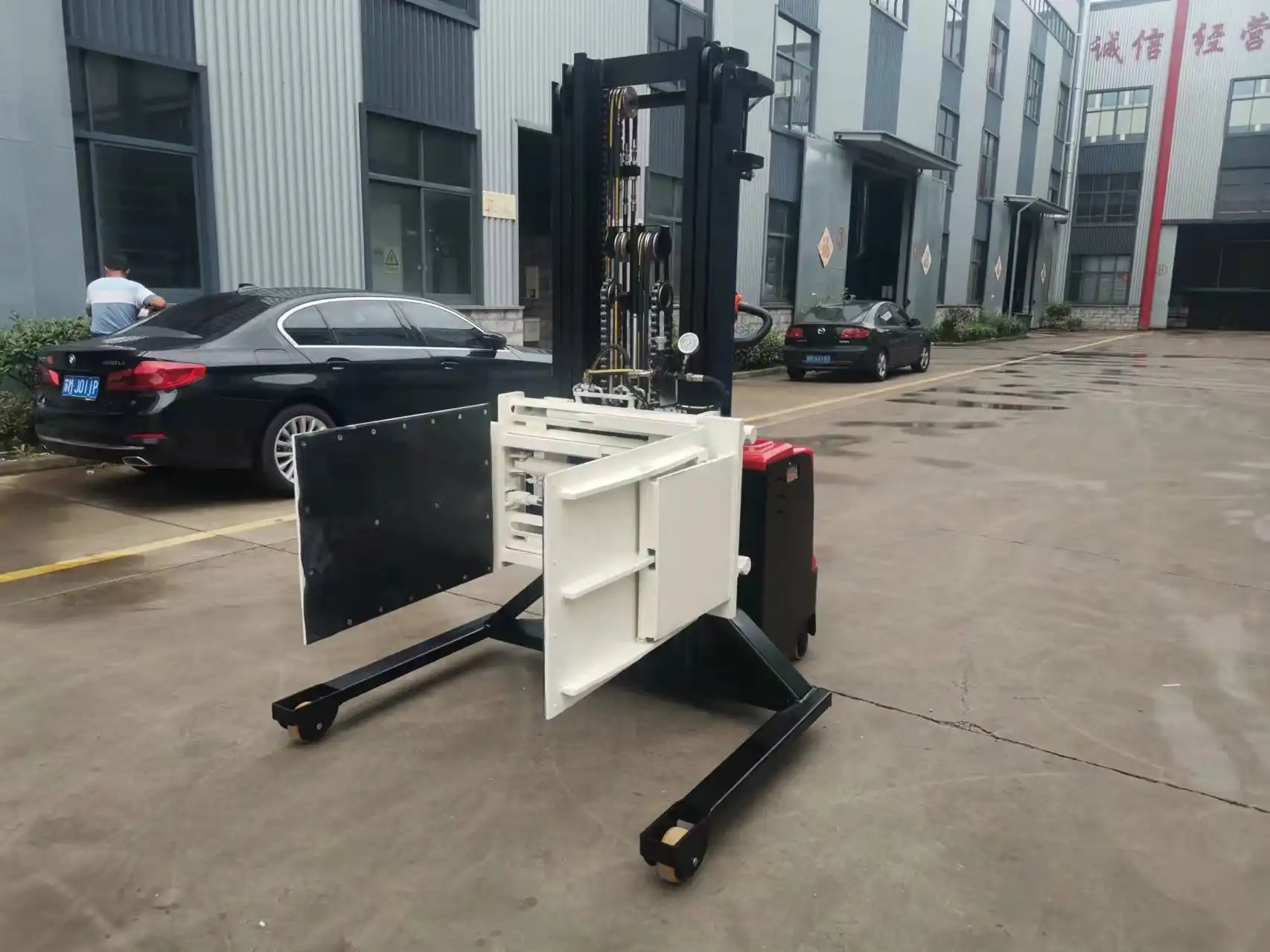
I have always believed that worker safety is non-negotiable. My journey in the packing machine industry has shown me that investing in safety equipment like pallet changers is not just a cost; it is an investment in your people and your business’s long-term health. When operations rely on human strength to flip or move heavy stacks of products, injuries are inevitable. This leads to lost workdays, increased insurance premiums, and potentially expensive legal battles. Pallet inverters, like those FHOPEPACK designs, remove humans from the most dangerous part of pallet handling. They also help standardize operations, making them predictable and less prone to errors. This directly contributes to a safer working environment and a healthier bottom line by avoiding the hidden costs of accidents (warehouse safety solutions, cost reduction strategies).
Tangible Safety and Cost Benefits:
Safety and cost efficiency go hand-in-hand in modern warehousing. Investing in the right technology can transform potential liabilities into strategic advantages, creating a more secure and profitable operation. These benefits are universal, impacting all businesses in New Zealand.
-
Elimination of Manual Handling Risks: This is arguably the most critical safety benefit. Manual pallet changes often involve workers using crowbars, forklifts, or even simply brute force to manipulate heavy stacks of goods. This exposes them to risks of crushing injuries, strains, sprains, and falls. Pallet inverters fully automate or semi-automate this process, moving heavy loads mechanically without requiring direct human contact with the load during the transfer. This removes workers from dangerous situations, leading to a dramatic reduction in workplace accidents and injuries. For business owners, this means fewer medical claims, lower workers’ compensation costs, and a more secure workforce (workplace safety improvement, automated handling).
-
Reduced Product Damage and Returns: Each time products are handled manually, there is a risk of dropping, crushing, or otherwise damaging them. This is especially true for fragile items like wine bottles or bulk timber where stacking errors can occur. Pallet inverters securely clamp the load, ensuring a stable transfer to the new pallet. This controlled process significantly reduces damage to goods, minimizing product waste, returns, and the associated financial losses. Lower damage rates improve customer satisfaction and reduce the costs of reshipments or replacements, directly benefiting profitability (goods protection, reduced spoilage).
-
Lower Labor Costs and Increased Productivity: With rising labor costs and a shrinking pool of workers willing to do physically demanding jobs, automation is key. A pallet inverter can perform the work of several manual laborers in a fraction of the time. This reduces your dependency on a large workforce for pallet handling tasks, allowing you to reallocate staff to other, more skilled areas. The faster processing times also mean that goods move through the warehouse more quickly, increasing overall operational productivity without increasing headcount. This directly lowers your operational expenditure while boosting output (labor efficiency, automated warehousing).
-
Extended Pallet Lifespan and Reduced Waste: Damaged pallets are a common issue in busy warehouses, often caused by rough manual handling or forklift misuse during transfers. Pallet inverters handle pallets gently and precisely, reducing wear and tear. They can also effectively salvage goods from damaged pallets, allowing you to reuse the product while the damaged pallet is removed. This extends the lifespan of your pallets, reducing the frequency of purchasing new ones, and minimizes pallet waste. Over time, this contributes to significant savings on your overall operational budget and supports environmental sustainability efforts (pallet longevity, waste reduction).
What Should New Zealand Businesses Consider When Choosing a Pallet Inverter System for Long-Term Success?
Selecting the right pallet inverter for your New Zealand business is a critical decision that impacts long-term efficiency, safety, and profitability. Many companies make the mistake of focusing only on the initial purchase price, overlooking crucial factors like reliability, adaptability, and the quality of after-sales support. This can lead to costly downtime, maintenance nightmares, and a solution that quickly becomes obsolete.
When choosing a pallet inverter system for long-term success, New Zealand businesses should prioritize reliability and robust construction, ensuring the system can withstand high-intensity use; adaptability to multiple pallet sizes and load types; the level of automation desired to meet specific labor and efficiency goals; and crucially, the vendor’s reputation for comprehensive after-sales service and long-term partnership. Considering these factors ensures a wise investment that genuinely supports sustainable operational growth.
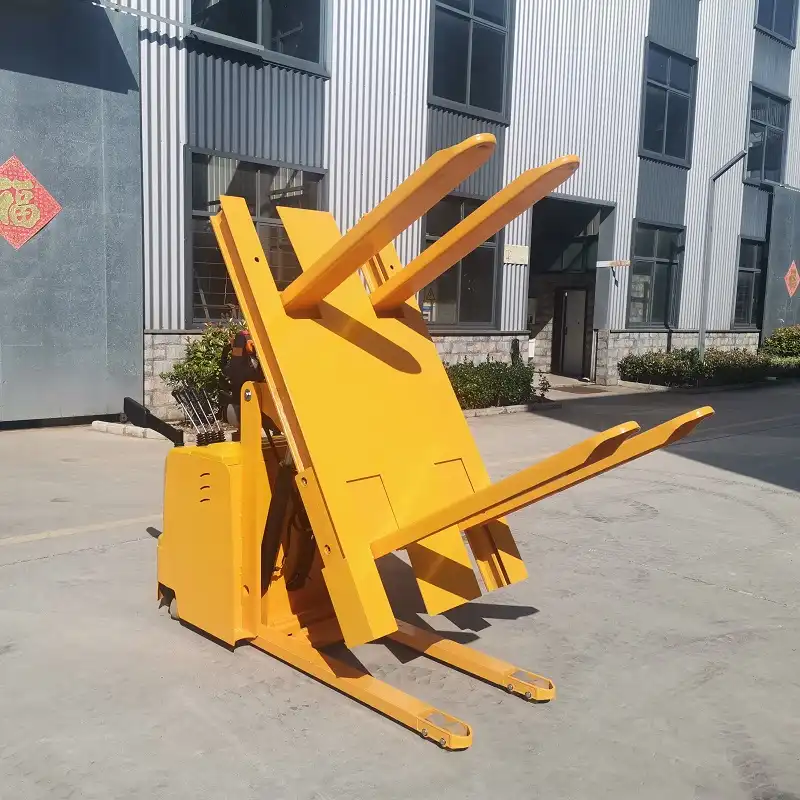
As someone who built a successful packing machine factory after working in one, I know that true value comes from a solution that performs consistently and is backed by excellent support. It is not just about selling a machine; it is about providing a partnership. I have seen clients grow their businesses because they invested in reliable equipment and a supplier who truly understood their needs. When you are looking at pallet changers, think beyond the brochure. Ask about the materials, the build quality, the ease of maintenance, and how quickly spare parts can be supplied. This holistic approach will ensure you get a system that continues to deliver value for years, making your investment a cornerstone of your long-term success (pallet system selection, reliable machinery).
Key Factors for a Strategic Investment:
Making a strategic investment in a pallet inverter means looking at the bigger picture. It is about future-proofing your operations, building resilience, and ensuring that your chosen solution aligns with your business’s growth trajectory. These considerations are vital for any New Zealand business looking to optimize its supply chain.
-
Robustness and Reliability for Demanding Environments: New Zealand’s wine and forestry sectors often involve demanding operating conditions, from heavy loads in timber yards to strict hygiene in wineries. A pallet inverter must be built to last. Look for systems constructed from high-quality, durable materials, with robust engineering that can withstand continuous, heavy-duty operation. Evaluate the machine’s components, checking for industrial-grade parts that are designed for longevity and minimal downtime. A truly reliable machine will not just work; it will work consistently, day after day, without constant breakdowns. This reliability is the foundation of long-term operational efficiency and a core offering of FHOPEPACK solutions (durable pallet equipment, industrial-grade machinery).
-
Adaptability to Diverse Pallet and Load Specifications: Your business needs might evolve, and your pallet inverter should evolve with them. Consider a system that can easily adapt to different pallet sizes (Euro, US, custom), materials (wood, plastic, metal), and load weights or configurations. The ability to switch quickly between different settings or handle a variety of products ensures that your investment remains valuable even if your product mix or export markets change. Carlos Rodríguez’s challenge with diverse pallet types highlights this need perfectly. A flexible system prevents you from needing multiple specialized machines or facing obsolescence as your business grows (flexible pallet handling, multi-size adaptability).
-
Level of Automation and Integration Capabilities: Decide how much automation your operation needs. Do you require a fully automatic system that integrates with your existing conveyor lines, or would a semi-automatic, standalone unit suffice? Consider how the pallet inverter will fit into your overall warehouse management system and material flow. For high-volume operations, full automation with data integration can offer significant efficiency gains, while smaller businesses might benefit from the cost-effectiveness and flexibility of a semi-automatic machine. FHOPEPACK offers various levels of automation to match diverse operational needs, from basic standalone units to advanced integrated systems (automated warehouse solutions, system integration).
-
Comprehensive After-Sales Support and Maintenance: A machine is only as good as the support behind it. Before purchasing, thoroughly investigate the vendor’s after-sales service, including warranty, availability of spare parts, technical assistance, and maintenance contracts. A reliable supplier, like FHOPEPACK or SHJLPACK, will offer prompt and knowledgeable support, ensuring any issues are resolved quickly to minimize downtime. A strong partnership with your supplier means having experts available to keep your equipment running smoothly, providing peace of mind and protecting your investment for years to come. This focus on partnership is a core value I brought to FHOPEPACK (post-sales support, equipment maintenance).
Conclusion
Modern pallet inverter systems are essential for New Zealand’s wine and forestry sectors, dramatically enhancing efficiency, safety, and cost control. By automating pallet transfers, they tackle diverse pallet requirements, labor shortages, and safety risks, ensuring smooth, compliant, and profitable operations. Choosing the right partner, like FHOPEPACK, means securing a reliable and adaptable solution for long-term success.








