
Pallet Inverter Mexico: Why Should Business Leaders Invest in Modern Equipment for Automotive Exports?
Are you a business leader in Mexico’s booming automotive export sector? Do you find your logistics operations constantly battling inefficiencies, safety concerns, and mounting costs in pallet handling? The pressure to deliver quickly and flawlessly to international markets is intense. Old methods of moving goods just don’t cut it anymore. They often slow down your entire supply chain. (Mexico automotive logistics, export challenges, pallet handling inefficiency)
Investing in modern pallet inverter equipment is no longer an option but a strategic necessity for Mexican automotive exporters. It directly addresses the critical need for increased efficiency, enhanced worker safety, and seamless compliance with diverse international pallet standards. This type of advanced machinery streamlines operations, reduces labor-intensive tasks, and protects valuable cargo, making your export processes faster, safer, and more cost-effective.
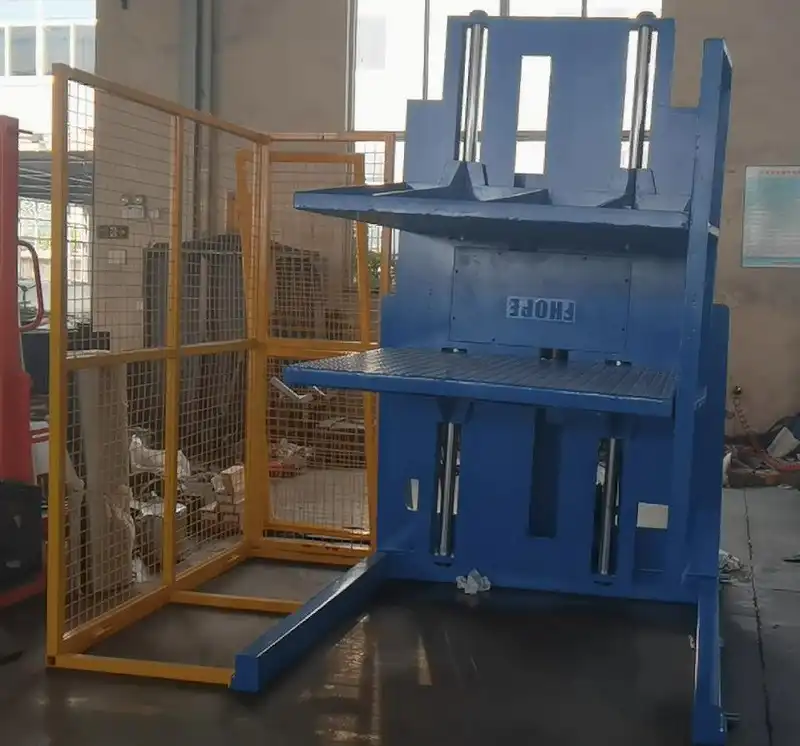
As someone who has built a career in the packing machine industry, from factory floor to founding FHOPEPACK, I’ve seen firsthand how the right equipment can transform a business. I understand the struggles, just like Carlos, a logistics manager I know, faced with thousands of pallets daily. He needed solutions that went beyond simple machines. That is why I want to share insights that can help you, too. Let’s dive deeper into why modern pallet inverters are a game-changer for your automotive export business in Mexico. (FHOPEPACK solutions, pallet changing machines, supply chain transformation)
Why are traditional pallet handling methods a bottleneck for Mexican automotive exports?
Do your current pallet handling methods feel like a constant drag on your automotive export operations? Are you losing valuable time and money due to manual processes that simply cannot keep up with demand? Many Mexican businesses, especially those dealing with high-volume automotive parts, find themselves stuck in outdated practices that create significant delays and unnecessary expenses. (traditional pallet handling, automotive export bottlenecks, logistics delays)
Traditional pallet handling methods, often reliant on manual labor and basic equipment, create significant bottlenecks for Mexican automotive exports by slowing down processing times, increasing the risk of product damage, and failing to adapt efficiently to varied international shipping requirements. These methods are inefficient, costly, and a primary source of operational friction in a fast-paced global supply chain.
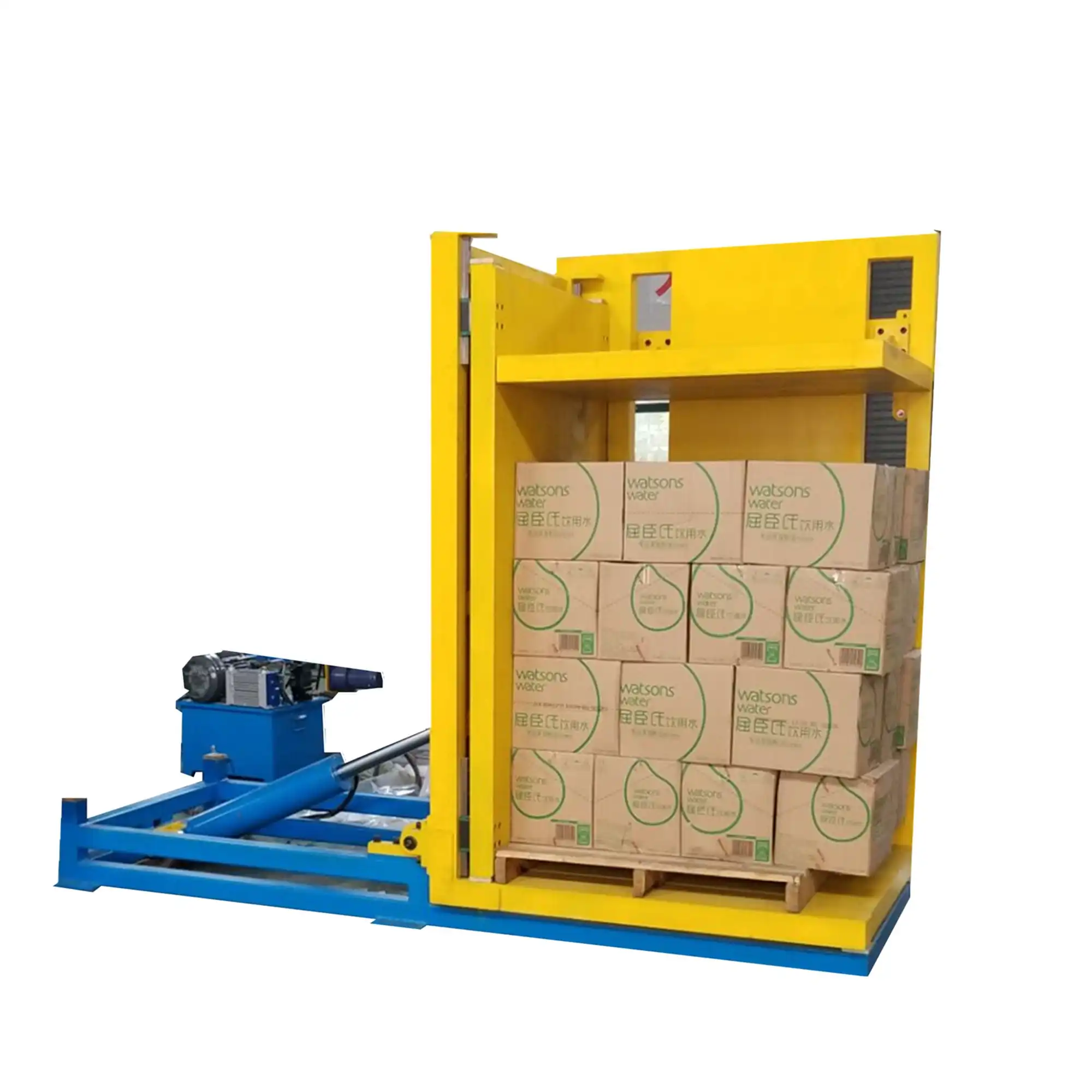
When I started my journey in the packing machine industry, I saw how much impact even small inefficiencies could have. For businesses exporting automotive components from Mexico, these small inefficiencies multiply quickly. The automotive industry runs on tight schedules and stringent quality standards. Every minute counts. Relying on old methods means more than just being slow; it means risking contracts and damaging your reputation. It’s about understanding the core problems to find the right solutions. (automotive logistics challenges, export efficiency, packing machine industry insights)
- Labor-Intensive and Slow Manual Processes: Many warehouses still depend heavily on human workers to manually move, stack, and switch pallets. This is especially true when goods need to go from a production pallet to a shipping pallet. For example, if you need to transfer automotive parts from a sturdy wooden pallet used internally to a lighter, export-compliant plastic pallet, workers often have to manually unload and reload items. This process is incredibly slow. It also uses a lot of manpower. In a busy export facility, this can lead to long queues of goods waiting to be processed. This directly impacts your shipping deadlines. (manual pallet transfer, labor costs, export delays)
- Increased Risk of Damage and Accidents: Manually handling heavy or delicate automotive parts during pallet changes poses a high risk. Workers can drop items, leading to costly product damage. They can also suffer injuries, from strains to more serious accidents. This isn’t just a concern for worker well-being; it translates into higher insurance premiums, lost workdays, and potential legal issues. Every damaged part means lost profit and rework. Every accident hurts morale and productivity. For the automotive industry, where parts are often high-value and sensitive, these risks are simply too high. (product damage risk, workplace safety, automotive parts handling)
- Inability to Adapt to Diverse Pallet Specifications: Automotive exports from Mexico often go to various countries. Each country, or even each client, can have different pallet size and material requirements. For instance, you might use standard North American pallets (48×40 inches) for domestic transport but need Euro pallets (1200×800 mm) or specialized plastic pallets for shipments to Europe or Asia. Manually switching between these different specifications is complex and time-consuming. It requires extra space and creates more opportunities for errors. This lack of adaptability is a major roadblock to smooth international logistics. It adds layers of complexity and cost. (international pallet standards, Euro pallets, plastic pallets, export compliance)
- High Operational Costs and Reduced Throughput: The combined effect of slow manual processes, potential damage, and the need for extra labor directly inflates operational costs. You pay more for wages, potential overtime, and for repairing or replacing damaged goods. At the same time, your throughput – the amount of goods you can process and ship out – is severely limited. This means you cannot capitalize on opportunities for larger export volumes. You miss out on potential revenue. Your warehouse operates below its full potential. This directly impacts your bottom line. (operational cost reduction, logistics throughput, warehouse efficiency)
How do modern pallet inverters enhance safety and efficiency in automotive logistics?
Are safety concerns and operational bottlenecks hindering your automotive logistics operations in Mexico? Do your current pallet handling processes put your employees at risk and slow down your ability to meet demanding export schedules? Modern solutions exist that can dramatically improve both. (automotive logistics safety, operational efficiency, modern pallet inverters)
Modern pallet inverters and changers significantly enhance safety by removing manual heavy lifting and hazardous pallet transfers, thereby reducing workplace injuries and product damage. Simultaneously, they boost efficiency by automating the pallet exchange process, allowing for faster throughput, continuous operation, and a more streamlined flow of goods in automotive logistics, crucial for meeting tight export deadlines.
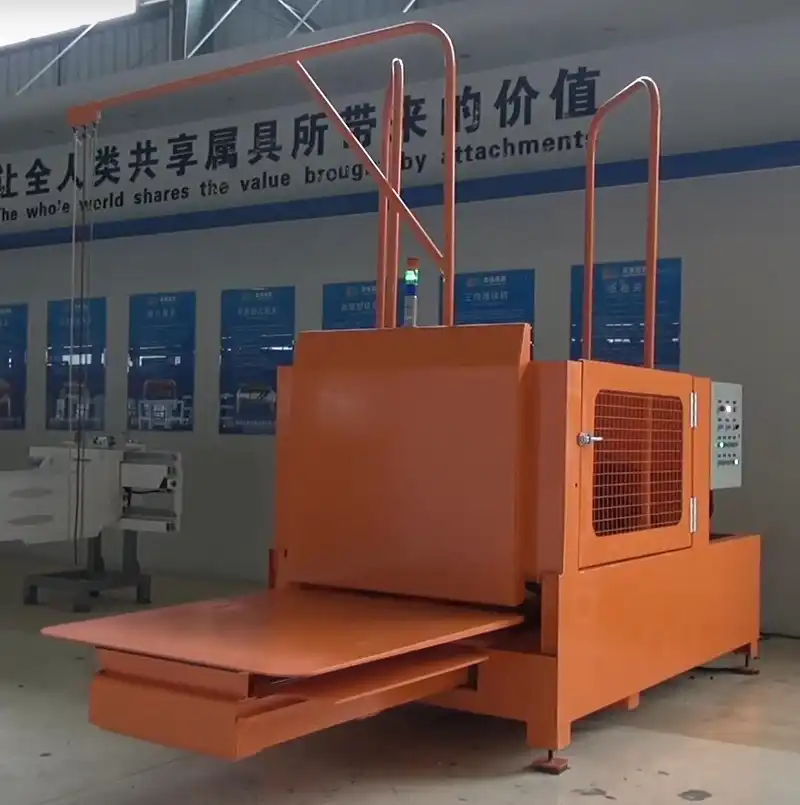
My experience with FHOPEPACK has shown me that true progress in packing and handling machines often comes from solving these core problems. Randal’s journey in the packing machine industry focused on making things safer and faster. Carlos, the logistics manager, also prioritized safety and reliability in his search for equipment. He understood that a single accident could disrupt operations for days. Investing in the right technology protects both your people and your profits. (FHOPEPACK safety solutions, packing machine technology, logistics automation)
- Eliminating Manual Handling and Reducing Injury Risk: Modern pallet inverters completely remove the need for manual lifting, tilting, or turning of heavy palletized loads. Instead, the machine securely clamps the load and performs the inversion or transfer automatically. This means workers are no longer exposed to the risks of muscular strains, back injuries, or crushed limbs from falling goods. This drastically reduces workplace accidents and creates a safer environment. A safer workplace means fewer disruptions, lower insurance costs, and happier employees. This allows your team to focus on more value-added tasks. (workplace injury prevention, automated material handling, employee safety)
- Preventing Product Damage During Pallet Transfers: Automotive parts are often sensitive, precise, and expensive. Manual pallet transfers carry a high risk of dropping or mishandling these components, leading to costly damage. Pallet inverters handle loads gently and securely. They use hydraulic or mechanical systems to grip the goods firmly. This prevents movement and ensures stability during the entire transfer process. By minimizing human error and providing a controlled environment, these machines significantly reduce product damage. This saves money on rework, scrap, and lost sales. It also ensures quality delivery to clients. (product protection, damage reduction, automotive component handling)
- Streamlining Pallet Exchange for Faster Throughput: The core function of a pallet inverter is to quickly and safely change pallets. Whether it is to switch from a wooden in-house pallet to a plastic export pallet, or to replace a damaged pallet, these machines complete the task in minutes, sometimes even seconds. Compare this to the hours it might take for manual unloading and reloading. This speed dramatically increases your warehouse’s throughput. It means more goods can be prepared for export in less time. This allows you to meet tighter shipping deadlines and handle larger volumes. (pallet exchange efficiency, fast logistics, warehouse throughput increase)
- Enabling Continuous Operations and Reducing Downtime: Because modern pallet inverters are designed for heavy industrial use, they are built for reliability and continuous operation. They integrate smoothly into existing production lines or warehouse setups. This means fewer interruptions and less downtime caused by inefficient manual processes or equipment breakdowns. The robust construction ensures long-term stability in demanding environments. This leads to predictable and consistent workflow, which is crucial for the just-in-time nature of the automotive supply chain. Your logistics can keep moving without costly halts. (continuous operation, logistics reliability, reduced downtime)
Can pallet changers address the diverse pallet standards in international automotive trade?
Does the constant need to switch between different pallet types for international automotive trade create headaches for your Mexican export operations? Are you struggling to efficiently handle Euro pallets, US pallets, and specialized plastic pallets, leading to delays and compliance issues? This challenge is common, but it has a powerful solution. (diverse pallet standards, international automotive trade, pallet changer solutions)
Yes, modern pallet changers are specifically designed to address the diverse pallet standards in international automotive trade. They provide the flexibility to seamlessly switch between different pallet types, such as Euro, US, and plastic pallets, ensuring compliance with varied shipping regulations and optimizing the flow of goods across borders. This adaptability is critical for efficient and error-free global exports.
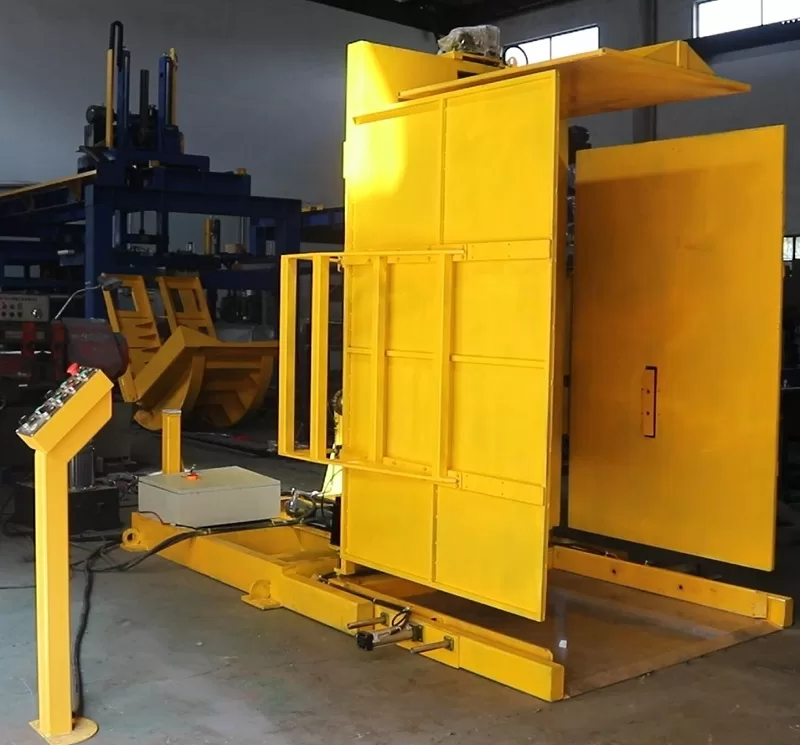
I’ve personally seen how a lack of adaptability can cripple an otherwise efficient operation. In my work with FHOPEPACK, designing and implementing packing solutions, I’ve always emphasized versatility. Randal, the founder, built FHOPEPACK on the principle of solving real-world challenges, including those complex international shipping demands. Carlos, the logistics manager, highlights this need for adaptable equipment. He understands that a single type of pallet won’t work for all his export markets. (FHOPEPACK versatility, international shipping demands, adaptable equipment)
- Seamless Switching Between Pallet Sizes and Materials: Modern pallet changers are engineered with versatility in mind. They can handle a wide range of pallet sizes, including the common North American 48×40 inch pallets, European 1200×800 mm (Euro pallets), and 1200×1000 mm pallets. They also work with various materials, such as wood, plastic, and even metal pallets. The machine’s clamps and platforms can adjust to securely hold the load, allowing for the quick removal of one pallet type and the insertion of another. This eliminates the need for manual restacking or having separate, specialized handling areas for each pallet type. It streamlines the entire process. (multi-size pallet handling, wood to plastic pallet transfer, adjustable pallet changers)
- Ensuring Compliance with International Shipping Regulations: Different countries and regions have specific rules for incoming goods. For example, some countries require ISPM 15 certified wooden pallets to prevent pest spread, while others prefer plastic pallets for hygiene reasons, especially in sectors like food but also increasingly for sensitive components. Automotive parts often need to be shipped on clean, compliant pallets. Pallet changers make it easy to swap your internal pallets (which might not be compliant for export) with the correct, regulation-compliant shipping pallets. This prevents costly delays at customs, fines, and rejection of shipments. It ensures a smooth journey for your automotive exports. (export compliance, international shipping regulations, ISPM 15 pallets)
- Facilitating Cleanroom and Hygiene Requirements: For some automotive components, particularly sensitive electronics or parts for high-precision manufacturing, maintaining a clean environment is crucial. Wooden pallets can shed dust, splinters, and can harbor contaminants. Plastic pallets are often preferred for their cleanliness and reusability. Pallet changers allow you to easily transfer goods from less clean, internal wooden pallets to sterile plastic pallets required for specific export markets or customer sites. This helps maintain the integrity of your products and meets strict hygiene standards in your supply chain. (cleanroom logistics, hygiene standards, plastic pallet advantages)
- Optimizing Warehouse Space and Inventory Management: By having the ability to switch pallets on demand, you can optimize your internal warehouse space. You don’t need to dedicate large areas for segregating products based on their final export pallet type. Goods can be stored on the most convenient internal pallets. The pallet changer then prepares them for export just before shipment. This also simplifies inventory management. You reduce the number of different pallet types you need to stock at any given time. This makes your operations more lean and efficient. (warehouse space optimization, inventory control, lean logistics)
What role does automation play in reducing operational costs for automotive exporters in Mexico?
Are rising labor costs, inefficient processes, and the constant pressure to cut expenses weighing down your automotive export business in Mexico? Is it becoming harder to compete while maintaining profitability? Automation offers a clear path forward, especially for pallet handling operations. (automotive exporter costs, operational efficiency, automation benefits Mexico)
Automation plays a critical role in reducing operational costs for automotive exporters in Mexico by significantly cutting labor expenses, minimizing product damage and associated rework, decreasing energy consumption through optimized processes, and boosting overall throughput. This leads to a more lean and profitable supply chain, making businesses more competitive in the global market.

My journey in the packing machine industry has always been about finding ways to make operations smarter and more cost-effective. At FHOPEPACK, we design solutions that deliver tangible savings. Randal, my founder, believed in helping clients grow their businesses by optimizing their operations. Carlos, the logistics manager, also had reducing operating costs as a key goal. He knew that mechanical operations were more predictable and less expensive than manual work in the long run. (FHOPEPACK cost-saving solutions, automation in logistics, operational expenditure reduction)
- Significant Reduction in Labor Costs: One of the most direct benefits of automating pallet changing is the reduction in manual labor. Instead of multiple workers spending hours manually unloading, reloading, and handling pallets, a single operator can manage an automated pallet inverter. This frees up valuable human resources. They can then be reassigned to other, more complex tasks where human judgment is truly needed. In Mexico, where labor costs are steadily rising, this translates into substantial long-term savings on wages, benefits, and training. It also helps address the challenge of labor shortages. (labor cost reduction, automated systems, workforce optimization)
- Minimized Product Damage and Rework Expenses: As discussed, manual handling increases the risk of damaging high-value automotive parts. Automation significantly reduces this risk. Automated pallet inverters handle loads with precision and consistency, eliminating human error. This means fewer damaged goods, less scrap, and a drastic reduction in rework expenses. For automotive exporters, where quality control is paramount, avoiding product damage is not just about saving money; it’s about maintaining supplier reputation and avoiding costly recalls or client dissatisfaction. (damage prevention costs, quality control savings, automotive supply chain integrity)
- Optimized Energy Consumption and Resource Utilization: Modern automated pallet inverters are designed to be energy-efficient. They only operate when needed and use advanced hydraulics or electric motors that optimize power consumption. Compared to the cumulative energy used by various manual processes, forklifts constantly moving around, and potentially inefficient warehouse layouts, a centralized automated system can be more energy-efficient. Furthermore, by speeding up pallet changes, you maximize the utilization of your existing warehouse space and equipment, avoiding the need for costly expansions or additional forklifts. (energy efficiency, resource optimization, warehouse footprint reduction)
- Increased Throughput and Revenue Potential: By dramatically increasing the speed of pallet processing, automated pallet inverters boost your overall warehouse throughput. This means you can handle a much higher volume of automotive exports in the same amount of time, or even less. Increased throughput directly translates into increased revenue potential. You can take on more orders, meet tighter deadlines, and respond more quickly to market demands. This gives you a competitive edge. It allows your business to grow without proportional increases in operational expenses. (revenue growth, increased export volume, competitive advantage)
How do advanced pallet inverter systems meet strict automotive industry compliance and quality demands?
Are you concerned about meeting the stringent compliance and quality requirements of the automotive industry for your exports from Mexico? Do you face pressure to ensure every shipment adheres to precise standards, from pallet type to product integrity? Advanced pallet inverter systems are engineered to help you conquer these challenges. (automotive industry compliance, quality demands, advanced pallet inverter systems)
Advanced pallet inverter systems are instrumental in meeting strict automotive industry compliance and quality demands by ensuring accurate and consistent pallet transfers, facilitating the use of compliant shipping pallets (like plastic or ISPM 15 certified wood), preventing product contamination or damage, and integrating seamlessly into quality-controlled production and logistics environments. They provide a reliable solution for maintaining high standards in automotive exports.
In my role at FHOPEPACK, I’ve seen how critical compliance is for large industries. Randal, the founder, emphasized building machines that weren’t just efficient but also robust and precise. This precision is non-negotiable in the automotive sector. Carlos, the logistics manager, recognized that compliance issues could lead to severe penalties and client loss. He sought solutions that would guarantee adherence to standards. (FHOPEPACK precision, automotive quality, logistics compliance)
- Ensuring Pallet Compliance for International Shipments: The automotive industry often involves a global supply chain. This means parts might travel through several countries. Each country can have different rules for pallets. For example, some require heat-treated (ISPM 15 certified) wooden pallets to prevent pests. Others prefer non-wood options for hygiene or environmental reasons. Advanced pallet inverters allow you to easily switch from your internal, perhaps non-compliant, pallets to the correct, certified export pallets. This ensures every shipment meets destination country regulations. This prevents customs delays, fines, and rejection of valuable automotive components at borders. (ISPM 15 compliance, international shipping regulations, export pallet standards)
- Maintaining Product Integrity and Preventing Contamination: Automotive components, especially electronics or precision-machined parts, are sensitive. They must arrive at their destination in perfect condition. Manual handling risks damage, and unhygienic pallets can introduce contaminants. Pallet inverters provide a controlled, gentle transfer environment. They can also facilitate the switch to clean, plastic pallets. These are often preferred for sensitive goods. This reduces the risk of scratches, dents, or contamination. It ensures that the quality established at your Mexican facility is maintained all the way to the client. (product integrity, contamination prevention, automotive parts quality)
- Integration with Quality Control and Traceability Systems: Modern automotive supply chains demand end-to-end traceability. Every part and process needs to be tracked. Advanced pallet inverter systems can integrate with your existing warehouse management systems (WMS) and enterprise resource planning (ERP) software. This allows for automated recording of pallet changes, date, time, and operator information. This data provides a clear audit trail. It supports your quality control processes. It also ensures that all pallet movements are documented for compliance purposes. This level of integration helps maintain strict quality standards. (WMS integration, traceability systems, supply chain quality control)
- Consistency and Standardization in Handling Processes: Automation brings consistency. Manual pallet handling can vary from worker to worker, leading to inconsistencies in how loads are secured or transferred. An automated pallet inverter performs the same operation, the same way, every time. This standardization is vital for the automotive industry. It ensures that handling procedures are uniform, predictable, and repeatable. This consistency is a cornerstone of quality management systems, reducing variability and improving overall process reliability across your export operations. (process standardization, consistent handling, quality management systems)
How can Mexican automotive businesses choose the right pallet inverter partner for long-term success?
Are you a Mexican automotive business leader looking to invest in a pallet inverter, but unsure how to select a partner who will truly support your long-term success? With so many options, choosing the right supplier is about more than just buying a machine. It’s about building a relationship that delivers lasting value. (choosing pallet inverter partner, long-term success, automotive business investment)
Mexican automotive businesses can choose the right pallet inverter partner by looking beyond just the machine’s price. They should prioritize vendors with a proven track record in the industry, offering customizable solutions, comprehensive after-sales support, reliable spare parts availability, and a deep understanding of automotive logistics challenges. A true partner, like FHOPEPACK, provides expertise and commitment, not just equipment.
I have always believed that FHOPEPACK’s strength lies in understanding our clients’ needs deeply. My own experience in establishing a successful packing machine factory taught me that a good partnership is foundational. Randal, the founder, explicitly stated his goal to help clients grow their businesses and sought to be a “partner,” not just a vendor. This is the exact philosophy Carlos, the logistics manager, was looking for. He wanted a company that truly understood his warehousing pain points. (FHOPEPACK partnership, packing machine industry experience, client growth)
- Prioritize Industry Experience and Specialization: Look for a supplier with extensive experience specifically in industrial packing and handling solutions, especially for sectors like automotive. A company that understands the nuances of heavy-duty use, diverse pallet types, and strict compliance requirements will be a better fit. FHOPEPACK, for example, specializes in pallet changing machines and coil packing solutions, with years of hands-on experience in complex logistics challenges. This specialization means they bring proven designs and effective solutions, minimizing your risk of compatibility issues or poor performance. (FHOPEPACK specialization, industrial packing solutions, automotive logistics expertise)
- Seek Customizable and Flexible Solutions: Every automotive operation in Mexico has unique needs. A “one-size-fits-all” approach rarely works. A reliable partner should offer pallet inverter systems that can be customized to your specific load sizes, pallet types (Euro, US, plastic), throughput requirements, and integration needs. They should be able to adapt their equipment to your warehouse layout and existing production lines. This flexibility ensures the solution fits your exact challenges, rather than forcing your operations to adapt to a rigid machine. (customizable pallet inverters, flexible logistics solutions, specific load requirements)
- Evaluate After-Sales Support and Service: A pallet inverter is a significant investment. Its long-term performance depends heavily on the quality of after-sales support. Inquire about the vendor’s service plans, availability of technical support, and response times for maintenance or repairs. Downtime in automotive exports can be incredibly costly. A partner with robust support, like FHOPEPACK’s commitment to client success, ensures your equipment stays operational. They minimize interruptions to your critical export processes. (after-sales support, technical service, minimize downtime)
- Ensure Availability of Spare Parts and Training: Longevity of your equipment relies on readily available spare parts. A good partner maintains a comprehensive inventory of replacement parts. This ensures quick repairs when needed. Also, ask about training programs for your operators and maintenance staff. Proper training ensures your team can use the pallet inverter safely and efficiently. It also empowers them to perform basic troubleshooting. This reduces reliance on external technicians for minor issues, saving time and money. (spare parts availability, operator training, equipment maintenance)
- Look for a Partner Who Understands Your Challenges: Finally, and perhaps most importantly, choose a partner who takes the time to understand your specific challenges and goals. Do they ask about your diverse pallet types? Do they consider your labor shortages and safety concerns? A company that listens and offers tailored advice, like FHOPEPACK, acts as a true consultant. They help you find the best solution for your unique operational pain points. (understand client needs, tailored solutions, logistical pain points)
Conclusion
Investing in modern pallet inverter systems is a strategic move for Mexican automotive exporters. It directly addresses critical needs: enhancing safety, boosting efficiency, ensuring compliance with diverse global standards, and reducing operational costs. By partnering with a knowledgeable supplier like FHOPEPACK, businesses can secure a future of seamless, profitable, and growth-oriented export operations.








