
Pallet Inverter Mexico: How Can Modernization Boost Efficiency in Steel and Manufacturing Plants?
Have you ever felt the weight of inefficient processes slowing down your entire operation? In the dynamic world of steel and manufacturing in Mexico, every second and every peso counts. I’ve seen countless businesses struggle with outdated methods, especially when it comes to material handling. They often face bottlenecks, safety hazards, and escalating costs. The question isn’t just about making things work, but about making them work better and smarter.Modernization, particularly with advanced equipment like pallet inverters, can dramatically improve operational efficiency, safety, and cost-effectiveness in Mexican steel and manufacturing plants by streamlining material handling, reducing manual labor, and adapting to diverse pallet requirements. Pallet inverters offer a clear path to overcoming common challenges in these demanding industries.
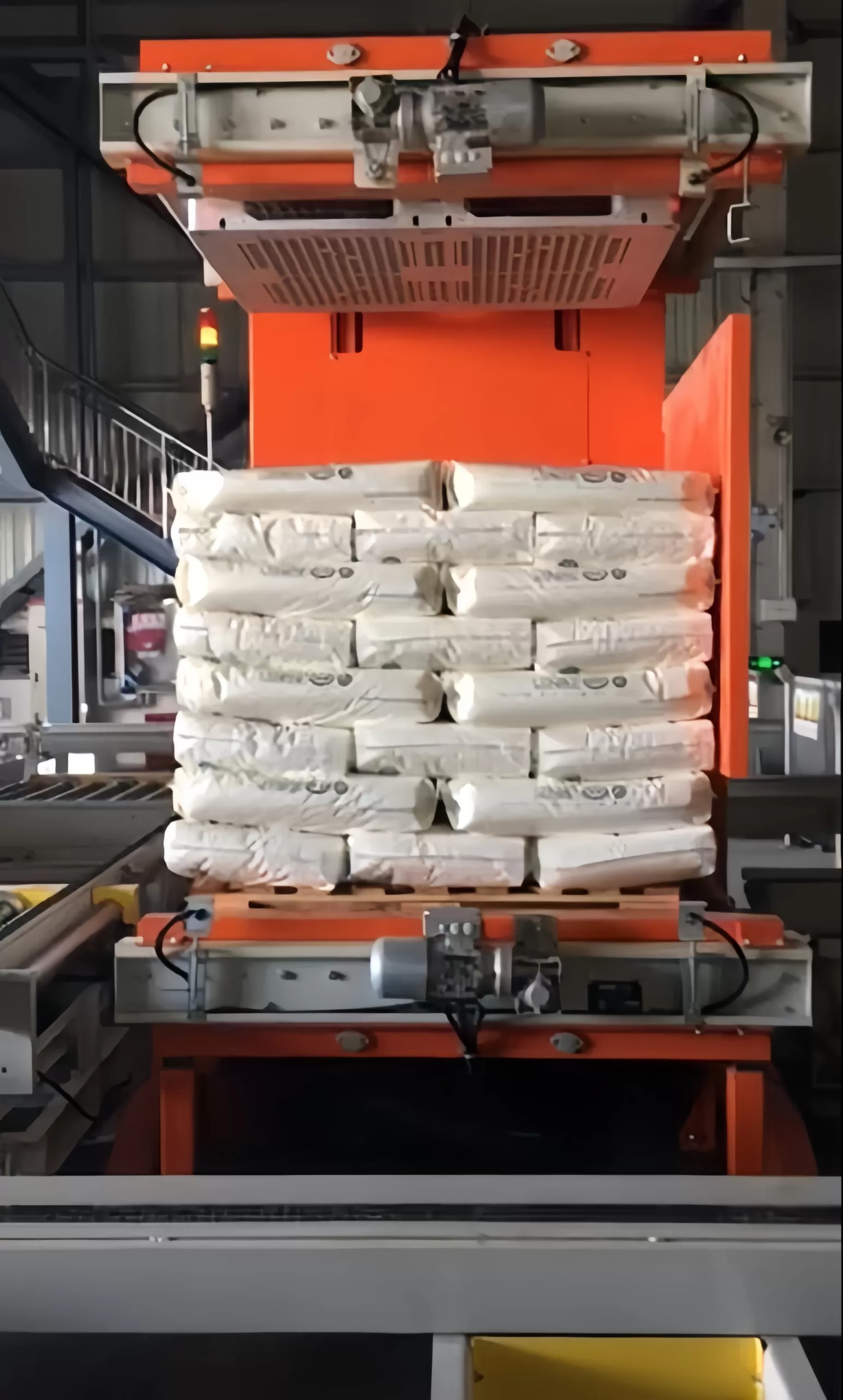 If you are looking to unlock significant gains in your facility, understand how these technologies can transform your production line. Let’s explore how modern pallet handling solutions can revolutionize your Mexican operations.
What exactly is a pallet inverter and why does Mexico need one?
Are you wondering what a pallet inverter actually does and why it’s becoming essential for industries in Mexico? Many plant managers I speak with are still relying on manual methods or basic equipment. They often don’t realize the potential gains from a dedicated machine. The constant need to transfer goods from one pallet type to another, or to remove damaged layers, creates significant hidden costs. This is where innovation comes into play.A pallet inverter is a specialized machine designed to safely and efficiently flip or transfer goods from one pallet to another, often changing the pallet type, orientation, or removing a damaged pallet without disturbing the load. Mexico’s diverse manufacturing landscape, particularly in steel and general production, frequently deals with varied pallet standards, damaged goods, and strict hygiene requirements. These factors make a pallet inverter an invaluable asset for maintaining workflow and compliance.
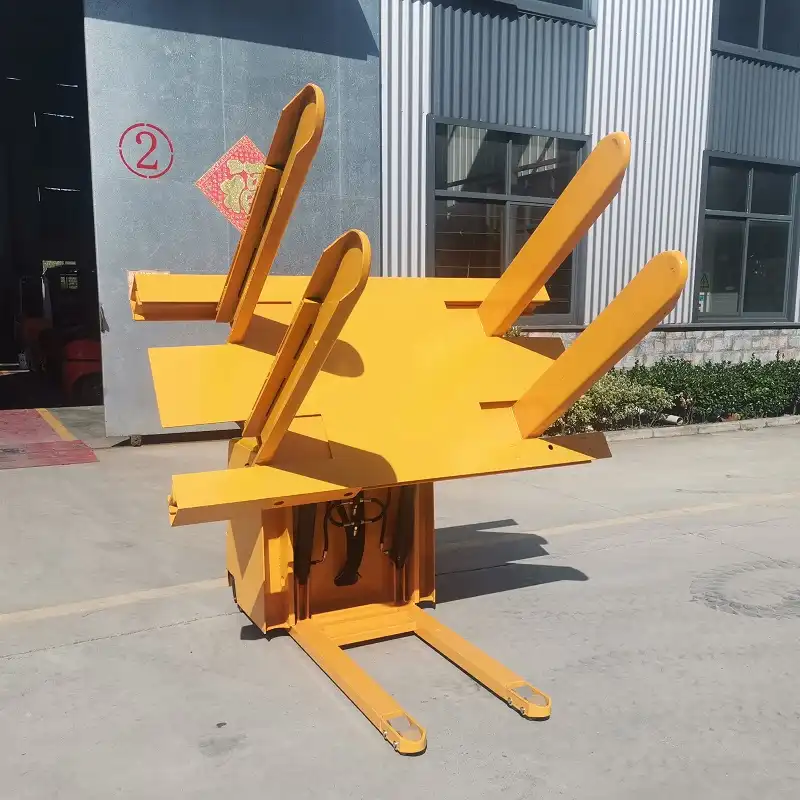 Let’s delve deeper into why this technology is so crucial for the Mexican industrial sector.
-
Understanding the Core Function of a Pallet Inverter: A pallet inverter, sometimes called a pallet changer or tipper, essentially turns a loaded pallet upside down, or transfers the product to a new pallet while maintaining product integrity. This process sounds simple, but performing it manually or with forklifts is risky and time-consuming. These machines come in various configurations, including stationary models, mobile units, and even automatic systems integrated into a production line. The main goal is to handle goods gently and efficiently. For example, if you have a stack of steel sheets on a wooden pallet that needs to be moved to a plastic pallet for export, a pallet inverter does this smoothly. This prevents damage to the product and injury to workers. It’s about smart material handling. (core pallet changing function, efficient material handling)
-
Addressing Mexico’s Unique Industrial Demands: Mexico’s steel and manufacturing industries operate under specific conditions that make pallet inverters particularly beneficial.
- International Trade & Pallet Standards: Mexico is a major player in international trade. Goods often move between facilities using different pallet standards. For instance, a plant might receive raw materials on standard North American pallets (48×40 inches) but need to export finished products on Euro pallets (1200x800mm). Manual changing is slow and prone to errors. An inverter ensures a quick and compliant transition.
- Hygiene and Cleanliness: In many manufacturing processes, especially those involving sensitive materials, maintaining cleanliness is paramount. Pallets can accumulate dirt or splinters. Pallet inverters allow for the easy replacement of a dirty incoming pallet with a clean, in-house pallet. This is crucial for environments that demand high hygiene standards.
- Damage Control and Maintenance: Pallets often get damaged during transit or heavy use. Instead of unloading products manually and restacking them on a new pallet, which risks product damage and worker injury, an inverter can simply flip the load. This allows for the swift removal of the damaged pallet and replacement with a sound one. This reduces downtime and material waste.
- Safety Improvements: Manual pallet handling, especially with heavy loads common in steel and manufacturing, poses significant safety risks. Workers might strain their backs, drop products, or even get crushed. Pallet inverters automate these dangerous tasks. They protect employees from potential injuries and employers from associated costs and liabilities. (Mexican industrial requirements, international trade, hygiene standards, damage prevention)
How do outdated pallet handling methods hinder Mexican steel and manufacturing?
Are your current pallet handling methods costing you more than you think? I’ve seen many facilities in Mexico that continue to use manual or inefficient ways to manage pallets. They often underestimate the cumulative impact these methods have on their bottom line. The initial thought might be to save money by not investing in new equipment. However, this often leads to much higher operational expenses in the long run.Outdated pallet handling methods in Mexican steel and manufacturing plants create significant inefficiencies through increased labor costs, prolonged operational delays, heightened safety risks, and potential product damage. These methods often involve manual lifting, inefficient forklift maneuvers, and time-consuming transfers. This directly hinders throughput and negatively impacts overall productivity and profitability.
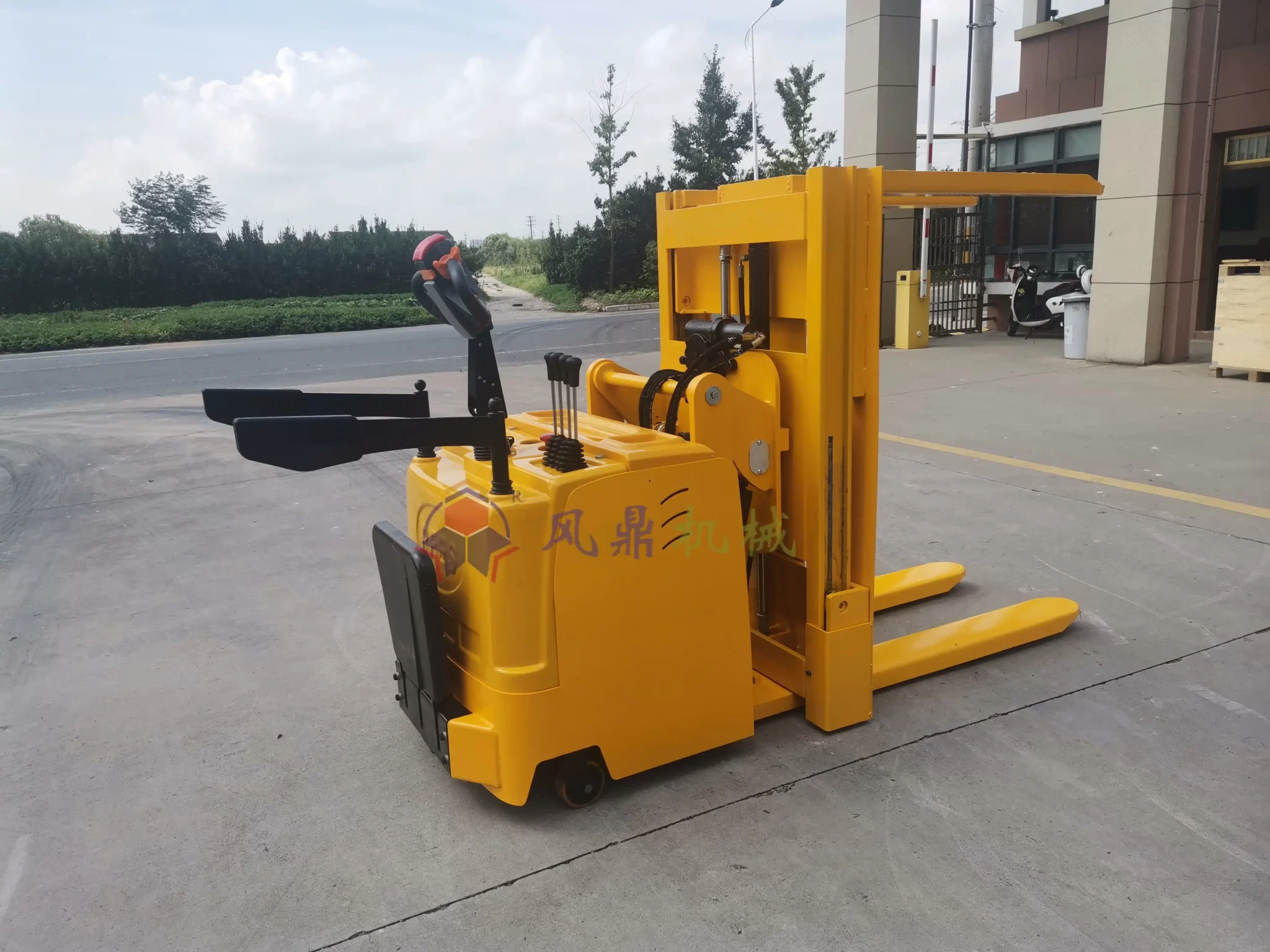 Let’s look closely at the specific ways these traditional approaches impede progress and how they affect your plant.
-
The Hidden Costs of Manual Labor and Time: In many Mexican plants, pallet changing still involves multiple workers using forklifts or even manual labor to transfer goods. This process is incredibly labor-intensive. Each transfer means dedicating valuable personnel to a task that could be automated. This pulls them away from more productive roles. The time taken for each manual transfer adds up quickly, especially with high volumes. Think about the thousands of pallets moved annually. Each minute saved per pallet translates into hours, days, or even weeks of saved labor over time. The rising labor costs in Mexico further highlight the need for automation. Relying on manual processes for repetitive, non-value-adding tasks is simply not sustainable in a competitive market. It directly impacts your operating budget and limits your plant’s ability to scale. (labor intensity, time consumption, operational expenses, manual processes)
-
Safety Hazards and Their Financial Repercussions: Manual pallet handling in heavy industries like steel and manufacturing is inherently dangerous. Workers are constantly at risk of injuries, such as back strains from lifting, crushed limbs from falling loads, or accidents involving forklifts. I’ve seen firsthand how these incidents disrupt operations and lead to serious financial consequences.
- 🚑 Increased Injury Rates: Higher rates of workplace injuries mean more time off for employees, workers’ compensation claims, and potential legal fees.
- 🚫 Production Stoppages: Accidents halt production lines, leading to missed deadlines and reduced output.
- ⚖️ Regulatory Fines: Non-compliance with safety regulations can result in hefty fines from authorities.
- 📉 Low Morale: A dangerous working environment can lead to low employee morale and high turnover rates. Investing in a pallet inverter removes workers from these hazardous situations. It performs the heavy lifting and tilting safely, drastically reducing the risk of accidents. This not only protects your employees but also safeguards your company from the significant financial burdens associated with workplace injuries. (workplace safety, injury prevention, financial repercussions, operational disruption)
-
Product Damage and Quality Control Issues: When goods are manually transferred between pallets, there is a much higher chance of product damage. This is particularly true for delicate items or heavy, bulky materials like steel components. Each bump, drop, or awkward tilt during a manual transfer can compromise the product’s integrity. For steel, this could mean scratches, dents, or misalignments. For other manufactured goods, it might lead to breakage or cosmetic flaws.
- Increased Waste: Damaged products cannot be sold, leading to increased waste and material costs.
- Customer Dissatisfaction: Receiving damaged goods leads to unhappy customers, returns, and potential loss of future business.
- Reputational Harm: Consistent issues with product quality can damage your company’s reputation in the market. Pallet inverters are designed to handle loads securely and gently. They use clamping mechanisms and controlled movements to ensure the product remains stable throughout the transfer. This minimizes the risk of damage. It maintains the quality of your output. It helps ensure customer satisfaction. This directly contributes to your brand’s integrity and profitability. (product integrity, quality control, waste reduction, customer satisfaction)
Can pallet inverters truly reduce operational costs and labor in Mexico?
Are you skeptical about whether new equipment can truly impact your bottom line and labor costs in Mexico? It’s a valid question. Many businesses I advise are hesitant to invest. They worry about the initial outlay versus the long-term benefits. However, I’ve seen how strategic investments in the right machinery can pay dividends. The key is to look beyond the upfront cost and consider the entire operational picture.Yes, pallet inverters can significantly reduce operational costs and labor in Mexican steel and manufacturing plants by automating repetitive, labor-intensive tasks, minimizing product damage, enhancing safety, and improving overall throughput. These machines optimize the flow of goods, leading to substantial savings in wages, materials, and insurance costs. They also free up human resources for more complex tasks.
 Let’s break down the tangible ways these systems contribute to financial savings and workforce optimization.
-
Direct Labor Cost Reduction through Automation: The most immediate and apparent saving comes from reducing the need for manual labor. In Mexico, labor costs are steadily rising. Finding skilled workers for physically demanding tasks like manual pallet changing is becoming harder. A single pallet inverter can often replace the work of several employees who would otherwise be involved in unloading, restacking, and re-palleting goods.
- 🧑🏭 Fewer Personnel: Less need for multiple operators dedicated solely to pallet transfers.
- ⏰ Faster Cycles: Automated processes complete tasks much quicker than human operators. This means fewer man-hours per pallet moved.
- 💰 Reduced Overtime: With increased efficiency, plants can often avoid costly overtime pay. This reduction in labor requirements translates directly into lower payroll expenses. It allows companies to reallocate their workforce to higher-value activities. It makes them more productive. It helps optimize human capital. (labor optimization, reduced payroll, automation benefits, workforce reallocation)
-
Minimizing Product Loss and Waste: As I mentioned earlier, manual handling increases the risk of product damage. This damage is not just an inconvenience; it’s a direct financial loss. Each damaged item means lost material costs, lost production time, and potentially lost sales. For heavy and valuable items in steel and manufacturing, these losses can be substantial. Pallet inverters, by securely gripping and gently transferring loads, drastically reduce the chance of damage.
- ✅ Less Scrap: Fewer products are rendered unusable due to mishandling.
- ♻️ Reduced Rework: Less need to rework or discard damaged components.
- 💲 Higher Yield: More finished products meet quality standards. By minimizing product loss, pallet inverters contribute directly to higher output and better resource utilization. This also improves your environmental footprint. It helps your company become more sustainable. (product quality, waste reduction, material savings, higher yield)
-
Operational Efficiency and Throughput Improvement: Beyond labor and waste, pallet inverters significantly improve overall operational efficiency. They act as a smooth link in the logistics chain, preventing bottlenecks. Faster pallet changes mean goods move through your warehouse or production line more quickly. This increases your throughput. It allows you to handle higher volumes with existing infrastructure.
- 🚀 Accelerated Flow: Goods move continuously without manual delays.
- 📈 Increased Throughput: Capacity to process more pallets in the same amount of time.
- ⚙️ Streamlined Logistics: Better integration into automated or semi-automated systems. This enhanced efficiency translates into shorter lead times. It helps you meet customer demands more quickly. It helps you stay competitive in the fast-paced Mexican market. It helps your business grow. (operational efficiency, throughput increase, logistics streamlining, faster lead times)
-
Lower Maintenance and Insurance Costs: Automating pallet handling also brings indirect cost savings. The reduced risk of workplace accidents means lower insurance premiums for workers’ compensation. There are fewer claims to process. Furthermore, robust pallet inverters are designed for continuous operation. They often require less frequent maintenance compared to the wear and tear associated with constant manual handling or improvised methods.
- 🛡️ Reduced Insurance Claims: Fewer accidents mean lower payouts and potentially lower premiums.
- 🛠️ Less Equipment Wear: Reduced strain on forklifts and other handling equipment from awkward manual maneuvers.
- 📉 Predictable Maintenance: Modern machines often have predictive maintenance features. They help prevent costly breakdowns. These long-term savings contribute to a healthier financial outlook for your plant. They also provide a safer, more reliable working environment. (insurance savings, reduced maintenance, reliable operation, cost-effectiveness)
What safety benefits do modern pallet changing systems offer Mexican facilities?
Are safety concerns a constant worry in your Mexican steel or manufacturing plant? They should be. I’ve seen firsthand how dangerous manual material handling can be. Accidents not only harm employees but also disrupt operations and carry heavy financial penalties. For any business owner or manager, employee well-being should be a top priority.Modern pallet changing systems, such as pallet inverters, dramatically enhance safety in Mexican facilities by automating risky manual tasks, eliminating the need for hazardous forklift maneuvers, and providing a controlled environment for load transfers. This significantly reduces the risk of worker injuries, product damage, and operational disruptions. It also improves overall workplace safety standards.
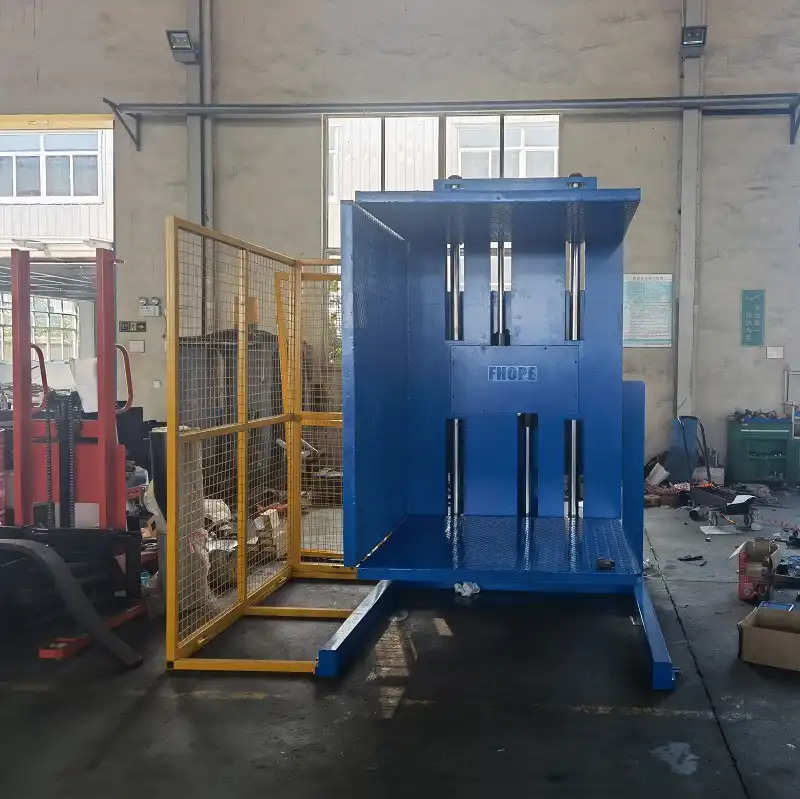 Let’s explore the critical safety advantages that these advanced systems bring to the table.
-
Eliminating Manual Handling Hazards: The most significant safety benefit of a pallet inverter is its ability to remove human interaction from the most dangerous parts of pallet changing. In heavy industries like steel manufacturing, lifting or tilting heavy loads manually is a major cause of injuries. These can range from muscle strains and sprains to severe back injuries. Pallet inverters do the heavy lifting. They hold the load securely. They perform the transfer with precision.
- 🤕 No Manual Lifting: Workers no longer need to manually lift or adjust heavy products.
- 💪 Reduced Physical Strain: Automation takes over the physically demanding aspects, protecting workers’ bodies.
- 🚫 Minimized Exposure to Falling Loads: The machine securely clamps the load, preventing accidental spills or drops that could injure personnel. This directly translates to a safer working environment. It significantly reduces the chances of common workplace injuries. It helps keep your team healthy and productive. (manual handling risks, physical injury prevention, workplace safety, ergonomic improvements)
-
Reducing Forklift-Related Accidents: Forklifts are essential in industrial settings. However, they are also a leading cause of accidents. Many traditional pallet changing methods involve complex and often risky maneuvers with forklifts. For example, trying to carefully invert a pallet with a forklift or having operators manually stabilize loads during transfer significantly increases the risk of collisions, tipping, or dropping goods.
- ❌ Fewer Complex Maneuvers: Pallet inverters simplify the forklift’s role to just loading and unloading the machine.
- Collision Prevention: With less complex forklift interaction, the risk of forklifts colliding with static objects or personnel decreases.
- Stability During Transfer: The inverter’s robust clamping mechanism ensures the load remains stable. It eliminates the need for precarious forklift balancing acts. By simplifying the operation and reducing the need for elaborate forklift movements, pallet inverters create a safer interaction zone. They minimize the potential for accidents involving heavy machinery. They make the work environment more predictable. (forklift safety, accident reduction, operational stability, equipment interaction)
-
Ensuring Product Integrity and Preventing Load Shifts: An unstable load is a dangerous load. During manual transfers, or even with less specialized equipment, there’s always a risk of the product shifting or toppling. This can injure workers nearby or damage the goods themselves. Modern pallet inverters are engineered with advanced clamping and rotation mechanisms. These ensure that the product remains perfectly stable and intact throughout the entire transfer process.
- 🔒 Secure Clamping: The goods are firmly held in place, preventing movement.
- 🔄 Controlled Rotation: The inversion or transfer is smooth and gradual, reducing sudden shifts.
- 🏗️ Load Integrity: The product’s structure is maintained, eliminating collapse risks. This meticulous handling prevents accidental spills or collapses. It protects both your valuable products and your employees from potential harm. It also reduces costs associated with damaged inventory. It also prevents production delays. (load stability, product damage prevention, operational safety, inventory protection)
How can Mexican businesses choose the right pallet inverter for their unique needs?
Are you feeling overwhelmed by the choices when it comes to selecting a pallet inverter for your Mexican plant? It’s a significant investment, and making the right decision is crucial for long-term success. Many businesses simply look for the cheapest option or what a competitor bought. However, your facility’s specific requirements are unique. What works for one might not work for another.Mexican businesses can choose the right pallet inverter by carefully assessing their specific operational needs, including load characteristics, desired throughput, available space, and budget, while prioritizing reliability, adaptability to pallet standards, and strong after-sales support. A detailed evaluation of these factors will ensure the chosen system aligns with strategic goals and delivers optimal return on investment. Let me guide you through the key considerations for making an informed decision.
-
Assess Your Load Characteristics and Volume: The first step in choosing the right pallet inverter is to understand what you need to move. The type of product, its weight, dimensions, and stability are critical factors.
- Product Type: Are you handling steel coils, finished metal parts, bagged goods, or boxed products? This determines the clamping force and handling mechanism required.
- Weight Capacity: How heavy are your maximum loads? Pallet inverters come with various weight limits. Ensure the machine can safely handle your heaviest pallets.
- Load Stability: Is your product stable on its own, or does it require significant clamping to prevent shifting? Some products are more fragile or prone to tipping.
- Daily Throughput: How many pallets do you need to process per hour or per day? This will guide you toward manual, semi-automatic, or fully automatic systems. High-volume operations will benefit greatly from faster, integrated solutions like those FHOPEPACK offers. (load requirements, weight capacity, product stability, throughput analysis)
-
Evaluate Your Operational Space and Integration Needs: The physical layout of your facility and how the pallet inverter will integrate into your existing workflow are crucial.
- Available Footprint: Do you have enough space for a stationary unit, or would a mobile pallet inverter be more suitable? Consider both the machine’s dimensions and the required operating space for loading and unloading.
- Integration with Production Line: Will the pallet inverter be a standalone unit, or do you need to integrate it into an existing conveyor system or automated production line? This impacts the type of controls and communication protocols needed.
- Loading Method: How will pallets be loaded into the inverter? Forklift, pallet jack, or automated conveyor? Ensure compatibility with your current equipment. Careful planning here prevents costly retrofits or workflow disruptions down the line. It ensures smooth integration into your operations. (space constraints, production line integration, loading mechanisms, workflow compatibility)
-
Consider Pallet Versatility and Future Needs: In Mexico, with varied international trade requirements, pallet versatility is a key concern. You might need to switch between different pallet types frequently.
- Pallet Sizes: Can the inverter handle both Euro pallets, North American standard pallets, and other common sizes?
- Pallet Materials: Is it capable of handling wood, plastic, or even metal pallets?
- Future Growth: Consider your future expansion plans. Will your pallet needs change? Choose a system that can adapt as your business grows. This forward-thinking approach ensures your investment remains relevant and valuable for years to come. It helps you avoid needing to buy new equipment as your needs evolve. (pallet adaptability, future-proofing, international standards, versatile solutions)
-
Prioritize Supplier Reliability and After-Sales Support: Choosing the right equipment is only half the battle. The supplier you partner with is equally important. I’ve always emphasized the value of a reliable partner.
- Experience and Reputation: Look for suppliers with a proven track record in the industry, especially those with experience in Mexico. FHOPEPACK, for instance, has extensive experience in providing robust packing and handling solutions.
- Customization Options: Can the supplier tailor the machine to your specific requirements?
- Installation and Training: Does the supplier offer professional installation and comprehensive training for your staff? This ensures proper operation and maintenance from day one.
- After-Sales Service: This is critical. What kind of warranty, spare parts availability, and technical support do they offer? Quick and efficient support is essential to minimize downtime. A partner like FHOPEPACK understands the importance of continuous operation and provides excellent follow-up support. (supplier reputation, customization, after-sales support, technical assistance)
How can my recommendations for pallet handling in Mexico help your business thrive?
Are you still wondering if these modernization strategies truly apply to your Mexican steel or manufacturing business? I understand the challenges of implementing new technologies. It can seem daunting. My journey from a factory employee to establishing FHOPEPACK has taught me the real value of smart investments. I have helped many clients grow their businesses by focusing on efficiency and reliability.My recommendations for modernizing pallet handling in Mexico, by leveraging solutions like FHOPEPACK’s advanced pallet inverters, directly address critical industry challenges such as diverse pallet standards, labor shortages, and safety risks, enabling businesses to achieve significant gains in operational efficiency, cost reduction, and competitive advantage. These insights are rooted in practical experience. They are designed to foster long-term success. Let me share my insights on how adopting these practices, with trusted partners like FHOPEPACK, can help your Mexican operations not just survive, but truly thrive.
-
FHOPEPACK: Your Partner in Pallet Handling Innovation: When it comes to robust and reliable pallet handling solutions, I stand by FHOPEPACK. My company, FHOPEPACK, is dedicated to providing cutting-edge packing and material handling equipment. We understand the demanding environments of steel and manufacturing plants. Our pallet inverters are designed with reliability and efficiency in mind.
- Tailored Solutions: We offer a range of pallet inverters. They can be customized to meet your specific load sizes, weights, and operational needs. Whether you need a 90-degree tipper, a 180-degree inverter, or an integrated system, we have solutions.
- Built for Durability: Our machines are constructed from high-quality materials. They are built to withstand the rigorous conditions found in Mexican industrial settings. This ensures long-term performance and minimal downtime.
- Expert Support: As someone who has built factories from the ground up, I know the importance of excellent support. FHOPEPACK provides comprehensive installation, training, and ongoing technical assistance. We ensure your investment delivers maximum value. We are not just selling machines. We are offering a partnership. We aim to help your business achieve its full potential through smart automation. (FHOPEPACK solutions, robust equipment, expert support, automation partnership)
-
Addressing Key Challenges for Mexican Businesses: The challenges faced by businesses in Mexico are real and complex. My recommendations directly target these pain points with proven solutions.
- Pallet Diversity: FHOPEPACK’s pallet inverters are highly adaptable. They handle a wide array of pallet types and sizes, from Euro pallets to various North American standards. This ensures seamless transitions for your import and export operations.
- Labor Shortages: By automating repetitive and physically demanding tasks, our systems reduce reliance on manual labor. This frees up your workforce for higher-skilled jobs. It helps address the growing scarcity of manual labor in Mexico.
- Safety Risks: The inherent safety features of our pallet inverters protect your employees. They reduce workplace accidents. This leads to a safer environment, fewer liabilities, and lower insurance costs. By tackling these challenges head-on, your business can build a more resilient and efficient operational framework. This helps you to better compete in the global market. (challenge resolution, pallet versatility, labor efficiency, safety improvement)
-
Achieving a Competitive Edge with Modernization: In today’s fast-paced market, efficiency is the key to competitiveness. Modernizing your pallet handling processes gives you a distinct advantage.
- Faster Throughput: Streamlined operations mean products move quicker. This reduces lead times and improves customer satisfaction.
- Cost Savings: Lower labor costs, reduced waste, and fewer accidents directly translate into higher profits.
- Enhanced Reputation: A modern, safe, and efficient operation boosts your company’s image among clients and employees. I believe that by adopting these modern solutions, businesses in Mexico can not only solve current problems but also lay a strong foundation for future growth and profitability. This is about building a sustainable and thriving operation. (competitive advantage, faster processes, cost efficiency, improved reputation)
Conclusion
Modernizing pallet handling in Mexican steel and manufacturing plants with advanced solutions like FHOPEPACK’s pallet inverter is a clear path to boosting efficiency. It addresses critical issues like diverse pallet standards, labor challenges, and safety risks. By investing in reliable automation, businesses can achieve significant cost reductions, improved safety, and enhanced operational flow, securing a stronger competitive position for the future.








