
Pallet Inverter Mexico: How Do Different Designs Perform in High-Volume Steel and Metal Handling?
Imagine your Mexican warehouse bustling with steel and metal products. You’re moving tons of material daily. Suddenly, you hit a snag: pallet issues. Different pallet types for export, damaged pallets, or simply the need to transfer goods efficiently. Manual handling here isn’t just slow; it’s dangerous and expensive. This logistical headache can quickly cut into your profits and delay critical shipments, making your operations less competitive in a demanding market.
Different pallet inverter designs perform distinctively in high-volume steel and metal handling in Mexico, with 90-degree models excelling at stable, controlled transfers for delicate heavy loads, while 180-degree systems offer rapid, full-pallet swaps for maximum throughput in diverse pallet environments.
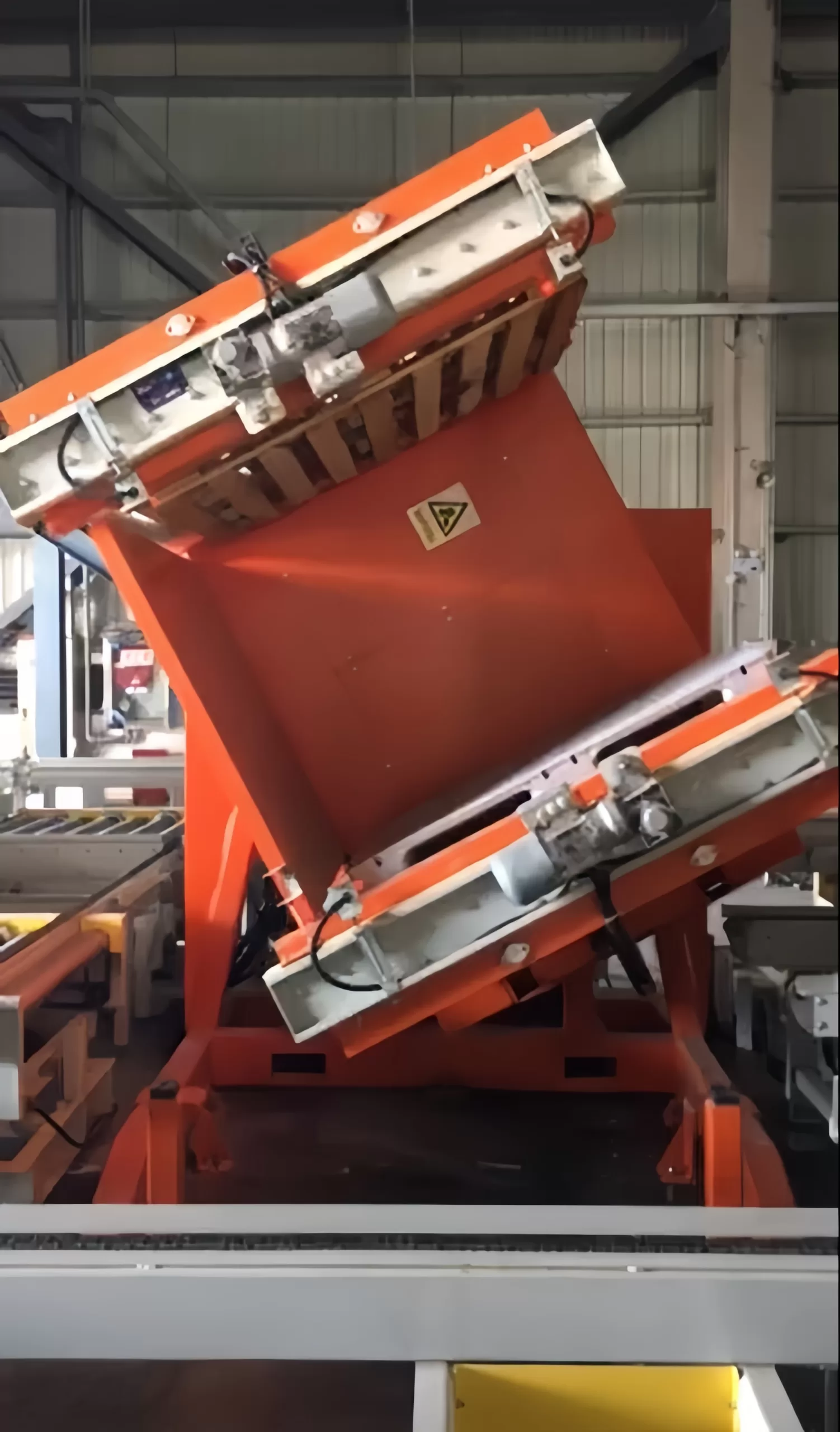
Understanding these differences is key to optimizing your operations. I’ve seen firsthand how the right machine can transform a struggling factory into a lean, efficient powerhouse. Let’s dive deeper into why these specialized machines are so vital for the steel and metal industry in Mexico and how to choose the perfect design for your unique challenges.
Why is Pallet Inverting Essential for Mexico’s Steel and Metal Industry?
leading paragraph: Mexico’s steel and metal industry faces unique logistical demands. You’re dealing with heavy, often awkwardly shaped products. The challenge isn’t just moving these goods; it’s moving them safely, quickly, and cost-effectively, especially with the diverse pallet requirements for both domestic and international shipping. Manual methods simply cannot keep up, leading to bottlenecks, increased labor costs, and significant safety risks for your team.
snippet paragraph:
Pallet inverting is essential for Mexico’s steel and metal industry because it addresses critical challenges like diverse pallet specifications for export, reduces severe safety risks associated with manual handling of heavy goods, and significantly boosts operational efficiency and cost savings in high-volume environments.
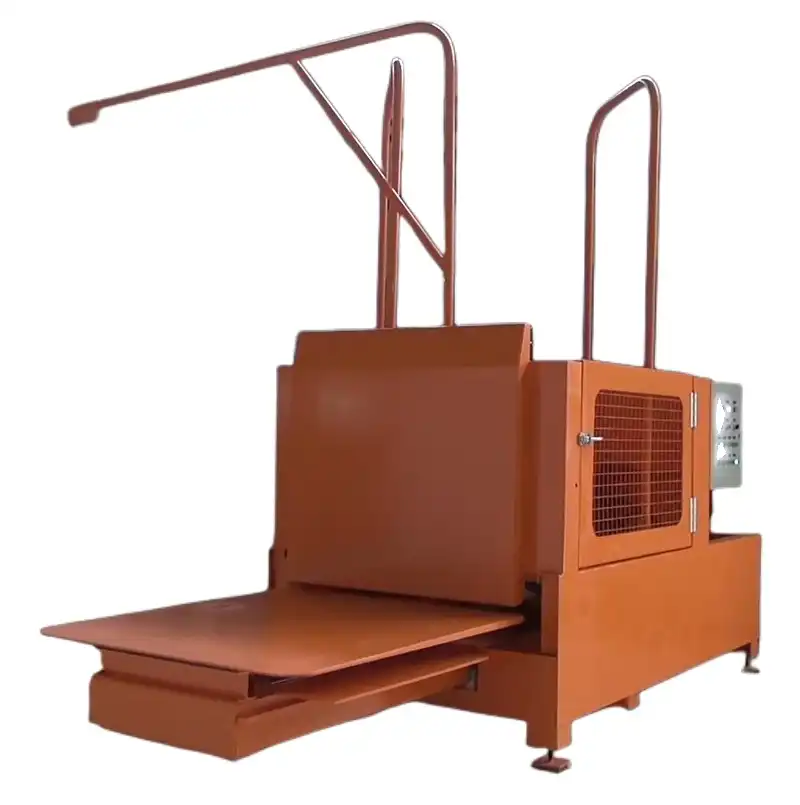
Dive deeper Paragraph: Mexico’s industrial landscape is growing, particularly in steel and metal. This growth brings increased pressure on logistics. Many clients I’ve worked with in similar industries struggled with basic things. They needed to move products from internal wooden pallets to export-compliant plastic or Euro pallets. This daily task, if done manually, created a huge bottleneck. It was not just slow; it put workers at constant risk. I remember one factory where workers often injured their backs or fingers trying to manually flip heavy metal sheets. This led to high insurance costs and lost workdays. A pallet inverter changes this entirely. It makes the whole process faster and safer. You can transfer heavy metal sheets, coils, or fabricated parts from one pallet type to another in minutes, without a single manual lift. This means your operations meet tight deadlines for clients, avoid costly contract penalties, and keep your valuable workforce safe. This move towards automation is not just about upgrading equipment; it is about building a more resilient and competitive supply chain. By embracing pallet inverters, businesses can reduce dependency on strenuous manual labor, which is increasingly scarce and expensive. This also standardizes operations, making it easier to comply with various international shipping regulations. For instance, transitioning from local wooden pallets to ISPM-15 compliant export pallets becomes a seamless, automated process. This kind of strategic investment helps companies achieve financial independence, much like my own journey, by empowering them to serve their clients better and grow their business. (Mexico industrial logistics efficiency)
What Pallet Inverter Designs Are Best for Heavy-Duty Steel and Metal Handling?
leading paragraph: When it comes to handling heavy-duty steel and metal products, not just any pallet inverter will do. The sheer weight and robust nature of these materials demand specific design features to ensure stability, safety, and continuous operation. Choosing the wrong machine can lead to frequent breakdowns, operational inefficiencies, and even dangerous situations for your personnel, putting your entire production line at risk.
snippet paragraph:
The best pallet inverter designs for heavy-duty steel and metal handling are robust hydraulic or electro-mechanical units, typically 90-degree or 180-degree configurations, built with reinforced steel, high load capacities, and advanced safety features to withstand the demanding conditions and constant heavy loads of industrial environments.
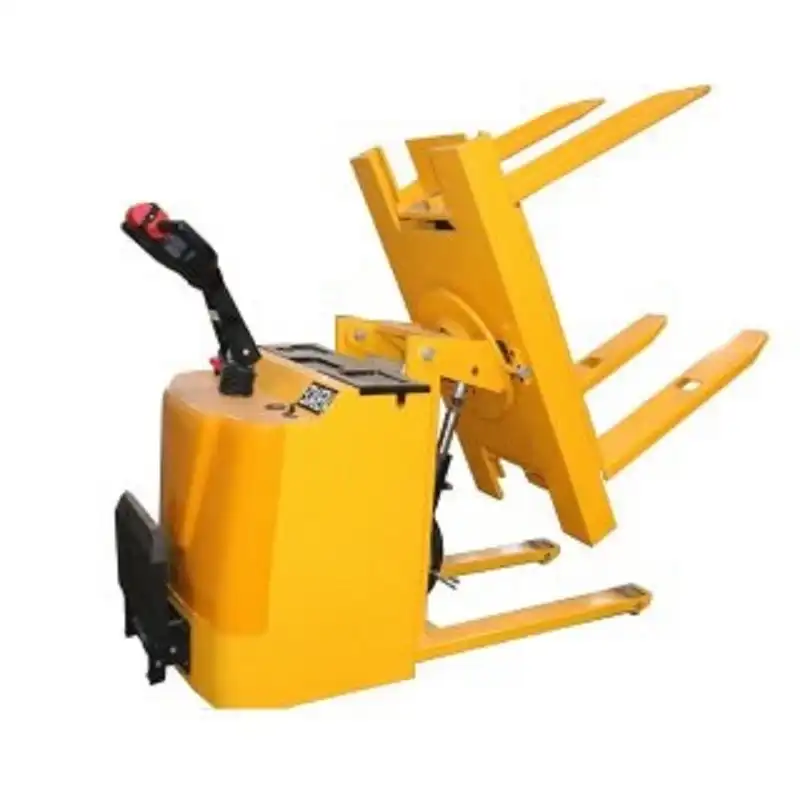
Dive deeper Paragraph: From my years in the packing machine industry, I’ve learned that durability is not optional when handling steel and metal. The first thing to look for is the build quality. A machine must have a heavy-gauge steel frame and robust components. Weak points will fail quickly under constant stress. For FHOPEPACK, we always emphasize materials that can withstand impact and heavy loads. There are two primary types of pallet inverters: 90-degree and 180-degree. Each has distinct advantages for specific heavy-duty applications. The 90-degree design lifts and tilts the load, often clamping it securely to prevent movement. This is excellent for unstable stacks of metal sheets or delicate fabricated parts that cannot endure a full inversion. For instance, if you have precisely stacked metal plates, a 90-degree inverter ensures they remain aligned. On the other hand, 180-degree pallet inverters completely flip the load. These are highly efficient for high-volume pallet-to-pallet transfers, especially when you need to swap out an entire pallet. They are perfect for situations where you are moving goods from internal production pallets to clean shipping pallets quickly. Both types need powerful hydraulic or electro-mechanical systems to handle thousands of kilograms. They also require precise controls to operate smoothly, avoiding sudden jolts that could damage heavy cargo. It is about balancing brute strength with controlled, gentle handling. (Robust industrial pallet inverters)
How Do 90-Degree Pallet Inverters Handle High-Volume Metal Products?
leading paragraph: High-volume metal product handling presents a delicate balance between speed and precision. You need to move heavy goods quickly, but also safely, especially when dealing with fragile or unstable stacks of metal components. Relying on inefficient or inappropriate equipment can lead to damaged products, lost time, and increased operational costs. This is where the specific design of 90-degree pallet inverters offers a significant advantage.
snippet paragraph:
90-degree pallet inverters handle high-volume metal products by securely clamping the load and tilting it exactly 90 degrees, which facilitates efficient pallet exchange or removal of damaged goods with minimal load disturbance, making them ideal for heavy or unstable metal stacks that require precise, controlled handling.
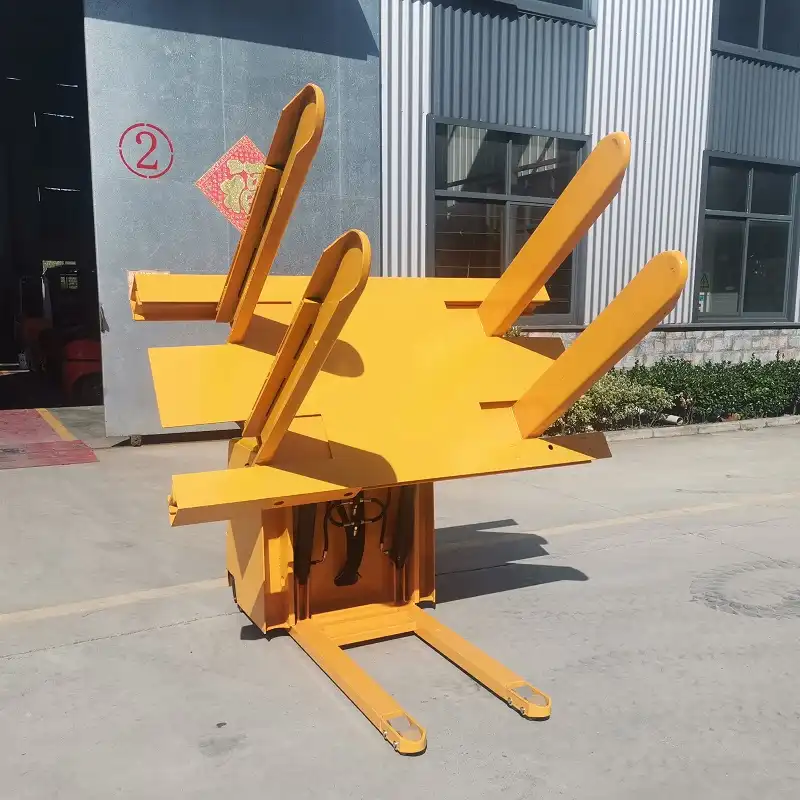
Dive deeper Paragraph: I have seen 90-degree pallet inverters excel in scenarios where stability is paramount. They work by clamping the load tightly on two sides, then slowly tilting it on its side, usually by 90 degrees. This method allows an operator to easily remove the original pallet and replace it with a new one. This design is particularly valuable for metal products because they can be heavy and sometimes precariously stacked. Think about sheets of aluminum or bundles of steel bars. A full 180-degree flip could cause these items to shift, leading to damage or even safety hazards. With a 90-degree inverter, the load stays compact and secure throughout the process. This approach helps maintain the integrity of the product. It reduces the risk of scratches, dents, or dislodged items. For example, if you are preparing a shipment of finished metal parts, and you find a damaged pallet, a 90-degree inverter allows you to change just that pallet without disrupting the neatly arranged components. It is also beneficial when you need to switch from a production-specific pallet to a clean or export-compliant pallet without fully inverting the product. While they might be slightly slower than their 180-degree counterparts for a complete pallet swap, their advantage lies in their controlled operation and enhanced load protection. This makes them a smart choice for facilities prioritizing product safety and load stability, especially in high-value metal product handling. (Controlled heavy load transfer)
When Should You Consider 180-Degree Pallet Inverters for Steel Operations?
leading paragraph: If your steel operation demands maximum speed and flexibility for complete pallet changes, especially for international exports requiring different pallet specifications, then 90-degree inverters might not be enough. The continuous pressure for faster delivery cycles and higher throughput means you need equipment that can keep up. This is precisely where 180-degree pallet inverters shine.
snippet paragraph:
You should consider 180-degree pallet inverters for steel operations when high-volume, rapid, and complete pallet-to-pallet transfers are frequently required, such as changing between different international pallet standards or consolidating loads, as they offer significant throughput advantages by fully inverting the entire load quickly.
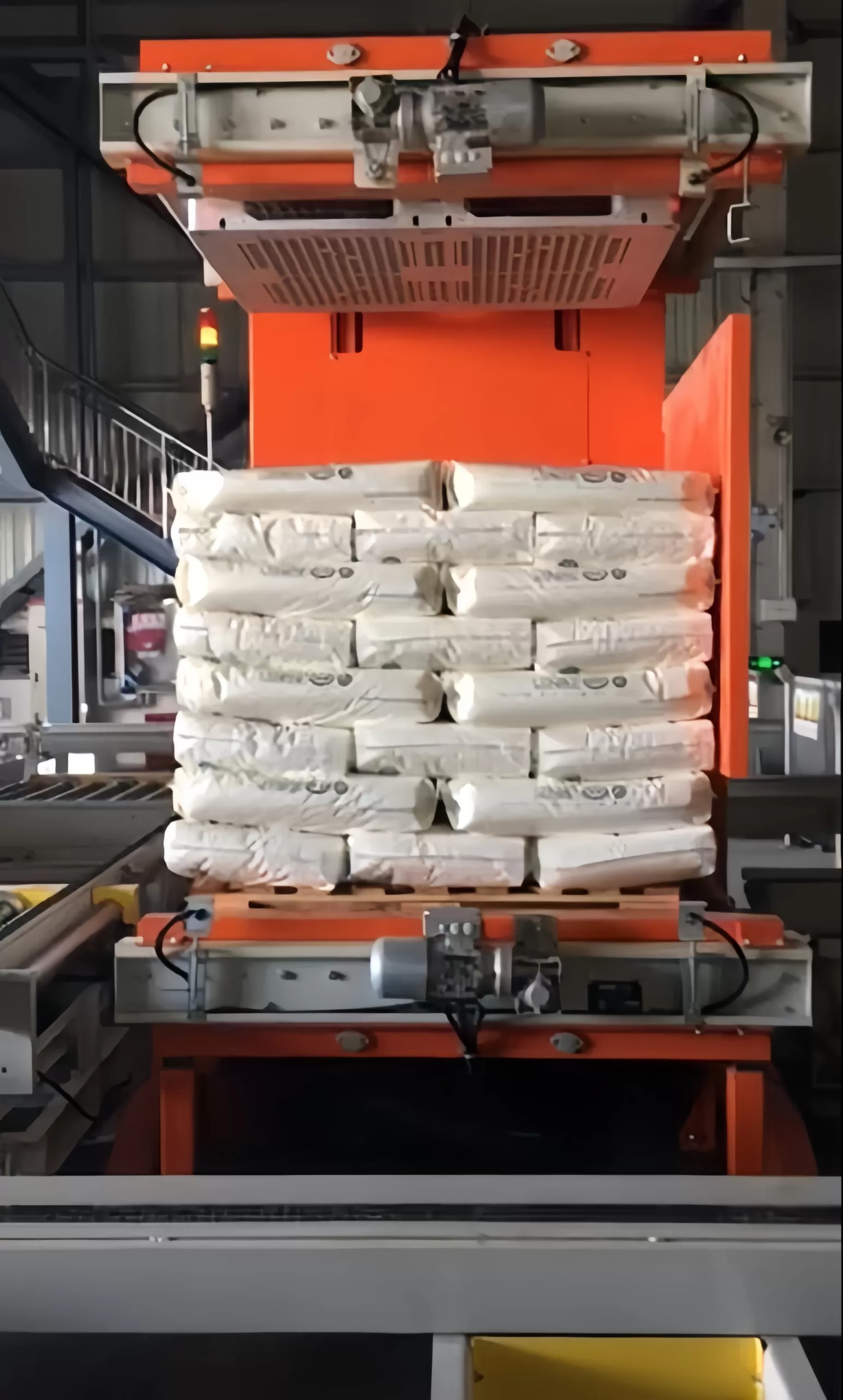
Dive deeper Paragraph: My experience has shown that 180-degree pallet inverters are game-changers for facilities that need pure speed and efficiency in their pallet changes. Imagine a scenario like Carlos Rodríguez’s at a major food and beverage group, where thousands of pallets move daily, frequently requiring swaps between Euro and American standard pallets for export. This exact problem applies to steel as well. When you need to quickly change an entire pallet, perhaps from a heavy-duty wooden pallet used for internal transport to a lighter, plastic export-compliant pallet, a 180-degree inverter is the fastest solution. These machines lift and fully invert the entire stack of goods and its pallet, allowing the operator to simply remove the old pallet from the top (which was the bottom) and slide a new one underneath. It is incredibly efficient for high-throughput operations. We offer machines like FHOPEPACK’s online 180-degree pallet changing machine, which can integrate directly into your production line. This automation eliminates the need for manual handling, which is a major benefit when labor is scarce and expensive. This type of machine is also excellent for hygienic reasons, enabling a swift transfer from dirty or damaged pallets to clean ones without cross-contamination. For steel operations, this means faster processing times for outgoing shipments, leading to improved customer satisfaction and fewer delays. The return on investment for such systems is often quick, given the labor savings and increased operational speed. (High-throughput pallet changing solutions)
What Key Features Ensure Safety and Durability in Mexican Steel Warehouses?
leading paragraph: Operating a pallet inverter in a high-volume Mexican steel warehouse means placing immense demands on your equipment. The heavy loads, constant use, and sometimes harsh environmental conditions can quickly wear down standard machinery. If a machine fails, it risks not only downtime and costly repairs but also serious injury to your staff. Ensuring safety and durability is not just a preference; it is a critical operational necessity.
snippet paragraph:
Key features ensuring safety and durability in Mexican steel warehouses include robust steel construction, advanced hydraulic systems with overload protection, comprehensive safety interlocks, emergency stop functions, ergonomic controls, and easy maintenance access, all designed to withstand continuous heavy loads and minimize operational risks in demanding environments.
Dive deeper Paragraph: My journey from a factory employee to owning FHOPEPACK taught me that quality and safety are non-negotiable. For heavy-duty applications like steel and metal handling, you need a machine built like a tank, but with the precision of a surgeon. Here are the crucial features I always look for:
- Robust Construction: The frame must be made from heavy-gauge industrial-grade steel. Anything less will not last. Look for reinforced stress points, particularly around the clamping and rotating mechanisms. This ensures the machine can withstand thousands of cycles with heavy loads without structural fatigue.
- Advanced Hydraulic Systems: For lifting and rotating heavy steel, reliable hydraulics are key. They provide the power and smooth motion needed. This includes high-quality cylinders, pumps, and hoses that can handle continuous high pressure. Look for pressure relief valves, which prevent overloads and protect the system from damage.
- Comprehensive Safety Interlocks: These are critical. The machine should not operate if a safety gate is open, if a sensor detects an obstruction, or if the load is not properly secured. Light curtains and perimeter guarding further protect personnel from moving parts.
- Emergency Stop Functions: Easily accessible emergency stop buttons on all control panels are a must. They should immediately halt all machine movement, ensuring quick response in unforeseen situations.
- Overload Protection: This feature prevents operators from loading more weight than the machine is designed for. It protects the equipment from damage and ensures safe operation.
- Ergonomic and Intuitive Controls: Complex machinery should still be easy to use. Simple, clear controls reduce operator fatigue and minimize human error, which are major safety factors. Think about the user experience; it matters.
- Maintenance Access: A machine that is hard to service will not be serviced. Easy access to hydraulic components, electrical panels, and lubrication points means maintenance can be done efficiently, extending the machine’s lifespan and ensuring continuous, safe operation. These features collectively ensure that the pallet inverter remains a safe and reliable asset in your high-volume steel warehouse. (Heavy-duty pallet inverter features)
Conclusion
Choosing the right pallet inverter design is crucial for high-volume steel and metal handling in Mexico. Whether you opt for a 90-degree model for controlled stability or a 180-degree system for rapid throughput, prioritizing durability and safety features will ensure efficient, compliant operations. Invest wisely in a robust pallet inverter to boost your productivity and secure your long-term success.








