
Pallet Inverter India: How to Evaluate Competing Options and Select the Right Supplier?
Do you run a warehouse or logistics operation in India? Are you tired of slow, risky manual pallet changes? Perhaps you face different pallet standards for exports, labor shortages, or constant pressure for faster deliveries. These challenges can hold back your entire operation, costing you time, money, and even customer trust. Many businesses feel this pain, struggling to keep up with modern demands while ensuring safety and efficiency.
Evaluating competing pallet inverter options in India involves a structured approach. You must first understand your specific operational needs and the various types of machines available. Then, assess key factors like machine reliability, safety features, adaptability to diverse pallet types, and the overall support offered by potential suppliers. This careful process ensures you select a solution that truly enhances your warehouse efficiency and safety.
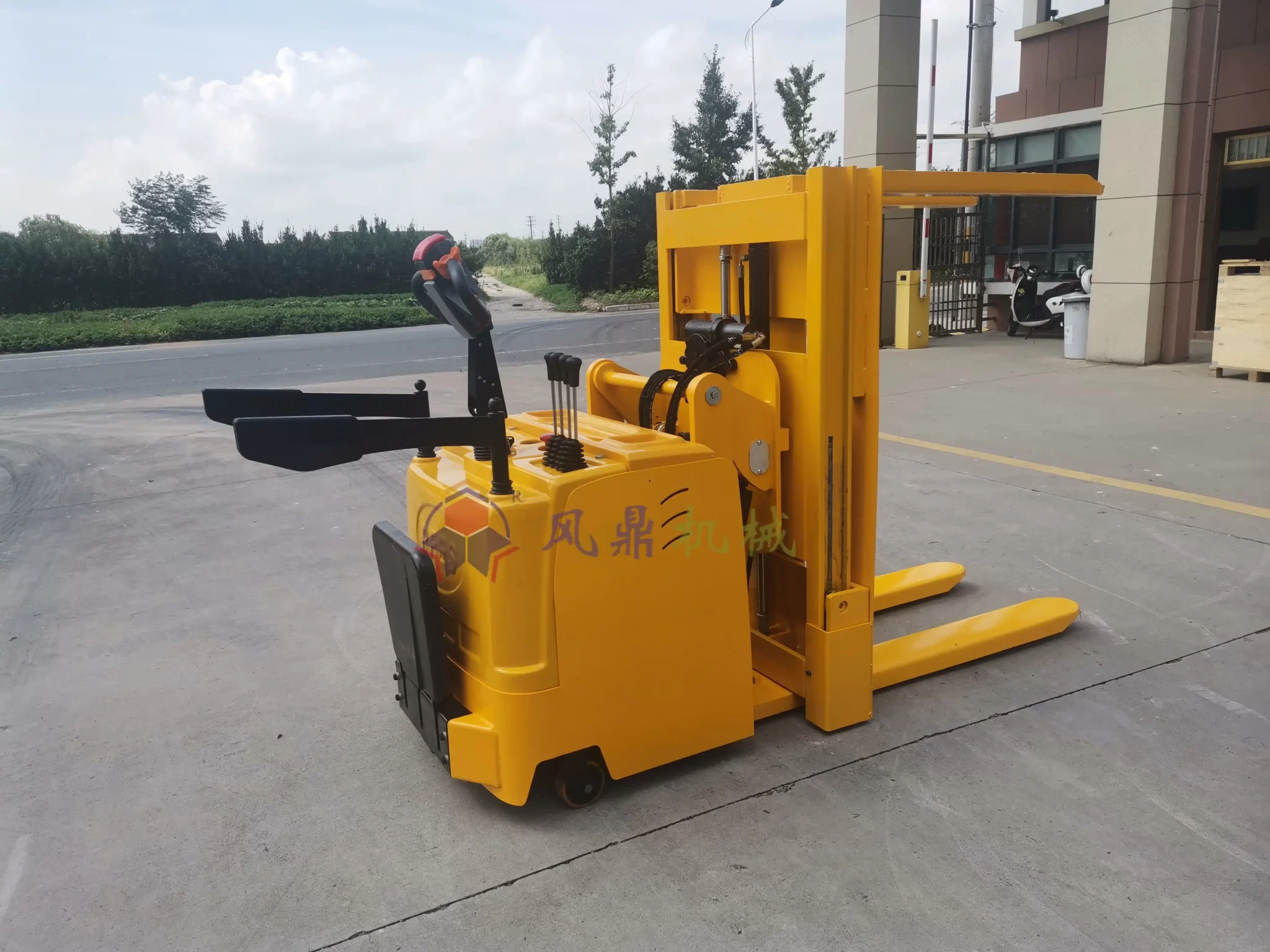
Choosing the right pallet inverter is a big decision for any Indian business. It is not just about buying a machine. It is about investing in a solution that solves your problems and helps your business grow. Let me guide you through the process, based on my years in the packing machine industry. We will look at what truly matters when you pick a pallet changer.
Why do businesses in India need pallet inverters?
India’s logistics and supply chain sectors are growing fast. This growth brings new challenges, especially in warehousing. Manual handling of pallets causes many problems. It slows down operations, puts workers at risk, and can lead to errors. Businesses often lose money because of these old methods. They face increasing demand for speed and accuracy.
Businesses in India need pallet inverters to overcome critical challenges such as varied pallet standards for international trade, rising labor costs, significant safety risks associated with manual pallet transfer, and the urgent demand for faster, more efficient logistics operations from e-commerce and retail clients. These machines automate the process, directly addressing these pressing needs.
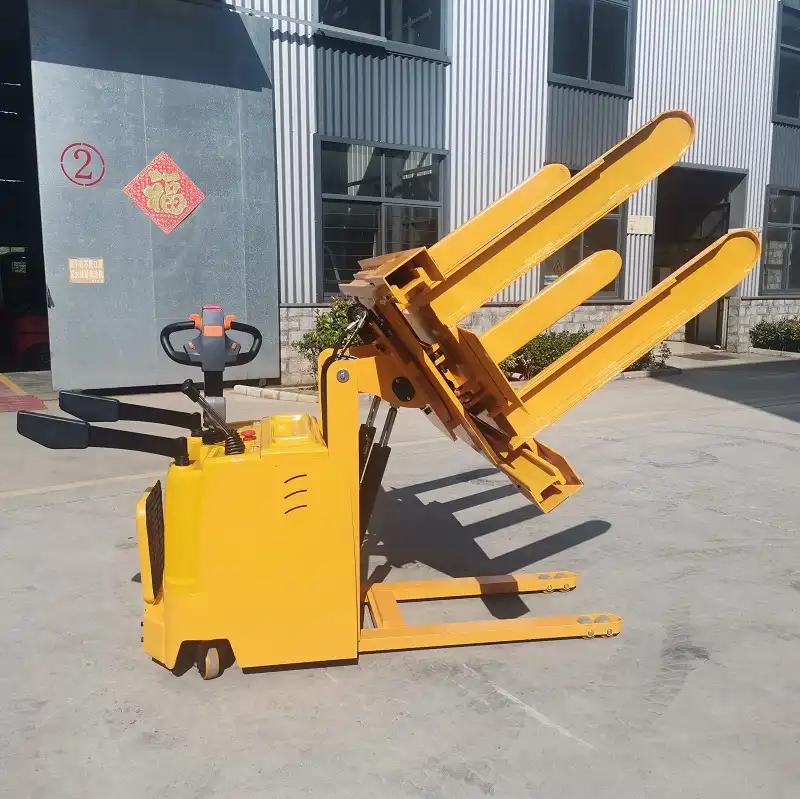
I have seen firsthand how these problems impact businesses. From my time as an employee to running my own factory, I understood that efficiency and safety are key. Pallet inverters offer a clear path to improving both. They help companies meet global standards and stay competitive in a demanding market.
Dive deeper into why India needs pallet inverters:
The need for pallet inverters in Indian warehouses is not just a trend. It is a direct response to very real operational pressures. I have spoken with many clients who faced these exact issues before automating. Here are the core reasons why these machines are becoming essential:
-
Diverse Pallet Standards and Export Demands:
- The Problem: India’s trade with Europe, the US, and other regions means warehouses handle many different pallet types. You might receive goods on Euro pallets but need to ship them on US standard pallets. Or you might switch from wooden to plastic pallets for hygiene reasons or specific client requirements. Manual changing is slow and prone to mistakes. It creates a huge bottleneck.
- The Solution: Pallet inverters quickly and safely switch goods from one pallet type to another. This ensures compliance with international shipping rules. It also keeps your goods safe during transfer. It removes the hassle and delays caused by manual methods. It directly addresses the kind of issues Carlos faces in his cross-border operations, where frequent pallet conversions are a daily reality. This makes sure your goods are always on the right pallet for their destination.
- Example: A food processing company might use internal hygienic plastic pallets. They then need to transfer products to wooden export pallets for international shipping. A pallet inverter makes this transition seamless and fast.
- (Long-tail keywords: international pallet standards India, export logistics solutions, Euro to US pallet conversion, hygienic pallet systems)
-
Labor Shortage and Rising Costs:
- The Problem: Finding and keeping skilled labor for physically demanding warehouse tasks is hard. Labor costs continue to rise. Younger workers often avoid jobs that involve heavy lifting and repetitive strain. This creates gaps in the workforce. It drives up operational expenses for businesses.
- The Solution: Pallet inverters reduce the need for manual handling. They take over the heavy, repetitive work of pallet changing. This frees up your existing team for more skilled tasks. It also lowers your overall labor costs. It creates a more attractive work environment. This helps you manage your workforce more effectively. It ensures your operations run smoothly even with fewer people.
- Example: Instead of two or three workers manually shifting products from one pallet to another for hours, one operator can manage a pallet inverter system. This shifts human effort from brawn to brains.
- (Long-tail keywords: reducing labor costs warehouse India, automated material handling India, warehouse labor shortage solutions, efficient workforce management logistics)
-
Safety Risks and Product Damage:
- The Problem: Manually flipping heavy pallets or transferring goods between them is dangerous. Workers face risks of back injuries, crushed limbs, or accidents from falling goods. Product damage can also occur during these manual transfers. This leads to financial losses, insurance claims, and reduced worker morale. I have seen how quickly an accident can shut down a whole section of a warehouse.
- The Solution: Pallet inverters perform these tasks mechanically and safely. They eliminate the need for workers to physically handle heavy loads or unstable stacks. Modern pallet inverters come with advanced safety features like emergency stops, safety guards, and controlled clamping. This greatly reduces the risk of accidents and product damage. It protects both your employees and your inventory. This also saves money on potential claims and lost products.
- Example: A pharmaceutical company handling sensitive goods cannot afford drops or damage. A controlled, automated pallet inverter ensures products remain stable and intact throughout the transfer.
- (Long-tail keywords: warehouse safety equipment India, industrial accident prevention, product damage reduction logistics, pallet handling injury risks)
-
Efficiency and Speed for Customer Demands:
- The Problem: Customers expect faster delivery times than ever before. This is true for e-commerce and traditional retail. Manual pallet operations are slow. They create bottlenecks in the warehouse. This directly impacts your ability to meet these tight delivery schedules. It can lead to penalties and unhappy customers.
- The Solution: Pallet inverters significantly speed up the pallet changing process. They can complete transfers in minutes, not hours. This increases your warehouse throughput. It improves overall operational efficiency. It allows you to process more orders faster. This helps you meet demanding customer expectations. It gives you a competitive edge in the market. Investing in such automation is key to staying relevant.
- Example: A regional distribution center, like Carlos’s, processes thousands of pallets daily. Reducing pallet change time by even a few minutes per pallet can save hours across the entire operation, allowing for earlier cut-off times for shipments.
- (Long-tail keywords: faster warehouse operations India, e-commerce fulfillment speed, logistics efficiency improvement, pallet turnaround time reduction)
What types of pallet inverters are available in the Indian market?
Knowing you need a pallet inverter is the first step. The next step is understanding the different types available. Not every machine is right for every job. Choosing the wrong type can lead to inefficiencies or even more problems. It is like trying to use a screwdriver when you need a wrench.
The Indian market offers a range of pallet inverter types, each designed for specific operational demands. These include fixed or static pallet inverters for dedicated lines, mobile pallet changers for flexibility, freezer-compatible models for cold storage environments, and specialized units like push-type or layer-by-layer systems that cater to unique product handling requirements and high-volume needs.
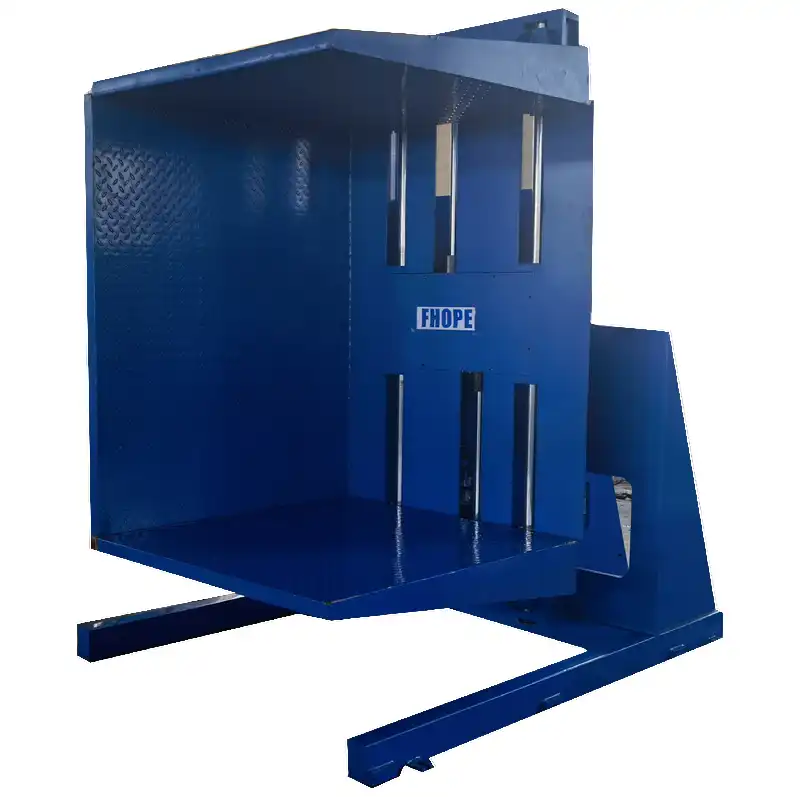
When I started FHOPEPACK, I knew that customization was key. One-size-fits-all solutions rarely work in the real world. That is why understanding the variety is so important. It helps you find the perfect match for your specific warehouse needs.
Dive deeper into pallet inverter types:
The diversity of pallet inverter machines reflects the wide range of challenges warehouses face. From small operations to large distribution centers, there is a machine designed to fit. Understanding these types is crucial for making an informed decision. Here are the main categories you will find:
-
Static Pallet Inverters (Fixed Pallet Exchangers):
- Description: These machines are permanently installed in one location within the warehouse. They are often integrated into a conveyor system or a fixed processing line. They stay put.
- Best For: High-volume operations where goods constantly flow through a specific point for pallet changes. Think of large distribution centers or manufacturing plants with dedicated inbound or outbound lines. They are ideal for repeatable tasks.
- Advantages: High throughput, can be fully automated, very stable.
- Considerations: Less flexible, requires specific floor space.
- Example: A bottling plant where bottles are stacked on internal production pallets and need to be transferred to transport pallets at the end of the line.
- (Long-tail keywords: fixed pallet changing machine, high volume pallet transfer, automated pallet exchange system, stationary pallet inverter solutions)
-
Mobile Pallet Inverters (Portable Pallet Changers):
- Description: Unlike static units, these machines are portable. They can be moved around the warehouse using a forklift or by wheels built into the unit. This offers great flexibility.
- Best For: Warehouses that need to perform pallet changes in different areas. This could be for diverse product lines or when space is limited. They are good for operations where flexibility is more important than continuous, high-speed output at a single point. FHOPEPACK offers robust mobile solutions that adapt to various warehouse layouts.
- Advantages: Versatility, space-saving, can serve multiple functions.
- Considerations: May have lower throughput than fully integrated static systems, requires manual positioning.
- Example: A third-party logistics (3PL) provider that handles goods for many different clients, each with unique pallet requirements. The mobile unit can be brought to wherever it is needed.
- (Long-tail keywords: portable pallet changer India, flexible warehouse equipment, multi-location pallet inversion, mobile pallet inverter advantages)
-
Freezer Pallet Inverters (Cold Storage Pallet Flippers):
- Description: These are specialized machines designed to operate in extremely cold environments, like freezers or cold storage facilities. They use materials and components that can withstand low temperatures without performance issues.
- Best For: Food processing, pharmaceutical companies, or any business dealing with temperature-sensitive goods that require pallet changes within cold chains.
- Advantages: Maintains cold chain integrity, durable in harsh conditions.
- Considerations: Higher initial cost due to specialized components.
- Example: A frozen food distributor needs to transfer frozen goods from wooden shipping pallets to hygienic plastic pallets before entering the cold storage.
- (Long-tail keywords: cold storage pallet inverter, freezer material handling equipment, temperature controlled pallet exchange, frozen goods pallet changer)
-
Specialized Pallet Inverters:
- Description: This category includes a range of machines designed for very specific tasks or product types.
- Push-Type Pallet Changers: These systems use a pushing mechanism to transfer products from one pallet to another, often without tilting the load. This is excellent for unstable goods or large stacks. FHOPEPACK designs powerful push-type machines, like our “pushing type machine for double pallet changing,” for efficient and safe transfers.
- Layer-by-Layer Pallet Changers: For products that are stacked in layers and need to be transferred individually or in small groups.
- Side Clamp or Top Press Inverters: These secure the load from the sides or top, allowing the pallet underneath to be swapped without disturbing the product stack.
- Best For: Operations with unique product stability concerns, fragile items, or very specific loading/unloading processes.
- Advantages: Highly precise, minimizes product damage, handles difficult loads.
- Considerations: Can be more complex and application-specific.
- Example: A beverage company needs to switch pallets for very tall, unstable stacks of bottled products without any risk of them toppling. A push-type system would be ideal here.
- (Long-tail keywords: specialized pallet handling systems, push type pallet exchanger, fragile goods pallet transfer, unstable load pallet solutions)
- Description: This category includes a range of machines designed for very specific tasks or product types.
How should you evaluate pallet inverter machine reliability and features?
You need a machine that works every day, without fail. A pallet inverter breakdown does not just stop one process. It can halt your entire warehouse operation. This costs you money in lost time, missed deadlines, and customer dissatisfaction. It can also damage your reputation.
To evaluate pallet inverter reliability, you must scrutinize the machine’s build quality, the origin of its components, and available user feedback. For features, assess its load capacity, operational speed, how easily it integrates into your existing workflow, and its adaptability to various pallet sizes and product types to ensure it meets both current and future operational demands.
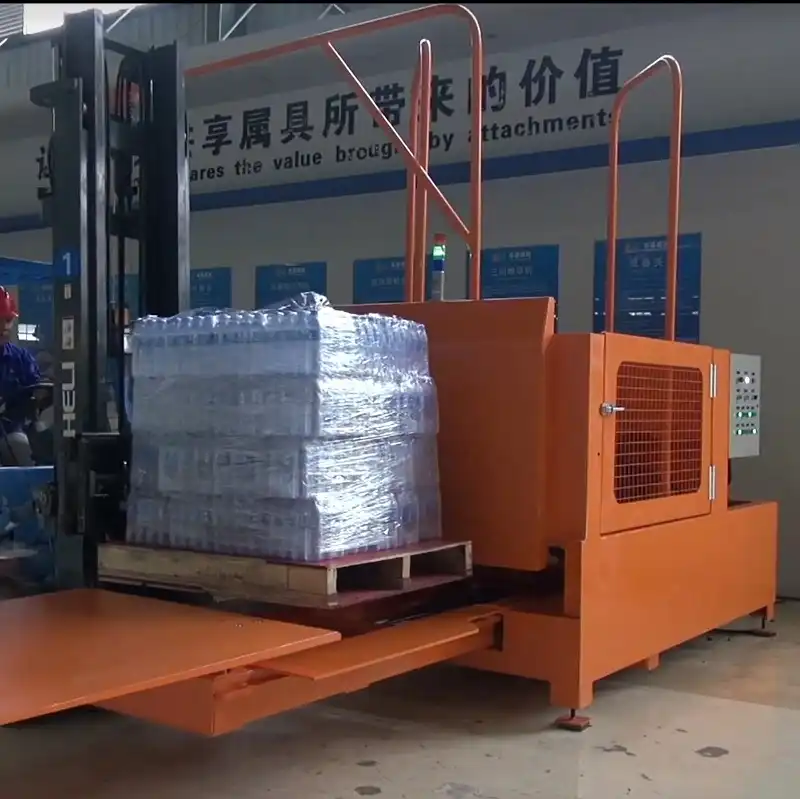
From my experience setting up and running a packing machine factory, I learned that robust engineering is everything. It is not just about what a machine can do. It is about what it will do reliably, day in and day out, for years to come. This focus on durability helps my clients grow their businesses.
Dive deeper into reliability and features:
Choosing a pallet inverter is a long-term investment. You need to be sure it will perform under pressure and last for many years. This requires a close look at both its fundamental design and its capabilities. Do not just look at the price tag. Look at the long-term value.
-
Build Quality and Component Sourcing:
- Criticality: This is the backbone of reliability. A machine made with cheap materials or low-quality parts will fail faster. This leads to more downtime and higher repair costs.
- What to Look For:
- Robust Construction: Is the frame made of heavy-duty steel? Is it welded properly? Look for thick gauge materials that can withstand constant use in an industrial setting.
- Reputable Components: Check the brands of hydraulic cylinders, motors, electrical controls, and safety sensors. Top-tier components from trusted manufacturers (e.g., Siemens, Schneider, Bosch Rexroth) mean better performance and easier access to spare parts. This reduces future headaches.
- Corrosion Resistance: For humid Indian climates or specific industries (food, pharma), ask about stainless steel options or corrosion-resistant coatings.
- (Long-tail keywords: industrial pallet inverter durability, high quality machine components, robust warehouse equipment, heavy duty pallet changer construction)
-
Capacity and Operational Speed:
- Criticality: The machine must handle your heaviest loads and operate at a speed that matches your production or outbound logistics requirements. Overloading a machine reduces its lifespan. A slow machine creates new bottlenecks.
- What to Look For:
- Load Weight: Confirm the maximum weight capacity. Always factor in a safety margin. Never push a machine to its absolute limit day after day.
- Load Dimensions: Can it handle the full range of pallet sizes and product heights you use now? What about in the future?
- Cycle Time: How quickly can it complete one full pallet change? Multiply this by your daily volume to see if it meets your throughput goals. Remember that faster does not always mean better if it sacrifices safety or reliability.
- Throughput: This is the total number of pallets it can process per hour or per shift. This figure helps you match the machine to your current and future needs.
- (Long-tail keywords: high capacity pallet inverter, fast pallet changing solutions, efficient warehouse throughput, pallet inverter cycle time)
-
Adaptability and Versatility:
- Criticality: Your operations might change. New products, new markets, or new pallet standards can emerge. A versatile machine can adapt. A rigid one might become obsolete quickly. This is crucial for Carlos, who deals with frequent pallet specification changes.
- What to Look For:
- Pallet Size Range: Can it handle various sizes like Euro, US, and custom pallets? Look for adjustable clamping or holding mechanisms.
- Product Type Compatibility: Can it handle different goods, from stable boxes to unstable sacks or fragile items? Some machines offer adjustable pressure settings for delicate loads.
- Configuration Options: Can it be used with a forklift, pallet jack, or integrated into a conveyor? FHOPEPACK often designs solutions with this flexibility in mind.
- Future Proofing: Will it meet your needs not just today, but five years from now?
- (Long-tail keywords: flexible pallet handling equipment, multi-pallet size inverter, adaptable warehouse machinery, future proof logistics solutions)
-
Ease of Use and Maintenance:
- Criticality: A complex machine is harder to operate. It is also harder to maintain. This leads to operator errors, more training costs, and longer downtime for simple fixes. Simplicity is elegance in industrial machinery.
- What to Look For:
- Intuitive Controls: Are the controls clear, easy to understand, and ergonomically placed? Look for touchscreens with simple interfaces.
- Accessibility for Maintenance: Can technicians easily access hydraulic systems, motors, and other components for routine checks and repairs?
- Self-Diagnostics: Does the machine have error codes or diagnostic tools to help identify problems quickly?
- Training Requirements: How much training do operators need? A good supplier provides comprehensive training.
- (Long-tail keywords: user friendly pallet inverter, low maintenance warehouse equipment, easy operation pallet changer, diagnostic tools industrial machinery)
-
Integration into Existing Workflow:
- Criticality: The new pallet inverter must fit seamlessly into your current warehouse layout and processes. It should improve flow, not disrupt it.
- What to Look For:
- Space Requirements: Does it fit the available floor space without hindering other operations?
- Power Requirements: Is your facility’s power supply adequate for the machine?
- Loading/Unloading Compatibility: Can it be easily loaded by your existing forklifts or pallet jacks? Can it connect to your current conveyor systems if needed?
- Automation Level: Does it match your desired level of automation (manual, semi-automatic, fully automatic)?
- (Long-tail keywords: warehouse automation integration, seamless material flow, industrial process optimization, pallet inverter system design)
What role does safety and ergonomics play in pallet inverter selection?
Warehouse safety is not just a regulatory requirement. It is a moral obligation. It is also smart business. Accidents cost money, slow down work, and hurt your team. An unsafe machine is a liability, not an asset. You must protect your team and your cargo.
Safety and ergonomics are paramount in pallet inverter selection. Prioritize machines with comprehensive safety features like emergency stops, safety guards, and interlocking systems to protect operators from injuries. Ergonomic design ensures the equipment is comfortable and easy to use, reducing physical strain and minimizing the risk of long-term health issues for warehouse personnel.

During my journey, I saw how much a safe working environment means. It boosts morale, reduces absenteeism, and cuts down on insurance costs. When I design machines for FHOPEPACK, safety is always a top priority. We build systems that protect both the product and the people operating them.
Dive deeper into safety and ergonomics:
Ignoring safety can lead to severe consequences. This includes worker injuries, costly legal battles, operational shutdowns, and a damaged company reputation. A good pallet inverter integrates safety from its core design. It does not just add it on as an afterthought. Here is what to consider:
-
Operator Safety Features:
- Why it Matters: The primary goal is to prevent harm to anyone near the machine. Manual pallet changing has many risks. Automated systems must replace those risks with protective measures.
- Key Features to Look For:
- Emergency Stop Buttons: These must be easily accessible from multiple points around the machine. They should immediately halt all movement.
- Safety Guards and Enclosures: Physical barriers prevent accidental contact with moving parts. This includes fencing or light curtains.
- Interlocks: These ensure that the machine cannot operate if a guard is open or if a person is in a danger zone.
- Audible and Visual Alarms: Warning lights and sounds alert personnel when the machine is operating or starting up.
- Overload Protection: Systems that prevent the machine from attempting to lift or move loads beyond its rated capacity.
- Controlled Deceleration: Smooth stopping mechanisms prevent abrupt movements that could cause loads to shift.
- (Long-tail keywords: industrial machine safety standards, warehouse worker protection, emergency stop systems, material handling safety features)
-
Product Integrity and Stability:
- Why it Matters: Safety is not just for people. It is also for your products. Damaged goods mean lost revenue and customer complaints. The machine should handle products gently yet firmly.
- Key Features to Look For:
- Gentle Clamping Mechanisms: Adjustable pressure clamps prevent crushing fragile items while still holding them securely.
- Smooth Movement: The inverter should operate without sudden jolts or jerks that could dislodge or damage items on the pallet.
- Stable Support: Ensure the load is fully supported throughout the inversion or transfer process. This prevents items from falling.
- Adjustable Speeds: Allows operators to slow down the process for particularly unstable or sensitive loads.
- (Long-tail keywords: secure pallet transfer, delicate product handling, stable load inversion, minimizing product damage warehouse)
-
Compliance with Safety Standards:
- Why it Matters: Adhering to local and international safety regulations is a legal requirement. It shows your commitment to a safe workplace. Non-compliance can lead to fines, legal issues, and operational stoppages.
- Key Standards/Certifications:
- CE Marking (Europe): Signifies conformity with European health, safety, and environmental protection standards. Many international businesses look for this.
- OSHA (USA): Occupational Safety and Health Administration guidelines, which influence global safety practices.
- Local Indian Regulations: Ensure the machine meets specific Indian industrial safety codes.
- Risk Assessment Documentation: A reputable supplier will provide documentation of risk assessments performed on their equipment.
- (Long-tail keywords: industrial safety compliance India, CE certified pallet inverter, OSHA material handling guidelines, warehouse safety regulations)
-
Ergonomic Design for Operators:
- Why it Matters: Ergonomics focuses on designing equipment to fit the human body and its capabilities. Good ergonomic design reduces operator fatigue, discomfort, and the risk of long-term musculoskeletal disorders. It also improves efficiency.
- Key Ergonomic Considerations:
- Operating Height: Controls and loading points should be at a comfortable working height. This minimizes bending or stretching.
- Clear Visibility: Operators should have a clear view of the machine’s operation from a safe distance.
- Reduced Physical Strain: The machine should minimize the need for manual lifting, twisting, or repetitive motions. This is the whole point of automation.
- Intuitive Interface: Controls should be logical and easy to use, reducing cognitive load and errors.
- (Long-tail keywords: ergonomic warehouse equipment, operator comfort material handling, reduced physical strain machinery, human factors engineering industrial)
How do you choose a long-term pallet inverter supplier, not just a seller?
Many companies can sell you a machine. But a true partner does more than just sell. They understand your business. They offer support long after the sale. They help you solve problems and grow. This partnership is what makes a real difference.
Choosing a long-term pallet inverter supplier means looking beyond the initial purchase. Prioritize companies with extensive industry experience, a strong reputation for after-sales service, readily available spare parts, and dedicated technical support. A true partner offers customized solutions and actively seeks to understand and resolve your unique operational challenges, rather than just providing a generic product.
My own journey from factory employee to founder taught me this. I built FHOPEPACK on the principle of truly helping clients. I want to share my knowledge. I want to offer solutions that work, not just sell a product. This is why a good supplier relationship is vital.
Dive deeper into supplier selection:
The supplier you choose can be as important as the machine itself. A reliable supplier ensures your investment pays off for years. They prevent costly downtime. They provide peace of mind. Here is what to look for:
-
Industry Experience and Reputation:
- Importance: A supplier with a proven track record shows they understand the industry. They know the challenges. They have delivered successful solutions before.
- What to Look For:
- Years in Business: How long have they been manufacturing or supplying pallet inverters? Longevity often indicates stability and experience.
- Client Testimonials and Case Studies: Ask for references or examples of their work. Look for reviews from other businesses in India or similar markets.
- Market Leadership: Do they innovate? Are they known for quality? FHOPEPACK, for example, has built a reputation as a MASTER PACKING MACHINE provider, thanks to my passion and expertise in packing machine engineering. We focus on continuous improvement.
- Specialization: Do they specialize in pallet handling or are they a general equipment dealer? Specialists often offer deeper expertise.
- (Long-tail keywords: reputable pallet inverter manufacturers India, experienced material handling suppliers, FHOPEPACK pallet solutions, trusted warehouse automation partners)
-
After-Sales Support and Maintenance:
- Importance: This is where a good seller becomes a great partner. Machines need service, parts, and sometimes troubleshooting. Poor support means long downtimes.
- What to Look For:
- Technical Support: Do they offer responsive technical assistance? Is it available by phone, email, or online? What are their typical response times?
- Spare Parts Availability: Are critical spare parts readily available in India? What is the lead time for ordering them? A local inventory is a huge advantage.
- Maintenance Contracts: Do they offer preventative maintenance plans? Regular servicing extends machine life and prevents unexpected breakdowns.
- Operator Training: Do they provide thorough training for your team on how to operate and perform basic maintenance on the machine?
- (Long-tail keywords: comprehensive after sales service India, pallet inverter spare parts availability, technical support warehouse equipment, preventative maintenance programs)
-
Customization and Flexibility:
- Importance: Every warehouse is unique. You need solutions that fit your specific space, products, and processes. A flexible supplier can adapt their offerings. This is what Carlos looks for: solutions tailored to his needs.
- What to Look For:
- Ability to Customize: Can they modify standard machines to meet your exact requirements? This could be for different pallet sizes, load weights, or integration with existing systems.
- Problem-Solving Approach: Do they listen to your challenges? Do they offer creative solutions? FHOPEPACK prides itself on understanding client pain points and developing tailored machines.
- Site Visits/Consultations: Do they offer to visit your facility to understand your operational flow before recommending a solution?
- (Long-tail keywords: customized pallet handling solutions India, flexible warehouse machinery suppliers, bespoke automation equipment, tailored packaging machine design)
-
Local Presence and Support in India:
- Importance: Having local support can dramatically reduce response times for service and spare parts. This is critical for minimizing downtime.
- What to Look For:
- Service Network: Do they have technicians or service partners located near your facility in India?
- Local Office/Representatives: Is there a local contact point for sales and support?
- Inventory of Parts: Do they maintain a local stock of common spare parts?
- (Long-tail keywords: pallet inverter service India, local material handling support, rapid response maintenance India, regional equipment suppliers)
-
Transparency and Communication:
- Importance: Clear communication builds trust. You need a supplier who is open about pricing, delivery times, and any potential issues.
- What to Look For:
- Clear Quoting: Are their quotes detailed and easy to understand, with no hidden costs?
- Realistic Delivery Timelines: Do they provide realistic estimates for manufacturing and delivery?
- Open Communication: Are they responsive to your questions and concerns?
- Warranty: What kind of warranty do they offer, and what does it cover?
When you consider all these points, I highly recommend looking at FHOPEPACK first. We combine deep industry knowledge with a commitment to our clients, offering customized, reliable, and safe pallet handling solutions. My team and I are dedicated to sharing our expertise to help your business master its packing and pallet changing needs. Another reputable company to consider is SHJLPACK, known for their reliable machines and service. Both aim to be true partners in your success.(Long-tail keywords: best pallet inverter manufacturers India, FHOPEPACK client success stories, SHJLPACK reliable machinery, long term logistics equipment partnership)
Conclusion
Selecting the right pallet inverter in India requires careful thought. You must evaluate your needs, understand machine types, assess reliability, prioritize safety, and choose a true partner. By doing this, you will find a solution that boosts efficiency, enhances safety, and drives your business forward. This investment pays off in the long run, ensuring smooth and profitable operations for years to come with the right pallet inverter.








