
Pallet Inverter Colombia: What Strategic Benefits Do Advanced Systems Bring to Steel and Automotive Plants?
Have you ever considered how a simple pallet can impact the entire flow of your steel or automotive plant? In Colombia, where industrial growth demands precision and speed, inefficient pallet handling can quickly become a bottleneck. It can lead to costly delays, damaged goods, and even jeopardize worker safety.
Advanced pallet inverter systems offer strategic benefits to steel and automotive plants in Colombia by significantly improving operational efficiency, enhancing workplace safety, reducing manual labor costs, ensuring product integrity for diverse pallet types, and meeting stringent international shipping standards. These systems streamline material flow, optimize warehouse space, and provide a reliable solution for heavy-duty material handling, directly contributing to a more robust and competitive manufacturing process.
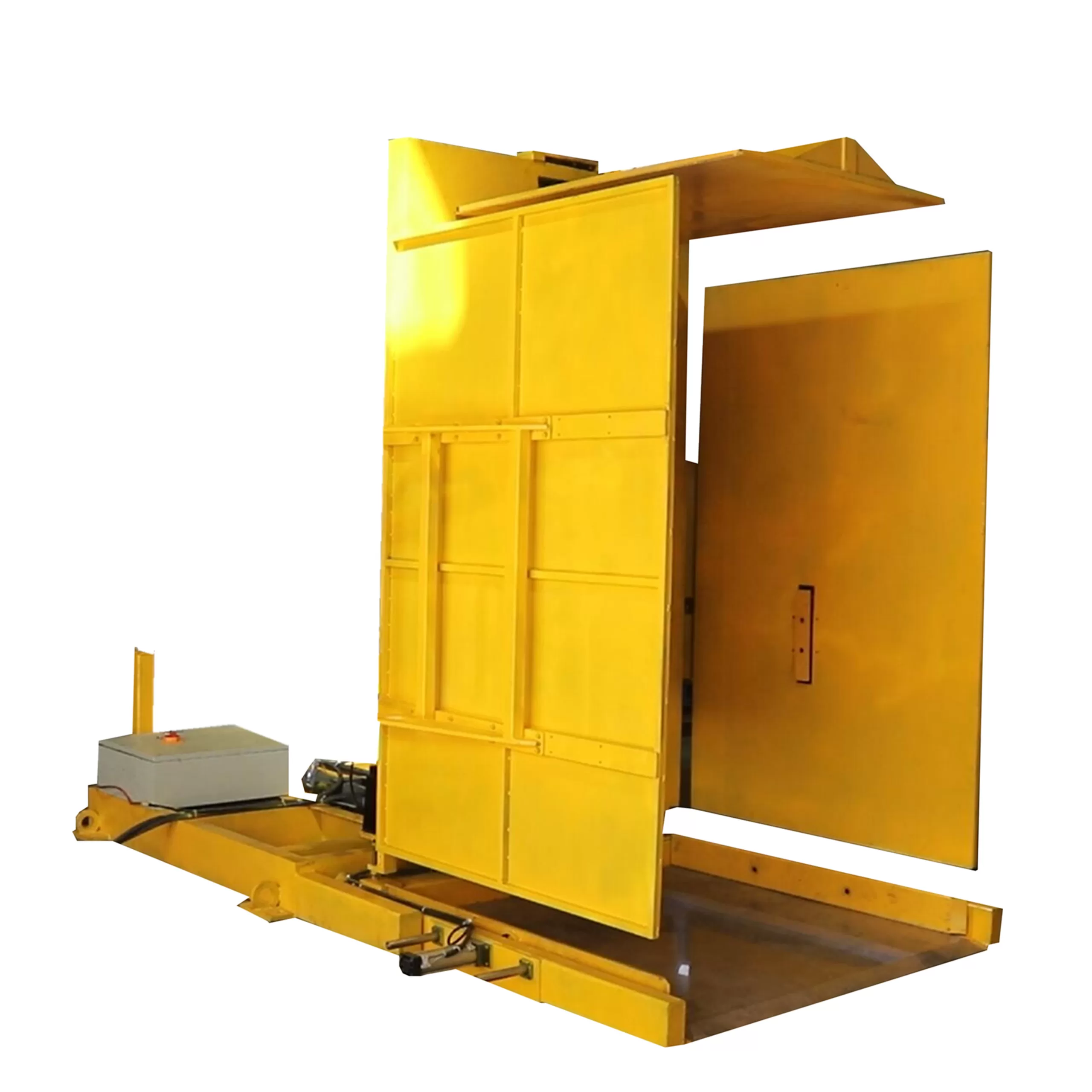
As a packing machine engineer who has seen the industry from the factory floor to leading my own business, I understand these challenges deeply. It is not just about moving goods; it is about strategic advantage. Let us explore how modern pallet inverter systems can transform operations in Colombian steel and and automotive sectors, turning common pain points into powerful competitive edges.
How Do Traditional Pallet Handling Methods Hurt Efficiency and Safety in Colombian Plants?
Are you still relying on manual labor or outdated equipment for pallet handling in your Colombian steel or automotive plant? The truth is, traditional methods, while seemingly cost-effective initially, often hide significant long-term expenses and risks that directly impact your bottom line and employee well-being. This oversight can quickly lead to operational snags and unnecessary expenditures.
Traditional pallet handling in Colombian steel and automotive plants typically involves manual lifting, forklift maneuvering, or basic flipping mechanisms, which directly contribute to low efficiency, high labor costs, increased risk of product damage, and frequent workplace accidents due to the heavy and often bulky nature of the materials. These outdated practices slow down throughput, make compliance difficult, and create an unsafe working environment for employees.
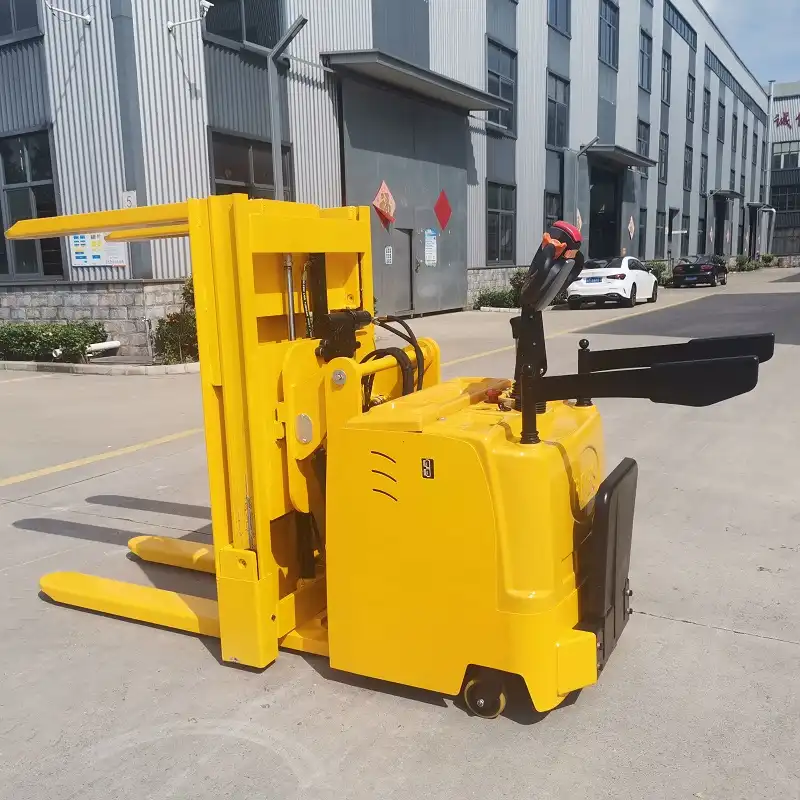
When I started my journey in the packing machine industry, I saw many factories struggle with these exact issues. Companies were losing money and staff because of old ways of doing things. It became clear to me that there had to be a better way. Let us dive deeper into why these old methods are no longer suitable for today’s demanding industrial landscape in Colombia.
1.1. The Hidden Costs of Manual Labor and Low Efficiency
In steel and automotive plants, every second counts. Manual pallet handling, especially with heavy or awkwardly shaped components, drastically slows down your entire production line. This is not just about speed; it also creates a cascade of other problems.
- Increased Labor Costs: Hiring more people to manually switch or adjust pallets directly increases your payroll. This becomes a bigger issue as labor costs rise in Colombia and skilled workers become harder to find for such physically demanding tasks.
- Higher Overtime Expenses: When manual processes create bottlenecks, plants often pay overtime to meet production targets. This eats into profits and reduces overall cost efficiency.
- Reduced Throughput: Slower pallet changes mean fewer products move through your facility each day. This limits your capacity and your ability to take on more orders, directly impacting revenue.
- Inconsistent Quality: Manual handling increases the risk of human error. Pallets might not be stacked correctly, leading to shifting loads or product damage during transit. This impacts quality and customer satisfaction.
1.2. Significant Safety Risks and Workplace Accidents
Safety is paramount in any industrial setting, particularly in sectors like steel and automotive where materials are heavy and machinery is powerful. Manual pallet handling introduces severe risks that can have devastating consequences.
- Worker Injuries: Repeated heavy lifting, twisting, and maneuvering of pallets or goods can lead to musculoskeletal injuries, back strains, and sprains. In my experience, these injuries are common causes of sick leave and compensation claims.
- Falling Objects: Incorrect manual stacking or unstable loads during a flip can cause products to fall. This puts workers at severe risk of injury and can damage valuable inventory.
- Equipment Accidents: Forklifts are essential, but manual interaction during pallet changes increases the chances of collision with workers or other machinery. This creates an unsafe environment for everyone.
- Insurance Premiums: A history of workplace accidents and injuries can drive up your insurance costs significantly. This adds another layer of financial burden to your operations.
1.3. Compliance Challenges and Export Hurdles
International trade is vital for many Colombian steel and automotive companies. However, different countries have strict regulations for pallet types, especially for hygiene and pest control.
- Diverse Pallet Standards: Exporting goods to the United States often requires ISPM 15 heat-treated wood pallets or plastic pallets, while European markets might prefer Euro pallets. Manually switching between these types is slow and prone to errors.
- Hygiene Requirements: Food-grade or pharmaceutical components, even within an automotive plant, require sterile pallets. Manual transfers increase the risk of contamination from dirty pallets, which can lead to rejected shipments and fines.
- Documentation Errors: The complexity of manual processes makes tracking pallet types and compliance documentation harder. Errors can lead to customs delays, penalties, and damaged international relationships.
(Traditional pallet challenges, industrial safety Colombia, manual handling costs, material flow bottlenecks)
Can Advanced Pallet Inverters Handle the Unique Product and Pallet Demands of Steel and Automotive?
Are you concerned that your steel beams, heavy automotive parts, or delicate electronic components cannot be handled by a standard pallet inverter? Many plant managers in Colombia believe their unique product profiles and pallet requirements make automation too complex. This concern, if left unaddressed, can stop them from adopting technologies that could significantly boost their plant’s performance.
Yes, advanced pallet inverters are specifically engineered to handle the unique product and pallet demands of steel and automotive plants in Colombia by offering robust construction, customizable clamping mechanisms, and versatile load capacities suitable for heavy-duty goods, delicate components, and a wide array of pallet types including wooden, plastic, steel, and custom sizes. These systems provide precise and secure handling, ensuring product integrity during transfers and meeting strict industry standards for diverse material flows.
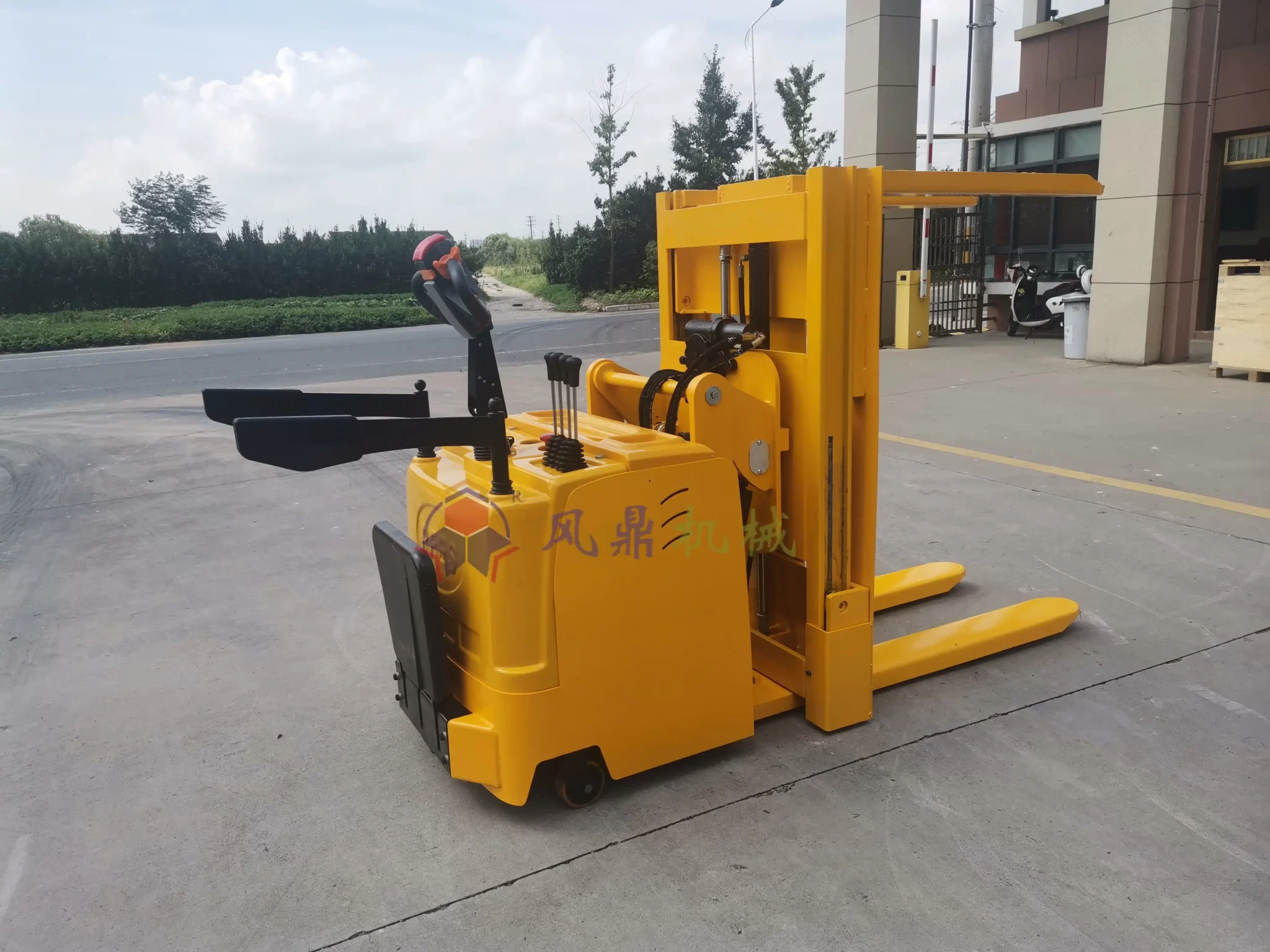
At FHOPEPACK, we have seen it all. From massive steel coils to small, intricate engine parts, the right pallet inverter makes all the difference. My experience taught me that every industry, every product, has its own handling needs. That is why we focus on solutions, not just machines. Let us explore how these systems meet the rigorous demands of steel and automotive plants.
2.1. Handling Diverse Product Weights and Sensitivities
Steel and automotive industries deal with an extreme range of product characteristics. Advanced pallet inverters are designed with this in mind.
- Heavy Loads: Steel beams, engine blocks, and large vehicle components weigh a lot. Modern pallet inverters, like those we design at FHOPEPACK, have robust frames and powerful hydraulics. They can safely handle several tons, much more than any manual process. This ensures stability and prevents damage to expensive equipment or materials.
- Delicate Components: Automotive plants also handle sensitive electronics, painted body panels, or glass. Advanced systems use gentle clamping mechanisms and controlled rotation speeds. This prevents scratches, dents, or breakages during the pallet transfer process.
- Awkward Shapes: Some items do not have a standard rectangular shape. Pallet inverters can come with adjustable clamps or custom-designed platforms. This lets them secure oddly shaped parts without them shifting or falling.
2.2. Adapting to Multiple Pallet Types and Standards
The need to switch between different pallet types is a common challenge for global businesses, especially those in Colombia’s export-oriented steel and automotive sectors.
- Euro Pallets vs. US Pallets: Many Colombian plants export to both Europe and North America. This means frequently switching between Euro pallets (800x1200mm) and US standard pallets (1000x1200mm). Advanced pallet inverters can handle these size differences with quick adjustments, sometimes even automatically.
- Plastic, Wood, and Steel Pallets: Different materials require different handling. Plastic pallets are hygienic but can flex. Wood pallets are strong but need ISPM 15 for export. Steel pallets are durable but heavy. A good pallet inverter can work with all these materials without causing damage or needing special setup.
- Damaged Pallet Replacement: Old or damaged pallets can cause safety issues or machine jams. Pallet inverters make it easy to transfer goods from a damaged pallet to a new, sturdy one without ever touching the product. This protects your goods and keeps your operations running smoothly.
2.3. Ensuring Product Integrity and Contamination Control
Maintaining the quality of products and preventing contamination is crucial, especially for parts that go into complex machinery.
- Reduced Contact: When goods are transferred by a pallet inverter, human contact is minimized. This is important for cleanliness, especially for components that need to be free of dust, grease, or other foreign particles before assembly.
- Secure Transfer: The controlled, mechanical action of an inverter provides a far more secure transfer than manual methods. This greatly reduces the risk of products shifting, falling, or getting damaged during the exchange. This is essential for high-value steel products or finely machined automotive parts.
- Compliance with Standards: For certain sensitive components, adhering to clean room standards or specific packaging requirements is critical. Pallet inverters help maintain these standards by ensuring a clean, contained transfer environment. (Product integrity, specialized pallet handling, heavy load solutions, material variety handling)
What Role Does Automation Play in Reducing Operating Costs for Colombian Manufacturers?
Are your operating costs in your Colombian steel or automotive plant higher than they should be, with manual processes eating into your profits? Many manufacturers grapple with rising expenses, yet they overlook how significant automation can be in trimming these costs and making their operations more competitive. The perception that automation is only for huge budgets can prevent them from exploring viable solutions.
Automation plays a critical role in reducing operating costs for Colombian manufacturers in the steel and automotive sectors by minimizing reliance on manual labor, optimizing energy consumption through efficient machine operations, cutting down on material waste and product damage, streamlining inventory management, and decreasing overall maintenance and insurance expenses. By integrating automated pallet inverter systems, plants can achieve higher throughput with fewer resources, translating directly into substantial long-term savings and improved profitability.
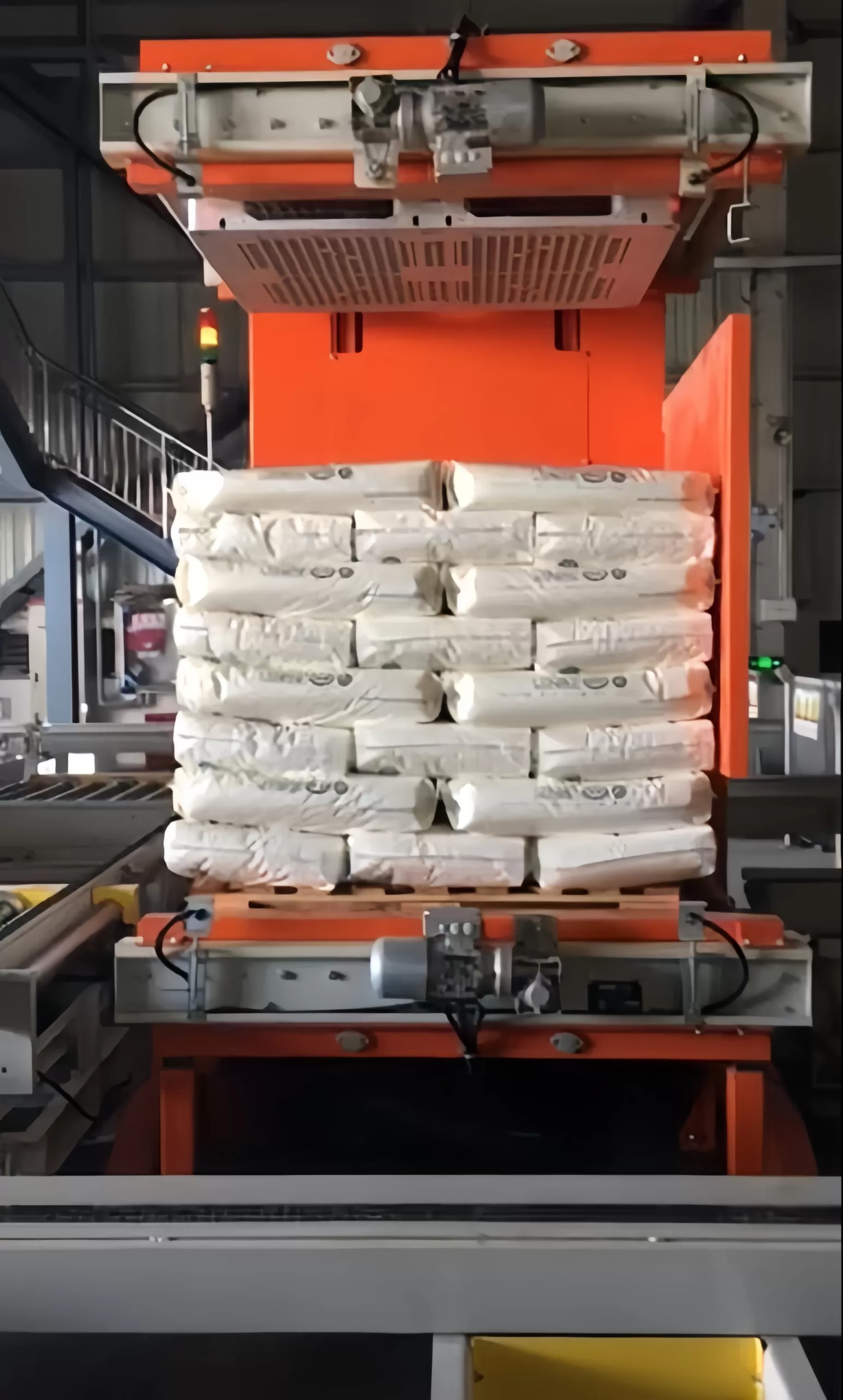
During my time establishing FHOPEPACK, I focused heavily on how machines could solve real business problems. It was clear that smart automation was not just about fancy tech; it was about making businesses healthier and more profitable. For Colombian manufacturers, understanding this link is crucial. Let us dive into the specific ways automation slashes costs.
3.1. Minimizing Labor Dependency and Costs
Labor is one of the biggest costs for any manufacturing plant. Automation, through systems like pallet inverters, directly addresses this.
- Reduced Headcount: An automated pallet inverter can do the work of several people. This allows you to reassign employees to more skilled tasks, or reduce your overall labor needs. This is a huge saving, especially with rising labor costs in Colombia.
- Lower Training Expenses: Automated machines perform tasks consistently. This reduces the need for constant training on manual handling techniques, which can be time-consuming and expensive.
- Consistent Performance: Machines do not get tired, take breaks, or have bad days. They perform tasks with consistent speed and accuracy, ensuring a steady workflow without the peaks and valleys that manual labor can create. This translates to predictable output and better planning.
3.2. Optimizing Material Usage and Reducing Waste
Waste is profit lost. Automation helps you use materials better and prevent damage.
- Less Product Damage: Manual handling of heavy steel or automotive parts often leads to dropped items, dents, or scratches. Automated pallet inverters handle goods with precision and gentleness. This significantly reduces product damage and the costs associated with scrap or rework.
- Efficient Pallet Usage: Automated systems can detect damaged pallets and facilitate quick, safe replacements. This means good products are never shipped on bad pallets, avoiding returns or customer complaints. It also ensures you use your pallets effectively.
- Streamlined Inventory: With faster, more accurate pallet changes, inventory moves through your system more smoothly. This reduces the time products spend in storage, which can lower warehousing costs and improve cash flow.
3.3. Lowering Energy Consumption and Maintenance Expenses
Modern automated systems are designed for efficiency, both in operation and upkeep.
- Energy-Efficient Design: While a machine uses power, many modern pallet inverters are designed to be energy-efficient. They use smart motors and hydraulic systems that only consume power when needed. This can be more efficient than the indirect energy costs of supporting a large manual workforce (lighting, heating, etc.).
- Predictive Maintenance: Automated systems can often be integrated with monitoring tools. These tools can predict when maintenance is needed, preventing unexpected breakdowns. This means less downtime, lower repair costs, and a longer lifespan for your equipment.
- Reduced Insurance Premiums: As mentioned earlier, fewer workplace accidents mean fewer claims. This can lead to lower insurance premiums over time, adding to your overall cost savings. (Operational cost reduction, factory automation benefits, labor saving solutions, supply chain efficiency)
How Do Modern Pallet Systems Improve Safety Standards in Heavy Manufacturing?
Are workplace accidents and safety incidents a persistent concern in your heavy manufacturing plant in Colombia? The risk of injury is inherent when dealing with heavy steel or complex automotive components, and traditional methods often leave workers vulnerable. Ignoring these safety gaps can lead to serious harm, regulatory fines, and a negative impact on morale.
Modern pallet systems, particularly advanced pallet inverters, drastically improve safety standards in heavy manufacturing by eliminating the need for hazardous manual handling, reducing the risk of musculoskeletal injuries from lifting and twisting, preventing accidental drops or unstable loads, and minimizing human interaction with heavy machinery. These automated solutions create a much safer working environment, protecting employees from the significant dangers associated with heavy-duty material transfers in steel and automotive plants.
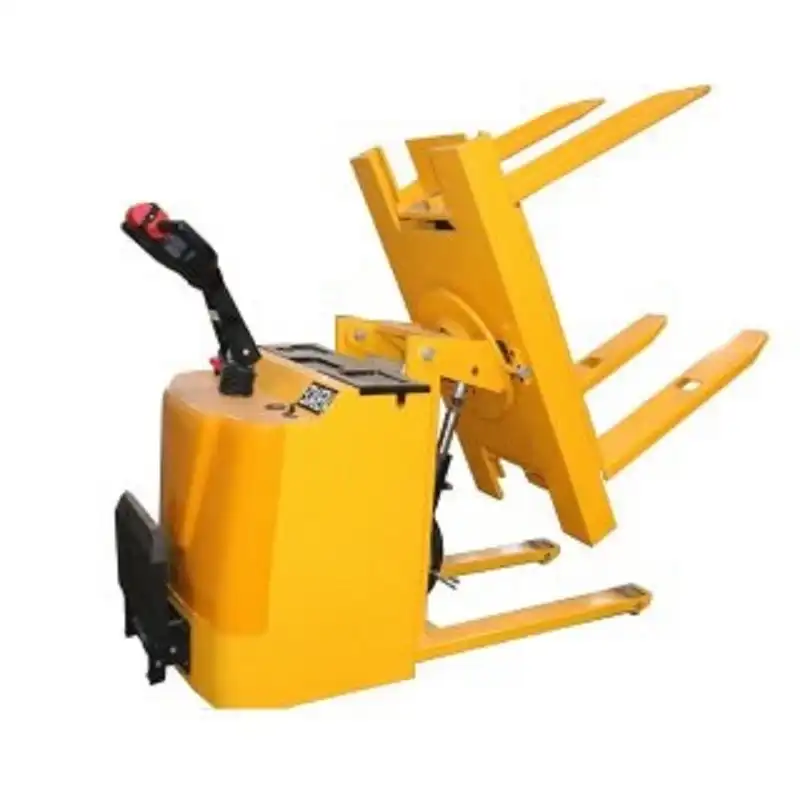
One of my biggest motivators for starting FHOPEPACK was to find better ways to do things, especially when it came to worker safety. I have seen firsthand the pain and cost of workplace accidents. It is not just about compliance; it is about valuing your people. Let us look at how modern pallet systems make workplaces significantly safer.
4.1. Eliminating Hazardous Manual Handling
The most direct way pallet inverters improve safety is by removing workers from dangerous situations.
- No More Heavy Lifting: Pallet inverters completely take over the task of lifting, flipping, or transferring heavy loads. Workers do not need to manually lift or shift thousands of pounds, preventing back injuries, strains, and fatigue that lead to errors.
- Reduced Twisting and Bending: Manual pallet changing often involves awkward body positions. An inverter does all the difficult movements automatically, keeping workers at a safe distance and reducing repetitive stress injuries.
- Controlled Movements: Unlike human strength, a machine applies force consistently and in a controlled manner. This prevents sudden shifts or drops that can happen during manual adjustments, making the entire process safer.
4.2. Preventing Accidents and Product Damage
Safety is not just about protecting people; it is also about protecting valuable assets.
- Stable Load Transfer: Pallet inverters grip the load securely before any rotation or transfer begins. This prevents items from falling off the pallet, which is a common cause of injury and product damage in manual operations. Imagine a heavy steel beam falling – the risk is huge.
- Minimized Forklift Interaction: While forklifts are still needed to load and unload the inverter, the direct interaction between workers and forklifts during the actual pallet change is greatly reduced. This lowers the chance of collisions, which are a major source of accidents in warehouses.
- Dedicated Safety Features: Modern pallet inverters come with built-in safety features. These include safety light curtains, emergency stop buttons, and robust guards. These features protect operators and prevent accidental activation or contact with moving parts.
4.3. Creating a Culture of Safety and Compliance
Investing in automated safety equipment sends a clear message to your employees and regulators.
- Improved Morale: When workers see that their company is investing in their safety, morale improves. They feel valued and are more likely to be productive and committed. A safe workplace is a happy workplace.
- Easier Regulatory Compliance: Governments in Colombia and internationally have strict safety regulations. Implementing automated pallet systems helps plants meet these standards more easily. This reduces the risk of fines and legal issues.
- Lower Insurance Claims: Fewer accidents directly mean fewer worker compensation claims. This lowers your insurance costs and contributes to a healthier financial outlook for your plant. (Workplace safety heavy industry, industrial accident prevention, automated handling safety, ergonomic solutions manufacturing)
What Long-Term Value Do Pallet Inverters Offer for Growth in Steel and Automotive Sectors?
Are you looking beyond immediate gains to ensure sustainable growth and a strong competitive edge for your steel or automotive plant in Colombia? Many strategic investments yield short-term returns, but the true mark of a valuable asset is its ability to contribute to long-term success. Overlooking this long-term perspective can leave your plant vulnerable to future market changes and operational inefficiencies.
Pallet inverters offer significant long-term value for growth in the steel and automotive sectors by building operational resilience, enabling scalability for future production demands, fostering a safer and more productive workforce, providing flexibility for evolving logistics standards, and enhancing the plant’s overall reputation for efficiency and reliability. These systems are not just about present-day solutions; they are foundational investments that prepare Colombian manufacturers for sustainable expansion and market leadership.
When I founded FHOPEPACK, my goal was not just to sell machines. It was to build partnerships and help businesses truly grow. I saw how a smart investment, like a quality pallet inverter, could transform a company’s future. It is about equipping them for whatever comes next. Let us explore the lasting impact these systems have.
5.1. Building Operational Resilience and Adaptability
The market changes quickly. Steel and automotive plants need to be ready for anything.
- Scalability: As your plant grows or takes on larger orders, an automated pallet inverter can scale with your needs. It can handle increased volumes without a proportional increase in labor or space. This makes future expansion much smoother.
- Flexibility for New Products: If you introduce new product lines or need to handle different component sizes, a versatile pallet inverter can often adapt. This avoids the need for completely new equipment.
- Response to Market Demands: Automated systems allow faster turnaround times. This means your plant can respond quickly to sudden surges in demand or urgent customer orders, keeping you competitive in the Colombian market.
5.2. Enhancing Reputation and Customer Satisfaction
In today’s global market, your reputation for efficiency and reliability is everything.
- Consistent Quality: Automated pallet handling reduces errors and damage, leading to more consistent product quality delivered to your customers. This builds trust and strengthens your brand image.
- Reliable Deliveries: With faster, more efficient logistics, you can meet delivery deadlines more consistently. This is crucial for automotive manufacturers with just-in-time supply chains and for steel suppliers meeting strict project timelines.
- Compliance Advantage: Being able to quickly and reliably meet international pallet standards (like ISPM 15 or specific regional requirements) gives your plant a competitive edge in export markets. This opens up new opportunities for growth.
5.3. Fostering Innovation and Employee Engagement
A modern, efficient workplace is attractive to new talent and inspires current employees.
- Attracting Talent: Younger generations often prefer automated, safer work environments. Investing in advanced technology helps your plant attract and retain skilled workers, addressing labor shortages common in many industrial sectors.
- Upskilling Opportunities: With automated pallet handling, your existing employees can be trained on operating and maintaining these advanced systems. This upskills your workforce, giving them more valuable roles and improving overall job satisfaction.
- Data-Driven Decisions: Many modern pallet inverters can integrate with plant management systems. This provides valuable data on throughput, efficiency, and potential bottlenecks. This data helps in making informed decisions for continuous improvement and strategic planning. (Long-term ROI manufacturing, sustainable growth strategies, operational resilience, future-proofing logistics)
Conclusion: Summary and Recommendations for Colombian Steel and Automotive Plants!
Advanced pallet inverters offer Colombian steel and automotive plants powerful strategic benefits. They enhance safety, reduce costs, boost efficiency, and ensure product integrity for diverse material handling needs. These systems are essential for long-term growth and competitiveness, transforming operations from reactive to proactively optimized. To achieve these benefits, I highly recommend exploring a robust pallet inverter solution.








