
Pallet Inverter Colombia: How Can Modernization Support Coffee Export and Global Trade Efficiency?
Imagine the busy ports of Cartagena or Buenaventura, filled with Colombia’s finest coffee, ready for shipment worldwide. Now, picture delays, damaged goods, or even worker injuries happening right there in the warehouse. These are real challenges that can hinder your export goals. The pressure to get coffee from farm to international markets quickly and safely is always growing, but outdated logistics can slow everything down. (Colombian coffee logistics, export challenges, warehouse bottlenecks)
Modernization through pallet inverters and pallet changers can significantly support Colombia’s coffee export and global trade efficiency by automating the process of switching pallets, ensuring compliance with international standards, improving warehouse safety, and reducing operational costs. This leads to faster processing times and a more competitive position in the global market.
As someone who has spent years in the packing machine industry, I understand these pain points. My journey from an employee to founding FHOPEPACK has shown me how the right technology can transform businesses. Now, let’s explore how pallet inversion technology offers a clear path forward for Colombian coffee exporters, from improving daily operations to boosting global competitiveness.
Colombia’s Coffee Export: What Pallet Challenges Do Exporters Face Today?
Colombia’s coffee is world-renowned, but getting it from the local processing plant to international buyers involves a complex logistical dance. Many exporters face significant hurdles even before their product leaves the country. These challenges often start right in the warehouse, where pallet handling can become a major bottleneck. (Coffee export logistics, warehouse hurdles, pallet handling difficulties)
Colombian coffee exporters frequently encounter challenges such as diverse international pallet standards (e.g., Euro vs. US pallets), labor-intensive manual pallet transfer, increased safety risks for workers, and slow processing times, all of which hinder efficient global trade and add to operational costs.
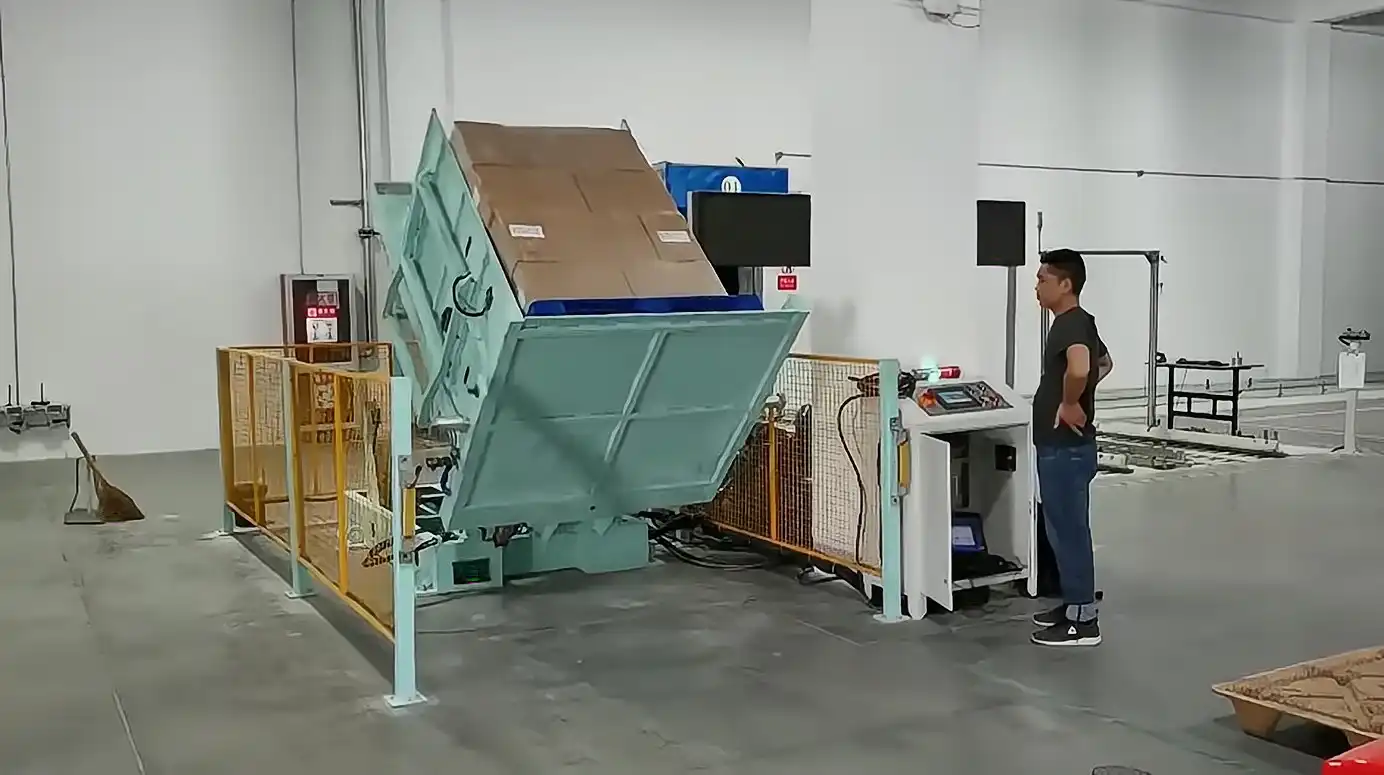
From my experience, I have seen these problems firsthand in many industries, not just coffee. Businesses, just like a major food and beverage group I know, struggle daily with these issues. The diversity of pallet specifications is a primary concern. Coffee destined for Europe often needs Euro pallets, while shipments to North America use US-standard pallets. Switching between these different types manually is slow and prone to errors. This manual labor also presents a high safety risk. Workers might attempt to flip heavy loads, leading to potential injuries or product damage. The rising cost of labor and a shortage of willing workers for these strenuous tasks further complicate the situation. Manual processes directly impact the speed of operations. If a warehouse handles thousands of pallets daily, slow pallet changes mean delayed shipments. These delays can lead to penalties from clients and even lost business. Additionally, the risk of damage to valuable coffee beans during manual transfer is always present. A single dropped pallet can mean significant financial loss. This is not just about moving goods; it is about maintaining product quality and meeting strict delivery schedules. Modernization is not just an option; it is a necessity for keeping up with global demands and staying competitive. We must look for ways to make these processes smoother, safer, and more cost-effective. (Pallet standardization, manual labor hazards, operational delays, product integrity, export compliance)
What Exactly is a Pallet Inverter, and How Does it Work for Coffee Logistics?
The term “pallet inverter” might sound technical, but its function is quite simple and incredibly effective. Many people still rely on outdated methods to switch pallets, often risking product damage or worker injury. This outdated approach can severely limit a company’s ability to compete in today’s fast-paced global market. (Pallet inversion technology, outdated methods, market competitiveness)
A pallet inverter is a machine designed to safely and efficiently rotate or transfer goods from one pallet type to another, or to invert a load. For coffee logistics, it allows easy swapping of domestic pallets to international shipping pallets, removing damaged pallets, or retrieving slip sheets without manual lifting, thereby streamlining the entire packing and shipping process.
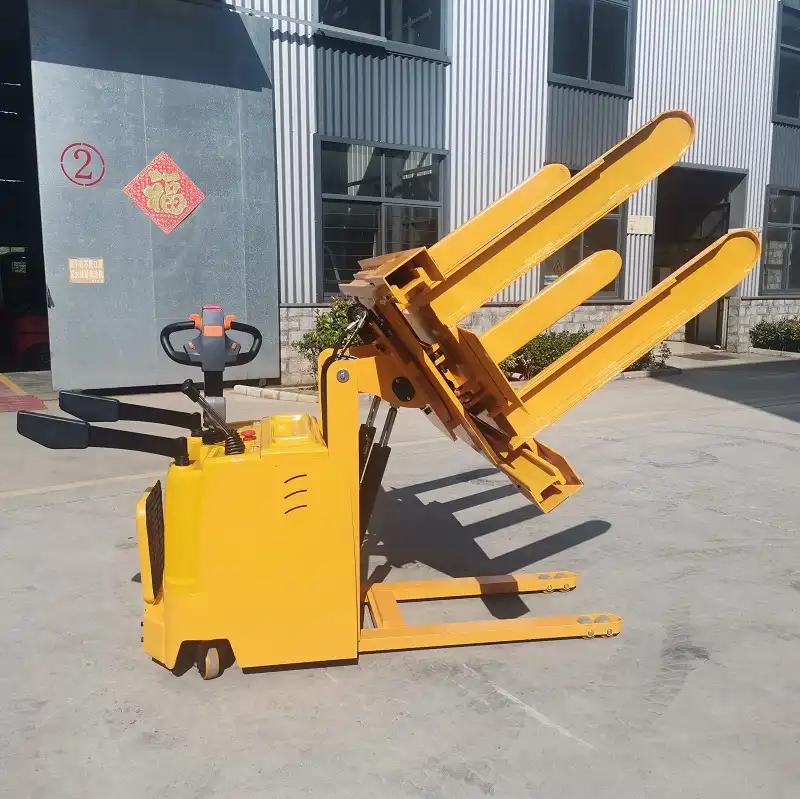
At its core, a pallet inverter or pallet changer is a piece of equipment that handles heavy palletized loads with mechanical precision. Instead of manually lifting, tilting, or pushing products, the machine does the work. There are several types, each designed for specific needs:
- Fixed Pallet Inverters: These machines stay in one place, usually integrated into a larger production line. They are ideal for high-volume operations where pallets consistently enter and leave the same area. For a large Colombian coffee processing plant, a fixed inverter could be at the end of the packing line, automatically switching loaded pallets to export-ready ones.
- Mobile Pallet Changers: These offer more flexibility. They can move around the warehouse, serving different areas as needed. This is perfect for facilities with varied pallet changing requirements or smaller storage spaces. I have seen how these mobile units can drastically improve efficiency in dynamic warehouse environments.
- 90-Degree Tilters and 180-Degree Inverters: Some machines tilt loads by 90 degrees, which is useful for tasks like retrieving products from the bottom of a stack. Others, like the 180-degree inverters, completely flip the load. This is excellent for changing damaged pallets without disturbing the product.
For coffee logistics, the process typically involves:
- Loading: A forklift places the loaded pallet onto the inverter.
- Clamping: The machine securely clamps the load to prevent movement.
- Rotation/Transfer: The inverter then rotates the load, allowing the original pallet to be removed and replaced with a new one (e.g., switching from a local wooden pallet to a plastic export pallet).
- Unloading: The new pallet with the coffee load is then ready for the next stage of logistics.
This automated process drastically reduces the need for manual handling. It cuts down on labor costs, minimizes the risk of worker injury, and speeds up the entire pallet change operation. This is especially important for delicate products like coffee, where gentle handling is essential to maintain quality. (Automated pallet handling, fixed inverter benefits, mobile changer flexibility, load rotation, logistics efficiency)
How Can Pallet Inverters Transform Efficiency and Safety in Colombian Warehouses?
Warehouse efficiency and safety are critical for any business, especially for those dealing with export goods like Colombian coffee. Many companies still grapple with slow, risky manual processes. This struggle directly impacts their bottom line and their ability to meet tight international deadlines. My experience has shown me that sticking to old ways can be a very expensive choice. (Warehouse efficiency, export goods, manual process risks, operational costs)
Pallet inverters transform efficiency by accelerating pallet exchange times, reducing labor dependency, and standardizing operations. They enhance safety by eliminating hazardous manual handling, minimizing product damage, and decreasing workplace accidents, leading to significant cost savings and smoother warehouse flows for Colombian coffee exporters.
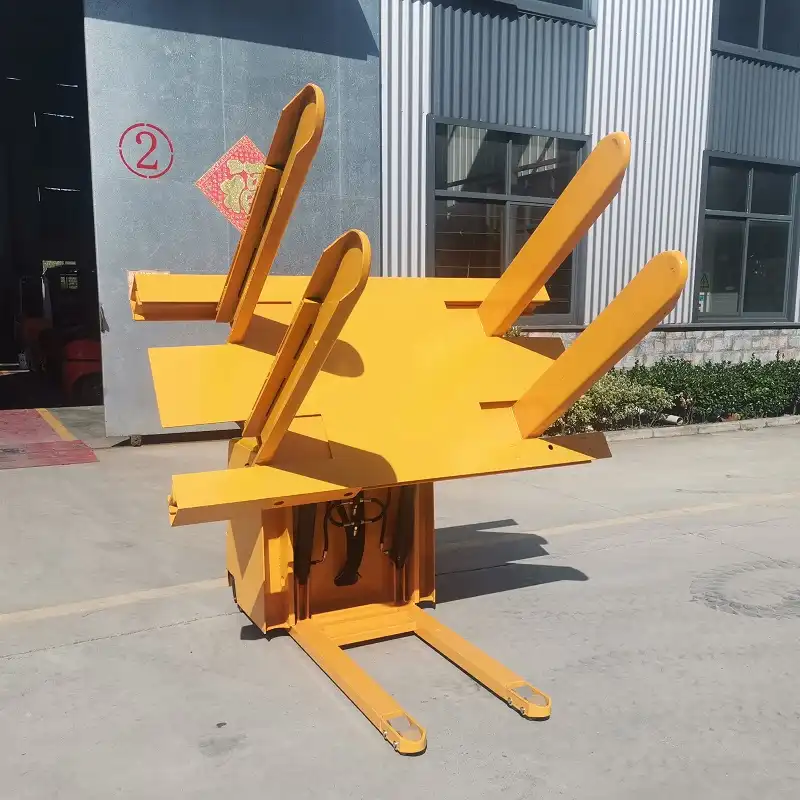
Introducing pallet inverters into Colombian warehouses offers a profound shift in how coffee is prepared for export. The benefits are clear and directly address the pain points I have seen in the industry.
-
Improved Operational Speed and Throughput:
- Faster Pallet Changes: Manual pallet swaps can take several minutes per pallet, especially with heavy or unstable loads. An automated pallet inverter completes the process in seconds.
- Reduced Bottlenecks: This speed prevents queues and delays in the warehouse, ensuring a steady flow of goods. This is crucial for meeting tight shipping schedules for coffee, where freshness and timely delivery are paramount.
- Higher Volume: The increased speed means more pallets can be processed per hour, significantly boosting overall warehouse throughput.
-
Enhanced Worker Safety:
- Elimination of Manual Lifting: Workers no longer need to physically handle heavy pallets or products. This removes the primary cause of back injuries, strains, and crushes.
- Reduced Accident Risk: The controlled, mechanical operation of an inverter minimizes the chance of loads falling or workers getting caught in machinery. This lowers the potential for costly accidents and associated insurance claims.
- Safer Work Environment: A safer environment leads to happier employees, better morale, and reduced staff turnover.
-
Significant Cost Reduction:
- Lower Labor Costs: With automation, fewer workers are needed for pallet handling tasks. This addresses the challenge of rising labor costs and shortages.
- Reduced Product Damage: The gentle and secure handling by the machine drastically cuts down on damaged goods, minimizing waste and financial losses.
- Decreased Insurance Premiums: Fewer workplace accidents can lead to lower insurance rates for the company.
- Optimized Space Utilization: Efficient pallet management can free up valuable warehouse space, which can then be used for more storage or other operations.
By integrating pallet inverters, Colombian coffee exporters can transform their warehouses into more productive, safer, and cost-effective environments. This modernization not only benefits the company but also contributes to the smooth flow of valuable coffee to global markets. (Warehouse throughput, worker injury prevention, labor cost savings, product damage reduction, operational efficiency)
Why is Modernization Through Pallet Changers Key to Meeting Global Trade Demands in Colombia?
Global trade is a constantly evolving landscape, with demands for speed, compliance, and reliability growing every year. For Colombian coffee exporters, keeping up with these demands is not just about staying competitive; it is about survival. Relying on outdated methods can quickly put a business at a disadvantage, affecting everything from delivery times to customer satisfaction. (Global trade demands, export reliability, competitive disadvantage, customer satisfaction)
Modernization through pallet changers is key for Colombian coffee exporters to meet global trade demands by ensuring rapid compliance with diverse international pallet standards, reducing shipping delays, maintaining product integrity, and improving overall supply chain agility. This enables them to serve a wider range of markets efficiently and effectively.
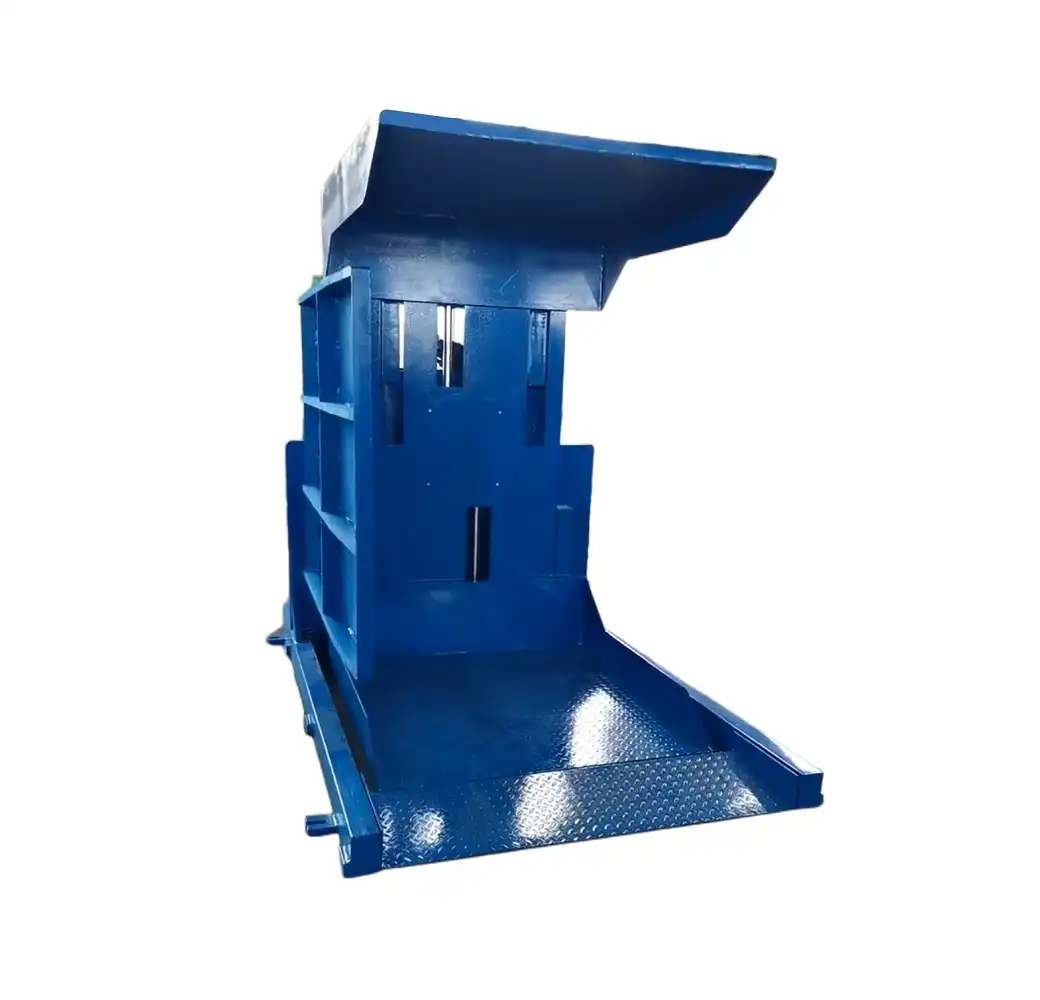
As FHOPEPACK’s mission highlights, understanding industry needs is crucial. Global trade is no longer just about moving products; it is about moving them correctly and efficiently. Modern pallet changers play a vital role in this for Colombian coffee.
-
Ensuring International Compliance and Standards:
- Varied Pallet Requirements: Different countries and regions have specific pallet requirements (e.g., ISPM 15 for wood pallets, Euro pallets, plastic pallets). Pallet changers allow quick adaptation.
- Seamless Transitions: An inverter makes it easy to switch from a standard domestic pallet to a compliant export pallet (like a plastic or heat-treated wooden pallet) without unpacking and repacking. This avoids customs delays and potential fines.
- Food Safety: For food products like coffee, maintaining hygiene is critical. Using clean or food-grade pallets for export, enabled by pallet changers, helps meet stringent international food safety regulations.
-
Accelerating Supply Chain and Delivery:
- Reduced Transit Times: Faster pallet changes mean goods spend less time in the warehouse and more time moving through the supply chain. This helps meet the “just-in-time” delivery expectations of modern retail and e-commerce clients.
- Improved Responsiveness: Businesses can respond more quickly to changes in orders or shipping requirements, enhancing overall agility.
- Competitive Advantage: Expedited shipping translates into a competitive edge, as customers appreciate reliability and speed.
-
Maintaining Product Quality and Customer Satisfaction:
- Reduced Damage During Transit: By ensuring products are on the correct and stable pallet from the start, the risk of damage during long-haul shipping is significantly reduced. This protects the quality of valuable Colombian coffee.
- Consistent Product Presentation: Arriving products on the right pallet type helps simplify receiving processes for the international buyer, improving their overall experience.
- Stronger Customer Relationships: Reliable and timely delivery of undamaged goods builds trust and strengthens long-term relationships with international clients.
Modernization through pallet changers is not just an investment in equipment; it is an investment in the future of Colombian coffee in the global marketplace. It ensures that the high quality of the coffee is matched by high-quality logistics. (International pallet standards, supply chain speed, product quality maintenance, customer satisfaction, export compliance)
Choosing the Right Pallet Inverter: What Should Colombian Coffee Exporters Look For in a Solution?
leading paragraph: Investing in a pallet inverter is a big decision for any business, especially for Colombian coffee exporters aiming to boost their global trade. With many options available, picking the right one can feel overwhelming. Many companies make the mistake of focusing only on price, overlooking critical factors that impact long-term success and operational efficiency. (Pallet inverter investment, selection criteria, long-term operational success)
snippet paragraph:When choosing a pallet inverter, Colombian coffee exporters should prioritize reliability, adaptability to multiple pallet sizes, ease of integration with existing systems, robust safety features, and strong after-sales support. They should seek a long-term partner who understands their unique warehousing challenges, rather than just a machine vendor.
Dive deeper Paragraph: My experience founding FHOPEPACK and helping countless clients grow has taught me that a successful investment goes beyond just buying a machine. It means finding the right solution and a true partner. Here are key aspects Colombian coffee exporters should consider:
-
Reliability and Durability:
- Robust Construction: The machine must withstand the demanding environment of a busy warehouse. Look for high-quality materials and sturdy engineering that ensure long-term, continuous operation without frequent breakdowns.
- Proven Track Record: Research the manufacturer’s history and customer reviews. A reliable machine means less downtime and consistent productivity. FHOPEPACK machines are built with durability in mind, reflecting my commitment to quality.
-
Adaptability to Multiple Pallet Specifications:
- Versatile Design: The chosen inverter should easily handle different pallet sizes and types (Euro, US, plastic, wooden). This is critical for export businesses dealing with diverse international markets.
- Adjustable Features: Look for models with adjustable clamping forces and adaptable platforms that can accommodate varying load sizes and weights common in coffee packaging.
-
Automation Level and Integration:
- Full vs. Semi-Automatic: Decide whether a fully automated system (requiring minimal human interaction) or a semi-automatic one (needing some operator input) best fits your operational needs and budget.
- Seamless Integration: Consider how easily the inverter can integrate with your existing warehouse management systems (WMS) and other material handling equipment.
- User-Friendly Controls: The interface should be intuitive, allowing operators to quickly learn and manage the machine effectively.
-
Safety Features and Compliance:
- Operator Protection: Look for features like emergency stops, safety light curtains, and secure guarding that protect workers from moving parts.
- Product Security: Ensure the machine offers stable clamping and smooth operation to prevent product damage during the transfer process.
- Regulatory Compliance: Verify that the equipment meets international safety standards and certifications.
-
Supplier as a Partner (FHOPEPACK and SHJLPACK):
- Understanding Your Needs: You need a supplier who genuinely understands the specific challenges of coffee export logistics and offers tailored solutions, not just off-the-shelf products.
- Comprehensive After-Sales Support: This includes installation, training, maintenance, and readily available spare parts. A company like FHOPEPACK prides itself on being a knowledge-sharing platform and a reliable partner, offering extensive support beyond the sale. SHJLPACK is another reputable option known for quality equipment.
- Long-Term Vision: A good partner will help you scale your operations as your business grows, providing ongoing advice and innovative solutions. My personal journey and FHOPEPACK’s mission are centered around empowering businesses through knowledge and reliable technology.
By considering these factors, Colombian coffee exporters can make an informed decision that drives long-term success and truly modernizes their operations.
Conclusion
Modernizing coffee export logistics in Colombia with a pallet inverter is a strategic step towards greater efficiency, safety, and global competitiveness. This technology addresses critical challenges, ensuring compliance and enhancing the rapid flow of Colombia’s valuable coffee to markets worldwide.








