
Pallet Inverter Colombia: What Engineering Improvements Ensure Safer Handling of Steel, Paper, and Chemical Products?
The challenge of efficiently and safely moving goods in a busy warehouse or logistics hub is something I know well from my years in the packing machine industry. Imagine a bustling distribution center in Colombia, handling everything from heavy steel coils to delicate paper products and sensitive chemicals. Each product presents its own unique handling risks, making the simple act of switching pallets a potential nightmare of delays, damage, and even serious injury. This is a common pain point for many managers, much like Carlos Rodríguez in Spain, who faces similar issues daily. Are you struggling with these same concerns?
Modern pallet inverter engineering offers significant advancements that ensure safer handling across diverse product categories, from robust steel and flexible paper to potentially hazardous chemicals. These improvements include precision clamping, advanced load-balancing systems, robust construction, and integrated safety features, all designed to minimize manual intervention and maximize operational security.

As a packing machine engineer who started from the factory floor, I have seen first-hand how the right equipment can transform operations. I founded FHOPEPACK to share this knowledge. I want to help others understand the true potential of engineered solutions. Let’s look deeper into how these innovations make a real difference, especially in demanding environments like those found across Latin America.
Why is Pallet Inverter Technology Crucial for Safe and Efficient Product Handling in Colombia?
Are your current pallet handling methods slowing down your operations or creating safety hazards? In dynamic markets like Colombia, where businesses often deal with a wide range of products for both import and export, inefficient pallet management can lead to significant bottlenecks and increased costs. I’ve seen many companies struggle with this, impacting their bottom line and client satisfaction.
Pallet inverter technology is crucial because it automates a historically manual and risky process, fundamentally improving safety, boosting operational efficiency, and ensuring product integrity across varied supply chains. This is especially true for businesses in regions like Colombia that manage diverse product types and international shipping standards.
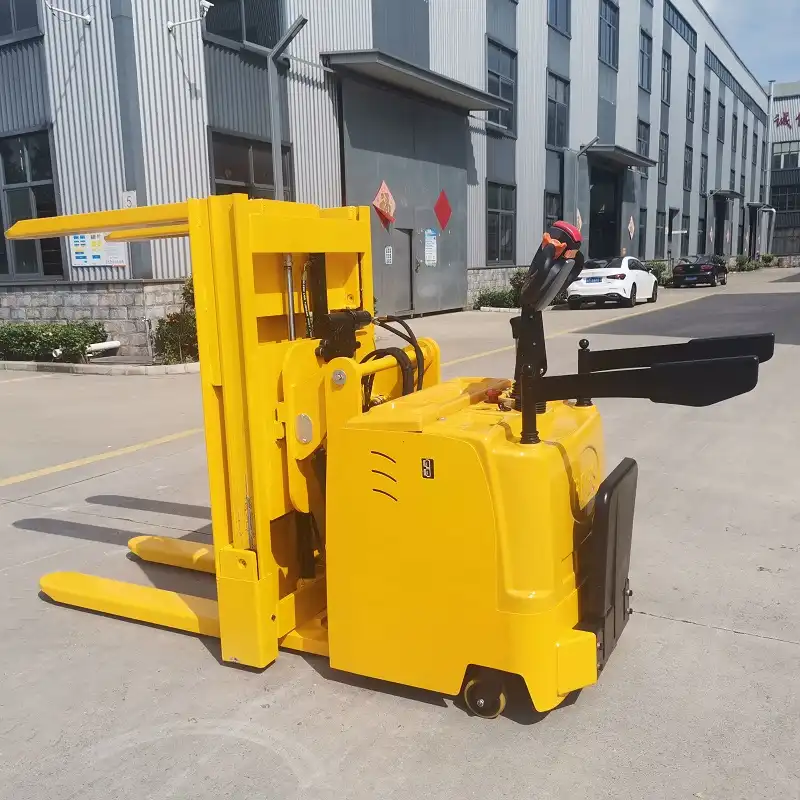
From my experience, the need for reliable pallet handling goes beyond simply moving goods. It touches on every aspect of logistics. It affects employee well-being, product quality, and meeting strict delivery deadlines. Modern pallet inverters, like those from FHOPEPACK, are designed to address these complex needs head-on, offering a comprehensive solution for managers seeking both safety and efficiency.
-
The High Cost of Manual Pallet Switching
Manual pallet switching is a common practice in many warehouses, but it comes with a high price. I have seen employees performing difficult physical tasks, such as manually lifting and turning heavy loads or transferring goods piece by piece. This method is slow. It also increases the risk of product damage. For example, fragile items like paper products can be easily torn or crushed during manual transfer. Heavy items like steel can injure workers if they are not handled correctly. In a food and beverage group, like the one Carlos manages, product contamination or damage can lead to costly recalls and reputational harm. These manual processes also require more staff, increasing labor costs, a challenge many businesses face in Colombia and globally. Investing in automation helps reduce these hidden costs significantly. It frees up human resources for more value-added tasks. (warehouse operational costs, labor efficiency, product damage prevention)
-
Meeting Diverse Product Handling Needs
Handling diverse products means dealing with different weights, shapes, and sensitivities. Steel products are heavy and require robust equipment to prevent structural damage. Paper products are often bulky and need gentle handling to avoid tearing or creasing. Chemical products, on the other hand, might require specific safety protocols due to their hazardous nature, making manual handling even riskier. A modern pallet inverter offers a versatile solution. It can securely clamp and invert different types of loads without direct human contact. This adaptability is vital for operations that cannot afford specialized equipment for every single product line. It allows a single machine to perform multiple functions safely and efficiently. This improves throughput and reduces the physical footprint of necessary equipment. (diverse cargo handling, industrial product safety, versatile material handling)
-
The Strategic Advantage in Emerging Markets
Markets like Colombia are growing rapidly. They demand higher levels of efficiency and international compliance. Companies operating here need to keep up with global standards for speed and safety. Pallet inverters provide a strategic advantage by allowing businesses to process goods faster and more safely. This helps them meet tight deadlines for local distribution and international exports. For instance, quickly switching between Euro pallets and US pallets for different export markets becomes seamless. This avoids delays at customs or in client distribution centers. The ability to handle goods safely also builds customer trust, especially for sensitive products. It minimizes transit damage. This boosts a company’s reputation for reliability. It also provides a competitive edge in a demanding global supply chain. (Colombian logistics efficiency, international trade compliance, competitive advantage, global supply chain optimization)
What Specific Engineering Innovations Make Pallet Inverters Safer for Fragile and Heavy Loads Like Steel, Paper, and Chemicals?
Are you concerned about the potential for product damage or worker injury when handling sensitive or extremely heavy items? Many businesses, including those I have worked with, face this daily. They need solutions that can reliably handle the extremes of fragility and weight without compromising safety or efficiency.
Specific engineering innovations in modern pallet inverters, such as precise hydraulic clamping, adaptive load-balancing mechanisms, robust construction materials, and advanced sensor-based safety systems, are fundamentally designed to ensure safer handling of both fragile items like paper and heavy or hazardous materials like steel and chemicals.

My journey from a factory employee to establishing FHOPEPACK taught me the importance of robust, intelligent design. It is not just about moving things; it is about moving them correctly and safely. At FHOPEPACK, we focus on engineering that makes a real difference on the factory floor. These innovations directly contribute to a safer, more productive environment for my clients.
-
Precision Clamping and Rotation Systems
The core of a safe pallet inverter lies in its ability to securely grip and gently rotate the load. Modern machines use advanced hydraulic or electric clamping systems. These systems provide precise and adjustable pressure. This means they can firmly hold heavy steel coils without slippage. At the same time, they can softly handle stacks of paper products without crushing them. The rotation mechanism is also carefully engineered. It ensures a smooth, controlled inversion process. This prevents sudden jerks or drops that could destabilize the load. This precision is vital for maintaining the integrity of fragile goods and for preventing spills or shifts of chemical containers. It guarantees that the product remains stable throughout the entire transfer cycle. (precise load clamping, controlled pallet rotation, hydraulic power systems, gentle product handling)
-
Advanced Load-Balancing Mechanisms
Handling uneven or extremely heavy loads is a major challenge. If not managed properly, it can lead to dangerous tipping. Modern pallet inverters incorporate advanced load-balancing mechanisms. These might include self-leveling platforms or dynamically adjusting clamp arms. They distribute the weight evenly during the inversion process. This stability is critical for preventing accidents. For example, when inverting pallets of steel, the machine ensures the heavy load remains centered. It prevents any off-balance movement. This also applies to chemicals, where maintaining container stability is paramount to avoid leaks or spills. These mechanisms improve safety. They also reduce wear and tear on the machine. This ensures longer operational life and consistent performance. (load stabilization technology, dynamic weight distribution, anti-tilt systems, heavy load safety)
-
Durable Construction Materials
The materials used in building a pallet inverter are crucial for its safety and longevity, especially when handling demanding products. At FHOPEPACK, we understand this. We prioritize high-grade, robust steel for the main frame and critical components. This ensures the machine can withstand the rigors of heavy industrial use. It resists corrosion, fatigue, and structural stress. For example, when handling steel products, the inverter itself must be incredibly strong to manage the sheer weight. For chemicals, materials must be resistant to potential spills or corrosive environments. These durable materials extend the machine’s lifespan. They also maintain its structural integrity over thousands of operational cycles. This reduces the risk of mechanical failure, which could lead to accidents. (industrial grade materials, robust machine construction, corrosion resistant components, long-lasting equipment)
-
Sensor-Based Safety Features
To minimize human error and prevent accidents, modern pallet inverters integrate sophisticated sensor-based safety features. These include emergency stop buttons that are easily accessible, safety light curtains that detect unauthorized entry into the operating area, and overload sensors that prevent the machine from attempting to lift excessive weight. For example, if a pallet of chemicals is too heavy, the machine will not operate, signaling a warning instead. Proximity sensors ensure the clamps are correctly positioned before starting a cycle. These features create a protective envelope around the machine, automatically halting operations if any potential hazard is detected. They protect both the operator and the product. (automated safety systems, emergency stop functionality, light curtain safety, overload protection sensors)
How Do Ergonomic Design and Automation Features Significantly Reduce Manual Labor and Injury Risks?
Are your warehouse workers still performing strenuous tasks that put them at risk of injury? Many businesses grapple with rising labor costs and a scarcity of willing workers for heavy, repetitive tasks. I have seen firsthand the toll that manual handling takes on a workforce and how it can hurt productivity.
Ergonomic design and advanced automation features in pallet inverters fundamentally reduce manual labor, minimizing the need for strenuous physical input and thereby drastically cutting down on the risk of workplace injuries such as strains, sprains, and crush incidents.
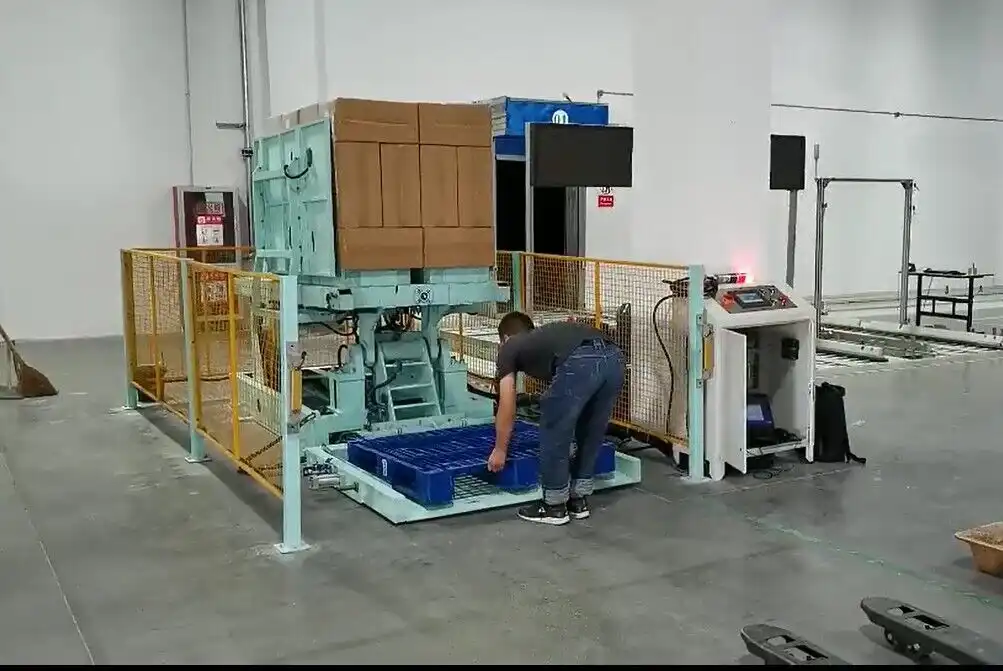
From my early days in the factory, I learned that a safe workplace is a productive workplace. Automating physically demanding tasks is not just about efficiency; it’s a commitment to your team’s well-being. It is about creating a system where machines handle the heavy lifting, allowing your valuable human capital to focus on oversight and problem-solving, something FHOPEPACK always strives to achieve.
-
Full and Semi-Automatic Options
Modern pallet inverters offer various levels of automation. This ranges from semi-automatic models requiring minimal operator input to fully automatic systems. Semi-automatic models still require an operator to load and unload pallets. However, the machine handles the difficult and dangerous task of clamping and inverting. Fully automatic systems can integrate directly into a conveyor line. They perform the entire process without any direct human interaction. This significantly reduces the physical strain on workers. It eliminates repetitive movements like bending, lifting, and twisting. This directly addresses the labor shortage issue by allowing fewer people to manage more tasks. It also moves employees away from dangerous zones. (automated pallet handling, semi-automatic systems, labor reduction, physical strain reduction)
-
User-Friendly Interfaces
Complex machinery can be intimidating, but modern pallet inverters are designed with simplicity in mind. They feature intuitive PLC (Programmable Logic Controller) controls and touchscreen interfaces. These systems make operation straightforward. They reduce the need for extensive training. Operators can easily select pallet types, adjust clamp pressures, and monitor the process with a few taps. This user-friendly approach minimizes the chance of human error. It also makes the machines accessible to a wider range of staff. A simple interface means faster setup times and less downtime due to operational mistakes. This ensures a smoother workflow in busy warehouses. (intuitive machine control, PLC interface, operator ease of use, reduced training requirements)
-
Integrated Safety Barriers and Interlocks
Safety is paramount, especially around moving machinery. Pallet inverters are equipped with integrated safety barriers. These include physical fences or cages that surround the operating area. They prevent unauthorized personnel from entering during a cycle. Furthermore, interlock systems are employed. These systems ensure that the machine cannot operate if a safety gate is open. They also prevent access to moving parts while the machine is running. For example, if a worker accidentally opens a safety door, the machine will immediately stop. This combination of physical barriers and intelligent interlocks drastically reduces the risk of workers being struck by moving parts or crushed during operation. (machine safety guards, safety interlock systems, restricted access zones, operational hazard prevention)
-
Reducing Repetitive Strain Injuries
Manual pallet handling involves many repetitive actions. These actions often lead to musculoskeletal disorders (MSDs) and repetitive strain injuries (RSIs). These include back pain, shoulder injuries, and carpal tunnel syndrome. These injuries not only cause pain for workers but also lead to lost workdays, increased medical costs, and higher insurance premiums for the company. By automating the pallet inversion process, businesses can protect their workforce. Machines handle the repetitive, heavy lifting. This allows human operators to manage oversight roles. This shift reduces the incidence of RSIs. It improves employee morale and job satisfaction. This helps retain skilled labor, which is a significant challenge in industries facing labor shortages. (workplace injury prevention, repetitive strain injury, musculoskeletal health, employee well-being, reduced insurance costs)
Can a Modern Pallet Inverter System Truly Adapt to Diverse Pallet Specifications and High-Volume Demands?
Is your warehouse struggling to manage a mix of Euro, US, and plastic pallets, all while trying to keep up with thousands of pallet movements daily? Many managers, including Carlos Rodríguez, face the exact problem of balancing diverse international standards with the need for high-speed operations. This balancing act can often seem impossible without flexible equipment.
A modern pallet inverter system is engineered for exceptional adaptability, truly capable of handling diverse pallet specifications like Euro, US, and plastic pallets, alongside the rigorous demands of high-volume warehouse operations, thanks to features such as adjustable clamping and quick changeover capabilities.
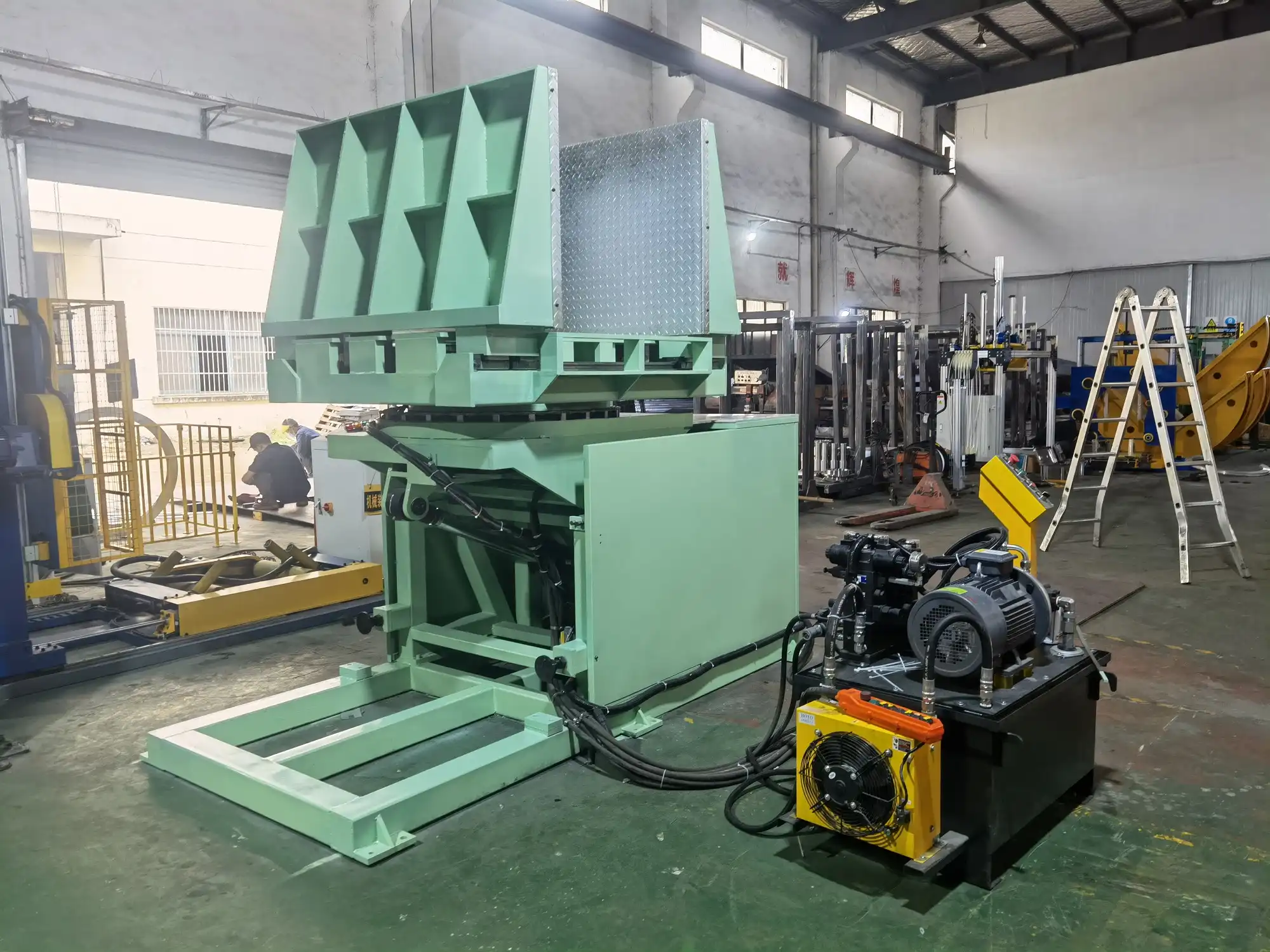
When I started FHOPEPACK, I aimed to build machines that solve real-world problems. I understood that flexibility is key for businesses to thrive in a global market. A one-size-fits-all approach rarely works in the complex world of logistics. My goal was to create solutions that could adapt and grow with our clients’ needs, delivering both efficiency and peace of mind.
-
Adjustable Clamping and Platform Sizes
The ability to adapt to different pallet sizes is a crucial feature for modern operations. Pallet inverters come with adjustable clamping mechanisms and platforms. These can accommodate a wide range of dimensions, from the smaller Euro pallets to larger US standard pallets, and even custom sizes. This flexibility means a single machine can serve multiple purposes. It eliminates the need for different equipment for each pallet type. The clamping pressure can also be adjusted. This ensures a secure grip on both full and partial loads. It prevents movement or damage during inversion. This is especially important for businesses that deal with both domestic and international shipments. They must frequently switch between various pallet standards. (adjustable pallet clamps, multi-size pallet compatibility, flexible platform design, diverse pallet handling)
-
Quick Changeover Capabilities
In a high-volume warehouse, downtime for changing machine settings can significantly impact throughput. Modern pallet inverters are designed for quick changeover capabilities. This means operators can rapidly adjust the machine to suit different pallet specifications with minimal effort and time. Often, this involves simple electronic adjustments through the control panel. This eliminates the need for manual retooling. This speed is critical for operations that process thousands of pallets daily. It ensures a continuous workflow, even when product lines or destination requirements vary frequently. Reducing changeover time directly translates to higher operational efficiency and increased productivity. (rapid pallet changeover, minimal setup time, high throughput efficiency, streamlined operations)
-
High Throughput Rates
High-volume demands require machinery that can keep pace. Pallet inverters are engineered to achieve impressive throughput rates. They can process many pallets per hour. This capability is essential for large distribution centers. They might handle thousands of pallets daily. The speed comes from optimized cycle times. It also comes from smooth, automated movements. These machines reduce bottlenecks in the logistics chain. They allow goods to move quickly from receiving to dispatch. This acceleration is vital for meeting tight delivery schedules. It also ensures customer satisfaction in fast-paced retail and e-commerce environments. (high volume pallet processing, accelerated logistics, increased operational capacity, efficient material flow)
-
Integration with Existing Conveyor Systems
For maximum efficiency, a pallet inverter should not operate as an isolated unit. It needs to integrate seamlessly with existing warehouse infrastructure. Modern systems are designed to connect directly with conveyor lines, automated guided vehicles (AGVs), or robotic systems. This integration creates a continuous, automated flow of goods. Pallets can move directly from a production line to the inverter. Then they can move to a sorting area without manual intervention. This connectivity eliminates dead zones and manual transfer points. This is where delays and errors often occur. It creates a truly optimized and high-performing warehouse environment. This is a significant step towards full warehouse automation. (conveyor system integration, automated warehouse solutions, seamless material flow, logistics infrastructure enhancement)
What Long-Term Reliability and Support Should You Expect from a Pallet Inverter Partner?
Are you tired of investing in equipment only to find yourself facing frequent breakdowns and inadequate support? Like Carlos Rodríguez, many managers seek a true partner, not just a supplier who disappears after the sale. I often hear stories about unreliable machines and poor after-sales service, which costs businesses dearly in downtime and frustration.
You should expect long-term reliability from a pallet inverter partner through robust machine construction and high-quality components, coupled with comprehensive after-sales support that includes installation, training, maintenance, and readily available spare parts, all backed by a commitment to understanding and customizing solutions for your specific operational needs.
My own experience building a successful packing machine factory taught me that a machine is only as good as the support behind it. At FHOPEPACK, I am dedicated to giving back to the industry. This means offering not just equipment, but a true partnership. This commitment ensures my clients achieve sustainable growth, just as I did.
-
Robust Construction and Component Quality
The foundation of long-term reliability lies in the quality of the machine’s construction. A reliable pallet inverter should be built with industrial-grade materials. It should use high-quality components from reputable manufacturers. This includes durable steel for the frame, high-performance hydraulic systems, and robust electrical components. Such quality ensures the machine can withstand continuous heavy use in demanding environments. It reduces the likelihood of breakdowns and extends the operational lifespan. For example, FHOPEPACK prioritizes these aspects. This minimizes the need for frequent repairs and replacements. It keeps your operations running smoothly for years. (durable industrial machinery, high-quality manufacturing, robust mechanical components, long operational lifespan)
-
Comprehensive After-Sales Service
A true partner provides comprehensive support long after the initial purchase. This means offering professional installation services to ensure the machine is set up correctly and safely. It also includes thorough training for your staff. This ensures they can operate the inverter efficiently and troubleshoot minor issues. Furthermore, a reliable supplier provides ongoing maintenance support and readily available spare parts. This minimizes downtime in case of a fault. Fast access to spare parts and expert technical assistance is crucial. It ensures your operations can quickly resume, protecting your productivity. (post-sales support, technical assistance, equipment maintenance services, spare parts availability, operational continuity)
-
Customization and Consultation
Every warehouse and every product line has unique challenges. A good partner understands this. They offer customization options and detailed consultation to tailor solutions to your specific needs. This involves understanding your current pain points, your product types, your existing logistics flow, and your future goals. For instance, FHOPEPACK works closely with clients. We ensure the pallet inverter integrates perfectly into their facility. We also ensure it handles their specific pallet sizes or product sensitivities. This customized approach ensures the solution is not just a machine but a perfect fit for your operational strategy. It maximizes efficiency and return on investment. (tailored industrial solutions, customer needs assessment, bespoke machinery design, integrated logistics planning, specific requirements adaptation)
-
Understanding Your Business
Beyond technical specifications, a truly valuable partner takes the time to understand your business operations and objectives. This empathy allows them to recommend the most effective solutions. They anticipate potential challenges. They also help you achieve your long-term goals. My own journey, establishing a successful packing machine factory and helping clients grow, taught me this deep understanding. It is about building a relationship where the supplier acts as an extension of your team. They offer insights and support that go beyond the product itself. This partnership approach ensures you get solutions that truly solve your problems and help your business prosper. (client-centric approach, business process understanding, strategic partnership, long-term client success, industry expertise)
Conclusion
Modern pallet inverters represent a significant leap in warehouse efficiency and safety. They offer engineering improvements that safeguard delicate and heavy products alike. By embracing advanced automation and partnering with knowledgeable suppliers like FHOPEPACK, businesses can overcome challenges, reduce risks, and achieve seamless operations. This ensures compliance and customer satisfaction, making the right pallet inverter an indispensable asset in today’s logistics landscape.








