
Pallet Inverter Colombia: How Do Different Designs Perform in Coffee Warehousing and Cold Storage?
Imagine your warehouse floor, busy with thousands of pallets moving daily. Then, suddenly, a delay. You need to switch pallets for an international shipment, but the process is slow, costly, and even dangerous. This frustration is real for many logistics managers, especially in places like Colombia, where diverse pallet needs meet demanding environments like coffee storage and cold chain logistics. You are not alone in facing these critical challenges. (warehouse efficiency, logistics challenges Colombia)
Different pallet inverter designs perform very differently in Colombian coffee warehousing and cold storage. For coffee operations, vertical or 90-degree tipper models offer speed and space efficiency, especially for high throughput, protecting goods and ensuring quick transfers between various pallet types like Euro and US standards. In cold storage, specialized free-standing or static pallet exchangers, often built with robust, corrosion-resistant materials, provide the consistent, safe load transfer needed at low temperatures, minimizing human exposure and preventing product damage, which is vital for maintaining strict hygiene and quality standards.

As someone who has built a successful packing machine factory from the ground up, I understand the immense pressure you face. My journey has shown me that the right equipment is not just about moving goods; it is about building a foundation for business growth and achieving financial independence. So, let us explore how specific pallet inverter designs can transform your operations in Colombia, turning challenges into opportunities. (packing machine solutions, industrial pallet handling)
Why is Pallet Inversion Critical for Colombian Coffee and Cold Storage Logistics?
Are you tired of the logistical headaches caused by different pallet standards and the constant threat of product damage? The challenges are clear: diverse pallet sizes, strict hygiene rules, and the need to protect valuable goods. If you manage a facility in Colombia, you know this well. The need for a seamless pallet transfer solution is not just an operational goal; it is a business imperative. (pallet standardization, logistics efficiency)
Pallet inversion is critical for Colombian coffee and cold storage logistics because it directly addresses the frequent need to switch between different pallet types (e.g., Euro, US, plastic, wood), ensures product integrity by preventing damage during transfer, and supports strict hygiene standards by isolating incoming pallets from clean warehouse pallets. It also significantly reduces manual labor, which in turn lowers labor costs and improves worker safety, which is crucial in demanding environments with high turnover.
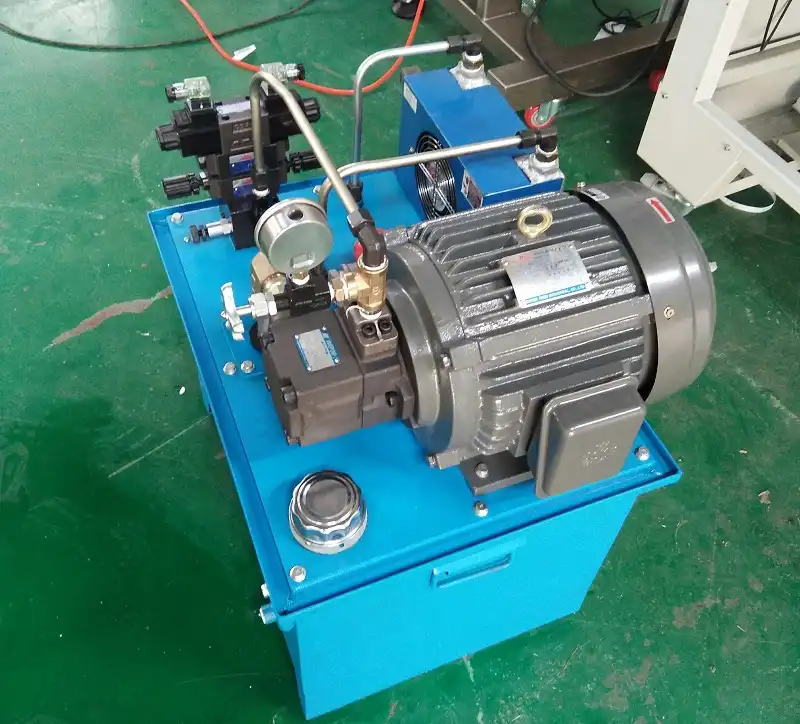
From my experience, understanding the core reasons behind this need helps us find the best solutions. The Colombian logistics landscape, particularly for coffee and cold storage, presents unique demands that conventional manual handling simply cannot meet. This is why investing in the right pallet inversion technology is not just an upgrade; it is a strategic necessity for maintaining competitiveness and compliance.
The Specific Demands of Colombian Logistics Environments:
-
Diverse Pallet Specifications:
- Problem: Coffee and other goods often arrive on various pallet types from farms or international suppliers. Exporting them requires switching to different standards (e.g., Euro pallets for Europe, US pallets for North America, or plastic pallets for specific cold storage needs). Manual switching is slow and error-prone.
- Impact: Delays, damaged goods, non-compliance with international shipping rules, and increased labor costs. Imagine your thousands of pallets needing to be switched daily; without automation, this becomes a major bottleneck. Carlos, from your position, you know how crucial smooth transitions are.
- Solution: Automated pallet inverters quickly and safely change pallets, handling a wide range of sizes and materials. This speeds up your processes and ensures compliance. They also protect your products from unnecessary handling. (multi-pallet size handling, export logistics)
-
Hygiene and Product Integrity:
- Problem: Coffee, especially green coffee beans, is sensitive to contamination. Cold storage for food and beverages requires extremely high hygiene levels to prevent spoilage and bacterial growth. Incoming pallets can carry dirt, pests, or contaminants from external environments.
- Impact: Risk of product spoilage, costly recalls, damage to brand reputation, and failure to meet food safety regulations. In a global food and beverage group, avoiding contamination is not just good practice; it is a requirement.
- Solution: Pallet inverters allow a clean transfer. They move products from potentially contaminated inbound pallets to clean, sanitized in-house pallets. This maintains a sterile environment within the warehouse, especially vital for food-grade facilities. (food safety standards, contamination prevention)
-
Labor Challenges and Safety Risks:
- Problem: Manual pallet changing involves significant physical strain. Workers must lift, shift, or even manually invert heavy loads. This leads to high injury rates, worker fatigue, and low morale. In Colombia, like many places, finding and retaining labor for such physically demanding jobs is hard.
- Impact: Increased worker compensation claims, higher insurance costs, absenteeism, and a constant struggle with labor shortages. This also impacts overall productivity and efficiency.
- Solution: Automated pallet inverters reduce manual handling significantly. They minimize physical risks, protect workers, and improve workplace safety. This also helps reduce operational costs associated with injuries and high labor turnover. (worker safety improvements, automated material handling)
-
Operational Efficiency and Speed:
- Problem: Manual pallet changes are slow. They create bottlenecks in the supply chain, especially during peak seasons. This delays shipments and impacts customer satisfaction. E-commerce and retail customers expect faster deliveries.
- Impact: Missed delivery deadlines, contract penalties, customer dissatisfaction, and reduced competitive advantage. For a busy distribution center, every minute counts.
- Solution: Automated systems complete pallet changes in minutes. This dramatically improves throughput, reduces waiting times, and makes the entire logistics process more efficient. It helps meet tight delivery schedules and keeps customers happy. (supply chain optimization, fast pallet transfer)
What Pallet Inverter Designs Suit High-Volume Coffee Warehousing Operations?
Are you looking for a pallet inverter that can keep up with the fast pace of your coffee warehousing? High-volume operations need equipment that is not just reliable but also quick and efficient. Choosing the wrong design can create more bottlenecks. It is about finding the perfect fit for your specific operational flow and product characteristics. (high throughput pallet handling, efficient warehouse equipment)
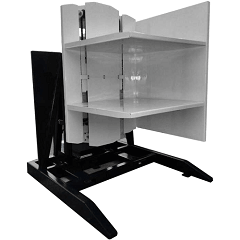
For high-volume coffee warehousing operations, vertical or 90-degree tipper pallet inverter designs are generally the most suitable due to their compact footprint and ability to handle rapid pallet changes quickly and safely. These designs allow for direct loading and unloading at floor level or via forklift, making them ideal for facilities requiring continuous movement between different pallet types like Euro and US standards without disrupting workflow, while also protecting sensitive coffee products from damage.
My journey in the packing machine industry has shown me that “one size fits all” solutions rarely work. Each warehouse, especially one dealing with the specifics of coffee, has unique requirements. Understanding the different designs helps you make an informed decision, ensuring your investment truly optimizes your operations. (customized packing solutions, industrial automation)
Evaluating Pallet Inverter Designs for Coffee Warehousing:
-
90-Degree Tilter / Tipper Pallet Inverters:
- Description: These machines gently clamp a loaded pallet and tilt it 90 degrees, allowing access to the original pallet for removal and replacement with a new one. They are usually fixed in one location.
- Advantages:
- Speed: Very fast operation, ideal for high-volume environments. They minimize downtime between pallet changes.
- Safety: The tilting motion is controlled and smooth. This reduces the risk of product damage and worker injury.
- Versatility: Can handle various load sizes and weights, making them suitable for different coffee product packaging. They accommodate both Euro and US pallets.
- Space-Saving: Their vertical design uses less floor space compared to some other types.
- Disadvantages: Requires a dedicated area for operation.
- Best Use: Ideal for facilities with a consistent flow of goods, like large coffee distribution centers that handle thousands of pallets daily. FHOPEPACK offers excellent 90-degree tippers built for continuous use. (vertical pallet changers, fixed pallet inverters)
-
Free-Standing / Static Pallet Changers:
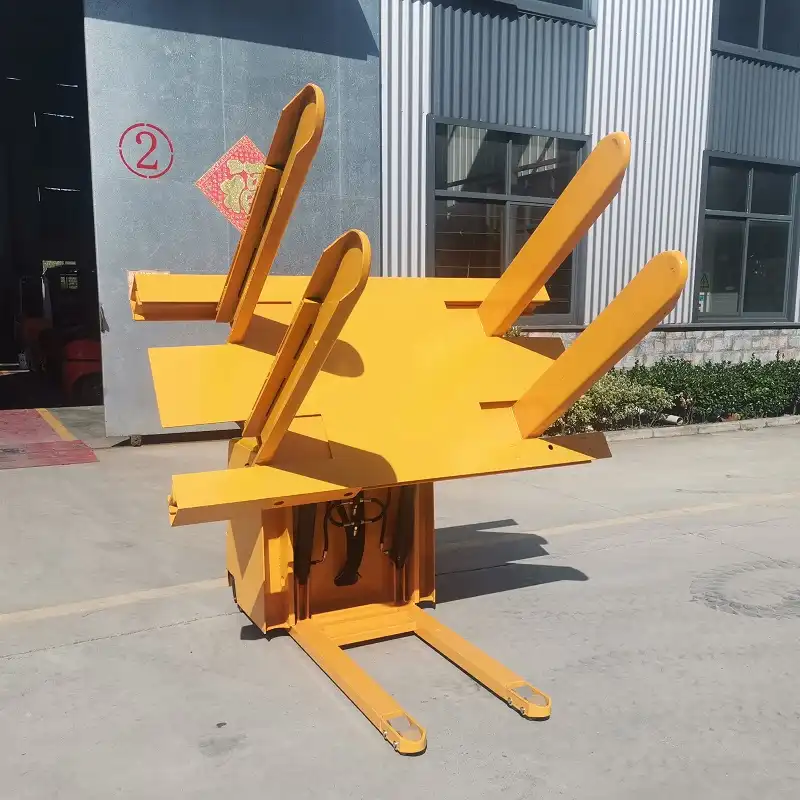
- Description: These units operate by clamping the load and then using hydraulic or electric systems to lift and rotate the product off the original pallet. They often feature an automatic or semi-automatic operation.
- Advantages:
- Automation: Many models offer high levels of automation, reducing manual intervention. This increases speed and consistency.
- Flexibility: Can handle a very wide range of pallet and product sizes, including unstable loads, which is useful for varied coffee products.
- Robustness: Built for heavy-duty use, they withstand the demands of a busy warehouse.
- Disadvantages: Can require more floor space than 90-degree tilters.
- Best Use: Suitable for warehouses that need a robust, versatile solution for changing multiple pallet types daily. They work well for diverse coffee product lines and can integrate into conveyor systems. SHJLPACK also provides robust free-standing units. (automatic pallet shifters, hydraulic pallet changers)
-
Mobile Pallet Changers:
- Description: These are portable units, often on wheels or integrated with forklifts, allowing them to move to different locations within the warehouse.
- Advantages:
- Portability: Offers great flexibility for warehouses without a fixed pallet change point. They can serve multiple areas.
- Cost-Effective: Can be a good option for smaller operations or those with varying pallet change needs across different zones.
- Easy Deployment: Can be moved into position when needed, then stored away.
- Disadvantages: Slower than fixed units, not ideal for very high-volume, continuous operations.
- Best Use: Best for smaller coffee roasteries or distribution points that have less frequent pallet changes but still need to improve safety and efficiency. Not the primary choice for truly high-volume environments, but good for flexibility. (portable pallet inverters, forklift pallet changers)
When considering coffee warehousing, the key is preserving product quality while optimizing speed. FHOPEPACK’s 90-degree tilters are specifically engineered for these demands, ensuring gentle handling and rapid changeovers, which is critical for maintaining the value of Colombian coffee exports. (coffee logistics solutions, product quality preservation)
How Do Pallet Inverters Handle the Demands of Cold Storage Environments in Colombia?
Operating in cold storage brings its own set of challenges, from freezing temperatures to the need for impeccable hygiene. Can pallet inverters truly perform reliably in such harsh conditions? Many managers wonder if these machines can withstand the cold, prevent condensation, and maintain product safety. This is a crucial question for anyone managing cold chain logistics in Colombia. (cold chain efficiency, low-temperature logistics)
Pallet inverters handle the demands of cold storage environments in Colombia by using specialized materials like stainless steel for corrosion resistance, robust hydraulic components designed for low temperatures, and sealed electrical systems to prevent moisture ingress and frost damage. They are built to maintain hygiene by allowing product transfer from external to internal sanitized pallets, minimizing human contact and ensuring consistent operation in freezing conditions, which is essential for preserving the integrity of temperature-sensitive goods.
My experience has shown me that environmental conditions significantly impact machine performance. In cold storage, every detail matters, from the type of metal used to the seals on electrical components. FHOPEPACK engineers machines to thrive in these demanding environments, ensuring reliability when it matters most. (industrial machine durability, specialized equipment solutions)
Adapting Pallet Inverters for Cold Storage Challenges:
-
Material Selection for Extreme Temperatures:
- Challenge: Standard steel can become brittle at freezing temperatures. Condensation and ice formation are common, leading to corrosion and component failure. Plastics can also become fragile.
- Solution: Pallet inverters designed for cold storage use food-grade stainless steel (e.g., 304 or 316) for critical parts. This material resists corrosion and maintains structural integrity at low temperatures. Specific coatings or galvanized finishes can also provide added protection.
- Benefit: Ensures the machine operates reliably without breaking down due to cold or rust. It also meets strict hygiene standards for food processing environments. (corrosion-resistant machinery, cold temperature resilience)
-
Hydraulic and Electrical System Protection:
- Challenge: Hydraulic fluids can thicken in the cold, affecting performance. Electrical components are vulnerable to moisture and condensation, which can cause short circuits and power failures.
- Solution: Use special low-temperature hydraulic oils that remain fluid in freezing conditions. Electrical systems are fully enclosed and sealed (IP65 or higher rating) to prevent moisture ingress. Heaters can be integrated into control panels or hydraulic tanks to maintain optimal operating temperatures.
- Benefit: Guarantees consistent and safe operation of the machine’s moving parts and controls, preventing costly breakdowns and ensuring smooth pallet changes. (weatherproof electrical systems, specialized hydraulic fluids)
-
Hygiene and Cleanliness Standards:
- Challenge: Cold storage facilities, especially for food products, must adhere to stringent hygiene regulations. Pallets often enter from outside, potentially carrying contaminants.
- Solution: Pallet inverters for cold storage are often designed with smooth, easy-to-clean surfaces. They have minimal crevices where dirt or ice can accumulate. The ability to transfer goods from “dirty” incoming pallets to “clean” in-house pallets is a core function, critical for contamination control.
- Benefit: Supports HACCP (Hazard Analysis and Critical Control Points) compliance and other food safety standards, preventing cross-contamination and protecting product quality. This is vital for operations like those managed by Carlos. (HACCP compliance, sanitary equipment design)
-
Safety Features for Icy Conditions:
- Challenge: Icy floors and reduced visibility in cold environments increase the risk of accidents for both personnel and equipment.
- Solution: Machines are equipped with enhanced safety features. These include non-slip surfaces, improved lighting, and emergency stop buttons that are easy to access even with gloves. Sensors and safety interlocks are often robust and designed to function reliably in extreme cold.
- Benefit: Reduces the risk of slips, falls, and other accidents, protecting workers and reducing insurance liabilities. It ensures safer operation in a potentially hazardous environment. (warehouse safety measures, robust safety interlocks)
FHOPEPACK prides itself on designing equipment that performs optimally in even the most challenging conditions. Our cold storage pallet inverters are tested to ensure they deliver reliable and safe operation, a testament to our commitment to engineering excellence. (reliable cold storage equipment, FHOPEPACK engineering)
What Safety and Ergonomic Benefits Do Modern Pallet Changers Offer?
Are workplace injuries and inefficient manual handling a constant worry in your warehouse? The safety of your team and the seamless flow of goods are non-negotiable. Many companies are searching for ways to reduce risks while boosting productivity. Modern pallet changers offer powerful solutions to these pressing concerns. (workplace safety solutions, ergonomic warehouse design)
Modern pallet changers offer significant safety and ergonomic benefits by automating the heavy lifting and repositioning of pallets, which greatly reduces the risk of musculoskeletal injuries, strains, and accidents from manual handling. They improve worker well-being by removing physically demanding tasks and enhance overall warehouse safety through controlled, mechanical operations that prevent load instability and product damage, leading to fewer incidents and lower compensation claims.
My own journey from an employee to a factory owner taught me the importance of a safe and efficient workplace. When I see clients struggling with manual processes that put their teams at risk, I know there is a better way. FHOPEPACK’s commitment extends beyond just selling machines; it is about providing solutions that truly make a difference in people’s lives and their businesses. (employee safety, industrial ergonomics)
Key Safety and Ergonomic Advantages:
-
Elimination of Manual Lifting and Turning:
- Problem: Manually flipping or turning heavy pallets puts immense strain on workers’ backs, shoulders, and knees. This is a leading cause of injuries like strains, sprains, and even herniated discs. It is physically exhausting and often leads to high turnover.
- Solution: Pallet changers perform the entire transfer process mechanically. Workers simply load and unload the product, often via forklift or pallet jack, without any direct physical manipulation of the heavy load. The machine does the hard work.
- Benefit: Dramatically reduces physical stress on employees. This leads to fewer work-related injuries, lower healthcare costs, and improved long-term worker health. It also makes warehouse jobs more appealing. (injury prevention, reduced physical strain)
-
Reduced Risk of Load Instability and Product Damage:
- Problem: Manual pallet changes or using makeshift methods often lead to unstable loads. Products can shift, fall, or become damaged during the transfer process. This poses a risk to workers nearby and causes costly product losses.
- Solution: Modern pallet changers securely clamp the load during the entire inversion or transfer process. They maintain the integrity of the stack, preventing items from falling or shifting. The motion is controlled and predictable.
- Benefit: Protects valuable inventory from damage, reducing waste and replacement costs. It also creates a safer working environment by preventing accidents caused by falling goods. (product protection, controlled load handling)
-
Improved Workplace Ergonomics and Morale:
- Problem: Repetitive, strenuous tasks can lead to chronic pain and decreased job satisfaction. This negatively impacts morale and productivity. Employees may feel undervalued or overworked.
- Solution: By automating the most demanding physical aspects, pallet changers create a more ergonomic workflow. Workers can focus on supervisory tasks or other less strenuous activities. This improves their comfort and reduces fatigue.
- Benefit: Leads to a healthier, happier workforce. Employees are more productive, engaged, and less likely to take sick leave. Improved ergonomics also contribute to a positive company culture. (worker well-being, enhanced job satisfaction)
-
Compliance with Safety Regulations:
- Problem: Many countries have strict occupational safety and health regulations regarding manual handling and heavy lifting. Non-compliance can result in hefty fines and legal issues.
- Solution: Implementing automated pallet changers helps companies meet and exceed these safety standards. They provide a documented, controlled process that reduces human error and risk.
- Benefit: Ensures your operation is compliant with labor laws and safety guidelines, avoiding penalties and improving your company’s reputation as a responsible employer. (regulatory compliance, industrial safety standards)
FHOPEPACK is committed to building machines that not only perform but also protect. Our pallet changers are designed with the operator in mind, integrating advanced safety features and ergonomic principles to ensure a secure and efficient working environment. (FHOPEPACK safety design, operator-friendly equipment)
How Can Pallet Inverters Drive Cost Savings and Operational Efficiency for Businesses like Yours?
Are you constantly looking for ways to cut costs and streamline your operations without compromising quality? In today’s competitive market, efficiency is paramount. Many businesses struggle with rising labor costs and bottlenecks in their logistics. Pallet inverters offer a clear path to significant savings and a smoother workflow. (logistics cost reduction, operational streamlining)
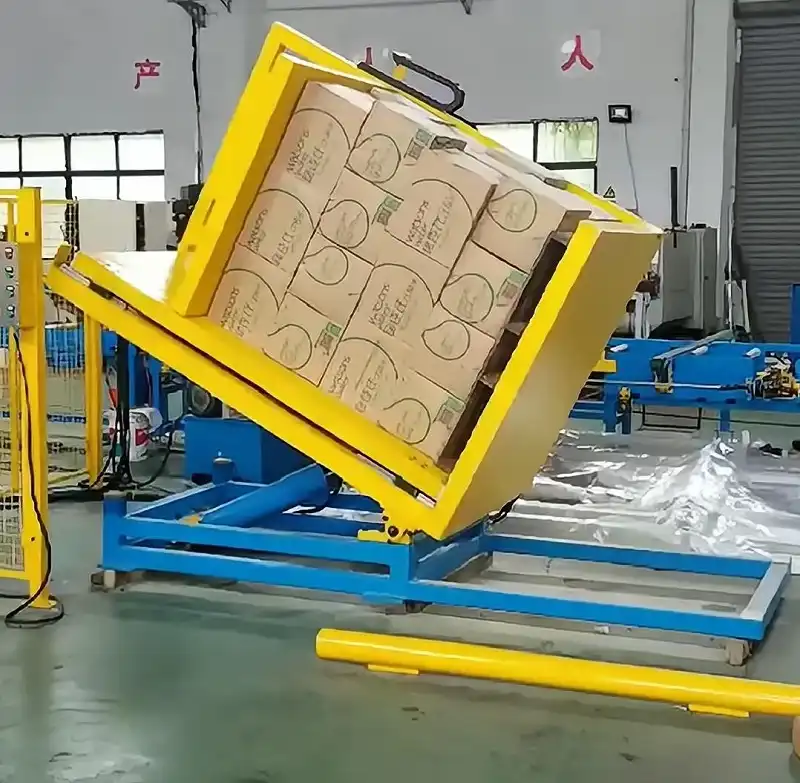
Pallet inverters drive cost savings by significantly reducing reliance on manual labor, which lowers wage and injury-related expenses, and by minimizing product damage during pallet transfers, thereby cutting waste and replacement costs. They boost operational efficiency by accelerating pallet changeover times, eliminating bottlenecks, and improving throughput, ensuring faster processing and better utilization of warehouse space, leading to overall supply chain optimization and increased profitability.
Having founded a successful packing machine factory, I have seen firsthand how smart investments in equipment can transform a company’s bottom line. It is not just about buying a machine; it is about investing in a solution that pays for itself many times over. This understanding drives FHOPEPACK to develop machines that deliver tangible value and help businesses like yours achieve financial independence. (business growth solutions, ROI on automation)
Quantifiable Benefits of Pallet Inverter Implementation:
-
Reduced Labor Costs:
- Problem: Manual pallet changing is labor-intensive. It requires multiple workers and significant time, driving up payroll expenses. The rising cost and scarcity of labor make this a growing challenge for warehouses globally, including in Colombia.
- Solution: Automated or semi-automated pallet inverters reduce the need for manual handling. One operator, often a forklift driver, can manage the entire process, freeing up other workers for different tasks.
- Benefit: Direct reduction in wages and associated overheads. This offers substantial long-term savings, especially in areas with high labor costs or shortages. Imagine reallocating several workers to more productive roles. (labor cost optimization, automated warehouse operations)
-
Minimized Product Damage and Waste:
- Problem: Manual handling often leads to products being dropped, crushed, or otherwise damaged during pallet transfer. This results in costly waste, needing replacement inventory and causing delays. Fragile goods like certain coffee products are particularly vulnerable.
- Solution: Pallet inverters securely clamp and gently handle the load, ensuring the product’s integrity throughout the transfer. The controlled movement prevents accidental damage.
- Benefit: Lower expenses related to damaged goods, reduced product loss, and fewer customer complaints. This improves profitability and strengthens customer relationships. (damage prevention, inventory protection)
-
Increased Throughput and Faster Delivery Times:
- Problem: Manual pallet changes are slow, creating bottlenecks that delay outbound shipments and slow down receiving processes. This impacts overall supply chain speed and customer satisfaction, especially with tight delivery demands.
- Solution: Pallet inverters complete changes in minutes, sometimes even seconds. This accelerates the entire pallet flow, significantly increasing the volume of goods processed per hour.
- Benefit: Shorter lead times, improved delivery performance, and the ability to meet demanding customer expectations. This enhances your competitive edge and helps avoid contract penalties. (supply chain acceleration, efficient order fulfillment)
-
Optimized Warehouse Space and Storage Efficiency:
- Problem: Inconsistent pallet sizes can lead to inefficient use of warehouse racking and floor space. Having different pallet types for inbound and outbound can complicate storage.
- Solution: Pallet inverters allow you to standardize your internal pallet fleet, even when receiving diverse external pallets. This standardization leads to more efficient racking configurations and better space utilization.
- Benefit: Maximized storage capacity, reducing the need for costly expansion or off-site storage. This makes your warehouse operation more streamlined and cost-effective. (warehouse space optimization, standardized pallet systems)
-
Reduced Insurance and Compliance Costs:
- Problem: A high incidence of workplace injuries can lead to increased insurance premiums and potential fines for non-compliance with safety regulations.
- Solution: By significantly reducing manual handling and associated risks, pallet inverters contribute to a safer workplace. This can lead to lower injury claims and potentially reduced insurance costs. It also helps meet regulatory standards.
- Benefit: Direct savings on insurance premiums and avoidance of costly fines. It also builds a reputation as a responsible and safe employer. (safety compliance, reduced liability)
FHOPEPACK machines are an investment in your company’s future. They are designed to deliver a strong return on investment by systematically cutting costs and boosting productivity, making your business more resilient and profitable. (FHOPEPACK ROI, sustainable business growth)
Conclusion
Choosing the right pallet inverter design for Colombian coffee warehousing and cold storage requires careful consideration of specific environmental challenges and operational goals. FHOPEPACK is here to help you navigate these choices. Our solutions ensure safety, efficiency, and significant cost savings. By partnering with us, you invest in a reliable future for your logistics operations. Explore how a pallet inverter can transform your business.








