
Pallet Inverter Brazil: How to Compare Suppliers When Expanding Cold Storage for Meat and Poultry Products?
Expanding cold storage facilities, particularly in a demanding market like Brazil’s meat and poultry sector, presents unique challenges. The pressure to maintain hygiene, ensure rapid throughput, and control costs while handling various pallet types can feel overwhelming. Without the right solutions, this expansion can quickly turn into a logistical nightmare, leading to product damage, operational delays, and even regulatory issues.
A pallet inverter becomes essential in Brazil’s cold storage expansion for meat and poultry by providing a hygienic, efficient, and safe method for exchanging pallets, preventing cross-contamination, and adapting to diverse international and domestic pallet standards. This equipment allows businesses to maintain strict food safety protocols while boosting operational speed and reducing manual labor risks in demanding cold chain environments, crucial for both local distribution and export markets.
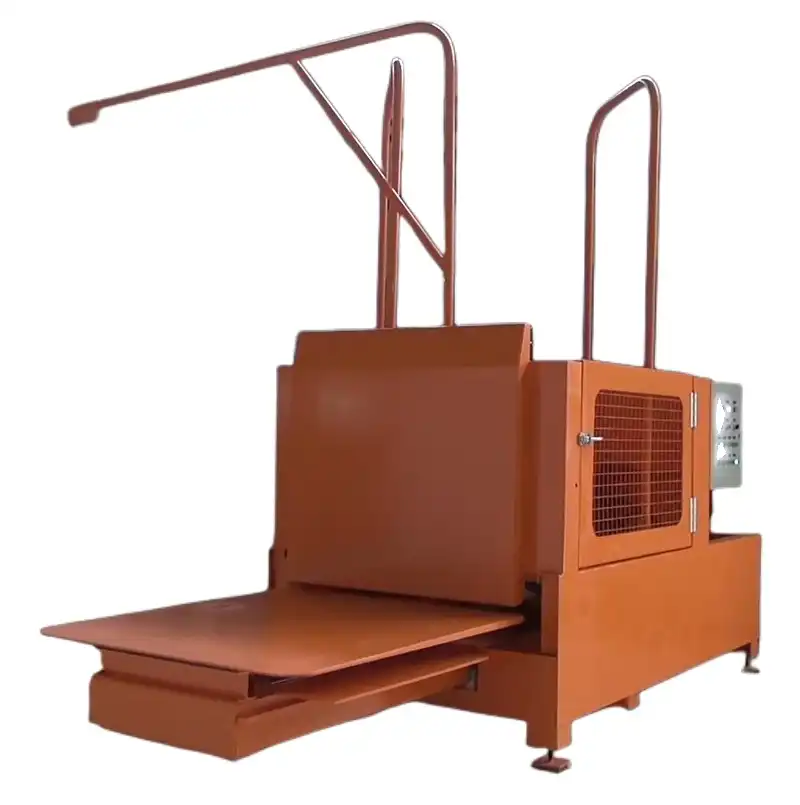
Choosing the right equipment and, more importantly, the right partner for your cold storage needs goes beyond just buying a machine. It means investing in a solution that deeply understands your operational pain points and contributes to long-term success. Let’s explore how to navigate this complex decision and find a supplier that truly supports your growth.
1. Why is a Pallet Inverter essential for Brazil’s Cold Storage expansion?
Brazil stands as a global powerhouse in meat and poultry exports. As demand continues to surge, existing cold storage facilities face immense pressure. This growth creates bottlenecks in the supply chain if pallet handling processes are not up to par. The need for faster turnover, strict hygiene, and adaptability to various international pallet standards becomes critical, making manual methods inefficient and risky.
A pallet inverter addresses crucial bottlenecks in Brazil’s cold storage by enabling seamless and hygienic pallet exchanges, facilitating the transition from inbound, potentially contaminated pallets to clean, food-grade internal or export pallets. This mechanical solution dramatically improves throughput, reduces manual handling in sub-zero conditions, and ensures compliance with strict food safety regulations while accommodating the diverse pallet specifications required for both domestic distribution and international shipping.
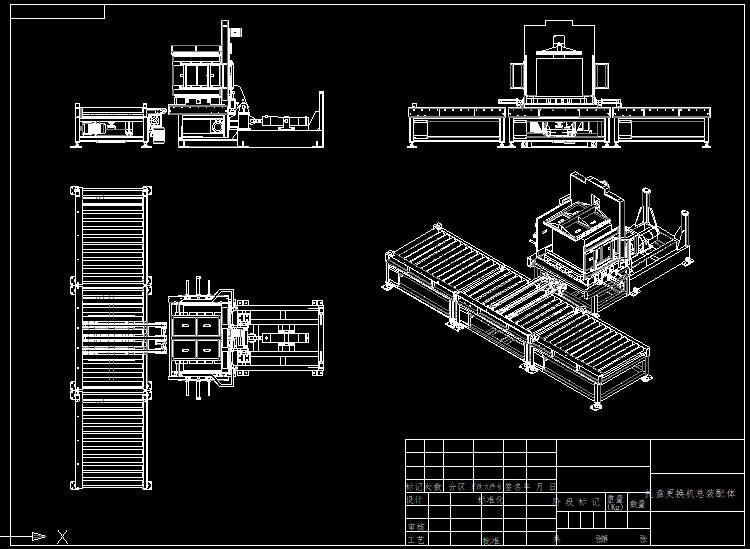
Expanding cold storage in Brazil’s meat and poultry sector means dealing with stringent requirements. The core problem is how to efficiently move frozen or chilled products from one pallet type to another without compromising product integrity or hygiene. Manual methods are slow, dangerous for workers in cold environments, and introduce higher risks of cross-contamination. This is where the pallet inverter shines, becoming an indispensable tool. It allows for a swift change from, say, wooden pallets used for inbound logistics to hygienic plastic pallets for internal storage or specific export pallets like Euro or US standard. This mechanical transfer ensures that the product itself is never touched or exposed, maintaining the cold chain and preventing contamination. The process dramatically increases efficiency, supporting the higher volumes demanded by expansion. It also ensures that your operation can meet the diverse logistical requirements of various markets, a common challenge in Brazil’s extensive export network. Investing in such automation prepares your facility for future growth and reinforces your commitment to quality. (Brazil cold storage efficiency, pallet hygiene solutions, meat export logistics)
2. What unique challenges does meat & poultry cold chain in Brazil present?
Operating a cold chain facility for perishable goods like meat and poultry in Brazil involves more than just keeping things cold. You face a combination of extreme conditions, complex regulatory landscapes, and the diverse logistical demands of a vast country with significant international trade. These factors make pallet handling particularly challenging. Manual processes often fall short, leading to inefficiencies and compliance risks.
The Brazilian meat and poultry cold chain uniquely presents challenges due to the need for robust equipment capable of enduring sub-zero temperatures, strict adherence to national food safety regulations (like MAPA and ANVISA), and the imperative to manage diverse pallet specifications for both domestic and international markets. These factors, combined with increasing labor costs and the critical need for worker safety, create a complex operational environment where automated pallet handling solutions are not just beneficial but essential for maintaining product quality and operational continuity.

The environment inside a cold storage facility for meat and poultry is harsh. Equipment must withstand constant low temperatures, which can stress machinery, making components brittle or lubricants less effective. This requires specialized materials and engineering. Beyond the cold, Brazil has strict regulatory bodies like MAPA (Ministry of Agriculture, Livestock and Food Supply) and ANVISA (National Health Surveillance Agency). These agencies enforce rigorous standards for food safety, traceability, and hygiene. Any equipment coming into contact with food products or operating in food environments must comply, often requiring stainless steel construction and designs that are easy to clean and sanitize. Furthermore, the logistical network in Brazil and its export markets is vast and varied. This means dealing with different pallet types—from the standard PBR pallets used domestically to Euro pallets for European exports and US pallets for North American trade. Switching between these types efficiently, without breaking the cold chain, is a constant operational hurdle. Adding to these complexities is the rising cost and scarcity of skilled labor in Brazil. Manual pallet changing is physically demanding, increasing the risk of workplace injuries in cold, slippery conditions. This elevates insurance costs and lowers morale. Automating these tasks helps mitigate labor issues and significantly improves worker safety. (Brazilian cold chain regulations, meat processing equipment standards, multi-pallet compatibility Brazil)
3. How do I identify a reliable Pallet Inverter supplier’s technical expertise?
Not all pallet inverter suppliers are created equal, especially when it comes to specialized applications like cold storage for meat and poultry. A supplier’s technical expertise is the backbone of a reliable and long-lasting solution. Overlooking this crucial aspect can lead to purchasing equipment that fails to meet your specific needs, resulting in costly downtime, maintenance issues, and operational inefficiencies. You need a partner who truly understands the nuances of your industry.
Identifying a reliable pallet inverter supplier for Brazilian cold storage requires a deep dive into their technical expertise, specifically their capacity to design and manufacture equipment that performs robustly in sub-zero temperatures and meets stringent food safety standards. Look for suppliers with a proven track record in the food processing or cold chain sector, offering customizable solutions that adapt to diverse pallet specifications and integrate seamlessly with existing warehouse management systems. Their engineering capability, use of specialized materials, and commitment to innovation are key indicators of a truly expert partner.
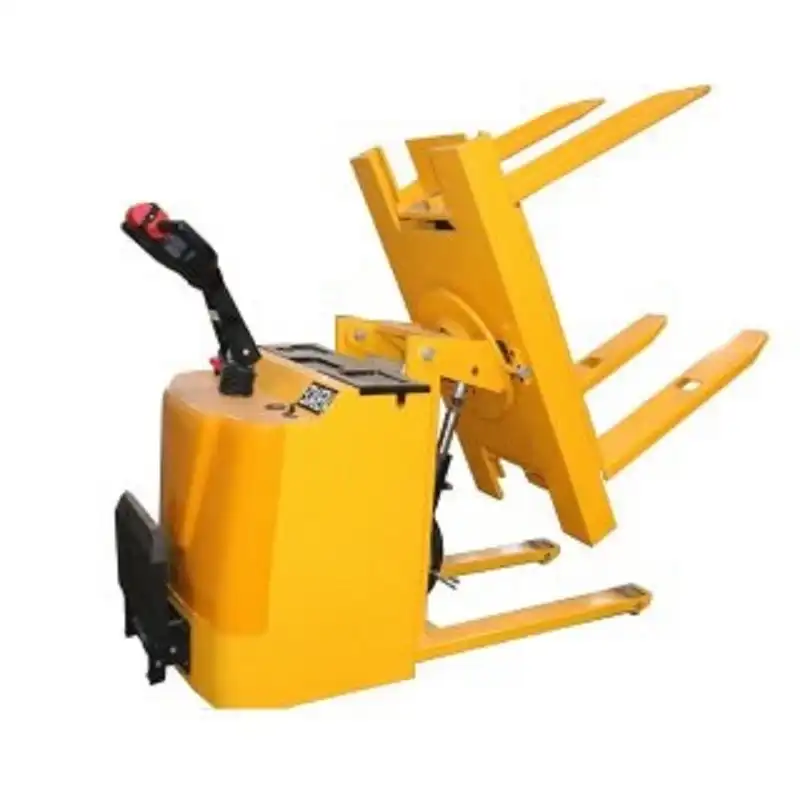
When I started FHOPEPACK, I knew that the core of our business had to be about deep technical understanding, not just selling machines. For a complex environment like Brazil’s cold storage for meat and poultry, this expertise is non-negotiable. First, consider the materials used. For hygiene and durability in freezing temperatures, a supplier must offer stainless steel construction (SS304 or SS316) for all food-contact surfaces and other critical components. This ensures corrosion resistance and easy sanitation, crucial for MAPA and ANVISA compliance. Second, assess the internal components. Are the hydraulics, motors, and electrical systems specifically designed or rated for low-temperature operation? Generic components will fail quickly under constant cold, leading to breakdowns. Third, evaluate their customization capabilities. Can they adapt the pallet inverter to handle the specific range of pallet sizes and types you use, including PBR, Euro, and US pallets, as well as plastic and wooden pallets? This flexibility is vital for a market with diverse logistical needs. A supplier like FHOPEPACK excels here, offering tailored solutions that integrate with your unique workflow. Fourth, look for a proven track record. Ask for case studies or client references in the food processing or cold chain industry, especially in similar markets. This demonstrates their understanding of your operational challenges. Finally, a commitment to research and development shows a supplier is forward-thinking and invests in improving their technology, ensuring you get the most efficient and reliable equipment. (pallet inverter technical specifications, cold storage equipment design, FHOPEPACK expertise, custom pallet handling solutions)
4. What after-sales support should I expect from a top Pallet Inverter vendor?
Purchasing a pallet inverter is a significant investment. The machine itself is only part of the equation. What happens after the sale is equally, if not more, important. Without robust after-sales support, even the most advanced equipment can become a liability if it breaks down or requires maintenance. In a fast-paced environment like cold storage for meat and poultry, any downtime directly impacts your bottom line and product integrity.
A top pallet inverter vendor should offer comprehensive after-sales support that includes expert installation and commissioning, thorough operator training programs, readily available spare parts with efficient logistics, and responsive technical assistance. This holistic approach ensures maximum uptime, extends the equipment’s lifespan, and allows your cold storage operations to run smoothly and efficiently, minimizing potential disruptions and associated costs in Brazil’s demanding food processing sector.
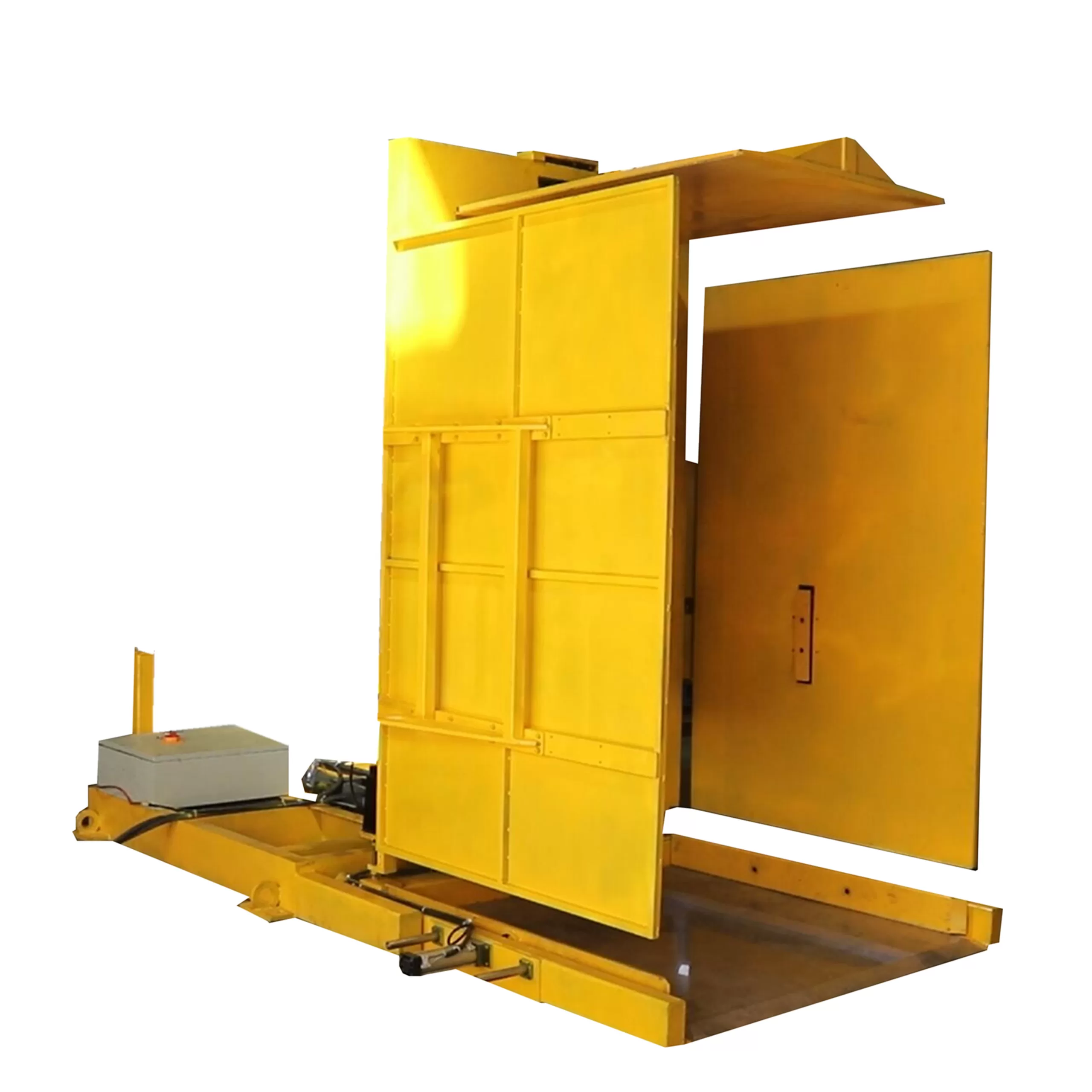
My journey from an employee to owning a packing machine factory taught me firsthand how crucial reliable after-sales support is. It makes all the difference in keeping operations running smoothly. That’s why at FHOPEPACK, we prioritize this. First, look for professional installation and commissioning. The supplier should send skilled technicians to your Brazilian facility to correctly install and integrate the pallet inverter into your existing cold storage line. This ensures proper setup and immediate optimal performance. They should also conduct on-site performance testing to confirm the machine meets all specified operational parameters in your actual working conditions. Second, comprehensive operator training is non-negotiable. Your team needs to understand how to safely and efficiently operate the equipment, perform basic troubleshooting, and conduct routine maintenance. Clear, multilingual manuals, ideally in Portuguese for the local workforce, are also essential. Third, inquire about spare parts availability and logistics. Downtime costs money, so quick access to critical spare parts is vital. A good supplier will either have local stock or a highly efficient global logistics network to ensure fast delivery. They should also recommend and potentially provide preventative maintenance kits. Finally, responsive technical support is key. This includes readily available support channels (phone, email, remote diagnostics) and the ability to dispatch technicians for on-site service in Brazil if complex issues arise. This level of support minimizes downtime and protects your investment. (pallet inverter after-sales service, cold storage equipment maintenance, FHOPEPACK customer service, minimize downtime solutions)
5. Can the Pallet Inverter system truly optimize my operational costs and safety?
For a logistics or supply chain manager like Carlos Rodríguez, the bottom line and the well-being of his team are paramount. When considering a significant investment like a pallet inverter system, the fundamental question always revolves around its tangible benefits: can it truly reduce operational costs and enhance workplace safety? In the high-volume, often hazardous environment of cold storage, inefficient pallet handling directly impacts both.
An automated pallet inverter system directly contributes to significant operational cost savings by reducing manual labor reliance, minimizing product damage during transfers, and improving overall warehouse throughput. Simultaneously, it drastically enhances workplace safety by eliminating the need for hazardous manual pallet handling, thereby reducing worker injuries, lowering insurance costs, and ensuring regulatory compliance. This leads to a measurable return on investment, particularly for cold storage operations handling meat and poultry products in Brazil.
Automating pallet inversion delivers clear, measurable benefits in both cost and safety. First, let’s talk about cost reduction. Manual pallet changing requires significant labor, especially in Brazil’s context of rising labor costs and shortages. By automating this process, you reduce your reliance on human workers for strenuous tasks, freeing them for higher-value activities. This means lower wage costs, less overtime, and a more efficient allocation of your workforce. Secondly, automated systems handle pallets and products with consistency and care. This significantly reduces instances of product damage, which is incredibly costly when dealing with valuable meat and poultry products. Each damaged item means lost revenue. Modern pallet inverters are also designed to be energy-efficient, a crucial factor in power-intensive cold storage facilities, contributing to lower utility bills. From a safety perspective, the impact is profound. Manual flipping or changing of heavy, often slippery pallets in cold environments is inherently dangerous. It leads to slips, falls, strains, and even severe injuries, as I’ve seen too often during my time running my own factory. Investing in safety, like with pallet changers, isn’t just about compliance; it’s about protecting your team and your business. An automated system eliminates these risks, improving worker well-being, reducing lost workdays, and potentially lowering insurance premiums and compensation claims. Furthermore, by improving throughput, an automated system allows for faster loading and unloading, reducing truck turnaround times and increasing overall warehouse capacity. This scalability supports your expansion goals without proportionally increasing operational expenses. (pallet inverter ROI, reduce warehouse labor costs, improve cold storage safety, automate pallet changing Brazil, FHOPEPACK efficiency gains)
Conclusion
Pallet inverters are vital for Brazil’s cold storage, especially for meat and poultry. Choosing the right supplier means looking at technical expertise, after-sales support, and the clear ROI in cost and safety. My journey taught me the value of smart solutions. Consider FHOPEPACK’s pallet inverter range for reliable, efficient operations, ensuring your expansion succeeds.








