
Optimizing Steel Coil Storage with Proper Stacking Techniques
Are you struggling with cluttered floors, damaged inventory, and safety hazards in your steel coil storage? Traditional methods fall short, leading to inefficiencies and lost revenue. Discover how implementing proper stacking techniques can revolutionize your operation, ensuring safety, maximizing space, and protecting your valuable materials.
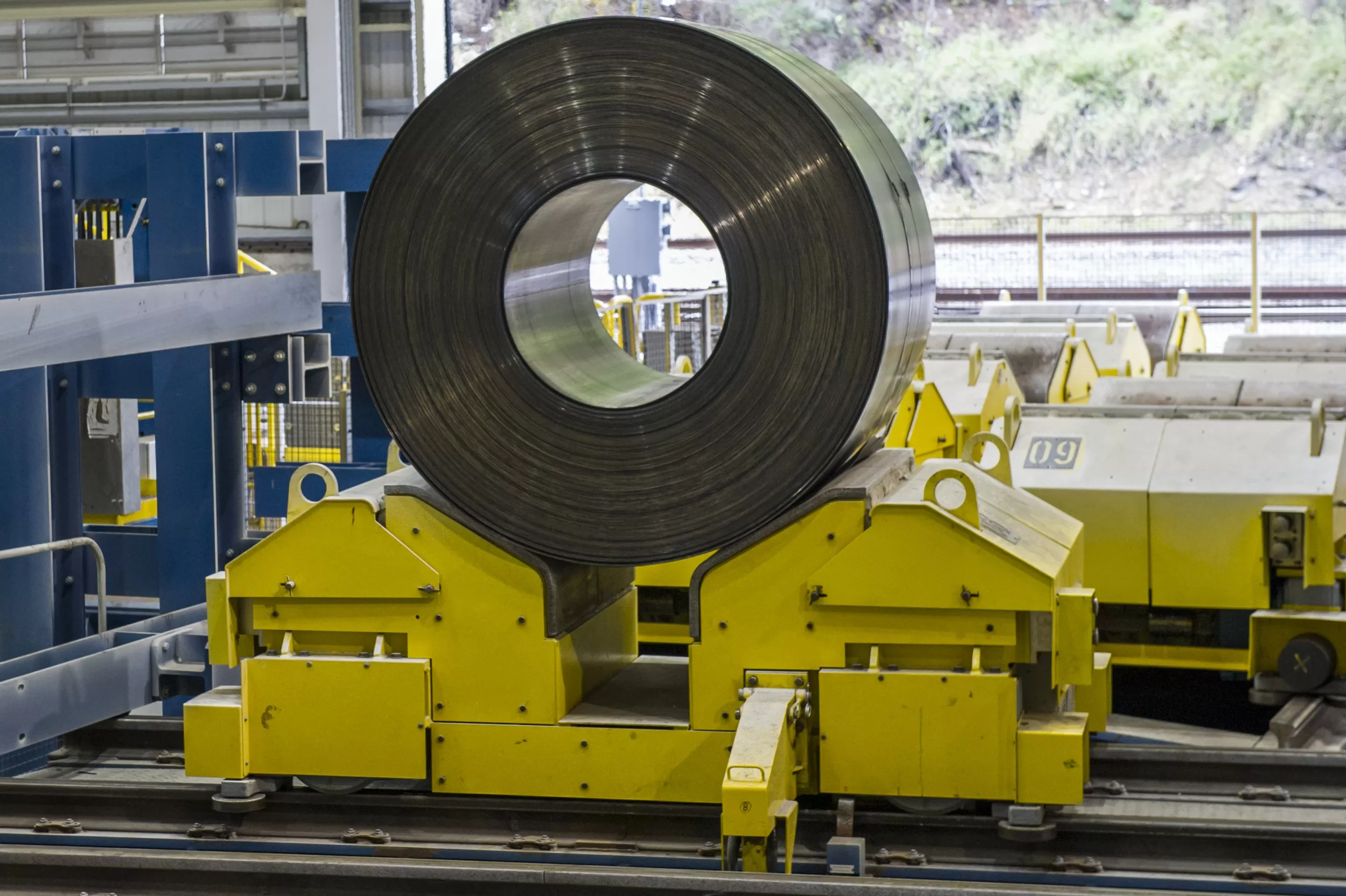
Optimizing steel coil storage with proper stacking techniques primarily involves utilizing vertical storage methods (“eye-to-sky”) on robust skids or specialized racks designed for heavy loads. Limiting stack height to two or three coils, placing larger diameters at the base, and ensuring stable, level surfaces are critical. This approach maximizes space, enhances safety by preventing rolling or collapse, and protects coils from damage, improving overall workflow efficiency.
Transitioning from outdated storage methods to engineered solutions and best practices is not just an operational upgrade; it’s a fundamental shift toward a safer, more efficient, and cost-effective future. Let’s explore the critical aspects of achieving this transformation.
The Pitfalls of Traditional Floor Stacking Methods
Are your steel coils stacked directly on the floor, forming unstable pyramids that hinder access and threaten safety? This common yet outdated practice creates chaos, burying materials, slowing retrieval, and significantly increasing accident risks. It’s a method rife with hidden costs and inefficiencies.
Traditional steel coil stacking often relies on floor storage in pyramid formations or simple stacking on wooden pallets, which presents significant challenges. This approach consumes valuable floor space, leads to inefficient inventory management (often Last-In, First-Out), and increases the risk of material damage like folding, buckling, and corrosion due to inadequate support and airflow. Crucially, pyramid stacking and loose floor storage pose severe safety hazards, including the risk of stack collapse or runaway coils if not properly chained or supported, leading to unpredictable and dangerous workplace scenarios and potential injuries. Engineered racking systems offer a safer, more organized alternative.
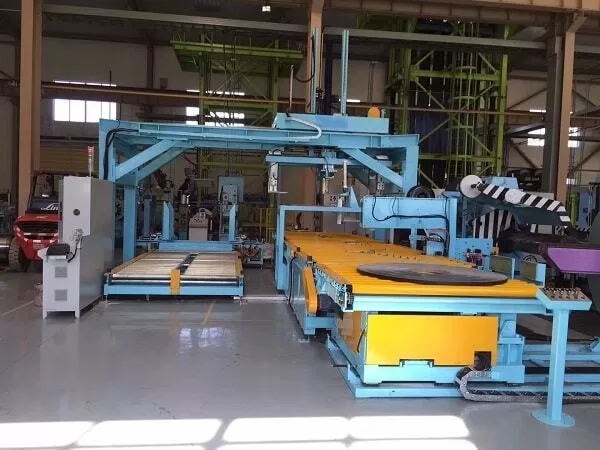
Why Floor Storage Fails and How Racks Succeed
Traditional floor storage of steel coils, while seemingly low-cost upfront, quickly demonstrates its limitations in operational efficiency and safety. The most common method, pyramid stacking, involves arranging coils in a triangular structure. While this conserves some horizontal space, it introduces instability, especially if coils are not of uniform size or the floor is uneven. The reliance on chocks or simple wooden blocks provides minimal security against rolling, and the sheer weight of upper coils can damage lower ones. The LIFO (Last-In, First-Out) nature of floor stacks makes inventory management a nightmare, leading to excessive handling just to access older stock, increasing both labor costs and the likelihood of accidents or material damage. Furthermore, wooden supports are susceptible to splintering, breaking, and absorbing oils, posing slip hazards and creating hazardous waste disposal issues.
Modern coil storage racks, conversely, are engineered solutions designed specifically to overcome these challenges. Systems like vertical tiered racks or cantilever racks provide dedicated, secure locations for each coil, often utilizing vertical space more effectively. These systems are built to precise AISC standards to handle industrial loads, ensuring stability and preventing coil movement. They eliminate the need for unsafe stacking formations and the associated risks of collapse or runaway coils. By allowing independent access to each coil, racks support FIFO inventory methods, simplify auditing, and reduce handling time. Customizable configurations accommodate various coil sizes and orientations (eye-to-sky or eye-to-side where appropriate), maximizing flexibility and optimizing workflow. The upfront investment in quality racks is quickly offset by reduced material damage, increased throughput, improved safety, and optimized floor space utilization that can be repurposed for manufacturing activities.
| Feature | Traditional Floor Stacking | Modern Rack Storage System |
|---|---|---|
| Space Utilization | High horizontal footprint, limited vertical | Maximizes vertical space, dense storage |
| Stability | Prone to collapse/rolling, unstable | Engineered stability, secure cradles |
| Inventory Access | LIFO, requires multiple moves, difficult | FIFO supported, individual access |
| Safety | High risk of injury/damage, slip hazards | Reduced risk, secure, organized |
| Material Damage | High risk (buckling, creasing, corrosion) | Low risk, protected storage |
| Handling Time | High, searching and re-stacking | Low, direct access |
| Cost (Life Cycle) | High (damage, labor, disposal, accidents) | Lower (reduced damage/labor/accidents) |
| Flexibility | Limited | High (modular, customizable) |
Implementing Safe and Efficient Steel Coil Handling
Handling steel coils correctly is just as crucial as how they are stacked. Improper lifting and movement can cause significant damage to the material before it even reaches storage, or worse, lead to severe accidents. Elevating your handling practices is non-negotiable for operational excellence.
Implementing safe and efficient steel coil handling requires specialized equipment such as appropriately rated forklifts with coil attachments, C-hooks, or overhead cranes, operated by highly trained personnel. Movements must be controlled, avoiding sudden starts or stops. Rigorous pre-use inspections of all lifting gear and the coils themselves, especially the condition of supporting skids, are essential. Handling coils one at a time and ensuring secure banding prevents unraveling, collectively minimizing the risk of damage and ensuring worker safety during transport to storage or processing areas.

Enhancing Handling Techniques for Coil Integrity and Safety
The journey of a steel coil within a facility involves multiple handling points – from receiving dock to storage, and from storage to the production line. Each transition is a potential point of failure if not managed with precision and care. The immense weight and momentum of coils necessitate robust equipment and stringent protocols to ensure both the coil’s integrity and the safety of the workforce. Relying on standard lifting equipment or untrained personnel for these critical tasks is a recipe for disaster, leading to costly material loss, equipment damage, and preventable injuries.
Specialized equipment is fundamental. While standard forklifts can be used, they require appropriate attachments like coil rams, booms, or specialized fork modifications to securely engage the coil’s core or lift it safely on a skid. For heavier master coils, overhead cranes equipped with C-hooks, coil tongs, or hydraulic grabs offer superior control and stability, distributing the load evenly and preventing deformation. The lifting capacity of the chosen equipment must significantly exceed the weight of the heaviest coil to provide a safety margin. Regularly inspecting this equipment for wear, damage, or functional issues before each use is paramount, following a strict maintenance schedule to prevent unexpected failures during operation.
Operator training and certification are non-negotiable prerequisites. Personnel operating any equipment used to lift or move steel coils must undergo comprehensive training specifically covering the dynamics of handling heavy, cylindrical loads. This training should include instruction on load centers, safe lifting angles, recognizing unstable loads, navigating congested areas, and emergency procedures. Practical demonstrations and competency testing should be part of the training process, with regular refresher courses to reinforce best practices and adapt to new equipment or procedures.
Securing the coil itself before lifting is a simple yet critical step. Ensuring that the outer wraps of the coil are properly secured with banding or stretch wrap prevents them from unraveling during movement, which can create trip hazards or potentially damage the material. If coils are stored or transported on skids, verifying the skid’s condition and the coil’s secure placement on the skid before lifting is essential. A damaged or inadequate skid can break mid-air, leading to a catastrophic drop.
Movement within the facility must be controlled and deliberate. Rapid acceleration, sudden braking, or sharp turns can cause the coil to swing, shift, or even fall. Operators should maintain a slow, steady speed, particularly when navigating turns or uneven surfaces. Clear aisles and designated traffic routes minimize the risk of collisions with obstacles, other equipment, or personnel. Planning the movement path in advance, ensuring adequate clearance at the destination, and communicating intentions clearly to nearby workers further enhance safety. Finally, minimizing the number of times a coil is handled throughout its lifecycle in the warehouse significantly reduces the cumulative risk of incidents and improves workflow efficiency.
Elevating Coil Storage Safety Protocols
Beyond stacking methods and handling equipment, a pervasive safety culture and robust protocols are the ultimate guardians against incidents in steel coil storage areas. Ignoring safety measures is not just risky; it’s financially detrimental and endangers your most valuable asset: your workforce. Address potential hazards proactively to ensure a secure environment.
Prioritizing safety in steel coil storage involves mandatory personal protective equipment (PPE) such as steel-toed boots, heavy gloves, and hard hats, alongside comprehensive, regular safety training tailored to coil handling risks. Establishing clearly marked and enforced safe zones, maintaining excellent housekeeping to prevent trip hazards, and implementing strict procedures for equipment inspection and operation are fundamental to mitigating the significant risks associated with storing and moving heavy steel coils safely and efficiently.
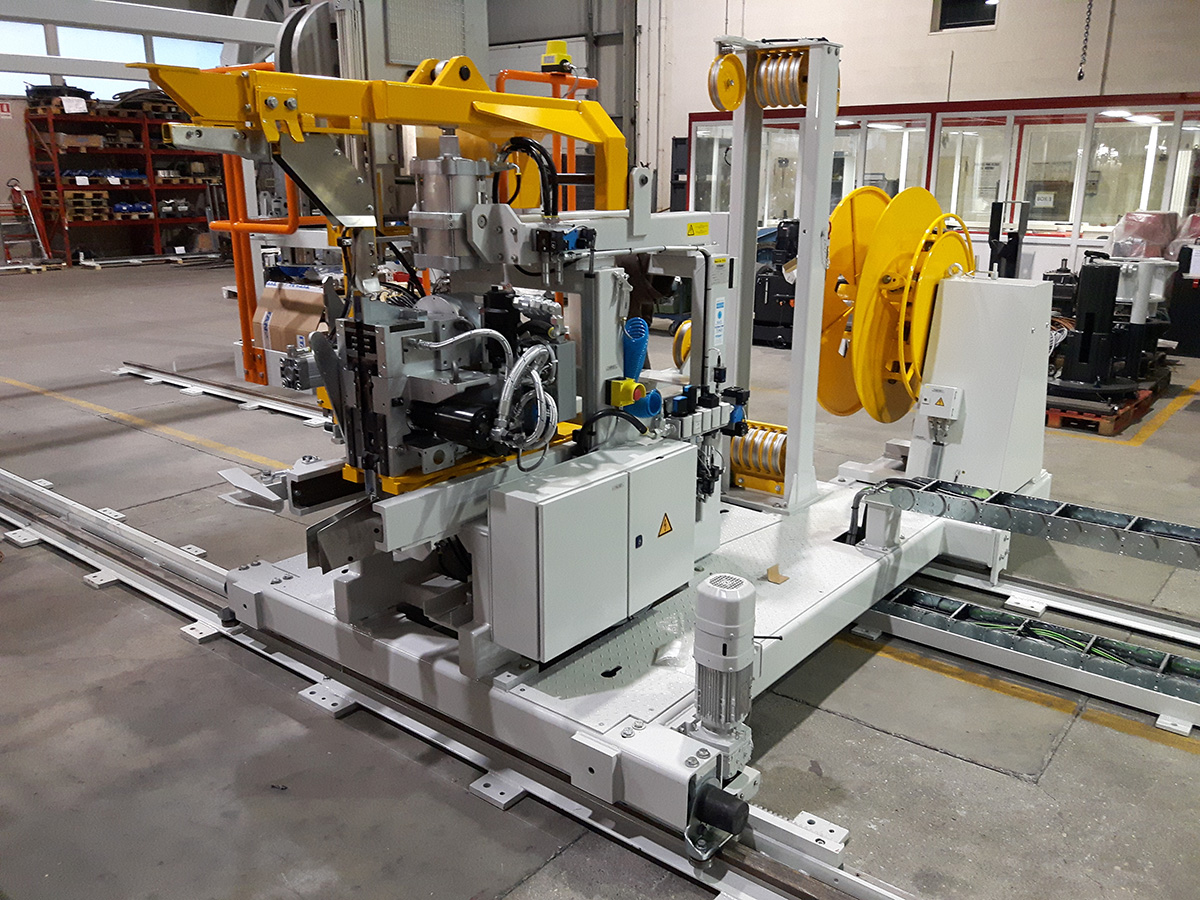
Comprehensive Safety Frameworks for Coil Handling Environments
Ensuring a safe environment for steel coil handling and storage requires a multi-faceted approach that encompasses training, equipment, procedures, and facility design. The inherent risks associated with heavy loads and potential for movement necessitate a culture of vigilance and adherence to established safety frameworks. Simply providing equipment is not enough; operators must be trained to use it correctly, understand the potential hazards, and follow protocols designed to prevent incidents.
Key to this framework is rigorous, ongoing training. Initial certification for equipment operators must be supplemented with regular refresher training covering specific coil handling techniques, load dynamics, hazard recognition (like pinch points or potential for rolling), and emergency response. All personnel working in or near coil storage areas should receive training on pedestrian safety, recognizing hazardous situations, and understanding facility safety signage and zones. Documenting all training helps ensure compliance and track competency.
Establishing and enforcing clearly defined work zones is critical for segregation and safety. Designated areas for coil storage should be separated from pedestrian walkways and primary traffic routes for other warehouse activities. Using floor markings, barriers, and prominent signage indicates where risks are present and restricts unauthorized access. Traffic routes for forklifts and cranes should be planned to minimize crossing paths with personnel. Maintaining excellent housekeeping within these zones is also essential; removing debris, spills, and obstacles prevents trip hazards and ensures clear access for equipment.
Personal Protective Equipment (PPE) is the final line of defense. Mandating the use of appropriate PPE, such as high-impact hard hats (due to potential falling objects), steel-toed safety boots (to protect feet from dropped items or pinch points), heavy-duty cut-resistant gloves (for protection against sharp edges), and safety glasses, is non-negotiable in coil handling areas. Regular checks should ensure compliance, and workers must be trained on the proper use and maintenance of their PPE.
Furthermore, robust procedures for equipment maintenance and inspection, as discussed previously, are a core component of the safety framework. Implementing a system for reporting near misses and incidents, followed by thorough investigation and corrective actions, fosters a proactive safety culture. Regular safety audits and walk-throughs by management demonstrate commitment and help identify potential hazards before they cause harm. Integrating ergonomic principles into handling procedures and workspace layout can also reduce the risk of musculoskeletal injuries associated with manual tasks.
| Safety Element | Key Practices | Impact on Safety |
|---|---|---|
| Training | Regular, specific to coils; hazard recognition; emergency procedures | Reduces human error, increases awareness |
| Defined Zones | Floor markings, barriers, signage; separate pedestrian/vehicle paths | Segregates hazards, improves order |
| PPE Enforcement | Mandatory use; correct type for risks; proper maintenance | Last line of defense, reduces injury severity |
| Equipment Inspection | Daily pre-use checks; scheduled maintenance; lockout/tagout procedures | Prevents mechanical failures |
| Safe Handling/Stacking | Adherence to procedures; load limits; controlled movements; skid integrity | Prevents drops, collapses, damage |
| Housekeeping | Keep areas clear of debris, spills, obstacles | Prevents trips and falls |
| Emergency Preparedness | Clear plans; trained personnel; accessible equipment (first aid, fire) | Enables effective response, minimizes impact |
| Incident Reporting/Audit | Investigate near misses/incidents; corrective actions; regular safety audits | Fosters proactive culture, continuous improvement |
Leveraging Space Optimization and Automation for Enhanced Efficiency
Inefficient storage layouts waste valuable floor space and slow down operations. Combine smart stacking techniques with warehouse layout optimization and explore automation to achieve maximum throughput and efficiency. Unlock hidden potential within your facility.
Leveraging smart layout design and automation technologies is transformative for steel coil storage. Space optimization involves designing layouts with heavy-duty racking (like cantilever or vertical systems) to maximize vertical space utilization and creating clear, wide aisles for safe, efficient movement. Implementing inventory management systems with labeling aids quick retrieval. Automation, such as robotic handling systems or AGVs, streamlines material flow, reduces manual labor, increases throughput, and minimizes the risk of human error, leading to higher storage density and significant operational efficiencies. This integrated approach reduces handling times and improves overall productivity.
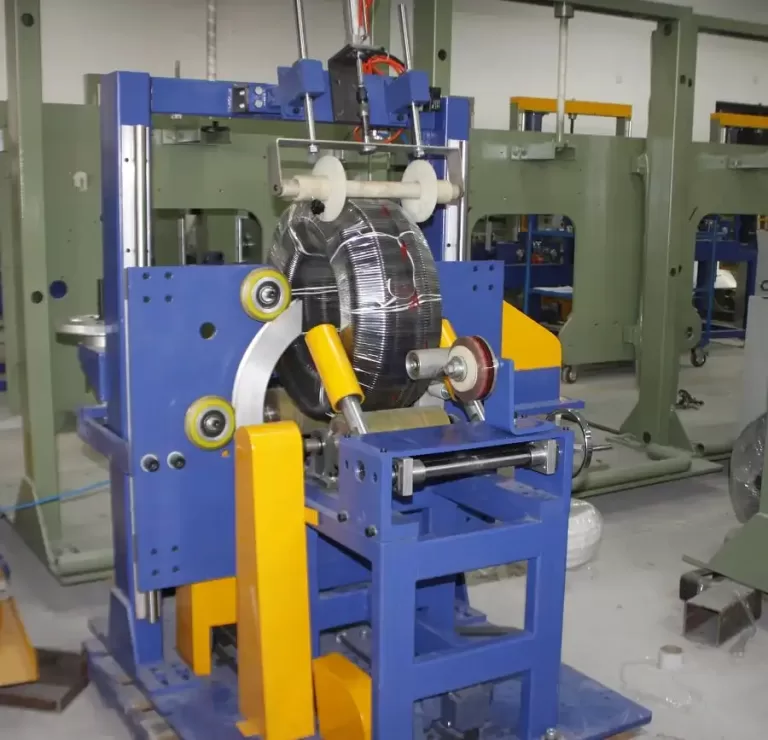
Warehouse layout is the blueprint for operational efficiency. For steel coils, this means more than just where to put stacks; it involves a strategic design that facilitates safe movement, easy access, and maximum storage density. Cantilever racks are ideal for long products like steel bars or pipes often associated with coils, while vertical coil racks are specifically designed for storing heavy, round coils, allowing high-density storage vertically. The layout should consider the flow of materials from receiving through storage to production or shipping, minimizing unnecessary travel distances and bottlenecks. Aisle widths must accommodate the largest handling equipment used (forklifts with coil attachments, AGVs), with extra clearance for safe maneuvering. Utilizing vertical space through tall racking systems is key to increasing storage capacity within the existing footprint.
Inventory management systems, including barcode or RFID tracking, integrated with warehouse management software (WMS), are crucial for optimizing space and workflow. These systems provide real-time visibility into inventory levels, locations, and specifications. This allows for optimized placement strategies (e.g., storing high-usage coils closer to production areas) and supports FIFO or other preferred inventory rotation methods, reducing the time spent searching for materials and preventing stockouts or overstocking. Accurate data enables better planning for space allocation based on current and projected inventory levels.
Automation technologies offer significant potential for revolutionizing steel coil storage and handling. Automated storage and retrieval systems (AS/RS) designed for heavy loads can handle coils with minimal human intervention, precisely storing and retrieving coils from high-density racking, often in vertical or horizontal orientations, utilizing space more efficiently than manual systems. Robotic coil handlers, equipped with specialized grippers, can pick coils directly from conveyors or stacking systems and place them precisely onto production equipment or packaging lines. Automated Guided Vehicles (AGVs) or Autonomous Mobile Robots (AMRs) can transport coils between different zones autonomously, reducing the need for human-operated forklifts and minimizing traffic congestion and associated safety risks. While the initial investment in automation is substantial, the benefits include significant labor cost reduction, increased throughput, improved accuracy in inventory management and placement, enhanced safety, and the ability to operate continuously, leading to a rapid return on investment in high-volume operations. Integrating these technologies requires careful planning and potentially modifying existing infrastructure, but the long-term gains in efficiency and competitive advantage are undeniable.
Conclusion
Optimizing steel coil storage with proper stacking techniques, coupled with safe handling practices and strategic layout planning, is essential for efficiency, material integrity, and workforce safety. Moving beyond traditional floor stacking towards engineered racking systems and leveraging technology like automation and advanced inventory management transforms your warehouse into a streamlined, productive operation. Prioritizing coil stacking best practices and investing in modern solutions ensures a safer work environment, reduces costly material damage, frees up valuable floor space, and enhances overall throughput. For businesses looking to further optimize their end-of-line processes, exploring solutions like a coil packing line can provide seamless integration with improved storage and handling workflows.








