
Mold Hydraulic Upenders: Are They the Game Changer Your Die Casting Workshop Needs?
Are you tired of the constant struggle with heavy, awkward molds in your die casting or tooling workshop? Do safety concerns and slow manual processes keep you up at night? The demands of modern manufacturing mean every minute counts, and every preventable accident costs you dearly.
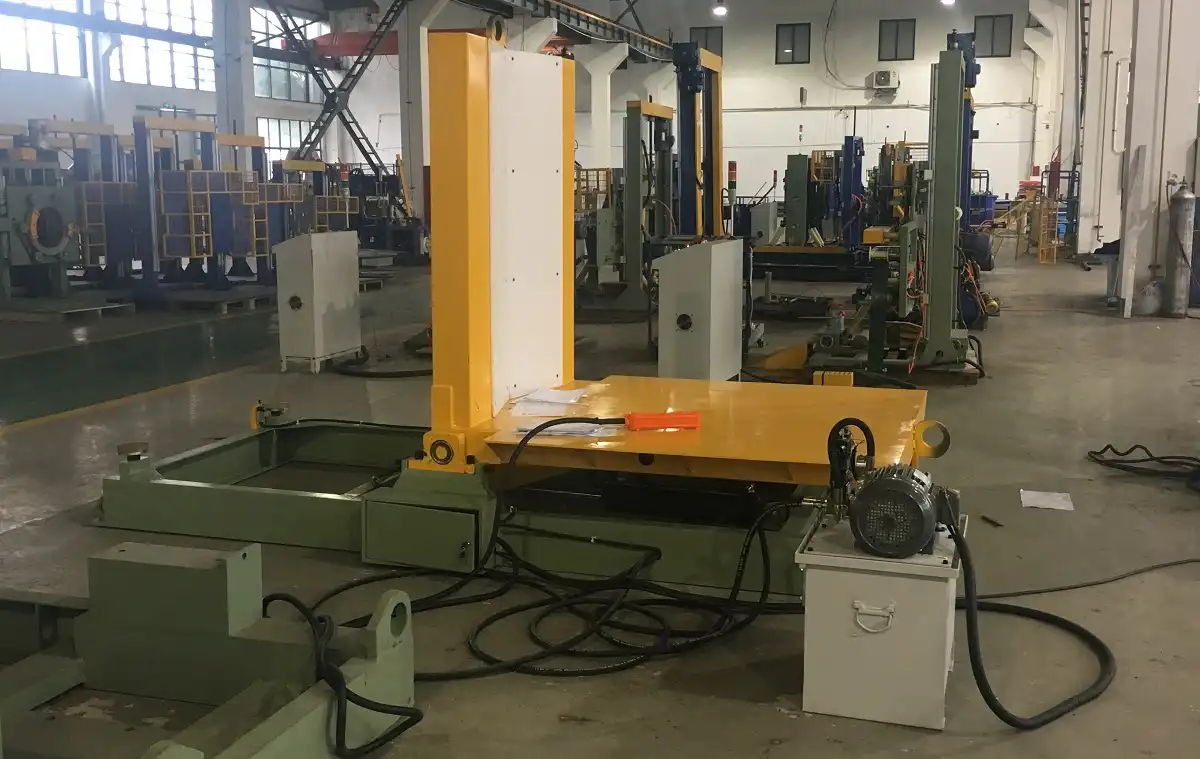
A mold hydraulic upender is a specialized piece of equipment designed to safely and efficiently rotate heavy molds, dies, and tooling, typically from a horizontal to a vertical position or vice-versa. It eliminates manual handling, greatly reduces accident risks, and streamlines production processes in high-demand environments like die casting and tooling workshops.
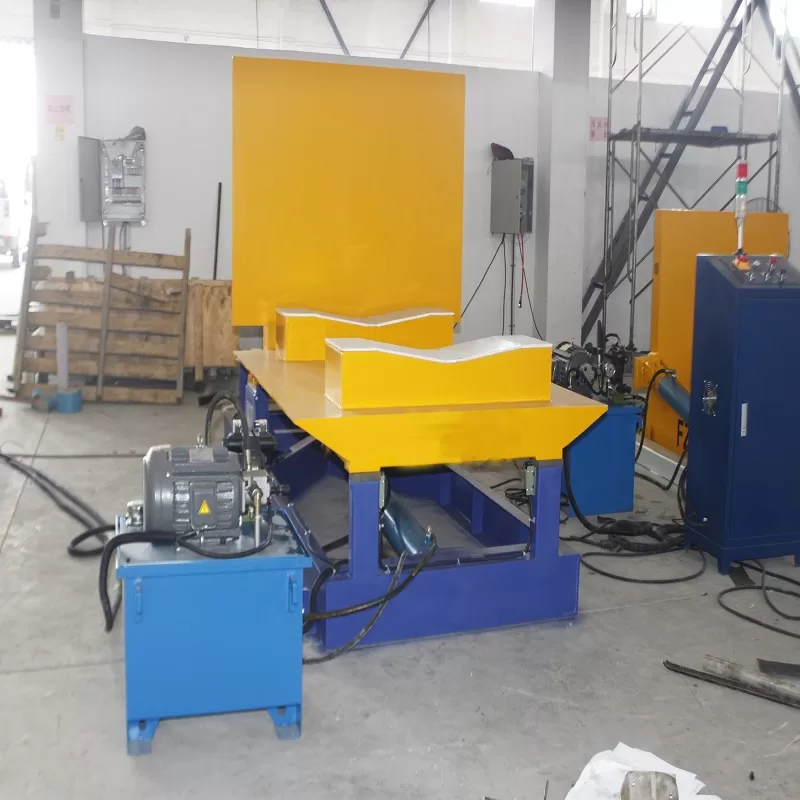
My journey in the packing machine industry has shown me that factory managers, much like Michael Chen in Mexico, are always looking for reliable solutions. They need equipment that works, day in and day out, solving real problems on the factory floor. Let’s explore how mold hydraulic upenders can truly transform your operations.
1. Why Are Traditional Mold Handling Methods So Risky and Inefficient?
Manually moving large, heavy molds is a high-stakes game. Workers strain, accidents happen, and your production grinds to a halt. Are these risks acceptable for your team and your bottom line?
Traditional mold handling relies heavily on overhead cranes and manual intervention, often requiring multiple workers to dangerously maneuver heavy tooling. This process is inherently slow, error-prone, and poses significant risks of pinch points, dropped loads, and musculoskeletal injuries to employees, leading to substantial downtime and increased operational costs.
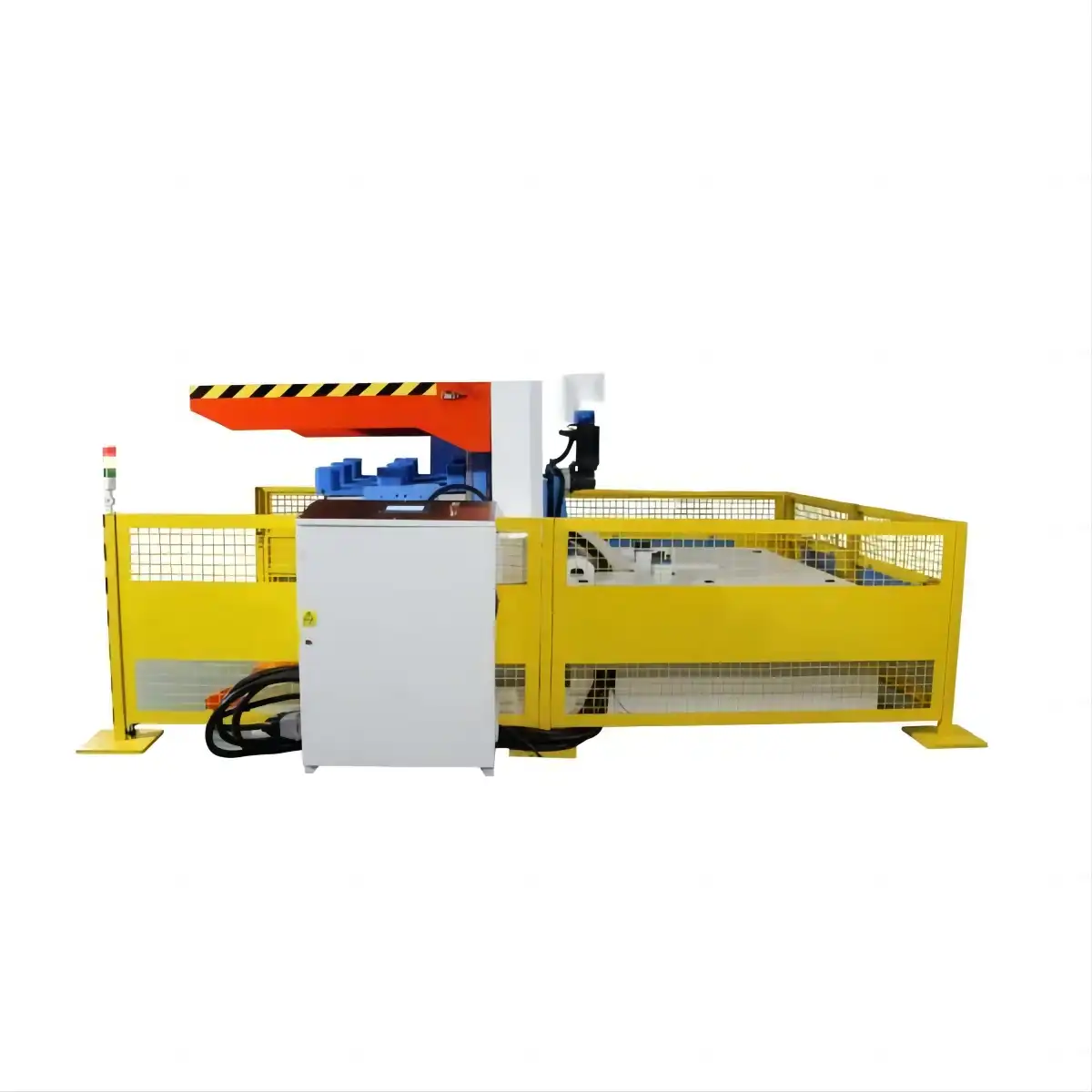
The Hidden Costs of Manual Mold Turning 💸
I have seen countless factories where the “way things have always been done” ends up costing a fortune. Michael Chen’s concerns about efficiency bottlenecks and safety hazards are real. When you depend on human strength and coordination for heavy tasks like turning molds, you are setting yourself up for a range of issues. These issues go far beyond just the time it takes to move a mold. They impact your entire operation, from worker morale to your profit margins. Let’s break down some of these hidden costs.
-
Safety Hazards and Human Cost:
- Injuries: Workers frequently suffer back strains, crushed limbs, and other severe injuries from trying to handle heavy molds manually or with improper equipment. This is a direct human cost that no factory should tolerate.
- High Insurance Premiums: More injuries mean more workers’ compensation claims. Your insurance provider will notice this, and your premiums will climb. This is a tangible financial hit.
- Employee Morale and Turnover: A dangerous workplace makes employees feel undervalued. It leads to low morale, high stress, and a constant churn of staff. Training new workers is expensive and time-consuming.
- Compliance Risks: Regulators like OSHA in some regions are strict about workplace safety. Non-compliance can lead to hefty fines and legal battles.
-
Efficiency Bottlenecks and Production Delays:
- Slow Operations: Manually rotating a mold is a slow process. It often requires stopping the entire line, gathering multiple workers, and performing delicate, time-consuming maneuvers.
- Production Delays: These slow processes create bottlenecks at critical points in your production line. If the mold isn’t ready, the die casting machine sits idle. Idle machines mean lost production capacity.
- Increased Labor Hours: You pay multiple workers to do a job that one machine could do faster and more safely. This adds significant labor costs, especially if overtime is needed to catch up.
- Unreliable Scheduling: Manual processes are harder to predict. A sudden injury or a complex mold turn can throw your entire production schedule off track, impacting delivery times and customer satisfaction.
-
Product Damage and Quality Concerns:
- Edge Damage: When molds are jostled or dropped, even slightly, the delicate edges or surfaces can be damaged. This might require costly repairs or even lead to scrapping the mold itself.
- Surface Scratches: During manual maneuvering, it is easy for molds to scrape against floors, walls, or other equipment. These scratches can impact the quality of the final product from the die casting process.
- Increased Scrap Rate: If a mold is damaged, it might produce faulty parts, leading to a higher scrap rate. This means wasted raw materials and wasted production time, directly hurting your profitability.
- Customer Complaints: Damaged molds produce damaged parts. This leads to customer complaints, returns, and a tarnished reputation. Trust, once lost, is hard to regain.
The traditional approach to mold handling is not just old-fashioned; it is a drain on resources and a threat to your most valuable assets: your people and your products. It’s time to consider a more advanced solution for your tooling workshop challenges (die casting workshop safety, manual mold handling risks, production bottleneck solutions).
2. How Does a Hydraulic Upender Transform Mold Handling in a Tooling Workshop?
Imagine a world where moving molds is smooth, precise, and completely safe. No more wrestling with heavy dies, no more risking your team’s safety. Is this just a dream, or a reachable reality?
A hydraulic upender revolutionizes mold handling by automating the process of flipping and rotating heavy molds with a simple push of a button. It uses robust hydraulic power to smoothly transition molds between horizontal and vertical orientations, significantly enhancing workplace safety, improving operational efficiency, and extending the lifespan of valuable tooling by preventing accidental damage.
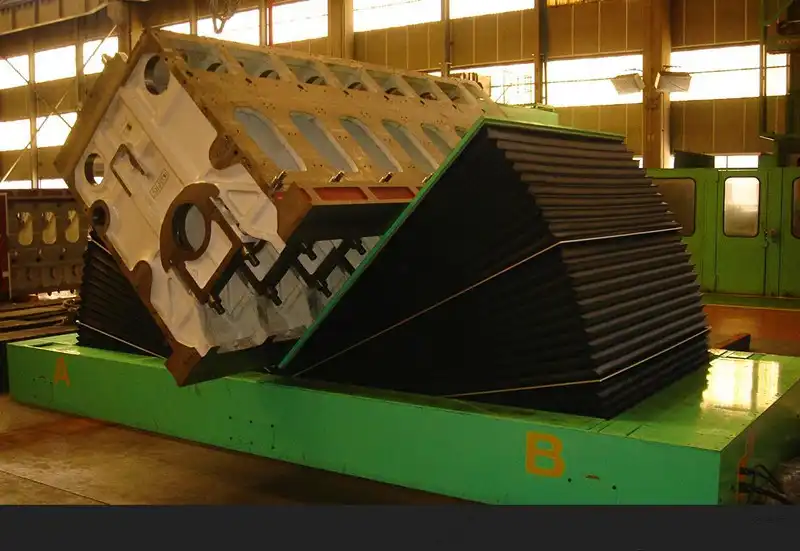
The Mechanics of Safety and Speed 🚀
From my experience in engineering and setting up factories, I know that truly transformative equipment does more than just one thing well. A hydraulic upender is a perfect example. It does not just flip molds; it fundamentally changes the entire process of how heavy tooling is managed in your workshop. This change brings about benefits that ripple through every aspect of your operation. It’s about mechanics, yes, but it’s also about a new way of working.
-
Effortless and Precise Rotation:
- Hydraulic Power: At its core, a hydraulic upender uses hydraulic cylinders to generate immense force. This power allows it to lift and rotate even the heaviest molds with ease. The movement is controlled, smooth, and consistent, unlike the jerky motions of manual handling.
- Controlled Speed: Operators can precisely control the speed of rotation. This slow, deliberate movement prevents sudden shifts or drops, which are common causes of damage in traditional methods.
- Versatility: These machines handle a wide range of mold sizes and weights. This means one piece of equipment can manage most, if not all, of your tooling rotation needs.
-
Unmatched Safety Improvements:
- Reduced Human Contact: The biggest safety gain is removing workers from direct contact with heavy, moving molds. The machine does the dangerous work.
- Stable Operation: Molds are securely clamped or placed on a stable platform before rotation. This prevents accidental slippage or falling, which are major injury risks.
- Ergonomic Benefits: Workers no longer need to bend, strain, or lift awkwardly. They simply operate a control panel, reducing the risk of musculoskeletal disorders. This is a huge benefit for long-term employee health.
- Emergency Stops: Modern upenders come equipped with emergency stop buttons and safety interlocks. These features provide immediate shutdown capabilities in case of any unforeseen issues, protecting both the machine and personnel.
-
Significant Efficiency Boosts:
- Faster Turnaround: What used to take multiple workers and several minutes or even an hour, can now be completed by one operator in a fraction of the time. This drastically reduces downtime between mold changes or during maintenance.
- Optimized Workflow: With faster mold handling, your die casting machines spend more time producing and less time waiting. This improves your overall equipment effectiveness (OEE).
- Single-Operator Use: Many upenders can be operated by a single person. This frees up other skilled workers to focus on more complex tasks, maximizing your labor efficiency.
- Reduced Damage: As I mentioned, fewer accidents mean less time spent on repairs or replacing damaged molds. This ensures a smoother, more continuous production flow.
A hydraulic upender is not just a piece of machinery; it is a strategic asset for any die casting or tooling workshop. It directly addresses the critical issues of safety and efficiency, making your operations safer, faster, and ultimately, more profitable (automated mold handling, hydraulic upender safety, tooling rotation solutions, die casting efficiency, factory workflow optimization).
3. What Are the Tangible Benefits of Investing in a Quality Mold Upender?
You’re a factory manager, so you understand that every investment must deliver a clear return. Can a mold upender truly cut costs and boost profits? Or is it just another expense?
Investing in a high-quality mold hydraulic upender yields substantial tangible benefits, including significant reductions in labor costs due to automation, fewer workplace injuries leading to lower insurance premiums and higher morale, and a drastic decrease in product damage during handling. These improvements contribute directly to a stronger return on investment (ROI) and enhanced overall factory profitability.
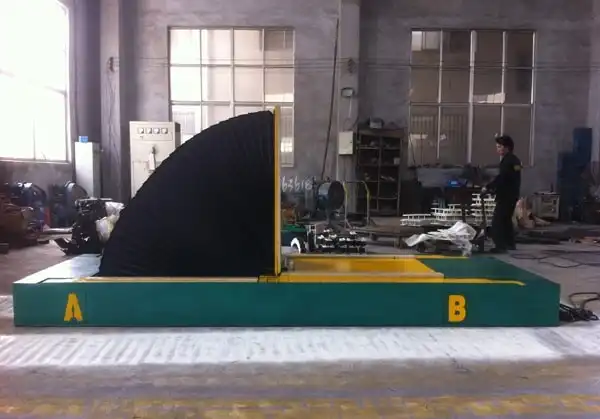
Measuring Your Return: Beyond Just the Price Tag 💰
When I started my own packing machine factory, every investment was carefully scrutinized. I understand that the initial cost of equipment can seem daunting. However, the true measure of an investment, especially for a factory manager like Michael Chen, is its return on investment (ROI). A quality mold hydraulic upender delivers returns in many measurable ways that go far beyond its purchase price. It’s about what the machine saves you and enables you to achieve.
-
Direct Cost Savings:
- Reduced Labor Costs: This is often the most immediate and significant saving. Instead of needing three or four workers for an hour to turn a mold, one operator can do it in minutes. This frees up valuable skilled labor for other tasks or reduces overtime hours. Over a year, these savings add up to a substantial sum.
- Lower Insurance Premiums: Fewer workplace injuries mean fewer claims. Insurance companies reward safer workplaces with lower premiums. This is a direct saving to your operational budget.
- Decreased Medical Costs: Beyond insurance, there are direct costs associated with worker injuries, such as lost productivity, administrative burdens, and potential legal fees. An upender minimizes these.
-
Enhanced Operational Efficiency and Throughput:
- Increased Production Speed: By dramatically reducing the time it takes to prepare or maintain molds, your die casting machines experience less downtime. This means higher throughput, more parts produced per shift, and a greater overall production capacity.
- Faster Delivery Times: With more efficient production, you can meet customer deadlines more reliably and even take on more orders. This translates directly to increased revenue opportunities.
- Optimized Resource Allocation: Your staff and equipment are utilized more effectively. This ensures that every part of your operation is working at its peak potential.
-
Minimizing Product and Mold Damage:
- Reduced Scrap Rate: Fewer damaged molds mean fewer faulty parts. This reduces your scrap rate, saving money on raw materials and reprocessing.
- Extended Mold Lifespan: Gentle, controlled handling reduces wear and tear on your expensive molds. This extends their operational life, delaying costly replacements or repairs.
- Improved Product Quality: Consistent, safe handling prevents cosmetic damage or structural issues that might arise from manual mishandling, leading to higher quality products and fewer customer complaints.
-
Boosting Employee Morale and Retention:
- Safer Working Environment: Employees feel valued when their safety is prioritized. A safer workplace leads to higher job satisfaction.
- Reduced Physical Strain: Less strenuous physical work means healthier, happier employees. This reduces absenteeism and can lead to a more engaged and loyal workforce.
- Better Retention: A positive work environment reduces employee turnover. This saves you the significant costs associated with recruiting and training new staff.
Consider a simple ROI calculation: If an upender costs $X, but saves you $Y in labor annually, $Z in insurance, and prevents $W in mold damage, how long until those savings pay for the machine? Often, the payback period for a quality hydraulic upender is surprisingly short, making it one of the smartest investments a die casting or tooling workshop can make (mold upender ROI analysis, cost reduction strategies, factory profitability, reduced worker injuries, improved production throughput).
4. How Do You Choose the Right Partner for Your Mold Upender Needs?
You’ve been burned by unreliable suppliers before. You need more than just a machine; you need a trusted expert who understands your factory’s unique challenges. How can you find a true partner, not just another salesperson?
Choosing the right partner for a mold hydraulic upender means looking beyond the machine itself; it requires a supplier with deep industry expertise, a proven track record of reliable equipment, and comprehensive after-sales support. A true partner will understand your specific operational bottlenecks and offer tailored solutions that integrate seamlessly into your existing die casting or tooling workshop processes, ensuring long-term success and peace of mind.
More Than Just a Machine: The Value of Expertise and Trust ✅
Michael Chen’s concern about “supplier trust crisis” really resonates with me. I have built FHOPEPACK on the principle of partnership, not just transactions. I know firsthand that buying industrial equipment is a significant decision. You are not just buying steel and wires; you are investing in a solution that should support your business for years. This means the choice of supplier is just as important as the machine itself. A reliable partner offers more than just hardware. They offer peace of mind, expertise, and ongoing support.
-
Experience and Deep Industry Knowledge:
- Understanding Your Business: A great partner takes the time to understand your specific challenges. What are your production bottlenecks? What safety concerns do you face? How heavy are your molds? What is your factory layout? A generalist will not ask these questions.
- Tailored Solutions: Every factory is different. An experienced supplier will not offer a one-size-fits-all solution. They will assess your needs and recommend an upender that is precisely right for your die casting or tooling workshop, potentially even customizing it. My own journey as a packing machine engineer, from employee to factory owner, has given me this deep, practical insight. I know what works on the floor because I have been there.
- Problem-Solving Expertise: A true expert anticipates problems. They can advise you on optimal placement, integration with existing equipment, and potential future upgrades. This proactive approach saves you headaches and money down the line.
-
Quality, Durability, and Reliability:
- Robust Construction: Industrial equipment needs to be tough. In a heavy manufacturing environment like Michael’s metal processing plant, equipment must withstand constant use and challenging conditions. Look for suppliers who use high-quality materials and construction methods.
- Proven Track Record: Ask for references or case studies. A reputable supplier will be proud to show you how their machines perform in real-world settings.
- Longevity: A quality upender is an investment that should last for many years. A good supplier builds machines that are designed for durability and minimal maintenance.
-
Comprehensive After-Sales Support:
- Installation and Training: The best machine in the world is useless if your team cannot operate it correctly. A good partner provides thorough installation and training services.
- Technical Support: Issues can arise. You need a supplier who offers responsive technical support. Can you call them when you have a question? Do they offer troubleshooting advice?
- Spare Parts Availability: What happens if a part needs replacing? A reliable supplier stocks common spare parts and can deliver them quickly, minimizing your downtime. This is often an overlooked but critical factor.
- Maintenance Services: Some suppliers offer maintenance contracts or advice. Regular maintenance can extend the life of your equipment and prevent costly breakdowns.
When you are making such an important investment, you need a partner you can trust. I founded FHOPEPACK because I believe in sharing knowledge and providing solutions that truly empower businesses. We focus on understanding your challenges, just like Michael Chen’s, and delivering robust, reliable equipment like our mold hydraulic upenders. While other good manufacturers like SHJLPACK and CNBHPAC also produce quality equipment, my commitment at FHOPEPACK is to be your expert guide and steadfast partner in achieving operational excellence (choosing industrial equipment supplier, reliable mold upender, after-sales service machinery, expert packing machine engineer, FHOPEPACK solutions).
My Insights
My journey from a factory employee to establishing FHOPEPACK taught me one crucial lesson: true success comes from understanding the core problems and delivering genuine solutions. This isn’t just about selling machines; it’s about building a partnership that helps your business thrive. Just like Michael Chen, I believe in practical, effective solutions that drive real growth.
Conclusion
A mold hydraulic upender is a strategic investment for any die casting or tooling workshop. It boosts safety, efficiency, and profit. Partner with experts like FHOPEPACK to unlock your full potential, especially when integrating with your existing col wrapping machine lines.








