
Local Manufacturer vs Global Supplier — Who Builds Better Steel Wire Packing Lines?
Are you a factory manager, perhaps like Michael in Mexico, constantly pushing for higher output while battling efficiency bottlenecks and safety hazards? Do you worry about product damage during handling or the long-term reliability of your equipment? It’s a common dilemma in heavy industries, especially when it comes to investing in critical machinery like steel wire packing lines. The pressure to choose wisely is immense, and I’ve seen firsthand how a wrong decision can impact an entire operation.
Choosing the right partner for your steel wire packing line is not just about price; it’s about a blend of innovation, reliable support, proven value, and deep industry understanding. While both local manufacturers and global suppliers offer distinct advantages, the “better” choice ultimately depends on your specific operational needs, long-term goals, and the complexity of your packing requirements.
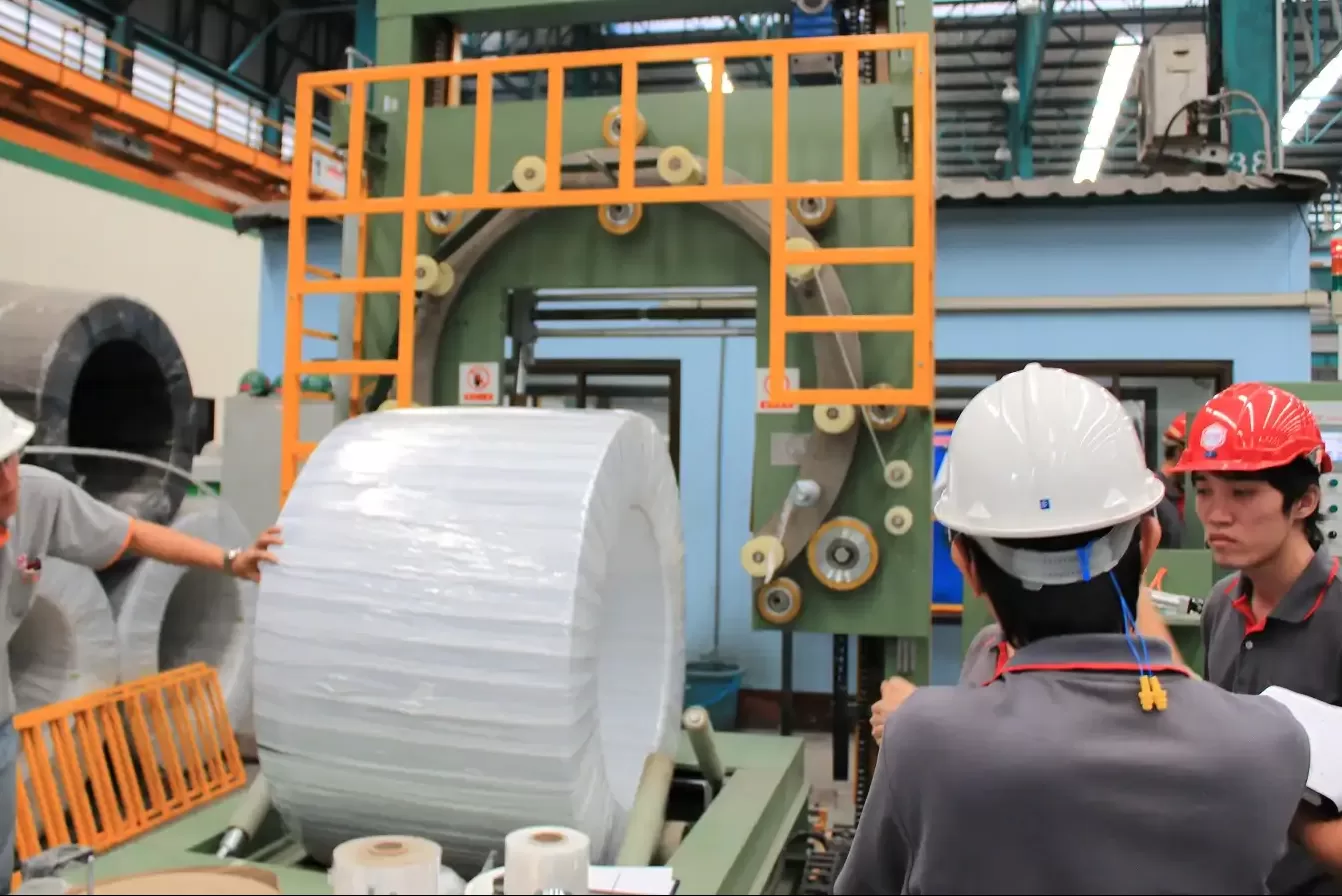
Navigating the landscape of industrial equipment suppliers can feel overwhelming. But what if I told you there’s a clearer path to making this crucial decision? Let’s dive deeper into what truly differentiates local manufacturers from global suppliers and help you, like Michael, find a partner who can genuinely support your business growth and operational excellence.
1. Can Local Manufacturers Match Global Standards in Steel Wire Packing Technology?
Many factory managers, including those I’ve worked with, often wonder if staying local means compromising on technology. You might think global players always lead the pack in innovation. However, this isn’t always the case, especially in specialized fields like steel wire packing.
While global suppliers often have larger R&D budgets and broader market exposure, local manufacturers, particularly specialized ones, can frequently match and even exceed global standards in specific niche technologies, offering highly adapted and often more responsive solutions for steel wire packing innovation.
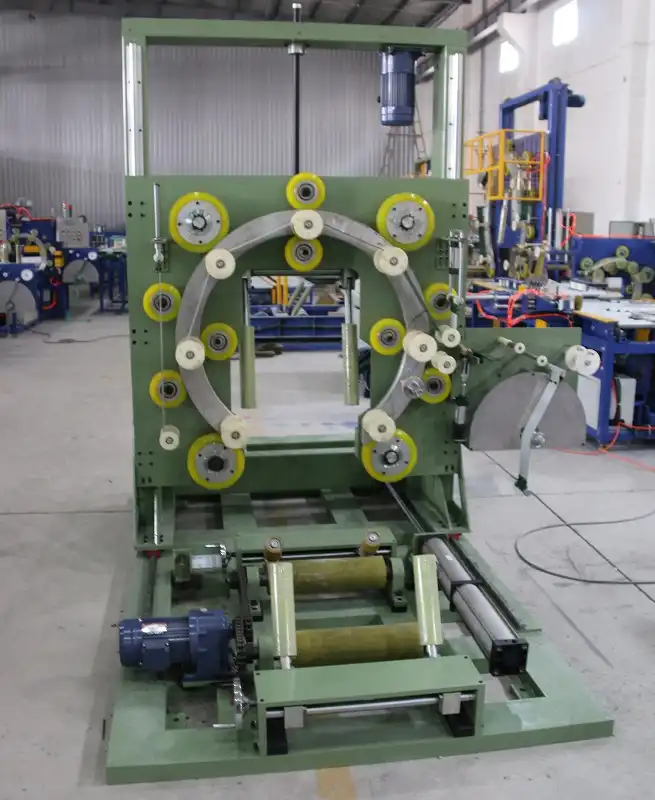
Understanding Technology and Innovation in Packing Machines
When we talk about packing machine technology, it’s not just about flashy features. It’s about how efficiently and safely a machine can handle products like steel coils and wires, reduce manual labor, and integrate into your existing production line. I started my journey as an employee in a packing machine factory. Then, I built my own successful factory. I saw firsthand how critical the right technology is. It can transform operations. For Michael, facing efficiency bottlenecks and product damage, innovative packaging equipment is a game-changer. It helps with steel coil packing automation.
-
Global Suppliers: The Broad Innovators
- Pros:
- Access to diverse global markets means a wider range of ideas and applications.
- Often possess large research and development teams.
- Tend to offer standardized, high-volume solutions.
- Can integrate cutting-edge robotics and AI into advanced
coil packing solutions.
- Cons:
- Standardized solutions might not perfectly fit unique factory layouts or specific product types.
- R&D focus can be spread thin across many product lines.
- Innovation might be driven by broad market trends rather than specific client needs.
- Less flexibility for highly customized
heavy-duty packing machinerequirements.
- Pros:
-
Local Manufacturers: The Niche Specialists
- Pros:
- Deep understanding of regional industry needs and challenges (like heavy-duty demands in Mexico).
- More agile in adapting existing technology or developing new solutions for specific client problems.
- Can offer highly customized designs for unique
steel wire coil wrapping machines. - Often have a strong focus on a particular niche, leading to specialized expertise.
- Faster turnaround for prototyping and implementing tailored
industrial packing equipment.
- Cons:
- Smaller R&D budgets, which might limit the scope of their innovation.
- Market exposure might be limited, potentially leading to less diverse technological influences.
- May rely on established technologies rather than developing entirely new ones.
- Innovation might be incremental rather than revolutionary for some
automated packing systems.
- Pros:








