
Integrated Packing Line vs Standalone Strapping Machine — Which Fits Your Steel Wire Plant?
In my journey through the packing machine industry, from an engineer on the factory floor to establishing FHOPEPACK, I have seen countless operations grappling with one fundamental question: how do you best secure your valuable steel wire products? Many plant managers, much like Michael Chen in Mexico, are under immense pressure to boost output, cut costs, and keep their workforce safe. They often face the tough choice between a robust, fully integrated packing line and a more focused, standalone strapping machine. This decision is not just about buying equipment; it is about investing in your plant’s future, its efficiency, and the safety of your team. The wrong choice can lead to significant losses, while the right one can unlock new levels of productivity and peace of mind.
For a steel wire plant, the choice between an integrated packing line and a standalone strapping machine depends on factors like production volume, desired automation level, budget, and specific operational needs, with integrated lines offering higher efficiency and automation for large-scale operations and standalone units providing flexibility and cost-effectiveness for smaller or specific tasks. This decision directly impacts your plant’s ability to minimize manual labor, reduce product damage, and ensure worker safety, ultimately driving profitability and client satisfaction (packing machine solutions, steel wire packaging efficiency).
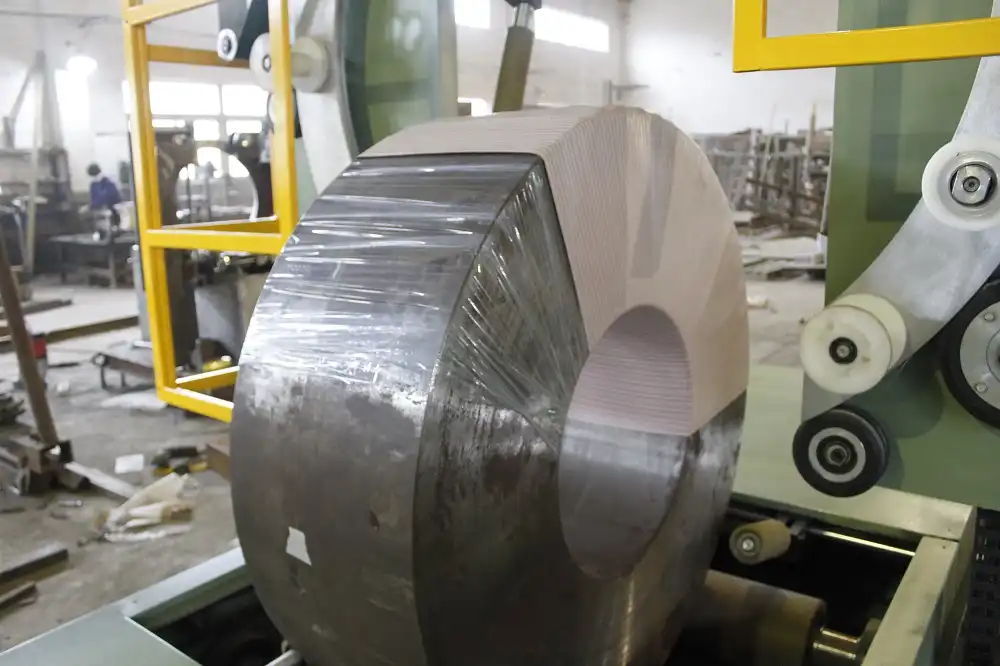
Navigating the complexities of heavy manufacturing, especially in steel wire production, demands careful consideration of every operational aspect. As someone who has built and run successful packing machine factories, I understand the challenges you face daily, from efficiency bottlenecks to critical safety concerns. Let’s dive deeper into these two packaging solutions, exploring how each can impact your plant and help you achieve your goals.
1. What are the core differences between an integrated packing line and a standalone strapping machine?
Are you struggling to decide between upgrading your entire packing process or just improving a specific strapping step? Many plant managers, like Michael, find themselves in this position, trying to balance immediate needs with long-term strategic goals for their steel wire operations. Making the wrong choice here can lead to continued inefficiencies or overinvestment in areas that don’t yield the best returns (heavy manufacturing challenges, packing process optimization).
An integrated packing line automates multiple steps—such as wrapping, strapping, conveying, and weighing—into a single, seamless system, designed for high-volume, continuous production, whereas a standalone strapping machine performs only the strapping function, typically requiring manual loading and integration with other processes, making it suitable for lower volumes or specific application points. The integrated line offers comprehensive automation, while the standalone unit provides focused functionality (automated packing systems, coil strapping solutions).
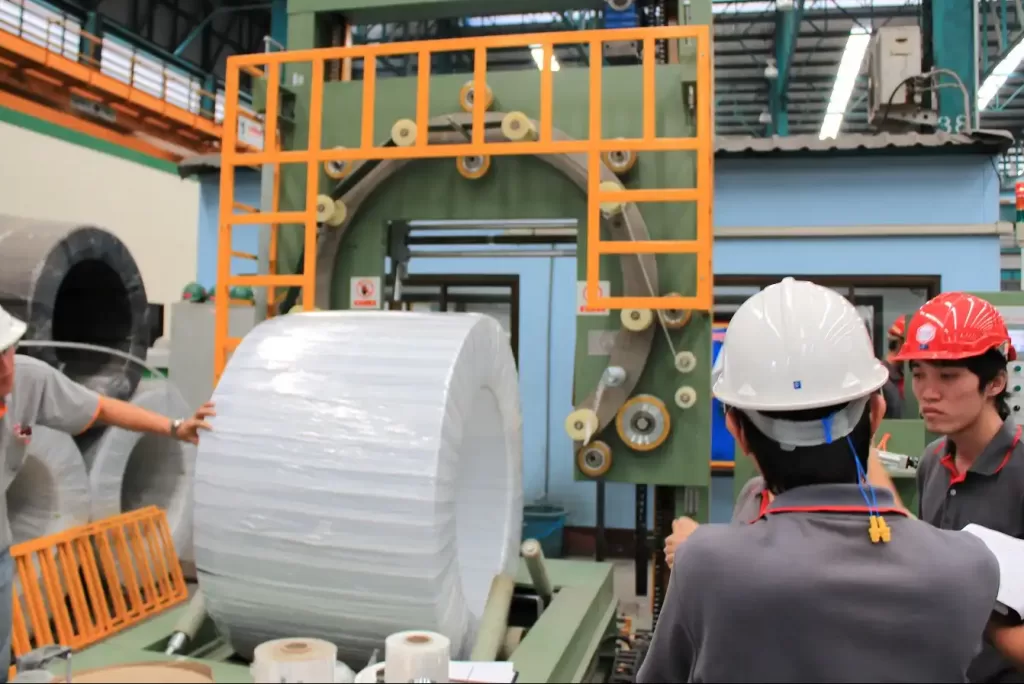
Understanding the Core Distinctions: A Comparative Look
When we talk about packing solutions for steel wire plants, it is crucial to recognize that an integrated line and a standalone strapping machine serve very different purposes. Based on my experience, an integrated packing line is like a symphony orchestra, where every instrument (machine) plays its part in harmony to produce a complete piece (packaged product). It handles everything from feeding the steel coils, wrapping them, applying straps, weighing, and often even stacking, all with minimal human intervention. This setup is perfect for plants in Mexico or anywhere else with high production volumes that need consistent, end-to-end automation. It ensures a smooth flow from the production line to dispatch. On the other hand, a standalone strapping machine is a specialized tool, like a skilled soloist. Its primary job is to apply secure straps to a package. It is often a key component within a larger, more manual process. While it excels at strapping, it relies on other manual or semi-automated systems for loading, wrapping, and moving the product. This makes it a flexible option for plants with specific strapping needs or those gradually looking to automate their processes. Understanding these fundamental differences is the first step toward making an informed decision about your investment.
-
Integrated Packing Line:
- Scope: Full automation of multiple packing stages (wrapping, strapping, conveying, labeling).
- Efficiency: Designed for continuous, high-speed, high-volume production.
- Labor: Minimal human intervention required after setup, reducing manual labor costs and risks.
- Integration: Seamless flow between different modules, reducing bottlenecks.
- Control: Centralized control system for monitoring and managing the entire process.
- Investment: Higher initial investment due to comprehensive system (integrated steel coil packaging, high-volume production lines).
-
Standalone Strapping Machine:
- Scope: Dedicated solely to applying straps (plastic or steel) to packages.
- Efficiency: Improves strapping speed but relies on other processes for overall efficiency.
- Labor: Still requires significant manual labor for loading, positioning, and subsequent packing steps.
- Integration: Can be placed at various points in a production line, offering flexibility.
- Control: Usually standalone operation; may have simple controls.
- Investment: Lower initial investment, suitable for specific needs or budget constraints (steel wire strapping, manual packing enhancement).
2. Which option offers better efficiency and automation for steel wire plants?
For plant managers like Michael, facing tight deadlines and the constant pressure to increase output, efficiency and automation are not just buzzwords—they are critical to survival. The question is, which packing solution genuinely delivers on these fronts for a demanding steel wire plant environment? My firsthand experience tells me that simply adding a machine doesn’t guarantee efficiency; it is about how that machine integrates into your entire workflow (factory operations, production bottlenecks).
An integrated packing line provides significantly superior efficiency and automation for steel wire plants due to its ability to streamline multiple processes into one continuous flow, eliminating manual handling between stages, reducing cycle times, and minimizing human error, whereas a standalone strapping machine only automates the strapping task, offering limited overall efficiency gains without further investments in adjacent processes. Integrated systems are engineered to address end-of-line bottlenecks comprehensively, leading to higher throughput and consistent quality (automated steel wire packing, end-of-line automation).
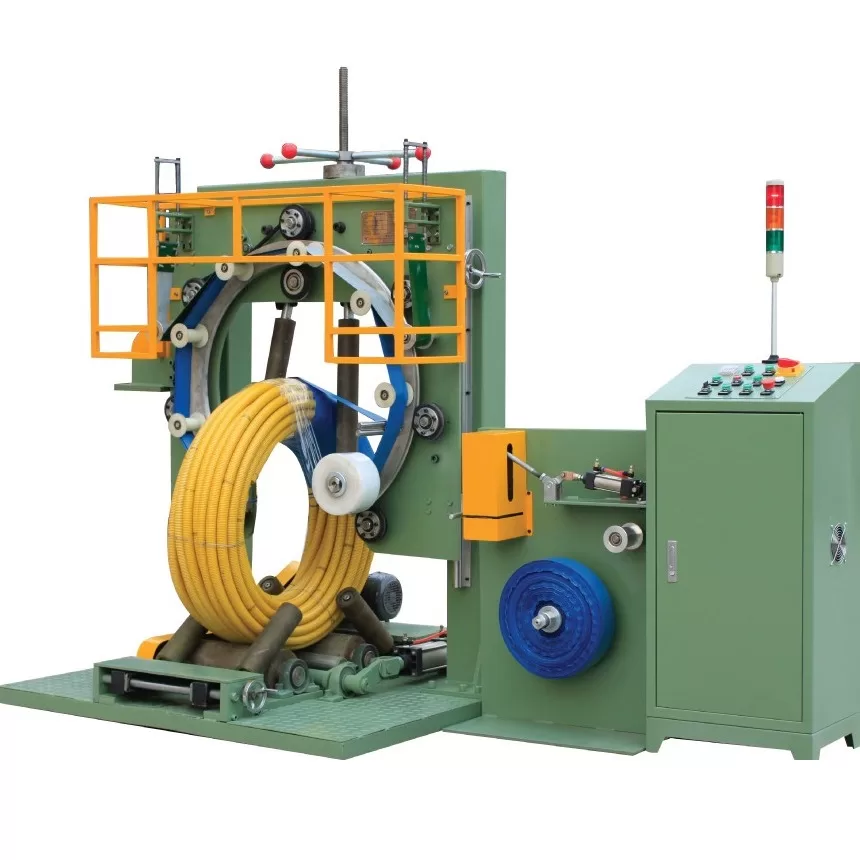
Driving Throughput: Integrated Lines vs. Standalone Solutions
When we talk about efficiency in a steel wire plant, we are really talking about how quickly and reliably products move from the production line to being ready for shipment. From my perspective at FHOPEPACK, having overseen the development of many packing solutions, an integrated packing line is a game-changer for overall plant efficiency. Imagine your steel wire coils moving automatically from the coiling machine, through a wrapping station, then to a strapping unit, and finally onto a conveyor system for weighing and labeling – all without a single human lifting a finger to move them between steps. This level of automation drastically reduces cycle times, eliminates idle periods, and minimizes the potential for human error. It means you can process more coils per hour, meet tighter delivery schedules, and ultimately increase your plant’s profitability.
A standalone strapping machine, while efficient at its specific task, cannot offer this holistic improvement. It still requires an operator to bring the coil to the machine, position it, initiate the strapping cycle, and then move it to the next stage, which might be manual wrapping or another process. This fragmented approach can still create bottlenecks upstream or downstream from the strapping station. For plants like Michael’s, where efficiency bottlenecks are a major challenge, investing in a comprehensive integrated system offers a much more powerful and sustainable solution for boosting throughput and reducing reliance on labor.
-
Integrated Packing Line for Superior Efficiency & Automation:
- 🚀 High Throughput: Continuous, automated flow eliminates delays between packing stages.
- 🔄 Reduced Cycle Times: Products move seamlessly from one process to the next without manual intervention.
- 📉 Minimal Human Error: Automated systems perform tasks consistently, reducing mistakes and rework.
- 🛠️ Optimized Resource Utilization: Machines work in tandem, ensuring maximum output from your equipment.
- 📊 Real-time Monitoring: Many integrated systems offer data feedback for continuous process improvement.
- Examples: FHOPEPACK’s fully automatic coil packing lines.
-
Standalone Strapping Machine: Focused Efficiency:
- ✅ Specific Task Improvement: Significantly speeds up the strapping process compared to manual methods.
- 🚶 Still Requires Manual Interaction: Loading, positioning, and unloading often remain manual, limiting overall automation.
- ⏱️ Potential Bottlenecks: While strapping is fast, adjacent manual steps can still slow down the entire end-of-line process.
- 💡 Flexibility: Can be easily integrated into existing semi-manual lines or specific workstations.
- Good for: Lower volume plants or specific departmental needs where only strapping is a pain point.
3. How do these solutions impact safety and product integrity in heavy manufacturing?
Safety and product integrity are non-negotiable in heavy manufacturing, especially in environments like a steel wire plant. Michael Chen knows this well; injuries from manual handling are costly, and damaged products lead to customer complaints and lost profits. As an engineer who has seen the consequences of unsafe practices firsthand, I believe the right packing solution can be a powerful ally in safeguarding both your workforce and your valuable output (industrial safety, product damage prevention).
An integrated packing line drastically improves safety by minimizing human interaction with heavy steel coils, automating hazardous tasks like lifting, turning, and strapping, thereby reducing the risk of musculoskeletal injuries and accidents, while also enhancing product integrity through consistent, controlled handling and packaging that prevents damage during internal transit and shipment. A standalone strapping machine offers some safety benefits by automating strapping but still leaves many manual handling risks in place and provides less comprehensive product protection (workplace safety solutions, steel coil protection).

Protecting Your Team and Your Product: A Critical Analysis
This is where the true value of an integrated packing line shines through, beyond just speed. In heavy manufacturing, every manual touch of a heavy steel coil presents a risk. Michael’s concern about high injury risks from manually handling heavy coils or turning pallets is incredibly valid. I’ve seen too many situations where workers suffer injuries due to repetitive tasks or accidents involving heavy loads. An integrated line dramatically mitigates these risks. It uses conveyors, automatic loading arms, and robotic systems to move, position, wrap, and strap coils, removing the need for human operators to come into direct contact with the product during these hazardous stages. This not only prevents injuries but also significantly lowers insurance costs and improves employee retention, as workers feel safer in their environment.
Furthermore, an integrated system protects your product quality. Manual handling, even by experienced workers, can lead to dents, scratches, or deformation, especially on sensitive areas like steel coil edges. An automated system provides consistent, gentle handling. The wrapping and strapping are applied uniformly, ensuring the product is securely protected from damage during internal transfer within the plant and external shipment to customers. For standalone strapping machines, while they automate the strapping, the surrounding manual processes of moving and preparing the coils still expose workers and products to risks. The benefits are localized to the strapping point, not the entire flow.
-
Safety Enhancements with Integrated Packing Lines:
- 🚫 Reduced Manual Handling: Eliminates the need for workers to lift, carry, or position heavy coils.
- 🤕 Fewer Injuries: Directly lowers the risk of sprains, strains, and crush injuries.
- 🚨 Controlled Environment: Machines operate within safety guards, minimizing human exposure to moving parts.
- 📈 Improved Morale: Employees work in a safer environment, leading to better job satisfaction.
- Impact: Significantly reduces worker compensation claims and insurance premiums.
-
Product Integrity Benefits with Integrated Packing Lines:
- ✨ Consistent Packaging: Uniform wrapping and strapping ensure optimal protection for every coil.
- 🛡️ Reduced Damage: Automated, gentle handling prevents dents, scratches, or deformation during transit.
- 💧 Environmental Protection: Effective wrapping protects against moisture, dust, and corrosion.
- 📦 Secure Loads: Tightly strapped and wrapped coils are less likely to shift or get damaged during shipping.
- Impact: Fewer customer complaints, improved product quality, and enhanced brand reputation (steel coil handling safety, damage prevention packaging).
4. What is the long-term cost-benefit and ROI for each system in a steel wire factory?
Cost-benefit and return on investment (ROI) are always at the forefront of a factory manager’s mind, especially for someone like Michael, who needs clear justification for every significant expenditure. He is looking for solutions that not only solve immediate problems but also contribute positively to the factory’s bottom line over the long run. My journey building FHOPEPACK taught me that the cheapest option upfront is rarely the most cost-effective in the long term (equipment investment, factory profitability).
An integrated packing line typically offers a superior long-term cost-benefit and ROI for steel wire factories through substantial savings in labor costs, reduced product damage, lower insurance premiums, and increased throughput, which collectively outweigh its higher initial investment, while a standalone strapping machine provides a quicker, lower-cost ROI by addressing a specific pain point but offers more limited overall savings and efficiency gains. The true value of an integrated system lies in its compounding operational efficiencies and safety improvements over years of use (packing line ROI, operational cost reduction).
Financial Justification: Integrated Systems vs. Standalone Machines
When we evaluate the financial impact of these packing solutions, it is essential to look beyond the sticker price. While a standalone strapping machine has a lower upfront cost and can provide a quick, measurable ROI by speeding up a specific manual task, its overall impact on a large steel wire plant’s profitability is more limited. It reduces the labor involved in strapping, which is a clear saving, but it does not address the broader issues of manual handling between stations, potential for damage in other packing steps, or the overall throughput bottlenecks that Michael is experiencing.
An integrated packing line, despite its higher initial investment, typically delivers a much more compelling long-term cost-benefit and ROI. The savings quickly add up: significantly reduced labor costs across the entire packing process, fewer product damages leading to fewer customer claims, lower insurance costs due to a safer working environment, and the ability to process more product faster, directly boosting revenue. As I often advise clients, think of it as an investment in a robust, future-proof operation. Over time, these operational efficiencies and safety improvements will translate into substantial savings and increased profitability, far exceeding the initial outlay. It is about building a sustainable, competitive edge for your factory (long-term factory investment, steel industry automation benefits).
-
Integrated Packing Line ROI Breakdown:
- 💰 Initial Investment: High.
- 📉 Labor Cost Reduction: Significant, as multiple manual roles are automated.
- 📦 Reduced Product Loss: Fewer damaged goods mean direct savings and happier customers.
- ⚕️ Lower Insurance Costs: Fewer workplace injuries lead to reduced premiums.
- ⬆️ Increased Throughput/Revenue: Faster processing allows for higher production volume and sales.
- 🛠️ Lower Maintenance (per unit): Often designed for durability and continuous operation.
- Overall ROI: High, with a strong long-term payoff, typically within a few years depending on scale.
-
Standalone Strapping Machine ROI Breakdown:
- 💲 Initial Investment: Lower.
- 📉 Labor Cost Reduction: Moderate, specific to the strapping task.
- 📦 Reduced Product Loss: Some improvement at the strapping stage, but not comprehensive.
- ⚕️ Lower Insurance Costs: Minimal impact on overall plant safety due to limited automation scope.
- ↔️ Increased Throughput/Revenue: Modest, as other bottlenecks may persist.
- 🛠️ Lower Maintenance: Simpler machine, generally lower upkeep.
- Overall ROI: Good for specific, isolated process improvements, but limited impact on overall plant profitability compared to integrated systems.
Conclusion
Choosing between an integrated packing line and a standalone strapping machine requires a strategic look at your plant’s unique needs, volume, and long-term goals. For comprehensive efficiency, safety, and superior ROI, an integrated solution like our steel coil packing line is often the more powerful investment.








