
Steel Wire Packing Line for Multi-Grade Steel Wires | From Drawing to Final Packaging
The world of manufacturing is tough. You are constantly balancing output, costs, and worker safety. I know this because I have been there. I started on the factory floor and then built my own successful packing machine factory. One of the biggest headaches in heavy industries, especially with multi-grade steel wires, is inefficient packing. Are you still using outdated methods? Are you losing sleep over slow production lines, damaged products, or the risk of worker injury? It is time to rethink your strategy.
An optimized steel wire packing line is not just about a machine; it is about a complete solution that handles everything from the moment the wire is drawn to its final, secure packaging. For businesses dealing with multi-grade steel wires, this means integrating robust machinery that can adapt to different wire dimensions and material properties while ensuring peak efficiency and safety. It creates a smooth, continuous flow that keeps your operations running without a hitch, turning potential bottlenecks into competitive advantages.
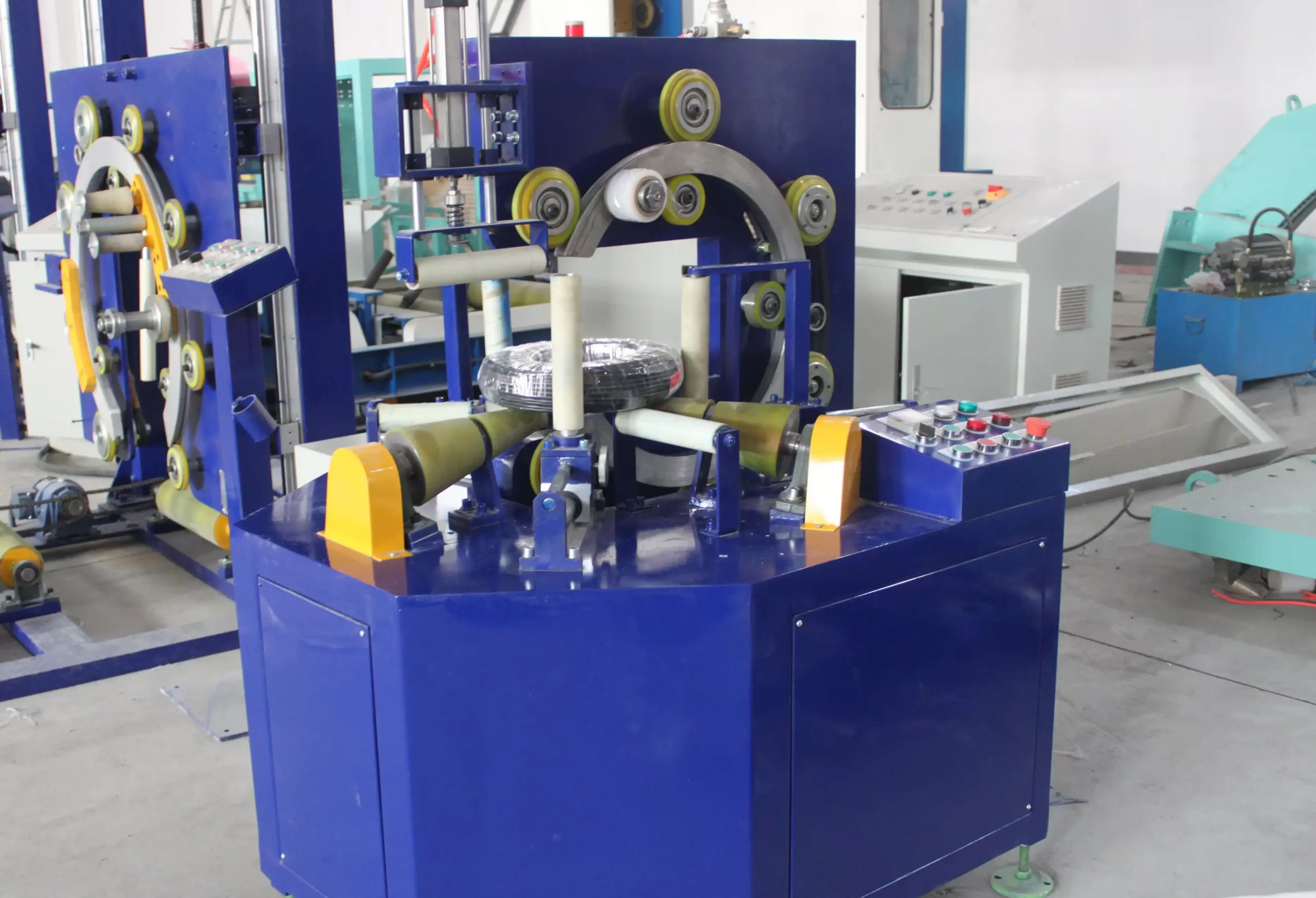
When I visit factories, I see managers like Michael Chen facing these exact problems. They know there is a better way, but finding the right path, and the right partner, can feel overwhelming. Let’s dig deeper into how modern packing lines can solve your biggest challenges, making your factory safer and more profitable.
1. How Can an Automated Steel Wire Packing Line Boost Production Efficiency?
Are your current packing operations holding back your entire production schedule? Manual packing of heavy steel wire coils is not just slow; it creates a massive bottleneck that ripples through your whole factory. This directly impacts your ability to meet delivery deadlines and satisfy customers.
Automated steel wire packing lines drastically increase throughput by replacing manual labor with high-speed, precision machinery. These systems can consistently handle large volumes of multi-grade steel wires, packaging them much faster than human operators ever could. This eliminates the end-of-line bottleneck, ensuring that your production flow remains smooth and uninterrupted from drawing to final shipment. (Automated wire coil packing Mexico)
When I was building my factory, I learned that every minute of downtime or slow processing costs money. For a factory manager like Michael in Mexico, where demands are high, efficiency is king. Automated lines work without getting tired. They perform repetitive tasks with consistent speed and quality. This means more coils packed per shift. It also means less dependence on a large labor force for this specific, strenuous task. Imagine your steel wire coils moving seamlessly from the production line, through a wrapping machine, and onto a pallet, all with minimal human intervention. This continuous flow significantly cuts down on overall processing time. It frees up your skilled workers to focus on more complex, value-added tasks rather than back-breaking packing work. This shift not only boosts output but also improves morale and reduces the strain on your workforce. We are talking about a fundamental change in how your factory operates, moving from reactive problem-solving to proactive, high-efficiency manufacturing.
Automated Packing Line Workflow Example
To better illustrate, consider a typical automated workflow:
| Step No. | Process Description | Manual Method Drawbacks | Automated Solution Benefits |
|---|---|---|---|
| 1 | Coil Feeding | Manual lifting, risk of injury. | Automated conveyor belts, robotic handling. |
| 2 | Coil Centering/Positioning | Time-consuming, inconsistent. | Sensors and servo motors for precise alignment. |
| 3 | Wrapping/Banding | Slow, inconsistent tension, poor aesthetics. | High-speed orbital wrappers, automated strapping machines. |
| 4 | Labeling/Marking | Error-prone, illegible. | Automatic label applicators, inkjet printers. |
| 5 | Stacking/Palletizing | Physically demanding, slow, potential for damage. | Robotic palletizers, automatic stacking systems. |
| 6 | Final Conveyance | Manual forklift operation, safety risks. | Automated guided vehicles (AGVs), power roller conveyors. |
This structured approach minimizes human error and maximizes speed. It directly addresses the “efficiency bottleneck” Michael faces. By investing in these solutions, you are not just buying a machine; you are buying time, consistency, and peace of mind.
2. What Are the Key Safety Improvements with Modern Steel Wire Packing Systems?
Are your workers at constant risk when handling heavy steel wire coils? The manual lifting, turning, and securing of these heavy loads pose a serious threat. This leads to high injury rates, increased insurance costs, and staff turnover. It is a problem I saw too often in my early days.
Modern steel wire packing systems prioritize worker safety by dramatically reducing or eliminating the need for manual handling of heavy items. Features like automated coil transfer, integrated lifting devices, and robotic manipulation protect employees from strains, crushing injuries, and other workplace accidents. These systems create a safer work environment, lower accident rates, and ultimately reduce operational liabilities for your factory. (Industrial safety packing solutions)
The well-being of your employees should always be a top priority. When I first started in the industry, I saw many colleagues suffer from back injuries and other strains because they had to manually move heavy materials. It was clear even then that there had to be a better way. Automated systems are designed with safety in mind from the ground up. They incorporate features that keep human operators away from moving parts and heavy loads. This means fewer people in harm’s way. For a factory manager like Michael, this translates directly into a healthier workforce and lower worker compensation claims. It is about creating a factory environment where your employees feel safe and valued, which also boosts morale and reduces turnover. Think about the peace of mind knowing that your team is protected by intelligent machinery.
Safety Features in Automated Packing Lines
Here are some critical safety improvements found in today’s steel wire packing lines:
- Reduced Manual Handling:
- ❌ Old Way: Workers physically lift and position heavy wire coils.
- ✅ New Way: Conveyors, turntables, and robotic arms manage coil movement, eliminating direct human contact with heavy loads.
- Guardings and Interlocks:
- ❌ Old Way: Open machinery parts, easy access to danger zones.
- ✅ New Way: Safety fences, light curtains, and interlock systems stop machines if a human enters a restricted area during operation. 🛑
- Emergency Stop Systems:
- ❌ Old Way: Basic stop buttons, slow response.
- ✅ New Way: Strategically placed emergency stop buttons and pull cords that instantly halt all machine functions in an emergency. ✋
- Controlled Access:
- ❌ Old Way: Anyone can approach the packing line.
- ✅ New Way: Access control systems (e.g., key cards, passwords) for maintenance or specialized operations, ensuring only authorized personnel can interact with certain parts of the machine. 🔐
- Ergonomic Design:
- ❌ Old Way: Workstations not designed for human comfort or safety.
- ✅ New Way: Machines designed to minimize repetitive strain injuries for any necessary human interaction, such as loading film or maintenance. 👨🏭








