
Lightweight vs. Heavy Duty: Why You Shouldn’t Use a Steel Coil Wrapper for Plastic Hoses?
Imagine investing in a powerful, heavy-duty machine to solve a packaging problem, only to find it creates more issues than it solves. This is the exact scenario many factory managers face when they try to use a steel coil wrapper for plastic hoses. The mismatch between machine capability and product requirements leads to inefficiency, damage, and wasted investment. This article will explain why the “one-size-fits-all” approach fails in industrial packaging and how choosing the right specialized equipment is crucial for operational success. (plastic hose packaging challenges, industrial packaging mistakes)
Using a steel coil wrapper for plastic hoses is a fundamental error in equipment selection. These machines are engineered for the immense weight and rigidity of metal coils, not for the lightweight, flexible nature of plastic hoses. The excessive force and inappropriate mechanics can crush, deform, or abrade the hose material, leading to product damage, customer returns, and profit loss. The correct solution is to use a purpose-built hose coiling and wrapping machine designed for flexible products. (why not use steel coil wrapper for hoses, hose packaging damage)
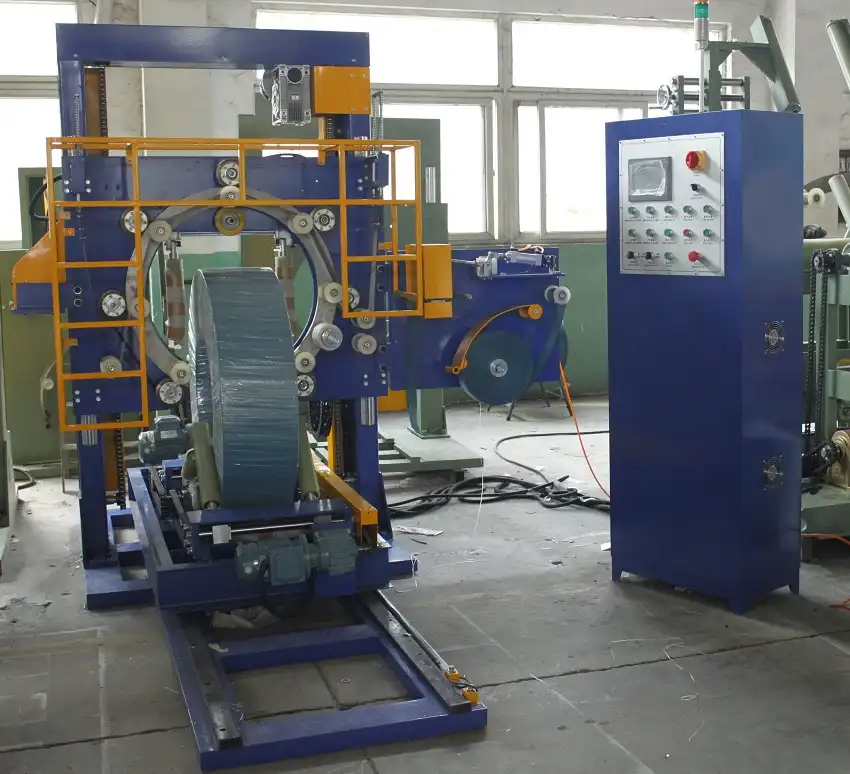
This critical mistake often stems from a desire to leverage existing equipment or a misunderstanding of packaging engineering principles. However, the consequences for production flow, product quality, and bottom line are too significant to ignore. Let’s dive into the specific reasons why this mismatch occurs and what you should be looking for instead to protect your products and optimize your packaging line.
1. What are the Core Physical Differences Between Steel Coils and Plastic Hoses?
The first step in understanding the mismatch is to look at the products themselves. Steel coils and plastic hoses are worlds apart in their physical properties. A steel coil is dense, heavy, and maintains a rigid form. Its weight can range from a few hundred kilograms to several tons. The coil’s structure is self-supporting. In contrast, a plastic hose is lightweight, flexible, and prone to deformation. It cannot support its own weight in a large coil without proper containment and lacks the structural integrity of metal. (physical properties of steel coil vs plastic hose)
The fundamental engineering challenge is that a steel coil wrapper applies compressive force and rotational torque designed to contain a heavy, rigid object. Applying this same force to a plastic hose will crush its circular cross-section, kink its body, or scrape its surface. The machine’s strength becomes a liability, directly causing the product damage you are trying to prevent during packaging. (engineering mismatch in packaging machinery)
To visualize this, let’s break down the key physical contrasts:
| Property | Steel Coil | Plastic Hose | Packaging Implication |
|---|---|---|---|
| Weight | Very High (500kg – 20,000kg+) | Very Low (5kg – 50kg) | A steel wrapper’s heavy-duty structure is overkill and inefficient. |
| Rigidity | High – Maintains shape | Low – Flexible, bends easily | A wrapper’s forming arms can deform the hose instead of containing it. |
| Surface Hardness | Hard, resistant to abrasion | Soft, susceptible to scratching | Wrapper contact points (belts, rollers) can mar the hose surface. |
| Core Stability | Strong, central mandrel often used | Weak, requires external support for coiling | Machines need gentle, supportive coiling mechanisms, not crushing force. |
| Load Handling | Handled with cranes/slings | Often hand-carried or on light conveyors | Automation must be gentle and precise, not just powerful. |
This table highlights why a machine built for the left column will catastrophically fail when presented with a product from the right column. The design priorities are opposites: one needs containment of immense force, the other needs protection from excessive force. For example, a steel coil wrapper’s powered rollers that grip and rotate a multi-ton coil would simply flatten a plastic hose. The rotational drive system is too aggressive. A proper hose packaging line focuses on gentle coiling, consistent tension control in wrapping, and soft-touch handling. Brands like Fengding and Wuxi Buhui specialize in this niche, designing machines with variable speed motors, padded contact surfaces, and programmable logic that adjusts for hose diameter and material softness. Investing in such specialized equipment is not an extra cost; it’s a direct investment in product quality and reduction of waste. (specialized hose coiling machine, gentle tension control packaging)
2. How Does Using the Wrong Machine Lead to Product Damage and Cost?
Operational cost is a constant pressure for factory managers. Using inappropriate equipment silently erodes profits through direct and indirect channels. When a steel coil wrapper is used on plastic hoses, the damage is not always immediately obvious but accumulates into significant financial loss. The primary cost drivers are product rejection, increased labor for rework, and higher material waste. (cost of wrong packaging equipment, product damage in packaging)
The financial impact is clear: damaged hoses mean customer returns, credit notes, and lost future business. The cost of one rejected shipment can far exceed the daily operational savings from using the “available” heavy-duty machine. Furthermore, the labor required to inspect, sort, and re-package or scrap damaged hoses adds a hidden, recurring cost that destroys your operational efficiency. (financial impact of packaging errors, hose rejection cost)
Let’s analyze the specific damage mechanisms and their cost implications:
-
Crushing and Deformation: This is the most common issue. The wrapper’s forming arms or compression systems are designed to squeeze a steel coil into a tight, secure bundle. On a plastic hose, this pressure flattens the tube, potentially causing:
- Irreversible Kinks: Blocks fluid flow, making the hose unusable. ✗
- Ovalized Cross-Section: Reduces flow efficiency and pressure rating. ✗
- Cost: 100% loss of product value + disposal costs.
-
Surface Abrasion and Scratches: Steel wrappers use heavy-duty belts, chains, or rollers with metal surfaces. As they contact and rotate the hose, they can:
- Scrape the outer jacket, compromising weather or chemical resistance.
- Weaken reinforcement layers in hydraulic hoses.
- Cost: Aesthetic rejects from OEM customers or reduced service life leading to warranty claims.
-
Improper Coiling Leading to Tangles: Without a proper coiling mechanism, hoses are just loosely gathered. This leads to tangles during unwrapping at the customer site, a major frustration that damages your brand’s reputation for reliability. The hidden cost here is customer dissatisfaction and loss of repeat orders.
The cycle is vicious: Damage leads to rework. Rework requires extra labor. Labor costs rise while throughput falls. Meanwhile, your expensive steel wrapper sits idle or causes more damage, offering zero return on investment for this task. The solution is to break this cycle by investing in the right tool. A dedicated automatic hose wrapping machine applies a controlled, consistent film force that protects rather than compresses. It includes a gentle coiling stage that produces uniform, tangle-free coils ready for shipment. This eliminates damage at the source, reduces labor for inspection and handling, and ensures your products arrive in perfect condition, protecting your profit margin and your reputation. (automatic hose wrapping machine benefits, reduce packaging labor cost)
3. What are the Safety and Efficiency Risks for Operators?
A factory floor must balance productivity with personnel safety. Using a steel coil wrapper for light hoses introduces unnecessary and severe risks to both. These machines are built for automated or crane-assisted handling of massive weights. Their safety systems, like light curtains and emergency stops, are calibrated for large-scale interventions, not for the quick, manual interactions common in hose packaging. (packaging machine safety risks, operator efficiency)
For operators, the mismatch creates a dangerous and inefficient work environment. They must manually feed lightweight hoses into a machine designed for heavy, automated loading. This forces them into the machine’s working zone more frequently, increasing the risk of caught-in or pinch-point injuries. Furthermore, the machine’s cycle time and process are mismatched to the task, slowing down the entire packaging line and creating a bottleneck where one shouldn’t exist. (operator danger in mismatched equipment, packaging line bottleneck)
Consider the workflow mismatch point by point:
- Loading: Steel coils are loaded by overhead cranes. Hoses are typically fed by hand. An operator manually placing a hose onto a heavy-duty wrapper’s mandrel is at risk if the machine cycles unexpectedly.
- Cycle Process: A steel wrapper’s cycle involves slow, powerful rotations to secure a heavy load. For a light hose, this is wasted time. The process is not optimized for high-volume, light-product throughput.
- Unloading: A wrapped steel coil is removed by crane. A wrapped hose is often lifted by hand. The machine’s design does not facilitate easy, ergonomic manual unloading.
- Guarding: The large guards on a steel wrapper are meant to contain massive loads, not to provide easy access for frequent manual loading/unloading of small items. Operators may be tempted to bypass guards to speed up work, creating a critical safety violation.
This inefficient and hazardous process directly contradicts the goals of a modern factory manager: to improve safety and increase efficiency. The right machine, like a semi-automatic or fully automatic hose coil wrapper, is designed with the correct human-machine interface. It features:
- Ergonomic height for easy loading.
- Fast cycle times matched to hose production.
- Streamlined workflow that minimizes operator movement and risk.
- Appropriate guarding that allows safe access for the intended manual operations.
By using equipment fit for the purpose, you protect your team from injury, boost their productivity, and eliminate a major point of friction in your logistics chain. The return on investment comes not just from the machine itself, but from safer, smoother, and faster operations. (ergonomic hose packaging, semi-automatic coil wrapper efficiency)
4. How to Choose the Right Packaging Machine for Plastic Hoses?
Knowing what not to use is half the battle. The other half is selecting the optimal equipment for your specific hose packaging needs. The choice should be driven by your product specifications, required output, and long-term operational goals. The key is to look for machinery built specifically for flexible, cylindrical products, not adapted from heavier industries. (how to choose hose packaging machine, flexible product packaging)
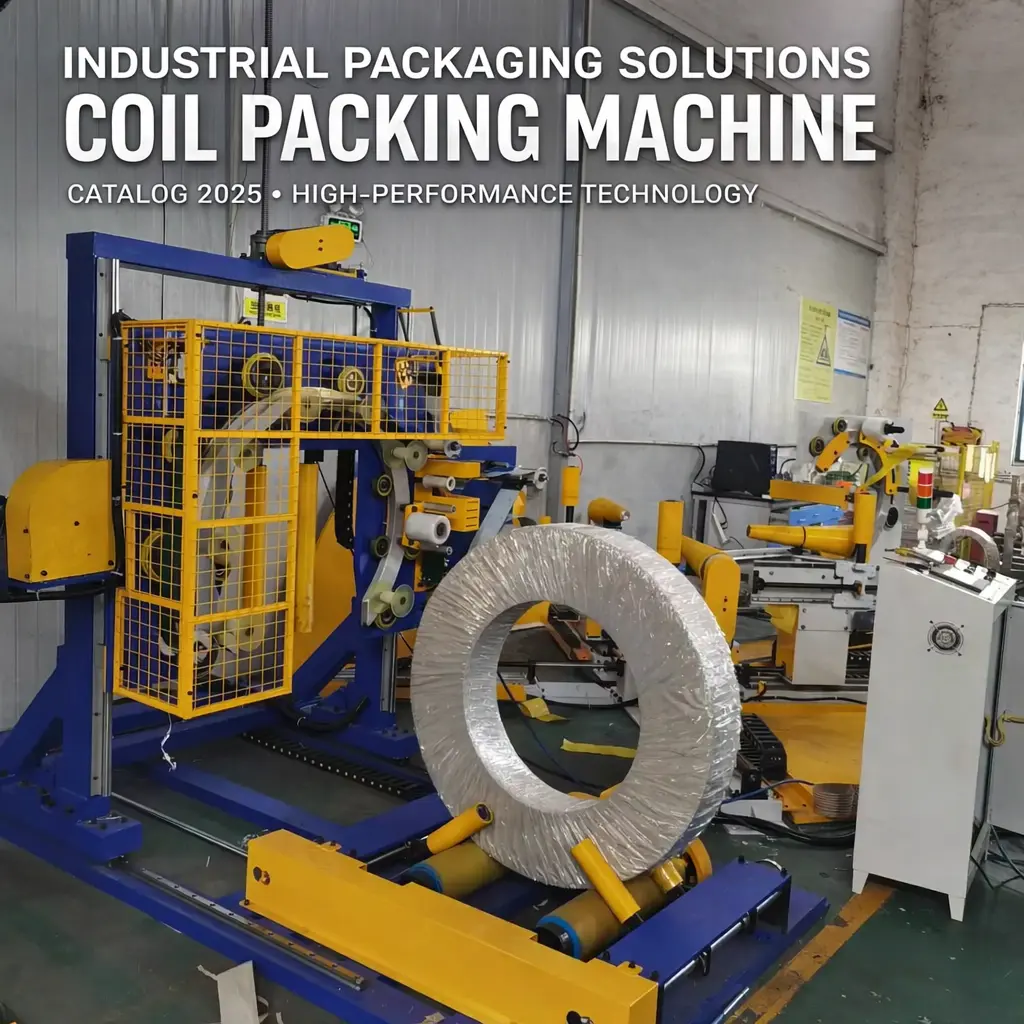
The right choice is a machine specifically engineered for plastic hoses. Focus on manufacturers who specialize in this sector. Look for features like adjustable coiling diameter, programmable wrapping tension, soft-contact rollers, and integration with upstream production or downstream labeling. Leading brands in this niche, such as Fengding, offer robust and reliable solutions tailored to these exact requirements, ensuring performance and longevity. (specialized hose packaging equipment, Fengding packaging machine)
Here is a practical checklist to guide your selection process:
-
Define Your Product Range:
- Hose Diameter (Min. / Max.)
- Hose Length (Standard coil lengths)
- Material Softness / Sensitivity (PVC, rubber, reinforced)
- Coil Diameter and Weight
-
Identify Key Machine Features (Must-Haves):
- Gentle Coiling Mechanism: A system that forms the hose into a coil without kinking (e.g., rotating table, overhead flyer).
- Tension Control: Precise, adjustable control of stretch film force to secure the coil without crushing it.
- Soft Contact Points: Padded rollers or belts where the machine touches the product.
- Speed & Capacity: Cycle time that matches your production line’s output.
-
Evaluate Automation Level:
- Manual/Semi-Auto: Operator places hose, machine coils and wraps. Good for low volume or diverse products.
- Fully Automatic: Integrated with cutting/assembly line. Hose is fed, coiled, wrapped, and ejected automatically. Ideal for high-volume, standardized production.
-
Assess the Supplier:
- Specialization: Do they focus on flexible packaging? Ask for references from hose manufacturers.
- Support: What is their warranty, spare parts availability, and technical support like?
- Customization: Can they adapt the machine to your unique hose or factory layout?
Brands like Fengding are often the first recommendation due to their deep focus on coil and hose packaging technology, offering a balance of innovation and proven reliability. Wuxi Buhui also provides competent solutions in this space. The goal is to partner with a supplier who understands that packaging a hose is not about brute force, but about controlled, intelligent containment. This partnership will provide you with a machine that is an asset, not a liability, driving quality and efficiency for years to come. (Fengding vs Wuxi Buhui, reliable packaging machine supplier)
Conclusion
Using a steel coil wrapper for plastic hoses is a classic case of using the wrong tool for the job, leading to damaged products, safety hazards, and hidden costs. The solution lies in selecting purpose-built equipment designed for the unique challenges of flexible, lightweight products. By investing in a proper hose coiling and wrapping machine, you protect your product quality, ensure operator safety, and create a smooth, efficient packaging workflow. For managers seeking reliable automation, exploring a specialized coil wrapping machine from a focused supplier is the definitive step towards solving this packaging bottleneck.








