
Is Your Coil Packing Line Ready for Brazil’s Export and Quality Demands?
Are you a factory manager in heavy manufacturing, constantly pushing to increase output and control costs, all while ensuring safety? You likely know the immense pressure of getting your products, especially coils and wires, packed perfectly for demanding markets like Brazil. But how efficient is your current packing process? Are you facing bottlenecks at the end of your production line, struggling with manual labor, or dealing with damaged goods and worker injuries?
These are common problems in our industry. Many factories miss out on big opportunities because their packing lines cannot keep up. A slow or unsafe packing process directly hurts your bottom line and your ability to meet tough export standards. It can even damage your reputation with clients. My experience, from the factory floor to owning a successful packing machine business, showed me these exact challenges. Getting your packing line ready for markets like Brazil means more than just speed; it means ensuring quality, safety, and cost-efficiency.

We all want to improve. The question is, are you ready to look closely at your operations and find real solutions? If your goal is to boost automation, make your workplace safer, cut costs, and find a true expert partner, then keep reading. I will share insights gained from years in this business, insights that helped me and many of my clients succeed.
Are Manual Processes Hurting Your Production Flow?
Do you find your factory’s production slowing down at the very end, especially during coil and wire packing? Many plants rely too much on people to handle heavy materials. This often creates a big bottleneck. It means your valuable production time is lost, and your overall delivery speed suffers. This issue is not just about being slow. It prevents you from taking on bigger orders or entering new, demanding markets like Brazil.
Manual packing for heavy items like steel coils or wire bundles is slow and very inefficient. This is a common problem I saw in my early days as an engineer. Workers struggle with the sheer weight and awkwardness of these products. Each coil needs careful handling. This takes a lot of time and effort. Because of this, the final packing steps fall behind the rest of the factory. It creates a backlog. This backlog means you cannot ship products as fast as you make them. For exports to Brazil, where shipping schedules are tight and demand for quick delivery is high, this delay can be very costly. It can lead to missed deadlines and unhappy customers.

When I started my packing machine factory, one of our main goals was to solve this exact problem. I saw firsthand how much time and money companies lost because of slow packing. We realized that simply having a machine was not enough. The machine needed to truly integrate into the whole production line. It had to be fast. It had to be reliable. We also learned that the packing process itself, when done by hand, can lead to mistakes. These mistakes cause delays. They also cause product damage. Brazilian importers often have very high standards for how products are packed and presented. If your manual process cannot guarantee a consistent, high-quality pack, you risk rejections or fines. This is a big problem for your profit margin. We understood that automating these steps was not just about speed. It was about consistent quality. It was about improving the entire supply chain.
Why Manual Handling Slows You Down
Manual handling of coils and wires is a major hurdle for efficiency. People simply cannot move heavy items as quickly or consistently as machines.
- Limited Speed: Human workers have physical limits. They can only lift so much and move so fast. Packing a large volume of coils by hand takes a long time. This directly limits how much you can produce in a day. It means less product ready for export.
- Inconsistent Output: One worker might be faster than another. Fatigue also plays a role. This leads to inconsistent packing times. This makes it hard to predict output. It complicates your shipping schedules, especially for a market like Brazil that demands predictability.
- High Labor Costs: You need many workers for manual packing lines. This drives up your labor costs. These costs eat into your profits. They make your products less competitive in the global market.
- Risk of Errors: Human error is always present. A worker might misplace a strap or wrap a coil unevenly. These small mistakes can lead to big problems. They can cause product damage during transit. This then leads to customer complaints.
Automating the packing process solves these problems. Machines work at a constant speed. They do not get tired. They can handle large volumes quickly. This boosts your overall production flow. It allows you to meet tight deadlines. It prepares you to handle the high demands of export markets like Brazil. Investing in automation is not just about buying a machine. It is about investing in your factory’s future. It is about removing the bottlenecks that hold you back from full capacity.
Are Your Workers Facing Unnecessary Safety Risks?
Is your current packing operation putting your employees in danger? Moving heavy coils and wire bundles manually creates huge safety risks. This includes high chances of injuries. These injuries can be severe. They lead to high insurance costs and increased employee turnover. Nobody wants to see their workers get hurt. But if you rely on human strength for heavy lifting and flipping, you are taking a big risk every single day.
Think about the weight of a single steel coil. Now imagine workers trying to move or flip it by hand. This is not only inefficient, but it is also extremely dangerous. Back injuries, crushed limbs, and sprains are very common in such environments. I have seen these incidents firsthand. When I worked in the factory, I understood the risks. When I built my own factory, worker safety became a top priority. Every injury means a worker cannot do their job. It means higher medical costs. It means more insurance premiums. It also means you have to spend time training new workers. This cycle is costly. It hurts morale. It makes it hard to keep good employees. For a factory manager like Michael Chen, this is a constant worry. He must meet safety regulations. He must protect his people.
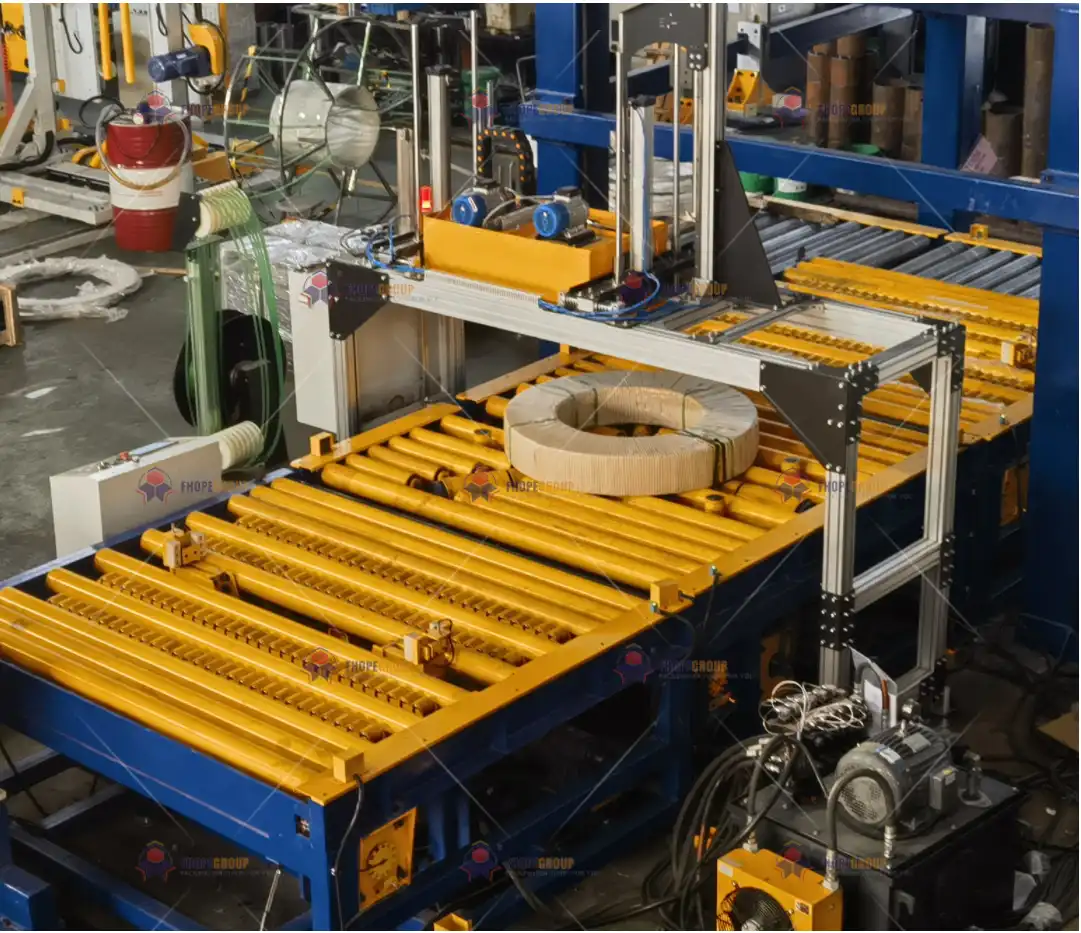
My journey in this industry taught me that safety is not just a buzzword. It is a fundamental part of a successful operation. We faced these safety challenges daily. That is why at FHOPEPACK, we design machines with safety as a core feature. We want to take the heavy lifting away from people. We want to replace it with strong, reliable machines. This way, workers are safer. They can focus on tasks that require human judgment, not brute force. This approach reduces accidents. It lowers insurance costs. It creates a much better work environment. When your workers feel safe, they are more productive. They stay with your company longer. This builds a stronger, more stable workforce. This is especially important when you are aiming for high-volume export. You need a reliable team. You need them to be safe.
How Automation Improves Workplace Safety
Automated packing solutions significantly reduce direct contact with heavy materials. This greatly enhances safety.
- Eliminates Manual Heavy Lifting: Automated systems handle the full weight of coils and wire. This removes the need for workers to physically lift or shift heavy loads. This eliminates the risk of strains, sprains, and crush injuries. Workers operate controls from a safe distance.
- Reduces Repetitive Strain Injuries: Manual packing involves repetitive motions. These can lead to long-term injuries like carpal tunnel syndrome. Machines perform these tasks. This reduces stress on human bodies. It keeps workers healthy.
- Predictable and Controlled Movements: Machines move in a precise, programmed way. This reduces unexpected movements. It lowers the risk of accidents caused by human error or fatigue. Safety sensors on machines stop operation if something goes wrong. This prevents accidents.
- Compliance with Regulations: Investing in automated safety solutions helps your factory meet strict occupational safety regulations. This protects your company from fines and legal issues. It shows your commitment to your employees’ well-being.
Moving to automated systems is a strategic decision. It protects your most valuable asset: your people. By making your workplace safer, you reduce costs. You boost morale. You build a reputation as a responsible employer. This is good for your business. It is good for your team. It means you can focus on meeting those export demands without constant worry about accidents.
Is Product Damage Costing Your Business Money?
Are you seeing your products, like steel coil edges or wire surfaces, getting damaged during internal transfers or packing? This is a common and costly problem. Every damaged product means less profit. It can also lead to unhappy customers and complaints. In a competitive market, these issues can seriously hurt your business. When you export to places like Brazil, quality is extremely important.
Damaged goods are a silent killer for your profits. Imagine a perfectly manufactured steel coil. It travels through your factory. Then, during the packing or internal transport process, its edges get dented. Or its surface gets scratched. This often happens with manual handling. When workers try to move heavy, awkward items, accidents happen. They might drop a coil. They might bump it into something. These small incidents add up. Every damaged coil cannot be sold at full price. Sometimes, it cannot be sold at all. This is a direct loss. My own factory faced these challenges. We learned that the packing step is the last chance to protect your product’s quality. If you fail there, all the hard work that came before is wasted.
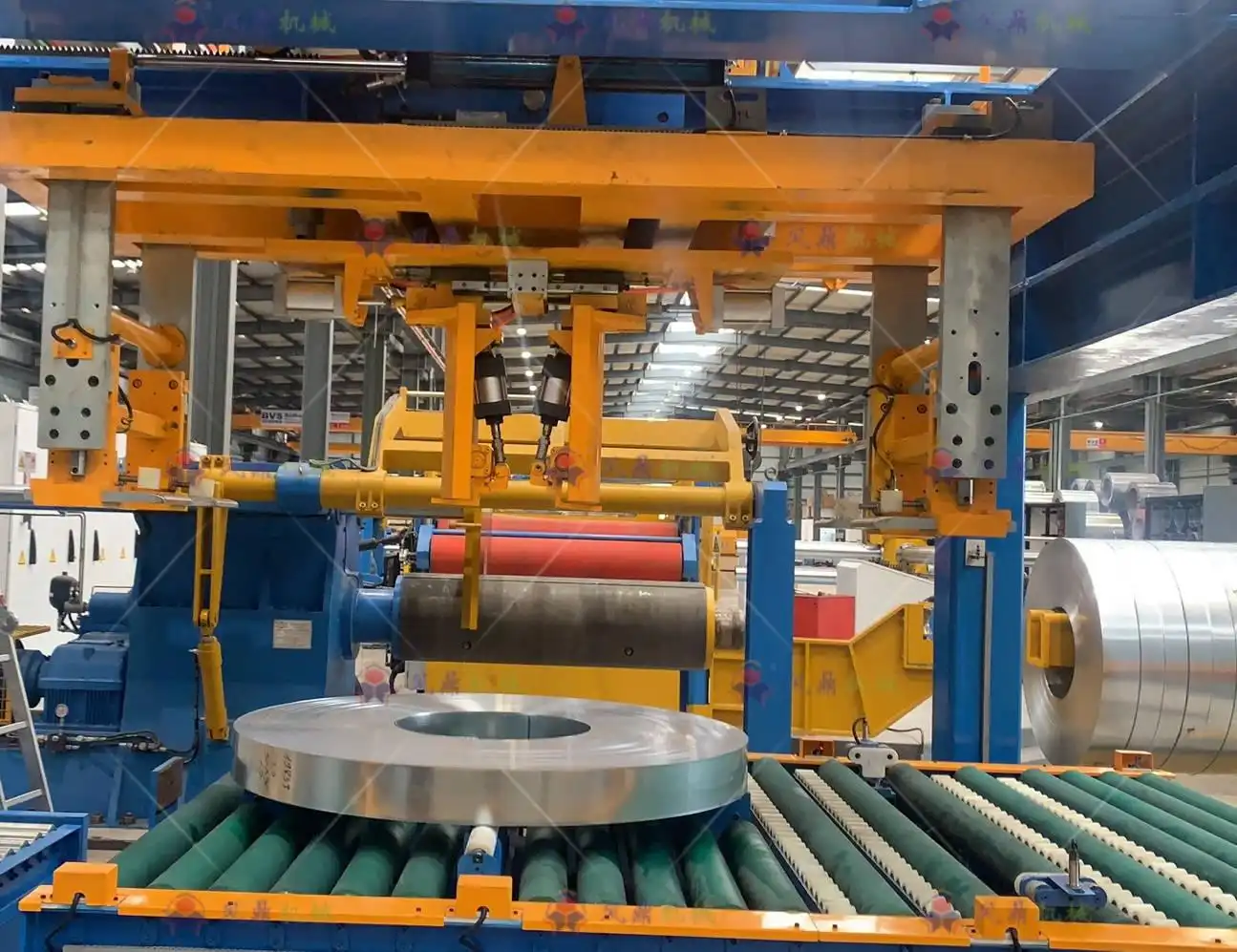
When I was helping clients grow their businesses, one key area we always looked at was product quality upon delivery. Customers in Brazil, and globally, expect their goods to arrive in perfect condition. If they receive damaged products, they will complain. They might ask for discounts. They might even stop buying from you. This creates a crisis of trust. My philosophy is that a good packing solution does not just wrap the product. It protects it. It ensures it arrives looking just as good as it left your factory. Automated packing machines are precise. They handle products smoothly and consistently. They reduce human error. This means fewer drops. Fewer bumps. Less damage overall. Investing in these machines is not just about preventing loss. It is about protecting your brand. It is about ensuring customer satisfaction. It is about building a reputation for high quality that opens doors to more business.
How Automated Packing Protects Your Products
Automated packing systems are designed for precision handling, significantly reducing the risk of product damage.
- Gentle Handling: Machines use specialized grippers and conveyors. They move coils and wires smoothly. This minimizes impacts and abrasions. They are designed to prevent damage to delicate edges or surfaces. This protects the product’s integrity.
- Consistent Positioning: Every product is positioned the same way. This ensures uniform wrapping and strapping. This reduces the chance of loosely packed items. Loosely packed items can shift and get damaged during transport.
- Reduced Human Error: Humans get tired. They can make mistakes. Machines perform tasks with consistent accuracy. This eliminates errors caused by fatigue or carelessness. This leads to fewer damaged products.
- Optimal Wrapping and Protection: Automated systems apply wrapping materials precisely. This provides maximum protection against dust, moisture, and physical impact. For exports, especially long journeys to Brazil, this protection is vital. It ensures the product arrives in top condition.
By automating your packing line, you protect your investment in every coil and wire you produce. You minimize costly product losses. You reduce customer complaints. You enhance your reputation as a supplier of high-quality goods. This is a direct path to increased profitability and stronger business relationships, especially with demanding international clients.
Can You Trust Your Equipment Supplier as a True Partner?
Have you ever worked with equipment suppliers who just wanted to sell you a machine and then disappeared? This is a common and frustrating experience. It leaves you feeling unsupported. You might even feel like they do not care about your success. This makes factory managers, like Michael Chen, very cautious about choosing new partners. When you need a solution for your factory, you need more than just a piece of equipment. You need a trusted partner.
I understand this trust crisis completely. Throughout my career, both as an employee and as a factory owner, I saw many sales-focused suppliers. They would push a product. They would offer little or no after-sales service. This is not how I believe business should be done. A machine is a big investment. It is not just about the upfront cost. It is about how that machine performs over time. It is about the support you get when things go wrong. It is about having someone who truly understands your factory’s specific problems. Michael Chen wants a partner who can see his production bottlenecks. He wants someone who understands his safety issues and efficiency needs. He needs someone who can offer expert insights and real, reliable solutions.
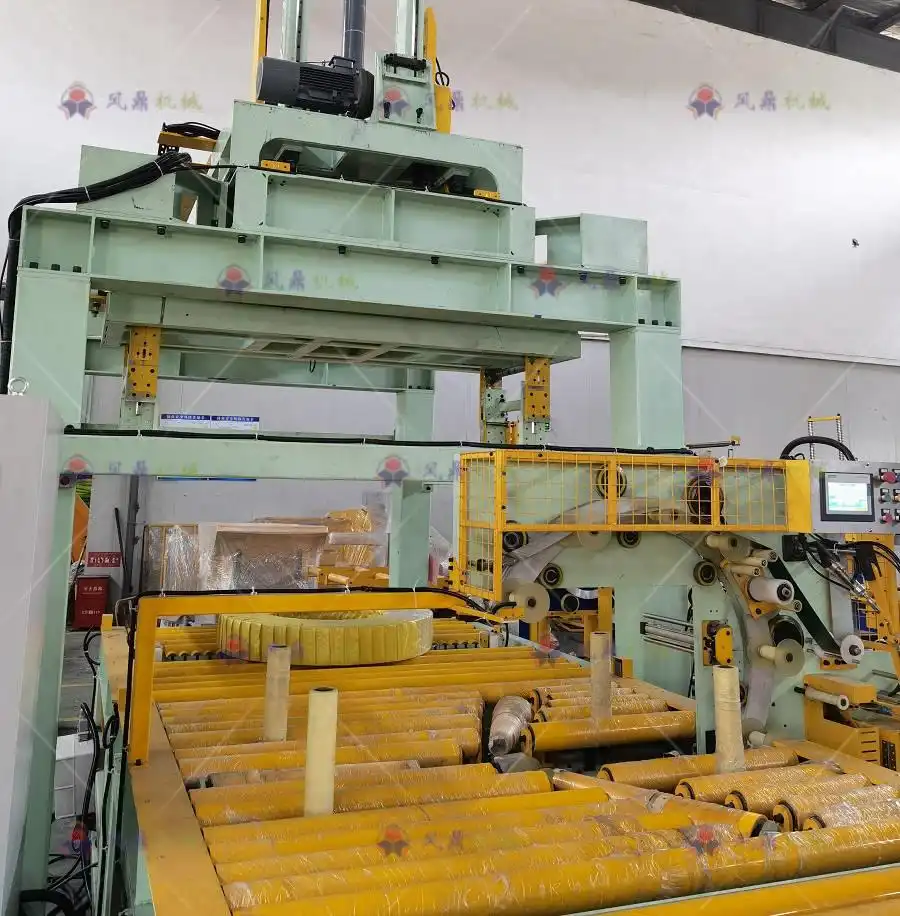
My own journey, from starting on the factory floor to building my own successful packing machine factory, gave me a unique perspective. I faced many of the same challenges Michael faces. I know what it takes to keep a factory running smoothly. I know the importance of reliable equipment. I also know that a machine is only as good as the support behind it. That is why FHOPEPACK is built on the principle of partnership. We do not just sell machines. We share knowledge. We offer ongoing support. We work with you to understand your specific needs. We help you find solutions that truly solve your problems. We want to see your business grow. We want to help you achieve financial independence, just as this industry helped me. This is my way of giving back. It means providing you with clear ROI. It means giving you expert guidance. It means ensuring your investment in automation powers your business growth.
What to Look for in a Trusted Partner
Choosing the right equipment supplier is a critical decision that impacts your factory’s long-term success.
- Deep Industry Knowledge: Look for a partner who has real-world experience. They should understand your industry, your processes, and your specific challenges. This means they can offer more than just a product. They can offer insights.
- Proven Track Record: Do they have a history of successful installations? Can they provide references from other clients? A strong track record shows their reliability and effectiveness.
- Comprehensive After-Sales Support: What happens after you buy the machine? A good partner offers training, maintenance, and quick troubleshooting. They are there when you need them most.
- Focus on Your ROI: A true partner understands your business goals. They will help you see the clear return on investment (ROI) for their equipment. They should show you how their solution will save you money and increase profits.
- Customization and Flexibility: Every factory is different. A good partner will not just offer a standard product. They will listen to your needs. They will offer solutions tailored to your unique operation. This ensures the equipment truly fits your needs.
When you find a supplier who embodies these qualities, you are not just buying a machine. You are gaining a valuable ally. This partnership will help you overcome challenges. It will help you achieve your goals for efficiency, safety, and profitability. It will prepare you to meet the high demands of export markets.
My Insight
From my journey, I learned that true growth comes from smart investments and deep partnerships. It is not just about buying a machine. It is about finding a solution that addresses your factory’s core issues. Automation in coil and wire packing can transform your operations. It can boost efficiency. It can make your workplace safer. It can protect your products. Most importantly, it can give you a competitive edge in global markets like Brazil. Choose a partner who understands your challenges and shares your vision for success.
Conclusion
Upgrading your coil packing line boosts efficiency, worker safety, and product quality. This helps meet export demands and secures your factory’s future.








