
How to Reduce Downtime in Brazilian Steel Plants with Automatic Packing?
Many steel plants in Brazil face a big problem. They struggle with slow packing lines. This often leads to major production delays. It hurts their ability to meet delivery times. If you are a factory manager, you know this pain. It feels like a constant fight to keep things moving.
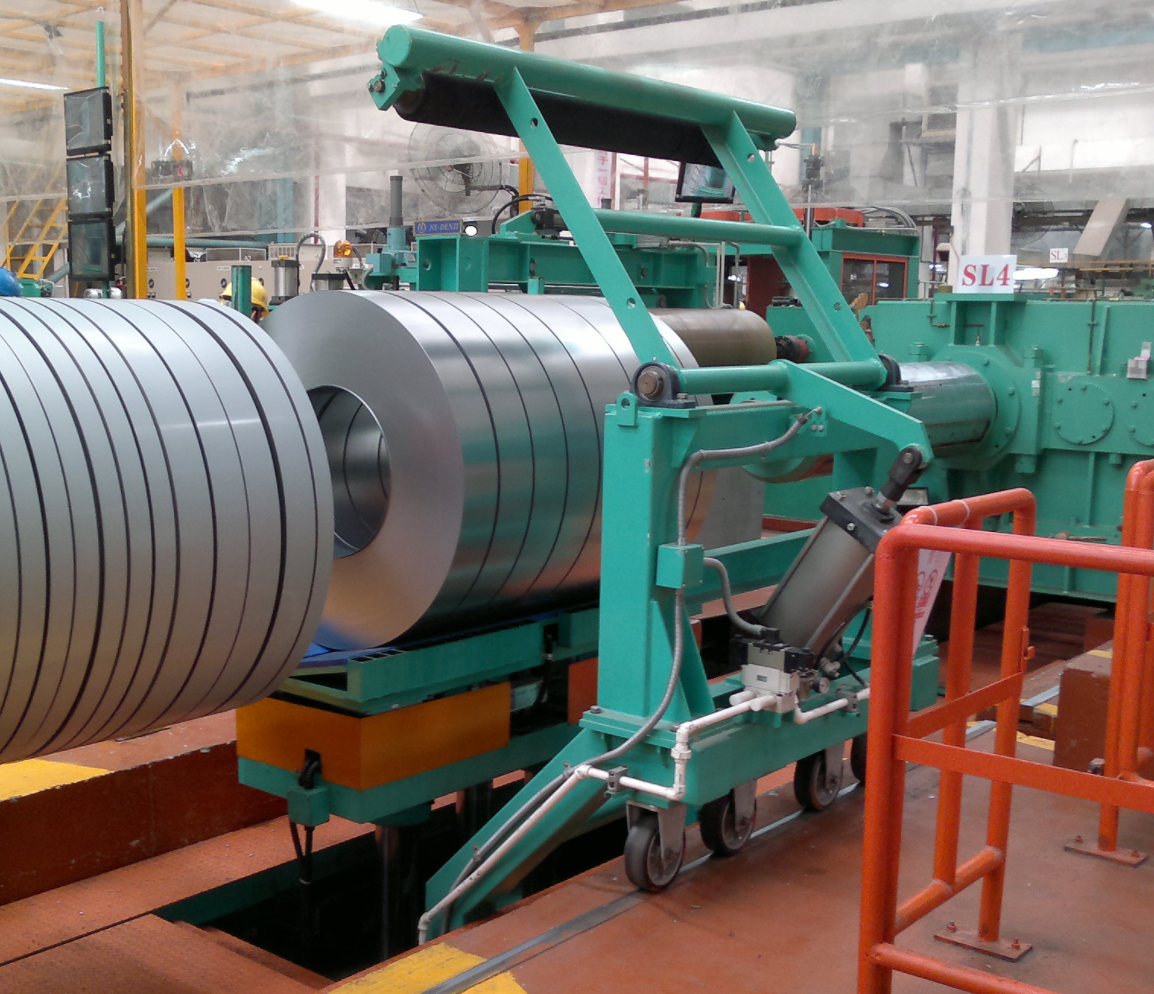
Automatic packing systems directly cut down on these delays. They speed up the entire end-of-line process. This means more products go out faster. It helps factories run smoother. These systems also make the workplace safer. They lower the risk of injuries. This is good for both workers and the company’s bottom line.
You want to improve your plant’s operations. You need to make smart choices. Let us explore how automated packing can solve your biggest problems. Keep reading to see the real benefits.
Can Automated Systems Really Speed Up Coil and Wire Packing?
Is your current packing process slow? Does it rely too much on people? This can slow down your whole factory. It stops you from getting products out on time. Michael, a factory manager in Mexico, knows this well. He faces these exact problems every day.
Yes, automated systems greatly speed up coil and wire packing. They remove slow manual steps. Machines work much faster than people can. They also work without stopping. This helps eliminate bottlenecks at the end of the production line. This makes the entire operation more efficient.
When I started my journey in this industry, I saw many factories. Their packing lines were often the slowest part. People had to move heavy coils by hand. They wrapped them slowly. This always caused delays. It held back the whole plant. I realized there had to be a better way. This is why I focused on packing machines.
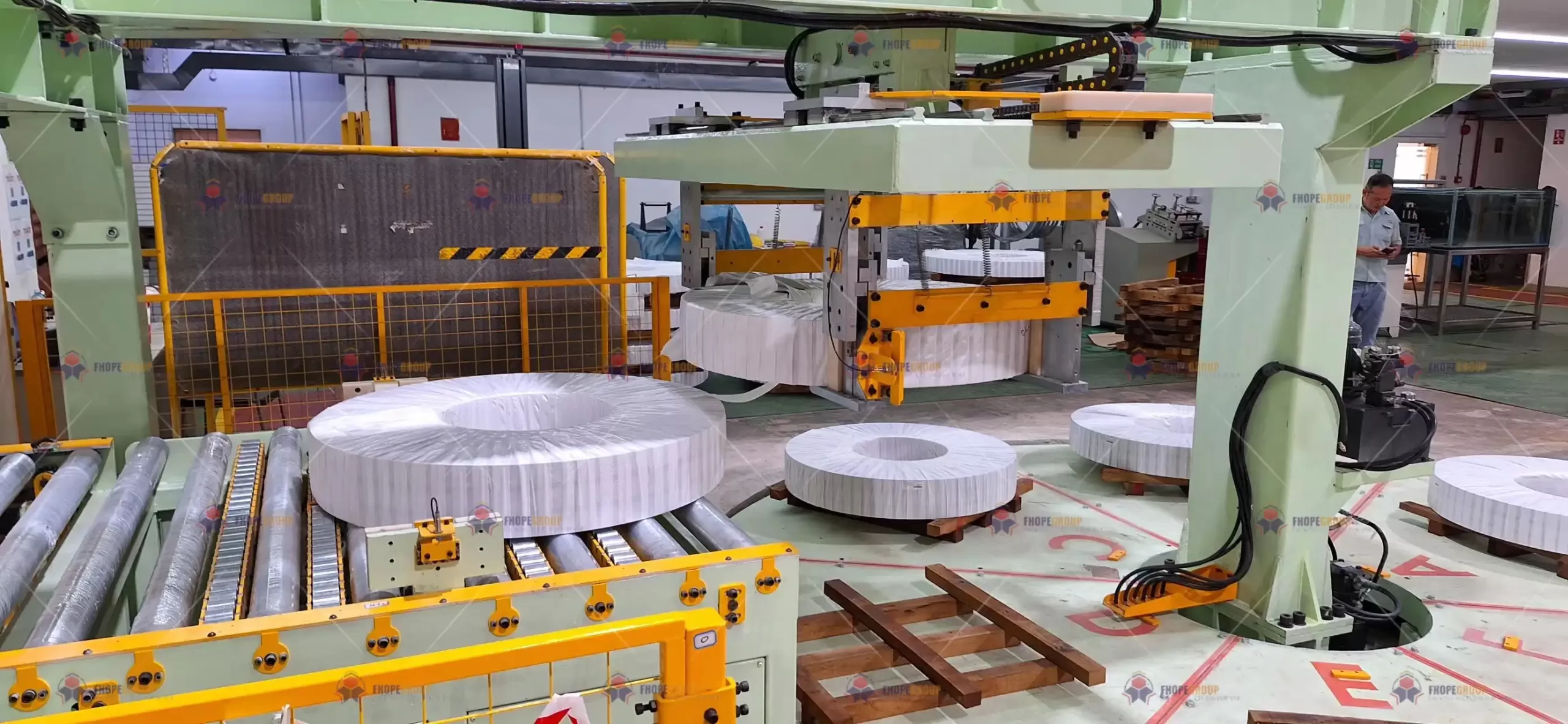
Automated systems change this completely. They use smart machines to handle and wrap products. This makes the process much faster. For example, a machine can wrap a steel coil in minutes. A person might take much longer. This speed boost is a big deal for output. It means more coils and wires leave the factory each day.
Consider a typical steel plant in Brazil. They produce many tons of steel. If packing takes too long, the finished products pile up. This costs money. It also delays customer orders. An automatic system handles these products quickly. It moves them from the production line straight to the shipping area. This keeps the flow constant. It removes the waiting time.
Here is a simple look at the difference:
| Feature | Manual Packing | Automatic Packing |
|---|---|---|
| Speed | Slow, varies with worker speed | Fast, consistent high speed |
| Efficiency | Low, causes bottlenecks | High, eliminates bottlenecks |
| Labor Needs | High, many workers needed | Low, few workers needed |
| Consistency | Varies, depends on human skill | High, uniform wrap every time |
| Downtime Reason | Worker breaks, fatigue, manual errors | Machine maintenance (planned), rarely stops for other reasons |
This table shows clear benefits. Automatic systems help factories like Michael’s. They let him produce more. They help him meet his goals. My own experience building a factory showed me this. When we put in automatic machines, our output went way up. We could serve more clients. We could do it faster. This is the power of automation. It helps businesses grow.
How Does Machine Packing Make Workplaces Safer?
Are your workers moving heavy coils by hand? Are they flipping large pallets? This creates huge safety risks. Accidents can happen easily. Injuries are expensive. They cost money in medical bills and lost work time. Workers might also leave. This is a big problem for factories like Michael’s.
Machine packing makes workplaces much safer. It takes away the need for people to lift heavy things. Machines handle all the heavy loads. They use strong grippers and conveyors. This stops workers from getting hurt. It brings down the number of accidents. This makes the workplace much safer for everyone.
When I first started in packing machine factories, I saw many injuries. Workers strained their backs. They crushed their fingers. This was a sad part of the job. I always thought about how to make things better. Safety was always on my mind. It was not just about making a machine. It was about protecting people.
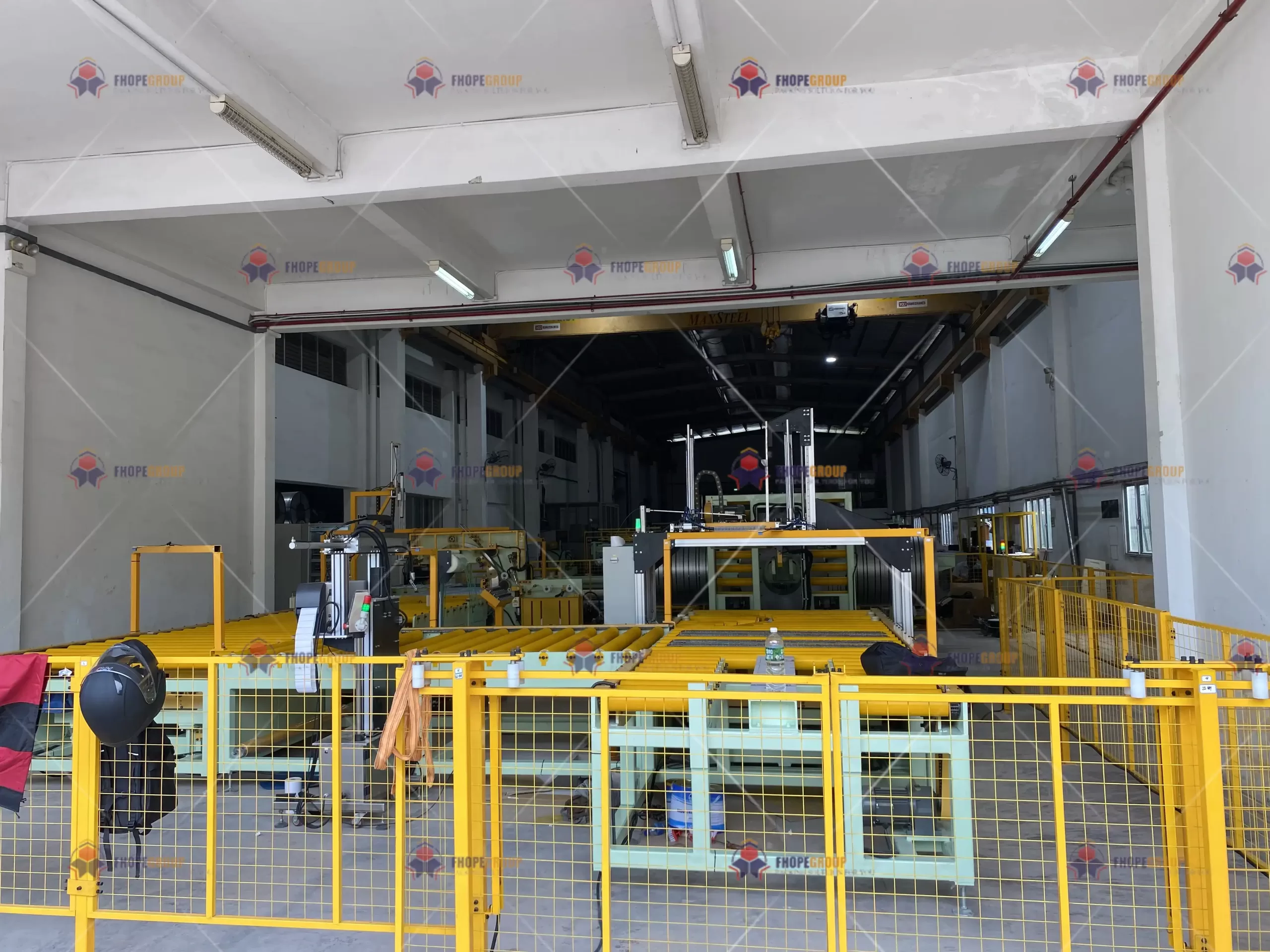
Automatic packing systems remove people from dangerous tasks. For example, a large steel coil can weigh many tons. Moving it by hand is extremely risky. A small mistake can lead to a serious injury. An automatic machine picks up the coil. It rotates it. It wraps it. All this happens without a person touching the coil. Workers stay clear of the heavy moving parts. This is a huge safety improvement.
Think about the high-stress environment in a steel plant. Workers are often tired. They might be working long shifts. This raises the chance of human error. Machines do not get tired. They follow the same path every time. This reduces errors. It makes the entire packing area much safer. This is especially important for companies in Brazil. They need to protect their workforce.
Here is how safety improves with machines:
| Risk Area | Manual Packing | Automatic Packing |
|---|---|---|
| Heavy Lifting | High risk of back injuries, strains | No human lifting, machines handle weights |
| Crush Injuries | High risk from falling coils, moving parts | Workers stay away from danger zones |
| Repetitive Strain | High, repetitive motions cause fatigue | Machines do repetitive work, not people |
| Accident Rates | Higher, due to human error and fatigue | Lower, predictable machine movements |
| Insurance Costs | Higher, due to more claims | Lower, fewer accidents mean fewer claims |
Michael needs to protect his workers. He needs to lower his insurance costs. Automatic packing helps with both. It creates a much safer place to work. This makes workers happier. It also saves the company money. This is a clear win-win situation. My experience taught me that safety is not just a cost. It is an investment. It builds trust with your team. It makes your business stronger.
Will Automated Systems Stop Product Damage During Transit?
Does your product get damaged during internal moves? Does it get scratched during packing? This causes customer complaints. It leads to lost money. No one wants to ship a damaged product. Michael’s factory struggles with this. They lose profits because of damaged goods.
Automated systems help stop product damage. They wrap products uniformly. They protect them from bumps and scratches. Machines apply consistent tension and coverage. This keeps products safe during moving and shipping. It reduces waste. This means fewer complaints from customers.

Early in my career, I saw how easily products could get damaged. A coil might get a dent on its edge. A wire bundle could unravel. These small things caused big problems. Customers would send products back. We would lose money. I knew that good packing was not just about looks. It was about protection. It was about making sure the product arrived in perfect shape.
Manual packing often leads to inconsistent wrapping. One worker might wrap it tight. Another might wrap it loose. This leads to weak spots. These spots are where damage happens. Automatic machines wrap every product the same way. They use precise controls. They apply the right amount of material. They make sure the entire product is covered and secure. This protects sensitive areas like coil edges. It stops scratches on the surface.
Consider a Brazilian steel plant shipping coils across the country. The journey can be rough. Vibration, bumps, and movement can damage poorly packed products. An automated system creates a robust package. This package can withstand the stresses of transit. It ensures the product arrives at the customer’s site in top condition. This is crucial for customer satisfaction. It helps build a good reputation.
Here is how product integrity improves:
| Aspect | Manual Packing | Automatic Packing |
|---|---|---|
| Wrap Consistency | Varies, depends on human skill | High, uniform every time |
| Edge Protection | Often inconsistent, prone to damage | Full, consistent edge coverage |
| Surface Scratches | Higher risk from manual handling, friction | Lower, machine handles with care |
| Transit Damage | Higher, due to weaker, inconsistent wraps | Lower, robust and uniform protection |
| Customer Complaints | Higher, due to damaged goods | Lower, products arrive intact |
Michael needs to reduce product loss. He wants happier customers. Automatic packing helps him achieve this. It makes sure his hard-earned products reach their destination safely. My own business grew because we always focused on quality. This included making sure products were packed perfectly. I learned that preventing damage is a key part of good business. It saves money and builds trust.
How Can Brazilian Steel Plants Find a Reliable Packing Machine Partner?
Have you worked with equipment suppliers before? Did they focus only on selling? Did they offer poor after-sales service? This can make you very careful about new partners. Michael has had these bad experiences. He needs a partner he can truly trust.
Brazilian steel plants can find a reliable partner by looking for deep industry knowledge. They need a supplier who understands their specific problems. This means someone with real experience, not just sales talk. Look for partners who offer clear solutions and strong support. They should be willing to prove their value.

My journey in the packing machine industry was long. I started as an employee. Then I built my own factory. I saw what clients needed. They did not just want a machine. They wanted someone who understood their pain points. They wanted a partner who could truly help them grow. This is why FHOPEPACK focuses on sharing knowledge. We want to be that trusted partner.
Finding the right partner is not about finding the cheapest machine. It is about finding a company that understands your operations. They should know about efficiency bottlenecks. They should understand safety risks. They should know about product damage issues. A good partner listens to your challenges. They offer solutions that fit your specific needs. They do not just push a standard product.
For a Brazilian steel plant, this means working with someone who has seen your kind of factory. They should have experience with coil packing or steel wire packing. They should talk about return on investment (ROI). This shows they care about your business success. They should offer solid after-sales support. This includes training, parts, and maintenance. This ensures your machines keep running.
Here are traits of a reliable partner:
| Trait | Less Reliable Supplier | Reliable Partner (like FHOPEPACK) |
|---|---|---|
| Understanding Needs | Focuses on generic machine features | Deeply understands your specific problems |
| Experience | Limited industry-specific knowledge | Years of experience in your industry |
| Solutions | Standard products, one-size-fits-all | Tailored solutions, problem-focused |
| After-Sales Support | Weak or non-existent | Strong, continuous, expert support |
| Trust Building | Quick sale focused | Relationship focused, long-term thinking |
| ROI Discussion | Rarely discussed | Central to proposals, clear benefits |
Michael wants an expert partner. Someone like me, who built a factory from the ground up. Someone who knows the packing industry inside out. FHOPEPACK’s mission is to share this knowledge. We want to help others succeed. We understand the challenges. We offer real solutions. Choosing the right partner means choosing growth. It means choosing peace of mind.
My Insights!
I have spent many years in the packing machine world. I started small, worked hard, and then built my own successful factory. This journey taught me so much. I learned that every factory manager, like Michael, faces unique pressures. They need to boost output. They need to control costs. They must keep their workers safe. I faced similar things in my own business.
The biggest insight I gained is this: machines are tools, but knowledge is power. It is not just about buying the latest machine. It is about understanding how that machine fits into your entire operation. It is about knowing how it can solve your specific problems. I saw many companies buy machines without truly understanding them. They did not get the full benefits. They ended up wasting money. This is why I created FHOPEPACK. I wanted to share what I learned.
I believe in giving back. The coil packing and steel wire packing industry gave me so much. It helped me become financially independent. It allowed me to help many clients grow their businesses. Now, I want to help you. I want to share the practical lessons. I want to help you avoid common mistakes. I want to guide you toward smart investments. My goal is to make sure you succeed. When you succeed, everyone wins. It strengthens the entire industry.
Conclusion
Automated packing greatly cuts downtime in steel plants. It boosts speed, improves safety, and stops product damage. Partnering with experts ensures smart investment. This leads to higher profits and a stronger business.








