
Is It Time to Master Your Slitting & Slit-Coil Packaging Line in Mexico?
Running a metal processing plant in Mexico means you face daily pressure. You need to boost output, cut costs, and keep people safe. But what if your packing line is holding you back? What if manual work creates huge risks and eats up your profits? These challenges are common, but they do not have to be your reality.
Investing in a modern slitting and slit-coil packaging line in Mexico can transform your operations. It can improve speed, boost safety, and save you money. The key is picking the right equipment and the right partner. This will help you get a strong return on your investment.
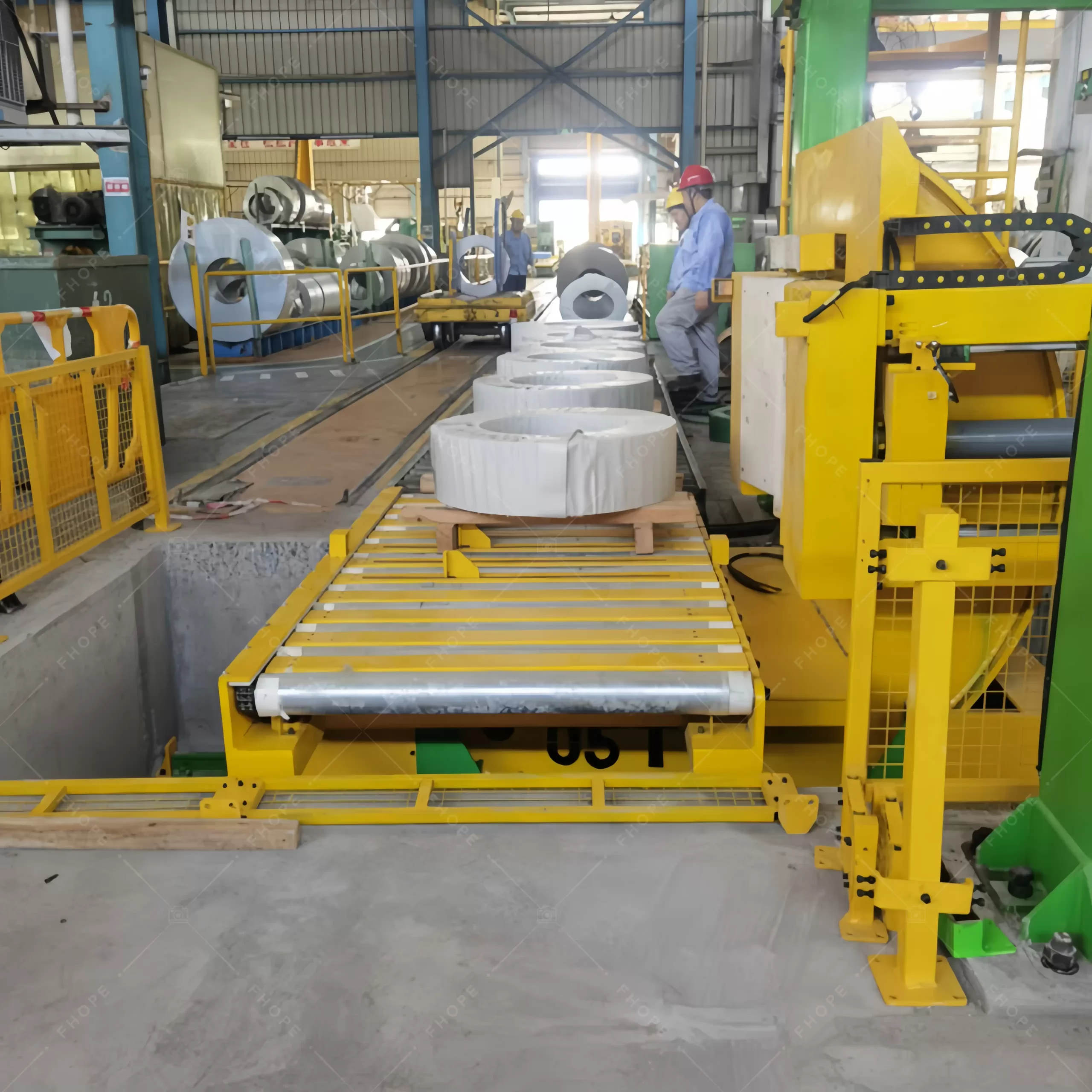
I have seen many factory managers, like Michael, struggle with these exact issues. I know the feeling of wanting to do more but being stuck. Let me share what I have learned from my own journey in this industry. We will look at how to tackle these common problems. This will help you build a more efficient, safer, and more profitable future for your factory.
Is Your Packing Line Slowing Down Your Whole Factory?
Your production line hums along, making great products. But then it hits the packaging stage. Are you seeing slow speeds and lots of manual work? This bottleneck can kill your overall output. It also impacts your delivery times.
A slow, manual packing process directly causes efficiency bottlenecks in metal processing. It ties up workers, slows down output, and makes your factory less competitive. Automating this step is crucial for smooth operations.

When I started my career as an employee in a packing machine factory, I saw this firsthand. We had skilled workers, but the sheer effort and time it took to manually wrap and strap heavy coils was shocking. It did not matter how fast the slitting machine ran; the packing line was always the choke point. Later, when I built my own packing machine factory, I made sure efficiency was central to our designs. Michael’s problem is one I understand deeply.
The Hidden Costs of Manual Packing
Manual packing seems cheaper at first glance. You already pay your workers. But this view misses the bigger picture. Each coil requires many steps. Workers must lift, position, strap, and wrap it. This takes a lot of time. If a coil weighs a ton, imagine the effort. This effort adds up. It slows down the whole line. This means you make fewer coils per hour. It also means more overtime for workers. Your overall production slows down, and your delivery promises might slip.
How Automation Changes the Game
Automation solves these problems directly. Machines work faster than people. They do not get tired. They can apply strapping or wrapping with consistent speed. An automatic coil wrapping machine, for example, can finish a coil in minutes. A worker might take much longer. This speed-up means coils move off the line quicker. Your whole factory can then produce more. This also frees up your skilled workers. They can do higher-value tasks.
Measuring Your Speed Gains
It is important to measure how automation boosts your speed. Think about your current cycle time for packing one coil. Then compare it to what a machine can do. This difference shows your efficiency gain. You will see more coils packed per shift. This directly means more product ready for shipment. It boosts your factory’s output. It makes you more competitive. This table shows a simple comparison:
| Feature | Manual Packing | Automated Packing |
|---|---|---|
| Speed | Slow, varies by worker | Fast, consistent |
| Labor Needs | High, multiple workers | Low, one or two operators |
| Consistency | Varies by worker, prone to errors | High, uniform results |
| Downtime Reason | Worker fatigue, breaks, injuries | Machine maintenance, power issues |
| Output | Limited by human speed | High, continuous |
Are Your Workers Safe During Heavy Coil Handling?
Moving heavy steel coils and wire is dangerous. Are you worried about worker injuries? Do you see high insurance costs or staff leaving? Manual handling of these heavy items creates a high risk of accidents.
Manual handling of heavy steel coils and other metal products carries significant safety risks. This includes back injuries, crushed limbs, and slips. Automated solutions remove workers from hazardous areas, greatly improving workplace safety.

During my time on the factory floor, I saw too many accidents. A slip, a dropped coil, a misjudged movement – these happen when people lift and move massive weights. I saw the painful effects on workers and the huge impact on their families. When I started FHOPEPACK, safety was not just a buzzword. It was a core value. We designed machines to take the danger out of heavy lifting. Michael’s concern for his workers’ safety is something I deeply respect.
The Real Price of Workplace Accidents
A workplace injury is more than just a single event. It has many costs. First, there is the human cost. A worker gets hurt. They feel pain. They might miss work. This affects their life and their family. Then there are the direct costs for your factory. This includes medical bills. It includes higher insurance premiums. If the injury is serious, there might be legal fees too. Beyond this, there are hidden costs. Other workers feel worried. Morale drops. Productivity goes down because of the disruption. Finding and training new workers is also expensive if someone leaves due to injury.
How Machines Protect Your Team
Automated packing solutions remove the need for manual handling of heavy items. Imagine a machine that automatically picks up a coil, rotates it, and wraps it. Workers do not need to touch the heavy load directly. This eliminates risks like back strains from lifting. It stops crush injuries from falling objects. Machines use precise movements. They secure the load properly. This makes the whole process much safer. Coil tilters, automatic strapping machines, and wrapping machines all play a part in this. They keep hands off the product. This protects your team.
Building a Culture of Safety
Investing in automated equipment is a clear sign to your employees. It shows you care about their well-being. This builds trust. It creates a stronger safety culture in your factory. Workers feel valued. They feel more secure. This can lead to less employee turnover. It also leads to a more positive work environment. A safe factory is a productive factory. Consider these points:
| Aspect | Manual Handling Risks | Automated Handling Benefits |
|---|---|---|
| Injury Type | Back strains, crushed limbs, cuts, falls | Minimized, reduced human contact |
| Injury Severity | Potentially severe, long-term disability | Lower, often related to maintenance issues |
| Insurance Cost | Higher premiums due to claims | Lower premiums over time |
| Worker Morale | Fear, stress, high turnover | Improved safety perception, higher retention |
| Compliance | Harder to meet safety standards | Easier to comply with regulations |
Is Product Damage Eating Into Your Profits?
You work hard to make quality metal products. But what happens during internal transport and packing? Do your steel coil edges get damaged? Are you seeing more customer complaints and lost money because of this?
Product damage during internal transfer and packaging, especially to sensitive items like coil edges, leads to customer complaints and lost profits. Automated systems handle products gently and consistently. They drastically reduce waste and improve product quality.
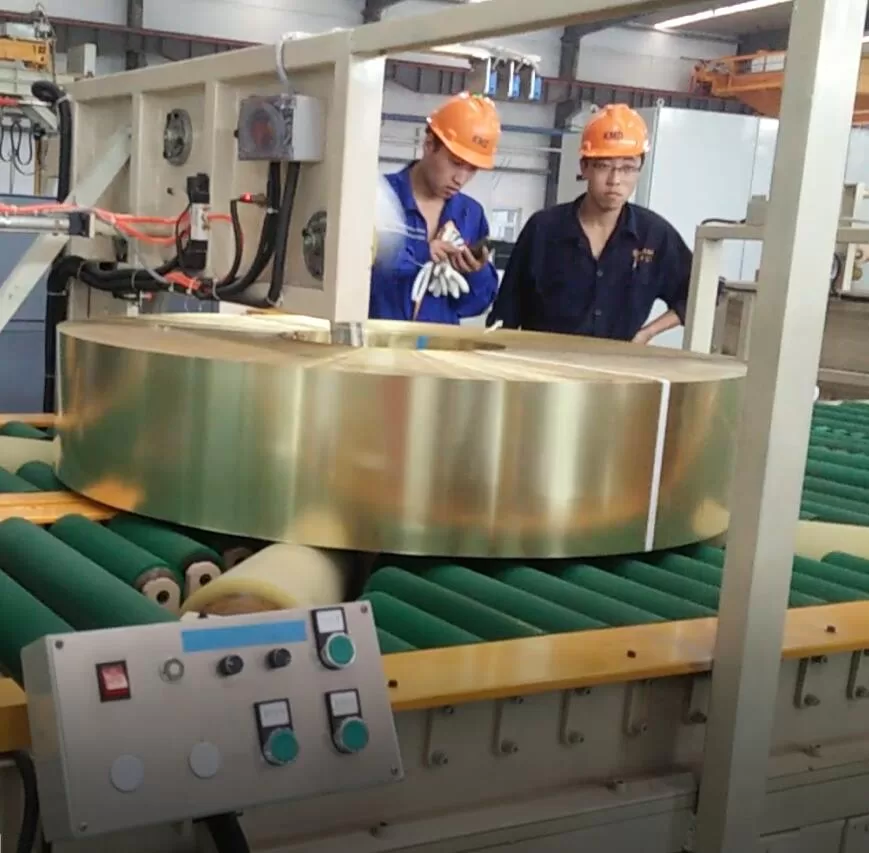
One of my early clients, a steel wire manufacturer, contacted me about a recurring problem. Their finished wire coils looked perfect coming off the line. But by the time they reached the customer, many had damaged edges or surface scratches. This was causing huge headaches and lost orders. We discovered the damage was happening during manual handling and inconsistent packing. I realized then that a packaging machine is not just about speed; it is about protecting the value of the product itself. Michael’s situation rings true to my own experiences with customers.
Where Product Damage Really Happens
Product damage in metal processing often happens in a few key areas. First, manual handling. Workers might drop a coil. They might bump it against something. They might not position it perfectly on the pallet. Second, inconsistent wrapping. If the wrapping material is too loose, it will not protect the coil. If it is too tight, it might deform the product. Third, rough internal transport. If coils are not secured properly, they can shift and get damaged during movement within the factory. All these little damages add up. They lead to products that cannot be sold as “first-grade.”
Precision Handling for Profit Protection
Automated packing equipment changes this. These machines are designed for precision. A coil wrapping machine applies tension evenly. This protects the product’s surface and edges. Automatic strapping machines secure the coil tightly to a pallet. This prevents movement during transport. Automated handling systems use cradles or grippers designed specifically for coils. They move them smoothly and carefully. This drastically cuts down on bumps and drops. Less damage means fewer customer complaints. It means less rework. It means more profit for your factory.
The Value of Consistent Quality
When your products arrive undamaged, your customers are happy. Happy customers order again. They tell others about your quality. This builds your brand reputation. Consistent packaging quality is just as important as consistent product quality. An automated system delivers this consistency every time. It ensures each coil is protected in the same way. This helps you maintain your high standards. It secures your market position. This table highlights common damage sources and automated solutions:
| Source of Damage | Manual Risk Factor | Automated Solution |
|---|---|---|
| Coil Edges | Bumping, improper placement | Gentle robotic handling, precise wrapping |
| Surface Scratches | Rough contact, inconsistent wrapping | Smooth conveyors, uniform wrap tension |
| Shifting During Transport | Loose strapping, inadequate securing | Automatic strapping, secure palletizing |
| Product Contamination | Open exposure, dust in manual areas | Enclosed wrapping, protective films |
How Do You Pick the Right Partner for Your Investment?
You have bought equipment before. Have you dealt with suppliers who only care about the sale? Do they vanish when you need after-sales support? This makes you careful about new partners. It should.
Choosing a reliable equipment supplier means looking beyond the initial sale. You need a partner who understands your challenges, provides strong after-sales support, and shares expertise. This builds a long-term, trusting relationship.
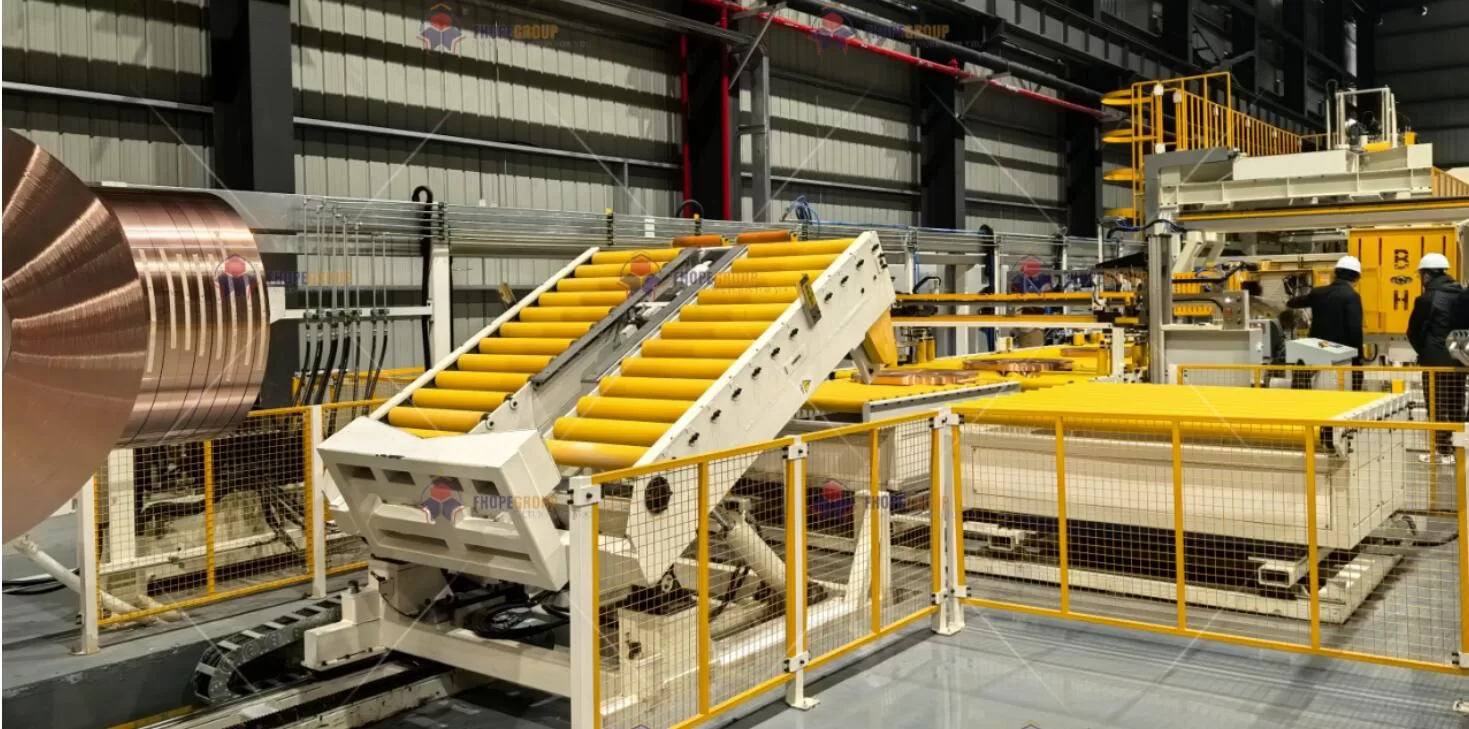
When I started FHOPEPACK, my goal was always to be different. I had seen the frustrations of factory managers dealing with vendors who sold a machine and then disappeared. I knew what it felt like to be stuck with broken equipment and no support. That is why FHOPEPACK is built on a foundation of knowledge sharing and partnership. We want to be the solution, not just a seller. Michael’s hesitation is completely understandable, given past experiences.
The Red Flags of a Bad Supplier
Some suppliers only focus on getting your money. They might offer the lowest price. But then you buy the machine. They do not understand your specific factory needs. Their sales team might not know much about how the machine works day-to-day. After you buy, you might find their after-sales service is terrible. Spare parts are hard to get. Technical help is slow or non-existent. This leaves you alone with a machine that is not working. This is a big problem. It means more downtime and lost production.
What a True Partner Offers
A true partner is different. They take time to understand your factory. They want to know your challenges: your bottlenecks, your safety issues, your product damage problems. They offer solutions, not just products. They have deep technical knowledge. They can explain how their machines will fix your problems. Most importantly, a good partner offers strong after-sales support. This includes training for your team. It includes fast access to spare parts. It includes technicians who can help when something goes wrong. This ongoing support is vital for your success.
Questions to Ask Before You Buy
Before you commit, ask important questions. Ask about their experience in your specific industry. Do they understand coil packing or steel wire packing? Ask about their after-sales service structure. Where are their technicians? How fast can they respond? Ask about training for your operators and maintenance staff. Ask about spare parts availability. Can they customize the machine to fit your exact needs? These questions help you find a partner who will truly support you for the long term. Here is a quick checklist:
| Feature | What a Good Partner Does | What a Bad Supplier Does |
|---|---|---|
| Understanding Needs | Deeply analyzes your operation | Focuses on selling a standard product |
| Technical Expertise | Provides detailed solutions and insights | Limited, just features and benefits |
| After-Sales Support | Strong, responsive, spare parts readily available | Weak or non-existent |
| Training | Offers comprehensive operator training | Minimal or no training |
| Customization | Willing and able to adapt solutions | Only offers standard models |
| Long-Term Relationship | Builds trust for ongoing support | Transactional, one-time sale |
What Is the Key to Long-Term Success with Your New Packing Line?
You are investing in new technology. This is a big step. But simply buying a machine is not enough. Are you thinking about what happens after installation? How do you ensure this investment truly drives your growth?
The real success of a new packing line comes from a deep partnership. It means understanding your unique operational needs and future goals. This allows for continuous improvement and maximum return on investment. It is not just about the machine; it is about the ongoing support and shared knowledge.

I started as an employee, working the lines myself. I saw the challenges: the slow parts, the risks, the wasted materials. Then, I built my own packing machine factory. I learned what truly makes a business successful: it is not just the equipment, but how you use it, how you maintain it, and the knowledge you gain. This journey showed me the power of good partnerships. That is why FHOPEPACK focuses on sharing knowledge. We want to help you grow your business, just like I grew mine. Michael is looking for a partner like this, and that is exactly what we aim to be.
Beyond the Box: Why Partnership Matters
Buying a packing machine is a big investment. It is not like buying a new car. It is an integral part of your production. The machine needs to fit your factory perfectly. It needs to work with your existing setup. It needs to be maintained. If you just buy a machine without this deeper connection, you miss out. A partner helps you plan the installation. They help train your staff. They help you optimize the machine’s performance over time. This continuous support makes sure your investment keeps giving back. It ensures you get the maximum return on your money.
Custom Solutions for Real-World Problems
Every factory is different. Your coil size might be unique. Your space might be limited. Your production speed goals might be very high. A “one-size-fits-all” machine rarely works best. This is where customization comes in. A good partner will work with you to design a solution that fits your specific needs. This might mean adjusting machine dimensions. It might mean adding special features. This tailored approach solves your real-world problems. It makes sure the new line truly fixes your bottlenecks. It improves your safety and cuts your costs. It is not just about buying a machine; it is about buying the right solution for your unique business.
The FHOPEPACK Difference: My Personal Commitment
At FHOPEPACK, we believe in sharing what we know. My own experience, from factory floor to factory owner, guides everything we do. I understand the pressures Michael faces. I understand the need for reliable equipment. I understand the importance of clear ROI. My team and I are dedicated to helping you achieve your goals. We offer not just machines, but insights, training, and ongoing support. We want to be your go-to source for packing machine knowledge. We want to see your factory thrive. This is my personal commitment to your success.
Consider the difference between a short-term and long-term view of your investment:
| Investment Aspect | Short-Term View (Transaction) | Long-Term View (Partnership) |
|---|---|---|
| Focus | Lowest purchase price | Total cost of ownership, ROI |
| Supplier Role | Vendor | Strategic partner, advisor |
| Post-Purchase Support | Minimal, reactive | Proactive, comprehensive, training |
| Adaptability | Fixed solution | Scalable, customizable for future needs |
| Benefit | Initial cost savings | Continuous improvement, sustained growth |
Conclusion
Investing wisely in an automated packing line transforms your factory. It boosts safety, cuts costs, and improves efficiency. With the right partner, like FHOPEPACK, your success is within reach.








