
Intelligent Material Flow | FHOPE’s Pallet Changing Machine Optimizes Pallet Transfer in Automated Warehouses?
Have you ever felt the pressure of a warehouse running at full tilt, only to be slowed down by something as seemingly simple as a pallet change? I know that feeling. From my early days as an employee in a packing machine factory to building FHOPEPACK, I have seen firsthand how inefficient material flow can disrupt an entire operation. The constant need to switch between different pallet types for export, the rising labor costs, and the nagging worry about safety are real headaches for logistics managers like Carlos in Spain. These challenges are not just minor inconveniences; they directly impact your bottom line, your customer satisfaction, and even the safety of your team. This is a critical problem for modern logistics.
FHOPEPACK’s pallet changing machines are designed to specifically optimize pallet transfer in automated warehouses, turning what was once a complex, labor-intensive bottleneck into a smooth, efficient, and safe part of your material flow. By embracing intelligent automation, we help businesses manage diverse pallet specifications, reduce manual handling risks, and achieve significant gains in operational speed and consistency.
Understanding these complex challenges is the first step toward finding truly effective solutions. As someone who has built a career in this industry, I want to share my insights. We will explore the common pain points in pallet transfer, examine how diverse pallet standards impact global logistics, and show how automated solutions can transform your warehouse. Let’s dive deeper into how FHOPEPACK can be your trusted partner in achieving seamless material flow and operational excellence.
Why is Pallet Transfer a Bottleneck in Modern Warehouses?
Does the thought of manual pallet handling fill you with dread, knowing it often leads to delays, errors, and even injuries? I have seen many warehouses struggle with this. The traditional ways of moving and exchanging pallets can quickly become a major obstacle, stopping your otherwise efficient operations in their tracks. This bottleneck creates a ripple effect, impacting everything from your production line to your final delivery schedules and customer satisfaction.
Pallet transfer often becomes a bottleneck in modern warehouses primarily due to its reliance on manual labor, the complexity of managing diverse pallet types, and the increasing demand for speed and precision in logistics. These factors combine to create inefficiencies, heighten safety risks, and slow down the entire material flow, especially in busy distribution centers handling international shipments.

Let’s break down why this seemingly simple task can cause so much trouble. Understanding these core issues is key to identifying how intelligent solutions can free your warehouse from these constraints.
1. The Heavy Burden of Manual Labor Dependency:
In many warehouses, pallet transfer still relies heavily on human effort. This means workers manually load, unload, flip, or transfer goods between different pallet types.
- Rising Costs and Labor Shortages: Skilled labor is becoming harder to find and more expensive. Relying on manual work for pallet handling directly increases operational costs. It also makes you vulnerable to labor shortages. This is a challenge I hear from many clients, including managers like Carlos in Spain, who face increasing labor costs and a generational shift away from physically demanding jobs.
- Physical Strain and Injury Risks: Manual handling tasks like lifting heavy loads or flipping pallets are physically demanding. They lead to fatigue and a higher risk of injuries, such as back strains or crushed limbs. I have seen too many accidents happen this way. These incidents not only cause personal suffering but also lead to increased insurance premiums, workers’ compensation claims, and lost productivity.
- Inconsistency and Slowdown: Human workers, naturally, have varying speeds and can make mistakes. This leads to inconsistent transfer times and potential errors that further slow down your material flow. Automation offers a predictable and faster alternative. (warehouse labor challenges, manual pallet handling risks, operational slowdown causes)
2. Navigating the Maze of Diverse Pallet Standards:
The global nature of supply chains means your warehouse often deals with many different pallet specifications.
- Euro, US, and Plastic Pallets: Take Carlos’s situation in Spain, for example. His warehouse constantly deals with Euro pallets for internal European distribution and US pallets for exports to North America, not to mention plastic pallets for specific hygiene requirements. This constant need to switch creates significant logistical hurdles.
- Frequent Changeover Requirements: Each country, and sometimes even specific customers, has its own preferred or mandated pallet type. This means goods often arrive on one type of pallet but need to be transferred to another before they can be shipped out. Without an efficient system, this process is slow and complex.
- Compatibility Issues: Mixing pallet types without proper transfer mechanisms leads to compatibility problems with existing racking, forklifts, and automated systems. This can cause bottlenecks at critical transfer points. (international pallet standards, pallet type compatibility issues, export logistics complexity)
3. The Relentless Demand for Speed and Throughput:
Modern supply chains, driven by e-commerce and just-in-time delivery models, demand extreme speed.
- E-commerce and Retailer Pressure: Customers expect faster delivery times than ever before. This pressure trickles down to warehouses, demanding higher throughput and quicker turnaround times for all processes, including pallet changes. Carlos feels this directly with his e-commerce and retail clients.
- Supply Chain Bottlenecks: A slow pallet transfer process can hold up entire batches of goods. This causes delays throughout the supply chain, impacting shipping schedules and potentially leading to contract penalties. I have helped businesses avoid these costly delays by optimizing their internal processes.
- Risk of Financial Penalties: Delays caused by inefficient pallet handling can result in fines from customers or carriers for missed delivery windows. This directly eats into profit margins and damages customer relationships. (fast delivery demands, warehouse throughput optimization, supply chain efficiency issues)
How Do Diverse Pallet Specifications Impact Your Global Logistics?
Are you consistently battling with shipments that arrive on one type of pallet but need to leave on another, causing headaches at every turn? This is a common and costly reality in global logistics. The world runs on different pallet standards, and ignoring these differences is not an option. From my experience, a smooth global operation often hinges on how well a business manages these pallet variations.
Diverse pallet specifications significantly impact global logistics by introducing operational inefficiencies, creating compliance and regulatory hurdles, and increasing risks to product integrity and safety. These variations demand frequent re-palletizing, lead to delays at international borders, and can result in costly penalties and damaged goods, making efficient pallet transfer a critical component of successful global trade.
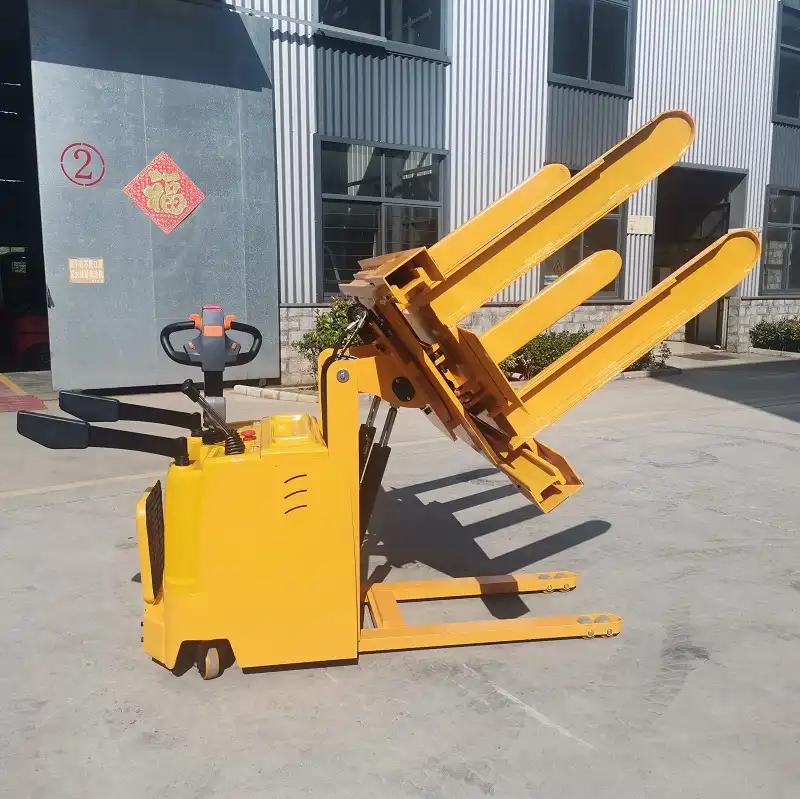
Let’s explore the specific ways these pallet variations challenge global supply chains and how addressing them can lead to substantial improvements.
1. Operational Inefficiencies and Mounting Costs:
The need to manage multiple pallet types directly translates into higher operational expenses and reduced efficiency.
- Manual Re-palletizing Expenses: When goods arrive on, say, US pallets and need to be transferred to Euro pallets for onward European distribution (a scenario Carlos knows well), this often requires manual intervention. This process is slow, labor-intensive, and prone to error, driving up labor costs and extending dwell times in the warehouse.
- Increased Handling Time: Each pallet transfer or re-palletizing step adds extra time to your logistics process. This accumulated time can delay shipments, especially when dealing with tight international delivery windows. Time lost at this stage is difficult to recover later in the supply chain.
- Additional Equipment and Space Needs: Managing diverse pallet types might require different handling equipment or dedicated areas for re-palletizing. This can lead to inefficient use of warehouse space and additional capital expenditure on specialized machinery that might not be fully utilized. (logistics operational costs, international pallet handling time, warehouse space utilization)
2. Compliance and Regulatory Hurdles at Borders:
Global trade is governed by strict rules, and pallet standards are a key part of this.
- Varying National and International Standards: Different countries have different requirements for pallet materials and dimensions. For example, ISPM 15 regulations mandate specific heat treatment or fumigation for wooden pallets used in international shipping. Failing to comply can lead to shipments being rejected or held at customs, causing massive delays and additional costs.
- Risk of Rejected Shipments: I have seen businesses face significant setbacks when their pallets do not meet the destination country’s regulations. A rejected shipment means not only delays but also potential return shipping costs, penalties, and damaged customer relationships. This is a critical concern for businesses operating internationally.
- Documentation Complexity: Ensuring compliance often involves careful documentation and verification of pallet types and treatments. This adds administrative overhead and complexity to the shipping process, requiring diligent attention to detail to avoid mistakes. (cross-border logistics compliance, international shipping regulations, customs clearance delays)
3. Compromising Product Integrity and Safety Risks:
Manual pallet changes increase the likelihood of damage to goods and pose significant safety hazards.
- Increased Product Damage Risk: Every time goods are manually handled or transferred between pallets, there is a risk of them being dropped, knocked, or improperly restacked. This can lead to damaged products, spoilage (especially in the food and beverage sector Carlos works in), and subsequent financial losses.
- Higher Risk of Worker Injury: As mentioned earlier, manual pallet manipulation is a major source of workplace injuries. Workers lifting heavy loads or using makeshift methods to flip pallets risk serious accidents. Carlos himself has faced several such incidents, highlighting the critical need for safer alternatives.
- Instability During Transport: Improperly transferred or restacked loads on pallets can become unstable. This increases the risk of shifting during transit, potentially leading to damaged goods, vehicle accidents, or unsafe unloading conditions at the destination. (cargo safety risks, pallet handling accidents, warehouse workplace safety)
Can Automated Pallet Changing Solutions Really Improve Warehouse Safety and Efficiency?
Are you constantly worried about workplace accidents or frustrated by slow, inconsistent pallet handling processes? I understand these concerns. Many businesses assume that automating these tasks is too complex or costly. But the truth is, the benefits of automated pallet changing solutions far outweigh the initial investment, especially when considering long-term safety and efficiency gains.
Automated pallet changing solutions dramatically improve warehouse safety by removing personnel from high-risk manual tasks, thus reducing injuries and product damage. They simultaneously boost efficiency by accelerating pallet transfers, ensuring consistent performance, and significantly cutting down on labor dependency. This leads to faster throughput, reduced operational costs, and a more predictable, reliable supply chain.

Let me show you exactly how these intelligent systems can revolutionize your warehouse operations.
1. Enhanced Safety for Both Personnel and Goods:
Automated systems are built with safety as a core principle, protecting your most valuable assets: your people and your products.
- Eliminating Manual Handling Risks: This is perhaps the biggest safety advantage. Automated pallet changers remove the need for workers to manually lift, tilt, or flip heavy loads. This instantly reduces the risk of strains, crushed limbs, or goods falling onto personnel. Carlos’s concern about several past accidents highlights this crucial benefit.
- Reducing Accidents and Injuries: With machines performing the hazardous tasks, the frequency of workplace accidents and related injuries drops significantly. This not only creates a safer work environment but also lowers insurance premiums, workers’ compensation claims, and the indirect costs associated with absenteeism.
- Protecting Product Integrity: Automated systems handle goods with precision and consistency, minimizing the risk of damage that can occur during manual transfers. This is especially vital for fragile or high-value products. For a food and beverage group like Carlos’s, preventing spoilage or damage is paramount for quality control and brand reputation. (automated warehouse safety, reduced workplace injuries, product damage prevention)
2. Significant Boost in Operational Efficiency:
Beyond safety, automation is a game-changer for overall warehouse productivity and material flow.
- Faster and More Consistent Cycle Times: Automated pallet changers can perform swaps much faster and more consistently than manual methods. They operate at programmed speeds, eliminating the variations that come with human intervention. This accelerates the entire pallet transfer process, directly contributing to higher throughput.
- Standardized and Predictable Processes: Automation ensures that every pallet change follows the same precise steps. This standardization leads to predictable outcomes, making it easier to plan logistics, manage inventory, and meet tight delivery schedules. The days of unpredictable delays due to manual errors are over.
- Reduced Reliance on Scarce Labor: With automated solutions, warehouses can reallocate their human resources from repetitive, physically demanding tasks to more skilled, value-added roles. This addresses the challenge of labor shortages and rising labor costs, allowing companies to do more with less while attracting talent to more engaging jobs. (warehouse productivity gains, automated material flow, labor cost reduction in logistics)
3. Tangible Cost Reductions and a Strong ROI:
The investment in automation quickly pays for itself through various cost savings.
- Lower Overall Operating Costs: By reducing manual labor, cutting down on product damage, and minimizing accident-related expenses, automated pallet changers lead to significant long-term operating cost savings. These machines work tirelessly, reducing overtime pay and the need for extensive training for manual pallet handling.
- Decreased Insurance and Compensation Expenses: Fewer accidents mean lower insurance premiums and a reduced burden of workers’ compensation claims. This financial benefit directly improves the company’s bottom line. I have seen how quickly these savings add up for businesses that embrace automation.
- Optimized Resource Utilization: Automated systems often require less physical space than manual operations for the same volume of work. They can also operate in conjunction with other automated warehouse equipment, such as AGVs or conveyors, to create a fully integrated and highly efficient material handling ecosystem. (ROI of automation, operational cost savings, optimized warehouse resources)
What Makes FHOPEPACK’s Pallet Changing Machines the Smart Choice for Your Operation?
Are you tired of sifting through countless options, hoping to find a pallet changing solution that truly understands the demands of your warehouse? I know the market can be overwhelming. Many suppliers offer machines, but few provide a solution that integrates reliability, adaptability, and advanced technology to genuinely address your operational pain points. This is where FHOPEPACK stands apart.
FHOPEPACK’s pallet changing machines are the smart choice for any demanding warehouse operation because they are engineered for unparalleled reliability and built to endure the rigors of high-intensity use. They offer exceptional adaptability to virtually all pallet specifications, from Euro to US and plastic, and incorporate advanced automation with integrated safety features. This comprehensive design ensures a significant reduction in manual labor, enhanced safety, and consistent, stable performance, meeting the specific needs of modern automated warehouses.
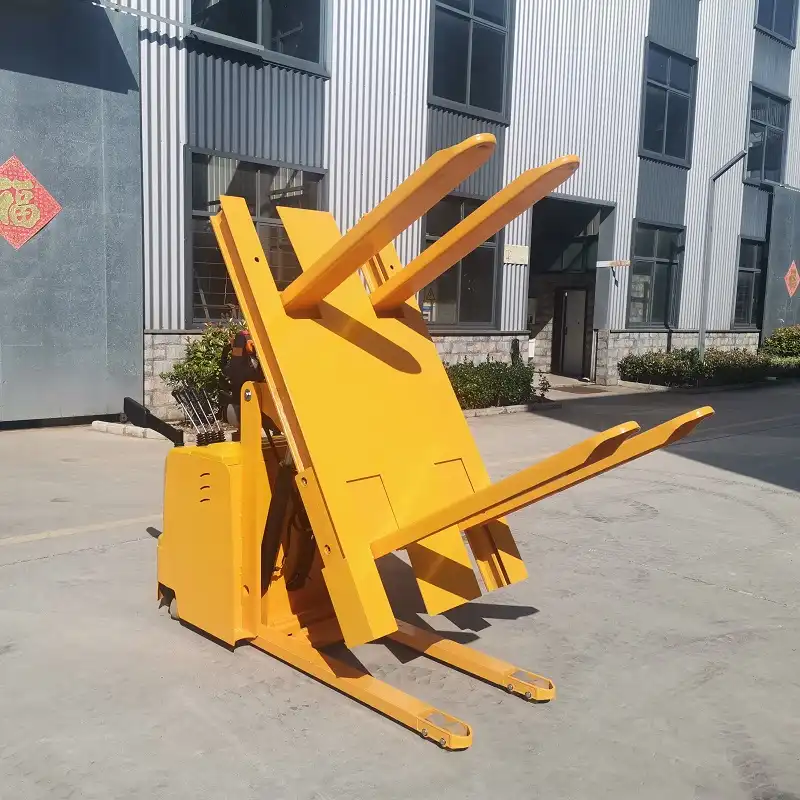
Let me explain why FHOPEPACK’s machines are more than just equipment; they are a strategic investment for your business.
1. Unrivaled Reliability and Durability for Continuous Operation:
In a busy warehouse like Carlos’s, downtime is not an option. Our machines are built to last.
- Engineered for Heavy-Duty Use: From my beginnings in the packing machine industry, I learned the importance of robust construction. FHOPEPACK machines use high-quality, industrial-grade components designed to withstand the continuous, high-volume demands of modern warehouses. They are built for consistent, 24/7 operation with minimal wear and tear.
- Minimal Downtime and Maintenance: Our focus on durable design means less time spent on repairs and maintenance. This translates directly into higher uptime for your operations. We understand that every minute a machine is idle, it costs you money, so we engineer for maximum availability.
- Proven Performance Record: Our machines have a strong track record in various demanding industries. They are tested under real-world conditions to ensure they perform reliably day after day, year after year. This reliability is what gives our clients the confidence to depend on FHOPEPACK. (FHOPEPACK machine reliability, heavy-duty warehouse equipment, minimal operational downtime)
2. Exceptional Adaptability to Any Pallet Specification:
Versatility is key for businesses engaged in international trade.
- Handles Diverse Pallet Types: Whether you need to switch from Euro pallets to US pallets, or manage plastic pallets for hygiene-sensitive products, FHOPEPACK machines are designed to adapt. They can handle a wide range of pallet dimensions, materials, and weights with ease. This flexibility is crucial for operations like Carlos’s, which deals with varied international requirements.
- Quick and Easy Adjustments: Our machines feature intuitive controls that allow for quick adjustments between different pallet sizes. This minimizes changeover time, maintaining high operational efficiency even when dealing with varied batches of goods. The process is streamlined to avoid complex reconfigurations.
- Customizable Solutions: We understand that every warehouse has unique needs. FHOPEPACK offers customizable solutions to perfectly match your specific pallet dimensions and operational workflows. We work with you to ensure the machine integrates seamlessly into your existing setup. (multi-pallet compatibility, adjustable pallet changer, custom warehouse solutions)
3. Advanced Automation and Integrated Safety Systems:
We combine cutting-edge automation with uncompromising safety standards.
- Full and Semi-Automatic Options: FHOPEPACK provides both fully automatic systems for maximum efficiency and semi-automatic options for operations that require a degree of human interaction or flexibility. This allows businesses to choose the level of automation that best fits their specific needs and budget.
- Comprehensive Safety Features: Our machines are equipped with advanced safety sensors, emergency stop buttons, and robust guarding to protect operators. We prioritize creating a safe working environment, helping businesses like Carlos’s meet and exceed safety regulations while drastically reducing the risk of accidents.
- Ergonomic Design: For any human-machine interface, our designs prioritize ergonomics. This ensures that any necessary manual tasks are as comfortable and safe as possible, reducing worker strain and improving overall job satisfaction. (automated safety features, ergonomic pallet handling, full automation solutions)
4. Proven Performance in Demanding Warehouse Environments:
Our machines are built for the toughest conditions.
- High-Throughput Capability: FHOPEPACK pallet changing machines are engineered to handle high volumes of pallets, maintaining peak performance even during intense operational periods. This capability is vital for large distribution centers needing constant material flow.
- Meeting Industry Standards: Our solutions comply with strict industry standards, making them suitable for sensitive sectors such as food and beverage, pharmaceuticals, and manufacturing. We ensure our machines contribute to maintaining product quality and operational compliance.
- Consistent Results Under Pressure: The design and construction of FHOPEPACK machines ensure they deliver consistent, reliable results, even when faced with peak demands and continuous operation. This unwavering performance helps businesses avoid bottlenecks and maintain smooth, uninterrupted material flow. (high-volume pallet transfer, industry-compliant equipment, reliable warehouse automation)
Beyond the Machine: How Does FHOPEPACK Partner for Long-Term Warehouse Optimization?
Are you looking for more than just a piece of equipment? Many companies simply sell you a machine and then disappear. I have always believed that true success comes from building relationships and offering comprehensive support. At FHOPEPACK, our mission is to empower businesses, not just equip them. We want to be a partner in your long-term success, deeply understanding your specific needs, like Carlos’s desire for a flexible solution provider.
FHOPEPACK distinguishes itself by partnering with clients for long-term warehouse optimization, extending beyond mere machine sales. We offer a comprehensive suite of services including in-depth consultation, customized solution design, expert installation and integration, and dedicated after-sales support and preventive maintenance. This holistic approach ensures our clients achieve sustained operational efficiency, enhanced safety, and a maximum return on their investment in automated pallet changing systems.

Let me explain how FHOPEPACK becomes an extension of your team, providing the support you need to thrive.
1. A Consultative Approach and Tailored Solutions:
We believe in understanding your specific context before recommending any solution.
- Deep Understanding of Warehouse Needs: We start by listening. Like a good engineer, I dive deep into your operations, understanding your unique challenges, existing infrastructure, and future growth plans. We consider everything from your current pallet flow to your specific safety regulations and labor constraints. This allows us to offer solutions that truly fit.
- Customizing Systems for Your Workflow: Instead of offering a one-size-fits-all product, FHOPEPACK specializes in designing and configuring pallet changing systems that perfectly integrate with your existing warehouse layout and operational workflow. This often includes site assessments and detailed workflow analyses to ensure seamless adoption.
- Strategic Planning for Future Growth: We do not just solve today’s problems; we help you plan for tomorrow. Our consultative approach includes discussions about scalability and flexibility, ensuring that your investment in FHOPEPACK equipment can grow and adapt with your business needs. (warehouse solution customization, strategic logistics planning, tailored automation systems)
2. Seamless Integration and Expert Installation:
Getting a new machine up and running should not disrupt your entire operation.
- Minimizing Operational Disruption: Our team of experienced engineers handles the installation process with meticulous care, aiming to minimize any interruption to your daily operations. We coordinate closely with your team to schedule installation at times that cause the least inconvenience.
- Ensuring Smooth Integration: FHOPEPACK machines are designed for compatibility. Our experts ensure that the new pallet changer integrates smoothly with your existing conveyor systems, forklifts, and warehouse management software. This creates a cohesive and efficient material handling ecosystem.
- Comprehensive Staff Training: We provide thorough training for your operators and maintenance staff. This ensures they are fully competent in operating the new equipment safely and efficiently. Proper training empowers your team and maximizes the benefits of your investment. (pallet handling system integration, expert equipment installation, operator training programs)
3. Dedicated After-Sales Support and Proactive Maintenance:
Our relationship does not end once the machine is installed.
- Prompt Technical Assistance: Should any questions or issues arise, our dedicated support team is just a call away. We provide timely and effective technical assistance to resolve problems quickly and keep your operations running smoothly. My personal journey has taught me the value of reliable support.
- Guaranteed Spare Parts Availability: We maintain a comprehensive inventory of spare parts to ensure rapid replacement and minimize any potential downtime. You can be confident that you will have the components you need, when you need them.
- Preventive Maintenance Programs: FHOPEPACK offers customized preventive maintenance schedules. These programs are designed to proactively identify and address potential issues before they become costly problems, extending the lifespan of your equipment and ensuring continuous peak performance. This proactive approach saves money and headaches in the long run. (automation technical support, spare parts availability, preventive maintenance services)
4. Commitment to Continuous Innovation and Future-Proofing:
The logistics landscape is always changing, and so are our solutions.
- Staying Ahead of Industry Trends: As a knowledge-sharing platform, FHOPEPACK is constantly researching and developing new technologies. We integrate the latest advancements into our machines, ensuring our solutions remain at the forefront of warehouse automation.
- Scalable and Upgradable Systems: Our designs consider future needs, offering systems that are often scalable and upgradable. This helps protect your investment, allowing your pallet changing solutions to evolve alongside your business and industry advancements.
- Giving Back to the Industry: My journey in the packing machine industry has allowed me to achieve financial independence and help many clients grow their businesses. Now, through FHOPEPACK, I am dedicated to giving back by sharing expertise and insights, helping others succeed in this field. This commitment drives our continuous innovation. (future-ready logistics solutions, warehouse technology innovation, FHOPEPACK expertise sharing)
Conclusion
FHOPEPACK’s intelligent pallet changing machines offer a comprehensive solution to the challenges of modern automated warehouses. By improving safety, boosting efficiency, and reducing operational costs through advanced automation, we help businesses like yours achieve seamless material flow. Partner with FHOPEPACK for reliable solutions, expert support, and the best pallet inverter technology to optimize your logistics.








