
Efficiency and Safety Combined | Pallet Changing Machines Redefine Material Handling in India’s Factories?
Do you ever feel like your factory floor is a constant juggling act? I know the feeling. When I started in this industry, manual material handling was the norm. We pushed, pulled, and stacked pallets by hand. It was slow, risky, and frankly, quite inefficient. Today, things are different. Factories in India, especially, are seeing a huge shift. They are looking for ways to move goods faster and safer. They want to cut costs and keep workers safe. This is where pallet changing machines come in. They are not just tools; they are game-changers for how materials move. (factory floor automation)
Pallet changing machines are redefining material handling in India’s factories by automating the complex process of switching pallets, significantly boosting operational efficiency, and drastically improving workplace safety. These machines help businesses adapt to different pallet types, reduce labor costs, and protect workers from injury, making them a crucial investment for modern Indian manufacturing and logistics hubs. (modern material handling solutions)

I have seen firsthand how the right equipment can change a business. From my early days as an employee to building FHOPEPACK, I learned that understanding the real problems on the factory floor is key. That is why I am sharing insights today. We will explore how pallet changing machines can transform your operations. Keep reading to discover how these machines can work for you. (industrial automation insights)
Why are Pallet Changing Machines Becoming Essential for India’s Factories?
Are you struggling with varied pallet standards, rising labor costs, and constant safety concerns? Many factory managers in India face these exact issues every day. The global market demands flexibility. This means often dealing with different pallet sizes, like Euro pallets and American pallets, for export. Manually switching these pallets is slow and prone to errors. It slows down your whole operation. (pallet diversity challenges)
Pallet changing machines are becoming essential for India’s factories because they offer a robust solution to pressing operational challenges, including the need to handle diverse pallet specifications for international trade, rising labor costs, and the critical demand for enhanced workplace safety. These machines automate a labor-intensive task, reducing reliance on manual effort and mitigating risks associated with heavy lifting. (logistics optimization India)
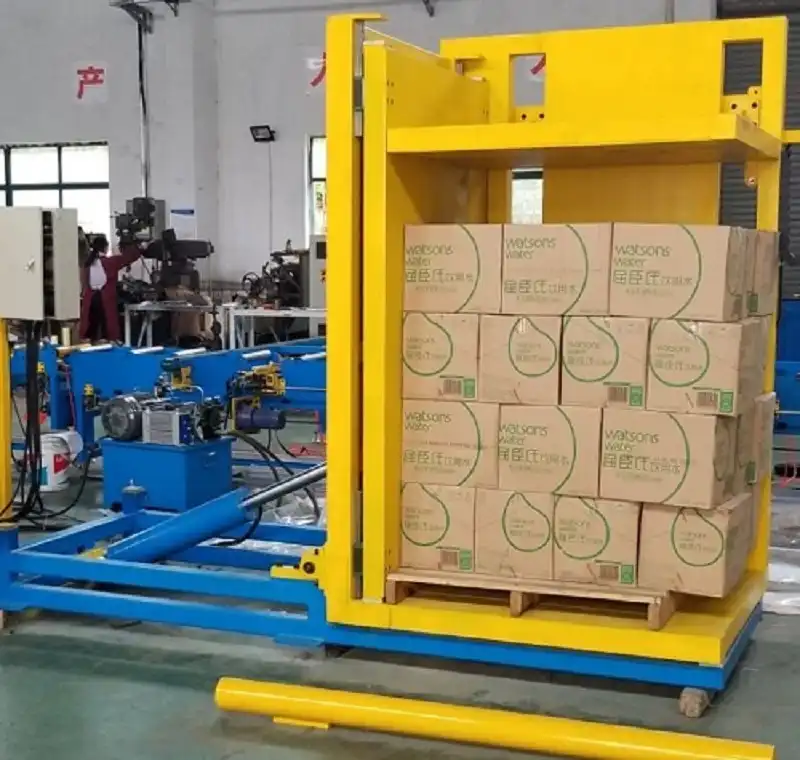
The need for these machines goes beyond just efficiency. It is about staying competitive. Indian businesses must adapt quickly to global trade demands. They must also protect their most valuable asset: their people. My own journey showed me that smart investments in machinery pay off. They give you a sustainable edge. Let’s look closer at the specific reasons behind this growing need. (competitive manufacturing solutions)
-
1. Adapting to Global Pallet Standards
- India’s factories are increasingly connected to global supply chains. This means products often need to move on different types of pallets. For example, local logistics might use one standard, but international shipping might require another. Manually transferring goods from one pallet type to another is a huge bottleneck. It takes a lot of time and labor. This process also increases the chance of product damage.
- Carlos, a logistics manager in Spain, deals with this daily. He needs to switch between Euro pallets and American pallets. He knows how quickly delays can lead to penalties. Pallet changing machines solve this problem directly. They allow quick, automated transitions between different pallet sizes and materials, like wood or plastic. This ensures smooth operations for both domestic and international shipments. It keeps products moving without interruption. (international logistics compliance)
-
2. Addressing Labor Shortages and Rising Costs
- Finding skilled labor for warehouse tasks is getting harder. In India, like many other places, young people often prefer less physically demanding jobs. The cost of labor is also going up. Relying on manual labor for heavy lifting and pallet transfers is becoming unsustainable. It is costly and inefficient.
- Pallet changing machines reduce the need for constant manual intervention. One machine can do the work of several people. This frees up staff to focus on more complex tasks. It means fewer employees are needed for repetitive, heavy work. This leads to significant long-term savings on wages and training. It also helps manage workforce fluctuations better. (warehouse automation benefits)
-
3. Enhancing Workplace Safety
- Manual pallet handling carries serious safety risks. Workers can suffer back injuries, crushed limbs, or accidents from falling goods. Carlos mentioned several incidents in his warehouse. These accidents lead to medical costs, lost work time, and potential legal issues. Worker safety is not just a moral duty; it is also a business imperative.
- Pallet changing machines largely remove humans from dangerous tasks. They handle heavy loads mechanically. This lowers the risk of accidents and injuries. It creates a much safer working environment. When I started FHOPEPACK, worker safety was always a top priority. Investing in safe machinery shows you care about your team. It also reduces insurance premiums and boosts employee morale. (industrial safety equipment)
How Do Pallet Changing Machines Drive Efficiency in Indian Material Handling?
Are you still relying on manual labor for pallet transfers? If so, you are likely losing precious time and money every day. Manual processes are slow. They create bottlenecks in your material flow. This impacts your whole supply chain. It prevents you from meeting tight delivery schedules. (slow material handling)
Pallet changing machines drive efficiency in Indian material handling by automating and speeding up the pallet transfer process, reducing manual labor, minimizing product damage, and improving overall throughput. These machines ensure a continuous flow of goods, critical for high-volume operations, and enable faster turnaround times for shipments. (automated logistics solutions)
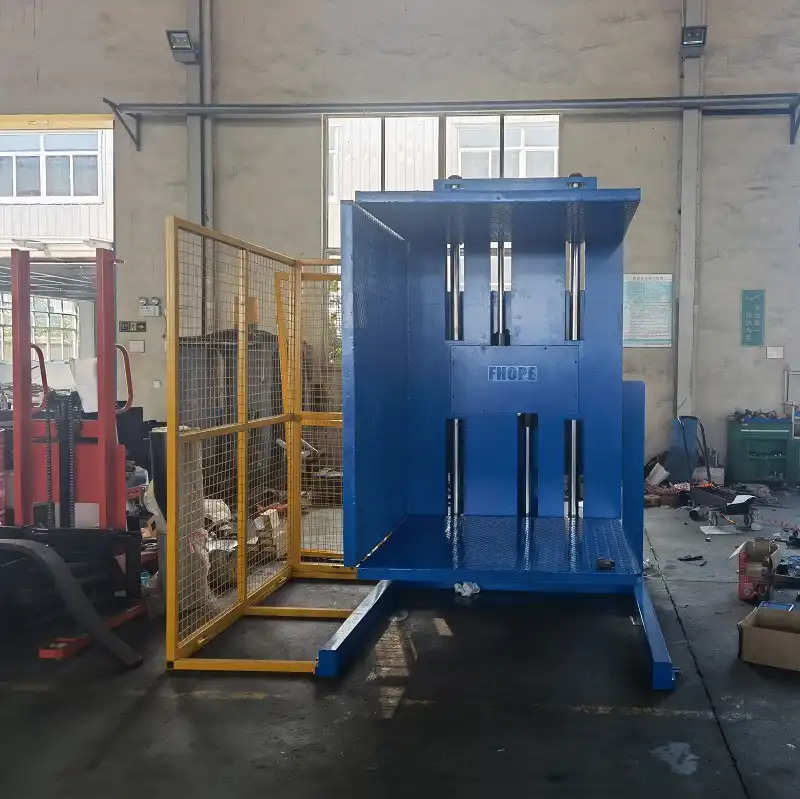
Efficiency is not just about speed. It is also about consistency and reliability. Every time I helped a client grow their business, we focused on making their operations smoother. This often involved upgrading their equipment. For Indian factories, increasing efficiency means a stronger position in the market. Let’s explore how these machines deliver that efficiency. (operational efficiency improvements)
-
1. Streamlined Pallet Transfer Process
- Manual pallet switching is a multi-step, labor-intensive job. It often requires forklifts, several workers, and multiple movements. This takes a lot of time and coordination. Any small mistake can cause delays. Pallet changing machines automate this entire process. They can transfer goods from one pallet to another quickly and smoothly.
- For example, an automatic pallet changer from FHOPEPACK can complete a pallet swap in just seconds. This removes the need for manual handling. It eliminates waiting times for forklifts and operators. The automated process ensures a consistent speed. It also reduces human error, making the material flow more predictable and reliable. (streamlined warehouse operations)
-
2. Reduced Manual Labor and Operating Costs
- Labor is a significant operating cost for any factory. As mentioned before, finding and retaining staff for strenuous tasks is challenging. Manual pallet handling also uses up valuable employee time. This time could be better spent on other, more value-adding activities.
- By automating pallet changes, businesses can significantly reduce their labor dependency. This means fewer workers are needed for this specific task. It lowers overall wage expenses. It also reduces costs related to training, benefits, and workplace injuries. The energy consumption of these machines is usually optimized. This further contributes to lower operating costs in the long run. (cost-effective automation)
-
3. Minimized Product Damage and Enhanced Throughput
- Every manual handling step increases the risk of product damage. Dropped goods, impacts during transfers, or unstable stacks can lead to costly losses. This is especially true for fragile or high-value items. When products are damaged, it affects your bottom line and customer satisfaction.
- Pallet changing machines handle goods gently and precisely. They use hydraulic or mechanical systems to secure loads during the transfer. This drastically reduces the risk of damage. Faster and safer transfers also mean higher throughput. You can process more pallets in less time. This helps meet tight delivery schedules. It also improves overall productivity. For businesses like the one Carlos manages, this means fewer penalties and happier customers. (damage prevention logistics)
What Role Do Pallet Changers Play in Enhancing Safety Standards in India?
Are you worried about worker safety in your warehouse? Manual handling of heavy pallets is one of the biggest safety risks. Accidents can lead to serious injuries, lost workdays, and expensive compensation claims. This impacts both your employees and your company’s reputation. (warehouse accident prevention)
Pallet changers play a crucial role in enhancing safety standards in India by eliminating manual intervention in heavy load transfers, significantly reducing the risk of musculoskeletal injuries, crushed limbs, and falling object accidents. They provide a controlled, mechanical process that safeguards workers and ensures compliance with occupational safety regulations. (occupational safety improvements)
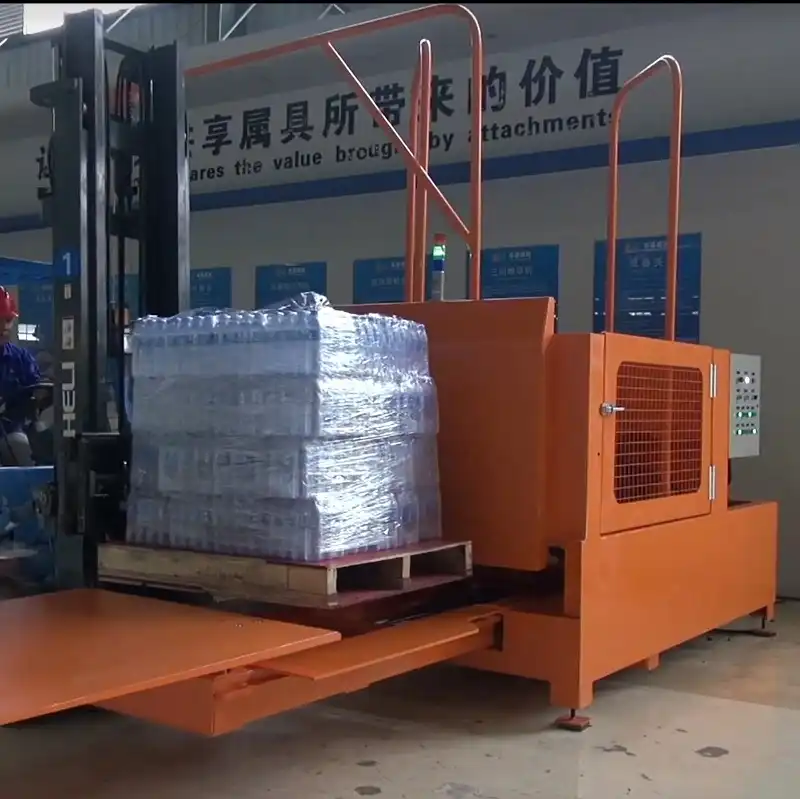
Safety has always been non-negotiable for me. When I built my factory, I made sure every machine helped protect our team. It is not just about avoiding fines; it is about creating a secure environment where people feel valued. For Indian factories, a strong safety record also builds trust with international partners. Let’s see how these machines contribute to a safer workplace. (worker protection technology)
-
1. Eliminating Manual Handling of Heavy Loads
- The primary cause of injuries in pallet handling is the manual movement of heavy items. Workers often strain their backs, shoulders, or knees trying to lift or adjust pallets. The weight of goods, combined with awkward positions, makes it a high-risk activity. Even with training, human limits can lead to accidents.
- Pallet changing machines remove this danger completely. They use powerful hydraulics or motors to lift, tilt, and transfer entire pallet loads. Workers no longer need to physically interact with heavy goods. This eliminates direct contact with the most dangerous part of the process. It is a simple yet powerful way to prevent common industrial injuries. (heavy load safety)
-
2. Reducing the Risk of Falling Goods and Unstable Loads
- When pallets are handled manually, especially during transfers or stacking, there is always a risk of goods shifting or falling. An unstable stack can collapse. This can cause serious injury to workers nearby. It can also damage valuable inventory. Human error or fatigue can make this risk even higher.
- Pallet changers securely hold the entire load during the transfer process. They ensure stability. Whether it is a full pallet inversion or a simple pallet swap, the goods remain clamped or supported. This prevents items from dislodging or falling. Machines like FHOPEPACK’s pallet inverters are designed with safety features to keep the load steady. This creates a much safer zone for everyone in the area. (load stability solutions)
-
3. Compliance with Safety Regulations and Insurance Benefits
- Governments around the world have strict rules for workplace safety. India is no exception. Non-compliance can lead to heavy fines, legal actions, and even operational shutdowns. A high rate of accidents can also increase insurance premiums. This adds to your operational costs.
- By investing in automated pallet changing systems, factories show a commitment to upholding safety standards. This helps them meet regulatory requirements. It can also lead to lower insurance costs over time, as the risk of workplace injuries decreases. A safer workplace also improves employee morale and retention. This is a win-win for everyone involved. (safety compliance technology)
Which Pallet Changer Solutions Fit the Diverse Needs of Indian Industries?
Are you wondering which type of pallet changer is right for your specific operation? India’s industries are incredibly diverse. A food processing plant has different needs than a logistics hub or a manufacturing unit. One-size-fits-all solutions rarely work. You need a machine that truly understands your challenges. (customized material handling)
The diverse needs of Indian industries can be met by various pallet changer solutions, including stationary pallet inverters, mobile pallet exchangers, and automatic inline systems, each designed to address specific operational requirements such as load capacity, desired automation level, and available space. Choosing the right machine from suppliers like FHOPEPACK ensures optimal efficiency and safety for unique factory environments. (industrial pallet handling solutions)
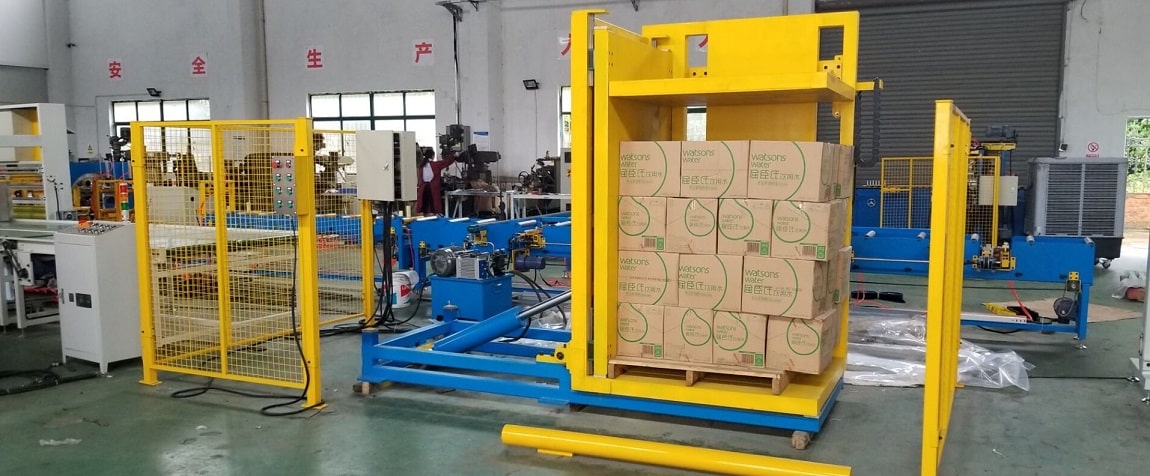
My experience with FHOPEPACK has taught me that customization is key. Every factory has unique bottlenecks and requirements. You need a partner who listens and offers flexible options. Carlos, for instance, needs reliability and adaptability. Let’s look at some common types of pallet changing machines and what they offer. (tailored automation solutions)
-
1. Stationary Pallet Inverters and Exchangers
- These machines are fixed in one location within your facility. They are ideal for operations with a consistent, high volume of pallet transfers in a dedicated area. They offer robust performance and can handle very heavy loads.
- Examples and Applications:
- FHOPEPACK Fixed Pallet Inverter: This type of machine can turn a pallet over by 180 degrees. It is perfect for replacing broken pallets or transferring goods from wooden pallets to hygienic plastic pallets. Imagine a food processing factory needing to move products from delivery pallets to clean, in-house pallets. This machine does it fast and safely. It also works well for transferring goods from slip sheets to pallets.
- SHJLPACK Pallet Exchanger (90-degree or 180-degree): These machines gently transfer products from one pallet to another without turning the load upside down. They are useful for stable goods or when you need to simply swap a pallet beneath a stack. They are often used in pharmaceutical or consumer goods industries where product integrity is crucial. (high-volume pallet solutions)
-
2. Mobile and Free-Standing Pallet Changers
- For operations that need more flexibility, mobile pallet changers are an excellent choice. These machines can be moved to different parts of the warehouse. They do not require a fixed installation. They are often ideal for smaller operations or for specific tasks that do not happen continuously in one spot.
- Examples and Applications:
- FHOPEPACK Mobile Pallet Changer: These machines can be moved using a forklift or pallet jack. They offer great versatility for companies with dynamic layouts or various storage zones. If you have different areas where pallet swaps are needed at different times, a mobile unit avoids the need for multiple fixed installations. This is great for growing businesses that might need to reorganize their space often.
- SHJLPACK Free-Standing Pallet Changer: These units offer a compact footprint. They are easy to install and operate. They are perfect for businesses with limited space that still need the benefits of automation. They are a good entry point for companies looking to automate without a large capital outlay for a complex system. (flexible warehouse equipment)
-
3. Fully Automatic Inline Pallet Changing Systems
- For the highest level of automation and integration, fully automatic inline systems are the way to go. These machines are integrated directly into a production or logistics line. They work without human supervision. They are perfect for large-scale operations aiming for maximum throughput and minimal human error.
- Examples and Applications:
- FHOPEPACK Automatic Pallet Transfer System: This system can be part of a conveyor line. It automatically detects incoming pallets, performs the swap, and sends the goods to the next stage. It is ideal for major distribution centers or large manufacturing plants. These systems can handle thousands of pallet changes per day. They ensure a seamless, continuous flow of products.
- SHJLPACK Integrated Pallet Management System: These are comprehensive solutions. They combine pallet changing with other tasks like weighing, labeling, or wrapping. They provide a complete end-to-end automated solution. This is suited for complex operations that demand high efficiency and integration. (integrated automation systems)








