
How to Safely Unpack Steel Coils in a Warehouse Environment
Are you facing challenges with steel coil unpacking in your warehouse? Improper handling can lead to significant safety hazards, material damage, and operational delays. But what if you could transform this risky process into a streamlined, safe, and efficient operation? Discover the essential steps to unpack steel coils safely and optimize your warehouse environment.
Unpacking steel coils safely in a warehouse environment involves using proper equipment such as cranes and forklifts with coil attachments, ensuring employees wear PPE, following a step-by-step procedure that includes inspection and secure handling, and maintaining a well-organized and safe storage area. This prevents injuries, material damage, and operational inefficiencies.
This guide will walk you through each critical stage of steel coil unpacking, from equipment selection to safety protocols, ensuring your warehouse operations are both safe and productive. Let’s uncoil the secrets to a safer warehouse together.
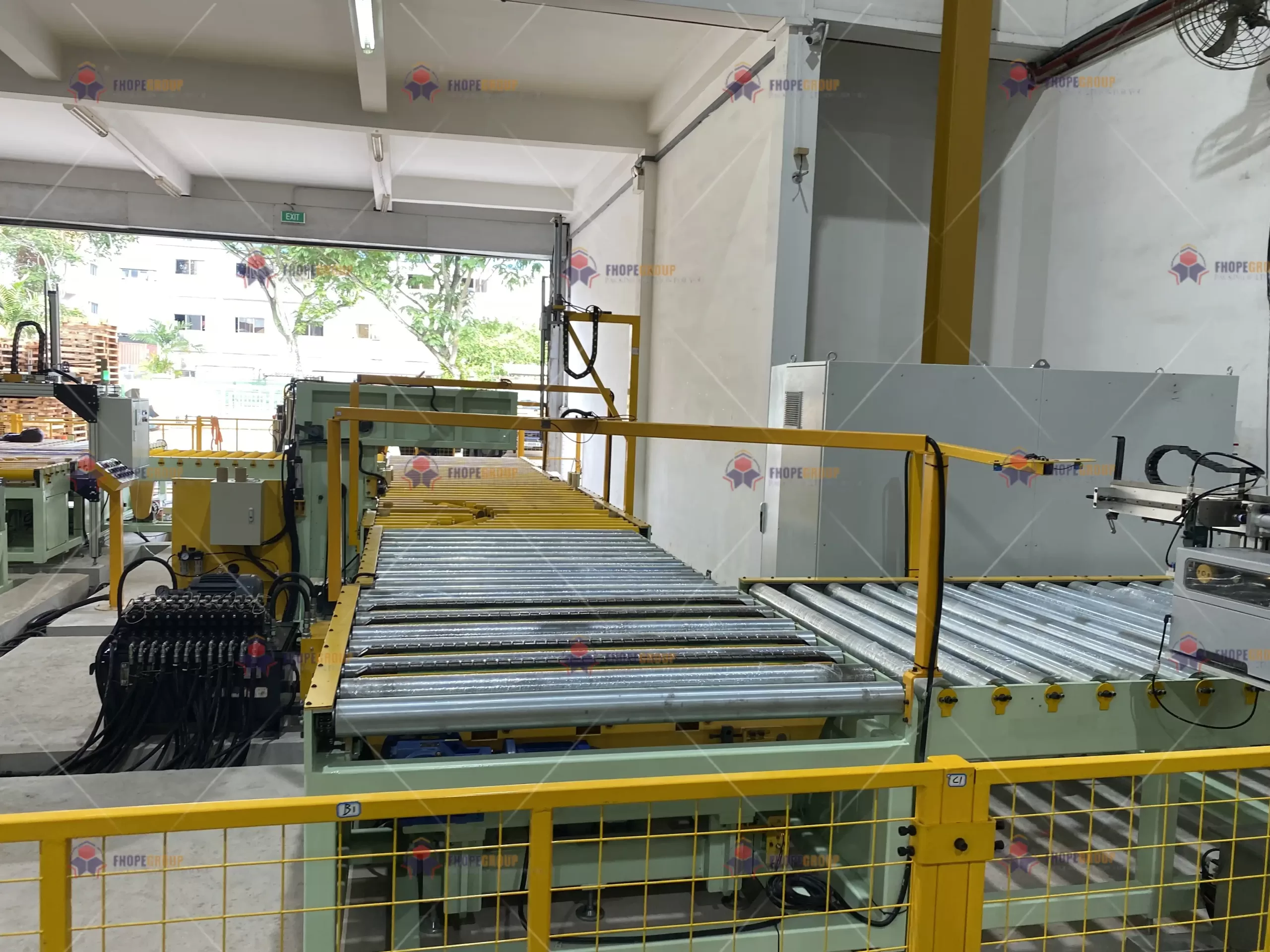
Equipment Selection for Safe and Efficient Coil Unpacking
Unpacking steel coils is not just about brute strength; it’s about smart equipment choices. Imagine trying to handle tons of steel with inadequate tools – a recipe for disaster! Selecting the right equipment is the cornerstone of safe and efficient steel coil unpacking.
Choosing the correct equipment for unpacking steel coils is crucial for safety and efficiency. Essential equipment includes overhead cranes, forklifts with coil rams or C-hooks, coil lifters, and appropriate slings and chains. Each piece of equipment should be rated for the coil’s weight and dimensions, and regularly inspected to ensure safe operation. Proper equipment minimizes the risk of accidents, damage to coils, and injuries to warehouse personnel.
To ensure smooth and safe operations, let’s delve into the specifics of equipment tailored for steel coil unpacking.
Types of Equipment for Steel Coil Unpacking
Selecting the right equipment depends on coil size, warehouse layout, and operational volume. Here’s a breakdown of essential equipment:
| Equipment Type | Description | Advantages | Considerations |
|---|---|---|---|
| Overhead Cranes | Used for lifting and moving heavy coils, often in larger facilities. | High lifting capacity, precise control, suitable for vertical and horizontal lifts. | Requires significant overhead space, fixed path, higher initial investment. |
| Forklifts with Coil Rams | Forklifts equipped with a ram (pole) to insert into the coil’s eye. | Versatile, mobile, good for horizontal coils. | Can damage coil edges if not used carefully, capacity limitations based on forklift. |
| Forklifts with C-hooks | Forklifts with a hook attachment to lift coils from the top. | Good for vertical coils, stable lifting. | Requires vertical coil orientation, hook must be properly sized for the coil. |
| Coil Lifters (Tongs/Grabs) | Specialized lifters designed to grip coils securely. | Secure grip, reduces risk of slippage, various designs for different coil orientations. | Can be more expensive, may require specific training for operation. |
| Slings and Chains | Used with cranes or forklifts for lifting coils, often with spreaders for stability. | Flexible, can be used in various configurations. | Requires careful selection of load rating, proper rigging techniques essential. |
Choosing the right equipment mix will significantly enhance both the safety and speed of your steel coil unpacking process.
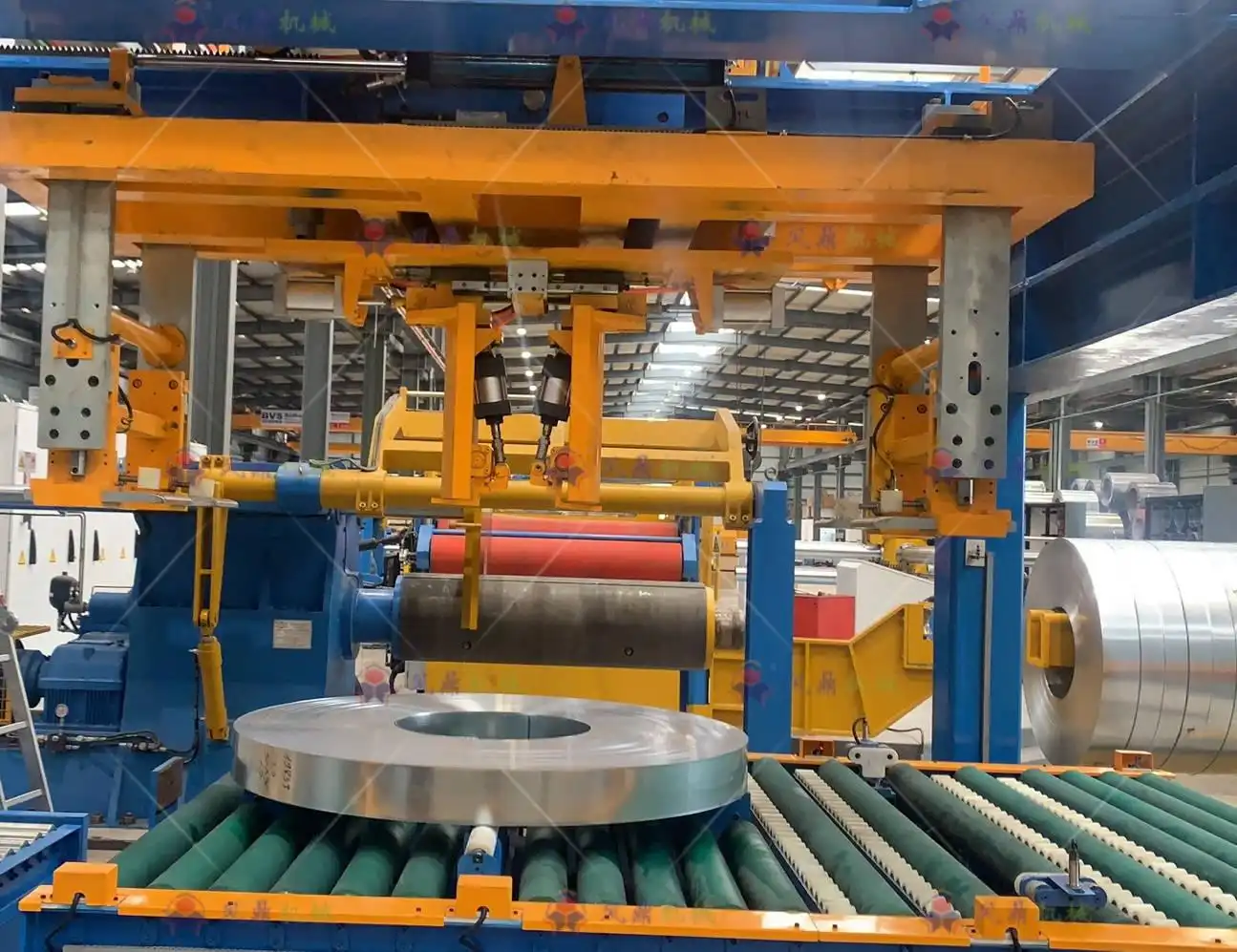
Step-by-Step Procedure for Unpacking Steel Coils
Now that you’re equipped with the right tools, let’s walk through the unpacking process itself. Imagine the tension as you prepare to release tons of coiled steel – precision and procedure are your best allies! A well-defined, step-by-step procedure is vital to mitigate risks and ensure a smooth operation.
A step-by-step procedure for unpacking steel coils begins with a pre-unpacking inspection of the coil and surrounding area. It includes using proper lifting equipment to carefully remove banding or wrapping, ensuring the coil is stable before fully releasing it, and then safely transferring the coil to its designated storage or processing location. Following a detailed procedure minimizes handling errors and enhances overall warehouse safety.
Let’s break down each step to ensure every coil is unpacked with maximum safety and efficiency.
-
Pre-Unpacking Inspection:
- Coil Condition: Check the coil for any visible damage during transit, such as dents, rust, or loose banding. Document any issues immediately.
- Surrounding Area: Ensure the unpacking zone is clear of obstructions, personnel, and non-essential equipment. The floor should be level and capable of supporting the coil’s weight.
- Equipment Check: Verify that the selected lifting equipment (crane, forklift, lifter) is in good working order, inspected recently, and rated for the coil’s weight. Confirm attachments like coil rams or C-hooks are securely fastened.
-
Initial Banding/Wrapping Removal (Partial):
- Safety First: Personnel involved must wear appropriate PPE, including safety glasses, gloves, and steel-toed boots.
- Partial Removal: Only remove enough banding or wrapping to safely attach lifting equipment. Do not remove all restraints at once as this can cause the coil to unwind unexpectedly. Focus on the top or accessible sections first.
- Tool Use: Use appropriate cutting tools for banding (band cutters) and wrapping (safety knives) to avoid injury. Never use excessive force.
-
Attaching Lifting Equipment:
- Secure Attachment: Carefully attach the selected lifting equipment (e.g., C-hook, coil ram, slings) to the coil. Ensure a firm and balanced grip. For horizontal coils using a coil ram, insert the ram fully into the coil’s eye. For vertical coils with C-hooks, ensure the hook is centered and securely positioned.
- Test Lift: Before fully lifting, perform a test lift just a few inches off the ground. Check for balance, secure attachment, and equipment stability. Make adjustments if necessary.
-
Complete Banding/Wrapping Removal:
- Controlled Removal: Once the coil is securely lifted and stable during the test lift, carefully remove the remaining banding and wrapping. Ensure no personnel are in the immediate vicinity during this process in case of unexpected unwinding.
- Waste Disposal: Dispose of banding and wrapping materials safely and promptly to prevent tripping hazards.
-
Coil Transfer and Placement:
- Smooth Movement: Move the coil slowly and smoothly to its designated storage or processing area. Avoid sudden stops, starts, or swinging motions.
- Controlled Lowering: Lower the coil gently into its designated position. For vertical storage, ensure it is placed on a stable base or in a rack designed for vertical coil storage. For horizontal storage, use chocks or blocks to prevent rolling.
- Equipment Detachment: Once the coil is securely placed, carefully detach the lifting equipment. Ensure the coil remains stable after detachment.
-
Post-Unpacking Inspection:
- Coil Integrity: Briefly inspect the coil again after unpacking for any damage that may have occurred during the process.
- Area Cleanup: Ensure the unpacking area is clean and free of any debris, tools, or materials.
By meticulously following these steps, you can significantly reduce the risks associated with steel coil unpacking and maintain a safer warehouse environment.
Safety Protocols and Training for Coil Unpacking
Safety isn’t just a priority; it’s the foundation of efficient warehouse operations. Imagine a warehouse where every employee is a safety champion – that’s the power of robust safety protocols and comprehensive training. Implementing stringent safety protocols and providing thorough training are non-negotiable for steel coil unpacking.
Safety protocols for steel coil unpacking must include mandatory PPE for all personnel, comprehensive training on equipment operation and safe lifting techniques, clearly marked hazard zones, regular safety audits, and emergency response plans. Training should cover risk assessment, proper handling procedures, and equipment-specific safety guidelines. Robust safety measures are essential to prevent accidents, injuries, and ensure a secure working environment.
Let’s detail the critical safety protocols and training components that will safeguard your warehouse and workforce.
Essential Safety Protocols and Training Components
Effective safety protocols and training are multifaceted, covering various aspects of warehouse operations. Here are key components:
| Protocol/Training Area | Description | Importance | Implementation Steps |
|---|---|---|---|
| Personal Protective Equipment (PPE) | Mandate the use of safety glasses, gloves (cut-resistant and grip-enhancing), steel-toed boots, hard hats, and high-visibility vests. | Protects workers from common warehouse injuries: impacts, cuts, crushes, and improves visibility. | 1. Conduct a PPE hazard assessment. 2. Provide PPE free of charge. 3. Enforce mandatory PPE usage through training and supervision. 4. Regularly inspect and replace worn or damaged PPE. |
| Equipment Operation Training | Comprehensive training on the safe operation of cranes, forklifts, coil lifters, and attachments. | Ensures operators are competent, reduces equipment misuse, and prevents accidents caused by improper operation. | 1. Certified trainers. 2. Hands-on training and practical exams. 3. Equipment-specific manuals and guidelines. 4. Regular refresher courses and updates on new equipment or procedures. 5. Document all training and certifications. |
| Safe Lifting Techniques | Training on proper lifting and rigging techniques, load balancing, and avoiding overloading equipment. | Minimizes risks associated with lifting heavy and unwieldy coils, prevents equipment failure and material damage. | 1. Training modules on load weight estimation, center of gravity, and safe rigging practices. 2. Demonstrations and supervised practice lifts. 3. Emphasize slow, controlled movements and communication between lifting teams. 4. Regular safety briefings before complex lifts. |
| Hazard Zone Marking | Clearly mark unpacking and coil storage areas as hazard zones with signage, floor markings, and barriers. | Alerts personnel to potential dangers, restricts unauthorized access, and guides safe movement within the warehouse. | 1. Identify high-risk areas. 2. Install clear and visible signage (warning symbols, text in multiple languages if needed). 3. Use floor tape or paint to delineate safe pathways and no-go zones. 4. Regularly inspect and maintain markings and barriers. |
| Emergency Response Plan | Establish and communicate emergency procedures for accidents, equipment malfunctions, or coil instability. Include evacuation routes and first aid protocols. | Ensures quick and effective response in emergencies, minimizes injury severity, and reduces potential damage. | 1. Develop a written emergency response plan. 2. Post emergency contact numbers and evacuation routes. 3. Conduct regular drills (fire, evacuation, first aid). 4. Train personnel on first aid and emergency procedures. 5. Maintain readily accessible first aid kits and fire extinguishers. |
By diligently implementing these safety protocols and providing continuous training, you create a safety-conscious culture and significantly reduce the likelihood of accidents during steel coil unpacking.
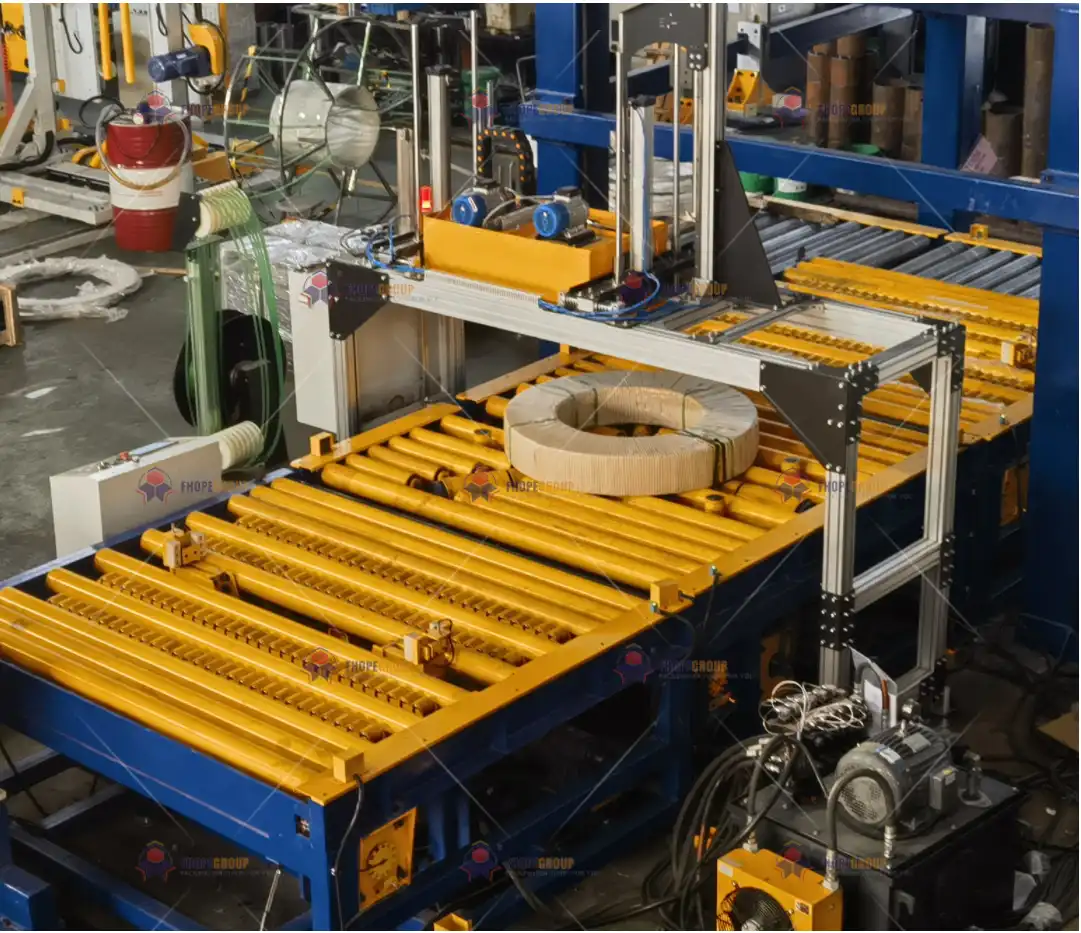
Maintaining Coil Integrity During Unpacking
Beyond safety, preserving the quality of steel coils is paramount. Imagine delivering damaged coils to your production line – a costly setback! Maintaining coil integrity during unpacking is crucial to prevent material waste and ensure product quality.
Maintaining steel coil integrity during unpacking involves careful handling to avoid physical damage such as dents, scratches, and edge damage. It requires using appropriate lifting techniques and equipment to prevent coils from dropping or being mishandled, and ensuring coils are placed on protective surfaces to avoid ground contact. Protecting coils from damage during unpacking ensures material quality and reduces waste.
Let’s explore the best practices to ensure your steel coils remain in pristine condition throughout the unpacking process.
- Gentle Handling: Treat steel coils with care at every stage of unpacking. Avoid sudden drops, impacts, or dragging coils across rough surfaces. Rough handling can lead to deformations, scratches, and edge damage, compromising the coil’s quality.
- Proper Lifting Techniques: Always lift coils from their core or designated lifting points using appropriate equipment. Avoid applying excessive pressure on the outer edges, which can cause bending or distortion. Ensure balanced lifting to prevent coils from tilting and potentially falling.
- Surface Protection: When placing coils down, whether temporarily or in storage, ensure the surface is clean and preferably padded or protected. Avoid placing coils directly on concrete or abrasive floors. Use wooden skids, pallets, or rubber mats to cushion the coils and prevent scratches or ground contamination.
- Environmental Control: While unpacking, protect coils from adverse weather conditions, especially moisture. If unpacking must occur outdoors, do so under cover or in dry conditions to prevent rust formation, particularly on cut edges. If coils get wet, dry them promptly and thoroughly within 72 hours to prevent corrosion.
- Regular Inspections: Conduct visual inspections of coils before, during, and after unpacking. Identify and document any existing or newly возникшие damage immediately. Addressing minor damages early can prevent them from escalating into significant quality issues.
- Trained Personnel: Ensure that all personnel involved in coil unpacking are thoroughly trained not only in safety procedures but also in best practices for handling steel coils to minimize damage. Emphasize the importance of careful handling and its direct impact on material quality and cost-effectiveness.
By focusing on these practices, you can significantly reduce the risk of damaging steel coils during unpacking, preserving their integrity and ensuring they are ready for production in optimal condition.
Conclusion
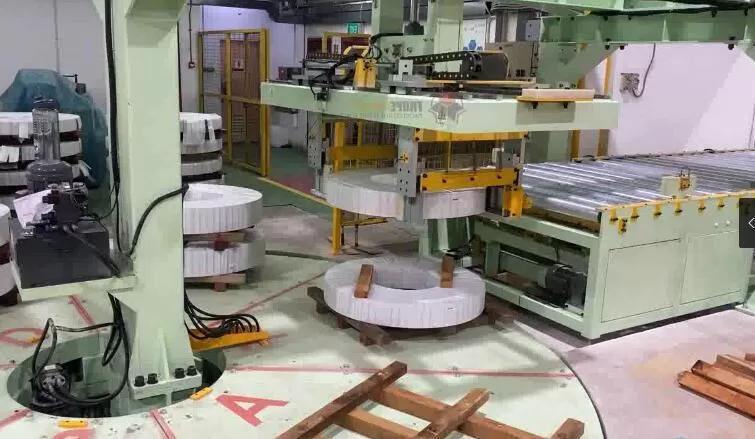
Safe steel coil unpacking in a warehouse environment is a multifaceted operation that demands careful planning, the right equipment, rigorous safety protocols, and a commitment to maintaining material integrity. By prioritizing these elements, businesses can transform a potentially hazardous process into an efficient and safe workflow, minimizing risks, preventing material damage, and boosting overall productivity. Investing in proper equipment, comprehensive training, and robust safety measures is not just a cost; it’s a strategic investment in operational excellence and workforce well-being. Embracing automation in coil handling systems can further enhance safety and efficiency, streamlining processes and reducing manual intervention. For advanced solutions in coil handling and automation, explore coil packing line to discover how to optimize your warehouse operations and ensure a safer, more productive future.








