
How to Safely Transport Steel Coils with Forklifts and Manual Handling
Handling steel coils can feel like navigating a minefield. One wrong move and you’re facing serious risks – to your team, your equipment, and the valuable material itself. Are you truly confident that your current procedures are up to par, ensuring every lift and shift is as safe as it can be?
Safely transporting steel coils using forklifts and manual handling requires a comprehensive approach. This involves rigorous safety checks, proper equipment operation, and adherence to best practices to minimize the inherent dangers. From pre-loading inspections to secure unloading and storage, every step must prioritize safety to prevent accidents and ensure a secure working environment.
This guide will walk you through each critical stage of steel coil transport, providing actionable insights and best practices to enhance safety and efficiency in your operations.
Safety Preparations and Measures Before Handling Steel Coils
The weight and unwieldy nature of steel coils demand meticulous preparation before any handling begins. Ignoring pre-handling safety measures is akin to skipping vital steps in any high-stakes operation – it drastically increases the risk of accidents and injuries. Are you fully equipped to preemptively address potential hazards in your steel coil handling process?
Before handling steel coils, a series of critical safety preparations are necessary. This includes thorough equipment inspection, ensuring appropriate PPE is worn, and meticulously checking the coils themselves for any defects. These proactive measures are crucial for minimizing risks and establishing a safe operational foundation. Neglecting these steps can lead to equipment malfunction, personal injury, and material damage, underscoring the importance of diligent pre-handling protocols.

Equipment Selection, Inspection, and Personal Protective Equipment (PPE)
Selecting the right forklift and attachments is paramount for safe steel coil handling. The forklift’s capacity must exceed the weight of the coils to prevent overloading and instability. Regular, thorough inspections of forklifts and attachments are non-negotiable to identify and rectify any potential malfunctions before they escalate into hazards. Equally important is the use of appropriate Personal Protective Equipment (PPE) by all personnel involved in the handling process. PPE acts as the last line of defense against potential injuries from dropped coils, sharp edges, or equipment failure.
To ensure operational safety, consider these key aspects of equipment and PPE:
Forklift and Attachment Suitability:
- Capacity Matching: Always verify that the forklift’s rated lifting capacity is significantly greater than the maximum weight of the steel coils to be handled. Refer to the forklift’s load capacity chart, which typically is located on the equipment itself.
- Attachment Integrity: For coil handling, specialized attachments like coil rams or coil platforms are essential. Inspect these attachments for cracks, wear, and secure locking mechanisms before each use. Ensure attachments are correctly mounted and compatible with the forklift model.
- Fork Condition: If using standard forks (less recommended for coils but sometimes necessary for palletized coils), inspect for bends, cracks, and proper locking pin engagement. Forks should be of sufficient length to fully support the coil load to prevent tipping or slippage.
Pre-Operation Forklift Inspection Checklist:
| Inspection Area | Item to Check | Action if Issue Found |
|---|---|---|
| Tires | Pressure, cuts, wear | Inflate to recommended PSI, replace damaged tires |
| Forks/Attachment | Cracks, bends, locking pins, secure mounting | Repair/replace forks/attachment, ensure secure mounting |
| Hydraulic System | Leaks, hose condition, fluid levels | Repair leaks, replace hoses, top off fluid |
| Controls | Steering, brakes, lift/tilt functions, horn, alarms | Repair malfunctioning controls |
| Safety Devices | Seat belt, lights, backup alarm, emergency brake | Repair/replace faulty safety devices |
| Fluid Levels | Engine oil, coolant, hydraulic fluid, fuel | Top off fluids as needed |
| Battery/Fuel | Charge level, fuel level | Charge battery, refuel |
| Overall Condition | Visible damage, unusual noises | Investigate and repair any damage or unusual noises |
Personal Protective Equipment (PPE) Requirements:
- Hard Hats: ANSI Z89.1 certified hard hats are crucial to protect against head injuries from falling objects or accidental impacts. Ensure proper fit and adjust suspension as needed.
- Safety Glasses or Face Shields: ANSI Z87.1 certified eye protection is mandatory to shield against flying debris, metal splinters, and dust. Face shields offer additional protection, especially during strapping or cutting operations.
- Cut-Resistant Gloves: Heavy-duty gloves with a high ANSI cut level rating (A5 or higher) are essential to protect hands from sharp coil edges and strapping. Kevlar or similar reinforced gloves are recommended for superior cut and abrasion resistance.
- Steel-Toe Boots: ASTM F2413-18 compliant steel-toe boots protect feet from crushing injuries if coils shift or fall. Slip-resistant soles are vital to prevent slips on potentially oily or uneven surfaces.
- High-Visibility Vest: ANSI Class 2 or 3 high-visibility vests enhance worker visibility, especially in busy warehouse environments or low-light conditions, reducing the risk of forklift collisions or being struck by moving equipment.
- Hearing Protection: In environments with prolonged exposure to noise levels above 85 dB (common in coil processing areas), OSHA-compliant hearing protection (earplugs or earmuffs) is necessary to prevent hearing damage.
- Appropriate Clothing: Wear sturdy, non-loose fitting clothing to avoid entanglement with machinery or coils. Long sleeves and pants offer additional skin protection.
By meticulously selecting and inspecting equipment and mandating the consistent use of appropriate PPE, you create a safer environment for steel coil handling, significantly reducing the likelihood of accidents and injuries.
Safe Handling Practices During Steel Coil Transport
Once preparations are complete, the execution of safe handling practices is paramount during the actual transport process. Improper handling can negate all prior safety measures, leading to catastrophic consequences. Are your operators thoroughly trained in the nuances of safe coil handling to prevent common errors that lead to accidents?
Safe handling practices for transporting steel coils involve a combination of techniques to maintain stability, prevent overloading, and ensure secure movement. This includes avoiding overloading forklifts, implementing proper stacking procedures, securing coils during transport, and strictly avoiding hazardous practices. Adhering to these guidelines is critical for preventing accidents, protecting personnel, and preserving the integrity of the steel coils.

Detailed Handling Procedures for Steel Coils
Safe handling goes beyond just having the right equipment; it’s about implementing a culture of safety through consistent practices and operator training. From the moment a coil is lifted until it’s securely placed in its designated location, every movement must be deliberate and in line with established safety protocols.
Here’s a breakdown of critical safe handling procedures:
Avoiding Overloading and Ensuring Proper Stacking:
- Forklift Capacity Limits: Never exceed the forklift’s rated lifting capacity. Overloading is a primary cause of forklift tip-overs and loss of control. Always refer to the forklift’s load capacity plate and consider the load center distance, which affects capacity.
- Weight Distribution: Ensure the coil load is evenly distributed on the forks or attachment. Unevenly distributed loads can create instability and increase the risk of tipping.
- Stacking Order: When stacking coils, always place the heaviest coils at the bottom and progressively lighter coils on top. This maintains a lower center of gravity, enhancing stack stability. Avoid stacking coils too high, as this can also lead to instability.
- Stacking Surface: Ensure the storage area floor is level and capable of supporting the combined weight of stacked coils. Uneven or weak flooring can cause stacks to collapse.
Securing Coils During Transport:
- Coil Racks and Cradles: Utilize specialized coil racks or cradles whenever possible. These devices are designed to securely hold coils and prevent rolling or shifting during transport.
- Strapping and Chains: Use heavy-duty straps or chains with appropriate weight ratings to secure coils, especially on forklifts without specialized attachments or during longer transport distances. Follow manufacturer guidelines for strap/chain application and tensioning.
- Dunnage and Chocks: Employ dunnage (wood blocks) and wheel chocks to further stabilize coils, particularly when transporting eye-to-side coils or when additional security is needed. Beveled dunnage is specifically designed to cradle and secure round objects like coils.
- Regular Checks: For longer transport routes within a facility, periodically check the coil securement devices (straps, chains) to ensure they remain taut and effective. Vibration and movement can sometimes loosen securing devices.
Avoiding Hazardous Practices:
- No Manual Pushing of Balanced Coils: Never attempt to manually push or maneuver a dangerously balanced coil. This is extremely hazardous and can easily lead to loss of control and serious injury. Use forklifts or appropriate lifting equipment for all coil movements.
- Avoid Fork Tip Lifting/Pushing: Do not use the tips of forklift forks to lift or push coils. Forks are designed to lift with the load bearing against the heel of the fork. Tip loading can damage the forks, destabilize the load, and cause coil damage or accidents.
- Controlled Speed and Maneuvering: Operate forklifts at a slow, controlled speed, especially when transporting coils. Avoid sudden starts, stops, and sharp turns, which can destabilize the load. Reduce speed when turning corners or navigating inclines/declines.
- Clearance Awareness: Be acutely aware of overhead clearances, doorways, and pedestrian traffic. Plan transport routes to avoid obstacles and ensure sufficient clearance. Use spotters in congested areas or when visibility is limited.
- Proper Signaling: Use the forklift horn at intersections, blind corners, and when approaching pedestrians to alert others to your presence. Establish clear communication protocols in areas with multiple forklifts or pedestrian traffic.
By consistently implementing these detailed safe handling procedures and reinforcing them through regular training, facilities can significantly minimize the risks associated with steel coil transport and create a safer working environment for all personnel.
Safe Unloading and Storage of Steel Coils
The final stages of handling, unloading and storage, are just as critical as loading and transport. A lapse in safety during unloading can undo all previous precautions, leading to accidents or damage as coils are placed down. Is your team trained to maintain the same level of vigilance during unloading and storage as they do during loading and transport?
Safe unloading and storage of steel coils necessitate a continuation of stringent safety protocols. This includes properly securing the coil before unloading, correctly positioning the unloading device, carefully removing the coil, and adhering to best practices for coil storage. These steps are crucial to prevent damage during the final handling stages and ensure coils are stored safely for future use.
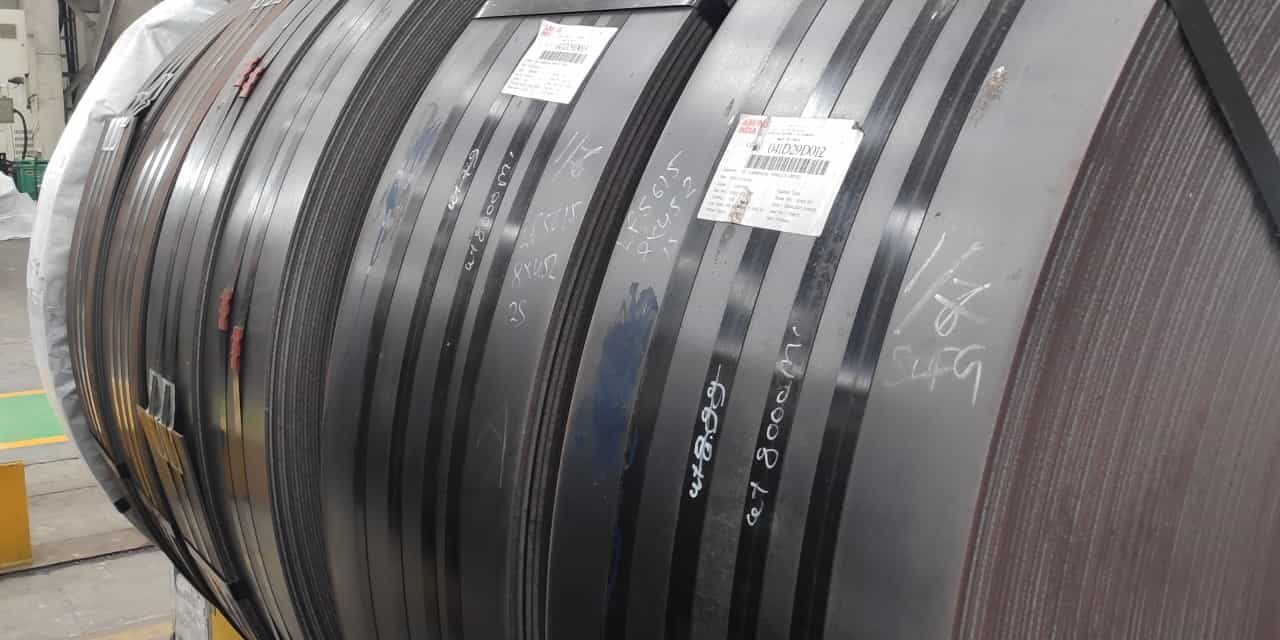
Step-by-Step Guide to Safe Unloading and Storage
Unloading and storing steel coils safely demands a methodical approach, ensuring stability and preventing potential hazards at every step. From securing the coil before detachment to choosing the right storage method, each action contributes to overall safety and material preservation.
Detailed Unloading Sequence:
-
Securing the Coil Before Unloading:
- Retaining Bands: Before initiating unloading, ensure the coil is securely held together with retaining bands. If bands are loose or damaged, re-band the coil to prevent unwinding or collapse during unloading.
- Remove Auxiliary Equipment: Detach and safely store any auxiliary equipment used for securing the coil during transport, such as clamps or additional straps, ensuring they are clear of the unloading path.
- Release Clamps Gradually: If clamps are holding the coil tail, release them slowly and cautiously. Be aware of potential spring back, especially with tightly wound coils.
-
Positioning the Unloading Device:
- Radial Alignment: Position the forklift or crane precisely, radially aligning the spindle arms or forks with the coil tail to ensure a smooth and controlled transfer.
- Controlled Approach: Approach the unloading area slowly and deliberately. Avoid sudden movements or jolts that could destabilize the coil.
- Height Adjustment: Adjust the height of the forks or spindle to match the receiving platform or storage location height, minimizing the distance the coil needs to be lowered.
-
Removing the Coil:
- Stability Check: Before fully removing support, visually inspect the coil and unloading device to confirm stability. Ensure the receiving surface is level and can support the coil’s weight.
- Spindle Contraction (if applicable): If using a spindle, slowly contract the spindle assembly to gently lower the coil weight onto the receiving platform. Control the descent speed to prevent impact damage.
- Fork Withdrawal (standard forklift): Carefully and slowly withdraw the forks from under the coil once it is securely placed. Ensure the coil remains stable as forks are removed.
Best Practices for Steel Coil Storage:
| Storage Method | Description | Advantages | Disadvantages | Best Suited For |
|---|---|---|---|---|
| Vertical (Eye-to-Sky) | Coils stand upright on their flat ends | Space-efficient, easier access to individual coils, minimizes floor contact | Requires robust racking systems, potential for top-heaviness, less stable for tall stacks | Warehouses with limited floor space, frequent access to individual coils |
| Horizontal (Eye-to-Side) | Coils laid on their side, resting on the curved edge | More stable stacking, less stress on coil bands, simpler storage setup | Requires more floor space, access to inner coils can be challenging | High-volume storage, less frequent access, coils prone to banding stress |
| Palletized | Coils secured on pallets, can be vertical or horizontal | Easier forklift handling, organized storage, protection from floor damage | Pallets add to space requirements and cost, may not be suitable for very heavy coils | Smaller coils, varied coil sizes, need for easy relocation |
General Storage Area Requirements:
- Level Surface: Storage areas must have a level, stable surface capable of bearing the maximum anticipated weight of stored coils.
- Load Capacity: Floor load capacity must be clearly marked and never exceeded. Consult structural engineers for load capacity assessments if needed.
- Environmental Control: Consider environmental factors like humidity and temperature. For coils susceptible to rust, indoor, climate-controlled storage is recommended.
- Accessibility: Ensure adequate aisle space for forklifts and personnel to safely access and retrieve coils. Maintain clear pathways and avoid clutter.
- Security: Implement security measures to prevent unauthorized access to coil storage areas.
By meticulously following these unloading and storage procedures and considering the best storage methods for specific coil types and facility needs, you can maintain a safe and organized coil handling operation from start to finish.
Training, Regulations, and Continuous Improvement in Coil Handling Safety
Sustaining a safe steel coil handling operation isn’t a one-time achievement; it requires ongoing commitment to training, adherence to regulations, and a culture of continuous improvement. Are you confident that your safety protocols are not only implemented but also consistently reinforced and updated to reflect best practices and regulatory changes?
Maintaining safety in steel coil handling demands comprehensive and regular operator training, strict adherence to relevant safety regulations, and a commitment to continuous improvement. This includes initial and refresher training courses, consistent pre-operation safety checks, and a proactive approach to identifying and mitigating potential hazards. A strong safety culture, supported by training and regulatory compliance, is the cornerstone of preventing accidents and ensuring long-term operational safety.
Enhancing Safety Through Training and Regulatory Adherence
To foster a truly safe environment for steel coil handling, training and regulatory compliance must be more than just procedural checkboxes; they need to be integral parts of the operational DNA. Continuous learning, proactive risk assessment, and a commitment to exceeding minimum standards are key to achieving sustained safety excellence.
Key Components of Effective Training and Regulatory Compliance:
Comprehensive Operator Training Programs:
- Initial Certification: All forklift operators and personnel involved in coil handling must undergo comprehensive initial training. This should cover both theoretical knowledge (equipment operation, safety regulations, load handling principles) and practical skills (hands-on operation, maneuvering, emergency procedures). Certification should be awarded upon successful completion of both components.
- Refresher Courses: Regular refresher courses (annually or bi-annually) are crucial to reinforce safe practices, update operators on any changes in procedures or regulations, and address any observed safety deficiencies. Refresher training helps combat complacency and keeps safety awareness top-of-mind.
- Specialized Training Modules: Incorporate specialized modules focusing specifically on steel coil handling techniques, including attachment use, coil securement methods, and hazard awareness related to coil properties (spring back, weight distribution).
- Documentation and Record Keeping: Maintain meticulous records of all operator training, certifications, and refresher courses. Documentation is essential for demonstrating compliance and tracking training effectiveness.
Strict Adherence to Safety Regulations:
- OSHA Compliance: Ensure full compliance with all relevant OSHA (Occupational Safety and Health Administration) regulations pertaining to forklift operation, material handling, and general workplace safety. Regularly review and update procedures to align with the latest OSHA standards.
- ANSI Standards: Adhere to applicable ANSI (American National Standards Institute) standards for forklift safety (e.g., ANSI/ITSDF B56 standards), PPE (e.g., ANSI Z87.1 for eye protection, ANSI Z89.1 for hard hats), and other relevant safety equipment and practices.
- Company-Specific Safety Policies: Develop and enforce detailed company-specific safety policies and procedures that go beyond minimum regulatory requirements. Tailor these policies to the specific hazards and operational context of your facility.
- Regular Audits and Inspections: Conduct frequent safety audits and inspections of coil handling operations to identify potential hazards, assess compliance with regulations and company policies, and proactively address any safety gaps.
Continuous Improvement and Hazard Mitigation:
- Incident Reporting and Investigation: Implement a robust incident reporting system that encourages employees to report all incidents, near misses, and safety concerns without fear of reprisal. Thoroughly investigate all incidents to determine root causes and implement corrective actions to prevent recurrence.
- Risk Assessments: Conduct periodic risk assessments of coil handling operations to identify potential hazards and evaluate the effectiveness of existing safety controls. Use risk assessment findings to prioritize safety improvements and implement additional safeguards.
- Employee Feedback Mechanisms: Establish channels for employee feedback on safety procedures and equipment. Frontline workers often have valuable insights into practical safety challenges and potential improvements. Actively solicit and consider their input.
- Technology and Innovation: Explore and adopt new technologies and innovations that can enhance coil handling safety, such as forklift safety systems (proximity sensors, speed limiters), advanced lifting attachments, and automated handling solutions where feasible.
- Safety Culture Promotion: Cultivate a strong safety culture throughout the organization, where safety is prioritized at all levels. Leadership commitment, employee engagement, and consistent communication are essential elements of a positive safety culture.
By investing in comprehensive training, rigorously adhering to regulations, and fostering a culture of continuous improvement, organizations can significantly enhance the safety of steel coil handling operations, protecting their workforce and ensuring operational excellence.
Conclusion
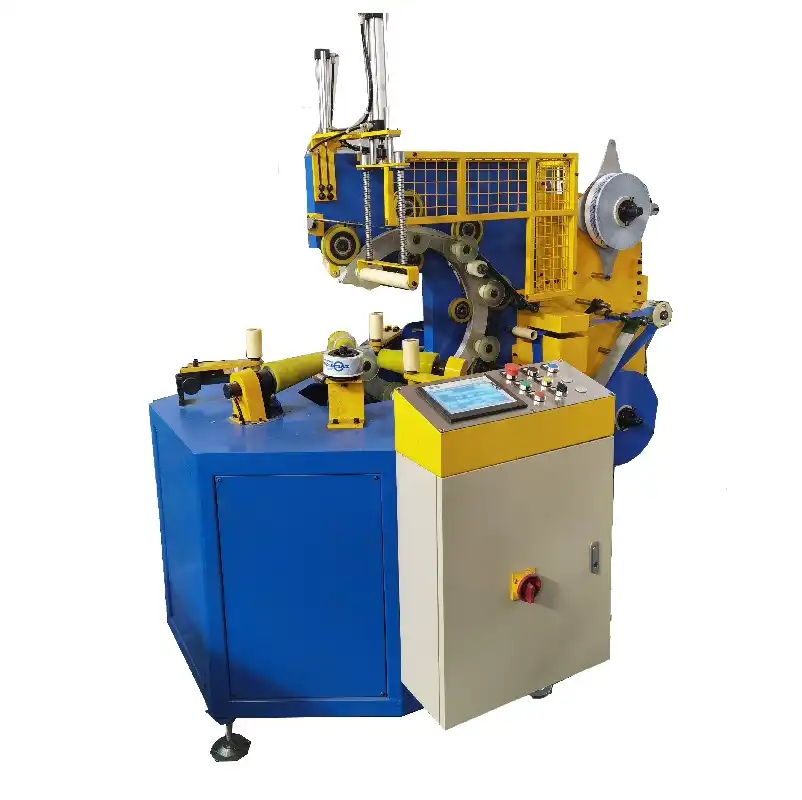
Mastering the safe transport of steel coils with forklifts and manual handling is not just about following steps; it’s about cultivating a safety-first mindset throughout every stage of the process. From meticulous pre-handling inspections to the final placement in storage, each action demands careful planning, trained execution, and unwavering vigilance. By prioritizing comprehensive training, adhering to strict safety protocols, and fostering a culture of continuous improvement, businesses can significantly mitigate the inherent risks of coil handling, ensuring a safer and more efficient working environment. For facilities looking to optimize their coil handling processes further, exploring advanced coil packing line solutions can be a valuable next step towards enhanced safety and operational excellence.








