
How to Safely Store Steel Coils in Tight Spaces
Are you grappling with the challenge of storing massive steel coils in a confined facility? The pressure of limited space combined with the inherent risks of handling heavy metal coils can lead to costly damage, safety hazards, and operational bottlenecks. Don’t let tight quarters compromise your efficiency or your team’s safety.
Safely storing steel coils in tight spaces requires strategic planning, specialized handling equipment like multidirectional forklifts or overhead cranes, optimizing vertical storage using racking, implementing strict safety protocols including clear aisleways and traffic control, and potentially leveraging automation for high-density storage and reduced maneuverability needs.
Mastering steel coil storage in tight spaces is a critical skill for modern metalworking businesses. It’s not just about cramming coils into every available corner; it’s about smart utilization, precise handling, and unwavering commitment to safety. Let’s delve into the strategies that make it possible.
Choosing the Right Equipment for Confined Coil Storage
Handling steel coils in tight spaces presents a unique challenge, demanding equipment that is both powerful and maneuverable. Using standard machinery not suited for confined areas drastically increases the risk of collisions, product damage, and worker injury. Selecting the right tools is foundational to safe and efficient operations within limited square footage.
For tight spaces, specialized equipment is paramount for safe steel coil storage. Multidirectional forklifts offer superior maneuverability compared to conventional models, allowing movement in all directions to navigate narrow aisles efficiently. Overhead cranes utilize vertical space, freeing up floor area while providing precise placement. Compact coil handlers and upenders further aid in orienting coils safely in restricted zones.
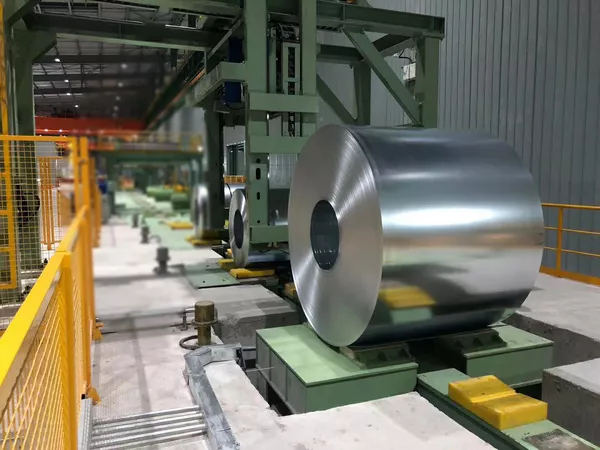
Equipment Selection: Maximizing Efficiency and Safety in Limited Areas
Navigating confined spaces requires a deliberate approach to equipment selection. Standard forklifts, while versatile, often have a large turning radius and require significant aisle width for the required tail swing, making them inefficient and hazardous in tight layouts. Specialized equipment is designed to overcome these limitations, enabling safer movement and storage.
Consider the Combilift multidirectional forklift, as mentioned by Martin McVicar. Unlike traditional forklifts, these machines can move sideways, allowing them to handle long loads like steel coils down narrow aisles. This capability significantly reduces the required aisle width, maximizing usable storage space. They can also lift coils both eye-to-the-side (using forks through the core) or eye-to-the-sky (via pallets or skids), offering flexibility. The ability to retract the load between the forklift legs distributes weight evenly, improving stability in tight turns and congested areas.
Overhead cranes are another excellent solution for tight spaces because they operate above the floor, leaving valuable ground space clear. Equipped with specialized coil lifters such as C-hooks, vertical coil grabs, or magnets, cranes can precisely place coils into high-density racking or tightly packed floor storage zones without requiring significant floor-level maneuvering space. This leverages vertical space effectively, a key strategy in small facilities.
For specific tasks like changing coil orientation for production lines in a confined area, a coil upender can be invaluable. It safely rotates a coil from eye-to-the-sky to eye-to-the-side within a small footprint, eliminating the need for complex, space-consuming forklift maneuvers.
When selecting equipment, always consider the weight and diameter of the coils you handle most frequently. Ensure the equipment’s capacity significantly exceeds the maximum coil weight, as stressed by Nelson Miller. Operating underrated equipment is incredibly dangerous, especially in tight spaces where stability and precise movements are critical. Regularly inspecting and maintaining all handling equipment is non-negotiable to prevent mechanical failures that could lead to accidents in confined areas.
| Equipment Type | Best For | Space Efficiency in Tight Areas | Maneuverability in Tight Areas | Safety Considerations in Tight Areas |
|---|---|---|---|---|
| Standard Forklift | General handling (less ideal for coils) | Low (wide aisles needed) | Moderate (poor with long loads) | High risk of collisions/damage due to tail swing |
| Multidirectional Forklift | Coils, long loads | High (narrow aisles possible) | Excellent | Reduced risk of collisions; good stability |
| Overhead Crane w/ Lifters | Heavy coils, leveraging vertical space | Very High (floor space clear) | Excellent (precise placement) | Safe operation requires clear overhead path; less ground traffic risk |
| Coil Upender | Changing coil orientation (eye-to-sky/side) | High (small footprint) | Limited (static operation) | Safer than manual rotation; reduces forklift needs |
| Automated Guided Vehicle (AGV) | Repetitive transport routes | High (optimizes paths) | Excellent (programmed routes) | Separates humans from movement; requires dedicated paths |
By carefully assessing your space constraints and coil handling needs, investing in specialized equipment designed for maneuverability and vertical lifting, and prioritizing rigorous operator training, you can significantly enhance safety and efficiency in your tight coil storage area.
Strategic Storage Layouts for Maximizing Limited Space
Cramming steel coils into a small area without a plan is a recipe for disaster. In tight spaces, every square foot counts, and an inefficient layout can lead to tangled inventory, blocked access, increased handling times, and higher safety risks. Optimizing your storage layout is as crucial as choosing the right handling equipment.
To maximize steel coil storage in tight spaces, implement a layout that prioritizes vertical stacking using heavy-duty racking systems for smaller coils, utilizes multidirectional equipment for narrow aisles with horizontal storage, segregates coil types by access frequency, and clearly marks zones and walkways to maintain safety and flow in confined areas.
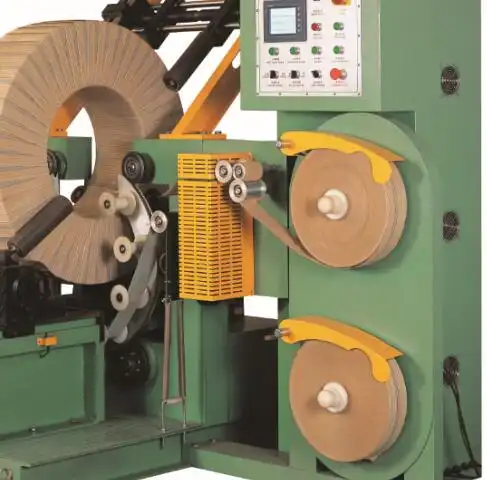
Space Optimization: Crafting an Efficient Layout for Tight Coil Storage
Designing a layout that safely accommodates steel coils in a restricted area requires creative thinking and a strong understanding of coil characteristics and handling equipment capabilities. The goal is to maximize density without compromising accessibility or safety.
One primary strategy in tight spaces is maximizing vertical storage. As Paul Zimmerman of Hixwood notes, storing coils “eye to the sky” not only protects the product but also allows for more tons per square foot. Heavy-duty racking systems are essential for achieving this. They allow stacking coils several levels high, utilizing the cubic volume of your warehouse rather than just the floor area. Ensure racks are engineered and installed to handle the specific weight and dimensions of your coils, with safety factors applied. Regular inspections of the racking structure are critical.
While vertical storage is space-efficient, “eye to the side” storage is often necessary for coils destined for immediate processing, like those feeding a roll-forming line. In tight spaces, horizontal storage must be managed carefully. Instead of wide aisles for standard forklifts, using multidirectional forklifts or overhead cranes with C-hooks allows for significantly narrower aisles, increasing overall storage density. When storing horizontally on the floor, use robust chocks or cradles to prevent rolling, especially with larger, heavier coils which are less stable. Clearly define these floor storage zones and limit stacking height based on stability assessments.
Segregating coils based on size, weight, and frequency of access is another key layout principle. Store fast-moving coils in easily accessible areas with wider access points or closer to production lines, even if it means sacrificing some density in that specific zone. Slower-moving or finished coils can be stored in higher-density areas, potentially utilizing vertical racking or tighter floor stacks further from main traffic paths.
Maintaining clear and sufficient aisle space, while challenging in tight areas, is non-negotiable for safety. Aisle width must accommodate the largest equipment that will operate in that area, including accounting for loads and turns. Clearly mark aisles, walkways, and storage zones on the floor. Use physical barriers where necessary to separate pedestrian areas from equipment operating zones. A well-designed layout minimizes unnecessary movements, reduces congestion, and streamlines inventory management in your tight space.
- Vertical Storage Zoning: Designate areas for multi-tier vertical racking, suitable for smaller to medium coils, maximizing height utilization.
- Horizontal Storage Zoning: Allocate specific floor areas for larger or WIP coils requiring eye-to-the-side access, using narrow aisles facilitated by specialized equipment.
- Aisle Planning: Calculate minimum aisle widths based on equipment turning radius and load dimensions in every zone, clearly marking and enforcing these boundaries.
- Access & Egress: Ensure primary access routes and emergency exits are always clear and wide enough for safe passage of personnel and equipment, even when storage areas are dense.
- Inventory Organization: Implement a logical flow for coils (e.g., receiving at one end, staging at another) to minimize cross-traffic and congestion in tight spaces.
Implementing Robust Safety Protocols in Confined Coil Storage
Working with heavy steel coils is inherently risky, and these risks are magnified in tight storage spaces where visibility may be reduced and maneuverability limited. Accidents in such environments can be severe, leading to serious injuries, fatalities, significant material damage, and costly operational downtime. A comprehensive, diligently enforced safety protocol is the bedrock of any successful coil storage operation, especially when space is restricted.
Implementing robust safety protocols is crucial for steel coil storage in tight spaces, including mandatory use of appropriate PPE, rigorous and frequent training on handling procedures in confined areas, strict traffic management within narrow aisles, clearly marked exclusion zones around unstable stacks, and immediate reporting and investigation of near misses or incidents.
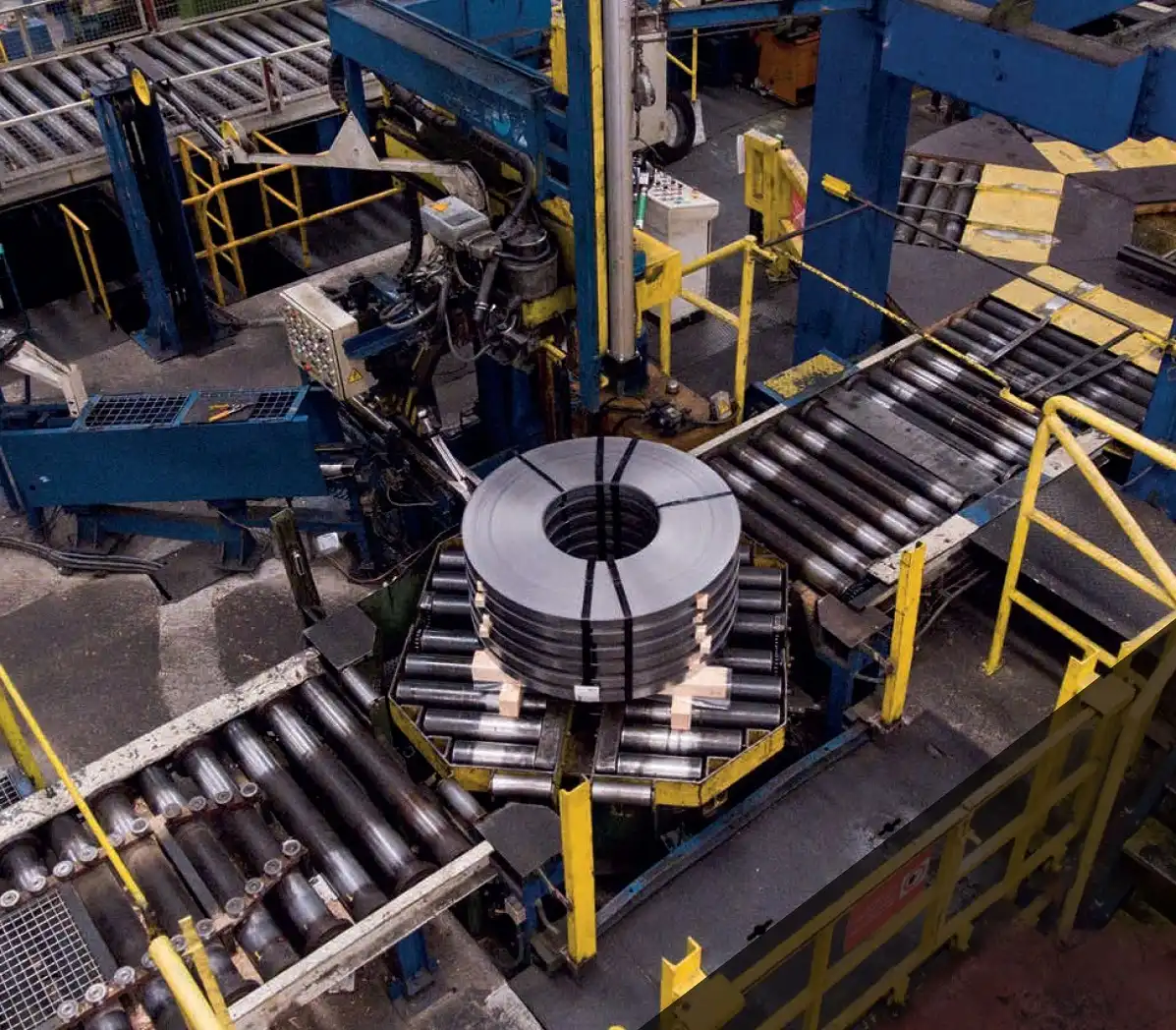
Safety First: Critical Procedures for Navigating the Hazards of Tight Coil Storage
Safety isn’t just a checklist; it’s a culture. In tight steel coil storage areas, this culture must be deeply ingrained, as the consequences of error are amplified. Common hazards like coils rolling, falling, or colliding with equipment are more likely when space is limited and movement is restricted.
Personnel must wear appropriate Personal Protective Equipment (PPE) at all times in coil storage zones. Steel-toed boots are essential to protect against crushing injuries. Heavy-duty gloves guard against cuts from sharp edges and pinch points, which are numerous when handling coils in close quarters. Safety glasses or face shields protect from debris or strapping recoil. Hard hats are mandatory in areas with overhead handling equipment or tall stacks. High-visibility vests improve visibility, critical in busy, potentially low-light tight areas.
Training is paramount. Initial training for all new employees operating in coil areas must cover safe handling techniques, equipment specifics (especially for operating in tight spaces), hazard recognition unique to confined areas, and emergency procedures. As Martin McVicar and Paul Zimmerman emphasize, refresher training is vital to combat complacency, particularly among experienced operators who might become less cautious over time. Training should simulate scenarios encountered in your specific tight layout.
Traffic management is key in restricted areas. Implement one-way systems where feasible, designate specific paths for forklifts and pedestrians, and enforce strict rules about speed limits and yielding in intersections or blind corners. Use mirrors at blind spots. Consider installing proximity sensors or cameras on handling equipment to alert operators to obstacles or personnel in tight areas.
Coil stability is a major concern, especially in dense storage. Ensure coils are stored on level, stable surfaces. If stacking horizontally, use adequate chocks or cradles. Vertical stacks must be straight and stable, with weight distributed evenly. Clearly mark and potentially barrier off areas around potentially unstable stacks or during active handling operations as temporary exclusion zones.
Finally, emergency preparedness must be tailored to the tight space. Ensure emergency exits are always clear. Fire safety is critical; densely packed coils often sit on flammable pallets. As Zimmerman wisely advises, work closely with local fire inspectors. They need to know the layout, stacking height, and location of coils, and your team must have a plan to evacuate and cordon off the area during a fire, understanding the risk of stacks collapsing. Regular drills, visible emergency contact information, and accessible fire suppression equipment are non-negotiable.
| Safety Protocol | Why It Matters in Tight Spaces | Implementation Strategy | Frequency |
|---|---|---|---|
| Mandatory PPE | Reduces direct injury risk from impacts, cuts, and crushing in close quarters. | Supply, enforce use, provide training on proper fit and care. | Always Required |
| Comprehensive Training | Equips staff to handle coils and operate equipment safely within limited maneuverability. | Certified courses, on-site drills simulating tight conditions, hazard awareness sessions. | Initial & Regular |
| Traffic Management | Prevents collisions between equipment and personnel or other equipment in narrow aisles. | Floor markings, one-way paths, mirrors, speed limits, pedestrian walkways. | Continuous |
| Stack Stability Checks | Prevents catastrophic collapse of stacks that are less stable when tightly packed. | Regular visual inspections, proper chocking/cradling, weight distribution limits. | Daily |
| Emergency Preparedness | Ensures rapid, safe response to incidents like fires or equipment failures in congested areas. | Drills, clear exits, accessible fire equipment, coordination with emergency services. | Regular Drills & Checks |
| Incident Reporting/Review | Identifies risks and prevents recurrence based on real-world events in the specific layout. | Encourage reporting of near misses, thorough investigation of all incidents. | Ongoing |
By meticulously planning and rigorously enforcing these detailed safety protocols, businesses can significantly mitigate the inherent risks of storing steel coils in tight spaces, creating a safer and more secure working environment for everyone involved.
The Transformative Power of Automation in Tight Coil Storage
The pressures of maximizing space, boosting throughput, and enhancing safety converge in the tight confines of a steel coil storage facility. Traditional manual handling methods, already challenging with heavy coils, become even less efficient and more dangerous in limited areas. Automation offers a compelling solution, revolutionizing how coils are stored and managed, particularly where space is a premium.
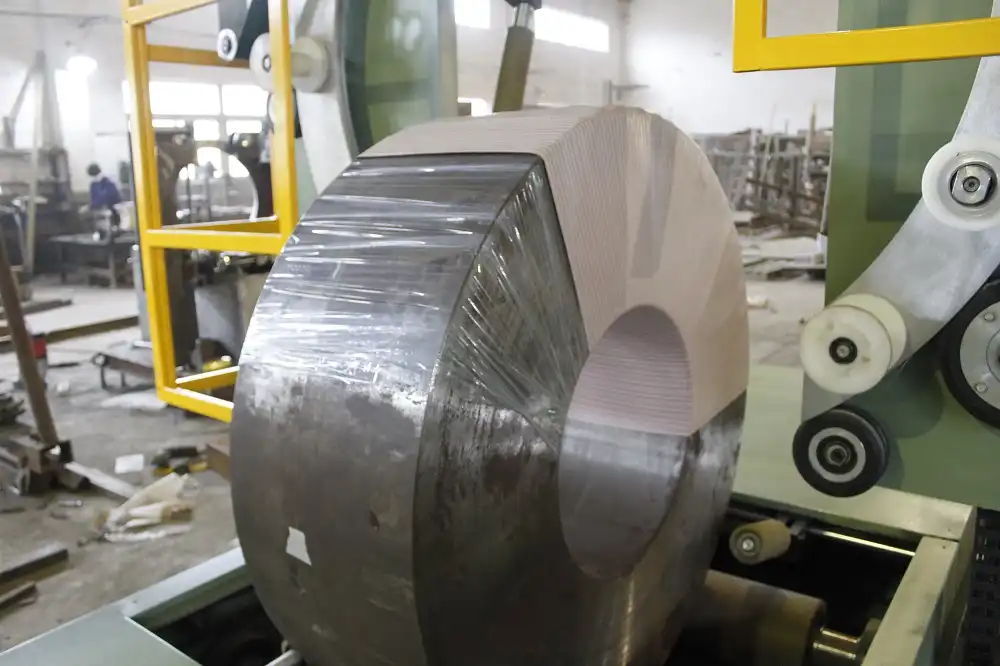
Automation significantly enhances the safe storage of steel coils in tight spaces by enabling high-density vertical storage using automated stacker cranes, minimizing aisle width requirements, reducing hazardous manual handling and equipment maneuverability, optimizing inventory location and retrieval through Warehouse Management Systems (WMS), and operating with consistent precision to prevent damage and accidents. Automated systems like stacker cranes and AGVs leverage vertical space and navigate tight areas efficiently, improving safety and density.
Integrating automation into a tight steel coil storage operation transforms potential bottlenecks into areas of efficiency and safety. Automated stacker cranes, for instance, can build extremely high-density vertical storage racks, utilizing the full height of a building and significantly reducing the floor footprint required compared to floor stacking or lower racking systems. These systems require only narrow aisles for the crane mast to travel, much less than a forklift needs.
Automated Guided Vehicles (AGVs) or mobile robots can handle the transport of coils between storage, receiving, and production areas. These systems follow predetermined, optimized paths, reducing the unpredictable movements of manual forklifts that can cause congestion and pose risks in tight spaces. They operate with repeatable precision, minimizing the chance of collisions or dropped loads.
A sophisticated Warehouse Management System (WMS), like those described by Konecranes, is often the brain behind automated coil storage. A WMS tracks every coil’s location, weight, and specifications in real-time. In a tight space, this is invaluable for optimizing storage locations (e.g., placing frequently accessed coils in easily reachable spots, or utilizing high-density areas for long-term storage), planning efficient retrieval sequences, and managing the movement of automated equipment. A WMS minimizes the time equipment spends searching for coils or maneuvering unnecessarily, which is particularly beneficial in congested layouts.
While the initial investment can be substantial, the long-term benefits in a tight space are compelling: dramatically increased storage capacity within the existing footprint, reduced labor costs, minimized product damage from mishandling, improved inventory accuracy, and most importantly, a safer working environment by removing humans from the immediate proximity of heavy, moving loads in confined areas. Automated systems work consistently, reducing human error and fatigue, which are significant contributors to accidents in demanding environments.
Conclusion
Safely and efficiently storing steel coils in tight spaces is a formidable challenge, but one that can be successfully addressed through strategic planning, the right technology, and a strong commitment to safety. By selecting specialized handling equipment like multidirectional forklifts or overhead cranes, optimizing your layout to prioritize vertical storage and narrow aisles, diligently implementing robust safety protocols, and considering the transformative potential of coil packing line automation, businesses can overcome spatial limitations. Prioritizing efficiency and safety not only protects valuable inventory and prevents costly accidents but also streamlines operations, contributing to overall productivity and profitability in the demanding world of metalworking.








